Most Successful Movie Franchises of All Time
There’s something mesmerizing about watching a single story grow into something that outlasts its creators, spans decades, and becomes part of the cultural fabric. Movie franchises represent Hollywood’s ultimate gamble – betting that audiences will return again and again to the same fictional worlds, characters, and mythologies.
Some of these bets pay off spectacularly, generating billions of dollars and creating entertainment empires that influence everything from toy aisles to theme parks. The most successful franchises don’t just make money; they become modern folklore, passed down from parents to children like bedtime stories that happen to cost $200 million each to produce.
Marvel Cinematic Universe
The MCU changed everything. Over thirty interconnected films and television series across multiple platforms have created an unprecedented shared universe.
However, the franchise’s attempt to build toward a single massive conclusion with Avengers: Endgame was followed by continued expansion, which has tested the sustainability of the formula.
Star Wars

So here’s the thing about Star Wars (and this might sound contradictory, but bear with the reasoning): it’s simultaneously the most successful franchise ever created and also a perfect example of how success can become its own trap – because once you’ve created something that defines childhood for multiple generations, every new installment carries the impossible weight of nostalgia, expectation, and the very specific ways people remember feeling when they first saw a lightsaber ignite in a darkened theater. The original trilogy became mythology.
Then the prequels happened, which everyone hated until suddenly they didn’t. The sequels tried to recapture magic while also subverting it, which pleased exactly no one and somehow made billions anyway.
And yet here’s what’s remarkable: despite decades of arguments about whether any Star Wars movie made after 1983 is actually good, people keep showing up. Box office numbers don’t lie, even when fans do.
Harry Potter
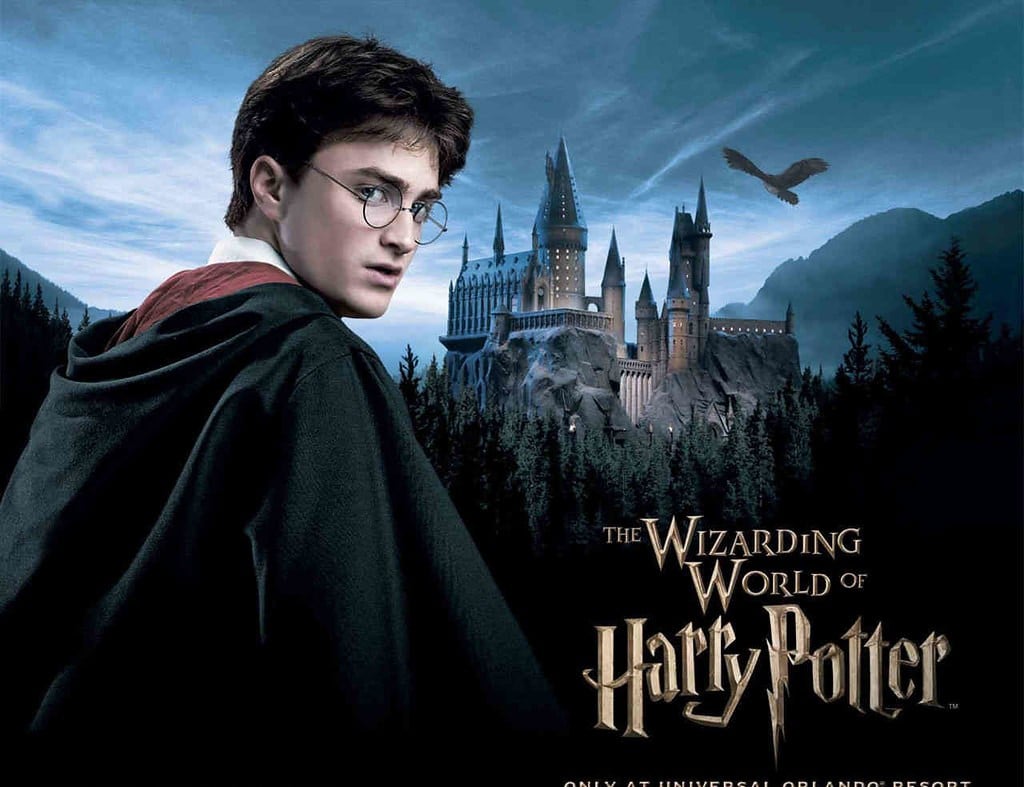
Libraries have always been sanctuaries, but after Harry Potter, they became something else entirely: places where magic felt possible. Children who had never cared about reading suddenly queued at midnight for books – actual books, with pages and everything – because they needed to know what happened next.
The franchise understood something fundamental about storytelling. Growing up is terrifying and lonely, but it’s less frightening when you’re doing it alongside characters who feel like friends.
Each film arrived as its audience aged, maturing from whimsical adventures into something darker and more complex. The magic was never really about wands and spells; it was about belonging somewhere, even when that somewhere exists only on screens and pages.
James Bond
Bond is basically bulletproof at this point. Twenty-five films across sixty years, and the formula never really changes. Suave spy, elaborate villains, improbable gadgets, questionable one-liners.
Every few years someone declares the franchise dead or outdated, and then another actor slides into the tuxedo and proves them wrong. The secret isn’t the stunts or the cars – it’s that Bond represents a very specific fantasy of competence and control in an increasingly chaotic world.
Fast & Furious
Family. Street racing turned into saving the world, and somehow that makes perfect sense within the internal logic of this franchise. What started as Point Break with cars became physics-defying heist films where the laws of gravity are merely suggestions.
The success lies in complete commitment to escalation – each film has to be more ridiculous than the last, and they’ve never failed to deliver on that promise.
Transformers
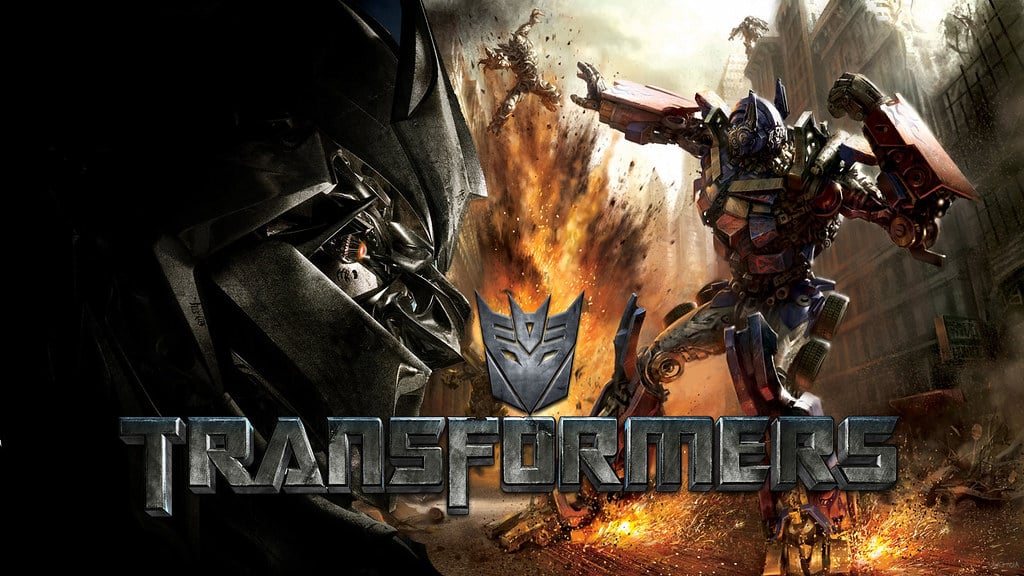
The first Transformers film was loud, messy, and completely incomprehensible during action sequences – and it made $709 million worldwide, which tells you everything about what audiences actually want versus what critics think they should want. Michael Bay understood something that film schools don’t teach: sometimes spectacle is enough, and teenage boys (plus the adults who used to be teenage boys) will pay good money to watch giant robots punch each other while things explode in slow motion.
But here’s where it gets interesting (in a depressing sort of way): the franchise kept making money even as each subsequent film became more of an assault on coherent storytelling and basic human dignity. The fourth film made over a billion dollars despite being nearly three hours of product placement disguised as a movie.
The fifth film – well, the less said about that, the better. And yet people kept buying tickets, which says something profound about the power of nostalgia and the human capacity for punishment.
The animated Bumblebee film proved the franchise could work with actual characters and emotional stakes, but that lesson seems to have been promptly ignored. Sometimes success is its own worst enemy.
Jurassic Park

Dinosaurs eating people never gets old. The original film was lightning in a bottle – groundbreaking effects, perfect pacing, characters you actually cared about before they became dinosaur food.
Every sequel since has been chasing that original magic, with diminishing returns and increasingly absurd plots. The recent trilogy tried to recapture the wonder while adding modern themes about genetic manipulation and corporate greed.
Audiences showed up anyway, because sometimes you just want to see a T-Rex destroy things, and intellectual coherence is optional.
Spider-Man
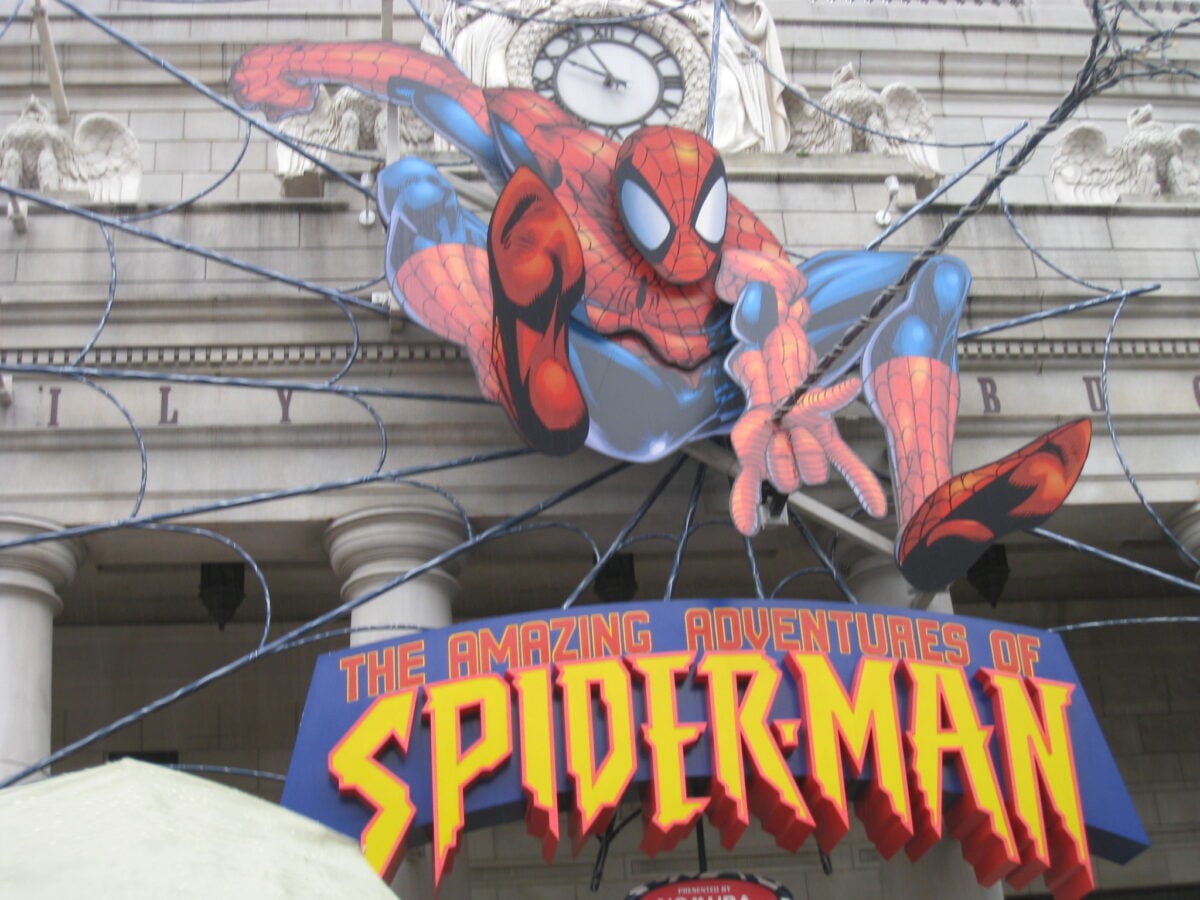
Three different actors, three different approaches, and somehow all of them worked on some level. Tobey Maguire’s earnest nerd, Andrew Garfield’s wisecracking outsider, Tom Holland’s eager teenager – each version reflected what audiences needed from the character at that particular moment in time.
The franchise proved something important about superhero stories: they’re elastic enough to support completely different interpretations while maintaining the core appeal. With great power comes great responsibility, but apparently it also comes with great box office potential across multiple decades and reboots.
Mission: Impossible

Tom Cruise hanging off increasingly dangerous objects while Ving Rhames provides technical support – it’s a simple formula that works because everyone involved commits completely to the absurdity. Each film features Cruise performing stunts that should probably kill him, and audiences keep showing up to see if this will be the movie where his luck finally runs out.
The action sequences are masterclasses in practical effects and stunt work. No green screens, no digital doubles, just a middle-aged movie star with apparently no sense of self-preservation and a team dedicated to capturing it all on camera.
X-Men
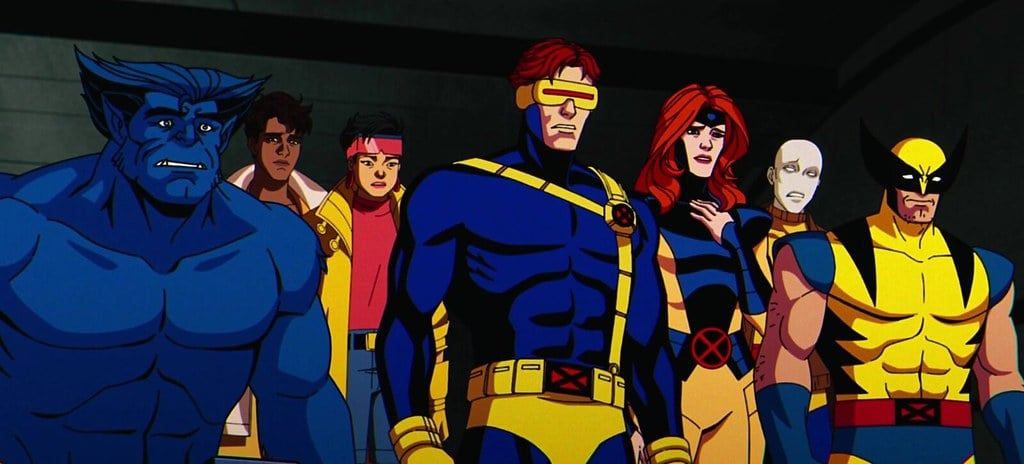
Mutants as metaphor for otherness – the concept was always smarter than most superhero stories, dealing with prejudice, identity, and social acceptance through the lens of people who could shoot lasers from their eyes or control the weather. The early films understood that the powers were less important than what it felt like to be different in a world that feared difference.
The timeline became increasingly convoluted as the franchise tried to service both nostalgia and new storylines. Multiple timelines, reboots, and retcons created a continuity so complex that even dedicated fans needed flowcharts to follow along.
Indiana Jones
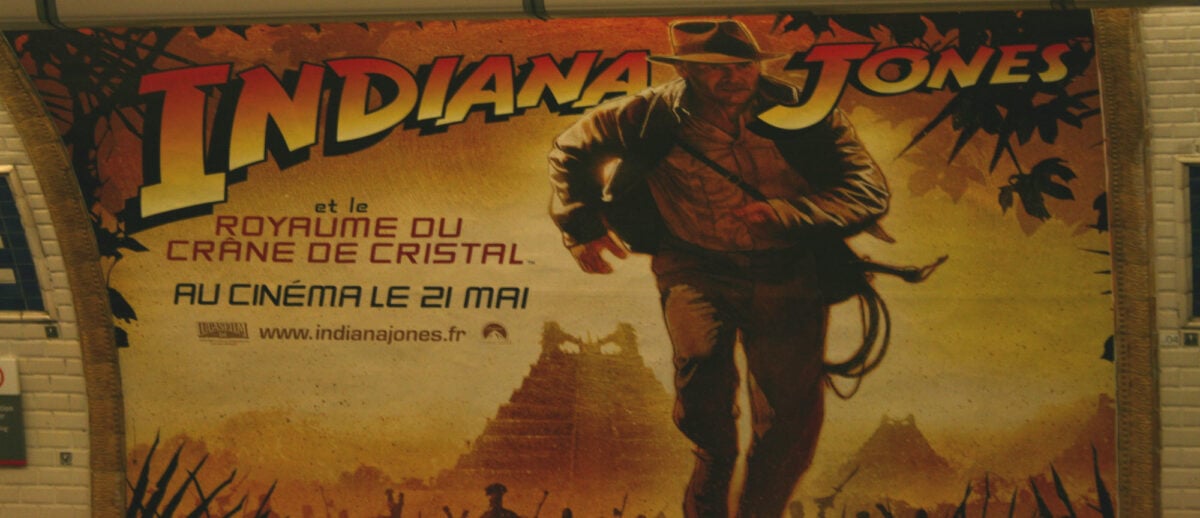
Adventure movies used to be a whole genre, and then Indy came along and perfected the formula so completely that everyone else just gave up. The fedora, the whip, the fear of snakes – it all became iconic because it felt both timeless and completely specific to one character.
The first three films created a template for action-adventure that countless movies have tried to copy. The fourth film reminded everyone why some things should be left alone. The fifth film exists, which is about all that can be said for it.
Pirates of the Caribbean
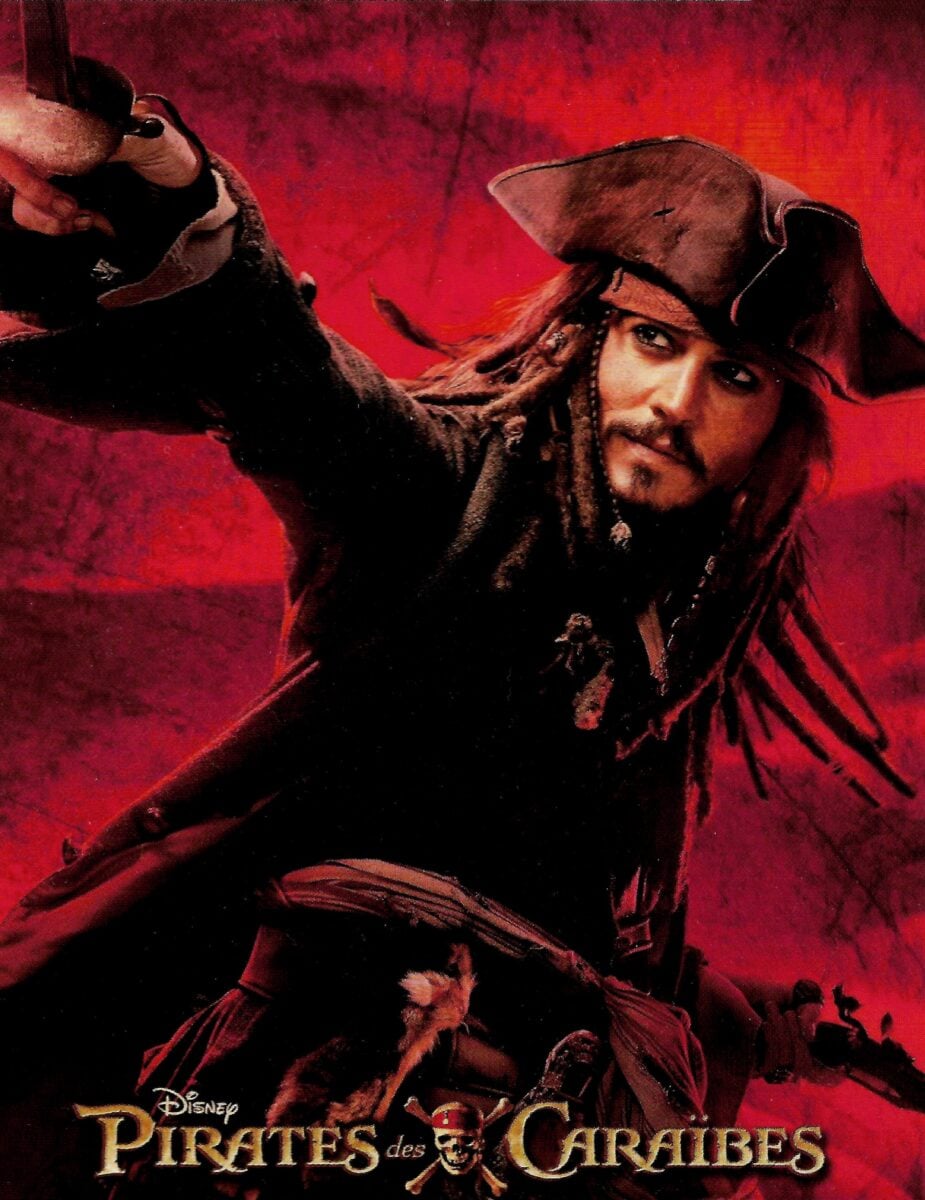
Johnny Depp’s Keith Richards impression became one of the most recognizable characters in modern cinema, and somehow that sentence makes perfect sense. The first film took a Disney theme park ride and turned it into a surprisingly engaging adventure story with actual character development and clever dialogue.
The sequels became increasingly baroque and incomprehensible, but audiences kept showing up for Depp’s performance even as everything around him became louder and more chaotic. The law of diminishing returns hit hard, but not before the franchise made Disney several billion dollars.
The Dark Knight Trilogy
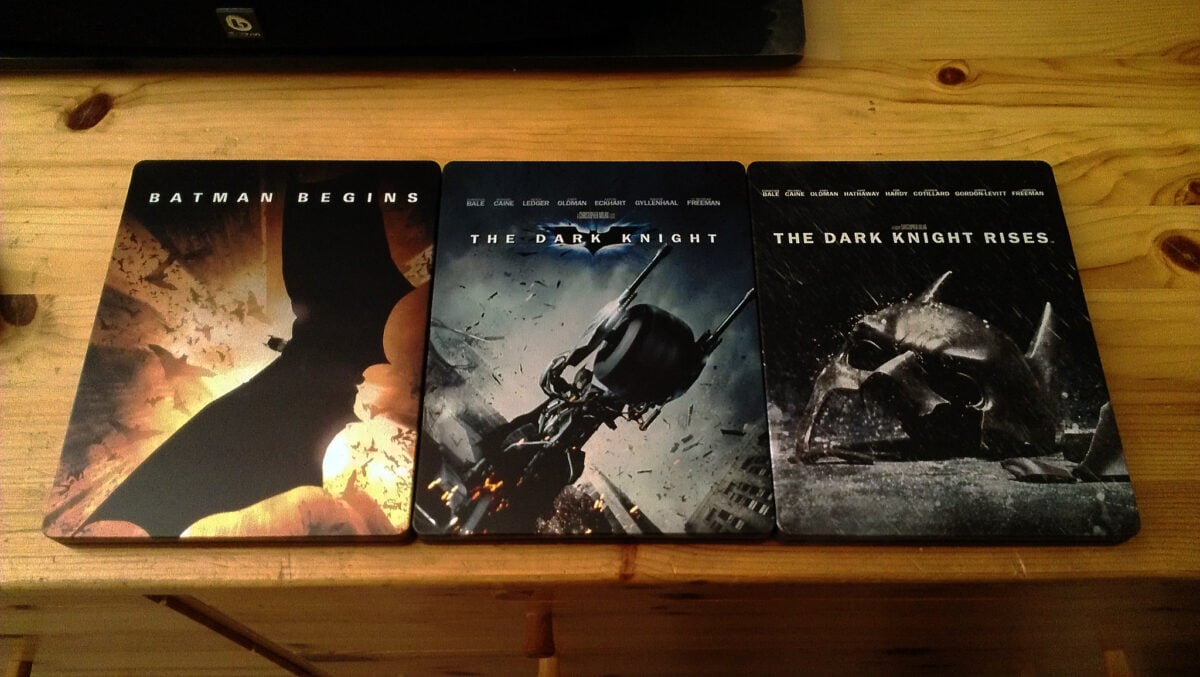
Christopher Nolan took Batman seriously when taking Batman seriously wasn’t cool, and the result was a trilogy that proved superhero movies could be both commercially successful and artistically ambitious. The Dark Knight remains the high-water mark for the genre – a film that happens to feature a man in a bat costume but works primarily as a crime thriller about the nature of chaos and order.
Heath Ledger’s Joker became the definitive version of the character, a performance so intense and committed that it overshadowed everything else in the film. The trilogy ended on its own terms, a rarity in franchise filmmaking.
When the Credits Roll

Movie franchises have become the dominant force in modern Hollywood, for better and worse. They provide the financial stability that allows studios to take risks on smaller films, but they also consume enormous resources and creative energy that might otherwise go toward original stories.
The most successful ones understand something fundamental about human nature: we want to return to places and characters that make us feel something, even if that something is just the memory of feeling something the first time around. Whether that’s sustainable – creatively, financially, or culturally – remains to be seen.
But as long as audiences keep showing up for the twentieth installment of their favorite fictional universe, studios will keep making them.
More from Go2Tutors!

- The Romanov Crown Jewels and Their Tragic Fate
- 13 Historical Mysteries That Science Still Can’t Solve
- Famous Hoaxes That Fooled the World for Years
- 15 Child Stars with Tragic Adult Lives
- 16 Famous Jewelry Pieces in History
Like Go2Tutors’s content? Follow us on MSN.