AI Tools Transforming Creative Industries
Creative work used to mean sitting at a desk for hours, wrestling with blank pages and empty canvases. That picture hasn’t disappeared entirely, but the tools available now would seem like science fiction to artists and creators from even a decade ago.
The shift isn’t just about speed or convenience. It’s about what becomes possible when the technical barriers come down and the focus shifts back to ideas.
Writing Gets Faster, But Different

Text generation tools now produce drafts in seconds. You can feed them a topic, a tone, and a few key points, and watch paragraphs materialize.
The quality varies, but so does human writing. What matters is that the first-draft anxiety disappears.
You’re not staring at a cursor anymore. You’re editing, shaping, and refining something that already exists.
Copywriters use these tools to bang out multiple versions of headlines and product descriptions. Novelists experiment with dialogue and scene variations.
Journalists clean up interview transcripts and spot patterns in data. The writing itself still requires judgment and style, but the grunt work shrinks considerably.
Image Creation Without the Canvas

You type a description, and an image appears. The technology sounds simple until you realize what it means for someone who can’t draw.
Designers mock up concepts in minutes instead of days. Marketing teams test dozens of visual directions before committing to one.
Small businesses create professional-looking graphics without hiring expensive studios. The tools aren’t perfect.
Hands look weird sometimes. The style can feel generic.
But the barrier to creating something visual has dropped so low that people who never considered themselves visual creators now produce images regularly.
Music Production for Non-Musicians

Music composition tools let you hum a melody and watch it transform into a full arrangement. You don’t need to read sheet music or understand chord progressions.
The software fills in the gaps, suggests harmonies, and adjusts tempo. Producers layer tracks and experiment with sounds that would take weeks to record traditionally.
Podcast creators generate custom intro music without licensing fees. Video editors match background scores to the mood they want.
The barrier isn’t technical skill anymore. It’s having a sense of what sounds good.
Video Editing That Thinks

Video editing used to require frame-by-frame precision and hours of tedious work. Now you can describe what you want removed or changed, and the software handles it.
Background removal, color correction, and scene transitions happen automatically. The editor becomes a director, making creative choices instead of clicking through menus.
YouTube creators cut down production time from days to hours. Filmmakers test different cuts without rebuilding entire sequences.
Corporate trainers update video content without re-recording entire presentations. The focus shifts from technical execution to storytelling and pacing.
Voice Cloning and Audio Manipulation

Your voice can be replicated with a few minutes of sample audio. Audiobook narrators record once and let the software handle corrections and re-records.
Podcasters remove filler words and awkward pauses automatically. Actors can dub their performances into other languages without learning the language.
The implications go beyond convenience. Content creators can maintain consistency across hundreds of hours of material.
People with speech difficulties can communicate in their own voice. The technology raises ethical questions too, but the creative possibilities keep expanding.
3D Modeling Without the Learning Curve

Creating 3D models used to require years of training and expensive software. Now you can describe an object or upload photos, and the tool generates a 3D model.
Game developers prototype environments quickly. Architects show clients walkthrough videos before breaking ground.
Product designers test variations without building physical prototypes. The models aren’t always perfect, but they’re good enough to communicate ideas and explore options.
You spend less time learning software and more time thinking about design.
Code Generation for Creative Projects

You don’t need to be a programmer anymore to build interactive websites or create custom tools. Describe what you want, and code-generation tools write the scripts.
Web designers add complex features without debugging for hours. Artists create interactive installations that respond to movement or sound. Writers build custom tools to organize research or track character details.
The code isn’t always elegant, but it works. The gap between having an idea and seeing it function shrinks to almost nothing.
Animation That Moves on Its Own

Character animation used to require frame-by-frame work or complex rigging. Now you can upload a drawing and watch it move.
Motion capture without the expensive equipment. Lip-sync that matches dialogue automatically.
Small animation studios compete with big companies because the technical workload decreases. Social media creators produce animated content daily.
Educators make their lessons more dynamic. Independent filmmakers tell stories that would have been too expensive or time-consuming before.
Photo Editing That Reads Your Mind

Photo editing tools now understand context. You can remove objects, change lighting, or extend backgrounds with simple prompts.
Photographers spend less time editing software and more time shooting. Real estate agents improve property photos without professional retouchers.
People restore old family photos that seemed damaged beyond repair. The line between photography and digital art blurs.
The camera captures a starting point, and the editing tools turn it into something else entirely.
Design Systems That Adapt

Design tools now learn your style and preferences. They suggest color palettes that match your previous work.
They maintain consistency across projects automatically. They resize and reformat content for different platforms without manual adjustments.
Graphic designers scale their output without sacrificing quality. Brand managers keep visual identity consistent across teams.
Freelancers deliver work faster and take on more clients.
Translation That Preserves Meaning
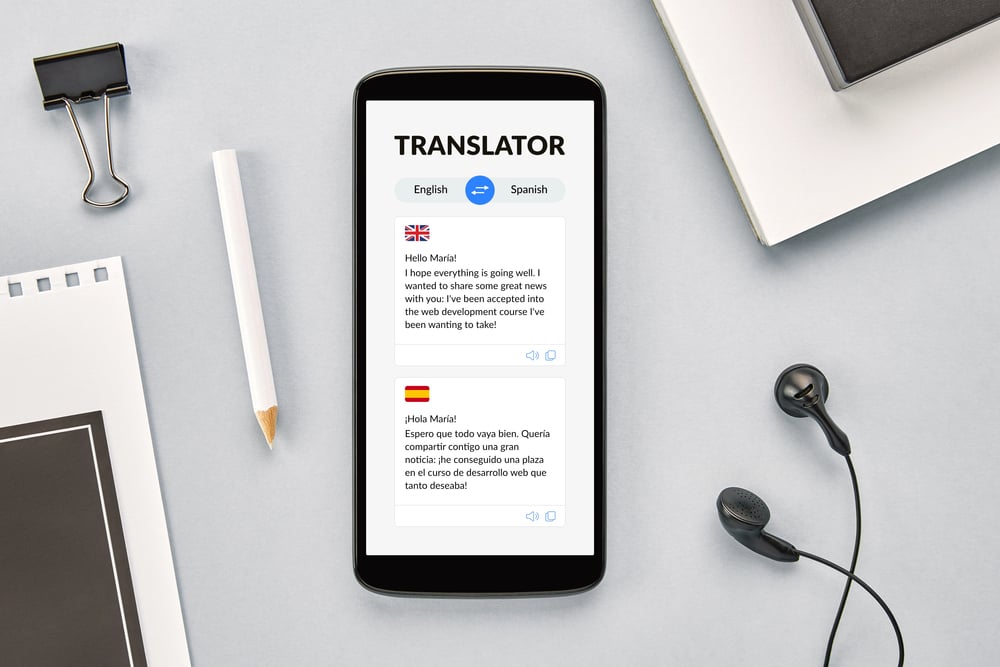
Translation tools now handle context and tone, not just word-for-word conversion. Content creators reach global audiences without hiring translator teams.
Authors see their work in languages they don’t speak. Filmmakers subtitle their projects accurately without expensive services.
The translations aren’t always perfect, but they’re good enough to communicate ideas and expand reach. Cultural barriers shrink.
Audio Transcription That Actually Works
Recording interviews, meetings, or thoughts used to mean hours of manual transcription. Now the software handles it in real-time. Writers extract quotes from hours of recordings in seconds.
Researchers analyze interviews without listening to them multiple times. Creators repurpose podcast content into articles without typing everything out.
The accuracy keeps improving. You spend less time on administrative work and more time on creative decisions.
Collaboration Without Boundaries

Creative tools now let multiple people work on the same project simultaneously, regardless of location. The software tracks changes, suggests improvements, and resolves conflicts. Remote teams function as smoothly as people in the same room.
Feedback loops shrink from days to minutes. The geography of creative work changes.
You can work with the best people regardless of where they live. Projects move faster because waiting disappears.
The Quiet Revolution in Studios and Home Offices

Quiet changes slip through unnoticed. Work unfolds behind screens in quiet rooms, tucked-away corners, on worn cafe tables. Creators move faster now, fewer things stand in their way.
Machines handle clunky tasks once done by hand. More people reach the starting line than ever before.
The output sharpens, not from sharper minds, yet from smarter helpers beside them.
Creativity isn’t going anywhere. Still, the way people make things has shifted – tools shape who joins in, how quickly thoughts take form.
A fresh start waits every time. Now, your tools answer back a little faster.
More from Go2Tutors!

- The Romanov Crown Jewels and Their Tragic Fate
- 13 Historical Mysteries That Science Still Can’t Solve
- Famous Hoaxes That Fooled the World for Years
- 15 Child Stars with Tragic Adult Lives
- 16 Famous Jewelry Pieces in History
Like Go2Tutors’s content? Follow us on MSN.