Famous Explorer’s Forgotten Adventures
History loves a good highlight reel. We remember Columbus ‘discovering’ America, Shackleton’s dramatic Endurance survival, and Magellan circumnavigating the globe.
But these famous explorers didn’t just wake up one day, have their legendary moment, and call it quits. Most of them had multiple expeditions, and some of their lesser-known journeys were just as wild, dangerous, or downright bizarre as the ones that made it into textbooks.
Here is a list of famous explorers and the adventures that time forgot.
Ernest Shackleton’s Quest Expedition
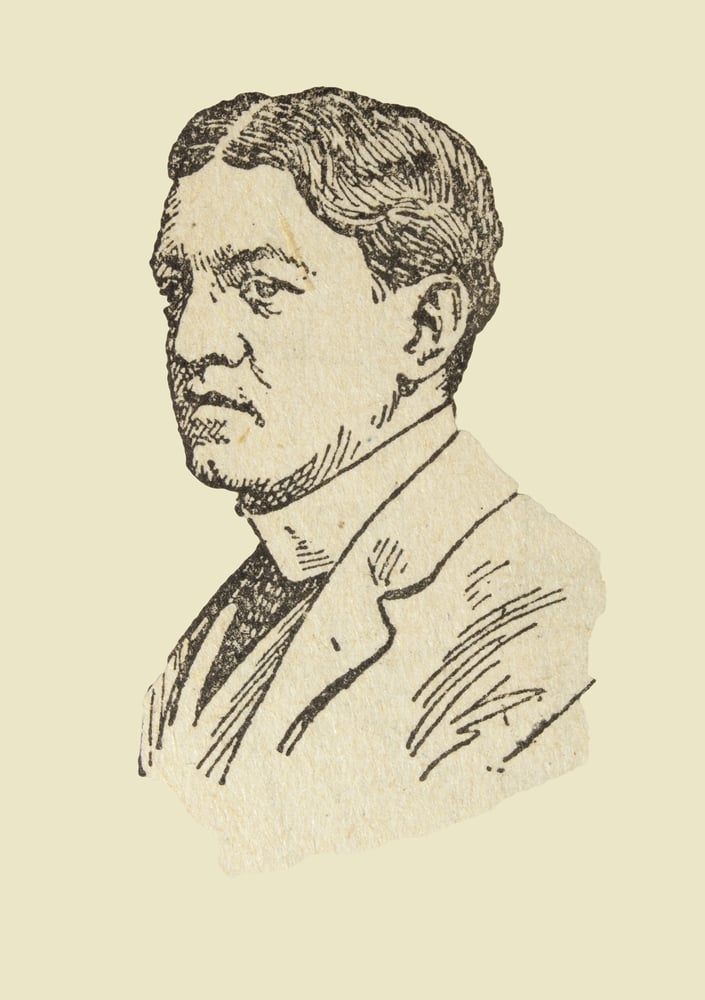
Shackleton’s Endurance story is the stuff of legend, but his final expedition in 1921 barely gets a mention. He set out on the Quest to circumnavigate Antarctica, but his health was failing fast.
Just weeks into the journey, he died of a heart attack on South Georgia Island at age 47. His crew wanted to bring his body home, but his wife said he’d want to stay in the south, so they buried him there.
Roald Amundsen’s Airship Disaster

After conquering the South Pole, Amundsen got obsessed with Arctic aviation. In 1928, he joined a rescue mission to find a crashed Italian airship near the North Pole.
His plane disappeared somewhere over the Barents Sea, and neither he nor his crew were ever found. The man who’d survived everything Antarctica could throw at him vanished in the Arctic fog.
Marco Polo’s Genoese Prison

Most people don’t realize that we only have Marco Polo’s travel tales because he got thrown in prison. After returning from Asia, he fought in a naval battle between Venice and Genoa and ended up captured in 1298.
While locked up, he met a writer named Rustichello and dictated his adventures to pass the time. Without that prison sentence, ‘The Travels of Marco Polo’ might never have existed.
James Cook’s Second Pacific Voyage
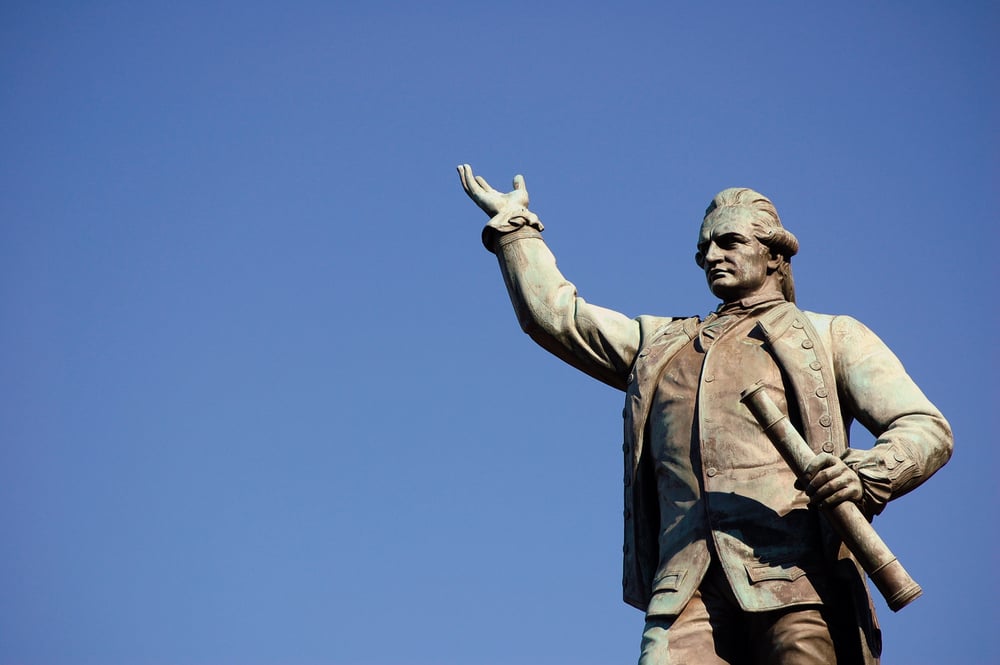
Cook’s first voyage gets all the attention, but his second expedition from 1772 to 1775 was arguably more impressive. He sailed further south than anyone before him, crossed the Antarctic Circle three times, and basically proved that the mythical ‘Terra Australis’ continent didn’t exist where people thought it did.
He circumnavigated the globe at extreme southern latitudes in wooden ships, which is genuinely insane.
Ferdinand Magellan’s Malacca Service
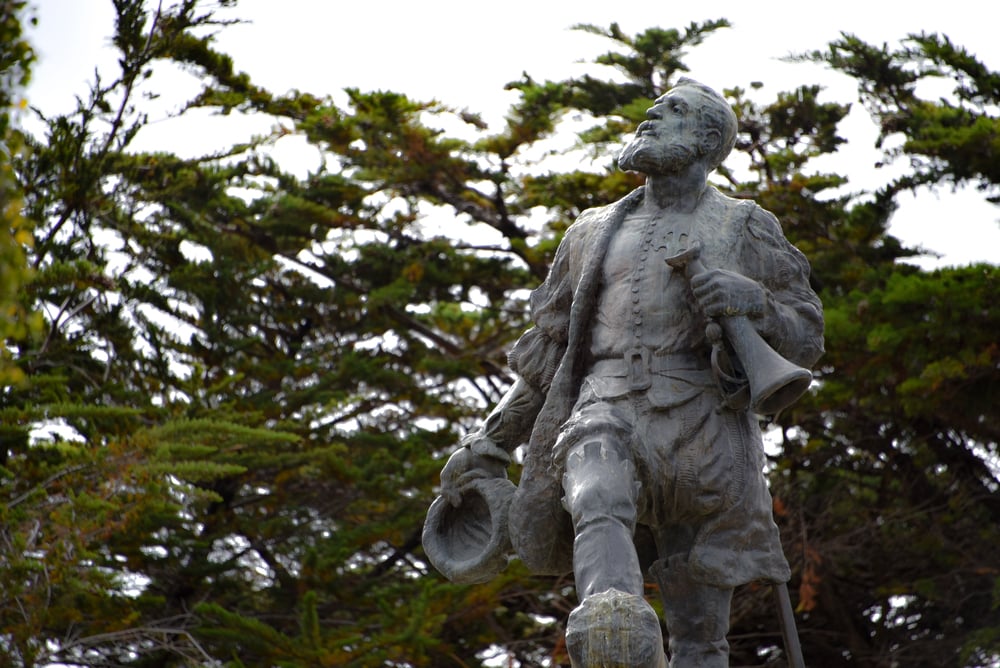
Before his famous circumnavigation, Magellan spent years working for Portugal in Southeast Asia. He participated in the conquest of Malacca in 1511 and made trading expeditions to the Spice Islands.
These earlier adventures gave him the knowledge about eastern routes that later convinced him a western passage to the Spice Islands was possible. Turns out, getting fired by Portugal was the best thing that ever happened to his legacy.
Vasco da Gama’s Second India Voyage

Da Gama’s first trip to India in 1498 made him famous, but his second voyage in 1502 was brutal. He commanded a fleet of 20 ships and wasn’t playing nice anymore.
He bombarded Calicut, captured and burned a ship with hundreds of Muslim pilgrims aboard, and established Portuguese power through sheer violence. This voyage showed a much darker side of European expansion that history books tend to gloss over.
Henry Hudson’s Arctic Attempts

Everyone remembers Hudson Bay and Hudson River, but he’d already tried twice to find a Northeast Passage over Russia before those voyages. In 1607 and 1608, he sailed toward the Arctic trying to reach Asia by going north of Europe.
He failed both times, fighting ice, cold, and a mutinous crew. These earlier failures taught him enough about Arctic navigation to attempt the Northwest Passage, which ultimately got him killed when his crew mutinied in 1611.
Francisco Pizarro’s Failed Peru Attempts

Pizarro didn’t just show up and conquer the Inca Empire on his first try. His first expedition in 1524 barely made it down the Colombian coast before running out of supplies.
His second attempt in 1526 went further but was a nightmare of starvation, disease, and indigenous attacks. Only 13 men agreed to keep going with him to Peru.
Hernán Cortés’ Honduras Expedition

After conquering the Aztec Empire, Cortés got word that one of his captains in Honduras had gone rogue. In 1524, he decided to march there through unmapped jungle rather than sail around.
The journey was catastrophic—his men nearly starved, they got lost constantly, and Cortés even hanged one of his companions for alleged treason. By the time he reached Honduras, the problem had already resolved itself, making the whole trip pointless.
David Livingstone’s Zambezi Expedition

Livingstone is famous for being ‘found’ by Stanley and for opposing the slave trade, but his Zambezi River expedition from 1858 to 1864 was a complete mess. He claimed the river would be a ‘highway’ into Africa’s interior, but it was actually full of rapids and waterfalls.
Several expedition members died, his wife died of malaria, and the British government considered the whole thing an expensive failure. Livingstone’s reputation took years to recover.
Richard Burton’s Nile Source Quest
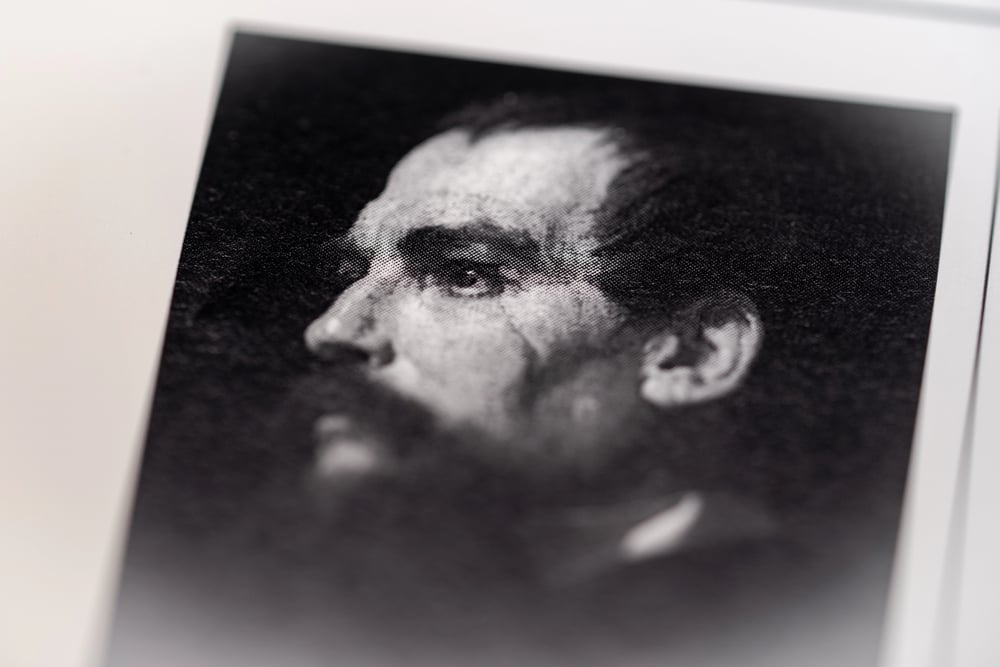
Everyone credits John Speke with finding the Nile’s source, but Burton was actually leading that expedition in 1856. He and Speke reached Lake Tanganyika together, but Burton was too sick to continue when Speke went north and found Lake Victoria.
The two explorers had a bitter falling out over who deserved credit, and Burton spent years arguing that Speke had gotten it wrong. Their feud ended tragically when Speke died in a hunting accident the day before they were supposed to publicly debate.
Henry Morton Stanley’s Emin Pasha Relief

After his famous ‘Dr. Livingstone, I presume’ moment, Stanley led another African expedition that turned into a nightmare. In 1887, he set out to rescue Emin Pasha, a German governor trapped in Sudan.
The expedition took three years, hundreds died from disease and starvation, and when Stanley finally reached Emin Pasha, the man didn’t particularly want to be rescued. The whole affair was controversial and bloody.
John Wesley Powell’s Second Canyon Run

Powell’s first Colorado River expedition in 1869 made him a celebrity, but he did it again in 1871 with better equipment and a photographer. This second trip was actually more important scientifically—they mapped the canyon properly, took the first photos of the region, and gathered geological data.
But nobody cared as much because it wasn’t a ‘first’ anymore, even though Powell only had one arm and was basically running the same deadly rapids that had terrified him the first time.
Robert Peary’s Early Arctic Failures

Before claiming to reach the North Pole in 1909, Peary spent two decades failing in the Arctic. His 1886 Greenland expedition barely accomplished anything.
His 1891 trip broke his leg when a ship hit ice. His 1893 attempt nearly killed him from frostbite, and he lost eight toes. Multiple expeditions in the early 1900s came up short of the pole. Peary’s eventual success—if he really made it, which is still debated—came after years of brutal failure.
Zheng He’s Early Expeditions

Most people who’ve heard of Zheng He know about his massive treasure fleet voyages in the 1400s, but his first expedition in 1405 had a different mission. The Chinese emperor sent him to find a deposed rival who might be hiding abroad.
Zheng He sailed through Southeast Asia with a fleet of enormous ships, and while he didn’t find the fugitive emperor, he established Chinese power across the region. His later voyages, which reached Africa, overshadow this initial diplomatic chase.
Beyond the History Books
These forgotten adventures reveal something textbooks often miss—exploration was rarely a one-shot deal. Most famous explorers failed repeatedly, went on lesser expeditions that accomplished nothing, or had second acts that ended badly.
Columbus died thinking he’d reached Asia. Amundsen vanished searching for someone else. Pizarro nearly starved before conquering anything. The explorers we remember for their triumphs often had careers full of disasters, near-misses, and ventures that history forgot. Their real stories are messier and more human than the cleaned-up versions we learned in school.
More from Go2Tutors!

- The Romanov Crown Jewels and Their Tragic Fate
- 13 Historical Mysteries That Science Still Can’t Solve
- Famous Hoaxes That Fooled the World for Years
- 15 Child Stars with Tragic Adult Lives
- 16 Famous Jewelry Pieces in History
Like Go2Tutors’s content? Follow us on MSN.



