Longest Flights You Can Take
Planning a trip that involves more than half a day in the air sounds exhausting. But airlines keep pushing boundaries with routes that span entire hemispheres, connecting cities that once required multiple stops and layovers.
These flights test the limits of modern aircraft and passenger endurance alike. The longest routes now stretch beyond 19 hours without touching the ground.
You board in one part of the world and step off in another after experiencing two sunrises from your window seat. Airlines use specially designed aircraft for these journeys, planes built to carry enough fuel and maintain comfort over distances that would have been impossible just decades ago.
Singapore to New York JFK

Singapore Airlines operates the current distance champion. The route covers 9,537 miles between Singapore Changi Airport and New York’s JFK, taking around 18 hours and 50 minutes when flying westbound.
This flight claims the title of the world’s longest by distance. The airline uses the Airbus A350-900ULR for this route.
That ULR designation stands for Ultra Long Range, a version of the aircraft designed specifically for these marathon journeys. Singapore Airlines configures this plane with only business class and premium economy seats.
No regular economy exists on this flight. The thinking goes that asking passengers to sit in standard economy seats for nearly 19 hours crosses a line, even if it means fewer total seats and less revenue per flight.
Singapore to Newark

Just 2 miles shorter than the JFK route, Singapore Airlines also flies from Singapore to Newark Liberty International Airport. The distance measures 9,535 miles, and the flight takes about 18 hours and 25 minutes.
Singapore Airlines originally operated this route from 2004 to 2013 using Airbus A340-500 aircraft. At that time, it held the record for the world’s longest flight.
The airline discontinued the service when fuel costs made it unsustainable. But advances in aircraft efficiency brought it back in 2018.
The Newark route actually predates the JFK service, which launched in 2021. Both flights use the same aircraft type and cabin configuration, offering passengers a choice between two New York area airports for their transpacific journey.
Doha to Auckland

Qatar Airways connects the Middle East to New Zealand with flights from Doha’s Hamad International Airport to Auckland. The route spans 9,026 miles and takes approximately 17 hours and 35 minutes.
When Qatar Airways first launched this service in 2017, it briefly held the title of world’s longest flight. The airline used Boeing 777-200LR aircraft at launch.
After suspending the route during the pandemic, Qatar Airways brought it back in September 2023 using the Airbus A350-1000, though the airline later switched back to the 777-200LR. Auckland’s geographic isolation makes it a natural candidate for ultra-long flights.
New Zealand sits more than 2,500 miles from its nearest neighbor, Australia. Getting there from most of the world requires either a very long flight or multiple connections.
Perth to London

Qantas flies from Perth to London Heathrow, covering 9,009 miles in about 17 hours and 45 minutes. Perth sits on Australia’s west coast, much closer to Southeast Asia than to the country’s eastern population centers.
This geographic position makes it the launching point for some of Australia’s longest routes. The airline originally started this service in March 2018.
COVID-19 forced a pause in operations, with the last flight operating in September 2021. During the suspension, Qantas temporarily ran a replacement flight from Darwin instead.
The Perth-London route came back in May 2022. Perth ranks among the most isolated cities on the planet.
Adelaide, the nearest major city, requires a three-hour flight. This isolation actually works in Perth’s favor for long-haul routes, since fewer people means less traffic and makes scheduling easier.
New York JFK to Melbourne
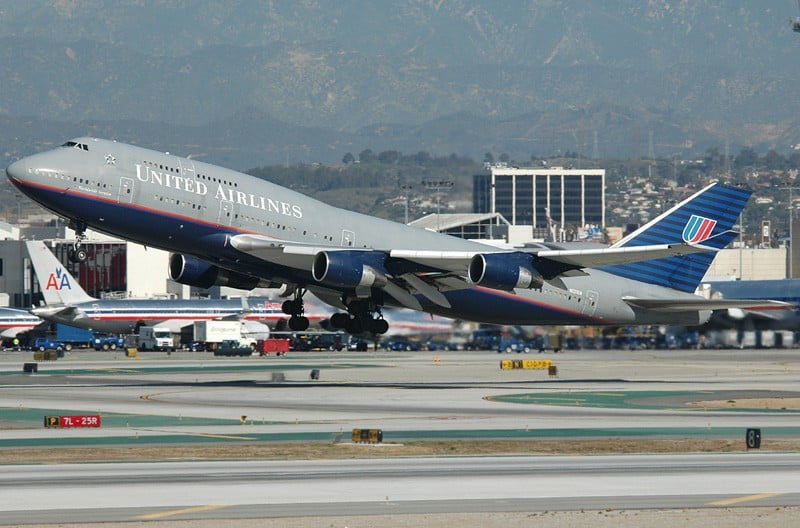
United Airlines connects New York’s JFK Airport to Melbourne, Australia, covering 8,825 miles in roughly 18 hours when flying eastbound. The route launched as one of several new ultra-long-haul services aimed at connecting American cities directly to Australian destinations.
Melbourne sits on Australia’s southeastern coast, making it one of the more accessible Australian cities for long-haul flights compared to Perth. But that accessibility remains relative when you’re talking about a country that sits on the opposite side of the world from North America.
The Boeing 787-9 Dreamliner handles this route. This aircraft type shows up frequently on the longest routes because of its fuel efficiency and passenger comfort features.
The 787 includes larger windows, higher cabin pressure, and better humidity control than older aircraft, all features that help on flights lasting nearly a full day.
Dallas to Melbourne
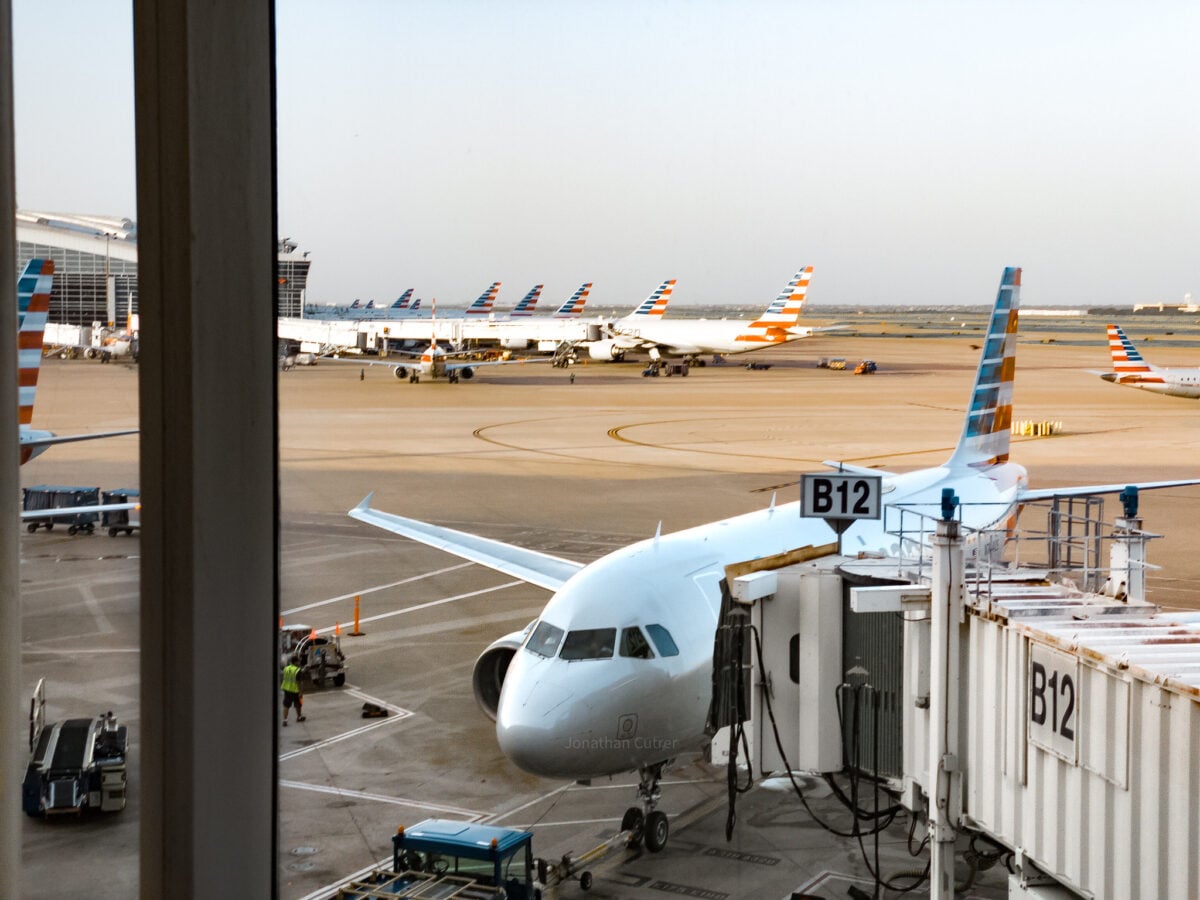
Qantas operates daily flights from Dallas Fort Worth International Airport to Melbourne. The route covers 8,813 miles and takes approximately 17 hours and 35 minutes.
Dallas serves as a major hub that connects Australian travelers to 193 onward destinations throughout the United States. American airlines have shown increasing interest in direct Australia routes.
Previously, most travel between the United States and Australia required stops in cities like Los Angeles, San Francisco, or Honolulu. Direct flights from cities in the American interior like Dallas represent a shift in how airlines think about Pacific crossings.
The Boeing 787-9 Dreamliner operates this route as well. Qantas has invested heavily in this aircraft type for its long-haul operations, finding it strikes the right balance between range and passenger capacity.
Perth to Paris
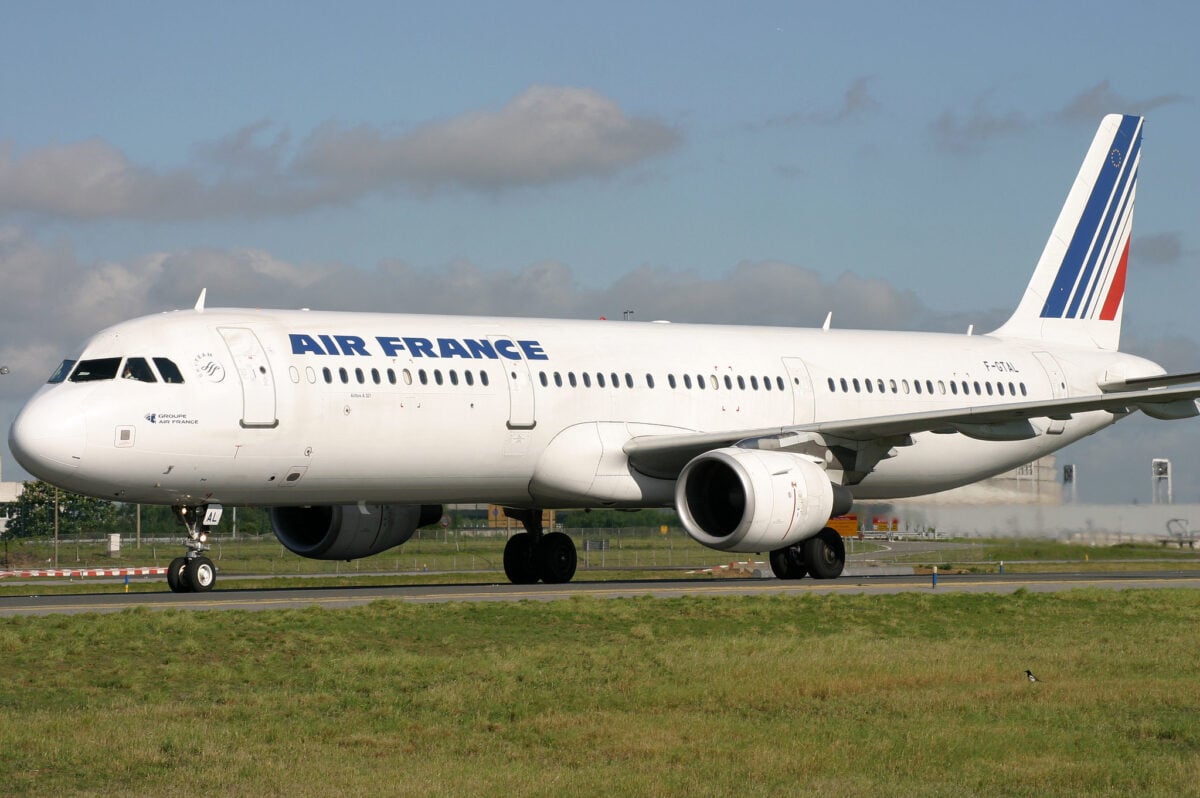
Qantas connects Perth to Paris Charles de Gaulle Airport, covering 8,696 miles in about 17 hours and 20 minutes. The airline relaunched this service in July 2024, timed to coincide with the Paris Summer Olympics.
This marks Qantas’s first direct connection to France in roughly 20 years. Paris represents one of only two European destinations in the top ten longest flights, both departing from Perth.
The route briefly faced suspension in 2024 due to tensions in the Middle East, requiring an alternative routing with a fueling stop in Singapore. France attracts millions of Australian tourists each year, making a direct connection commercially viable despite the extreme distance.
The route caters particularly to premium travelers willing to pay for the convenience of avoiding connections.
Auckland to New York JFK

Air New Zealand and Qantas both operate flights between Auckland and New York’s JFK Airport. The route covers 8,829 miles and typically takes 17 hours and 30 minutes flying westbound.
Air New Zealand launched this service in 2022 as the airline’s first direct route to New York. Qantas began flying the same route in 2023, creating direct competition on one of the world’s longest flights.
Both airlines use aircraft configured for maximum comfort on these marathon journeys. Flying time varies significantly depending on direction due to prevailing winds.
Westbound flights from Auckland to New York take longer than the eastbound return, sometimes by more than an hour.
Los Angeles to Singapore

Singapore Airlines and United Airlines both serve the route between Los Angeles and Singapore Changi Airport. The flight spans approximately 8,770 miles and takes around 17 hours and 30 minutes.
Los Angeles serves as a major gateway for transpacific travel, connecting the American West Coast to Asia. This route has existed in various forms for decades, though modern aircraft make it possible to fly nonstop where earlier generations of planes required refueling stops in places like Hawaii or Tokyo.
Singapore’s position as a major Southeast Asian hub makes it a logical destination for these flights. Passengers can connect onward to destinations throughout Asia, making the long flight to Singapore worthwhile even for travelers whose final destination lies elsewhere.
San Francisco to Bangalore

United Airlines operates flights from San Francisco to Bangalore, India, covering approximately 8,701 miles. The flight takes about 16 hours and 10 minutes, making it one of the shorter entries on this list, though 16 hours still qualifies as an extremely long flight by any measure.
Bangalore has emerged as a major technology hub, earning the nickname “India’s Silicon Valley.” The direct connection to San Francisco, home to America’s original Silicon Valley, reflects the close business ties between the two regions.
Tech workers, executives, and investors make up a significant portion of passengers on this route. India’s growing economy and large diaspora population in the United States create demand for direct flights.
Previously, most travel between the American West Coast and southern India required connections through Middle Eastern hubs like Dubai or Doha, adding hours to the total journey time.
New York to Fuzhou
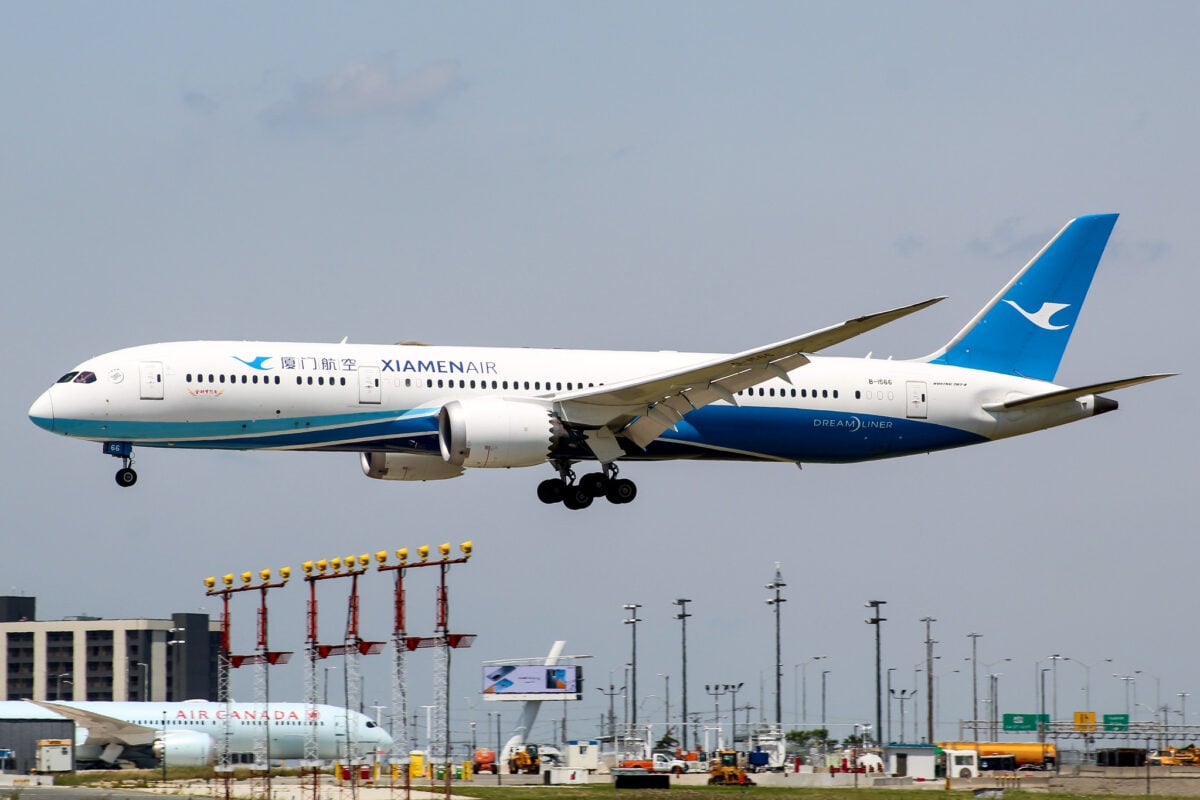
Xiamen Airlines operates a flight from New York JFK to Fuzhou in southern China. At 19 hours and 20 minutes, this recently launched route claims the title of longest flight by duration, though not by distance.
Flight duration and flight distance don’t always align perfectly. Wind patterns, routing restrictions, and other factors affect how long a plane spends in the air.
A shorter route might take longer to fly if it faces stronger headwinds or must take a less direct path. Fuzhou serves as the capital of Fujian province in southeastern China.
The city sits across the Taiwan Strait from Taiwan, making it an important economic center for trade with the island. Direct flights to New York connect this regional Chinese city to one of the world’s major business and cultural centers.
Melbourne to Dallas

The return flight from Melbourne to Dallas covers the same 8,813 miles as the Dallas to Melbourne route, but flight time varies based on wind patterns. This route provides another example of how airlines now connect Australian cities directly to American destinations beyond the traditional gateways of Los Angeles and San Francisco.
Dallas Fort Worth International Airport ranks as one of the world’s busiest airports and serves as a super-connector hub for American Airlines. Australian travelers arriving in Dallas can quickly connect to destinations throughout North America, from New York to Mexico City to Vancouver.
The route typically takes slightly less time flying westbound due to the jet stream, though actual flight times fluctuate day by day based on current weather conditions.
Houston to Sydney

United Airlines connects Houston George Bush Intercontinental Airport to Sydney, Australia. The route spans approximately 8,596 miles and takes around 17 hours and 30 minutes.
Houston serves as another major American hub, particularly for the energy industry. The city’s strong business ties to Australia, particularly in natural resources and energy sectors, help support demand for this direct route.
Sydney represents Australia’s largest city and most important business center. Most Australian international traffic flows through Sydney, making it the logical choice for airlines adding new routes to Australia.
San Francisco to Singapore

United Airlines offers another ultra-long route connecting San Francisco to Singapore. While covered earlier from the Los Angeles perspective, the San Francisco route serves a slightly different market and competes with Singapore Airlines on the same city pair.
Competition between airlines on ultra-long routes tends to focus on service quality rather than price. The small number of airlines capable of operating these flights means passengers often pay premium fares regardless of which carrier they choose.
Singapore Airlines generally prices its flights at a premium compared to United, but offers higher-rated service. United competes on its network of domestic connections within the United States, making it easier for passengers starting their journey outside major gateway cities.
The Aircraft That Make It Possible

Modern ultra-long-haul flights depend on two aircraft families: the Airbus A350 and the Boeing 787 Dreamliner. Both planes represent the latest generation of wide-body aircraft, designed from the start to fly farther while burning less fuel and keeping passengers more comfortable.
The Airbus A350-900ULR takes this concept to an extreme. Singapore Airlines worked with Airbus to create a version of the A350 optimized specifically for ultra-long routes.
The plane carries additional fuel tanks and uses a lighter cabin configuration to extend its range. Only two airlines currently operate this variant: Singapore Airlines and Philippine Airlines.
The Boeing 787-9 appears on many of the longest routes despite not being specifically designed for ultra-long-haul flying. Its combination of range and passenger capacity makes it economically viable for routes that might not fill a larger aircraft.
Qantas and United rely heavily on the 787-9 for their long-haul operations. Both aircraft use composite materials in their construction, making them lighter than earlier aluminum designs.
They also feature more advanced engines that burn less fuel per mile flown. These improvements, combined with better aerodynamics, make routes that were economically impossible a decade ago now routinely profitable.
What You Can Expect Onboard

Airlines treat ultra-long-haul flights differently from regular international service. The extreme duration forces carriers to think more carefully about passenger comfort, entertainment, and meal service.
Singapore Airlines offers no economy class on its longest flights, only business and premium economy. This decision reflects a recognition that asking passengers to sit in tight quarters for 19 hours crosses a threshold of reasonableness.
Other airlines haven’t followed this approach, but most configure their ultra-long-haul aircraft with more premium seating than shorter international routes. Meal service typically includes multiple offerings.
You might receive dinner shortly after takeoff, followed by snacks, then breakfast as the flight nears its destination. Some airlines add an additional light meal in the middle for the longest flights.
Aircraft on these routes feature larger entertainment screens and more extensive content libraries. You could watch six or seven full-length movies and still have hours left in your flight.
Many passengers bring their own devices loaded with additional content, books, or work to fill the time. Modern aircraft also address the physical challenges of extreme-duration flights.
Higher cabin pressure reduces fatigue. Better humidity control prevents the extreme dryness passengers experience on older planes.
Larger windows and better lighting help manage circadian rhythms disrupted by crossing multiple time zones.
The Routes That Almost Were
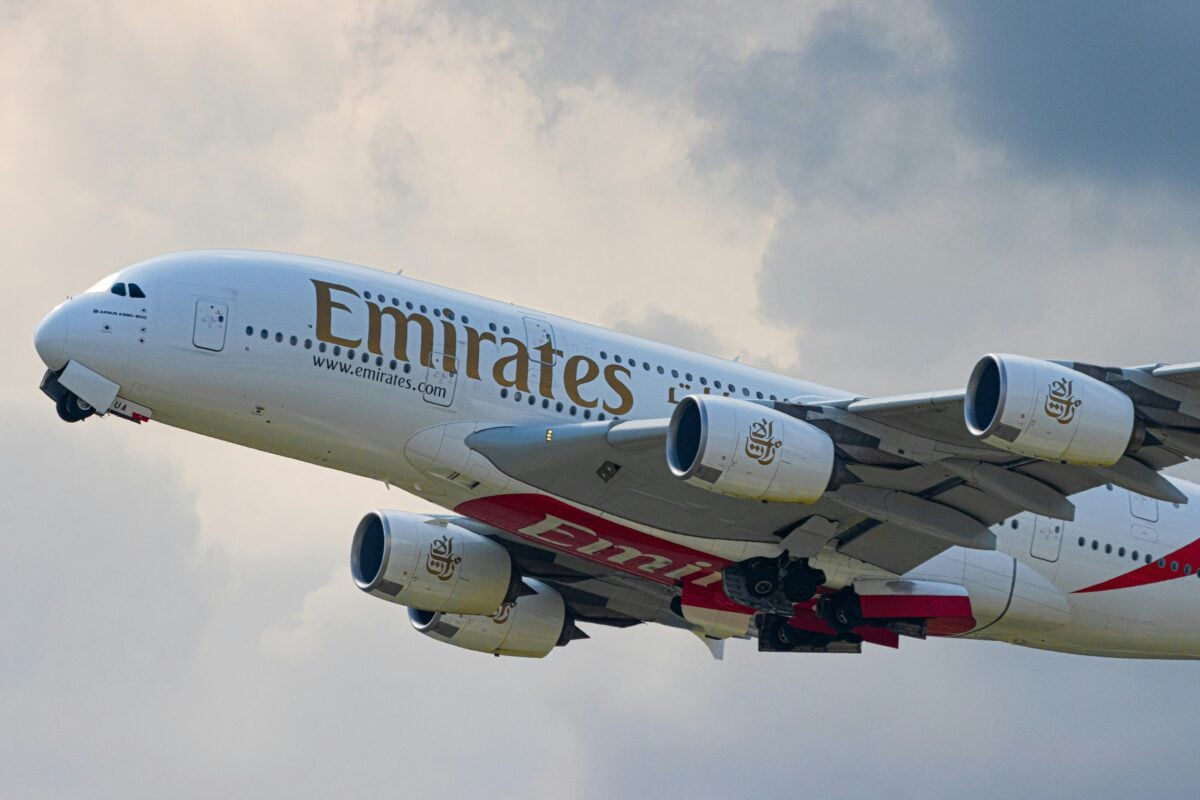
Airlines have announced several ultra-long routes that never launched or operated only briefly before suspension. Understanding these failures reveals the challenges of operating such extreme flights.
Emirates announced service between Dubai and Panama City in 2015, planning to cover 8,588 miles in about 17 hours. The route launched in February 2016 but ended in October of the same year.
The combination of insufficient demand and challenging economics doomed the route despite its impressive distance. Air France operated a direct route from Paris to New York using Concorde for decades, making the trip in under four hours.
But Concorde burned fuel at such an extreme rate that only premium passengers could afford tickets. When Concorde retired in 2003, the ultra-fast route disappeared with it. Modern long-haul flights trade speed for efficiency.
Vietnam Airlines received approval to fly from Ho Chi Minh City to New York and Dallas, routes that would rank among the longest in the world. The airline launched service to San Francisco but has yet to operate the New York or Dallas flights despite announcing them years ago.
Turkish Airlines has announced plans to fly directly from Istanbul to Melbourne and Sydney starting in 2026, along with potential service to Auckland. These routes would rank among the longest if launched, but delivery delays for the necessary aircraft have pushed back the start dates multiple times.
Project Sunrise

Qantas has spent years working on Project Sunrise, an initiative to operate direct flights from Sydney to London and New York. These routes would surpass all current commercial flights in distance.
Sydney to London measures 10,573 miles. Sydney to New York spans approximately 9,950 miles. Both flights would take more than 20 hours.
Passengers would see two sunrises during the flight, hence the project’s name. Qantas originally planned to launch these routes in 2025, but delivery delays for the specially configured Airbus A350-1000 aircraft have pushed the date back to at least 2027.
The airline has worked with researchers to study the effects of such extreme flight durations on passengers and crew, looking for ways to minimize jet lag and fatigue. The aircraft will include a dedicated wellness zone where passengers can stretch and move around during the flight.
Qantas has also studied optimal meal timing, cabin lighting, and other factors that affect how passengers handle the extreme duration. Whether Project Sunrise succeeds commercially remains uncertain.
The flights will require significant demand from passengers willing to pay premium prices for the convenience of avoiding a connection. Qantas believes the market exists, but only time will tell if passengers agree.
When Distance Meets Duration

The record for longest flight keeps shifting between measurements. Longest by distance differs from longest by duration, and both metrics matter.
Xiamen Airlines’ Fuzhou to New York flight takes 19 hours and 20 minutes despite not covering the most miles. Wind patterns, particularly the jet stream, significantly affect flight times.
Routes that fly with the jet stream gain speed, while those flying against it take longer. Airlines also consider great circle distance versus actual flight distance.
Great circle distance represents the shortest path between two points on a sphere, which describes Earth. But planes can’t always fly the great circle route due to airspace restrictions, weather patterns, or other factors.
The actual path flown may add hundreds of miles to the theoretical shortest route. Political considerations affect routing as well.
Flights between certain countries must avoid the airspace of nations with which they lack agreements. These detours add time and distance to routes that would otherwise be more direct.
The Economics of Ultra-Long Flights

Operating flights that last nearly a full day presents unique economic challenges. Airlines must balance the appeal of nonstop convenience against the higher costs of such extreme routes.
Fuel remains the largest expense. Planes carrying enough fuel to fly for 19 hours need massive tanks, and that fuel weighs enough to require even more fuel to lift it.
This creates a compounding effect where longer routes become disproportionately more expensive rather than simply scaling linearly with distance. Crew costs increase as well.
Ultra-long flights require extra pilots and cabin crew to comply with regulations limiting working hours. These additional personnel need seats, adding to the passenger capacity lost to carrying more fuel.
Aircraft utilization also suffers. A plane that spends 19 hours flying between two cities can only complete one round trip every two days at most.
Airlines make money when planes fly, so an aircraft that sits on the ground for extended periods between flights generates less revenue than one completing multiple shorter flights daily. Yet despite these challenges, airlines keep launching ultra-long routes.
The ability to fly nonstop commands premium pricing. Business travelers especially value avoiding connections, and corporate travel policies often allow more expensive tickets when they save time.
This premium pricing helps offset the higher costs of operation.
Where Routes Might Go Next

The competition to operate the longest flight continues. Airlines and aircraft manufacturers keep pushing boundaries, looking for the next record-breaking route.
Airbus and Boeing both have aircraft in development or testing that promise even greater range. The Airbus A350-1000, a stretched version of the A350-900, offers more seats with similar range.
Qantas has ordered a special variant of this plane for Project Sunrise, with modifications to extend its capabilities even further. New routes under consideration include Istanbul to Santiago, which would connect Europe to South America’s west coast via a flight spanning over 8,000 miles.
Turkish Airlines has discussed this possibility multiple times, though no firm launch date exists. Air India has explored ultra-long routes connecting Indian cities directly to destinations in the Americas, potentially including New York to Delhi or New York to Mumbai.
These routes would bypass traditional connection points in the Middle East or Europe. Technology improvements continue making longer flights viable.
Better engines, lighter materials, and more efficient aerodynamics all contribute to pushing the boundaries of what’s possible. Each generation of aircraft can fly a bit farther than the last while maintaining economic viability.
The Human Factor

Spending nearly a full day in an aircraft cabin affects people differently. Some passengers sleep through most of the ultra-long flights.
Others find it nearly impossible to sleep despite the duration. Airlines have studied the psychology and physiology of extreme-duration flights extensively.
They’ve learned that meal timing, cabin lighting, and even the content offered in entertainment systems can affect how well passengers handle the journey. Bright light exposure at specific times helps passengers adjust to their destination time zone.
Meals timed to align with destination rather than departure time can reduce jet lag. Some airlines have even worked with chefs to design special menus that avoid foods likely to cause discomfort during long flights.
Exercise matters too. Passengers who get up and move around periodically during the flight arrive feeling better than those who remain seated the entire time.
The challenge comes in motivating passengers to move when getting up means disturbing seatmates or navigating crowded aisles. Individual variation plays a huge role.
People who travel frequently often handle ultra-long flights better than occasional travelers. Younger passengers generally adapt more easily than older ones.
And simple factors like whether someone is traveling for business or leisure affect their mindset and experience.
Time Zones and Jet Lag
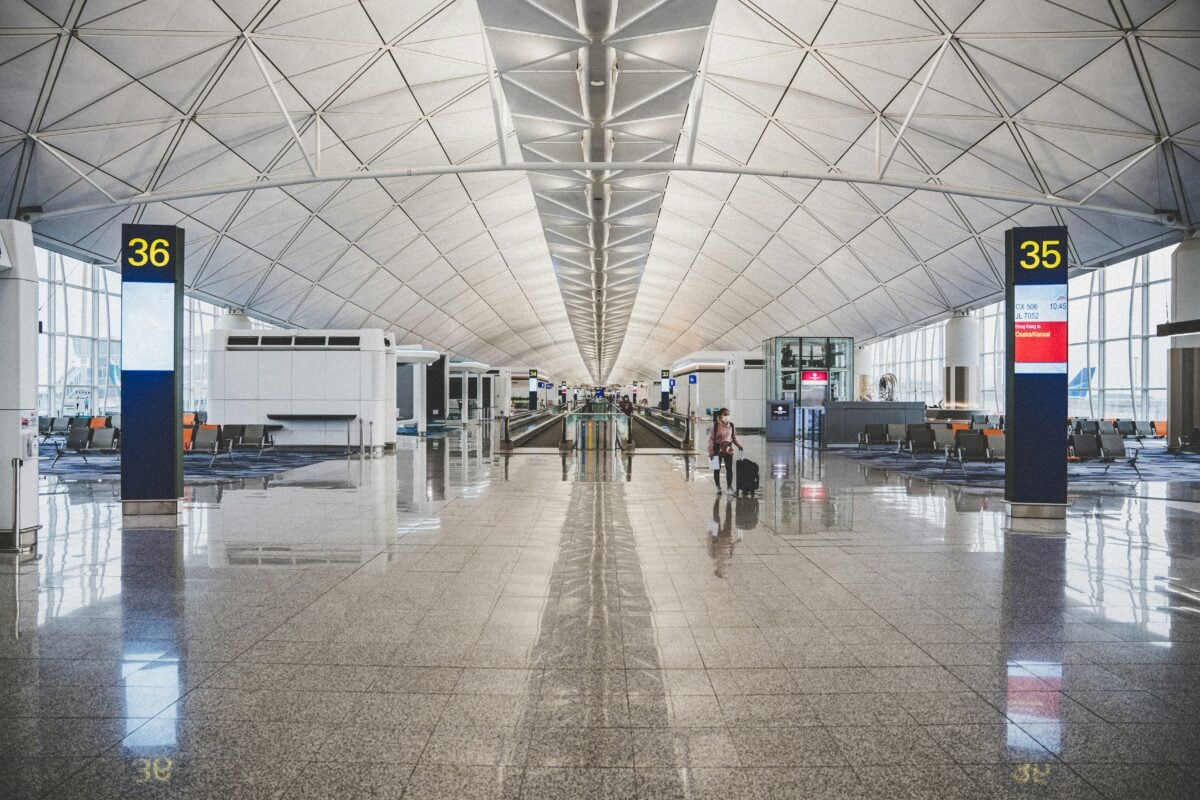
Ultra-long flights necessarily cross multiple time zones, often 10 or more. This plays havoc with human circadian rhythms, leaving passengers jet-lagged for days after arrival.
The direction of travel matters significantly. Flying eastward, which requires adjusting to an earlier time zone, typically causes worse jet lag than flying westward.
Unfortunately, many of the longest flights involve significant eastward travel components. Some passengers try to adjust to their destination time zone before departure, shifting their sleep schedule gradually in the days leading up to their flight.
This works better in theory than practice, as work schedules and other obligations make it difficult to sleep at unusual times. Melatonin supplements have become popular among long-haul travelers.
The hormone helps regulate sleep cycles and can assist in adjusting to new time zones. But effectiveness varies significantly between individuals, and the optimal dosage and timing remain debated.
Airlines have started timing cabin lighting to simulate day and night at the destination rather than departure point. This exposes passengers to light and darkness at times that help their bodies adjust.
Combined with appropriately timed meals, this approach shows promise in reducing jet lag severity.
When Connections Make Sense
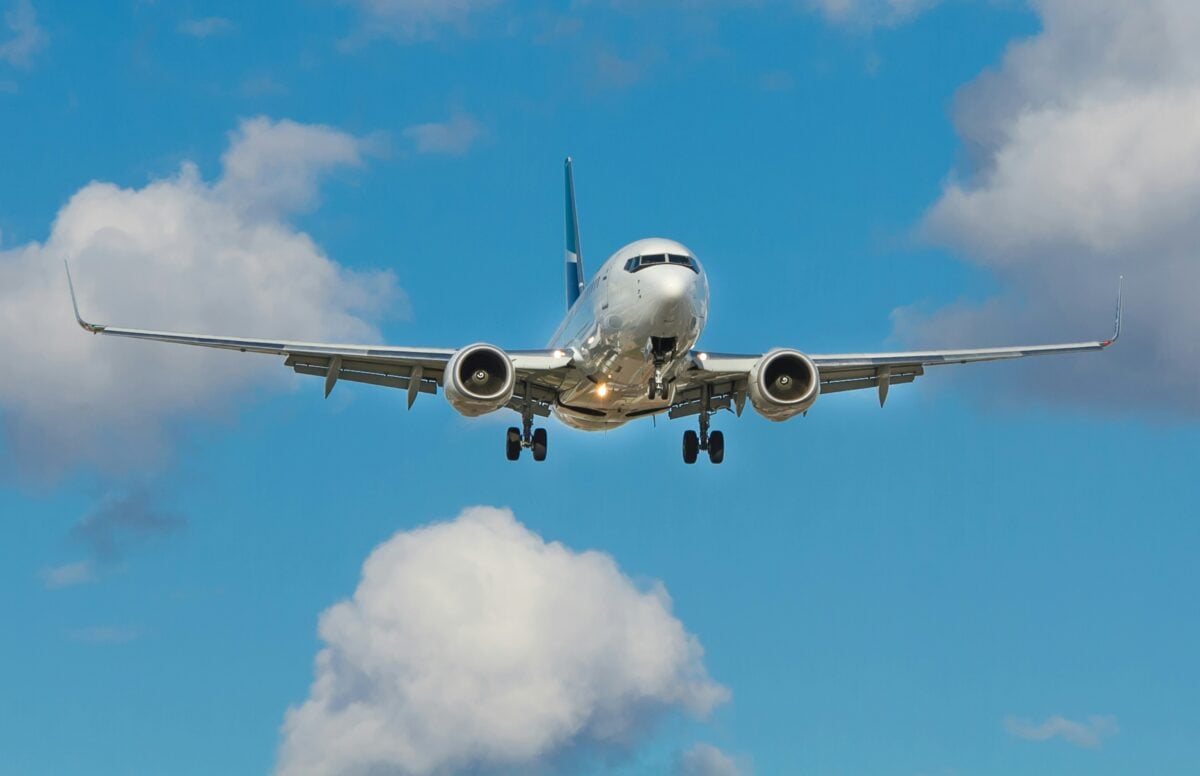
Despite the convenience of nonstop service, connecting flights sometimes offer advantages over ultra-long nonstop routes.
Breaking a long journey into two shorter flights gives passengers a chance to stretch their legs properly, get some real food, and even sleep in a hotel bed if the layover is long enough. Some travelers find this more comfortable than sitting in a plane seat for 19 hours straight.
Connections also create more flight options. Direct flights on ultra-long routes often operate just once daily, or even less frequently.
If you miss that flight or the schedule doesn’t work, you might wait a full day for the next one. Routes with connections typically offer multiple daily options.
Cost represents another consideration. Airlines charge a premium for nonstop service on ultra-long routes.
Accepting a connection can sometimes save hundreds or even thousands of dollars, depending on the route and travel dates. Airlines recognize this and many offer stopover programs.
Qatar Airways, Emirates, and others allow passengers to spend a day or two in their hub city at no additional airfare cost. This transforms a connection into a chance to visit an additional destination.
The Future of Long-Haul Flying
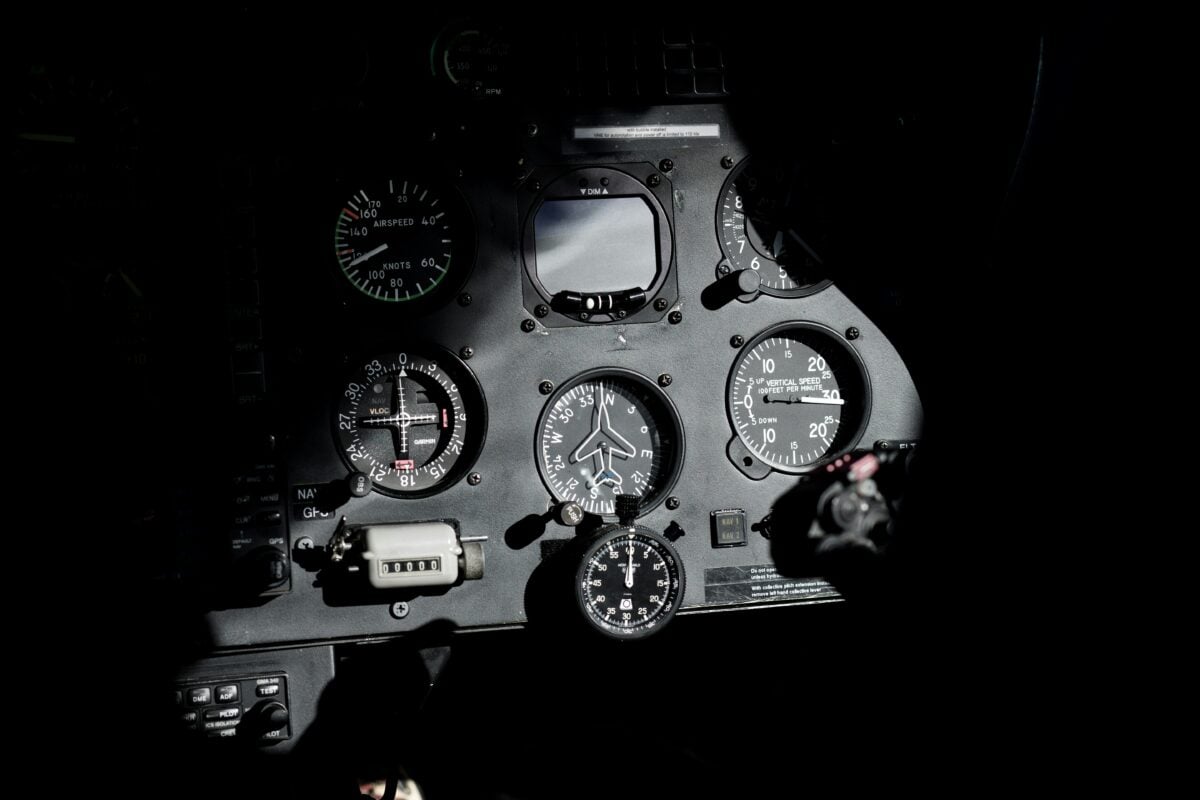
Where ultra-long-haul aviation goes next depends partly on technology and partly on passenger preferences. Not everyone values nonstop convenience enough to pay the premium it commands.
Electric and hybrid aircraft remain decades away from long-haul capability. The energy density of batteries simply can’t match jet fuel, making electric power impractical for routes measuring thousands of miles.
Long-haul aviation will continue depending on liquid hydrocarbon fuels for the foreseeable future. Sustainable aviation fuel offers a path toward reducing the environmental impact of long flights without requiring new aircraft or engines.
Made from renewable sources rather than petroleum, SAF can be used in existing planes with minimal modifications. But production remains limited and costs remain high.
Supersonic flight might return. Several companies are developing new supersonic aircraft smaller than Concorde and designed to operate more economically.
These planes won’t fly as long as current ultra-long-haul routes due to fuel limitations, but they could cut flight times in half on many major routes. The longest flights will likely keep getting longer as technology improves.
Airlines see value in adding new nonstop routes, and passengers demonstrate willingness to pay for the convenience. Project Sunrise represents the next frontier, but it probably won’t be the final one.
Where the Sky Meets Endurance

Sitting in an aircraft for 19 hours tests more than just physical comfort. It challenges your patience, your ability to entertain yourself, and your willingness to exist in a state of suspended animation while the plane eats away at thousands of miles.
Yet millions of passengers choose these flights every year. They pay premium prices for the privilege of arriving at distant destinations without the hassle of connections.
The convenience of bypassing crowded terminals, tight connection times, and the risk of missed flights makes the marathon worth it for many travelers. These routes represent more than just impressive technical achievements.
They demonstrate how our world has become smaller and more connected. Cities that once required days of travel now sit less than a day apart.
Business meetings in Singapore become viable for New York executives. Australian families can visit American relatives without the pain of multiple connections.
The longest flights you can take keep pushing boundaries, connecting distant corners of our planet with increasing efficiency. Where these routes will go next depends on technology, economics, and human endurance.
But one thing seems certain: airlines will keep trying to fly farther, and passengers will keep booking seats on those improbable journeys through the sky.
More from Go2Tutors!

- The Romanov Crown Jewels and Their Tragic Fate
- 13 Historical Mysteries That Science Still Can’t Solve
- Famous Hoaxes That Fooled the World for Years
- 15 Child Stars with Tragic Adult Lives
- 16 Famous Jewelry Pieces in History
Like Go2Tutors’s content? Follow us on MSN.



