Amazing Artifacts Discovered by Archaeologists
The ground beneath our feet holds secrets that span thousands of years. Every so often, archaeologists stumble upon something that makes us rethink what we know about ancient civilizations—a golden mask that gleams after millennia underground, scrolls that survived in desert caves, or tools that predate humanity itself.
These discoveries don’t just fill museum cases; they rewrite history books and challenge our assumptions about how our ancestors lived, thought, and created. From Egyptian tombs packed with treasures to mysterious stone mechanisms that shouldn’t exist, the past keeps surprising us.
Here is a list of 13 amazing artifacts discovered by archaeologists that have captured imaginations and transformed our understanding of ancient worlds.
King Tutankhamun’s Death Mask
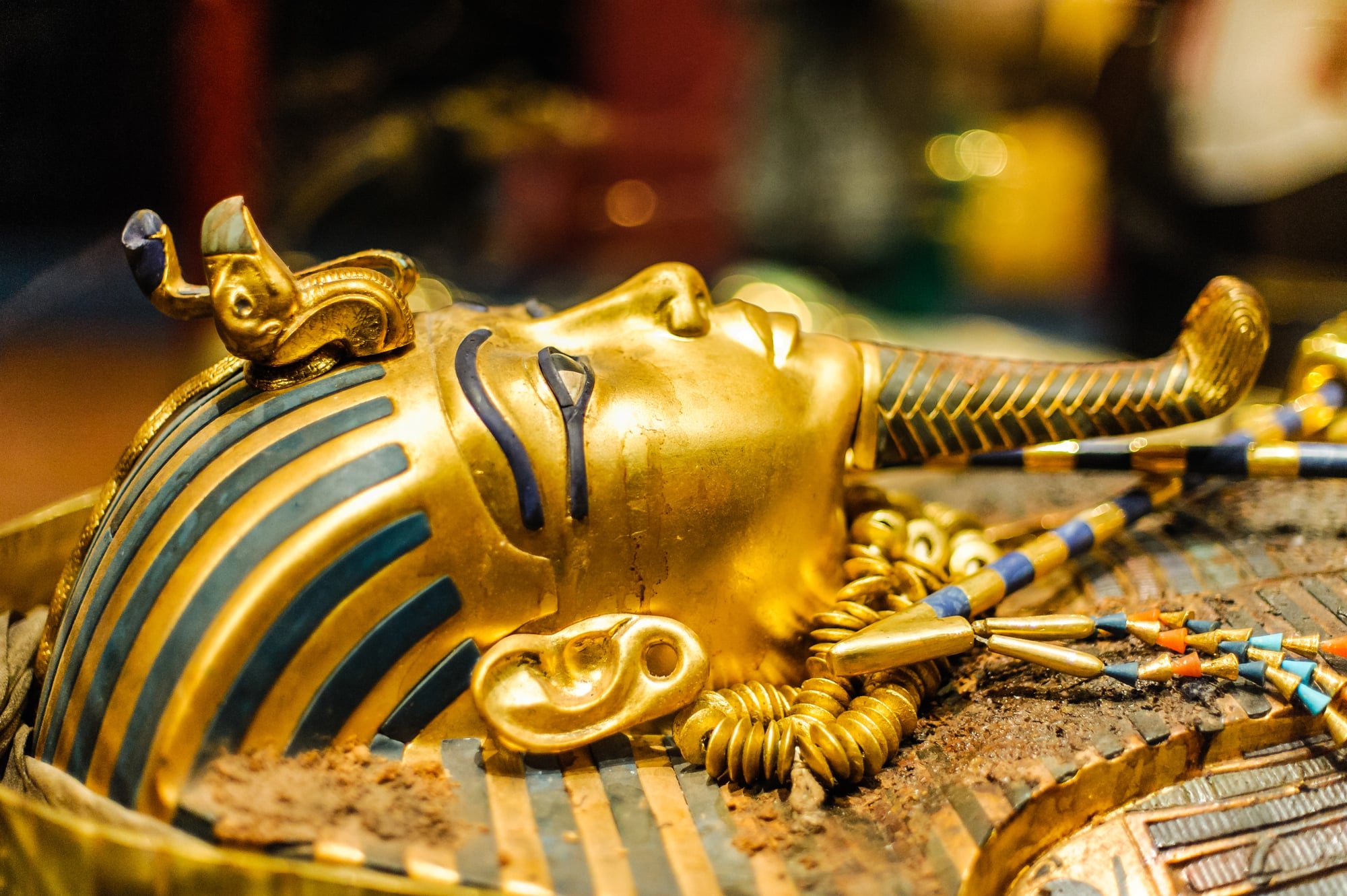
In 1922, Howard Carter uncovered the tomb of the young pharaoh Tutankhamun in Egypt’s Valley of the Kings, finding more than 5,000 objects inside. The most iconic piece is the 24-pound death mask made of solid gold, inlaid with lapis lazuli from Afghanistan and other semiprecious stones.
The pharaoh died around 1323 BC at just 19 years old, and his burial mask has become the face we associate with ancient Egypt. The tomb’s discovery sparked worldwide fascination with Egyptian archaeology that continues today.
The Rosetta Stone
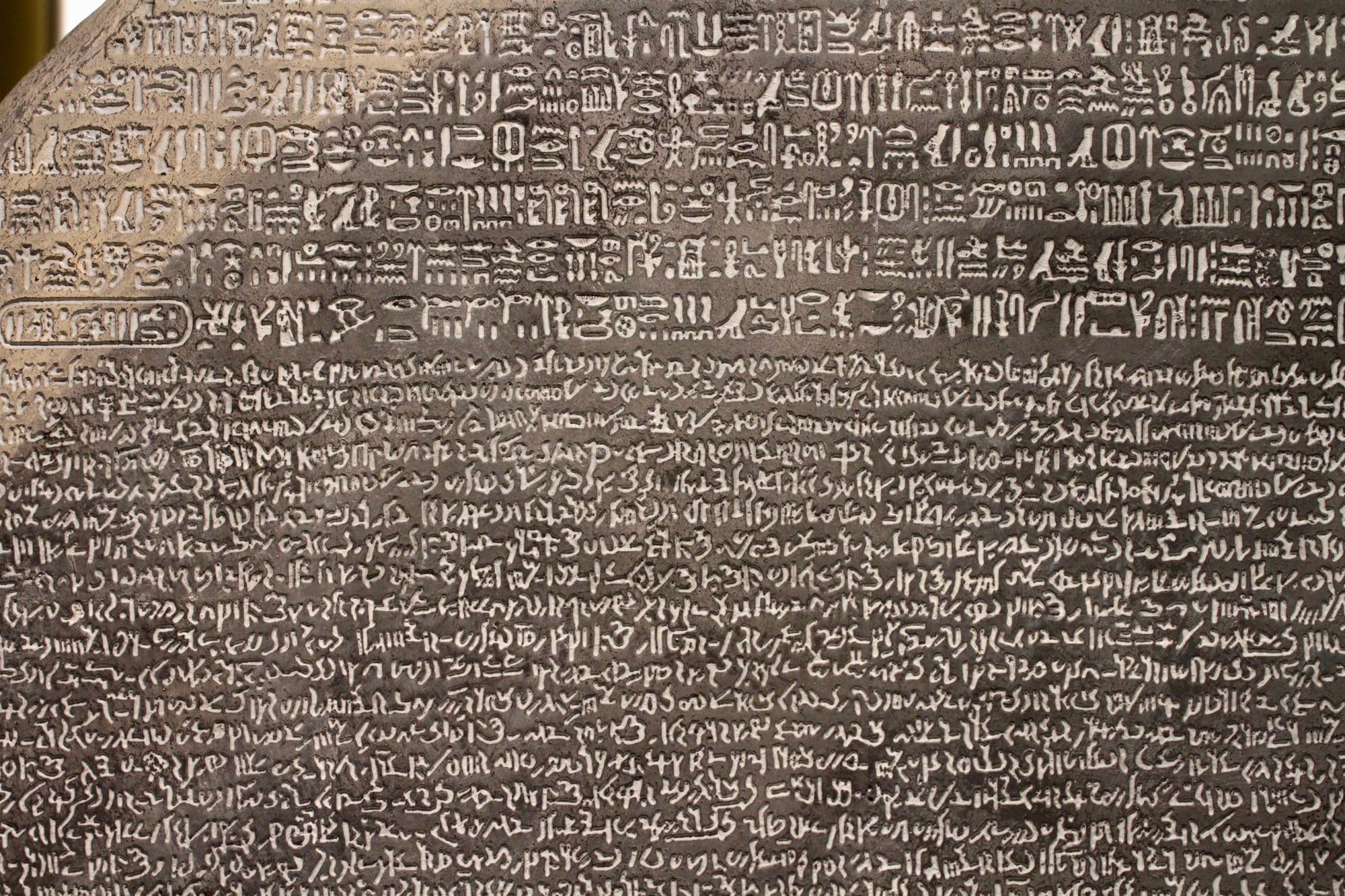
French soldiers rebuilding a fort in Egypt in 1799 accidentally uncovered a carved stone slab that would become one of the world’s most famous artifacts. The Rosetta Stone bears a royal decree from 196 BC written in three scripts: ancient Egyptian hieroglyphs, Egyptian demotic script, and ancient Greek.
In 1822, Egyptologist Jean-François Champollion deciphered the hieroglyphs using the stone, enabling future translations of ancient Egyptian texts. Without this bilingual key, countless Egyptian writings would still be unreadable mysteries.
Like Go2Tutors’s content? Follow us on MSN.
The Terracotta Army
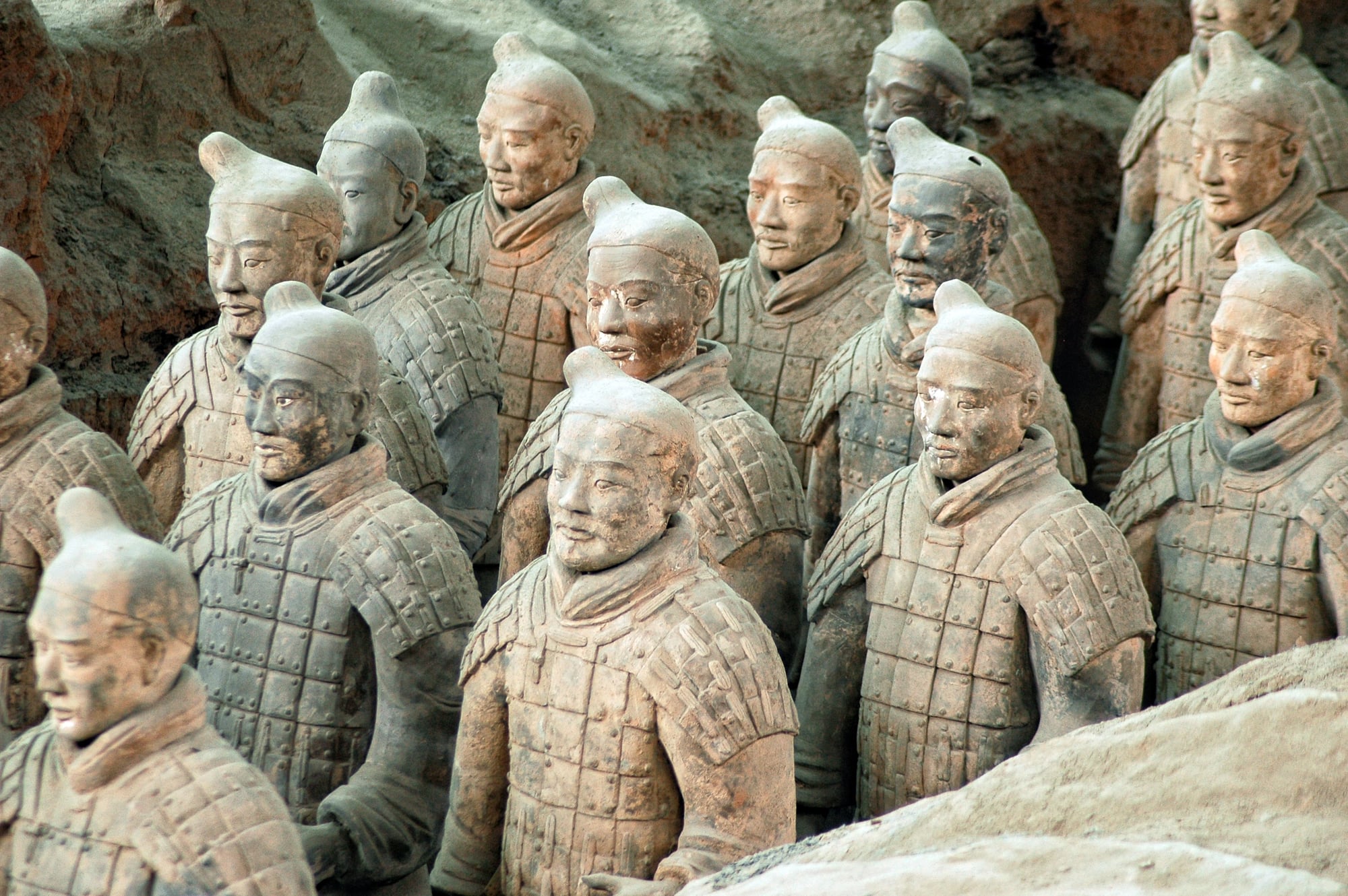
Thousands of life-sized clay warriors stand in military formation in trenches, part of a complex commissioned by Qin Shihuang, the first emperor to rule a unified China from 221 to 210 BC. Farmers digging a well in 1974 stumbled upon what turned out to be one of the greatest archaeological finds of the century.
Each statue has unique facial features, suggesting they were modeled after real soldiers. The army was meant to protect the emperor in the afterlife, and the scale of the project reveals the incredible power and resources of China’s first dynasty.
The Dead Sea Scrolls
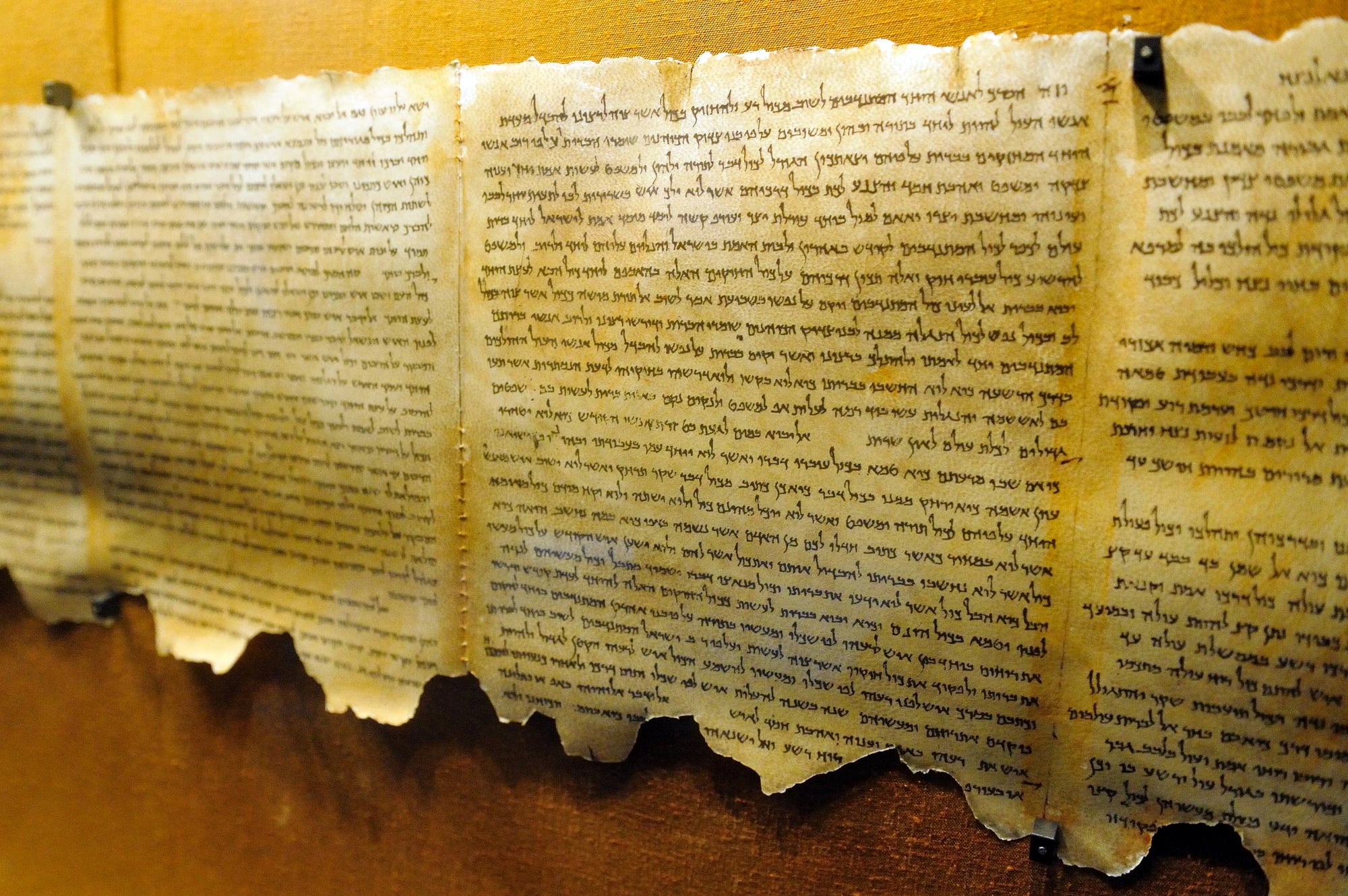
In the late 1940s, a Bedouin shepherd named Muhammed ed-Dib was searching for his runaway goat when he casually tossed a rock into a cave near the Dead Sea and heard pottery shatter. Inside narrow caves, he discovered clay jars stuffed with ancient scrolls—the first of nearly 1,000 texts written between 300 BC and 70 AD.
About 230 scrolls transcribe stories from the Hebrew Bible, though these copies likely predate the Bible’s compilation. The scrolls represent some of the earliest known biblical manuscripts and have revolutionized our understanding of ancient Judaism and early Christianity.
The Antikythera Mechanism
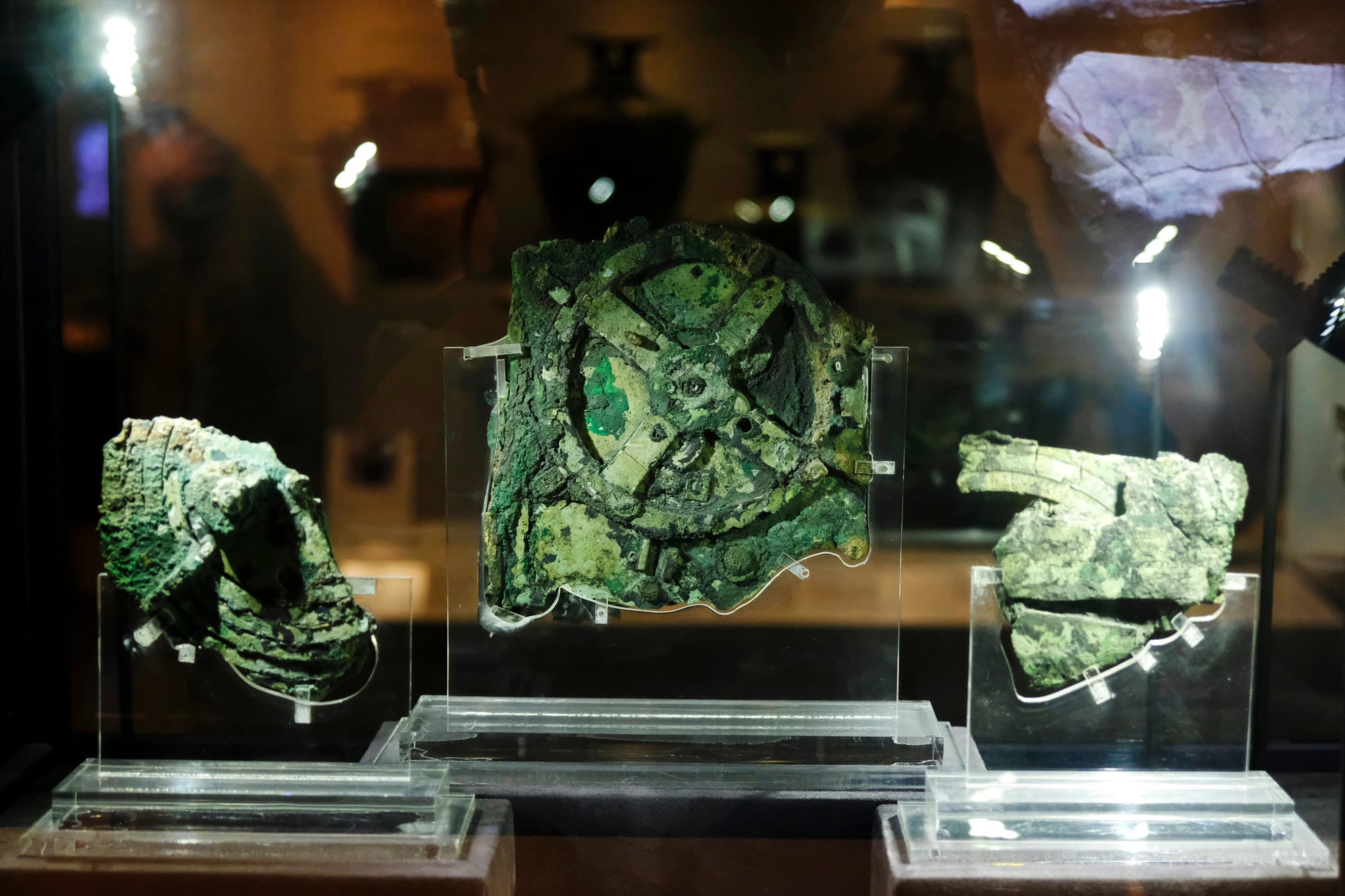
Found in the sunken wreckage of a Greek cargo ship at least 2,000 years old, this circular bronze artifact contains a maze of interlocking gears and mysterious characters etched all over its exposed faces. Originally thought to be a navigational astrolabe, archaeologists now know it was at least a highly intricate astronomical calendar.
The device features around 30 interlocking gear wheels, making it the most sophisticated mechanism from its era. Similar technology wouldn’t appear again in Europe for another thousand years, leaving researchers baffled about how ancient Greeks achieved such engineering precision.
Like Go2Tutors’s content? Follow us on MSN.
Lomekwi Stone Tools

Stone tools discovered at Lomekwi 3 in Kenya are reportedly 3.3 million years old, predating the human genus entirely. Some of these tools weigh over 15 kilograms, and their discovery rewrote the origin story of technology.
The tools were made by an extinct hominin species, showing that toolmaking emerged long before modern humans or even our direct ancestors appeared. This discovery pushed back the timeline of technological innovation by half a million years and changed how scientists think about early human evolution.
The Staffordshire Hoard

A metal detectorist found over 3,500 items of Anglo-Saxon gold and silver metalwork buried underneath a farmer’s field in Staffordshire, UK, in 2009. This represents the largest hoard of Anglo-Saxon metalwork ever found and accounts for over 60 percent of all conserved Anglo-Saxon items.
The hoard includes sword fittings, helmet fragments, and religious objects, most dating to the 7th or 8th century. The discovery completely altered perceptions of Anglo-Saxon England, revealing a level of craftsmanship and wealth that historians hadn’t fully appreciated.
Sanxingdui Gold Mask

At the Sanxingdui archaeological site in China’s Sichuan province, a gold mask found in a sacrificial pit in 2021 is estimated to be made of 84 percent gold and weighs just over half a pound. The mask is estimated to be 3,000 years old and may have been worn over an individual’s face during certain sacrificial rituals.
The objects are believed to have been used for ritual practices by the ancient Shu Han kingdom, which ruled the Sichuan basin until 316 BC. The mask’s discovery adds to thousands of artifacts already found at the site, including bronze sculptures and jade pieces that showcase a sophisticated Bronze Age culture.
Like Go2Tutors’s content? Follow us on MSN.
Venus of Willendorf

This four-inch-tall limestone figurine is about 30,000 years old and features pronounced breasts, buttocks, belly, and vaginal features, but lacks feet or facial features. Archaeologists found the figurine in 1908 during excavations at Willendorf II, an Austrian site along the Danube River roughly 50 miles from Vienna.
Specks of pigment suggest the tan limestone artifact was once painted red. The figurine is one of nearly 200 similar statuettes found across Europe from sites between 23,000 and 40,000 years old, sparking endless debate about whether they represented fertility symbols, goddesses, or something else entirely.
Sutton Hoo Ship Burial

In 1939, archaeologist Basil Brown unearthed an 86-foot-long Anglo-Saxon ship over 1,000 years old within a medieval burial mound at Sutton Hoo in Suffolk, England. The burial chamber inside was packed with Byzantine silverware, gold jewelry, a feasting set, luxurious textiles, and gold dress accessories set with garnets.
Two particularly notable items are a cloisonné purse lid depicting a man flanked by two wolves and an ornate iron helmet. The highly acidic soil destroyed any human remains, but the treasures suggest this was the burial of an Anglo-Saxon king or high-ranking noble from around 625 AD.
Cave of Altamira Paintings
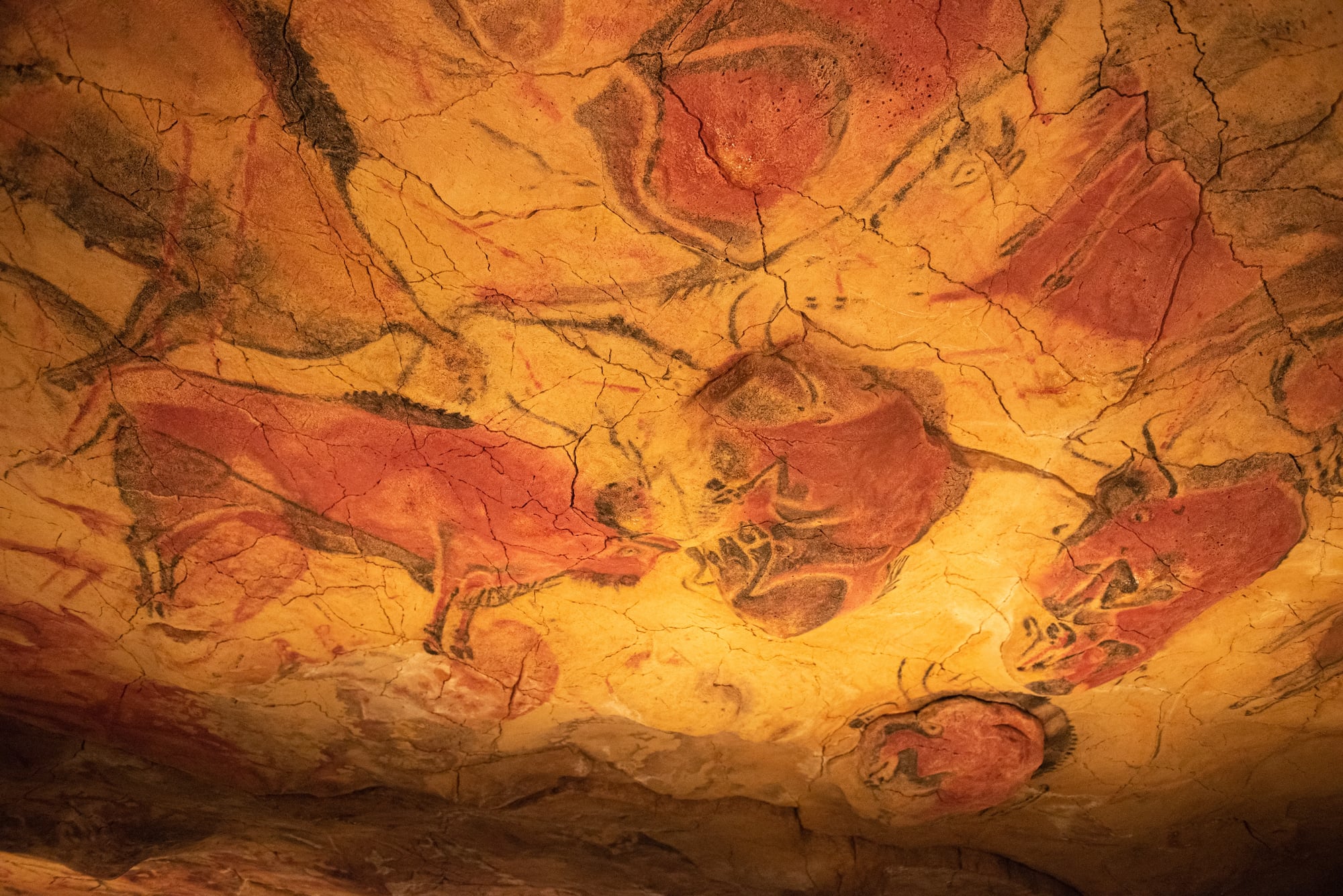
This Spanish cave contains prehistoric paintings of mammals and human hands, and when discovered in 1880, it was the first find of its kind. The discovery totally changed our understanding of prehistoric humans, who were previously believed to lack the intellectual capacity for artistic expression.
The artifacts date back to between 14,000 and 20,000 years ago. The paintings feature bison, horses, and deer rendered in remarkable detail using natural pigments.
This cave proved that Ice Age humans possessed sophisticated artistic skills and abstract thinking far beyond what scholars had imagined.
Like Go2Tutors’s content? Follow us on MSN.
Easter Island Moai Statues

Archaeologists have recorded 887 massive statues on Easter Island, a Chilean Polynesian island in the Pacific Ocean, known as Moai and dating to between 1250 and 1500. The statues are an impressive tribute to the Rapa Nui people, and what’s particularly interesting is the feat it must have taken for their transportation across the island.
The massive carved figures, some weighing up to 75 tons, were somehow moved from quarries to ceremonial platforms miles away. Legends among the Rapa Nui people recall how they used divine power to command the statues to walk, though modern researchers believe they were likely moved using ropes and a rocking motion.
Olmec Colossal Heads

The colossal heads of the Olmec civilization in Central America are much older than Easter Island’s moai statues and just as impressive. These 17 similar heads, some carved from basalt boulders transported nearly 60 miles from the Tuxtlas Mountains, are thought to be portraits of Olmec rulers from about 3,400 years ago.
Each head stands up to 11 feet tall and weighs several tons. The distinctive helmets and facial features differ between statues, suggesting each represents a specific individual.
Some heads appear to have been deliberately broken and buried, possibly when new rulers came to power.
When Past Meets Present

These thirteen artifacts represent just a fraction of what lies waiting beneath layers of soil, sand, and sea. Each discovery reminds us that history isn’t really history at all—it’s tangible, touchable, and constantly being rewritten.
The shepherd who found the Dead Sea Scrolls wasn’t looking to change biblical scholarship; the metal detectorist in Staffordshire was just hoping for a few coins. Yet their chance encounters with the past reshaped entire fields of study.
As technology improves and archaeologists explore new sites, tomorrow might bring something even more extraordinary than what we’ve already found.
Like Go2Tutors’s content? Follow us on MSN.
More from Go2Tutors!

- 16 Historical Figures Who Were Nothing Like You Think
- 12 Things Sold in the 80s That Are Now Illegal
- 15 VHS Tapes That Could Be Worth Thousands
- 17 Historical “What Ifs” That Would Have Changed Everything
- 18 TV Shows That Vanished Without a Finale
Like Go2Tutors’s content? Follow us on MSN.