14 Times a Single Vote Changed the Course of History
Democracy hinges on the fundamental idea that every vote matters. While it’s easy to feel like one ballot couldn’t possibly tip the scales of history, numerous pivotal moments prove otherwise.
The razor-thin margins that have decided elections, laws, and world-changing decisions demonstrate how powerful a single voice can be in shaping our collective future. Here is a list of 14 remarkable instances when a single vote altered the course of history, reminding us why participation matters in every election, regardless of size or perceived importance.
Thomas Jefferson’s Presidential Victory

Thomas Jefferson became President of the United States by a single vote in the Electoral College in 1800. After tying with Aaron Burr at 73 electoral votes each, the decision moved to the House of Representatives where Alexander Hamilton’s influence swung a single vote in Jefferson’s favor.
This narrow victory fundamentally shaped early American politics and prevented what could have been a dramatically different presidential administration.
Texas Statehood

Texas joined the United States by a margin of just one vote in 1845. The annexation resolution passed in the Senate 27-25, forever altering the geographical and political landscape of North America.
This single-vote decision led to the Mexican-American War and added over 268,000 square miles to American territory.
Like Go2Tutors’s content? Follow us on MSN.
Andrew Johnson’s Impeachment Survival
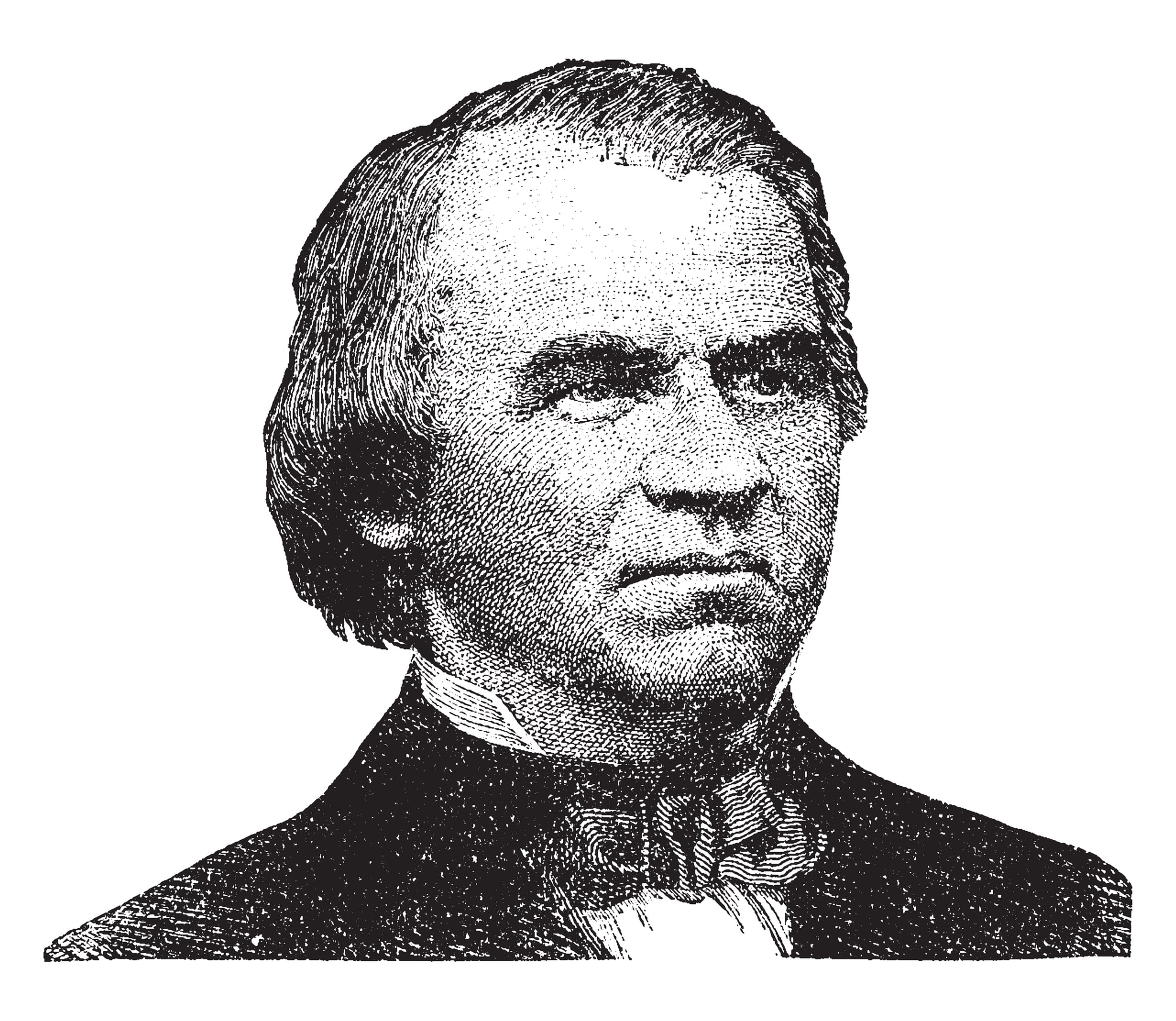
President Andrew Johnson avoided removal from office in 1868 by a single vote during his impeachment trial. Senator Edmund Ross of Kansas cast the decisive vote against conviction, defying his party and saving Johnson’s presidency.
The ramifications of this lone vote substantially impacted how Reconstruction would unfold in the post-Civil War South.
California’s Admission to the Union

California became part of the United States by a single-vote margin in 1850. The statehood bill passed in the House of Representatives with the slimmest possible margin, dramatically shifting the balance of free versus slave states.
This single vote accelerated the tensions that would eventually lead to the Civil War just over a decade later.
The Draft for World War II

The military draft was extended in the United States by a single vote in 1941, just months before Pearl Harbor. The Selective Service Act extension passed the House of Representatives 203-202, ensuring America had an expanded military when the Japanese attack came.
Without this lone vote, the U.S. would have been significantly less prepared for the coming global conflict.
Like Go2Tutors’s content? Follow us on MSN.
Hitler’s Rise to Power
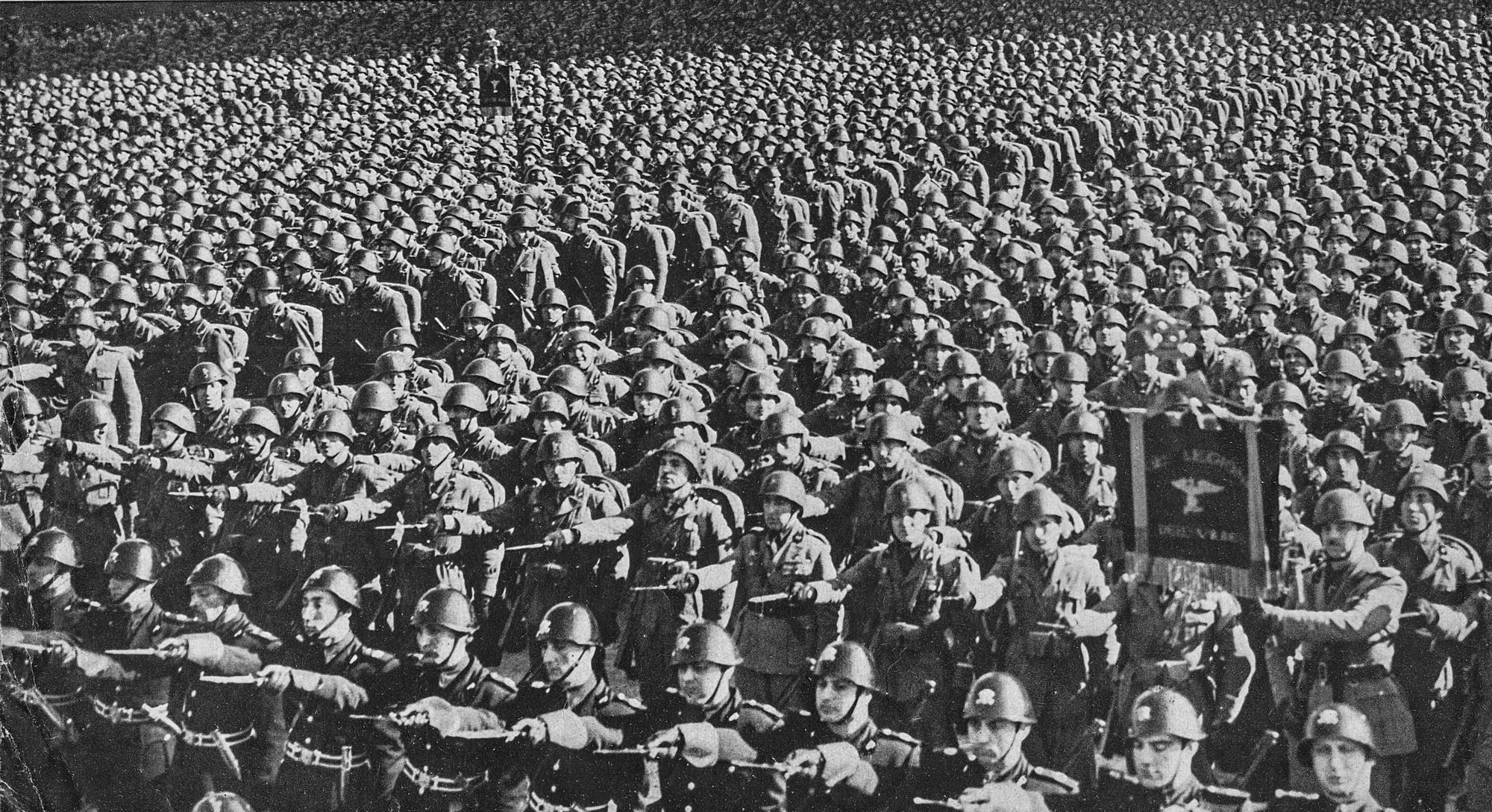
Adolf Hitler gained leadership of the Nazi Party in 1923 by a margin of one vote. The Nazi committee voted 553-552 to make Hitler the primary leader instead of keeping him as just one of several co-leaders.
This internal party decision had catastrophic consequences for Europe and the entire world in the years that followed.
English as America’s Official Language

English defeated German as America’s official language by a single vote in 1795. The Congressional vote on language fell to a 42-41 decision, cementing English as the dominant linguistic force in American culture.
This seemingly minor decision profoundly shaped American identity and development for centuries afterward.
The Alaska Purchase

The purchase of Alaska from Russia was approved by just one vote in 1867. The House of Representatives narrowly agreed to spend $7.2 million on what critics called ‘Seward’s Folly.’
This single-vote decision secured 586,000 square miles of territory that would later yield tremendous natural resources, including gold and oil.
Like Go2Tutors’s content? Follow us on MSN.
Washington State Women’s Suffrage
Women gained the right to vote in Washington State in 1910 thanks to a single decisive ballot. The referendum passed by the thinnest of margins, making Washington the fifth state to grant women voting rights.
This lone vote helped build momentum for the national women’s suffrage movement that would succeed a decade later.
Australian Federation

Australia became a unified commonwealth because of a single vote in 1899. In the New South Wales Federation referendum, the measure passed by just one vote in the small town of Ballina.
This microscopic margin changed Australia from separate colonies into a federated nation, fundamentally altering its development and place in the world.
Rutherford B. Hayes’ Presidential Win

Rutherford B. Hayes became President in 1876 by a single electoral vote after the most disputed election in American history. Following intense negotiations, Hayes received exactly the 185 electoral votes needed to defeat Samuel Tilden.
This single-vote victory led to the end of Reconstruction as part of the compromise to resolve the election dispute.
Like Go2Tutors’s content? Follow us on MSN.
The Vietnam War’s Extension

Military action in Vietnam was extended in 1941 when the Selective Service Act was passed by a one-vote margin. This same pivotal vote that prepared America for World War II also ensured the country would have a draft system in place for the conflicts that followed.
The impact of this single vote extended across multiple generations and conflicts.
Nevada’s Statehood

Nevada joined the Union as a state in 1864 by a single vote in Congress. President Lincoln pushed for Nevada’s statehood to secure additional electoral votes and support for his policies.
This razor-thin decision provided the crucial backing Lincoln needed for passing the 13th Amendment abolishing slavery.
The Impeachment of Bill Clinton
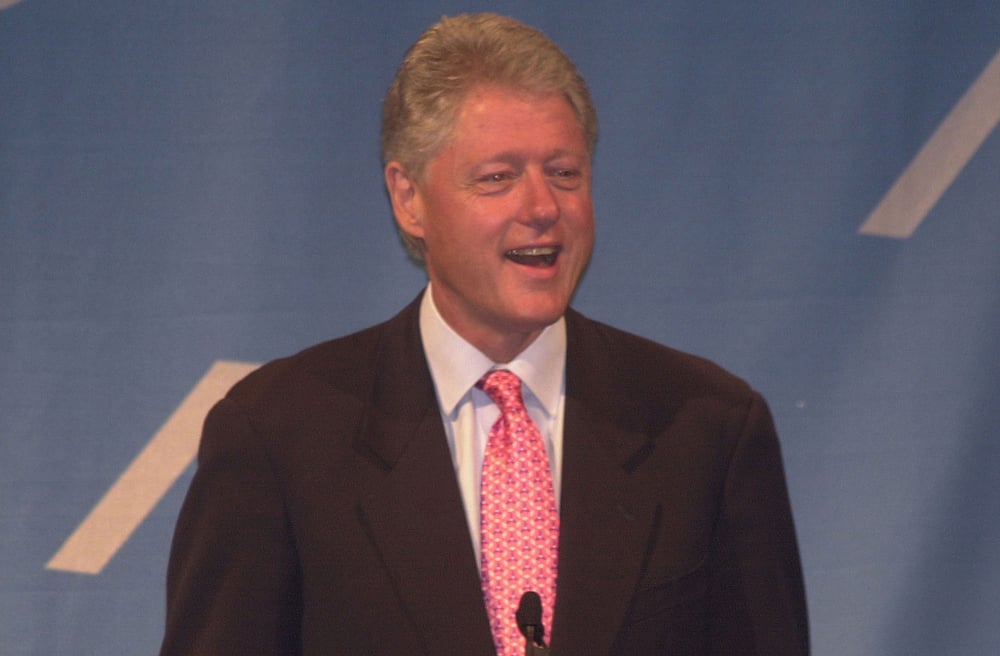
A single vote determined the direction of Bill Clinton’s impeachment in the House Judiciary Committee in 1998. Representative Lindsey Graham cast the decisive vote to expand the impeachment inquiry beyond the initial Whitewater investigation.
Though Clinton ultimately remained in office, this single vote expanded the scope of the investigation that would dominate American politics for months.
Like Go2Tutors’s content? Follow us on MSN.
The Weight of Individual Choice

History’s narrow margins remind us that democratic participation is never futile. These fourteen examples spanning centuries and continents demonstrate how individual decisions collectively shape our shared story.
The next time an election approaches—whether local or national—remember that your single ballot carries the potential to alter the direction of communities, nations, and possibly world events.
More from Go2Tutors!

- 18 Unexpectedly Valuable Collectibles You Might Have Lying Around
- 20 Little-Known Historical Battles That Had Huge Consequences
- 20 Historical Artifacts That Scientists Can’t Explain
- 15 Inventions That Were Immediately Banned After Being Created
- 20 Actors Who Were Almost Cast in Iconic Roles
Like Go2Tutors’s content? Follow us on MSN.



