American Civic Buildings With Unexpected Former Uses
Plenty of American institutions never got a purpose-built home. They moved into whatever was available, and what was available was often stranger than anyone planned for.
The results range from a library inside a former discount store to a courthouse that now lends novels. Each of these buildings carries a previous life in its walls, and the seams still show.
A Texas Library That Used to Be a Walmart
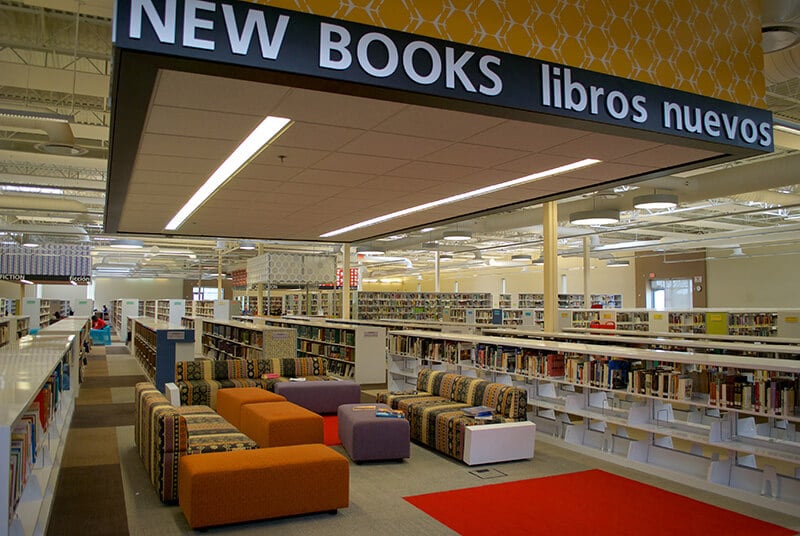
The McAllen Public Library in Texas opened in 2011 inside a former Walmart. The city took on the vacant big-box store rather than raze it, and architects gutted the interior and rebuilt it into one of the largest single-story libraries in the country.
Cavernous retail space turned out to suit stacks, reading rooms, and an art gallery. The conversion won design awards, which is not something most Walmarts can claim.
Kansas City’s Library in a Bank
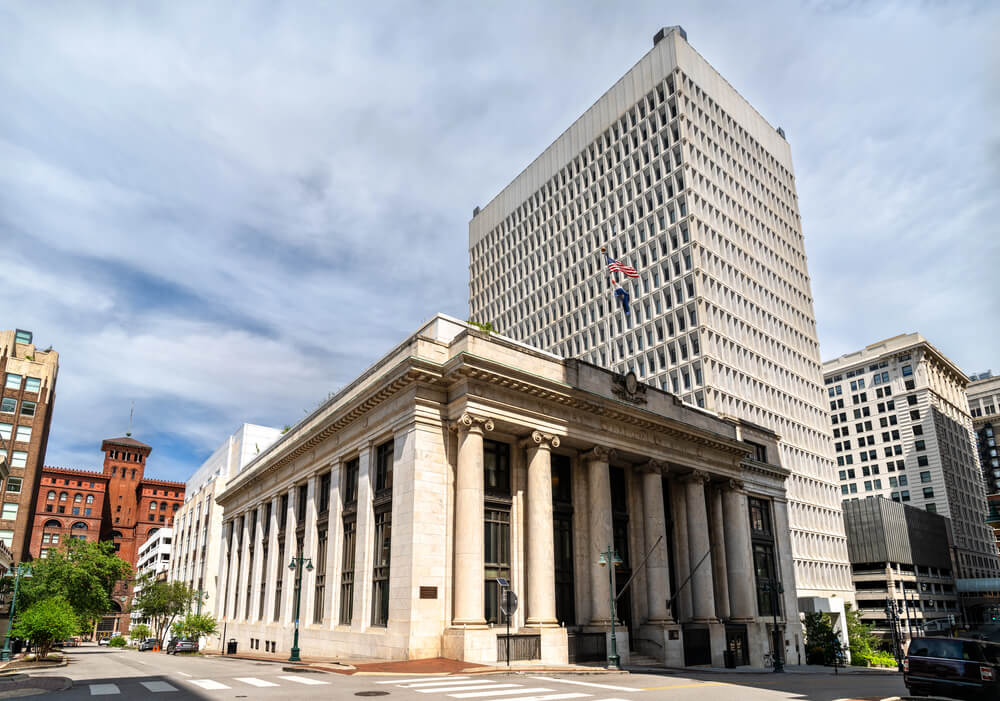
Kansas City’s Central Library opened in 2004 inside the old First National Bank building, which dates to 1906. The bank’s marble-heavy banking hall became public reading space, so borrowers now stand where depositors once waited in line.
The library also dressed its parking garage as a giant bookshelf, with oversized book spines honoring titles chosen by local readers. Few cities can say their most photographed garage is also a literary list.
Chicago’s Library That Became a Cultural Center
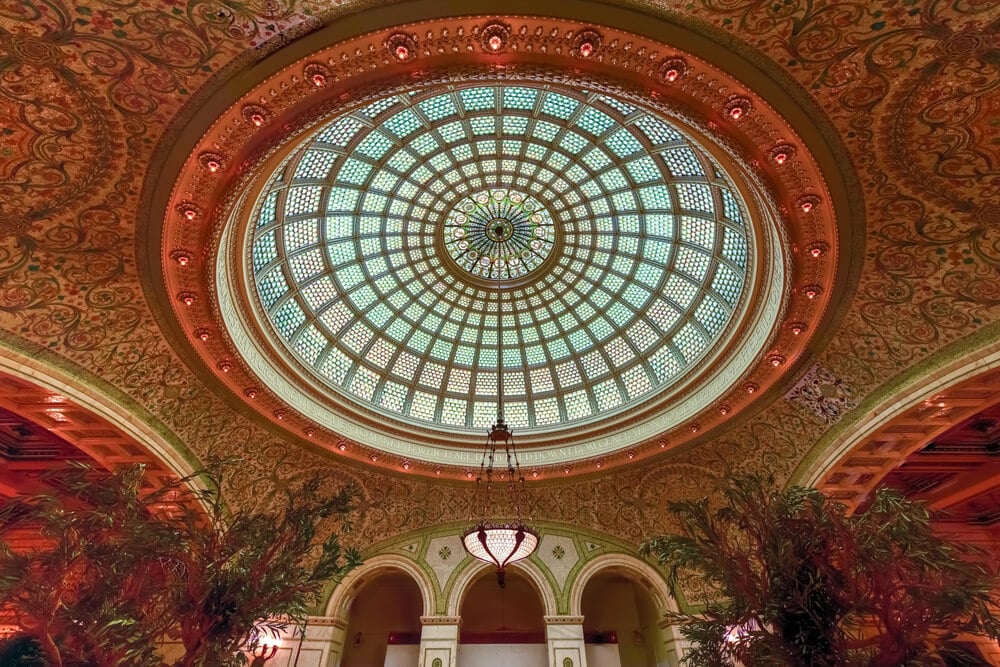
The Chicago Cultural Center opened in 1897 as the city’s Central Public Library. It was built with a memorial hall for Civil War veterans in the same building.
Its Tiffany glass dome is billed as the largest of its kind in the world. When the library moved out, the city kept the building and converted it into a free arts venue, and the books were replaced by concerts, exhibits, and tourists craning their necks upward.
Jacksonville’s City Hall in a Department Store
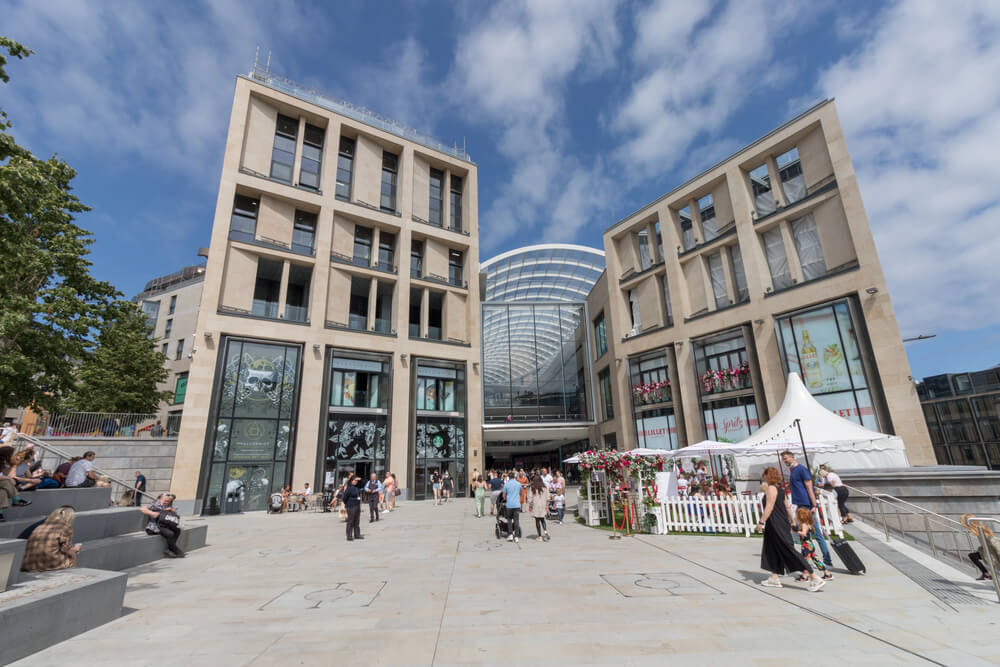
Jacksonville’s city government now works out of the St. James Building, which opened in 1912 as the Cohen Brothers department store. Architect Henry John Klutho designed it, and its name was borrowed from an earlier hotel on the same site.
Shoppers once browsed for hats and household goods across floors that now hold council offices. The city completed its move into the old store in 2014, proving that municipal bureaucracy can fit anywhere that has enough elevators.
A Greenwich Village Courthouse Full of Library Books
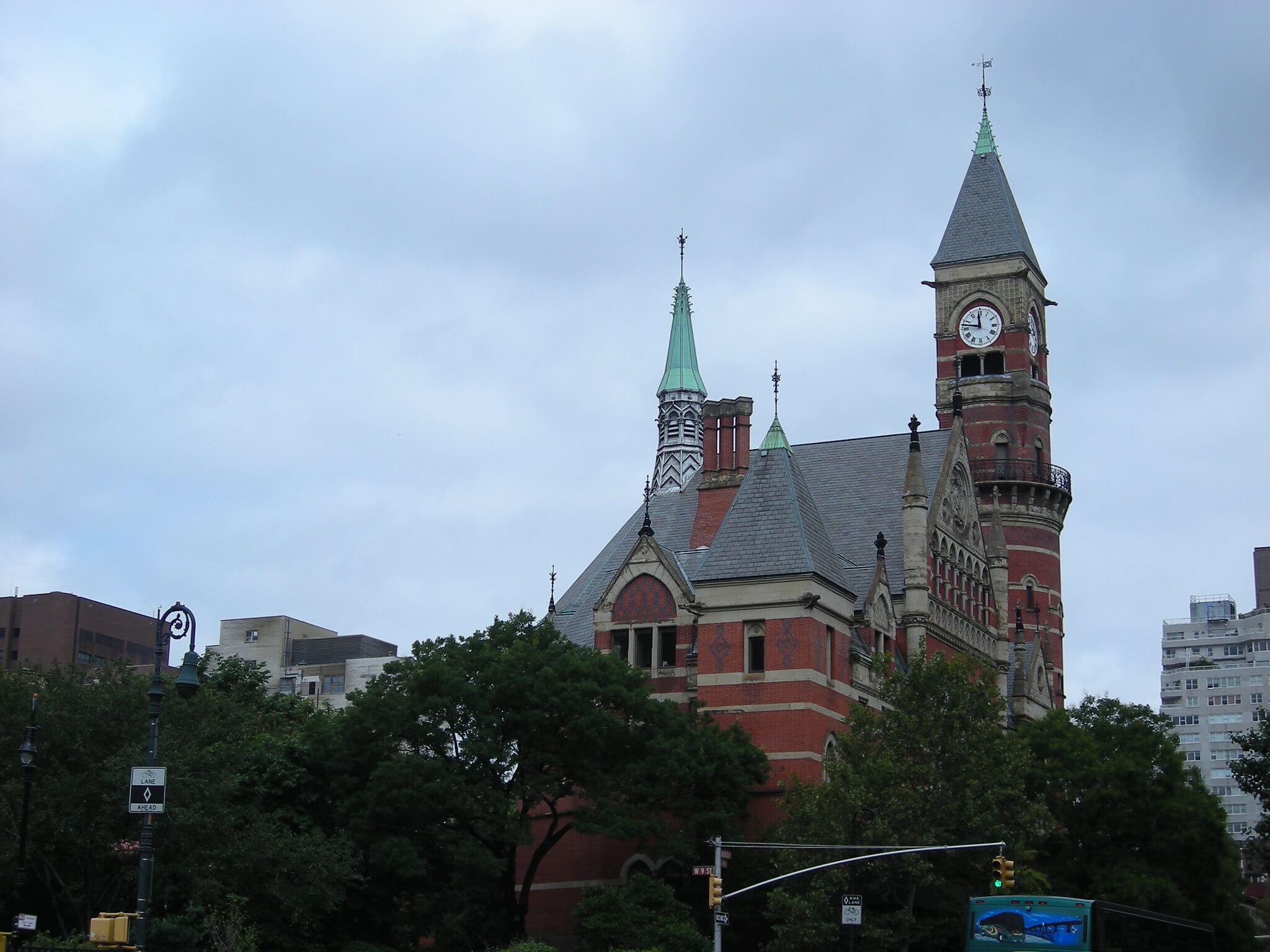
The Jefferson Market Library in Manhattan began in 1877 as a courthouse, complete with a Gothic tower that doubled as a fire lookout. It spent decades as a court of law and was later threatened with demolition.
Neighbors fought to save it, and in 1967 it reopened as a branch of the New York Public Library. Where defendants once awaited verdicts, visitors now wait for hold requests.
The Pension Office That Became a Building Museum
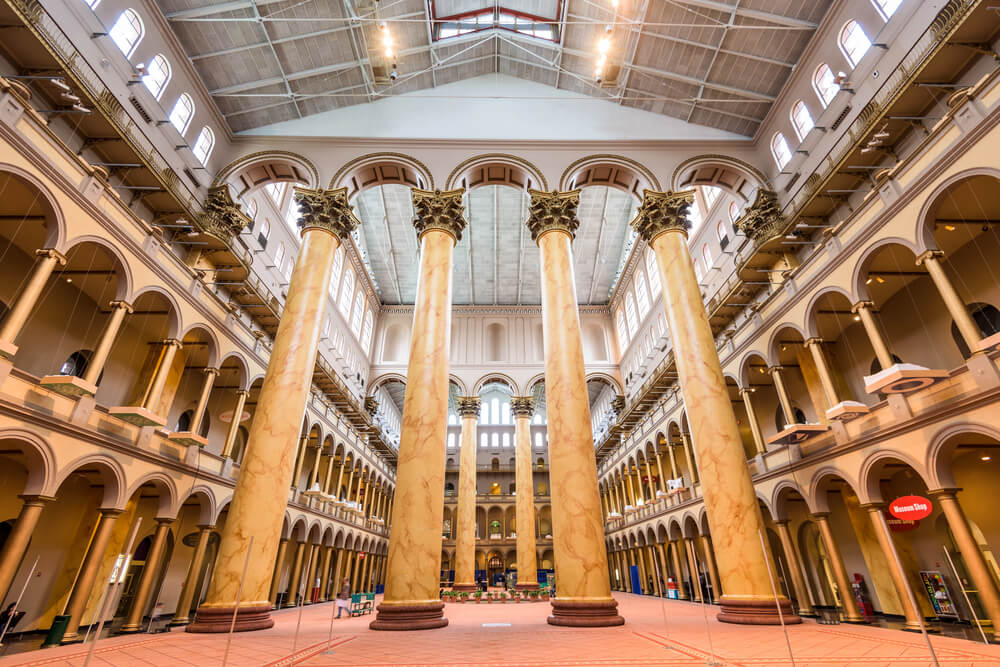
Washington’s Pension Building was completed in 1887 to house the federal office that paid Civil War veterans and their families. A terra-cotta frieze nearly 1,200 feet long wraps around the exterior, depicting marching soldiers.
The vast central hall was used for presidential inaugural celebrations, beginning with Grover Cleveland in 1885 while the building was still unfinished. Congress later designated it for a museum, and the National Building Museum opened there in 1985.
A Patent Office That Treated Wounded Soldiers
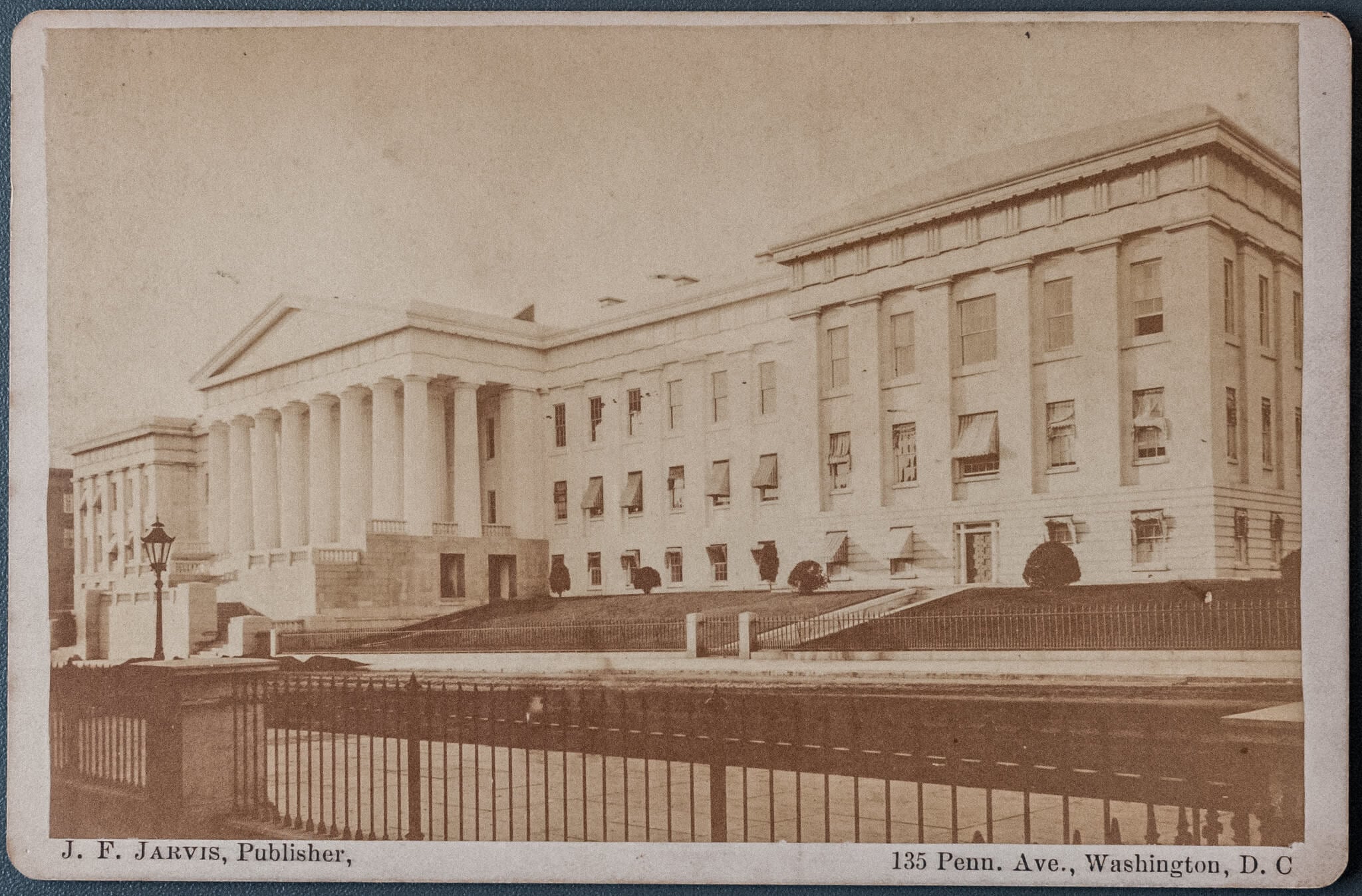
The Old Patent Office Building in Washington held inventors’ models for decades, but during the Civil War its halls were filled with cots instead. Wounded soldiers were treated there, and poet Walt Whitman visited as a volunteer nurse.
President Lincoln’s second inaugural celebration took place in the same building in 1865. Today it houses the Smithsonian American Art Museum and the National Portrait Gallery.
Miami’s Newspaper Tower That Processed Refugees
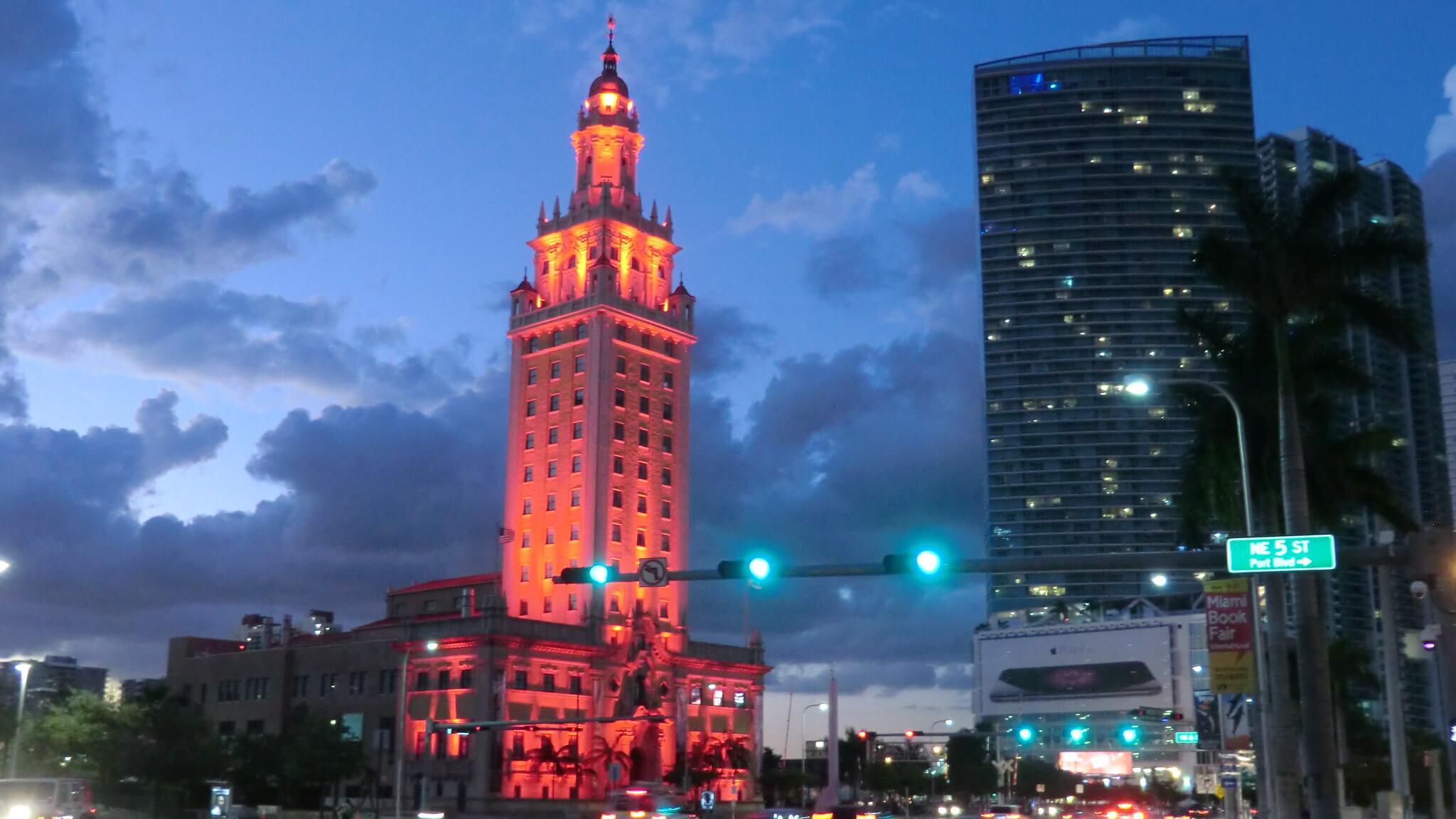
Miami’s Freedom Tower was completed in 1925 as the headquarters of the Miami Daily News. Its design borrowed from the Giralda bell tower in Seville, Spain.
In the 1960s the federal government used it as a processing center for Cuban refugees arriving in South Florida, which gave the building its present name. It now serves as a museum and cultural space operated through Miami Dade College.
A Philadelphia Prison That Became a Museum
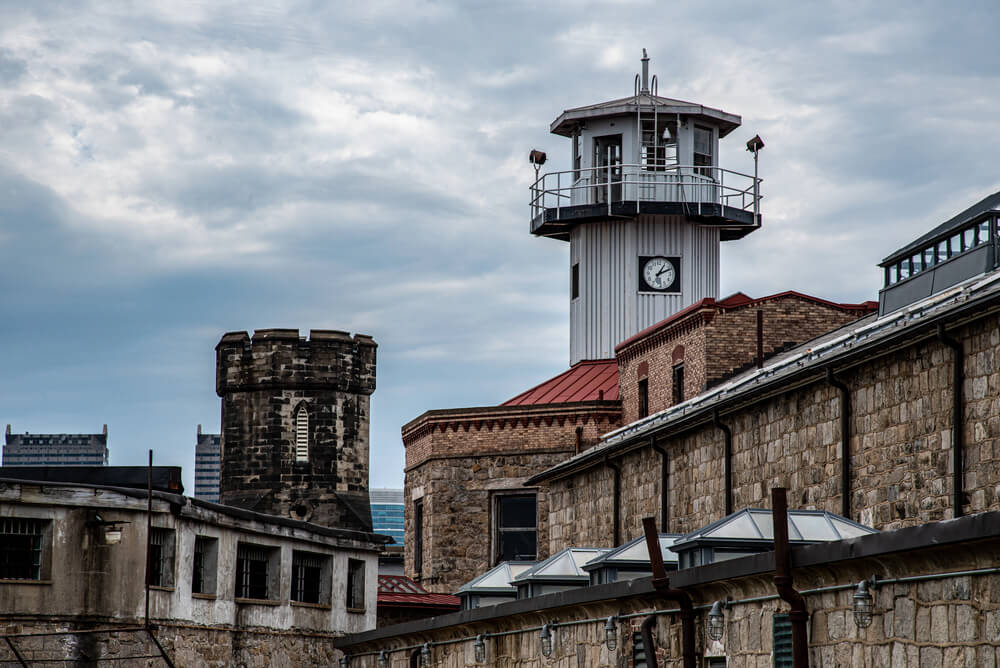
Eastern State Penitentiary opened in 1829 and held inmates for more than a century and a half before closing in 1971. Its radial design, with cell blocks fanning out from a central hub, was copied by prisons around the world.
Gangster Al Capone served eight months there in 1929 in a cell furnished with rugs and lamps. The crumbling complex is now preserved as a historic site, where visitors pay admission to enter a building that once charged them in other ways.
Boise’s Prison Built From Its Own Quarry
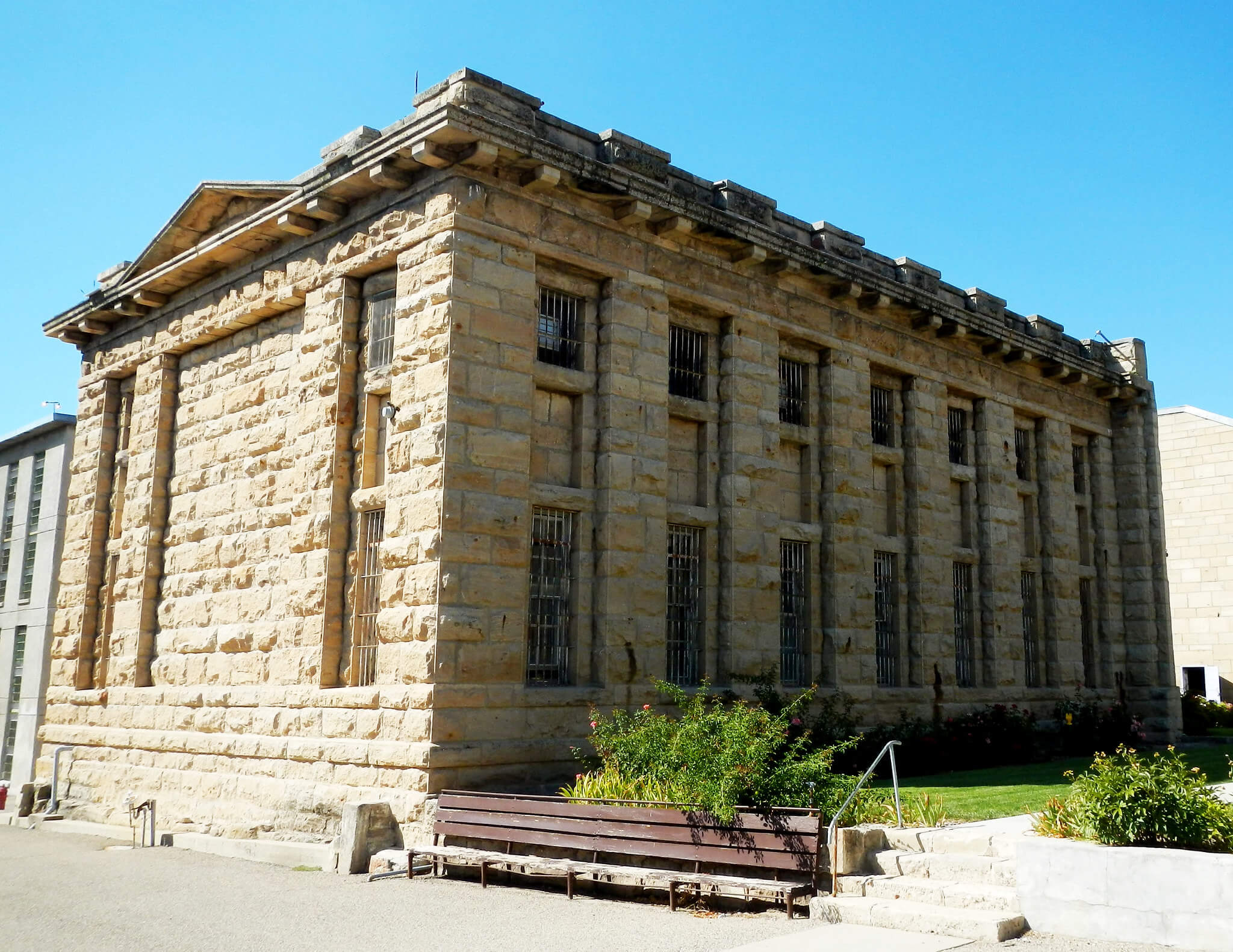
The Old Idaho Penitentiary in Boise opened in 1872 and remained in use until 1973. Inmates quarried the sandstone for its walls themselves, which meant the prisoners built their own confinement.
The site is now a museum run by the state historical society. Cell blocks that held notorious inmates now host tours and, on occasion, public events.
Cincinnati’s Train Station Turned Museum Center
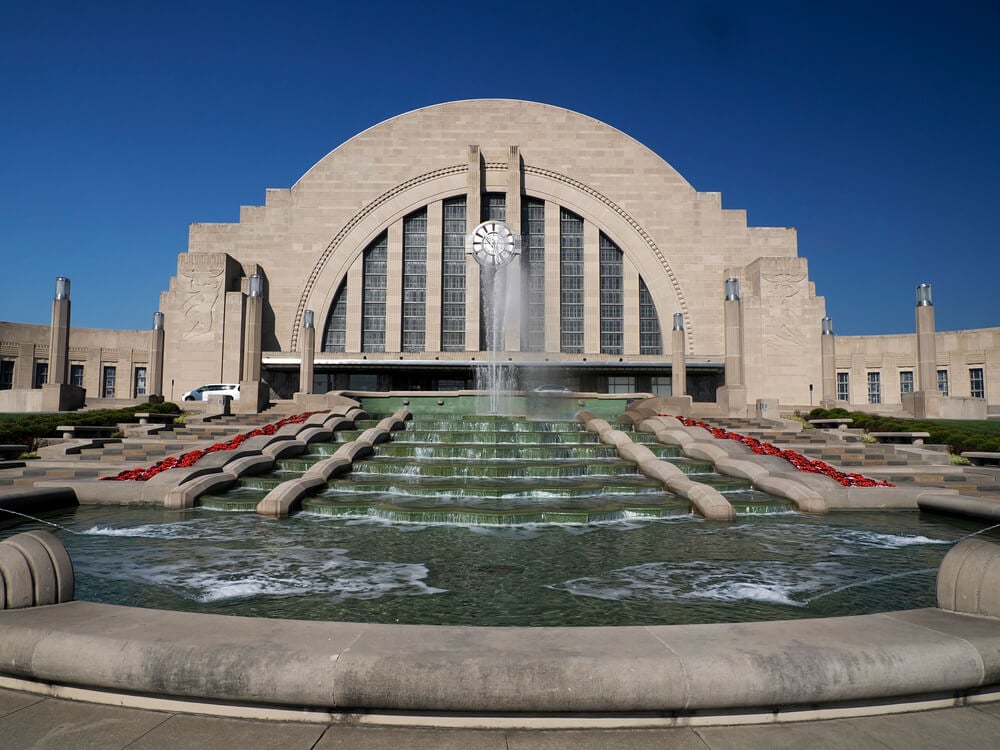
Cincinnati Union Terminal opened in 1933 as a passenger rail hub, topped by a half-dome and lined with enormous mosaics by artist Winold Reiss. As rail travel declined, the grand concourse sat underused for years.
The building was reborn as the Cincinnati Museum Center, which now houses several museums under one roof. Visitors still walk beneath the mosaics, though most now arrive with a museum ticket rather than a train ticket.
Hot Springs’ Bathhouse That Became a Visitor Center
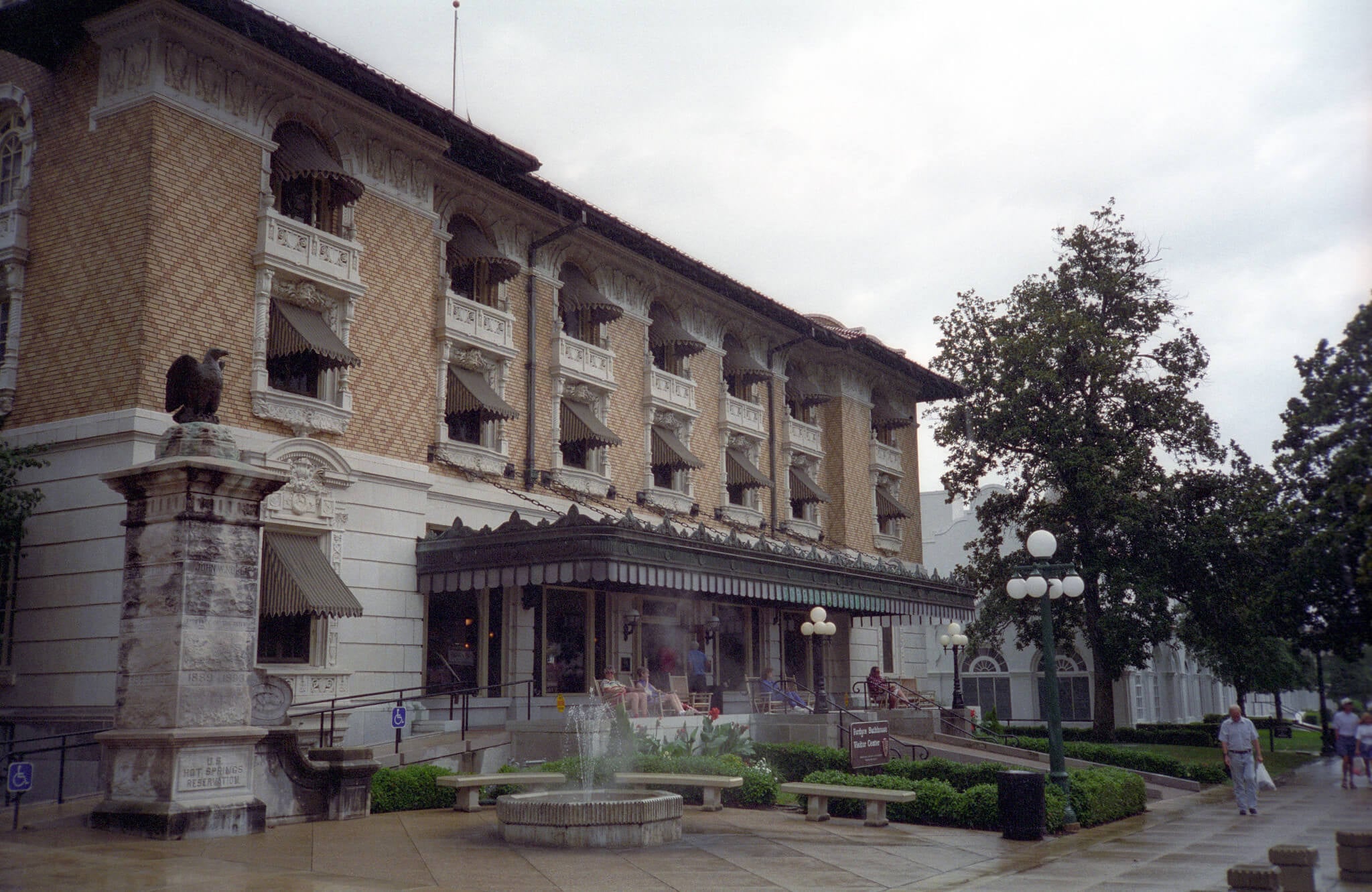
The Fordyce Bathhouse in Hot Springs, Arkansas, opened in 1915 as one of the most lavish spas on the city’s Bathhouse Row. It closed in 1962 as medical bathing fell out of fashion.
The National Park Service later restored it and opened it as the visitor center for Hot Springs National Park in 1989. Ornate fixtures and stained glass remain, so the park’s front desk operates inside a Gilded Age spa.
Alcatraz and Its Many Lives
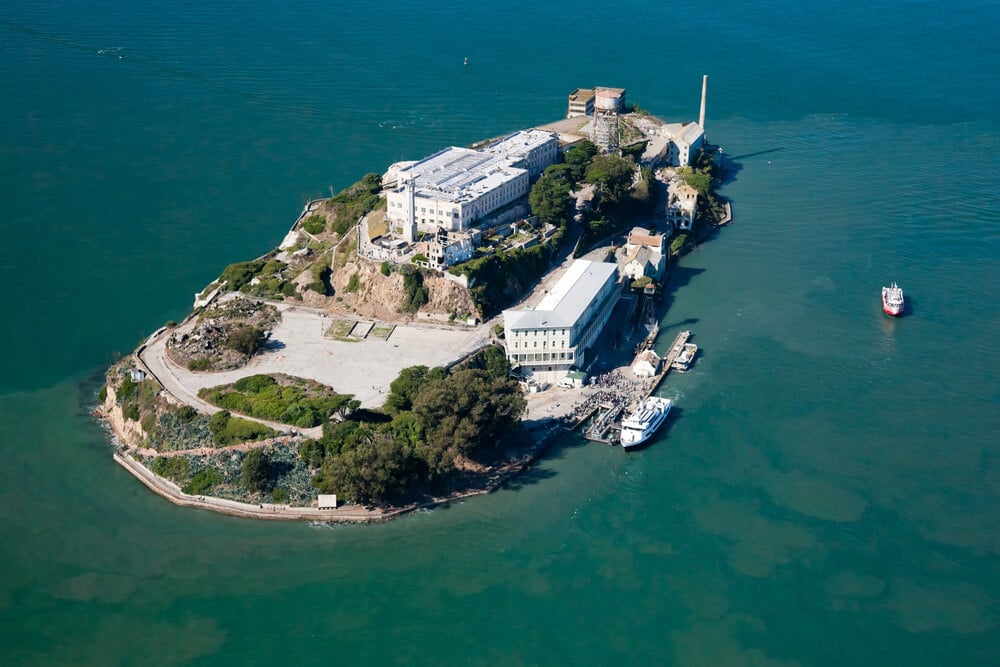
Alcatraz Island served as a military fortification and prison for the Army long before it became a federal penitentiary. The Bureau of Prisons opened its famous penitentiary there in 1934 and closed it in 1963.
Native American activists occupied the island in 1969, and it became part of the Golden Gate National Recreation Area in 1972. A rock first fortified to guard San Francisco Bay now draws visitors by ferry.
Baltimore’s Museum That Became City Hall
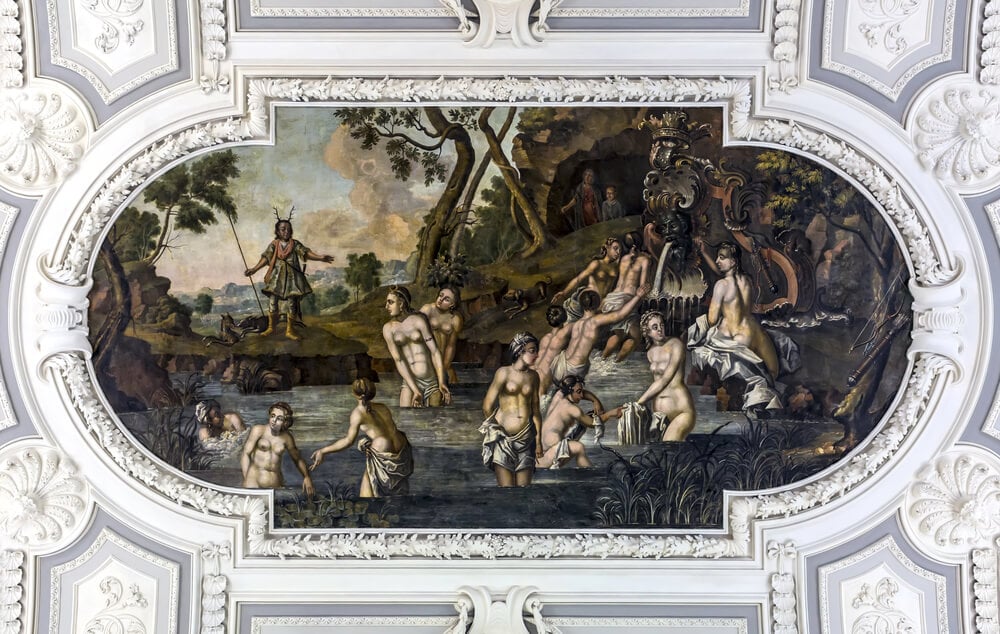
Rembrandt Peale built his museum in Baltimore in 1814, and the structure later took on a new role as the city’s municipal headquarters. Baltimore’s government occupied it as city hall in the 1830s, using space that once displayed paintings and natural curiosities.
The building later served as a school before returning to cultural use. Few city halls began as a gallery and ended up as a museum again.
Fort Worth’s City Hall in a Furniture Retailer’s Headquarters
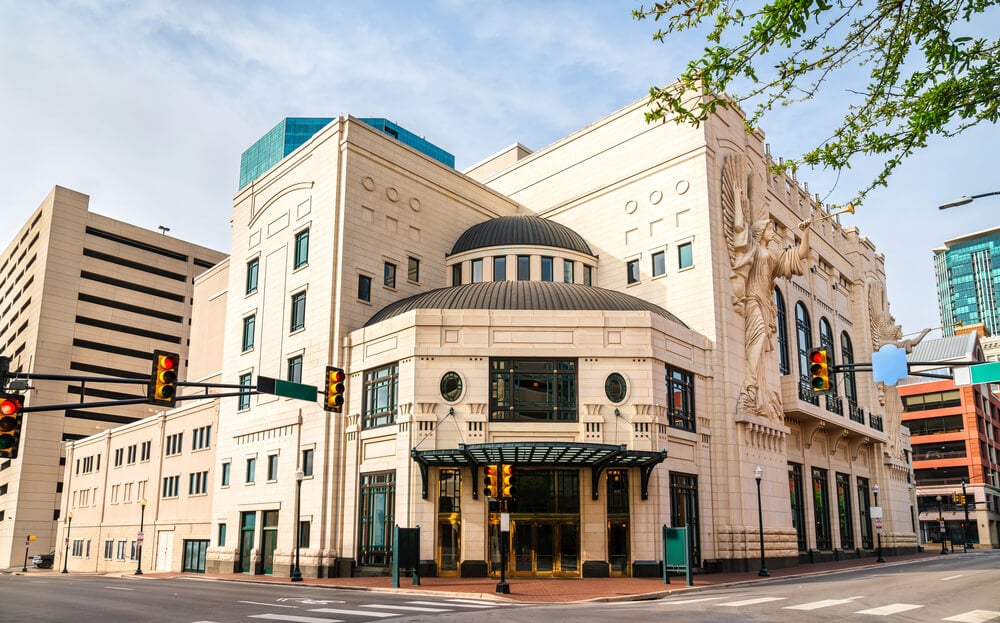
Fort Worth bought the downtown headquarters of Pier 1 Imports and converted it into its new city hall. The tower was built after a 2000 tornado devastated the area, so the structure itself was a product of recovery.
The home-decor company’s offices gave way to council chambers and municipal departments. The city skipped the expense of building from scratch and simply moved in where a retailer once planned its next shipment of rattan chairs.
Second Lives Written Into the Walls
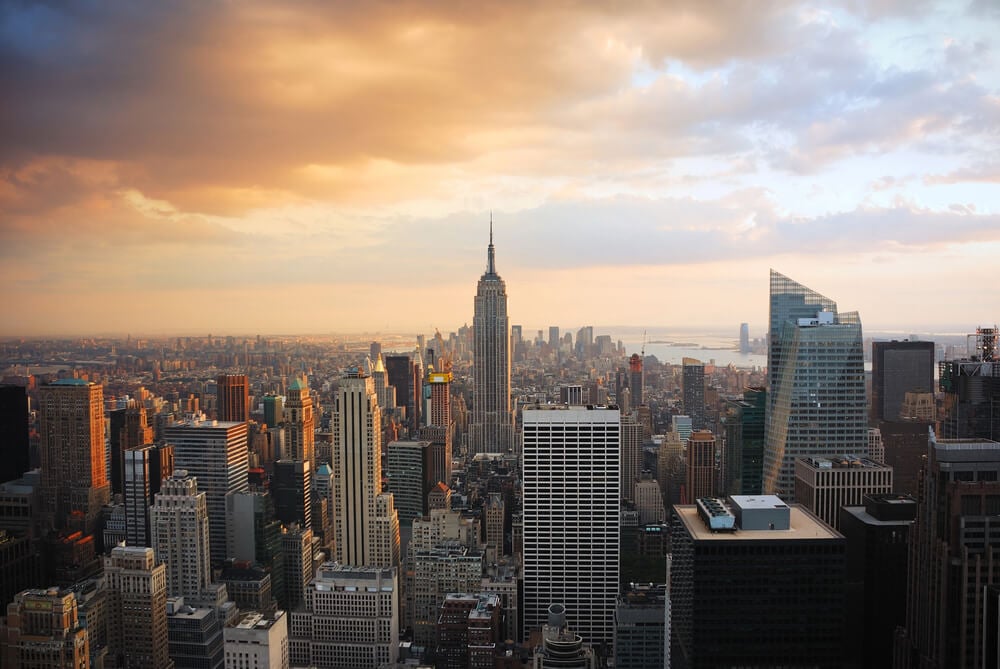
Buildings built for one purpose often outlast the institutions that created them. Banks fail, stores close, prisons empty out, and railroads lose their passengers, yet the structures remain, solid and expensive to replace.
Communities that preserve them gain not just square footage but a sense of continuity that new construction cannot easily manufacture. Reuse also tends to leave a story behind.
A library in a bank, a courthouse of books, or a city hall in a department store gives visitors a reason to ask what the place used to be. That curiosity may be the best argument for keeping old buildings working rather than simply keeping them standing.
More from Go2Tutors!

- 27 Silver Dollars and Half Dollars Worth Keeping
- 28 Restaurant Menu Items Nobody Orders Anymore
- 17 Places Built in Seemingly Impossible Spots
- 27 Vintage Rings Worth More Than They Look
- 25 Restricted Sites Tourists Can’t Enter
Like Go2Tutors’s content? Follow us on MSN.