Priceless Art Looted by Armies
Conquering armies have taken much more than just territory throughout history. In addition to the clash of weapons and the fall of empires, there has been a more subdued but no less destructive theft: the systematic looting of the greatest artistic treasures in human history.
The pattern is consistent across centuries and continents, from the Roman legions that paraded stolen Greek statues through the streets of ancient Rome to the soldiers who watched as museums were looted. These are not merely tales of lost sculptures or paintings.
13 examples of priceless works of art that have been looted by armies throughout history are listed here.
The Roman Sack of Syracuse

When Roman general Marcellus conquered the Greek city of Syracuse in 212 BC, he removed significant artworks to Rome for his triumphal parade. While the scale of this looting is sometimes overstated, ancient sources confirm he seized notable statues, paintings, and dedicatory offerings from the defeated city.
The Romans turned this practice into standard military procedure, using stolen treasures as physical proof of their military superiority and displaying them prominently in public spaces.
Napoleon’s Italian Campaign
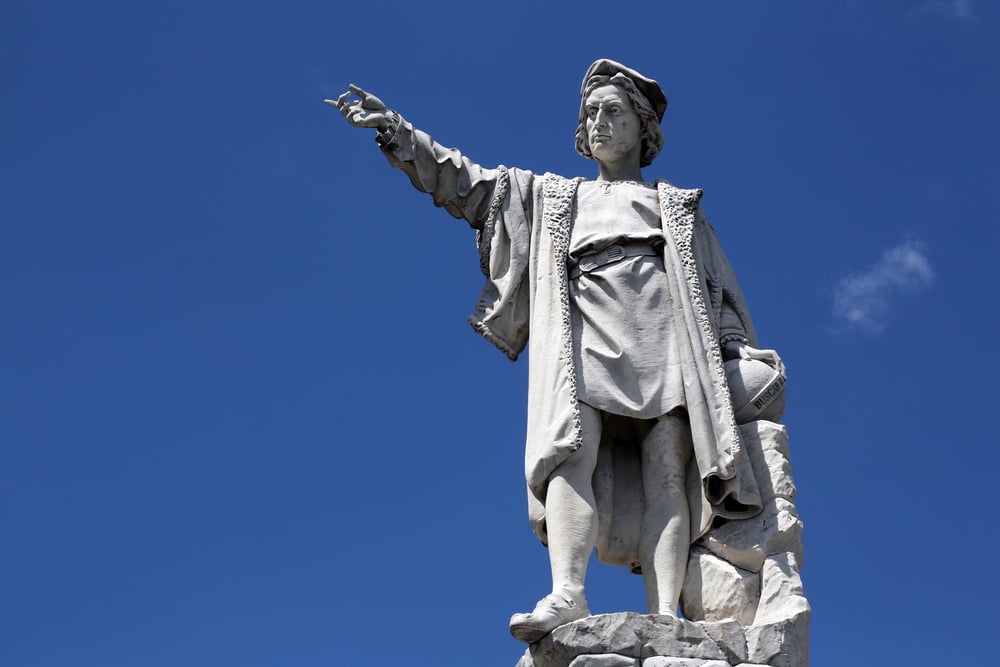
Napoleon Bonaparte fancied himself the heir to Rome’s legacy, and he looted like it too. Between 1796 and 1797, French commissioners ransacked Italy under official orders, seizing masterpieces from churches, palaces, and private collections.
The Apollo Belvedere, the Laocoön sculpture group, several dozen antiquities from Cardinal Albani’s collection, and over 500 manuscripts from the Vatican all made the journey to Paris. After Napoleon’s defeat in 1815, many items including the Apollo Belvedere and Laocoön were returned to Italy, though the process was incomplete and contentious.
The Benin Bronzes

In 1897, British forces launched a brutal three-week campaign against the Kingdom of Benin in present-day Nigeria. Soldiers torched villages, killed countless civilians, and systematically looted the royal palace of approximately 1,000 to 1,500 brass sculptures, along with ivory carvings and ceremonial objects.
These weren’t random acts of individual soldiers pocketing souvenirs. Officers distributed the treasures according to military rank, and many pieces were immediately shipped to London and sold to museums or auctioned off to cover the invasion’s costs.
The Elgin Marbles

Lord Elgin, the British ambassador to the Ottoman Empire, employed agents in the early 1800s to systematically remove marble sculptures from the Parthenon in Athens. He claimed he had permission from Ottoman authorities who controlled Greece at the time, but the legality remains hotly disputed.
What’s undisputed is that roughly half of the Parthenon’s surviving sculptures ended up in the British Museum, where they’ve remained for over two centuries despite Greece’s repeated requests for their return.
Nazi Germany’s Systematic Plunder

Hitler’s forces turned art theft into an industrial operation. The Einsatzstab Reichsleiter Rosenberg looted occupied territories with brutal efficiency, seizing an estimated 650,000 artworks across Europe by the war’s end.
Hitler dreamed of a massive Führermuseum in his hometown of Linz that would display the greatest collection ever assembled. His agent Hans Posse amassed over 8,000 artworks for this never-built monument to fascist cultural supremacy, while Hermann Göring built his own competing collection through similar methods.
Soviet Trophy Brigades

As Soviet forces pushed into Germany in 1945, they came prepared with lists. Stalin’s Trophy Brigades followed Napoleon’s and Hitler’s examples, systematically stripping defeated Germany of cultural treasures.
Approximately 2.5 million items disappeared into Soviet hands, predominantly books and manuscripts, along with hundreds of thousands of artworks including Gutenberg Bibles and Impressionist paintings. Germany published a catalog in 2007 documenting what remained missing, with estimates suggesting around 100,000 artworks are still held in Russian and Polish storage facilities.
Japan’s Looting of Korea

When Japan made Korea a protectorate in 1905, cultural pillaging accelerated dramatically. Over the next four decades, Japanese forces and private collectors amassed at least 100,000 artifacts through both official military seizure and opportunistic collecting.
They violated royal tombs to steal gold jewelry and jade, documented and relocated stone monuments from Buddhist temples, and carted off tens of thousands of ancient manuscripts. The most prized pieces, like rare blue celadon ceramics from Koryo dynasty tombs, were gifted to the Japanese Emperor himself.
The Rape of Chinese Treasures

Japanese aggression in China proved even more devastating in scale. Between 1931 and 1945, Chinese sources estimate Japanese forces looted around 3.6 million cultural relics and 3 million books, though Japanese records cite lower figures.
Thousands of Chinese artifacts now sit in Tokyo’s National Museum, with some controversially labeled among Japan’s important cultural properties. The systematic nature of this theft wasn’t accidental—it was carefully organized cultural erasure designed to support imperial ambitions.
The Fourth Crusade’s Betrayal
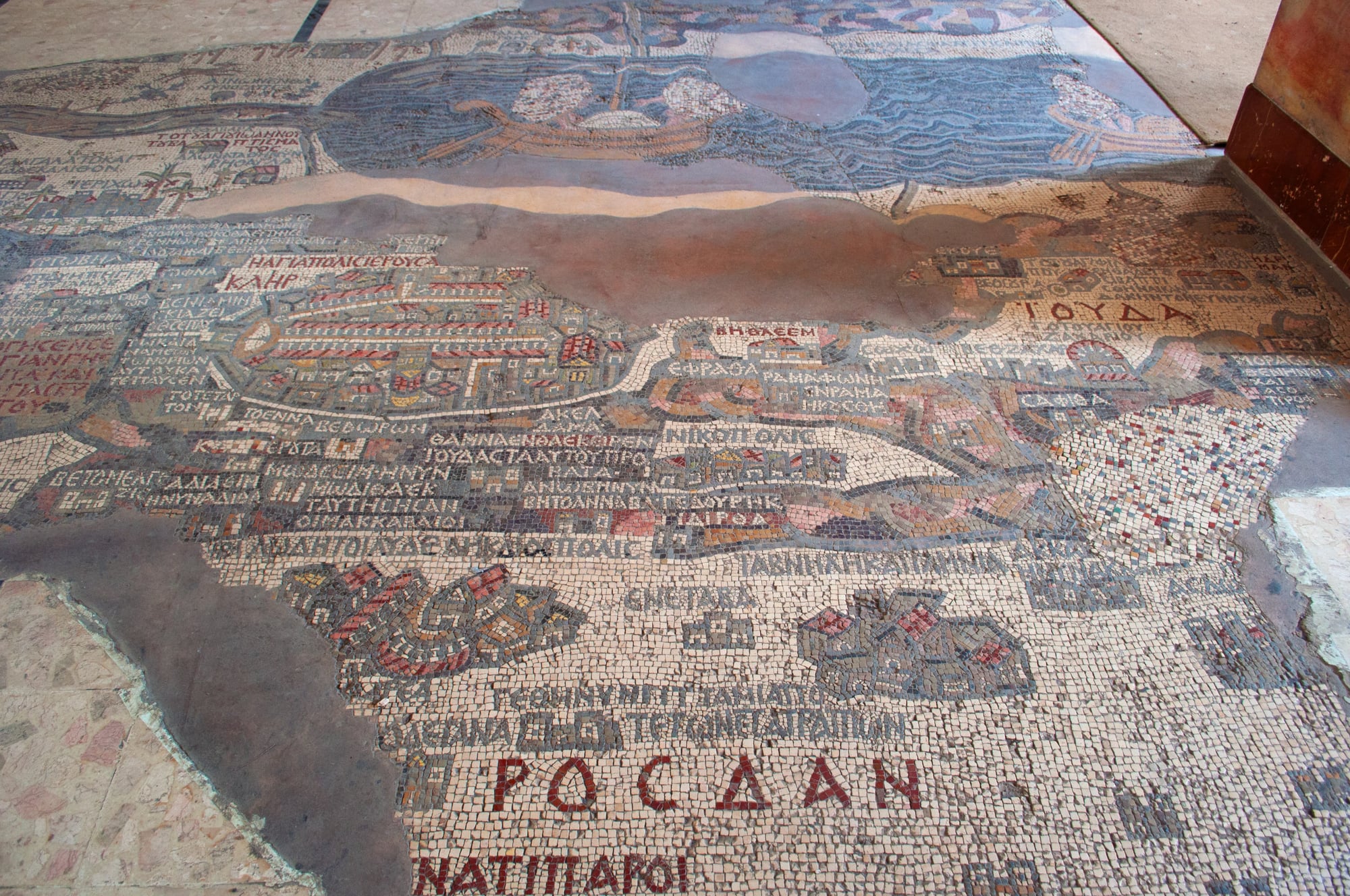
In 1204, Crusaders supposedly heading to liberate Jerusalem decided Constantinople looked like easier pickings. Western Christian forces sacked the Byzantine capital extensively, stealing some of the most valuable treasures of the Christian and classical world.
Venice walked away with the famous bronze horses that still stand in St. Mark’s Square, while countless religious artifacts, jeweled reliquaries, and ancient manuscripts vanished into private collections across Europe. The looting likely continued beyond the commonly cited three days as occupying forces consolidated their plunder.
The Iraq Museum Disaster

On April 10, 2003, as American forces advanced on Baghdad, looters broke into the National Museum of Iraq. Over the next 36 hours, approximately 15,000 artifacts disappeared while U.S. troops, busy with combat operations just blocks away, failed to secure the building.
Ancient cylinder seals, Assyrian ivories, and irreplaceable pieces from humanity’s earliest civilizations were stolen. Later recovery efforts proved somewhat successful, with over 7,000 items eventually returned through amnesty programs and international cooperation, though thousands remain missing.
Spanish Conquistadors and Aztec Gold
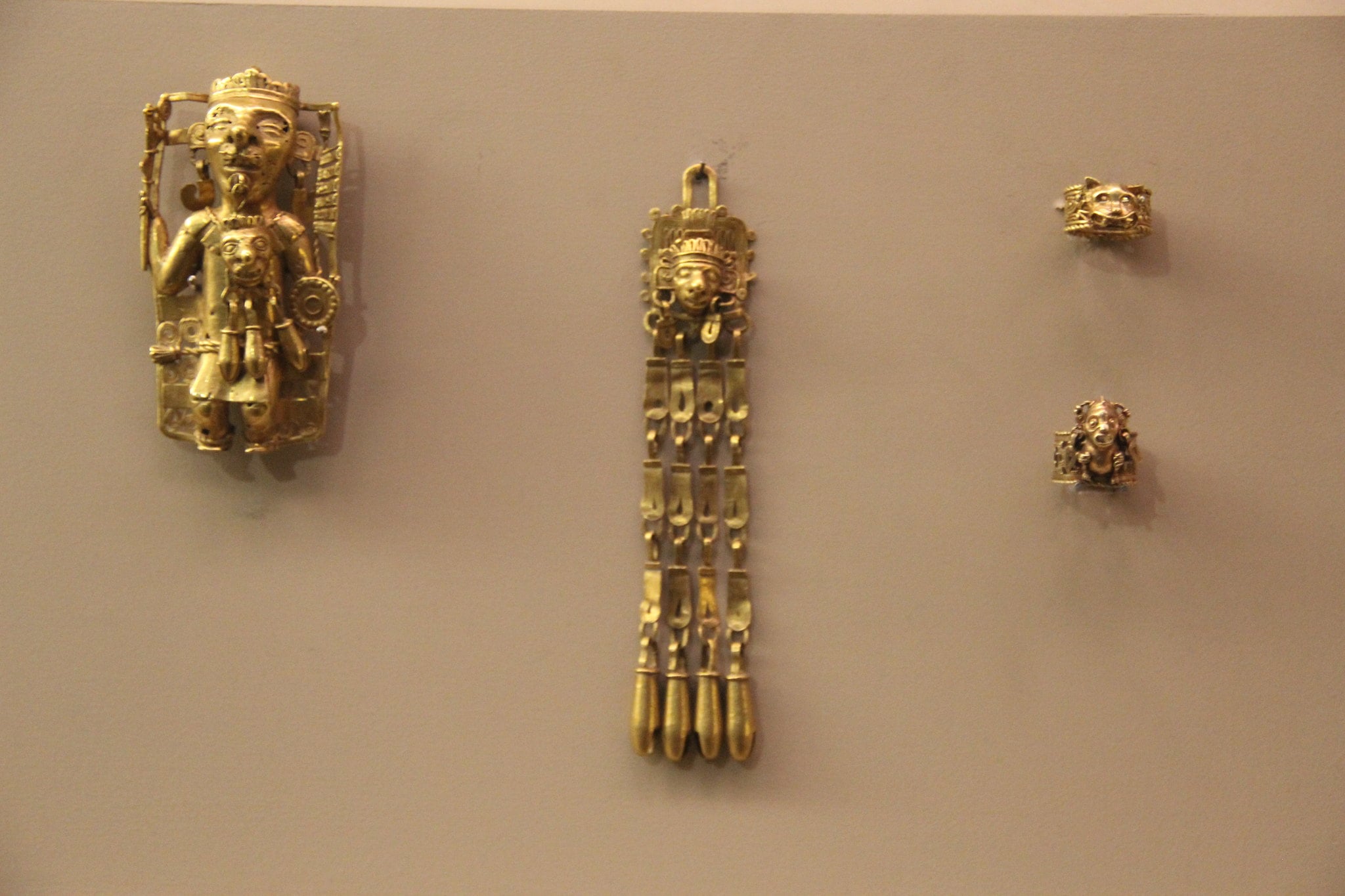
Hernán Cortés and his forces didn’t just conquer the Aztec Empire in the 1520s—they melted down significant quantities of intricate goldwork for easier transport. Elaborate ceremonial pieces, jewelry of incredible craftsmanship, and religious artifacts were reduced to bullion and shipped back to Spain.
While not all Aztec goldwork was destroyed and some pieces survived through tribute records and archaeological finds, the cultural loss was immeasurable as entire artistic traditions were largely erased.
The Sack of Egyptian Tombs

Grave robbers have been pillaging Egypt’s royal tombs since ancient times, but foreign armies and colonial archaeologists professionalized the practice. Napoleon’s 1798 invasion included 167 scientists and scholars whose job was documenting and collecting antiquities.
When the British defeated Napoleon, they claimed the Institut d’Égypte’s antiquities as war booty, including the Rosetta Stone, which still sits in the British Museum with an inscription reading ‘Captured in Egypt by the British Army in 1801.’
Prussian Archaeological ‘Expeditions’
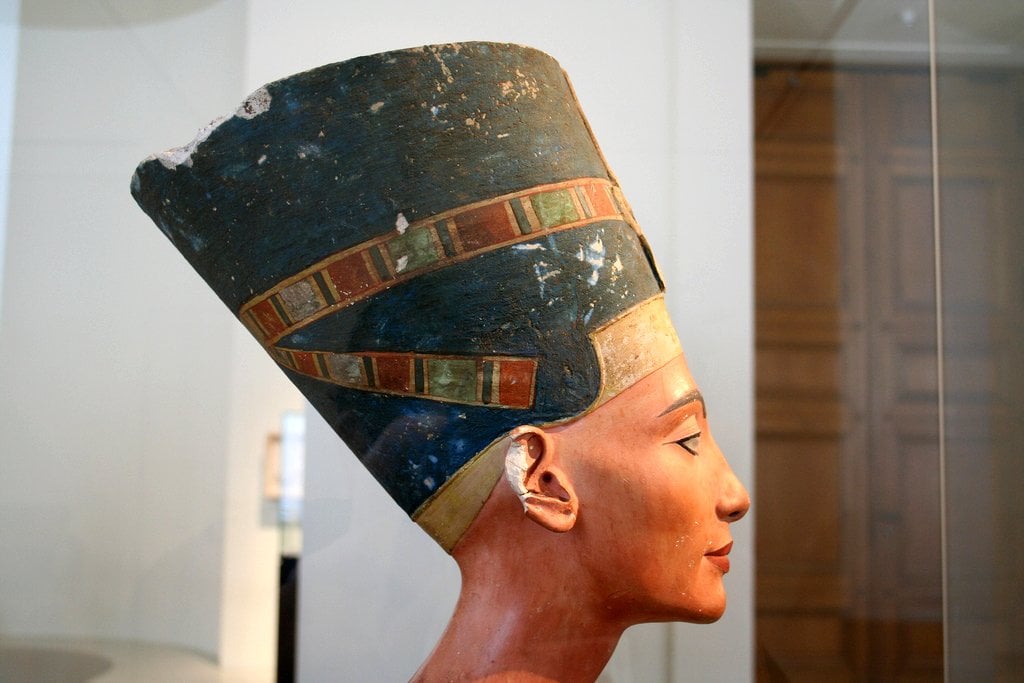
The bust of Nefertiti tells a murkier story than outright battlefield looting, but the end result was similar. A Prussian archaeologist removed the stunning sculpture in 1912 under a division-of-finds system, though the fairness of this arrangement remains hotly disputed.
The piece was shipped to Germany, where it ended up in Berlin’s Neues Museum. Egypt has been asking for its return ever since, arguing the export arrangements were inequitable and didn’t constitute legitimate archaeological practice.
From Battlefields to Museum Walls

One of the most successful examples of cultural laundering in history is the conversion of stolen artwork from war booty to revered museum pieces. In climate-controlled galleries, behind velvet ropes, is what Roman generals once displayed as evidence of conquest.
The Louvre benefited from Napoleon’s loot, and several London institutions were stocked by British colonial plunder. These armies left scars that last for generations by stealing not only material goods but also customs, stories, and ties to one’s ancestry.
More from Go2Tutors!

- The Romanov Crown Jewels and Their Tragic Fate
- 13 Historical Mysteries That Science Still Can’t Solve
- Famous Hoaxes That Fooled the World for Years
- 15 Child Stars with Tragic Adult Lives
- 16 Famous Jewelry Pieces in History
Like Go2Tutors’s content? Follow us on MSN.