American Fairgrounds Before Modern Carnival Rides
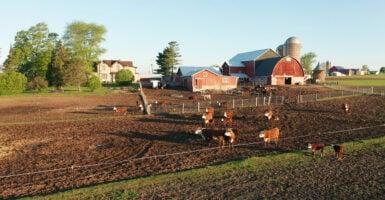
Long before a fairground meant a neon midway and a ticket booth for every spinning machine, it meant mud, manure, and fierce rivalry over the best pig in the county. Fairs were built to make farming better, and the people who attended took the job seriously.
The amusements arrived gradually, and often by accident. A horse race here, a medicine peddler there, and eventually a giant steel wheel in Chicago changed what people expected from a day out.
The Pittsfield Sheep Show That Invented the County Fair
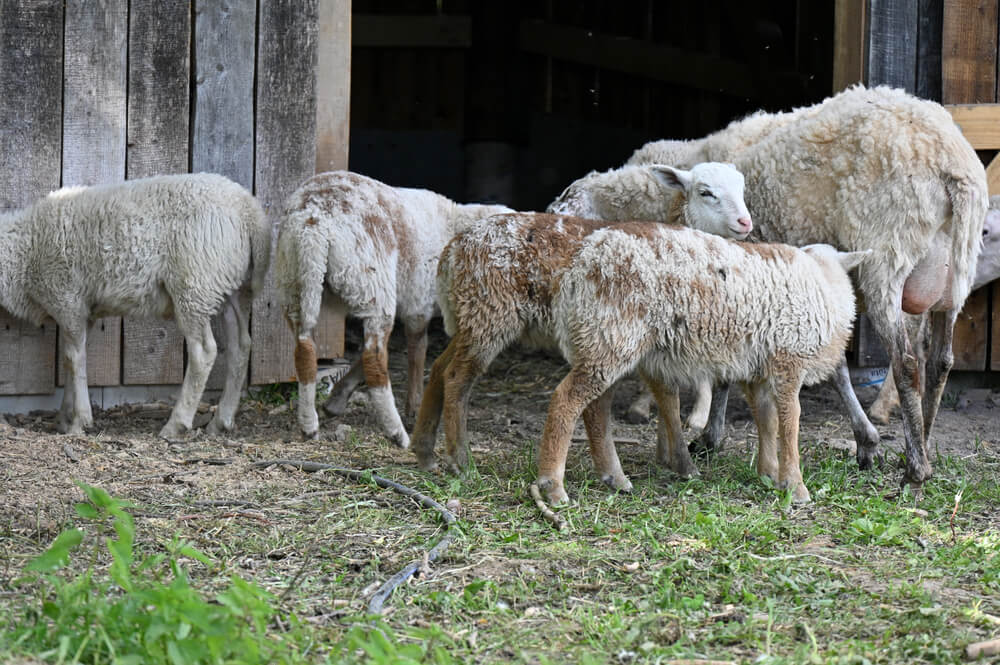
Elkanah Watson, a merchant and promoter, displayed two Merino sheep in the town square of Pittsfield, Massachusetts, in 1807 and was surprised by how many neighbors gathered to look. That curiosity grew into the Berkshire Agricultural Society, which held its first cattle show in Pittsfield in 1810.
Watson pushed for prizes, parades, and public ceremony, believing farmers would improve their herds if ribbons and applause were involved. His formula of competition plus spectacle became the template for fairs across the country.
Topsfield and the Fair That Kept Going
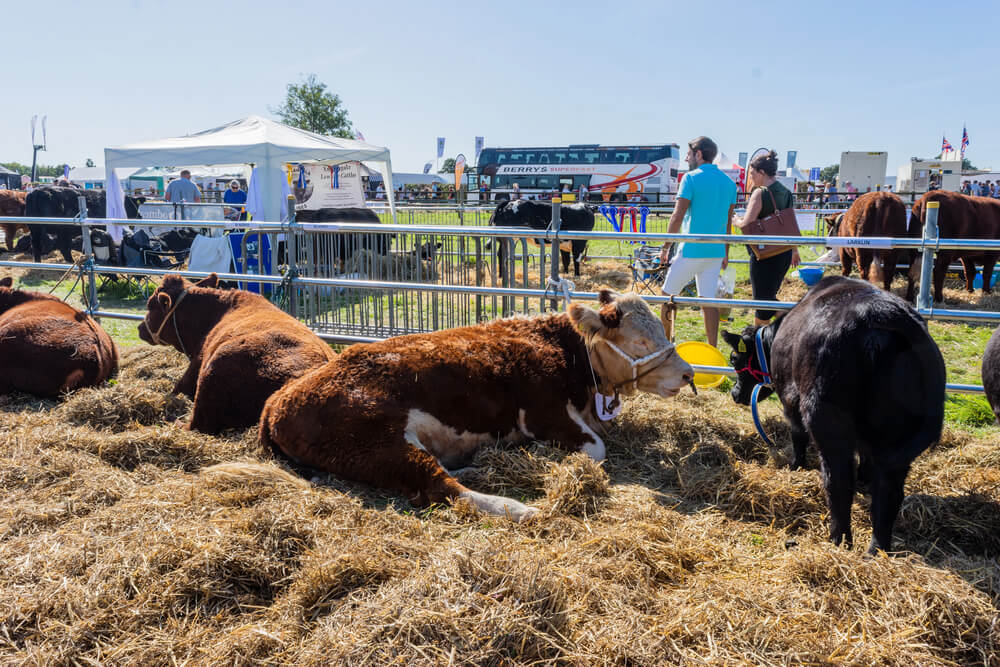
The Topsfield Fair in Massachusetts began in 1818 and celebrated its 200th year in 2018, which makes it a living link to the earliest era of American agricultural shows. Its original purpose was modest: farmers brought crops and livestock to be judged and to trade ideas about better methods.
The fair has outlasted wars, depressions, and changing tastes by adding attractions without ever dropping the judging rings. Visitors today are walking the same grounds where nineteenth-century neighbors compared oxen.
Syracuse and the Traveling State Fair
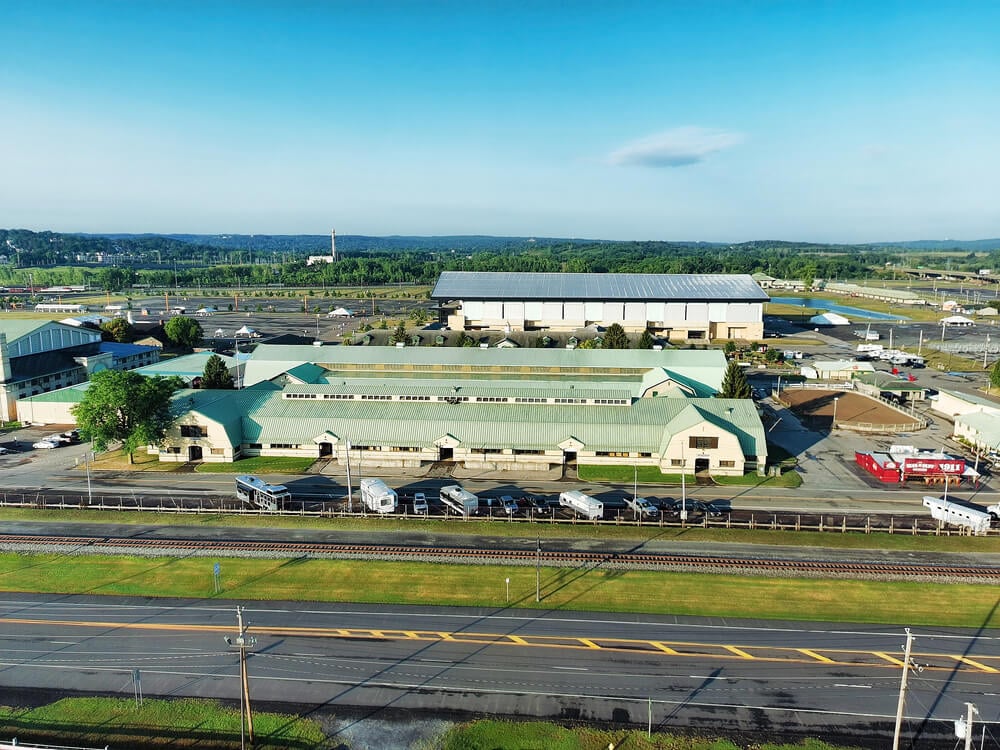
— Photo by debramillet
The New York State Fair held its first exhibition in Syracuse in 1841, then spent decades moving from city to city before the state settled it permanently in Syracuse in 1890. During those wandering years each host town raced to build grounds and pavilions worthy of the crowds.
The roaming format meant farmers from every corner of the state could eventually see the latest plows and prize cattle without a multiday journey. It also meant that the fair itself was an event civic boosters competed to win.
Cleveland Hosts Ohio’s First State Fair
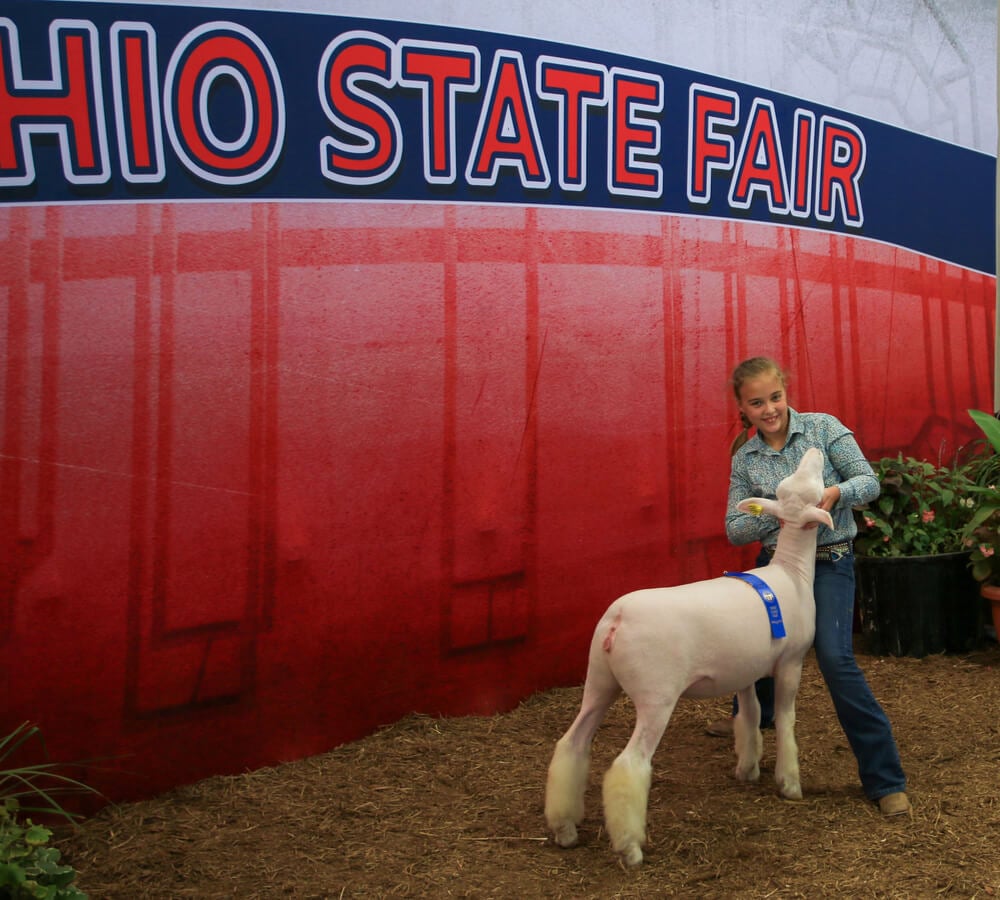
— Photo by WoodysPhotos
Ohio held its first state fair in Cleveland in 1850, an event meant to gather the state’s farmers in one place to compare stock, grain, and tools. Like New York’s fair, it rotated among cities for decades before settling in Columbus in 1886.
The rotating venues gave different towns a turn at hosting but made it hard to build permanent exhibition halls. Settling in one spot finally allowed the grounds to grow into the large permanent site that Ohioans know today.
Indiana’s Fair at Military Park
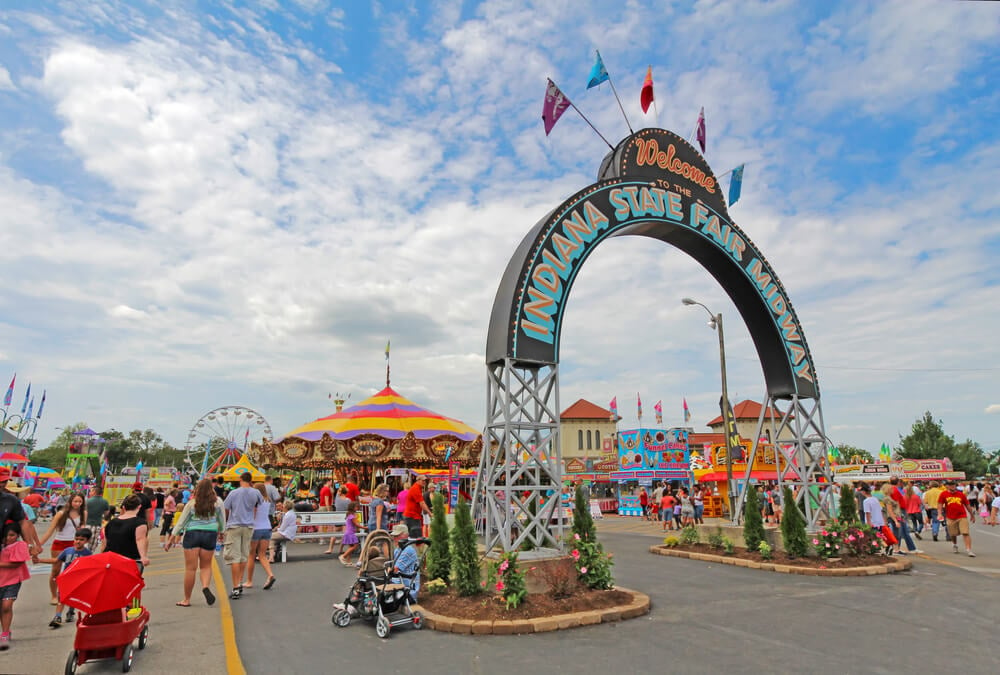
— Photo by sgoodwin4813
Indiana held its first state fair in 1852 at Military Park in Indianapolis, a downtown green that served as an open-air showroom for livestock, produce, and homemade goods. Crowds came to see animals judged and to measure their own farms against the competition.
The fair eventually outgrew the park and moved to its permanent grounds on the north side of the city in 1892. That move gave exhibitors room for larger barns, a track, and the grandstand that would host crowds for generations.
Minnesota Builds a Fair on the Frontier
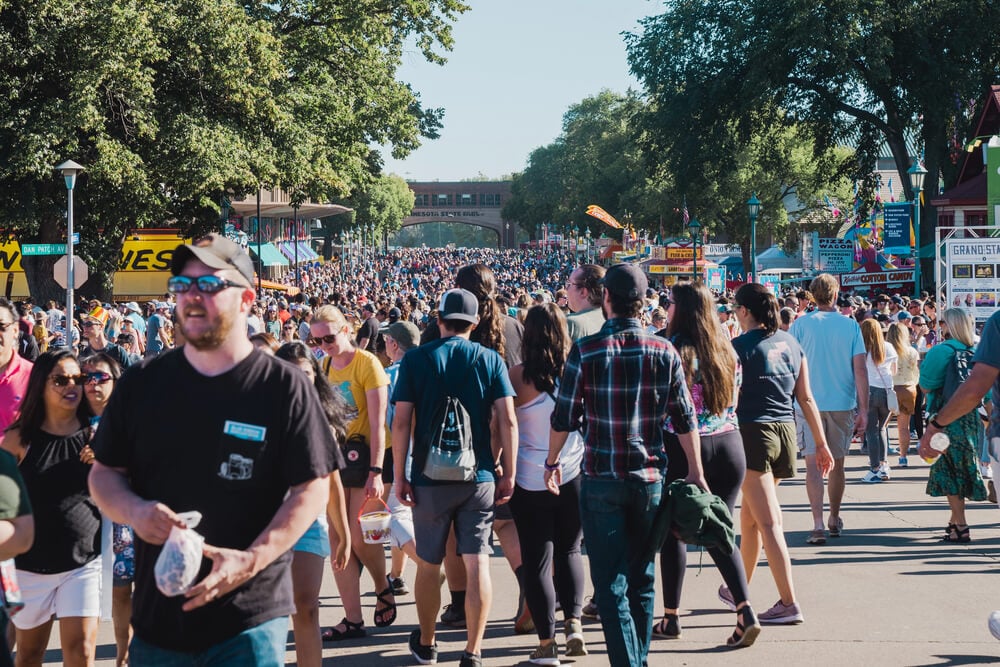
— Photo by mkopka
The Minnesota State Fair opened in 1859, just a year after statehood, on the flat ground near Fort Snelling. For decades it wandered among several sites before settling in 1885 on the grounds in Falcon Heights, between the twin cities, where it still stands.
That permanent site allowed organizers to erect lasting exhibition halls and a racetrack. The decision turned a frontier gathering into the kind of institution that residents now call the Great Minnesota Get-Together.
Dan Patch and the Race Against the Clock
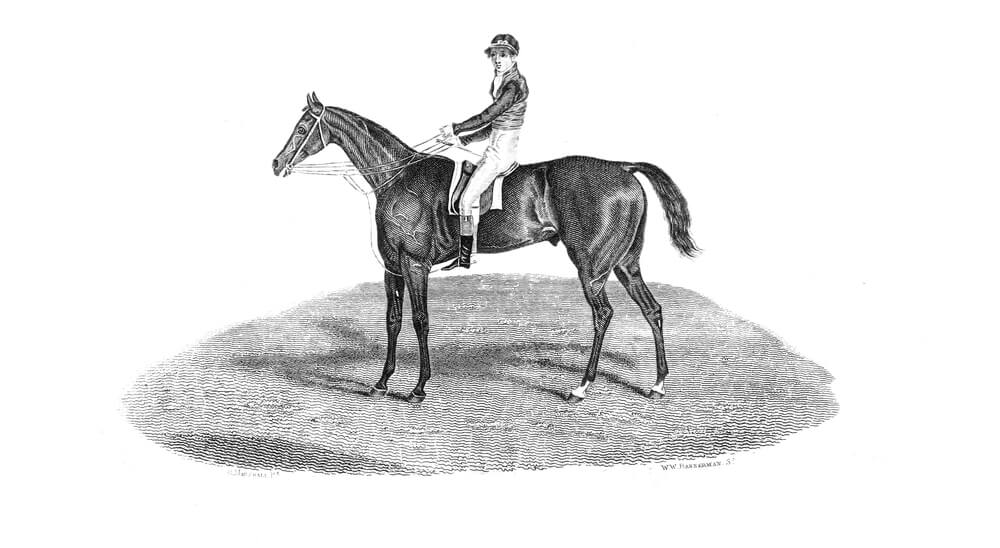
In 1906 the pacer Dan Patch covered a mile in 1:55 at the Minnesota State Fair, a time that set a world record and drew national attention to the fair’s racetrack. Harness racing was a centerpiece of nineteenth- and early twentieth-century fairs, and a fast horse could fill a grandstand more reliably than any sideshow.
Spectators crowded the rail to watch a horse try to beat a stopwatch rather than a rival. The record stood for years and made the horse one of the most famous athletes in America.
Dallas Opens Its Fairgrounds
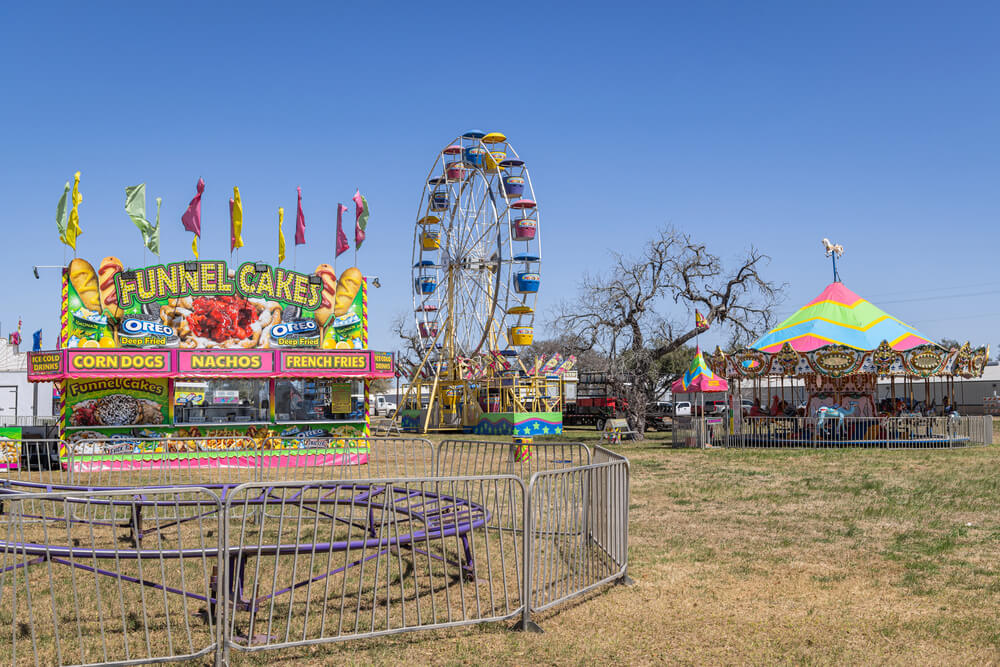
The State Fair of Texas in Dallas dates to 1886, when organizers opened the fair on the grounds that later became Fair Park. The early exhibits focused on cotton, livestock, and the products of Texas farms and ranches, with visitors traveling in by rail to see them.
A fairground born in the age of horse-drawn wagons kept its name and its purpose well into the age of automobiles. What began as an agricultural showcase became a landmark of the city.
The Great Danbury Fair of Connecticut
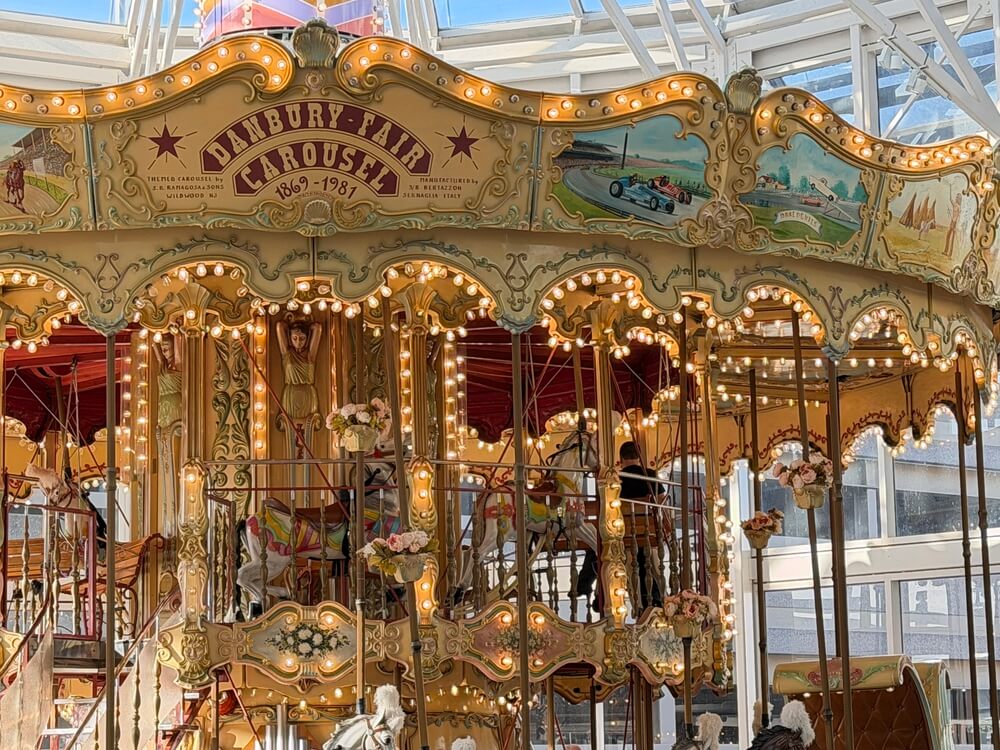
— Photo by sainaniritu
The Danbury Fair ran in Connecticut from 1869 to 1981, closing after its final run in October of that year. For over a century it drew crowds from across New England with livestock exhibits, harness racing, and a reputation as one of the state’s great autumn gatherings.
Locals took pride in the fair as a seasonal landmark, and its long life made it a touchstone for generations of families. After it closed, the fairgrounds became the site of a shopping mall that kept the name Danbury Fair.
Chicago’s Giant Wheel in 1893
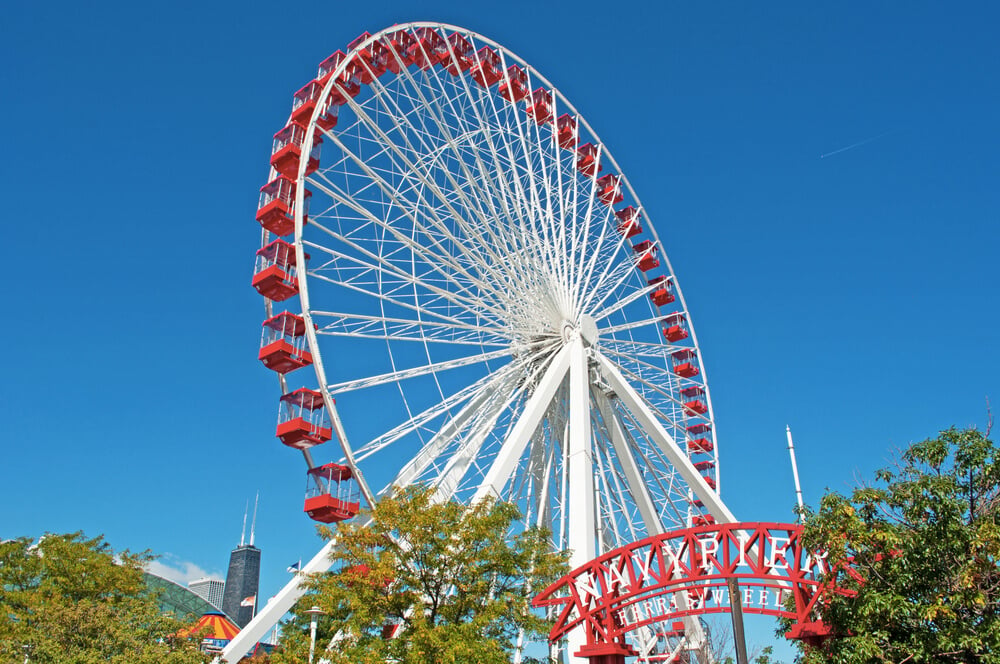
— Photo by vampy1
At the World’s Columbian Exposition in Chicago in 1893, George Washington Gale Ferris Jr. unveiled a wheel standing 264 feet tall, with 36 cars that could each carry up to 60 passengers. A full load meant 2,160 riders at once, a number that turned a ride into a spectacle.
Steam engines turned the structure, and its engineering was intended to rival the Eiffel Tower from the Paris fair four years earlier. Every spinning ride that followed owes something to that single machine.
The Midway Plaisance and the Birth of a Word
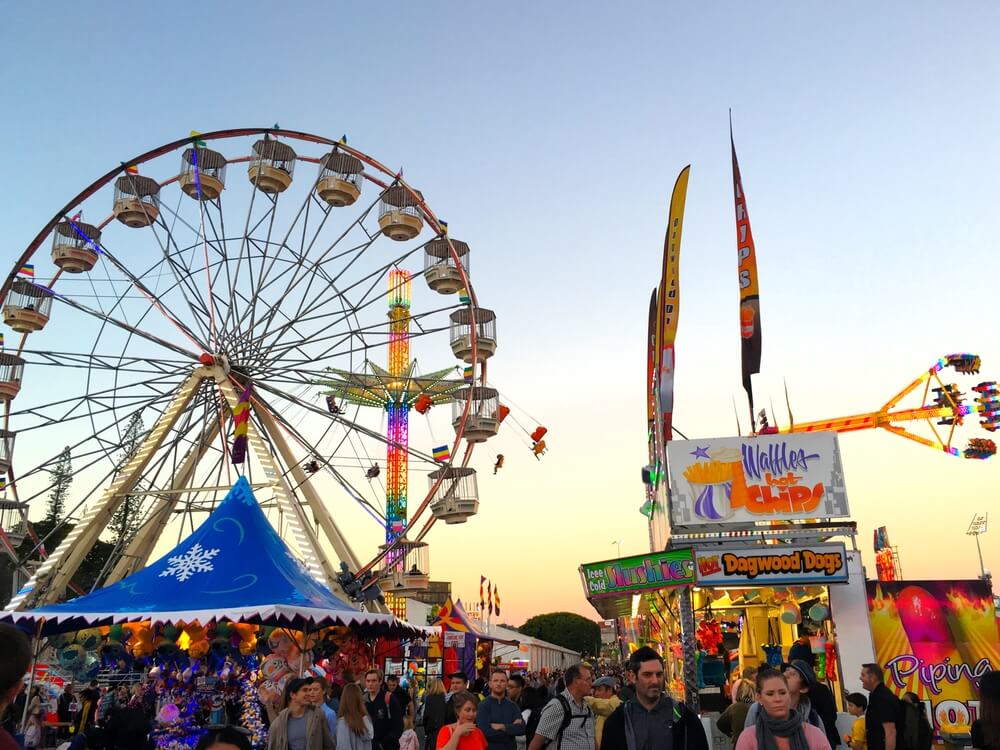
The same Chicago exposition placed its amusements on the Midway Plaisance, a long strip of exhibits, restaurants, and theatrical displays that included a recreation of a Cairo street. Fairgoers who wandered the strip paid for each attraction separately, and the idea proved wildly popular.
The name stuck, and fairs and carnivals across the country began calling their amusement areas midways. A strip of land near the University of Chicago gave the entire entertainment sector its standard vocabulary.
Medicine Shows and the Kickapoo Pitch
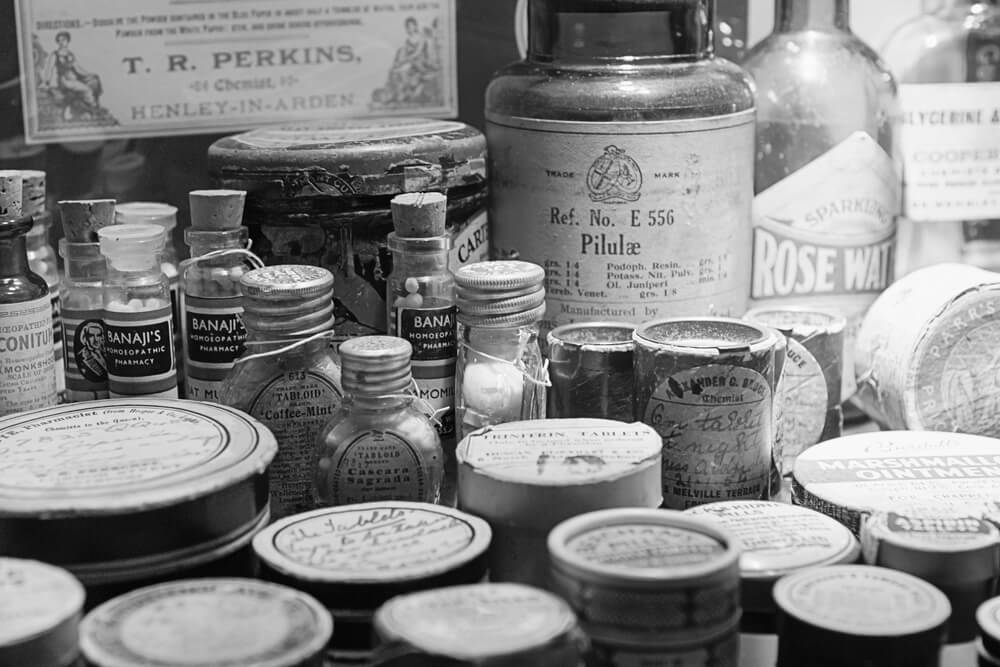
Medicine shows were a staple of nineteenth-century fairs, and few were larger than the Kickapoo Indian Medicine Company, based in New Haven, Connecticut. Its traveling troupes drew crowds with music, comedy, and stage performances before pitching bottles of tonic such as Sagwa to the audience.
The business was founded by the partners John Healy and Charles Bigelow, who understood that a good show sold more bottles than a good label. Audiences enjoyed the entertainment regardless of whether they bought the product.
A Springfield Superintendent Hands Out Seed Corn
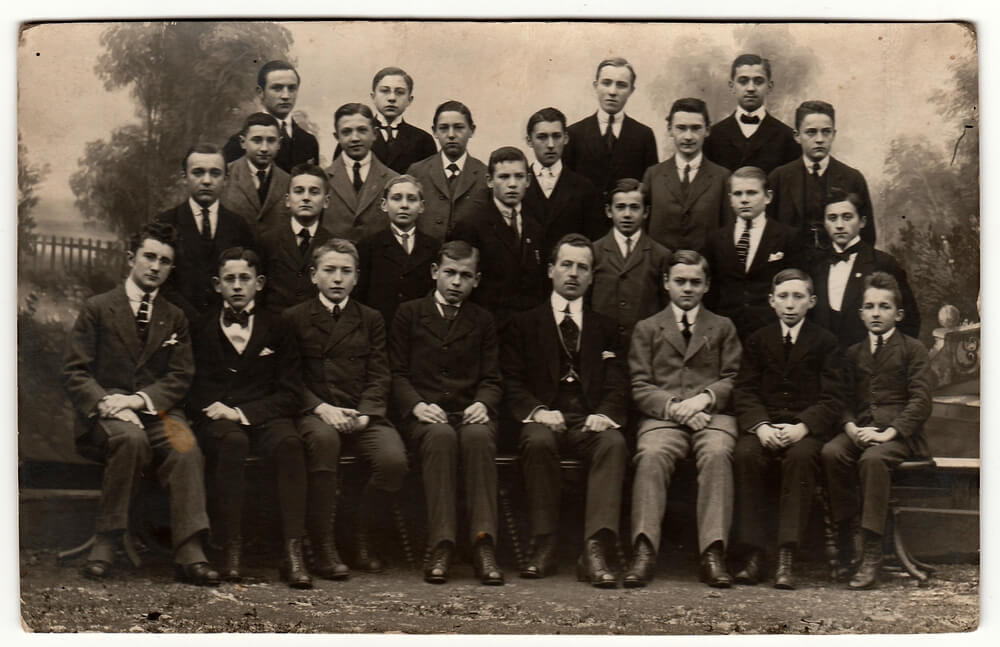
In 1902 Albert B. Graham, the school superintendent of Clark County, Ohio, organized a club in Springfield that gave rural children packets of seed corn and a chance to compete. Their harvest displays at local fairs showed that young people could produce results worth ribbons and prizes.
The corn club idea spread to other states and became a foundation for what the nation now calls 4-H. Fair judging rings gave the movement its first public stage.
The Butter Cow Debuts in Des Moines
Iowa State Fair visitors saw a life-size cow sculpted entirely from butter in 1911, an exhibit that began as a showpiece for the dairy industry. The sculpture was displayed in a refrigerated case, a necessity in the heat of an Iowa August.
The idea turned a humble product into art, and the cow became a yearly fixture that drew crowds eager to see how it would look next. More than a century later the butter cow remains one of the fair’s most recognizable traditions.
The Flying Horses Carousel of Oak Bluffs
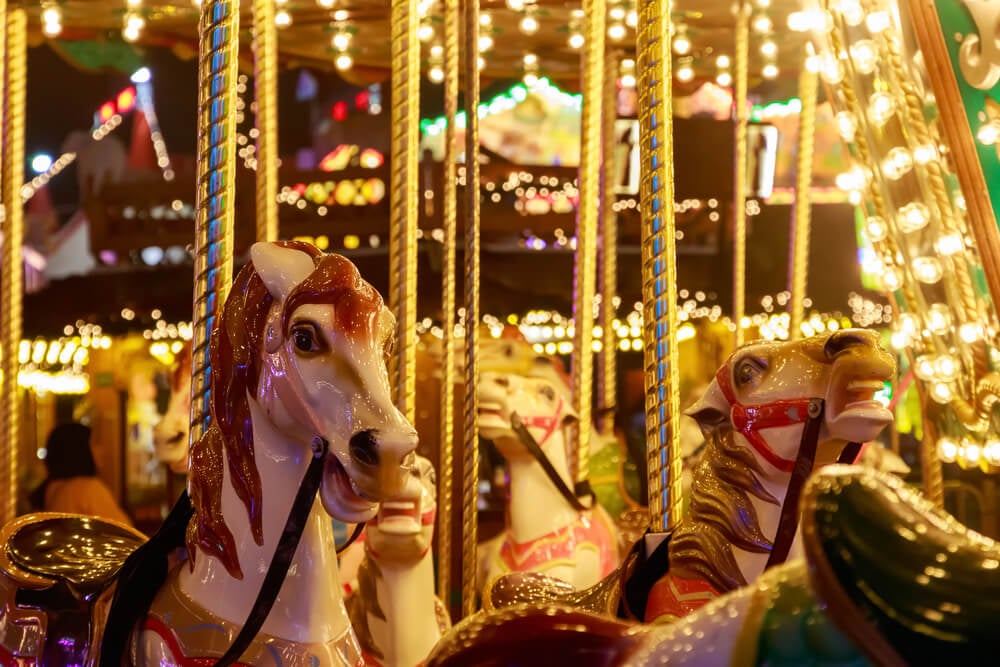
The Flying Horses Carousel on Martha’s Vineyard was built in 1876 at Coney Island and moved to Oak Bluffs in 1884, making it among the oldest platform carousels still operating in the country. Its carved horses are fitted with real horsehair manes and glass eyes, details that reflect the craftsmanship of an earlier amusement era.
Riders who grabbed for the brass ring were once rewarded with a free turn on the next ride. Rides of this kind showed that amusement could be handcrafted rather than mass produced.
Why the Prize Ribbon Outlasted the Thrill Ride
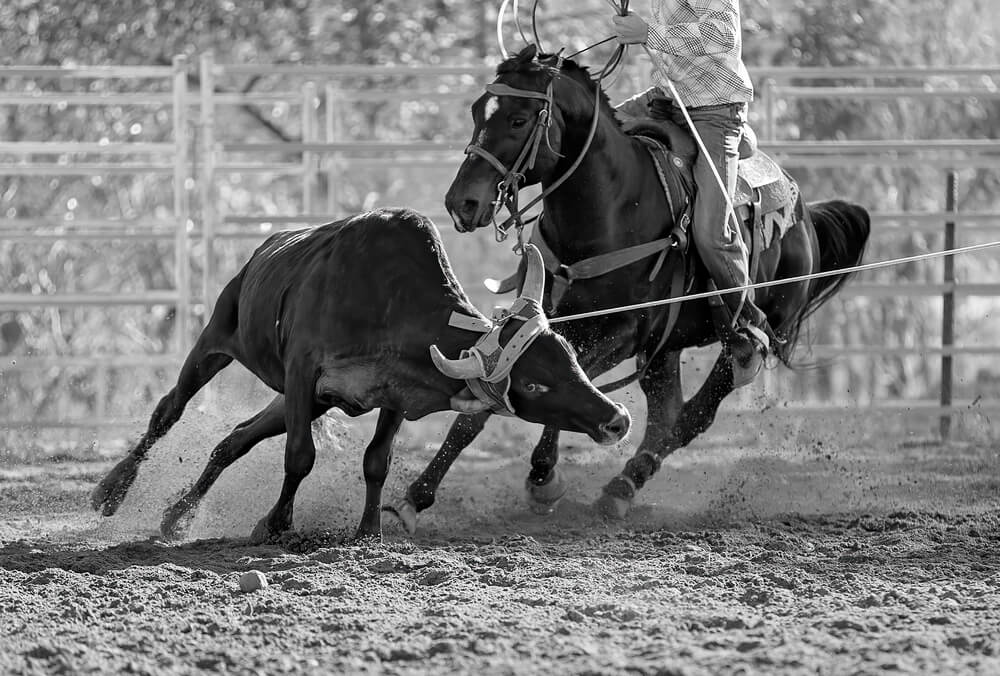
Every fair on this list began with the same assumption: a community that gathers to compare its best work will improve its work. Cattle shows, seed corn clubs, and trotting races all rewarded effort that could be seen, measured, and judged.
Entertainment was part of the draw, but it was never the entire point. The spinning machines that dominate fairgrounds today grew from the same impulse, offering a crowd something worth the trip.
The Ferris wheel showed that spectacle could be engineered as carefully as a championship pacer. Somewhere between the butter cow and the midway, the fair learned that people come for the ribbons and stay for the wonder.
More from Go2Tutors!

- 27 Silver Dollars and Half Dollars Worth Keeping
- 28 Restaurant Menu Items Nobody Orders Anymore
- 17 Places Built in Seemingly Impossible Spots
- 27 Vintage Rings Worth More Than They Look
- 25 Restricted Sites Tourists Can’t Enter
Like Go2Tutors’s content? Follow us on MSN.