27 Fortresses That Were Never Successfully Conquered
There’s something deeply human about the impulse to build a wall and dare the world to cross it. Across every continent and every century, people have carved strongholds into cliffsides, ringed them with water, stacked stone on stone until the structure itself became a kind of argument — one that said, plainly, you are not getting in here.
Some of those arguments held. Not for a year, not for a decade, but for centuries, across sieges and empires and the grinding patience of armies that had every reason to believe they would eventually win.
These are the fortresses that never gave them the satisfaction.
Masada
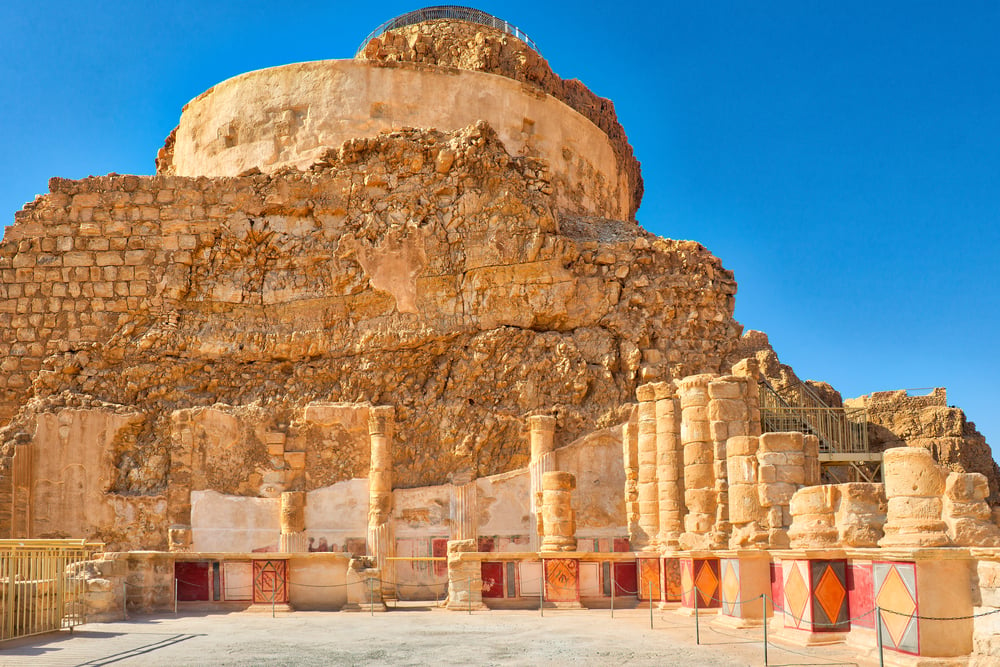
Masada didn’t fall to Rome — not in the way Rome wanted. The Jewish rebels who held this plateau fortress in the Judean Desert chose collective death over surrender in 73 CE, which means the Roman legions, after months of building an enormous siege ramp, walked into silence.
That’s not a conquest. That’s a monument to a different kind of defiance.
Château Gaillard
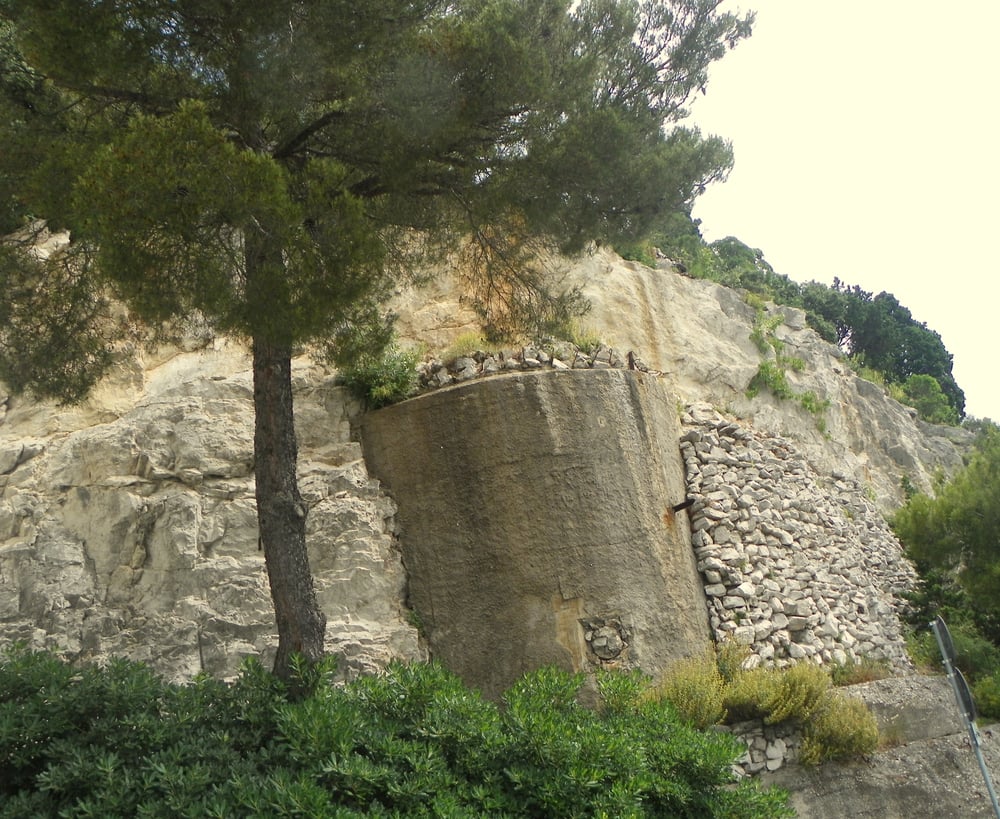
Richard the Lionheart built Château Gaillard in Normandy in just two years, and it showed — the thing was engineered with a contempt for conventional siege tactics that bordered on personal. It sat on a chalk promontory above the Seine River, and its concentric walls meant that breaching one layer only delivered an attacker into another killing ground.
Philip II of France eventually took it in 1204, but only through a sewage shaft — which, to be fair, is not the kind of entry that gets celebrated in chronicles.
Alamut Castle
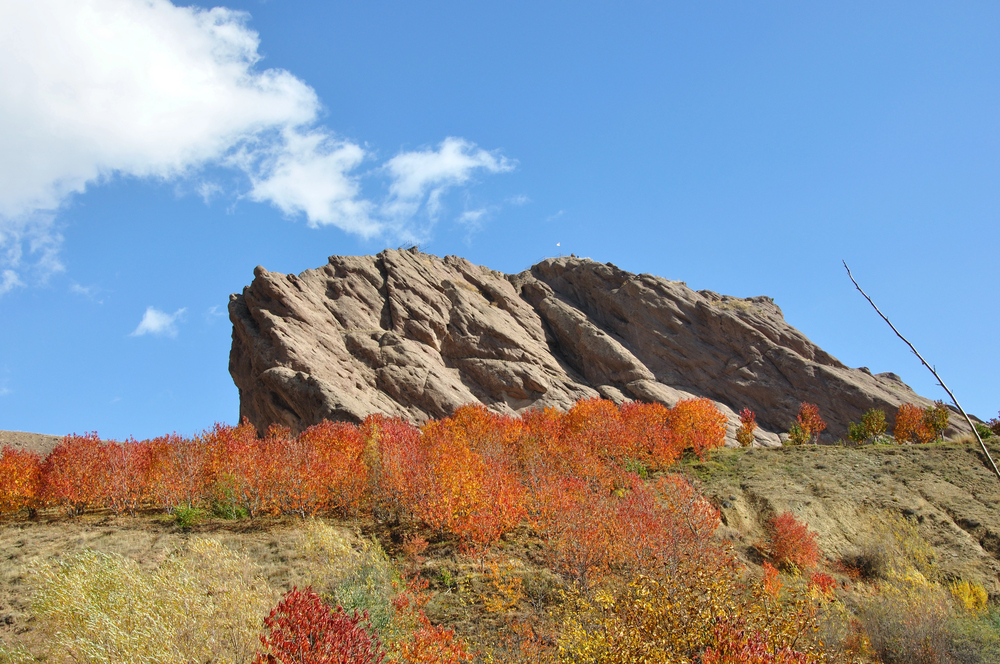
Alamut is less a fortress and more a geological accident that someone decided to weaponize. Perched on a narrow ridge in the Alborz Mountains of Iran at roughly 6,500 feet elevation, it served as the headquarters of the Nizari Ismaili state for nearly 166 years and repelled every serious assault launched against it.
The Mongols took it in 1256, but they did it through negotiation after Rukn al-Din Khurshah surrendered — the walls themselves were never breached.
Hochosterwitz Castle
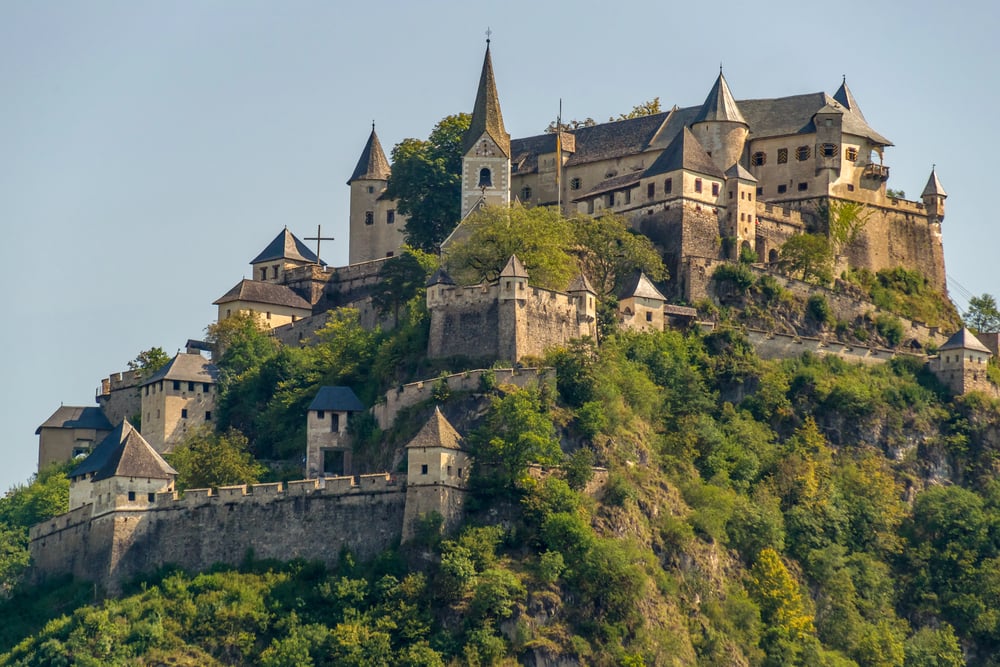
Hochosterwitz in Austria sits on a volcanic rock pillar rising 490 feet above the surrounding valley, and the only way up is through fourteen sequential fortified gates, each one requiring an attacker to survive the last. So the Turks, when they arrived in 1478, looked at it, made camp, and eventually left.
That’s a complete summary of the siege.
Carcassonne
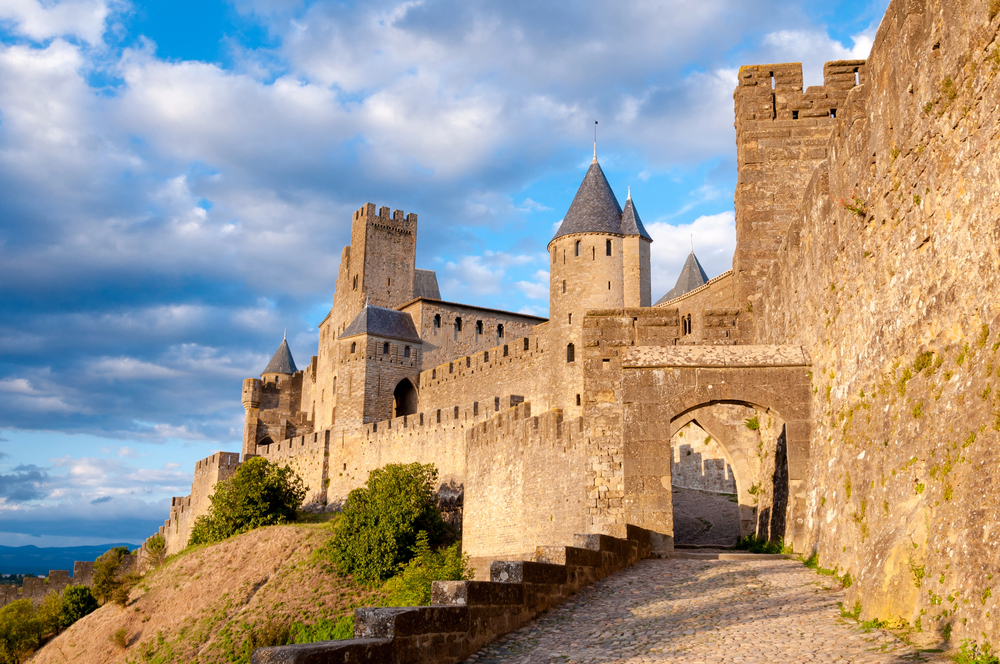
Carcassonne is what happens when a city refuses, across several centuries and multiple occupying powers, to be taken by force. The Visigoths built it, the Franks reinforced it, and the French crown spent the medieval period layering walls on top of walls until the place had more defensive rings than most cities have neighborhoods.
It was surrendered diplomatically several times throughout its history — but those double walls, still standing today in southern France, were never actually overcome in battle.
Sigiriya
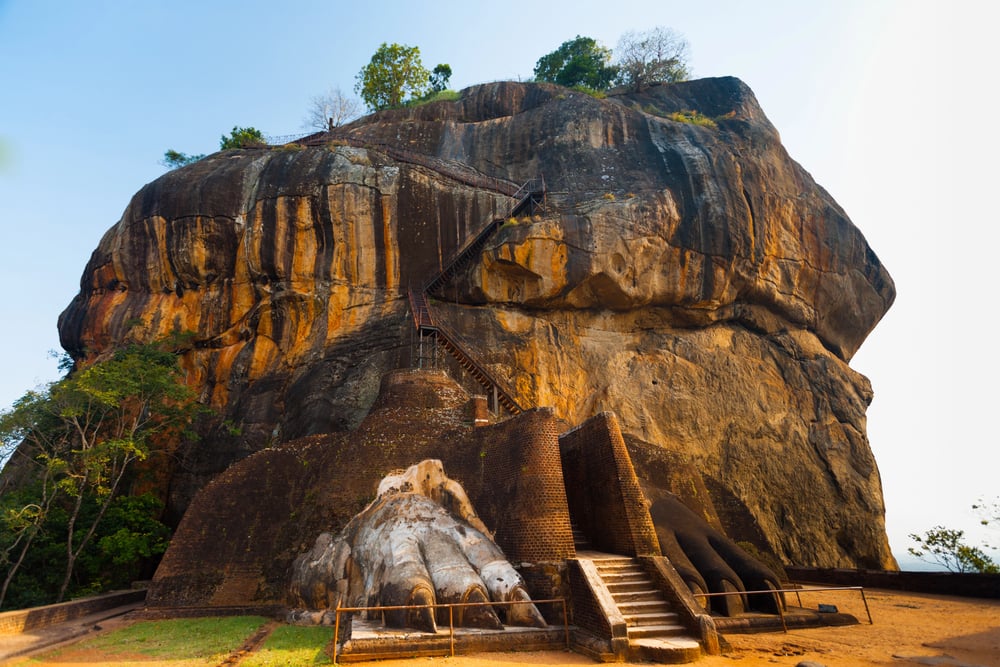
Built atop a 590-foot-high volcanic rock in Sri Lanka, Sigiriya was the palace-fortress of King Kashyapa, and it operated on the principle that elevation is the oldest security system there is. The frescoes painted on the sheer rock face — halfway up, as though the artist were daring anyone to get close enough to see them — suggest a ruler who felt genuinely untouchable.
No attacker in recorded history succeeded in taking it by force.
Mehrangarh Fort
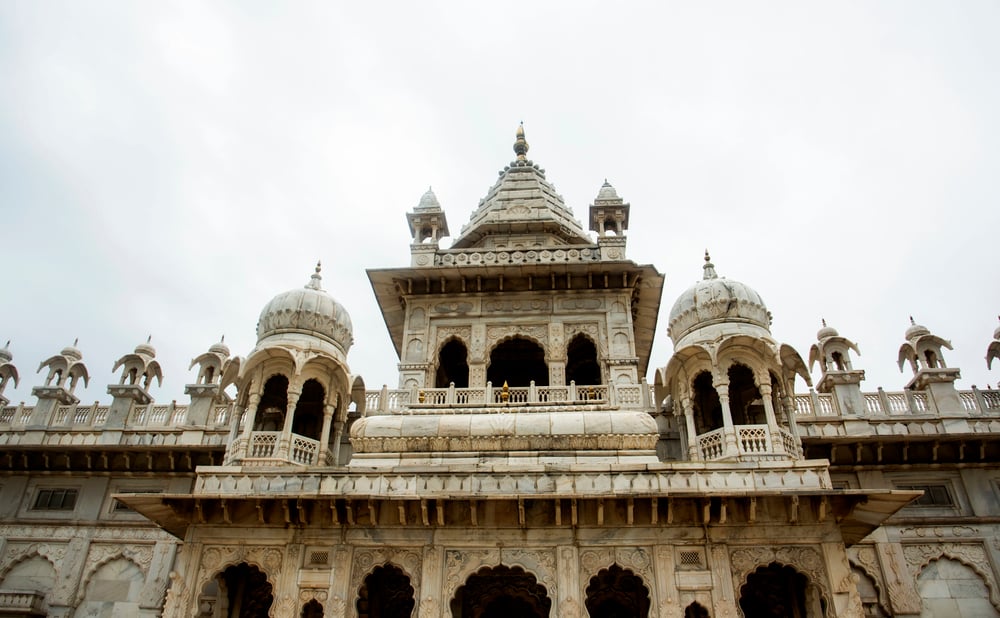
Mehrangarh in Rajasthan was built in 1459 by Rao Jodha, and its walls — some stretching 118 feet high and 70 feet thick — were never broken through by any siege. What you get standing outside them today is something close to cognitive dissonance: the fort looks less like a building and more like the cliff face simply decided to become architecture.
Every Mughal general who stared up at those walls eventually found a more cooperative target somewhere else.
Nimrod Fortress
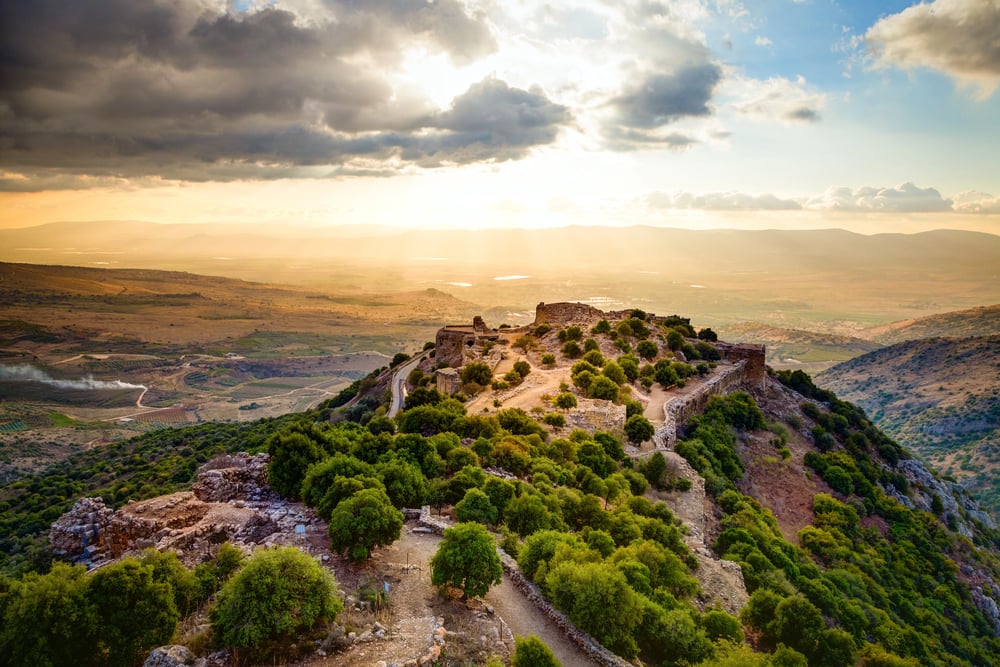
Nimrod Fortress, clinging to a volcanic ridge in the Golan Heights, commanded the main route between Damascus and the Mediterranean — which made it strategically vital and perpetually coveted. The Crusaders, the Ayyubids, and the Mamluks all held it at various points, but every transfer of control came through political arrangement or the collapse of the defending power, not through any army actually breaking its gates.
The walls are still there, stubborn as ever.
Eltz Castle
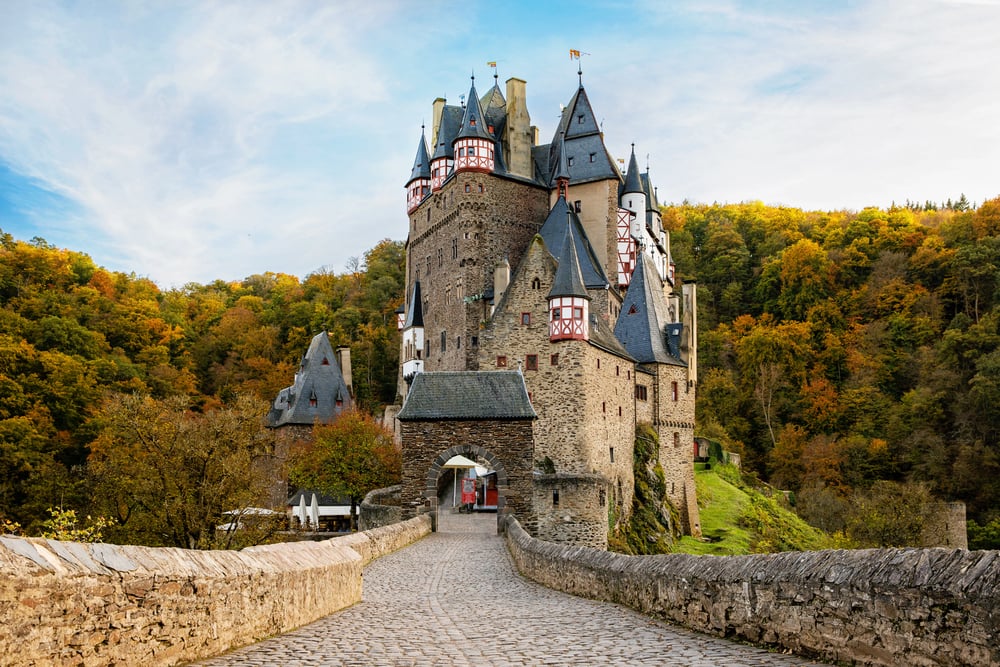
Eltz Castle in Germany has been owned by the same family — the Eltz family — since the 12th century, which is either a testament to extraordinary stubbornness or extraordinary luck, and the answer is probably both. It survived the Thirty Years’ War, various medieval disputes, and the general chaos of the Rhine region across eight centuries, never once being taken by force.
The Archbishop of Trier once tried to besiege it; he built a counter-fortress across the valley and waited; the Eltz family outlasted him.
Kalemegdan Fortress
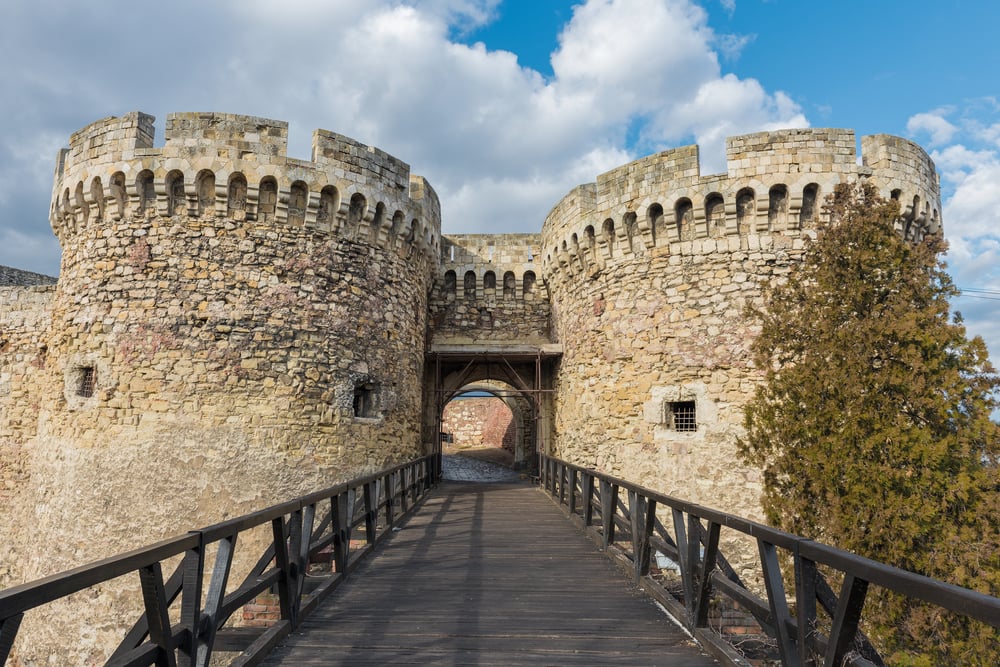
Belgrade’s Kalemegdan Fortress sits where the Sava River meets the Danube, and it changed hands somewhere between thirty and forty times over its recorded history — but almost always through larger geopolitical collapse rather than any army physically storming its walls. The Ottomans, the Habsburgs, the Byzantines, the Celts before any of them — each group inherited the fortress more than they took it.
The fortifications themselves, layered over two thousand years of construction, were never genuinely defeated.
Corvin Castle
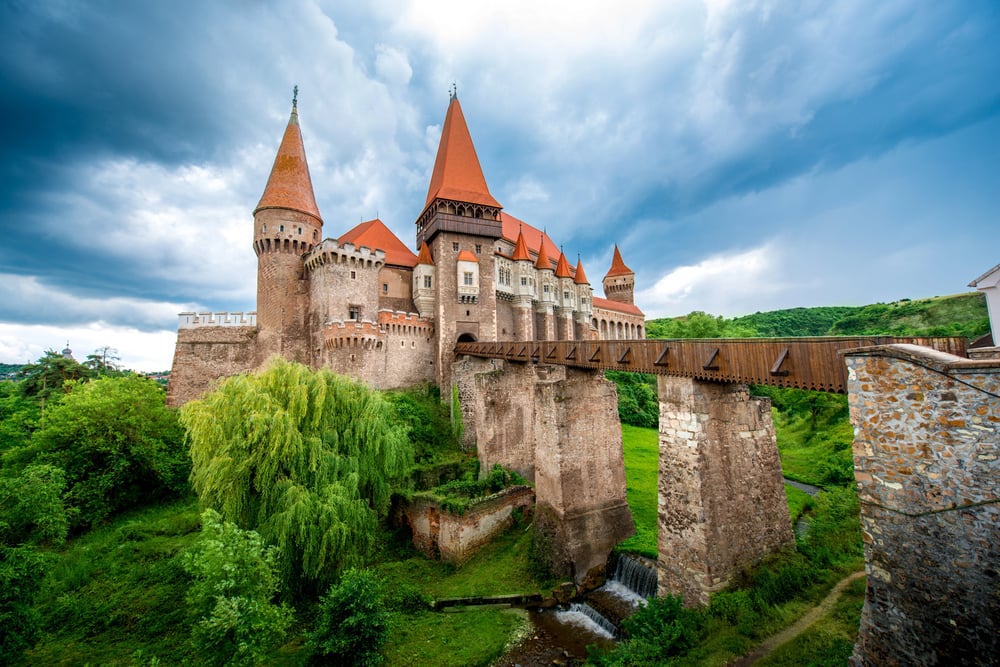
Corvin Castle in Transylvania was used as a prison — most famously, allegedly, for Vlad the Impaler — which tells you something about the confidence of the people running it. It was built by John Hunyadi in the 15th century and served as a military stronghold without ever being seized by force.
The Ottomans, who were taking fortresses across the region with some regularity, consistently left it alone, which is probably the clearest possible endorsement of its defenses.
Krak des Chevaliers
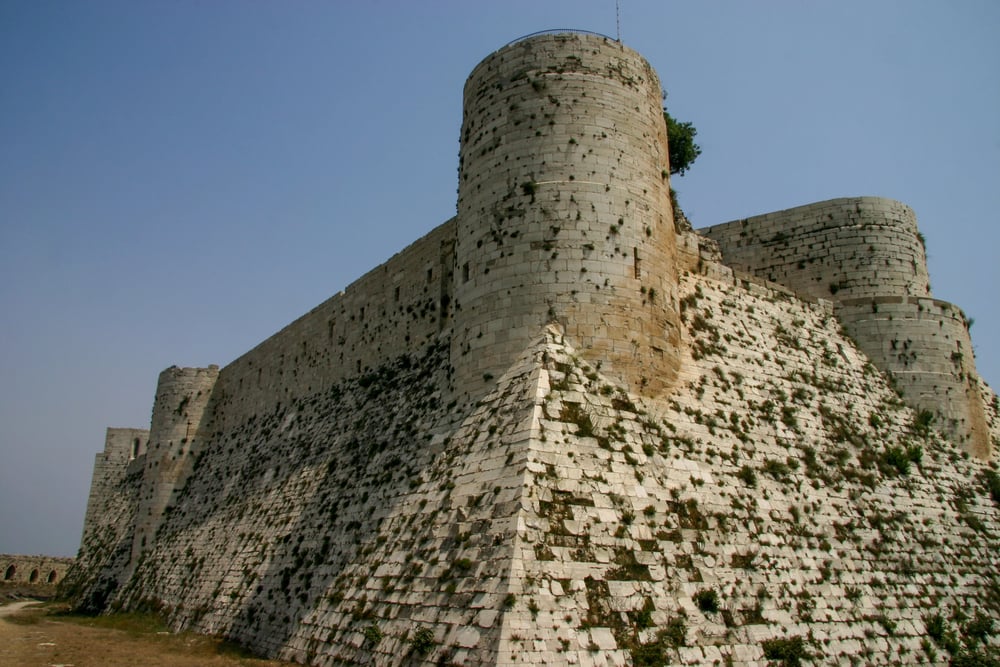
Krak des Chevaliers in Syria is considered by many historians to be the finest Crusader castle ever built, and it held off Muslim forces for over 160 years from a position in the mountains that made supply and communication manageable while making assault nearly suicidal. The Knights Hospitaller garrisoned it, reinforced it, and turned it into a layered fortress of concentric walls that archaeological study still struggles to fully map.
It finally fell in 1271 to Sultan Baybars — through a forged letter that tricked the garrison into surrendering, not through any breach of its walls.
Janjira Fort
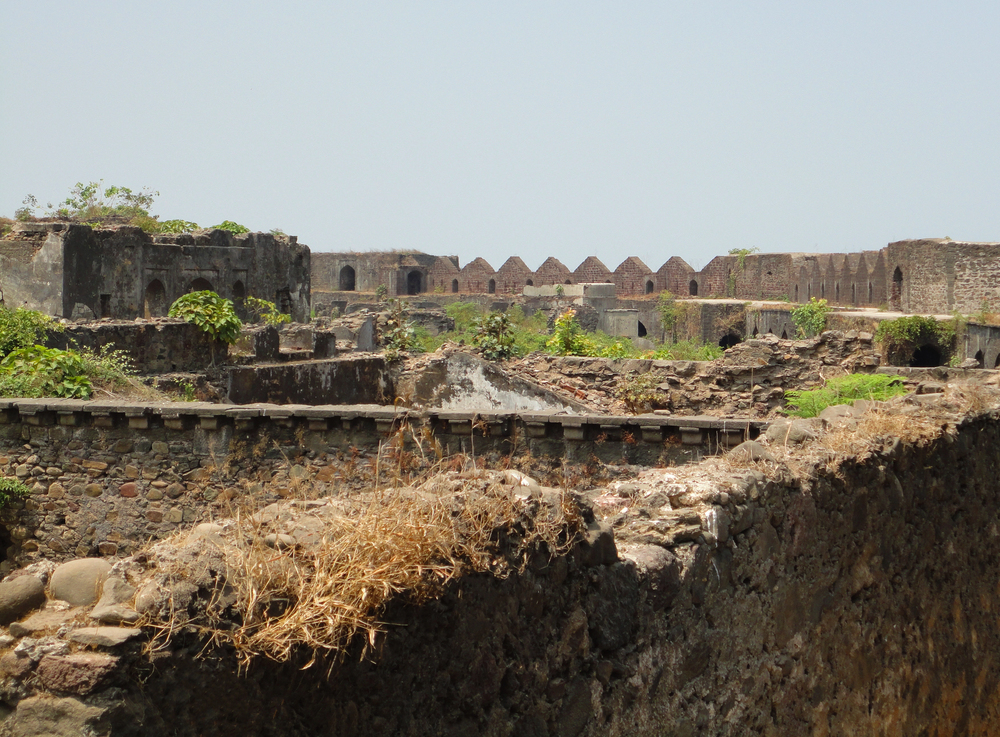
Janjira is a sea fort sitting on a small island off the coast of Maharashtra, India, and the combination of water, tidal patterns, and its own twenty-two bastioned walls made it impenetrable to virtually everyone who tried. The Marathas under Shivaji attempted it multiple times; the Portuguese tried; the British tried.
Nobody succeeded. It remains, to this day, the only fort on India’s west coast never taken by force.
Ollantaytambo
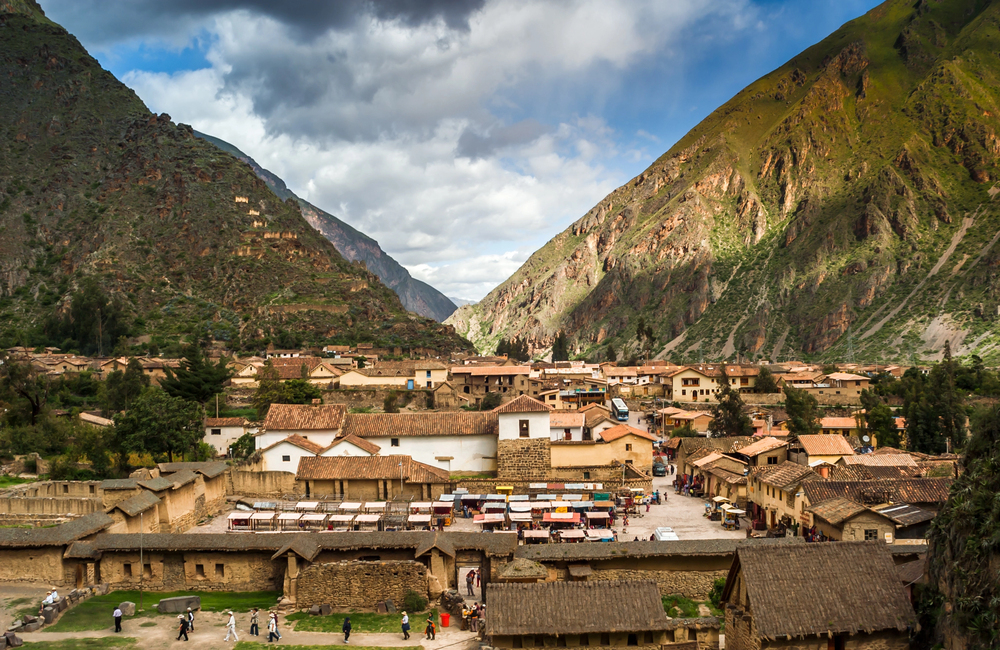
Ollantaytambo in Peru is where the Inca successfully defeated a Spanish conquistador force in 1537 — one of the very few times they managed it — thanks to terrain that funneled attackers into a narrow valley while the terraced fortress above rained projectiles down at angles the Spanish hadn’t planned for. Hernando Pizarro retreated.
The fortress wasn’t abandoned until the Inca chose to abandon it on their own terms months later. That distinction matters.
Rumeli Fortress
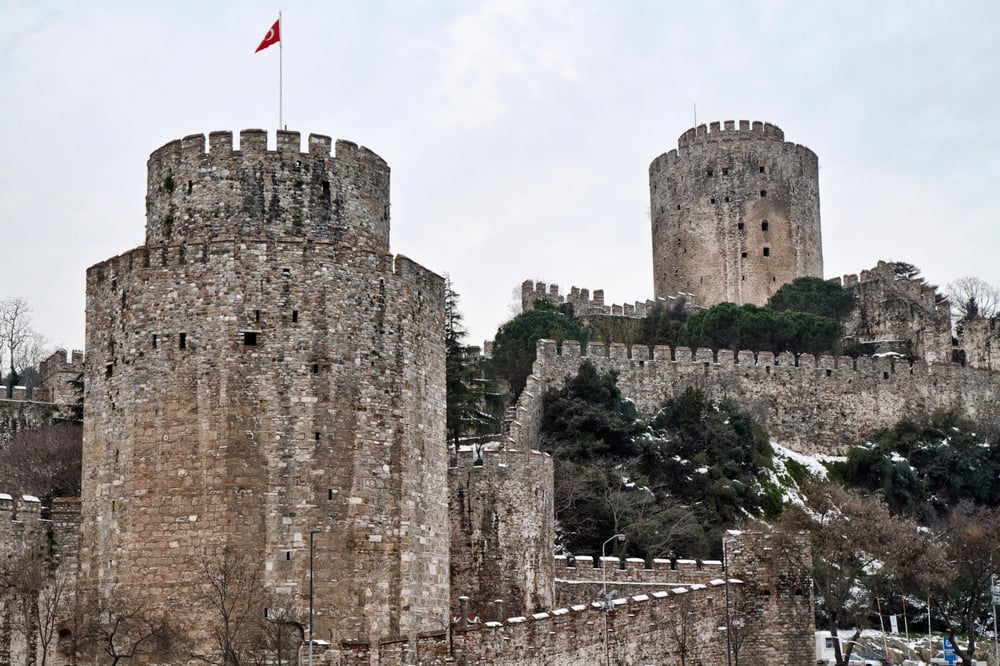
Built by Sultan Mehmed II in just four months in 1452, Rumeli Hisarı was constructed specifically to control the Bosphorus strait before the final siege of Constantinople — and it did exactly that with a quiet, almost mechanical efficiency, no opposing force ever threatening it directly. It was an offensive tool as much as a defensive one, which is a particular kind of genius.
The fortress itself was never attacked; it simply sat there and changed history by existing.
Golconda Fort
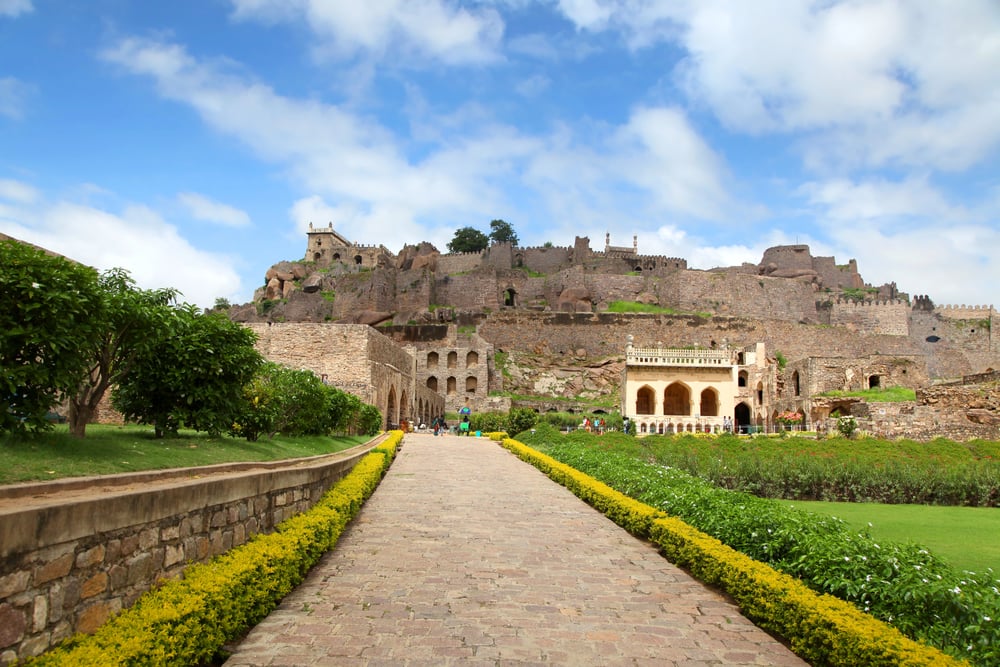
Golconda in Telangana, India, had an acoustic early-warning system built into its gates — a clap at the main entrance could be heard clearly at the top of the fort, nearly a mile away. The Qutb Shahi dynasty held it for over a century, and Aurangzeb’s Mughal army only took it in 1687 after an eight-month siege that ended through betrayal from within, not through any failure of the walls themselves.
The walls never gave. A general did.
Predjama Castle
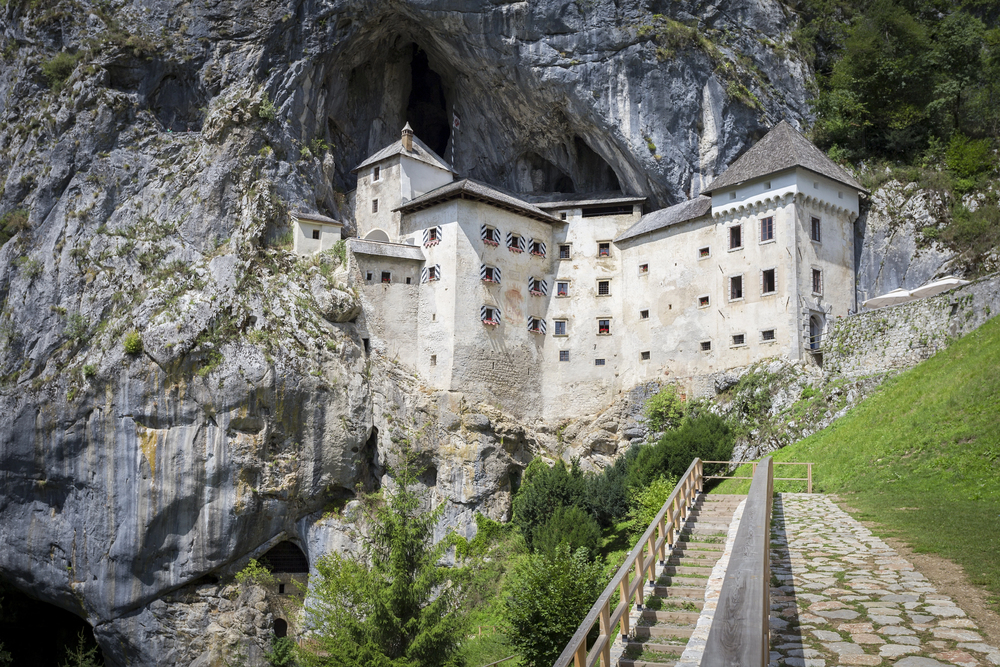
Predjama Castle in Slovenia is built directly into a cliff face — half cave, half castle — in a way that made traditional siege mechanics essentially useless against it. When the Habsburg army besieged it in 1484, the knight Erazem Lueger reportedly resupplied himself through a secret passage in the cave system behind the castle for over a year.
The fortress was only taken after a spy revealed the location of the latrine shaft, and even then the walls weren’t breached — Erazem was killed, not the building.
Vardzia
Vardzia is a cave monastery-fortress carved directly into a volcanic cliff face in Georgia, founded in the 12th century by Queen Tamar, and its defenses were built on the simple, brilliant premise that an enemy who cannot find the entrance cannot attack it. The cave city extended thirteen stories deep into the rock and housed thousands — and for most of its active military life, the only way to locate it was to already know where it was.
It was damaged by earthquake and later partially exposed, but never militarily conquered.
Ishak Pasha Palace
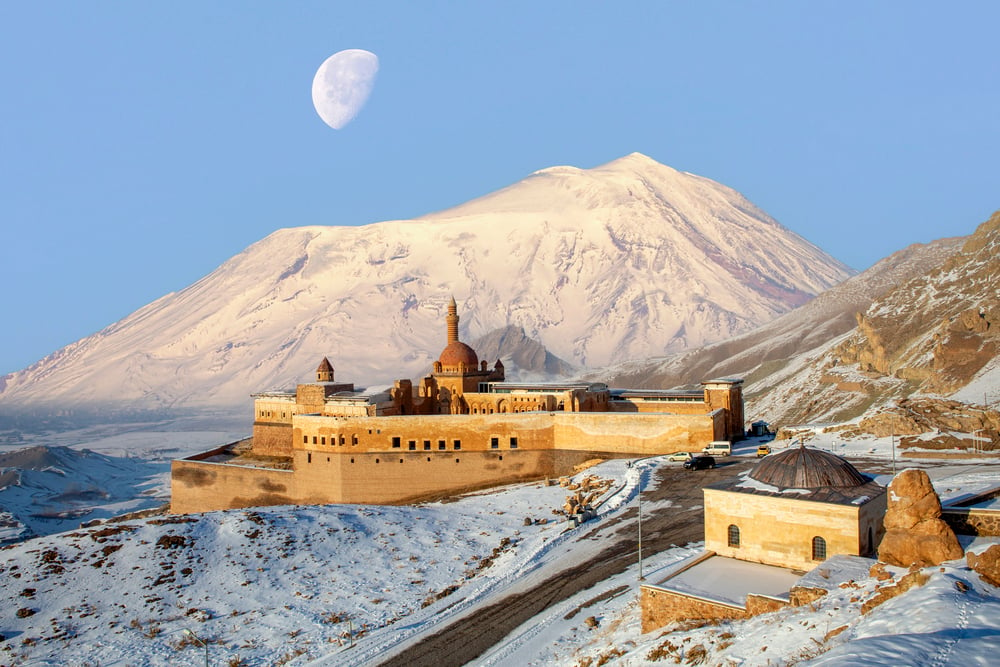
Ishak Pasha Palace sits in eastern Anatolia at roughly 5,500 feet elevation near the Iranian border, and its position combines mountain passes, cold winters, and layers of fortified walls into a defensive package that no army ever seriously attempted to dismantle. It was built over roughly a century starting in the late 17th century, and its isolation — genuinely remote even by modern standards — served as the most reliable form of protection it ever needed.
Some fortresses win by being difficult to reach; Ishak Pasha made distance its sharpest weapon.
Ananuri Fortress
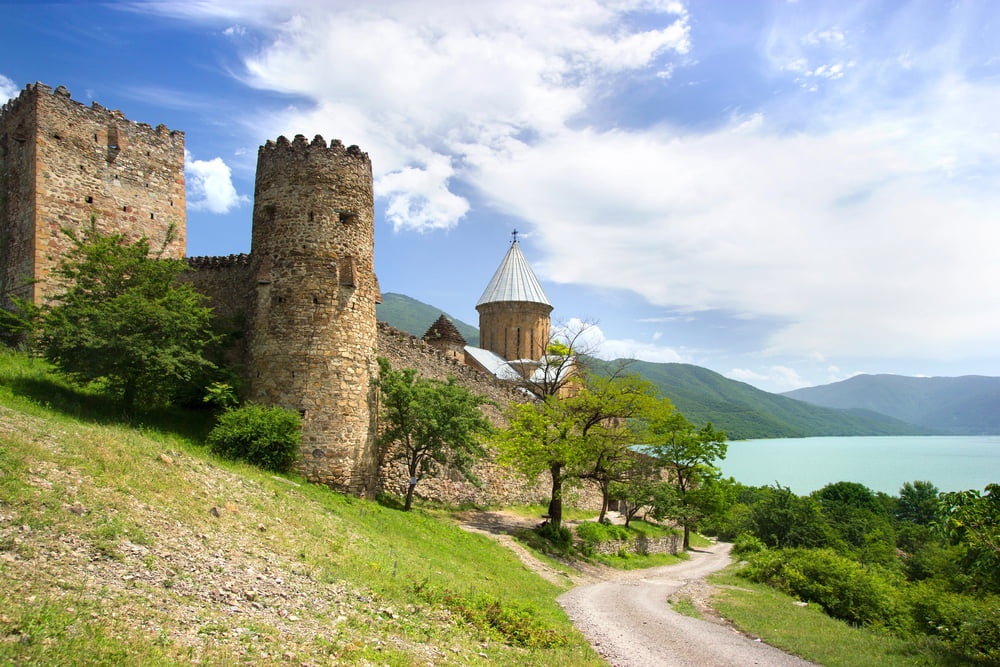
Ananuri in Georgia sits above the Aragvi River and served as the stronghold of the Aragvi Eristavi dynasty across several centuries of Caucasian conflict. The fortress was attacked repeatedly — and held, repeatedly — until internal dynastic conflict resulted in it falling to a rival Georgian clan in the 18th century.
No external army took it. It was Georgian against Georgian, which is a different category of loss entirely.
Forts Belan
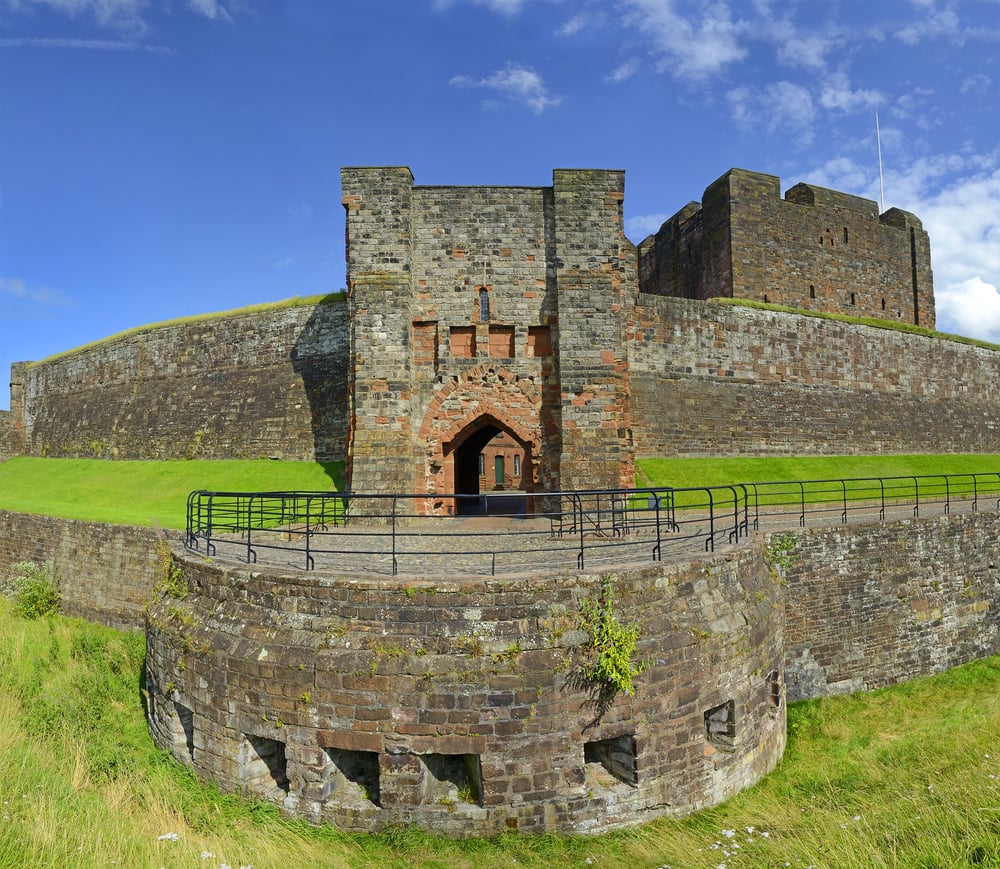
The twin Forts Belan and Llanddwyn in Wales guarded the Menai Strait against naval approach, and their combination of water, cannon placement, and tidal geography made direct assault a logistical problem no attacker ever formally solved. They never saw a successful siege — partly because of their defenses, and partly because any serious naval force approaching Wales from that angle had larger, more pressing problems first.
Loket Castle
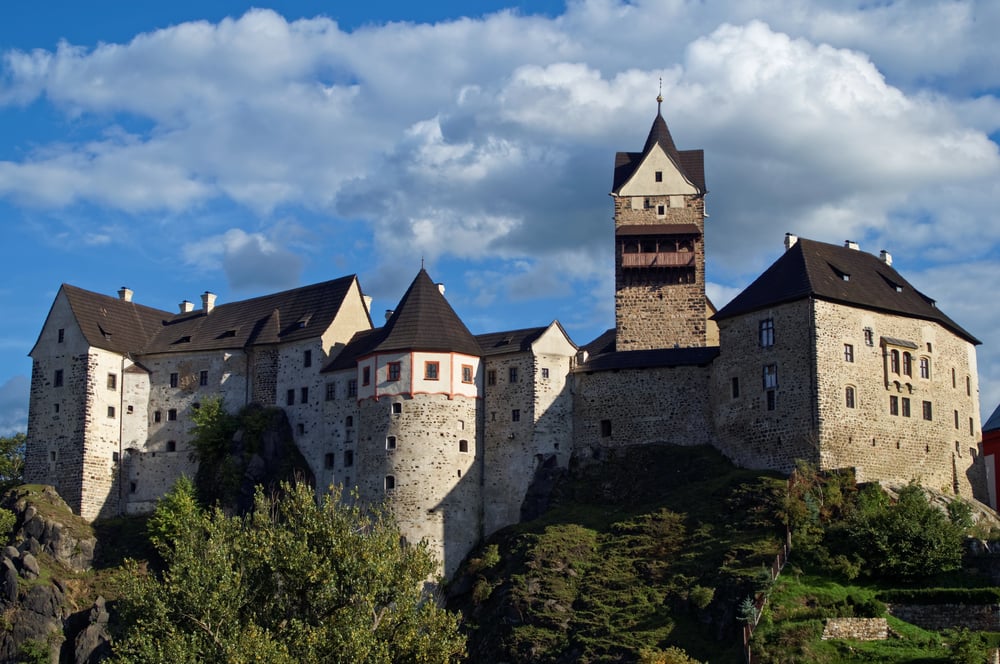
Loket Castle in the Czech Republic sits inside a hairpin curve of the Ohře River, surrounded by water on three sides, and the geology underneath it is the kind of granite that doesn’t negotiate. It served as a royal prison and administrative fortress across several centuries of Bohemian history, and no siege ever succeeded against its walls — in part because the river approach made conventional siege equipment effectively useless.
The castle was surrendered, sold, and repurposed over the centuries, but on its own terms, never anyone else’s.
Citadel of Aleppo
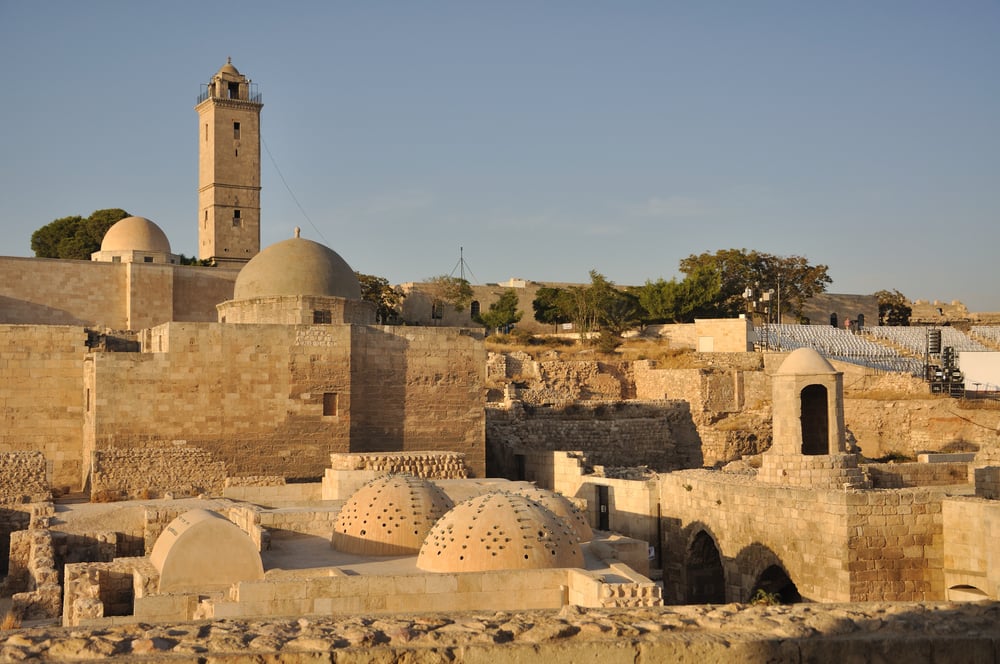
The Citadel of Aleppo sits on a natural hill that has been fortified for something close to three thousand years — one of the oldest continuously used fortresses on Earth, which is saying something. Its elliptical moat and monumental gate complex were specifically engineered to make assault catastrophically expensive in human terms, and for most of its history, that math held.
The Mongols under Hulagu Khan seized the city of Aleppo below the citadel in 1260, but the garrison inside held until a negotiated surrender — the walls, again, were not what failed.
Bamburgh Castle
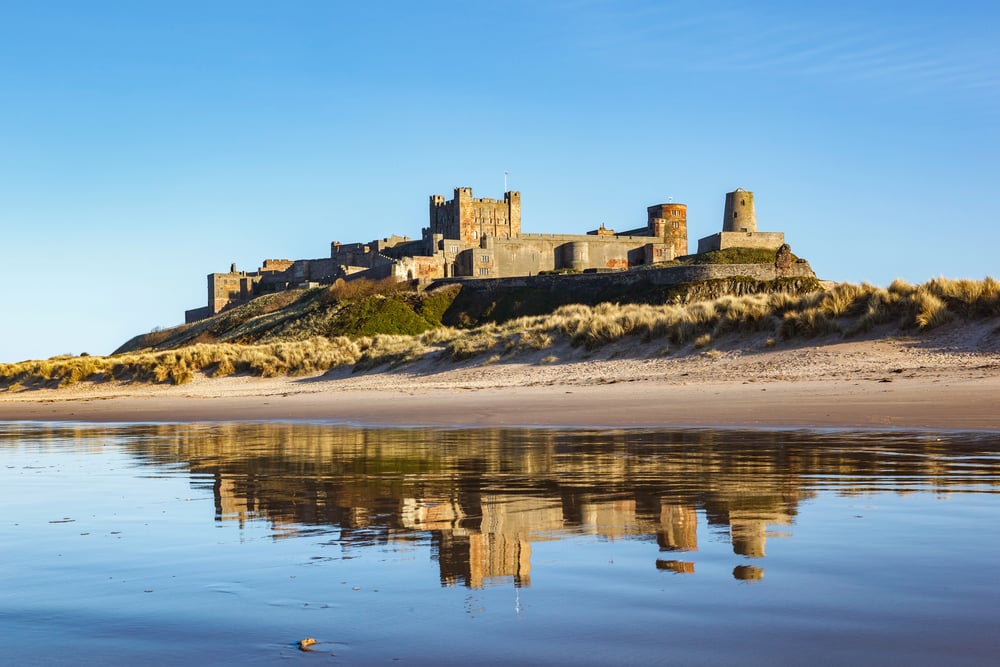
Bamburgh in Northumberland fell to cannon fire in 1464 during the Wars of the Roses, among the earliest English castles to surrender to artillery, but before that, it had stood unbroken for centuries on a basalt outcrop above the North Sea. To be precise: it was the first castle in England to fall to artillery, which, to be fair, changed the rules entirely and rendered centuries of accumulated defensive logic temporarily irrelevant.
Prior to gunpowder, no enemy had managed it.
Matsumoto Castle
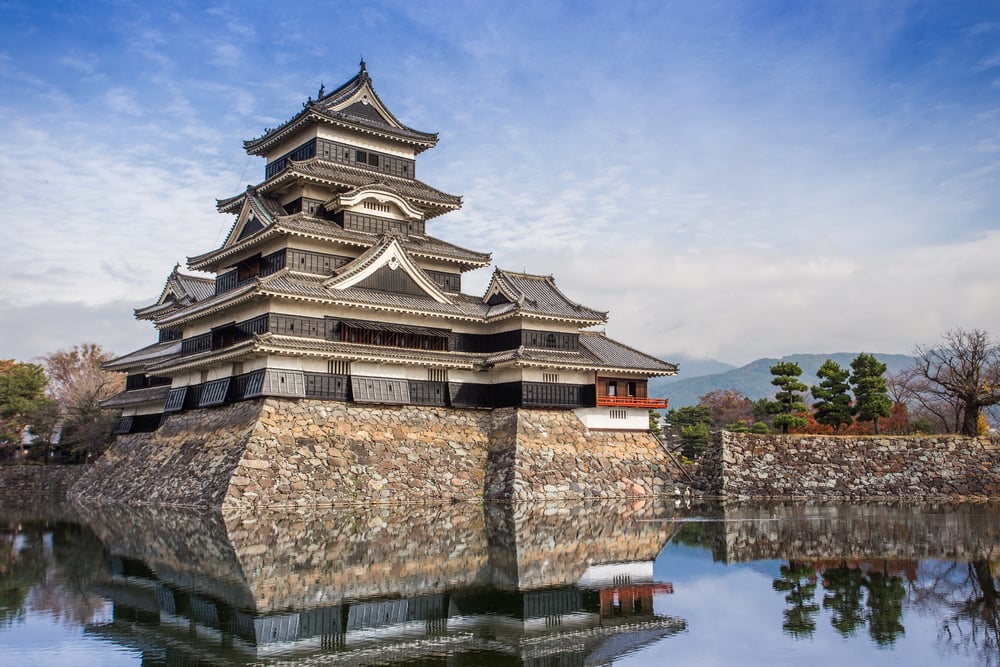
Matsumoto Castle in Japan, built in the late 16th century, is one of the few remaining original wooden castles in the country — and it survived not through active military defense but through a reputation fierce enough that no warlord during the Sengoku period calculated the assault as worth the cost. The black exterior walls were designed specifically to be difficult to see at night, which is an almost unreasonably practical design choice.
It’s still standing exactly as built, which is the most complete possible definition of unconquered.
Hohensalzburg Fortress
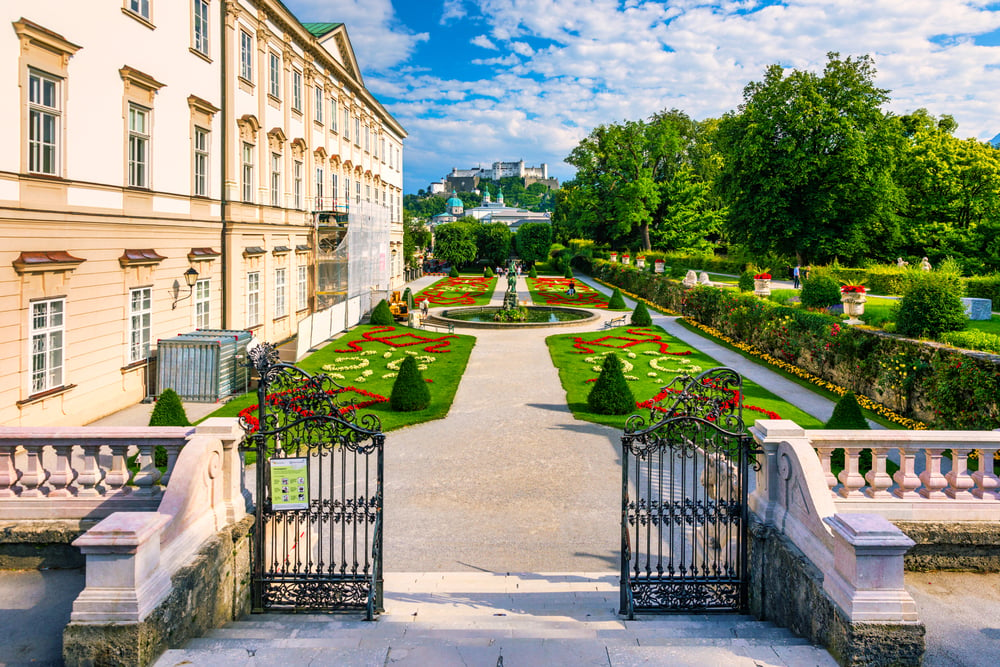
Hohensalzburg in Austria has been standing since 1077 — nearly a thousand years — and has never been taken by force in all that time, which makes it one of the best-preserved medieval castles in Europe and also one of the most quietly dominant. Its position above Salzburg, combined with the principled stubbornness of the Archbishop Gebhard who built it, established a defensive tradition that successive archbishops maintained across centuries of regional conflict.
One garrison did surrender during a peasant revolt in 1525 — but from starvation, not breach.
Mytilene Castle
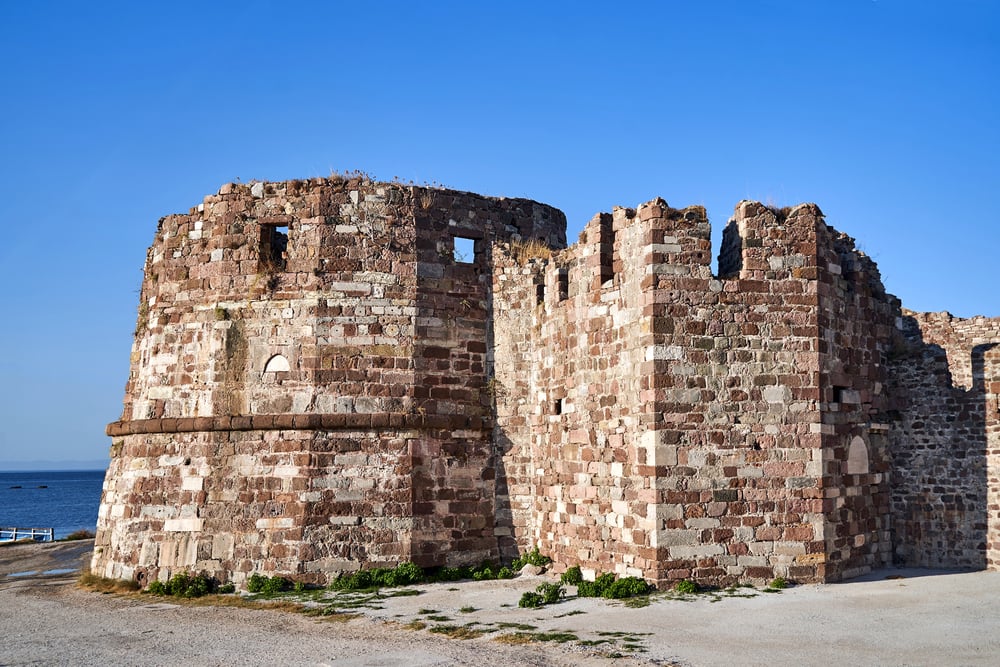
Mytilene Castle on the island of Lesbos, Greece, sits on a promontory that connects to the land by the narrowest of passages — a natural defensive geometry that made it ferociously difficult to attack from any direction that didn’t involve the sea. The Genoese fortified it heavily in the 14th century, and it held against Ottoman pressure for decades before falling through the larger collapse of Genoese power in the Aegean, not through any direct defeat of its walls.
The Ottomans took the island in 1462; the castle was part of the handover, not a trophy of assault.
The Walls That Time Respects
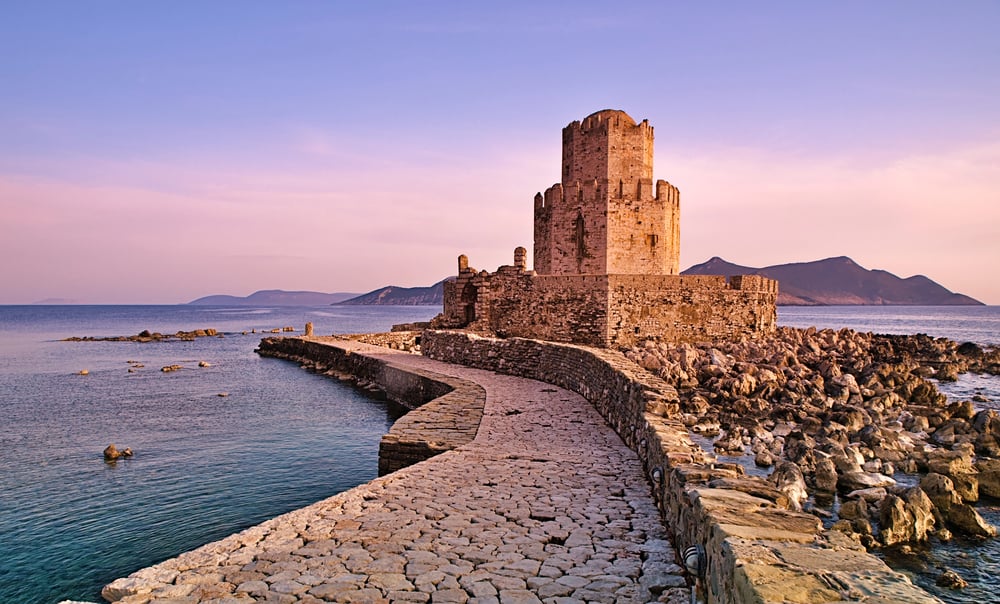
There’s a pattern here that doesn’t resolve into a simple lesson — these fortresses weren’t unconquered because their builders were cleverer than every general who came after them. They were unconquered because each one understood something specific about its particular ground: this cliff, this river, this ridge, this tidal pattern.
Mastery of a place is its own kind of power. And the armies that walked away from these walls weren’t weak — they were just calculating honestly, which is the most honest thing a general can do.
The fortresses that lasted weren’t the grandest. They were the ones that asked the right question from the beginning: not how do we stop them? but why would they bother?
More from Go2Tutors!

- The Romanov Crown Jewels and Their Tragic Fate
- 13 Historical Mysteries That Science Still Can’t Solve
- Famous Hoaxes That Fooled the World for Years
- 15 Child Stars with Tragic Adult Lives
- 16 Famous Jewelry Pieces in History
Like Go2Tutors’s content? Follow us on MSN.



