17 Bridges Known for Their Unique Designs
Bridges are among humanity’s most practical inventions, yet some architects and engineers have transformed these essential structures into breathtaking works of art that challenge our expectations of what a bridge can be. While most bridges simply get you from point A to point B, the most remarkable ones make the journey itself an unforgettable experience, turning a mundane river crossing into a moment of wonder and inspiration.
These extraordinary structures prove that functionality and beauty don’t have to be mutually exclusive. From bridges that twist like DNA helixes to others that roll up like window blinds, modern engineering has given designers the freedom to create crossings that look more like sculptures than transportation infrastructure.
Some bridges even serve multiple purposes, functioning as parks, art galleries, or giant musical instruments while still carrying traffic across rivers and valleys.Here is a list of 17 bridges around the world that have redefined what it means to cross from one side to the other, each offering its own unique blend of innovation, artistry, and engineering brilliance.
Helix Bridge, Singapore
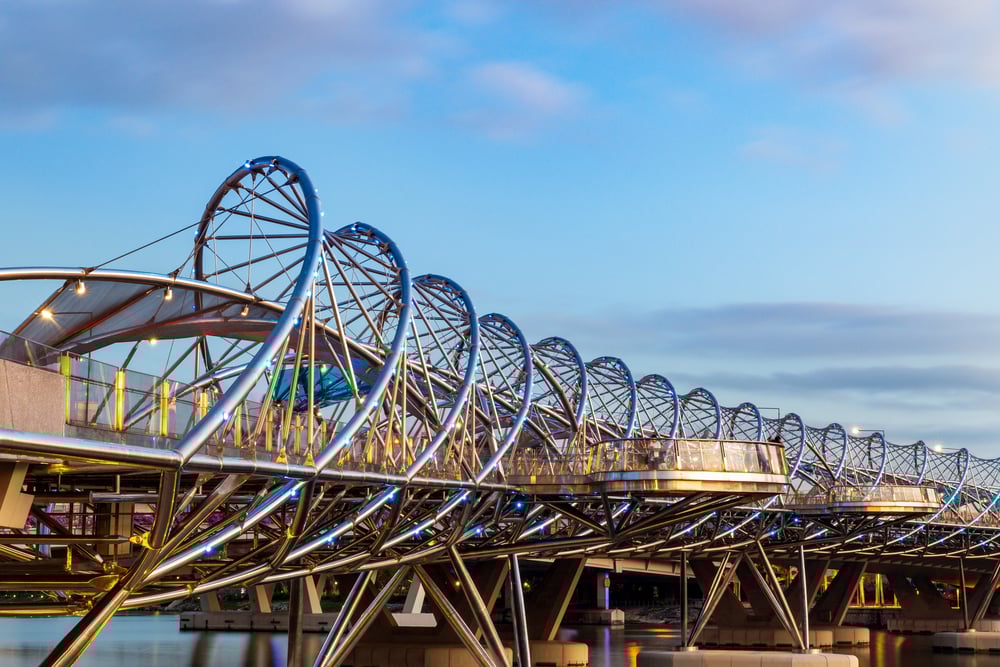
The Helix Bridge looks like a giant strand of DNA that somehow escaped from a biology textbook and decided to span Singapore’s Marina Bay. This pedestrian bridge takes its inspiration from the double helix structure that carries our genetic code, creating a mesmerizing spiral of curved steel that seems to dance across the water.
The bridge opens up at five different viewing platforms along its 918-foot length, giving visitors perfect spots to take in the Singapore skyline. If you laid all the steel tubes end-to-end, they would stretch an incredible 7,380 feet, proving that sometimes the most complex designs create the most stunning results.
Lucky Knot Bridge, Changsha, China
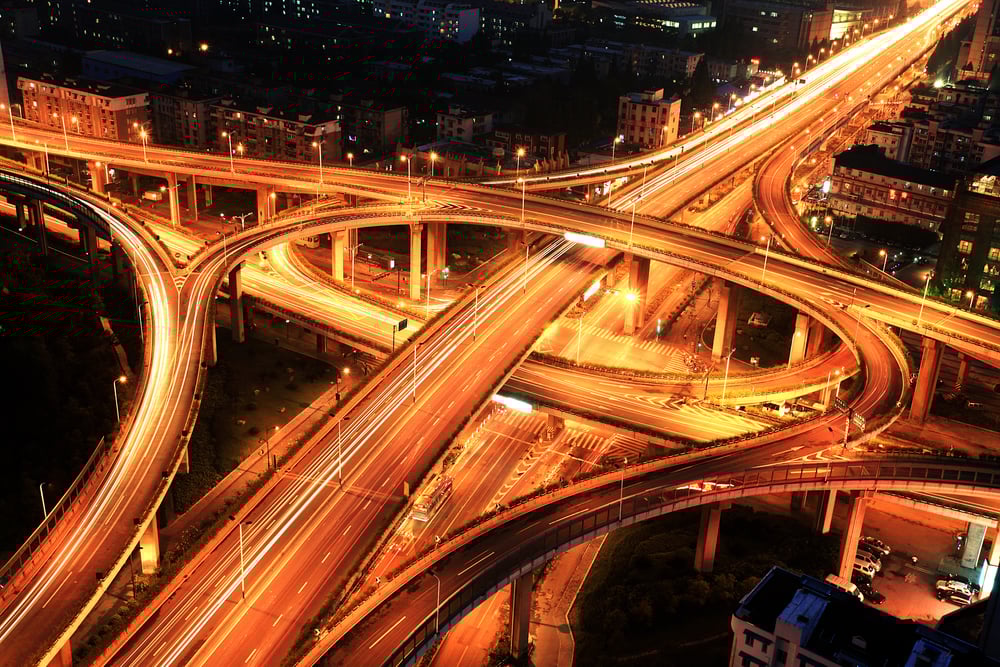
The Lucky Knot Bridge in Changsha looks like someone took a traditional Chinese knot and scaled it up to bridge size, creating a structure that seems to twist and loop through space in impossible ways. This pedestrian bridge combines the mathematical precision of a Möbius strip with the cultural artistry of Chinese knotting, resulting in winding pathways that literally knot together as they cross the Dragon King Harbor River.
The bridge’s bold red coloration makes it pop dramatically against the modern cityscape behind it, while its multiple levels offer different routes and perspectives for pedestrians exploring this architectural puzzle.
Rolling Bridge, London
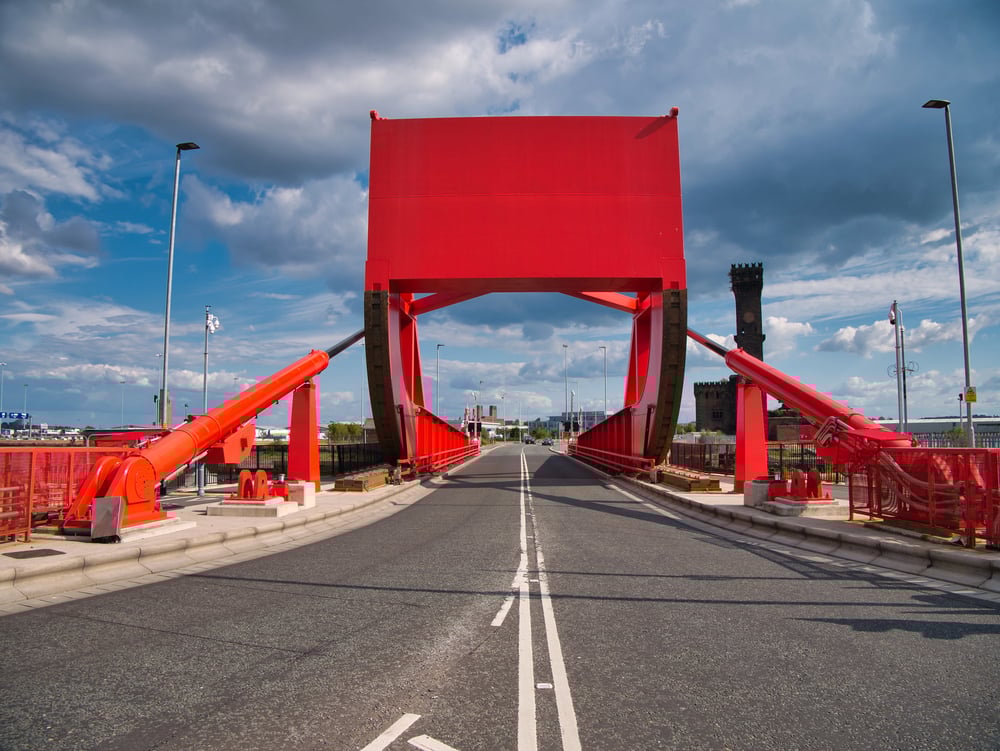
Thomas Heatherwick’s Rolling Bridge in London performs one of the most magical tricks in the bridge world – it curls up like a living creature when boats need to pass underneath. Rather than lifting or swinging open like traditional drawbridges, this incredible structure uses hydraulic pistons to roll itself into a perfect octagonal shape, creating a spectacle that draws crowds whenever it operates.
When fully extended, it appears to be a conventional footbridge, but watching it transform into a geometric sculpture floating on the water feels like witnessing some kind of engineering sorcery.
Henderson Waves Bridge, Singapore
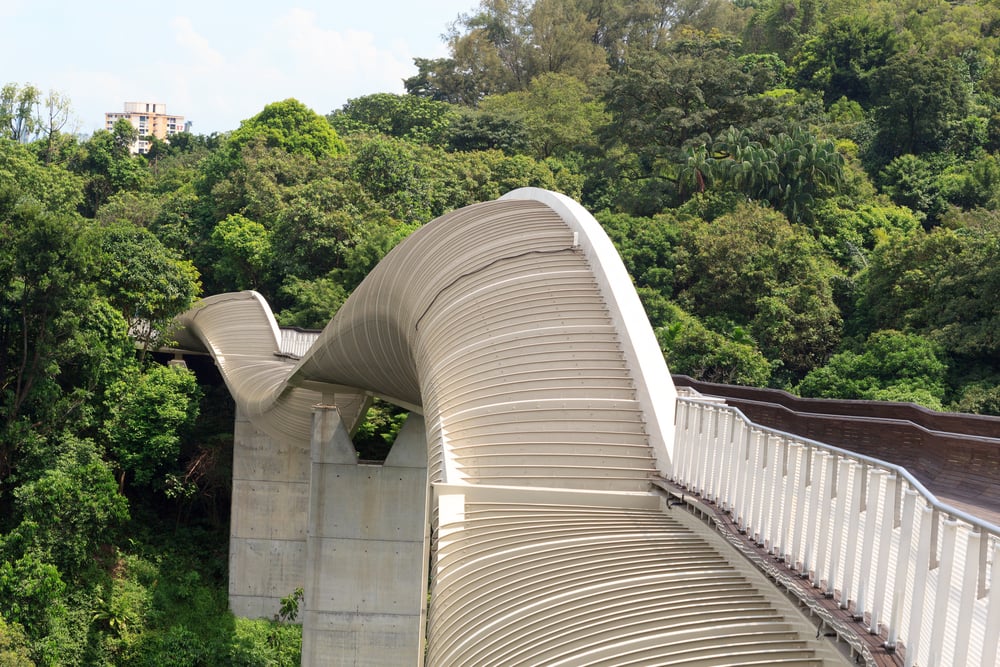
Singapore’s Henderson Waves Bridge captures the fluid motion of ocean waves in steel and wood, creating a pedestrian crossing that seems to flow through the air like water frozen in time. The bridge’s undulating design is anchored by steel ribs and decked with Balau wood found only in Southeast Asia, giving it a warm, organic feel despite its high-tech engineering.
At 118 feet above ground, it’s Singapore’s highest pedestrian bridge, offering spectacular views while its wave-like form provides sheltered alcoves where people can rest and socialize along the way.
Moses Bridge, Netherlands
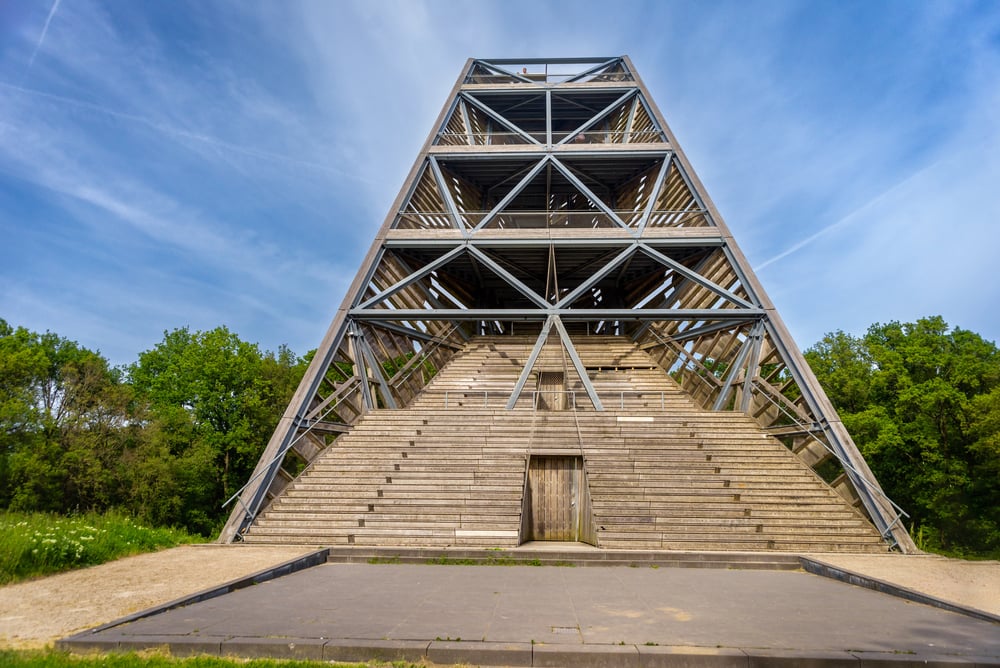
The Moses Bridge takes the concept of ‘parting the waters’ quite literally, creating an invisible pathway that lets pedestrians walk through a moat rather than over it. Built entirely from waterproofed reclaimed wood, this sunken bridge disappears from view at a distance, creating the illusion that people are walking on water.
The bridge traces the original defense line of a 17th-century fortress, and its ghostly presence seems to flicker in and out of existence depending on your viewing angle, making it feel more like a magic trick than a practical crossing.
Gateshead Millennium Bridge, England
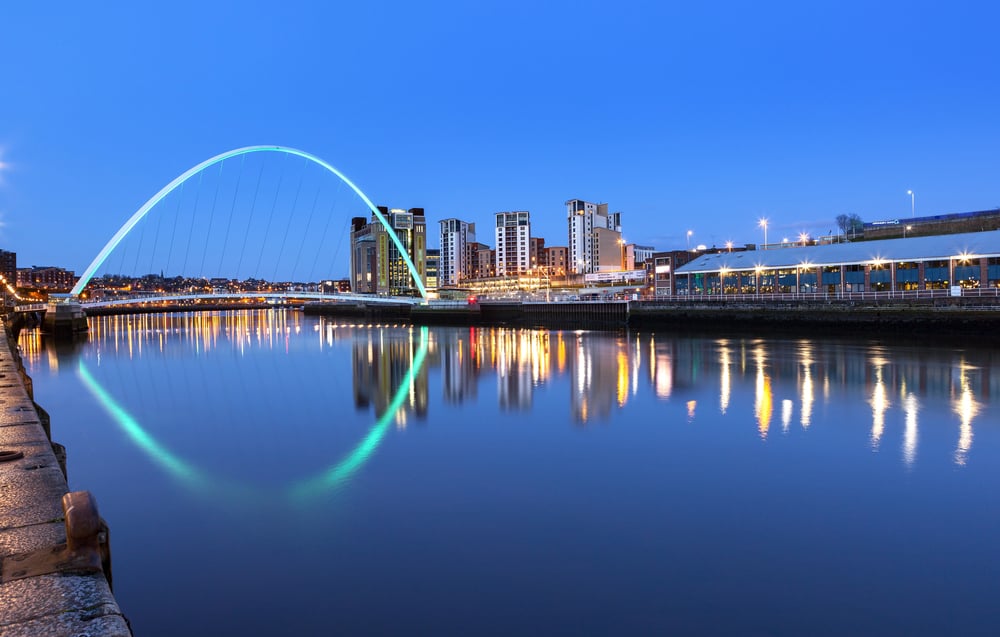
The Gateshead Millennium Bridge holds the unique distinction of being the world’s only tilting bridge, rotating like a giant eyelid to allow boats to pass through the River Tyne. Instead of lifting or swinging open like conventional drawbridges, the entire span tilts upward in a graceful arc, carrying any pedestrians along for the ride in what’s believed to be a world first.
The bridge’s sleek, modern design has earned it the nickname ‘Blinking Eye Bridge,’ and watching it operate is so mesmerizing that crowds gather whenever ships need to pass through.
Laguna Garzon Bridge, Uruguay
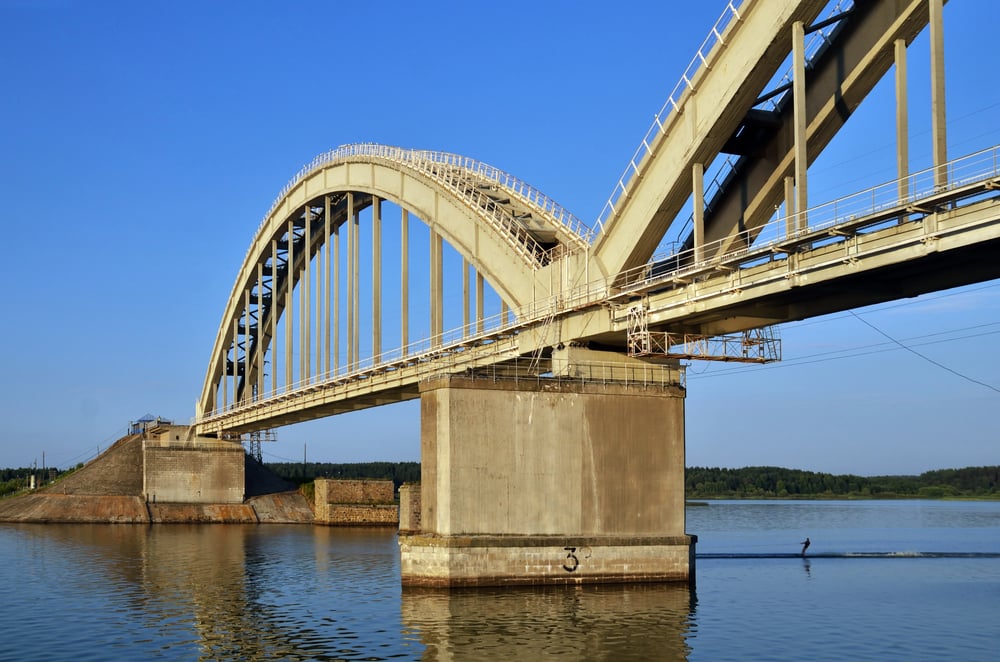
Architect Rafael Viñoly created something truly unusual with the Laguna Garzon Bridge – a perfectly circular bridge that forces drivers to slow down and appreciate the journey rather than rushing across. The ring-shaped design spans a lagoon between two popular resort towns, and its circular layout creates a unique viewing platform where travelers can stop and enjoy panoramic views of the surrounding landscape.
This isn’t just artistic flair – the circular design promotes pedestrian safety and controlled traffic flow while creating one of the most photographed bridges in South America.
Pont du Gard, France
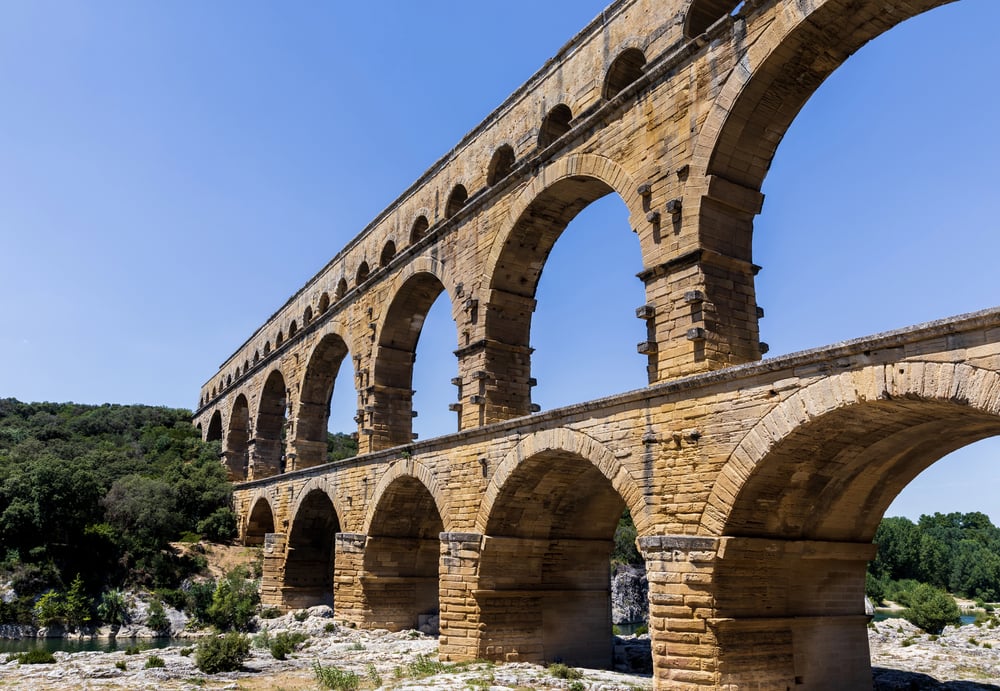
The Pont du Gard proves that unique bridge design isn’t a modern invention – this Roman aqueduct bridge from the 1st century AD remains one of the most impressive multi-level structures ever built. The three-story bridge was constructed from soft yellow limestone blocks without any mortar, relying purely on precise engineering and the weight of its 50,000 tons to hold it together.
Originally built to carry water to the city of Nîmes, this ancient marvel demonstrates that Roman engineers were creating architecturally stunning bridges nearly 2,000 years before modern concrete and steel techniques were developed.
Tabiat Bridge, Tehran
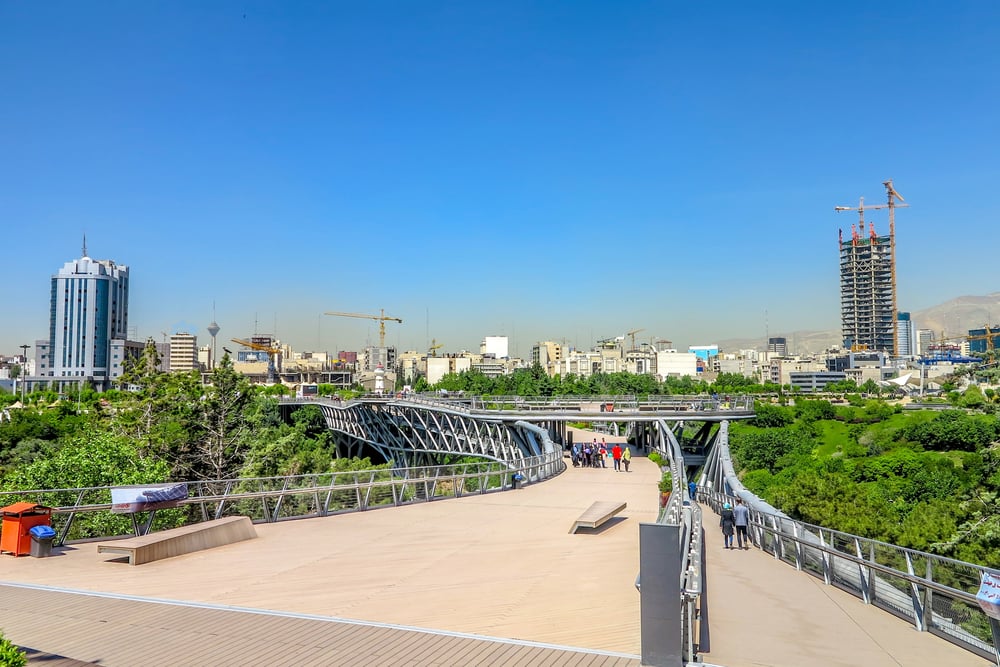
Tehran’s Tabiat Bridge transforms the simple act of crossing a highway into a multi-level urban experience, with three floors of undulating concrete filled with gardens, seating areas, and stunning vistas. This 270-meter pedestrian bridge connects two major parks while providing 10,000 cubic feet of public space for people to gather, socialize, and escape the bustling city below.
The bridge’s flowing, organic form seems to grow from the landscape itself, creating different experiences at each level while serving as both transportation infrastructure and urban park rolled into one remarkable structure.
Cirkelbroen Bridge, Copenhagen
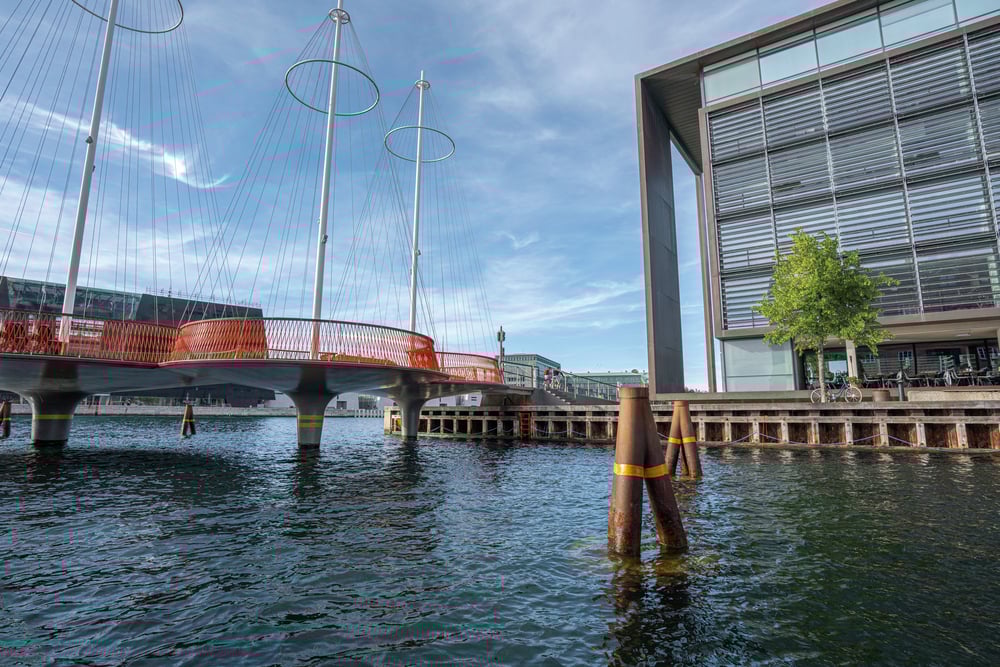
Artist Olafur Eliasson designed Copenhagen’s Cirkelbroen Bridge as a series of five circular platforms inspired by traditional sailboats, each with its own mast reaching toward the sky. The bridge creates a zigzag pedestrian route across the harbor, forcing people to slow down and experience the journey rather than simply rushing across.
Each circular platform offers different views of the harbor and city, while the varying sizes and heights create a dynamic composition that changes dramatically depending on your position and the time of day.
Octávio Frias de Oliveira Bridge, São Paulo
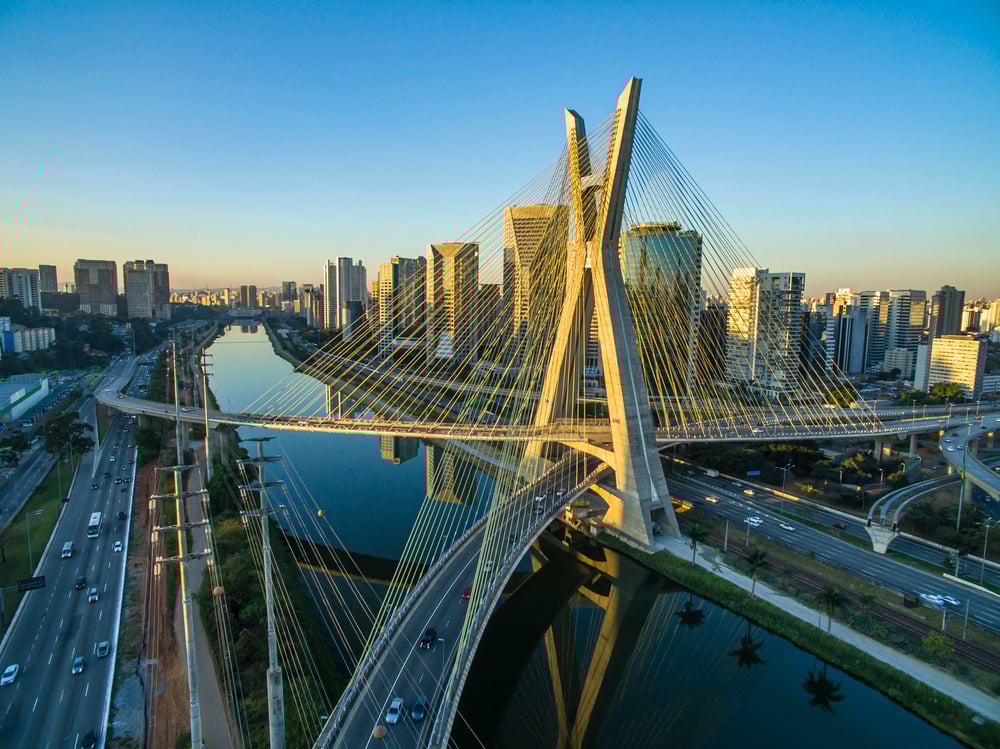
São Paulo’s Octávio Frias de Oliveira Bridge defies conventional bridge engineering with its unique design featuring a single 450-foot concrete mast supporting two curved roadways that cross each other at different levels. This is the only bridge in the world with this particular configuration, creating an X-shaped structure that looks more like a massive abstract sculpture than a transportation facility.
The bridge’s dramatic form has made it an instant landmark for Brazil’s largest city, visible from miles away and particularly stunning when illuminated at night.
Banpo Bridge Rainbow Fountain, South Korea
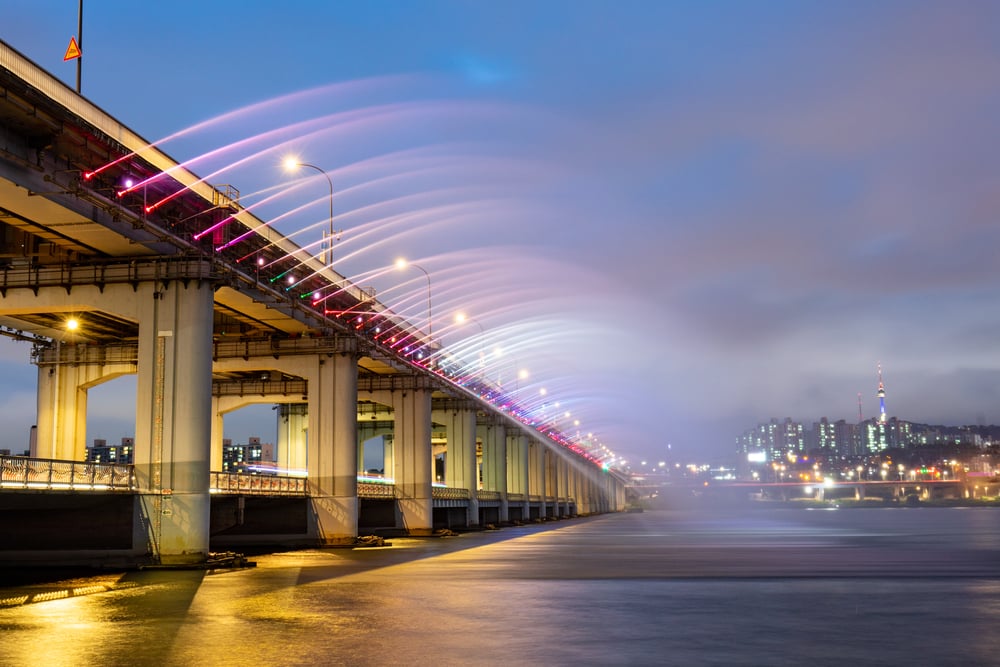
The Banpo Bridge in Seoul doubles as the world’s longest bridge fountain, transforming a conventional highway crossing into a spectacular water and light show. Over 10,000 LED lights work in coordination with hundreds of water jets to create synchronized displays that dance across the Han River every evening.
The fountain system can shoot water up to 140 feet from both sides of the bridge, creating a tunnel of water and light that attracts millions of visitors each year to what has become one of Seoul’s most popular tourist attractions.
Sundial Bridge, California
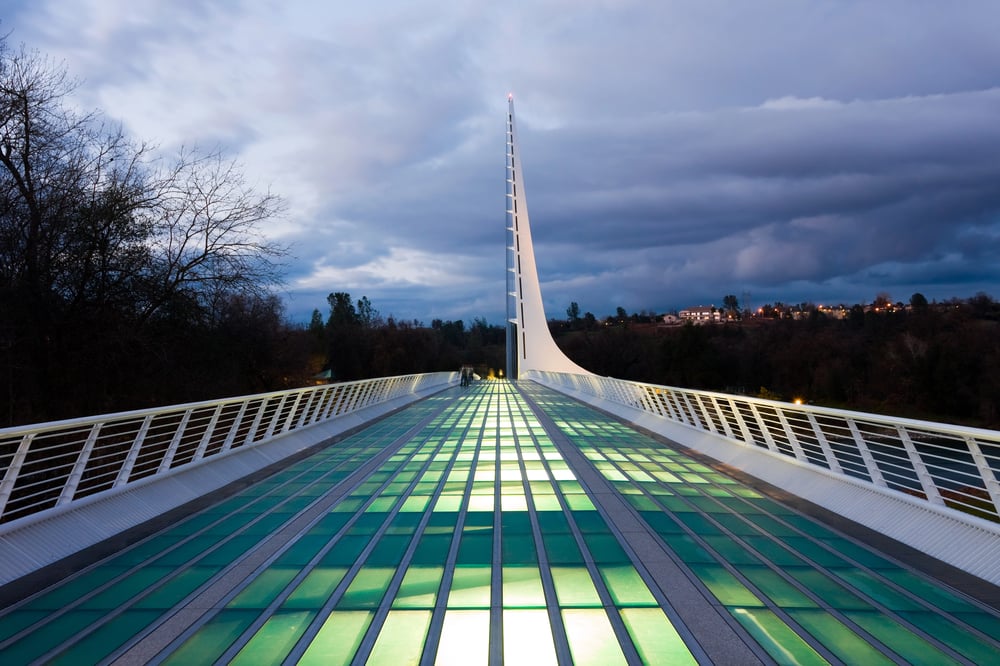
The Sundial Bridge in Redding, California, serves as both a river crossing and one of the world’s largest working sundials, with its 217-foot glass tower casting shadows that mark the time of day. Designed by Santiago Calatrava, this cable-stayed bridge features a unique single-mast design where the tower leans at a precise angle to function as a gnomon – the part of a sundial that casts the shadow.
The bridge deck is made entirely of translucent glass, allowing salmon and other fish to see shadows of people walking overhead rather than being confused by an opaque barrier.
Ponte Vecchio, Florence
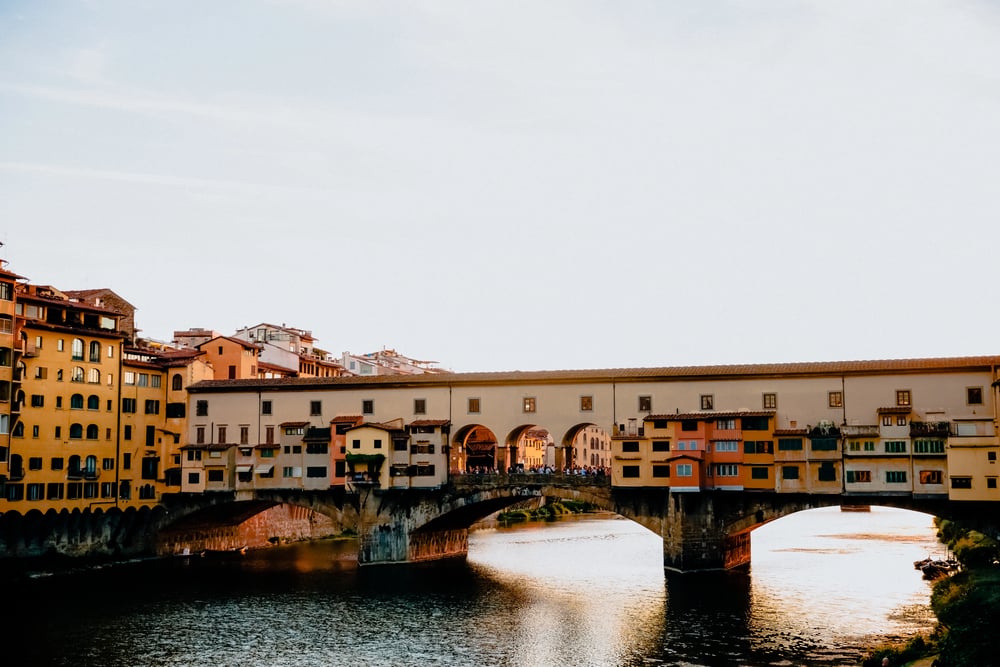
Florence’s Ponte Vecchio represents a fascinating medieval concept where bridges served as more than just river crossings – they were essentially elevated streets lined with shops and homes. This 14th-century stone bridge still houses jewelry shops, art dealers, and souvenir vendors in colorful buildings that seem to grow from the bridge structure itself.
The upper level features the famous Vasari Corridor, a covered walkway that allowed the Medici family to travel between their palace and offices without mixing with common people, making this bridge a unique combination of transportation, commerce, and politics.
Golden Gate Bridge, San Francisco
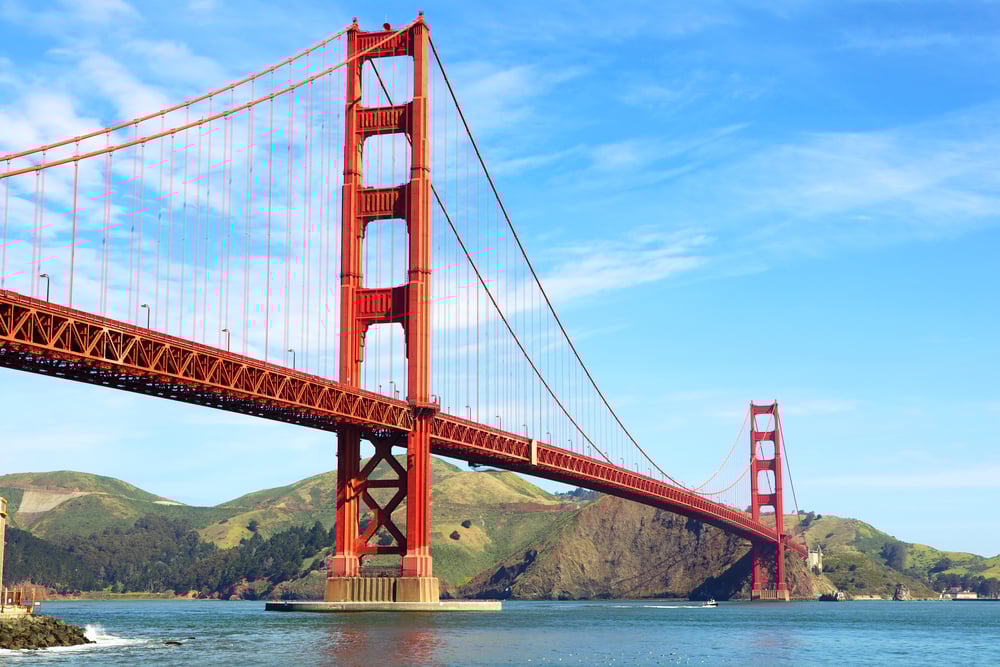
While the Golden Gate Bridge’s suspension design isn’t unique, its distinctive ‘International Orange’ color and Art Deco styling have made it one of the world’s most recognizable structures. The bridge’s designers chose this warm, reddish color partly to complement the natural landscape and partly to make the structure visible to ships in San Francisco’s notorious fog.
Joseph Strauss’s design combines practical engineering with aesthetic vision, creating a bridge that has appeared in countless movies and photographs while serving as the iconic symbol of San Francisco for nearly a century.
Tower Bridge, London
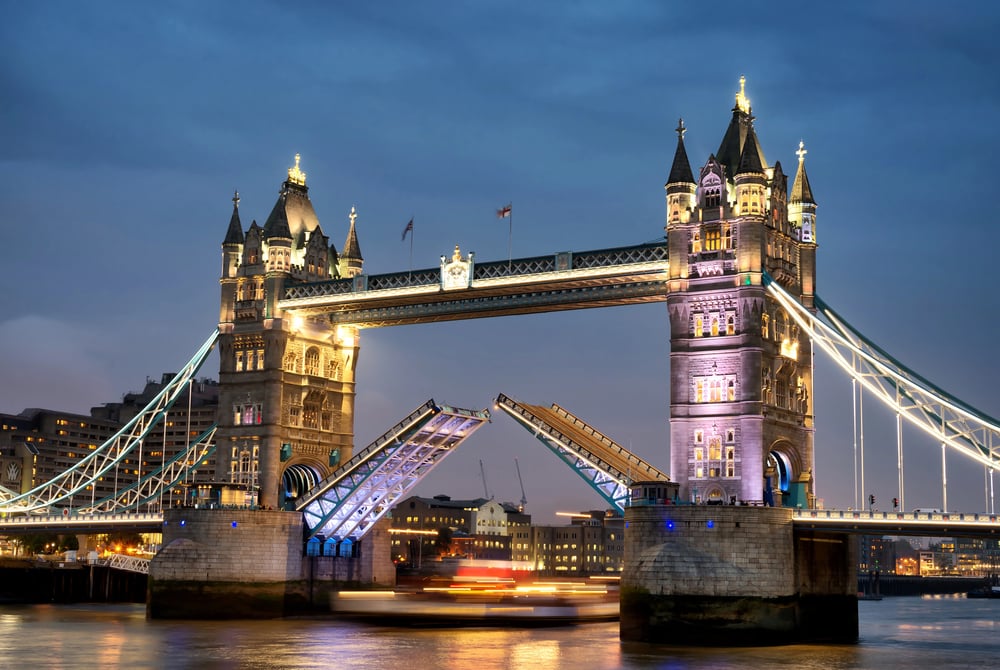
Tower Bridge combines two different bridge types in one spectacular structure, featuring both a suspension bridge design and a bascule (drawbridge) mechanism that can split in the middle to allow tall ships to pass. The bridge’s ornate Gothic Revival towers house the machinery that operates the drawbridge, while glass walkways high above the Thames offer thrilling views straight down to the river below.
Built in the 1890s, this Victorian engineering marvel remains one of London’s most photographed landmarks and continues to open several times each week for river traffic.
Chengyang Bridge, China
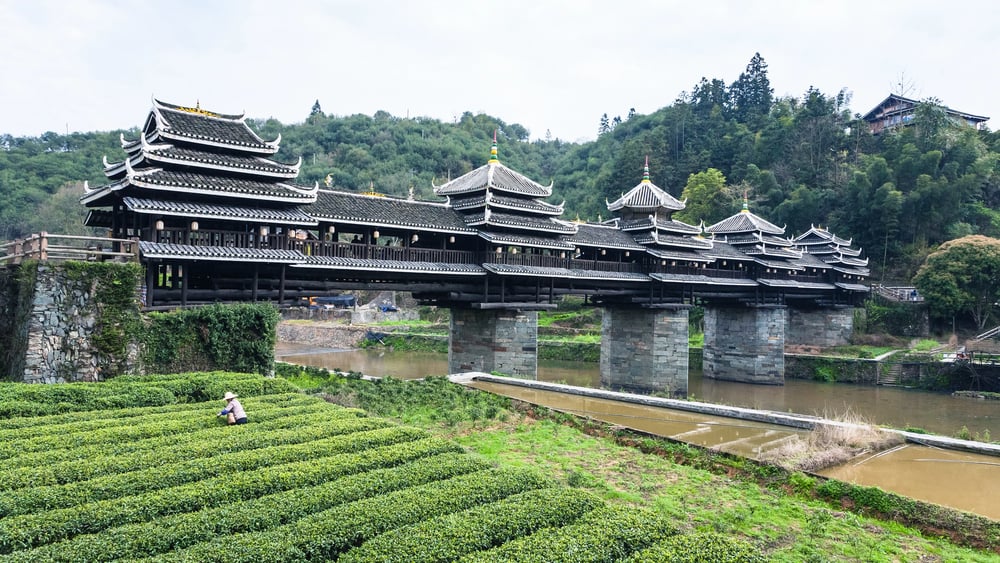
The Chengyang Bridge, also known as the Wind and Rain Bridge, showcases the incredible skill of traditional Chinese craftsmen who built this covered bridge without using a single nail. The structure relies entirely on precisely fitted dovetail joints and wooden pegs, creating a covered crossing that protects travelers from weather while serving as a community gathering place.
Built by the Dong people using techniques passed down through generations, this bridge combines practical engineering with traditional architecture, featuring multiple levels, decorative rooflines, and intricate wooden carvings that make it look more like a temple than a bridge.
Engineering Art That Connects Us All
These 17 extraordinary bridges prove that infrastructure doesn’t have to be boring or purely functional – the best designs elevate the everyday experience of getting from one place to another into something memorable and inspiring. Whether they’re solving complex engineering challenges, celebrating cultural traditions, or simply making people smile, these unique structures remind us that bridges are about more than just crossing rivers or valleys.
They’re about connecting communities, expressing creativity, and showing that even the most practical human needs can be met with imagination, artistry, and a healthy dose of engineering genius.
More from Go2Tutors!

- The Romanov Crown Jewels and Their Tragic Fate
- 13 Historical Mysteries That Science Still Can’t Solve
- Famous Hoaxes That Fooled the World for Years
- 15 Child Stars with Tragic Adult Lives
- 16 Famous Jewelry Pieces in History
Like Go2Tutors’s content? Follow us on MSN.



