American Habits That Confuse Tourists
America makes sense to Americans. But step off the plane as a visitor, and you’ll notice things that feel slightly off.
Not wrong, just different in ways that make you pause and wonder if everyone else sees what you’re seeing. These aren’t the big, obvious cultural differences.
They’re the small, everyday habits that Americans do without thinking—the ones that leave tourists standing in grocery store aisles or restaurant lobbies, trying to figure out what just happened.
The Math You Do at Every Cash Register
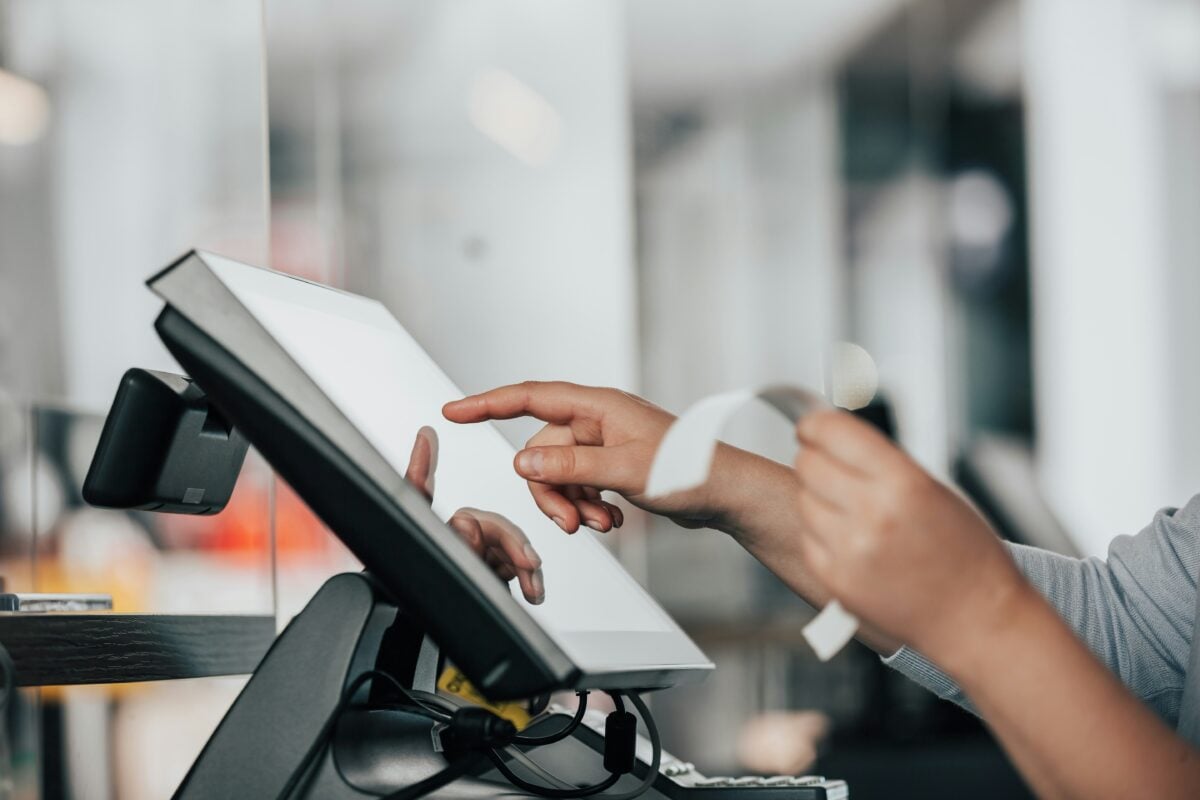
Sales tax doesn’t appear on price tags. That $4.99 item actually costs $5.44, or maybe $5.37, depending on which state you’re in.
You see the real price only when you reach the register. Americans grow up doing this mental calculation automatically.
Tourists stand there staring at receipts, trying to figure out where the extra charges came from. The tag said one thing.
The register says another. Both are technically correct.
Strangers Who Want to Chat
Americans start conversations in elevators. They comment on your groceries in checkout lines.
They ask how your day is going when they have no intention of seeing you again. This small talk serves no practical purpose, which makes it baffling if you come from a culture where conversations require a reason.
You don’t need to share your life story. A simple “good, thanks” works fine.
Everyone moves on.
The 20 Percent Question
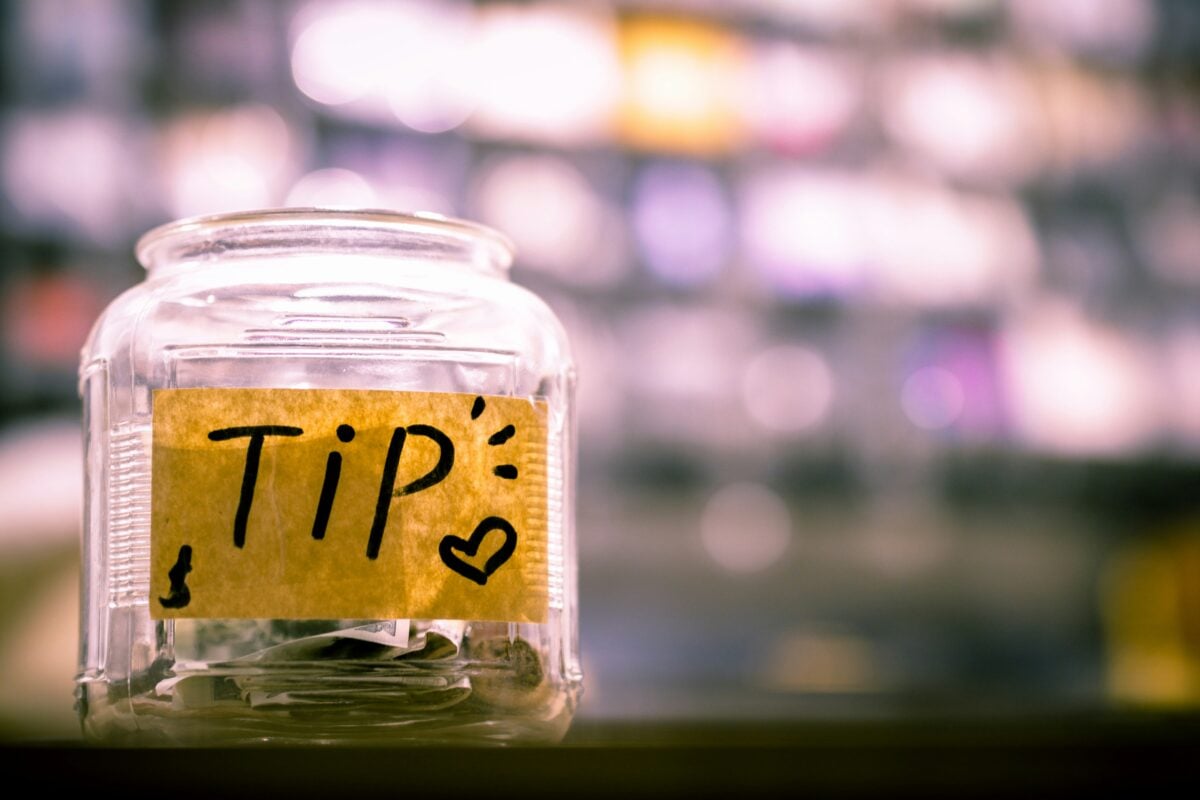
You finish your meal. The bill arrives.
Then you need to calculate what your server actually earned, because their wage depends on tipping. Not a little. A lot.
Usually 18 to 20 percent, sometimes more. Other countries include service charges in the price or pay servers a living wage.
America makes diners responsible for worker compensation. You can debate whether this system makes sense, but while you’re visiting, you still need to tip.
Servers count on it.
Ice That Takes Over Your Cup
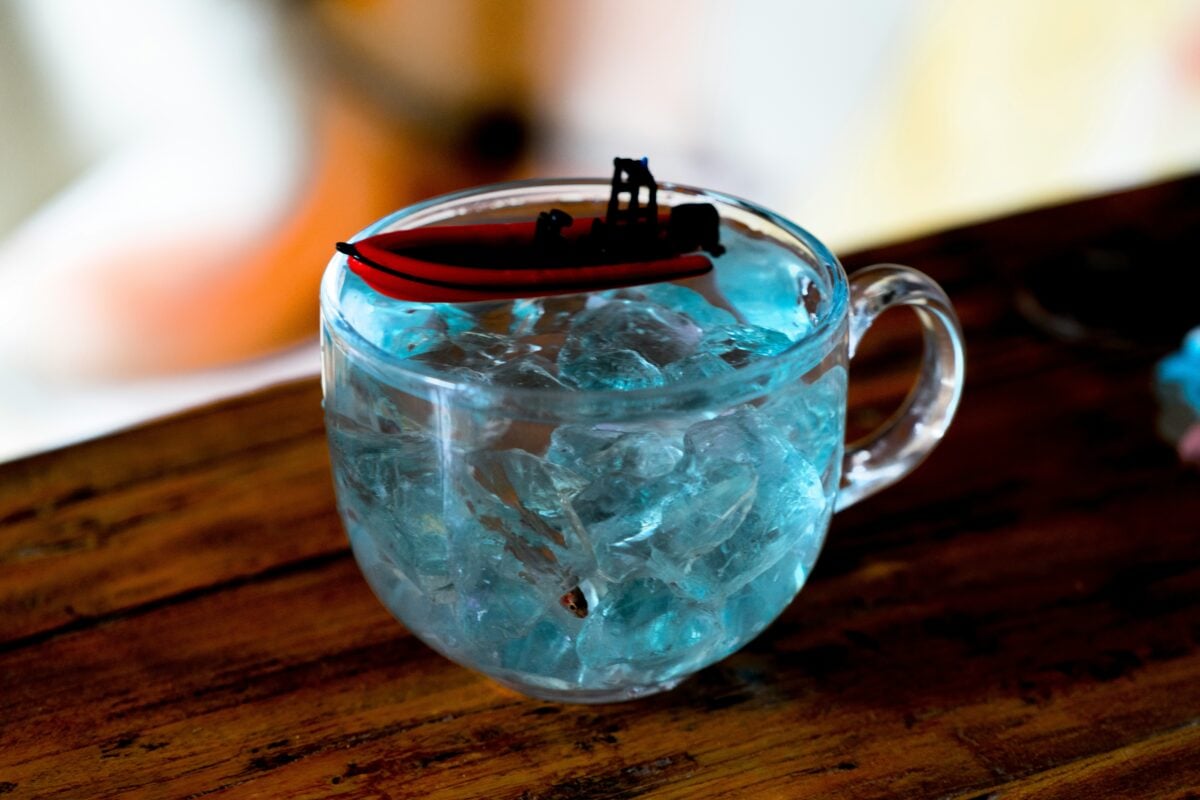
Order a drink anywhere and you get a cup packed with ice cubes. The actual beverage fills whatever space remains, which isn’t much.
You wanted a Coke. You got four ounces of Coke and twelve ounces of frozen water.
Americans like their drinks cold. Really cold.
Cold enough that the ice-to-liquid ratio seems backward to everyone else. Ask for no ice or light ice if you want more actual drink.
They’ll usually comply.
Food That Could Feed a Family
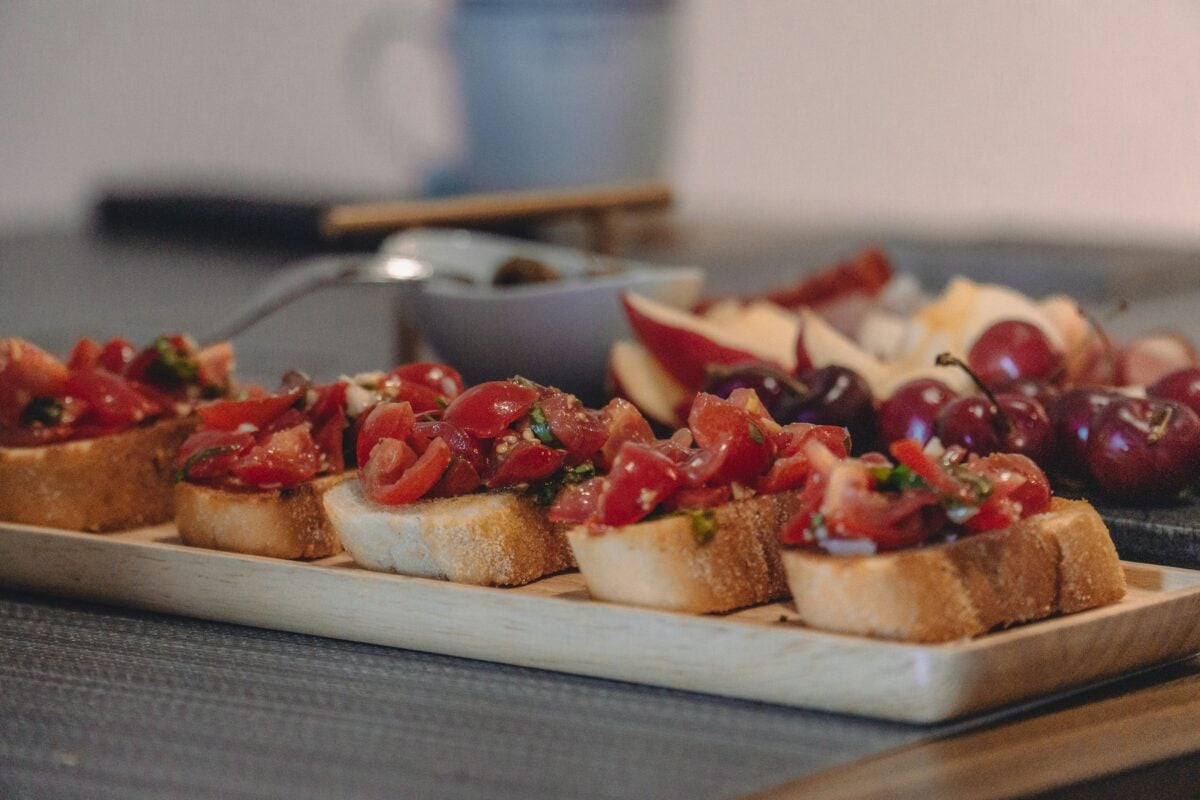
Restaurant portions look like they’re meant for three people. One appetizer could work as a full meal.
An entree comes with enough food to last you two days. Americans often take home leftovers, which explains why portions run so large.
The restaurant gives you tomorrow’s lunch today. But tourists sitting down for their first American meal don’t know this yet.
They just see plates that look like mistakes.
Temperature Control Set to Arctic
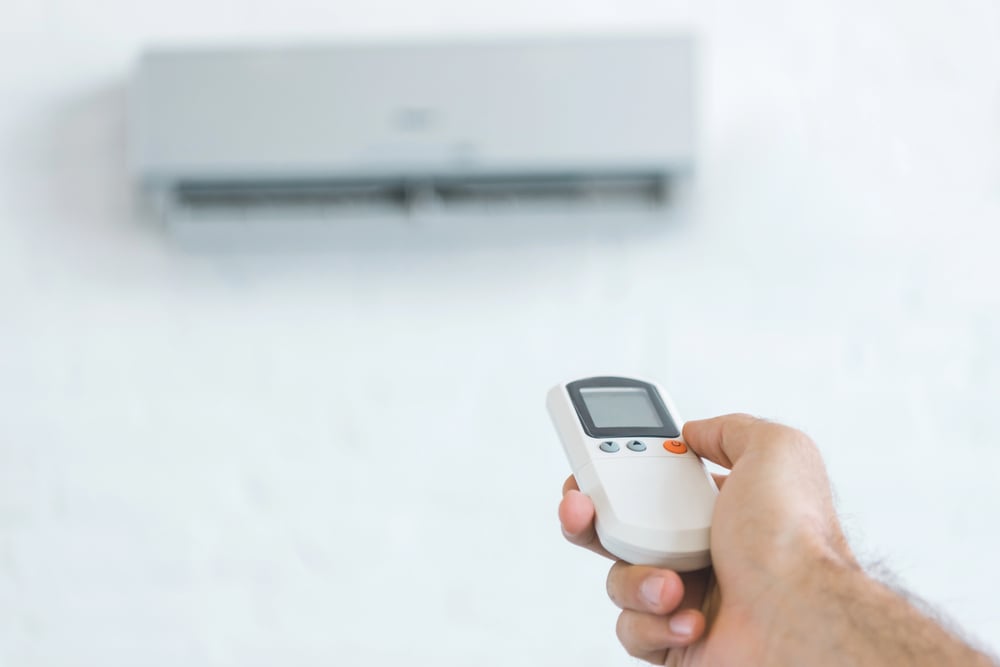
Walk into any building in summer and you’ll need a sweater. Offices, stores, restaurants—they all blast air conditioning like they’re trying to create winter indoors.
Outside, it’s 95 degrees. Inside, you can see your breath.
This seems wasteful and extreme if you’re not used to it. Americans adjust by carrying layers.
The alternative is melting in humidity that makes the heat feel even worse than the thermometer suggests.
Bathrooms That Offer No Privacy
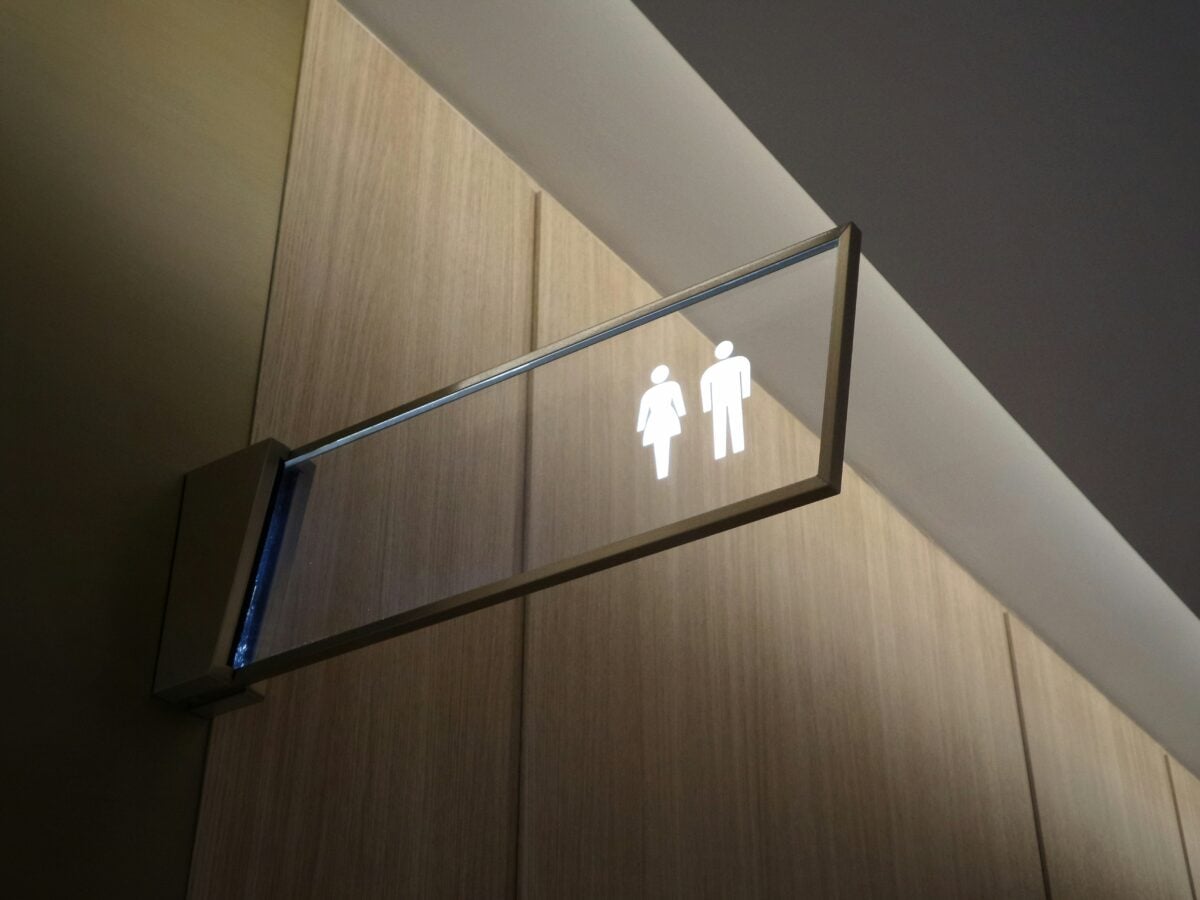
Public restroom stall doors stop several inches from the floor and hover well above it. The gaps on the sides let people see in.
You can make eye contact with strangers while sitting on the toilet. Americans have theories about why this design persists—safety, cleaning, preventing certain activities.
None of these explanations make the experience less awkward. You just learn to avoid eye contact and move on.
Dates That Go Backward
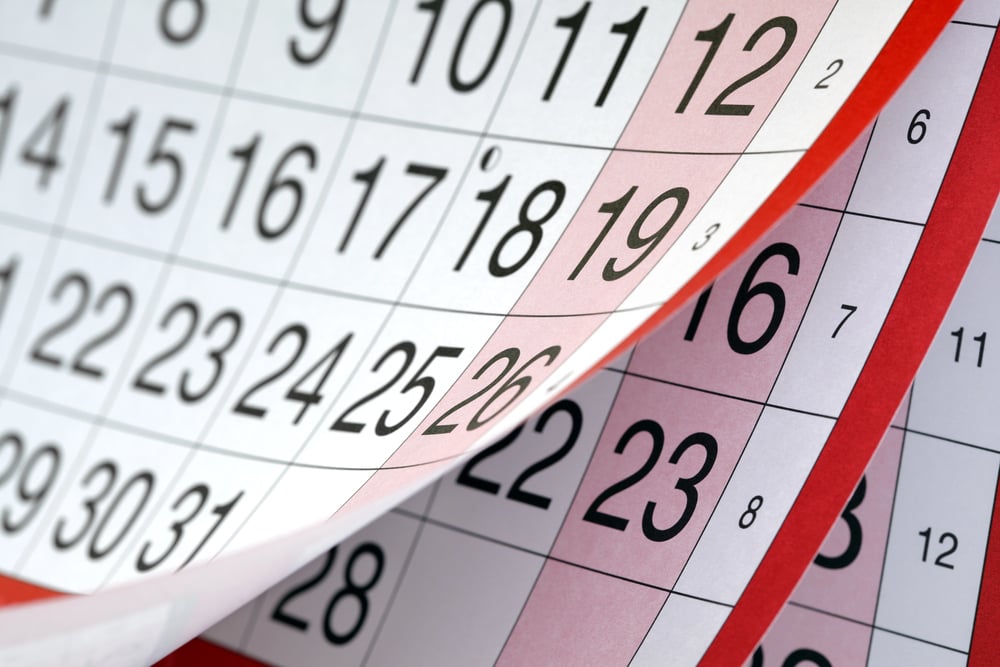
Americans write dates as month, then day, then year. July 4th, 2024 becomes 7/4/24.
Everywhere else uses day, then month, then year. The date format switches the first two numbers, which creates confusion that can actually matter.
Book a flight for 3/5 and you might show up two months late or early, depending on who wrote it. Check which system is being used.
Save yourself the expensive mistake.
Shoes That Stay On Indoors
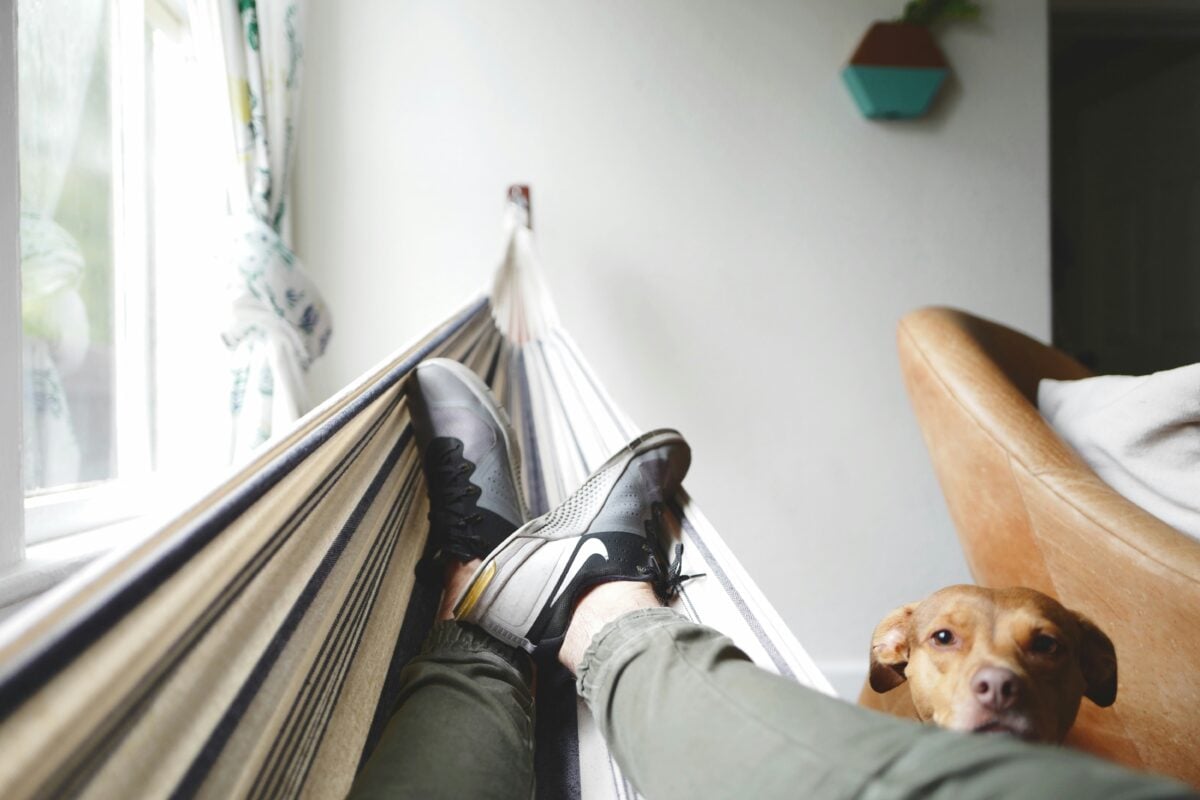
Americans walk through their homes in the same shoes they wore outside. They track in whatever was on the sidewalk.
They sit on couches with their shoes on. They sometimes even put their feet up on furniture without removing them.
This shocks people from cultures where shoes stop at the door. Some American homes do follow that rule, but many don’t.
If you’re unsure, watch what your host does.
Miles, Gallons, and Fahrenheit
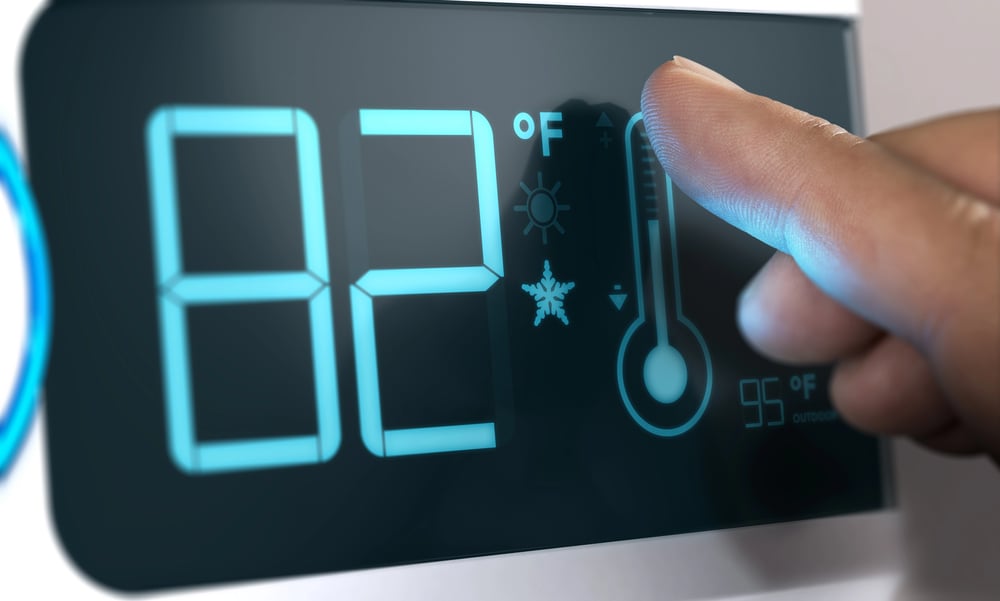
The weather forecast says 75 degrees, which sounds terrifying until you realize Americans measure temperature in Fahrenheit. Highway signs show distances in miles. Gas stations sell fuel by the gallon.
Nothing matches the metric system. You’ll need to convert in your head or just learn what these numbers mean in practice.
Seventy degrees is comfortable. Thirty degrees is freezing.
A gallon is about four liters. A mile is a kilometer and a half.
Smiles From People Who Don’t Know You

Service workers greet you with big smiles and enthusiasm. They ask how you are. They tell you to have a great day.
They act thrilled to see you, even though you’re a complete stranger buying toothpaste. This isn’t fake, exactly.
It’s just how customer service works here. The enthusiasm is part of the job.
You don’t need to match their energy. A simple thank you is enough.
The Car Culture That Defines Everything
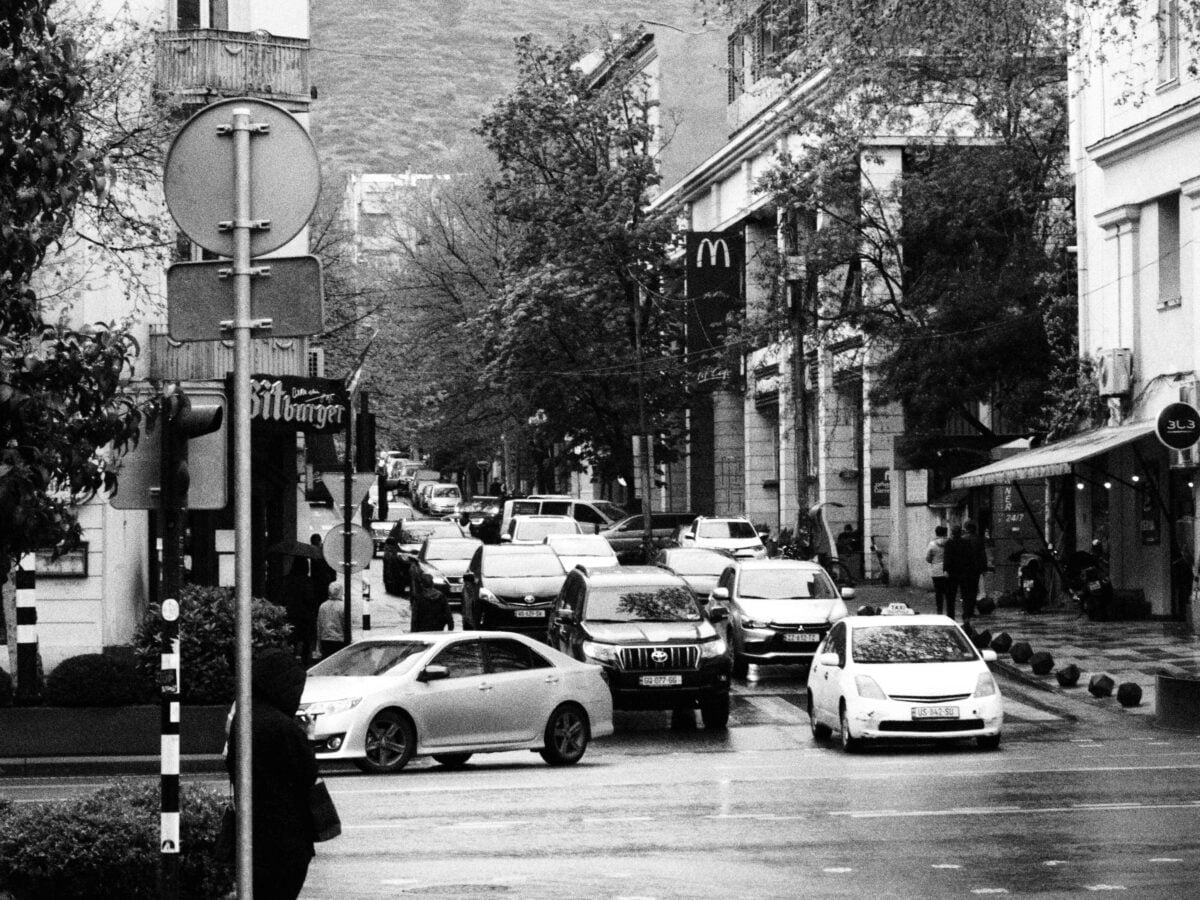
Cities spread out so far that walking becomes impractical. Suburbs have no sidewalks.
Public transit barely exists outside major cities. Everything assumes you drove there.
Americans build their lives around cars in ways that seem extreme to tourists from places with better transit. You can’t just stroll to the corner store.
The corner store is three miles away.
Free Refills That Keep Coming
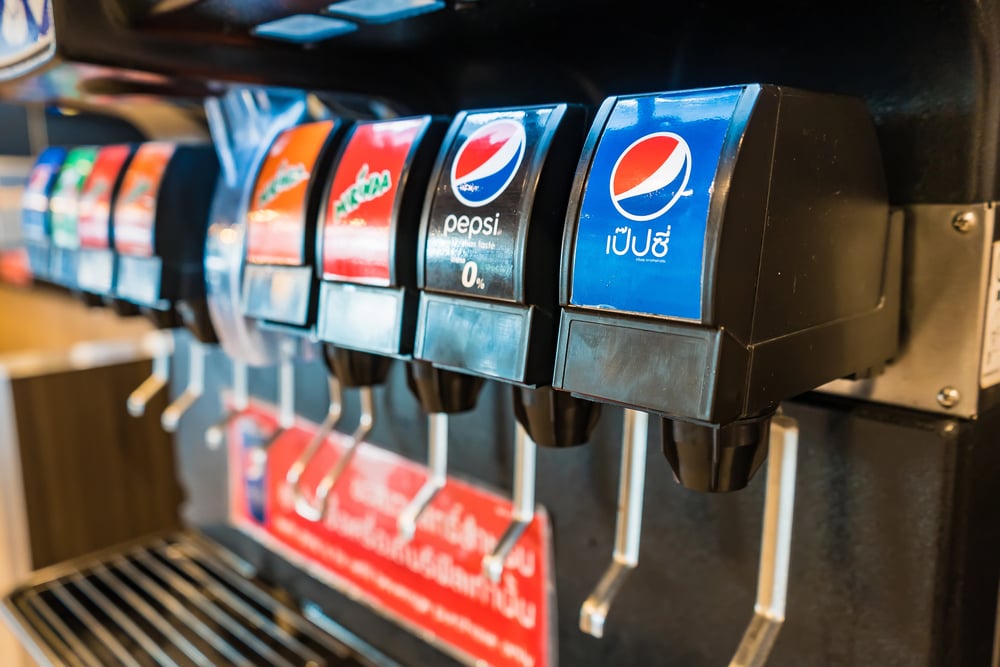
Finish your soda and the server brings you more. Finish that and they bring another.
Soft drinks come with unlimited refills at most casual restaurants. You pay once, drink as much as you want.
This feels excessive if you’re used to paying for each drink. But Americans see it as normal.
Coffee works the same way. Your cup stays full until you physically leave the building.
Prescriptions Advertised on Television

Commercials tell you to “ask your doctor” about medications you’ve never heard of. These pharmaceutical ads list side effects that sound worse than the conditions they treat, yet they still encourage you to request specific drugs.
Most countries ban this practice. America allows it.
You’ll see ads for everything from depression medication to toenail fungus treatments during prime time television.
Where the Differences Just Make Sense

Staying in one place for ages turns weird stuff into normal stuff. Folks from the U.S. aren’t puzzled by their routines – why would they be?
They’ve always done things this way. Visitors catch on fast since fresh eyes spot what others miss.
You don’t need to pick up these routines. Knowing them simply helps things go easier when you’re there.
Or perhaps, over time, you’ll start figuring out tips automatically.
More from Go2Tutors!

- The Romanov Crown Jewels and Their Tragic Fate
- 13 Historical Mysteries That Science Still Can’t Solve
- Famous Hoaxes That Fooled the World for Years
- 15 Child Stars with Tragic Adult Lives
- 16 Famous Jewelry Pieces in History
Like Go2Tutors’s content? Follow us on MSN.



