Futuristic Tech from the 1950s That Never Took Off
The 1950s promised a tomorrow filled with flying cars, robot butlers, and cities in the sky. Magazines and World’s Fair exhibitions painted pictures of a world where technology would solve every problem and make life effortless.
Inventors and companies raced to turn these dreams into reality, backed by post-war optimism and a booming economy. But not every invention made it past the prototype stage, and some ideas that seemed brilliant at the time turned out to be complete disasters.
So what happened to all those promised gadgets? Let’s take a look at the inventions that captured imaginations but failed to capture the market.
Nuclear-powered vacuum cleaners

General Electric actually explored the idea of putting tiny nuclear reactors into household appliances during the height of atomic enthusiasm. The company envisioned vacuum cleaners that would run for years without needing to be plugged in or recharged.
Engineers quickly realized that putting radioactive material into something people pushed around their living rooms wasn’t the best plan. The cost alone would have made each vacuum cleaner worth more than most houses, and the radiation shielding required would have made them impossibly heavy to move.
Personal helicopters for commuters

Dozens of companies tried to crack the code on affordable personal helicopters for everyday travel. The pitch was simple: why sit in traffic when you could fly over it?
Models like the Hiller VZ-1 Pawnee actually got built and tested, with some even making it to military trials. The problem was that most people couldn’t handle the complex controls, crashes were common and deadly, and the noise would have made neighborhoods unbearable.
Cities also had zero infrastructure for millions of people landing helicopters in their driveways.
Atomic automobiles

Ford’s Nucleon concept car promised to drive 5,000 miles on a single uranium core. Designers created sleek models with the reactor tucked in the back, replacing the traditional gas tank with something far more powerful.
The reality check came hard and fast: reactor cores couldn’t shrink down enough to fit in cars, the shielding would have made vehicles weigh several tons, and the thought of radioactive car accidents ended the dream. Plus, uranium wasn’t exactly available at the corner store, and no one had figured out where drivers would swap out spent reactor cores.
Jet packs for personal transportation
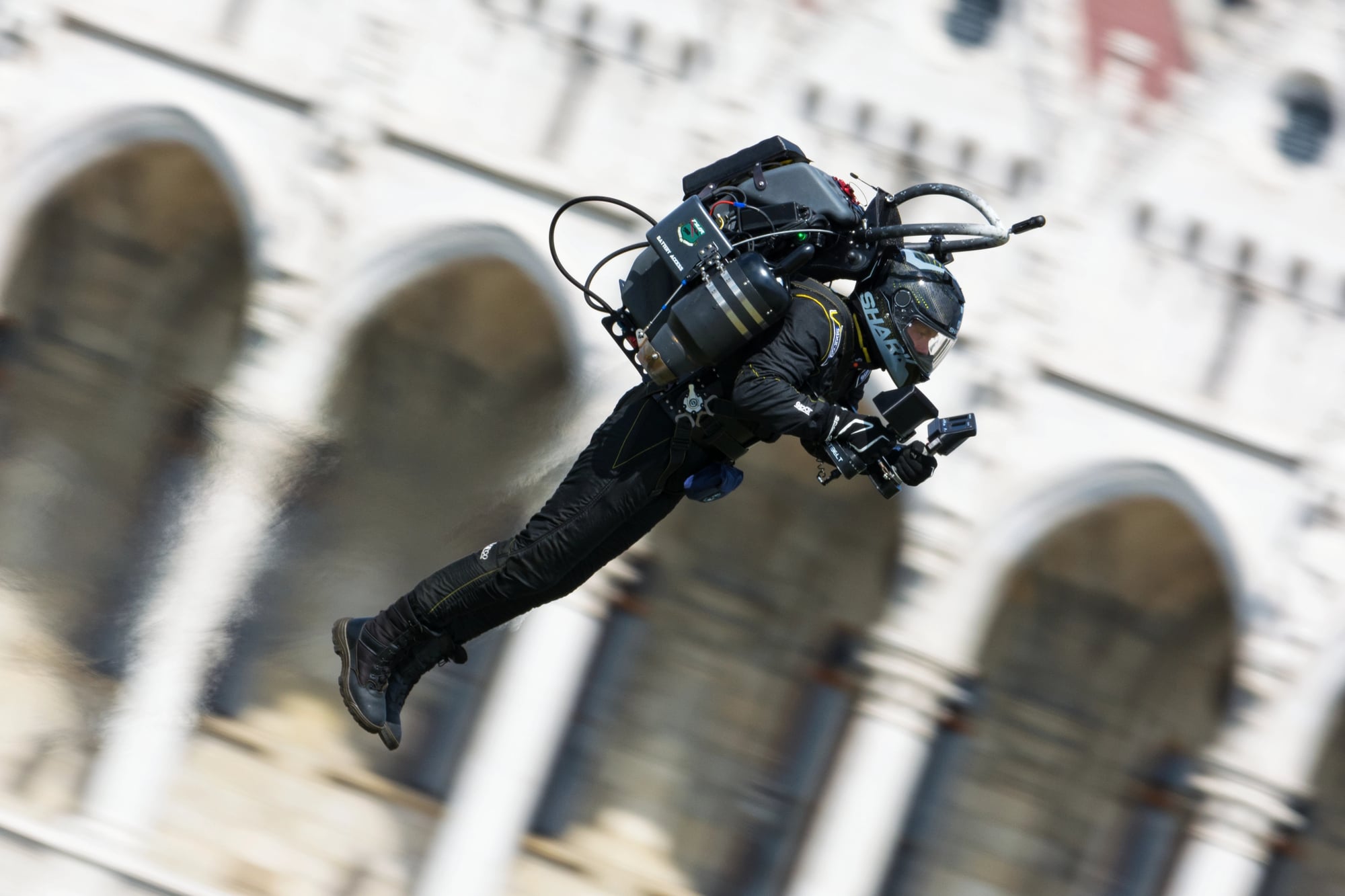
Bell Aerosystems developed an actual working jet pack called the Bell Rocket Belt that flew for real in public demonstrations. The device could lift a person off the ground and fly them around for about 20 seconds before running out of fuel.
That laughably short flight time killed any practical use, and the fuel itself was incredibly dangerous and expensive. The noise was deafening, the heat could burn the operator, and learning to fly one took extensive training that most people weren’t willing to invest in.
Flying cars with folding wings
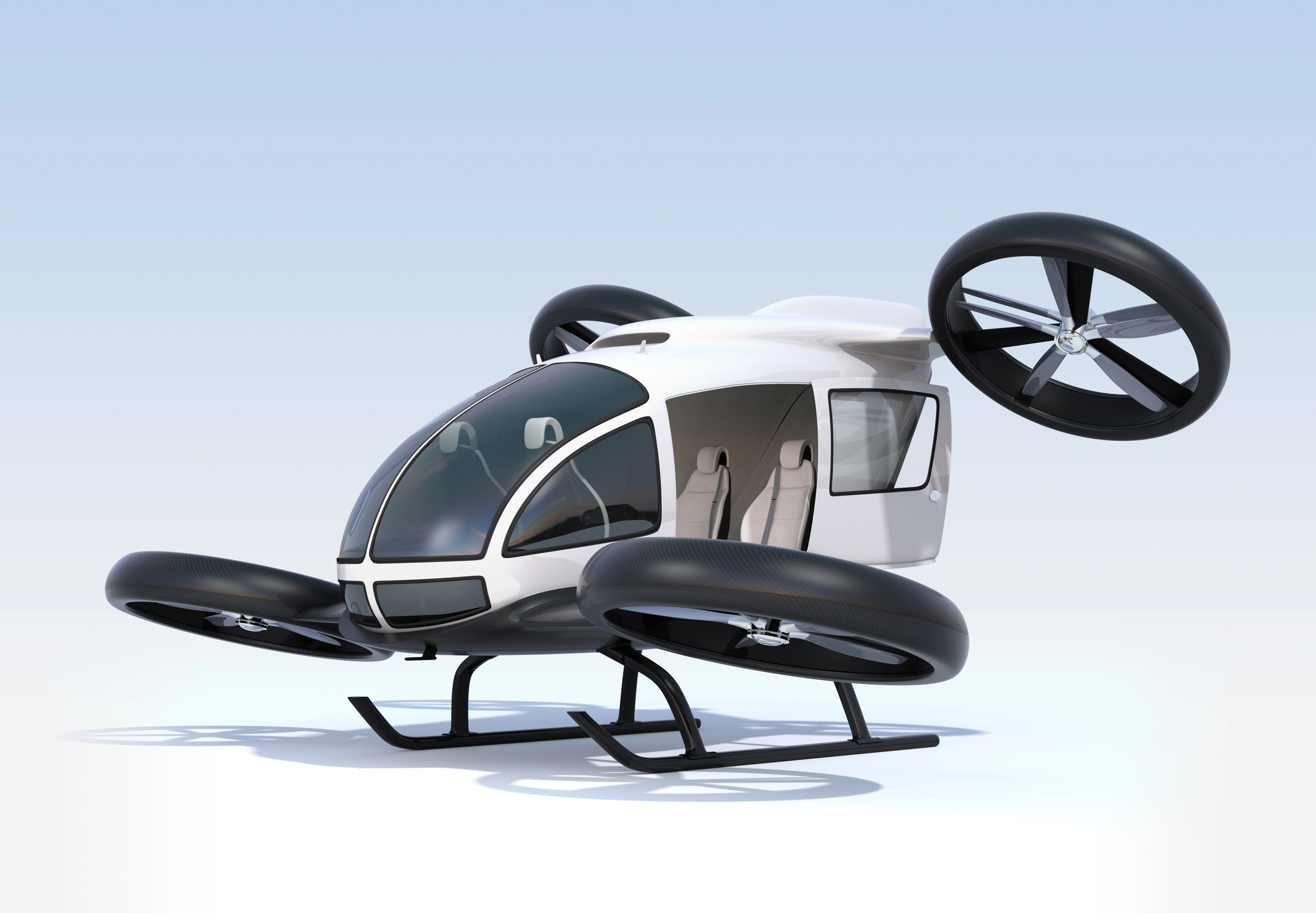
Several companies including Convair built prototypes of cars that could drive on roads and then extend wings to fly. The Convair Model 118 actually flew multiple test flights and could reach speeds over 100 miles per hour in the air.
But drivers needed a pilot’s license, and the vehicle wasn’t particularly good at being either a car or a plane. One crash during testing killed the chief test pilot and pretty much ended serious development.
Insurance companies took one look at the liability and wanted nothing to do with the concept.
Kitchen robots that cooked meals

Companies promised robotic chefs that would prepare entire meals with the push of a button. These machines were supposed to chop, stir, cook, and serve without any human involvement beyond loading ingredients.
The prototypes that got built were massive, broke down constantly, and couldn’t handle the variety of tasks real cooking required. They also cost about as much as a new house and couldn’t adapt to different recipes the way even a novice human cook could.
Picturephones for home use
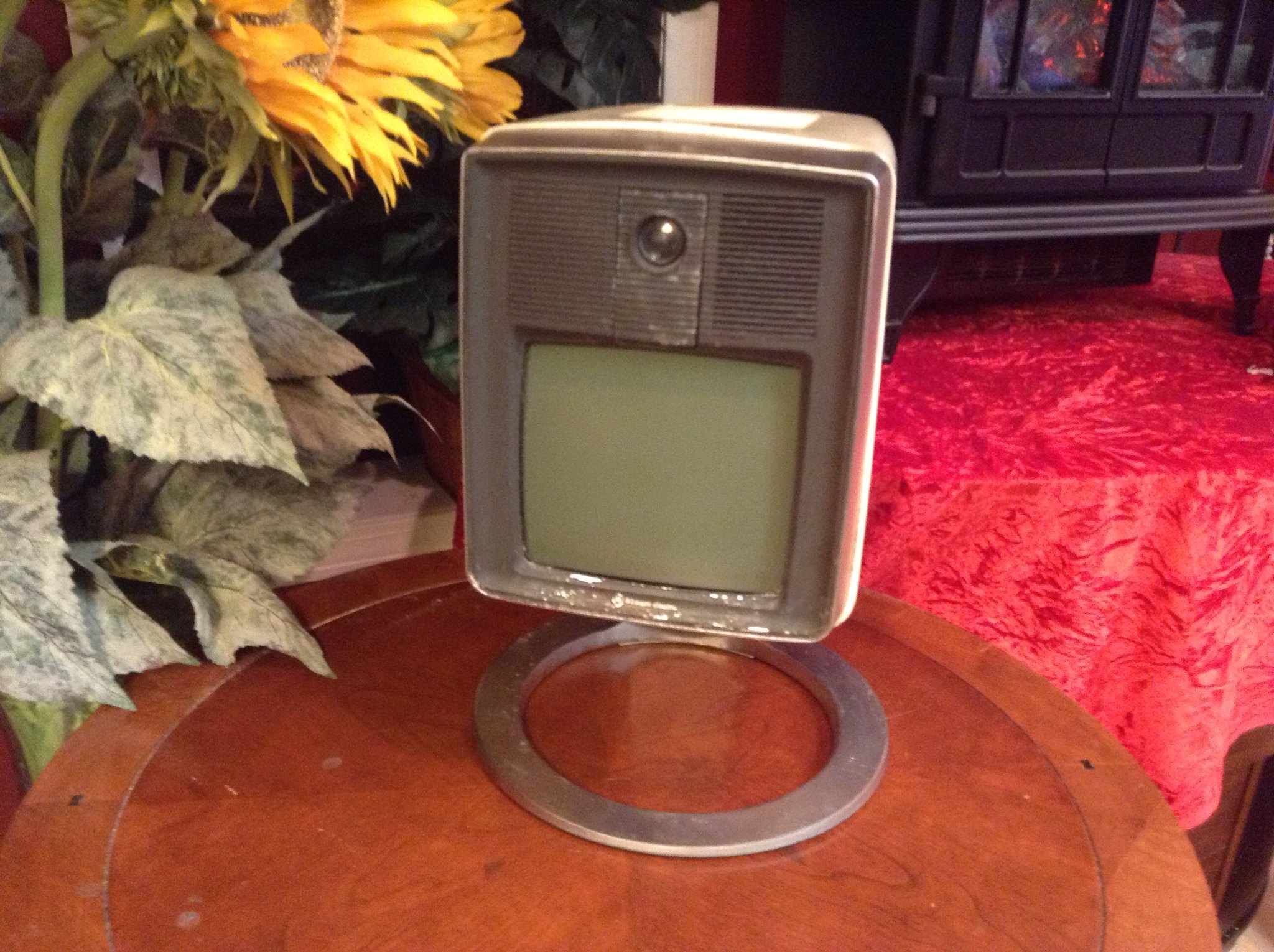
AT&T spent millions developing videophone technology and even set up public picturephone booths in several cities. The company was convinced that people would pay premium prices to see each other while talking on the phone.
Turns out nobody wanted to get dressed up or worry about how their house looked just to make a phone call. The picture quality was terrible, the equipment was expensive, and people valued the privacy of voice-only calls more than the novelty of seeing each other.
Pneumatic tube transportation systems
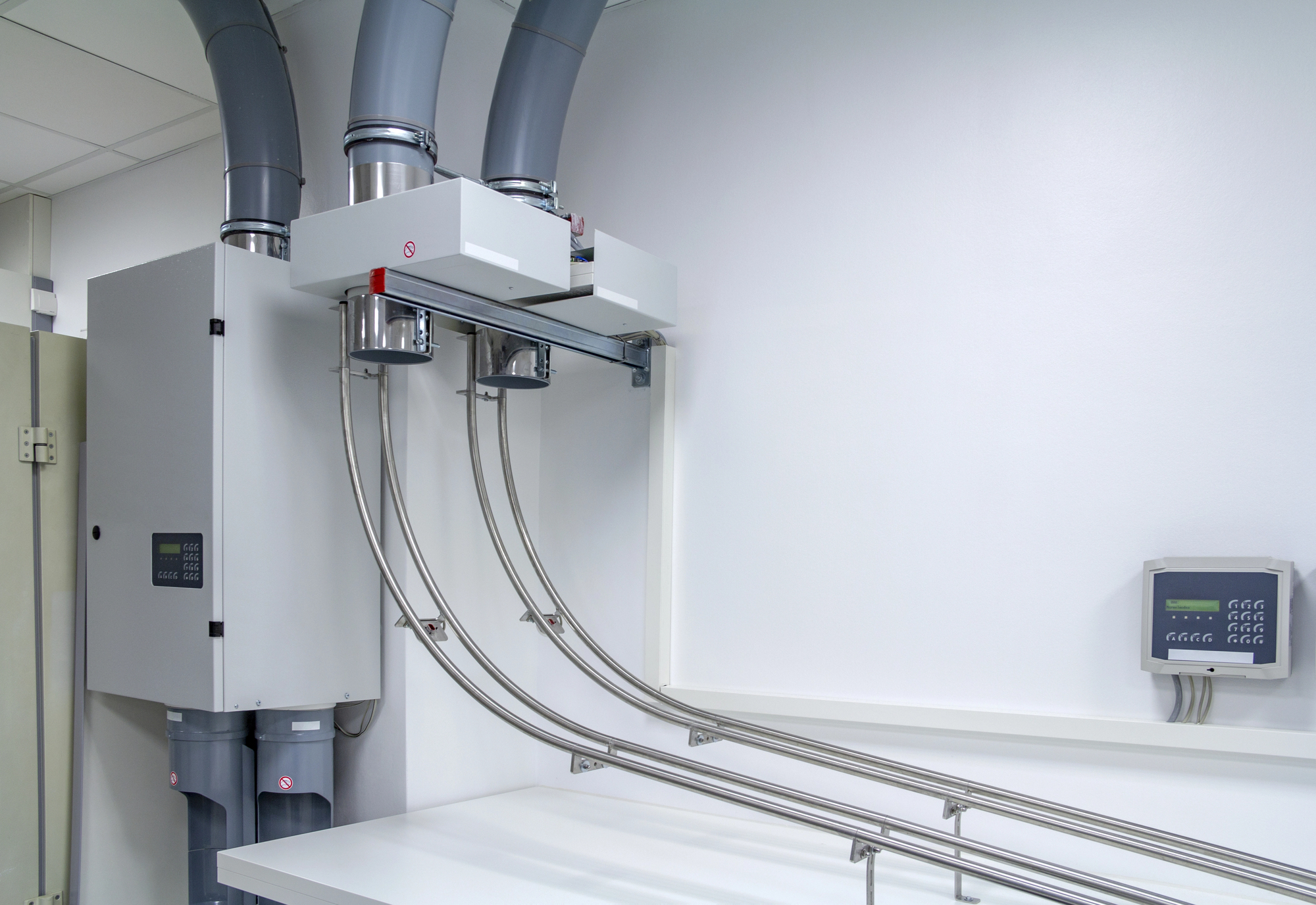
Engineers proposed city-wide networks of pneumatic tubes that would whoosh people around in capsules at high speeds. Scale models looked impressive, and smaller versions already worked for moving documents in office buildings.
Building tubes large enough for humans and maintaining the air pressure systems across entire cities proved impossible with 1950s technology. The energy costs would have been enormous, and one leak anywhere in the system could cause catastrophic failures throughout the network.
Nuclear-powered artificial hearts
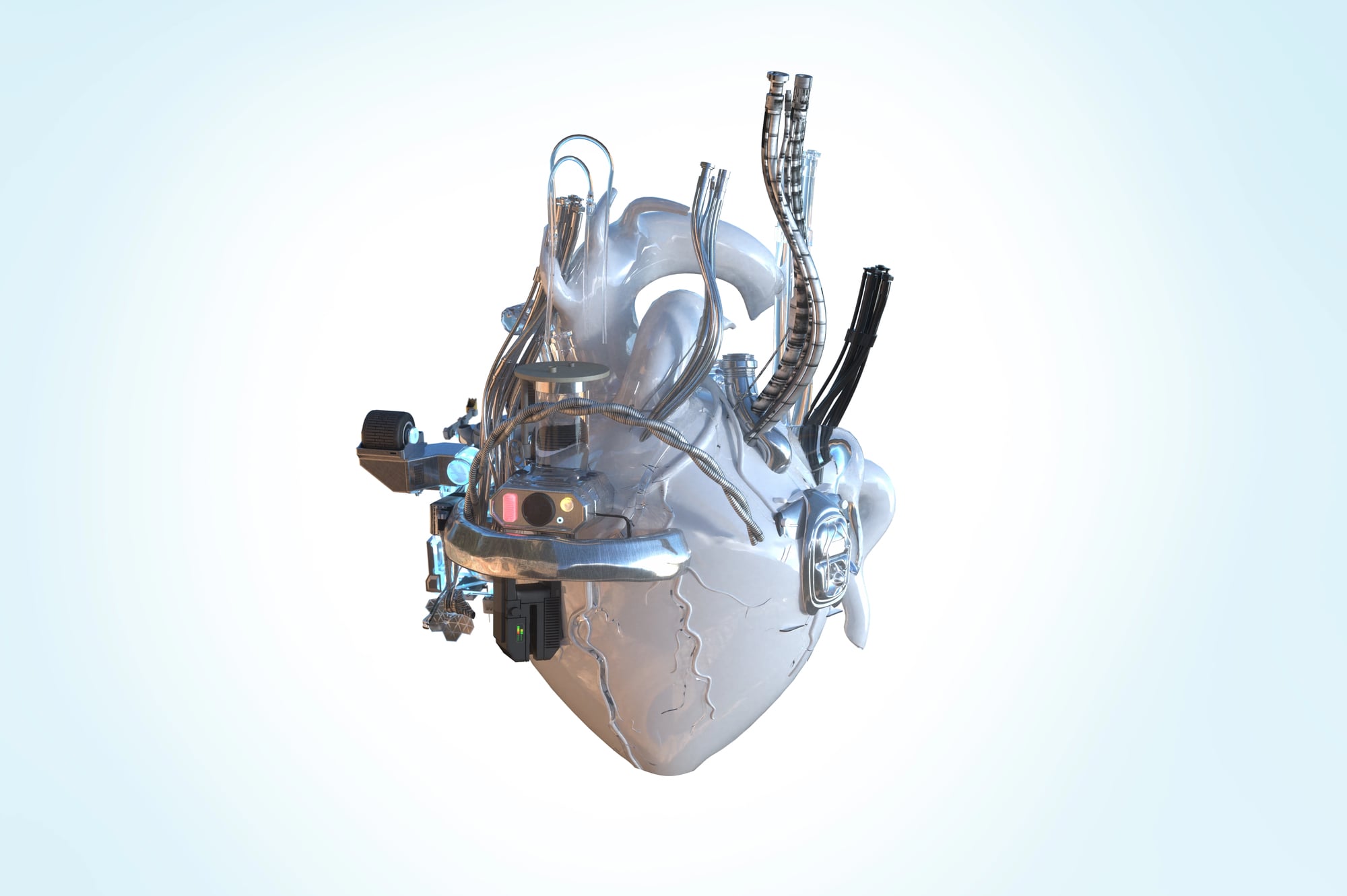
Doctors and atomic scientists teamed up to design artificial hearts powered by tiny plutonium batteries. The concept would have freed patients from external power sources and given them unlimited mobility.
Putting radioactive material inside a human body raised obvious health concerns that couldn’t be overcome. The heat generated by the plutonium was another huge problem, and the cost of a single heart would have bankrupted most hospitals.
Conveyor belt sidewalks everywhere
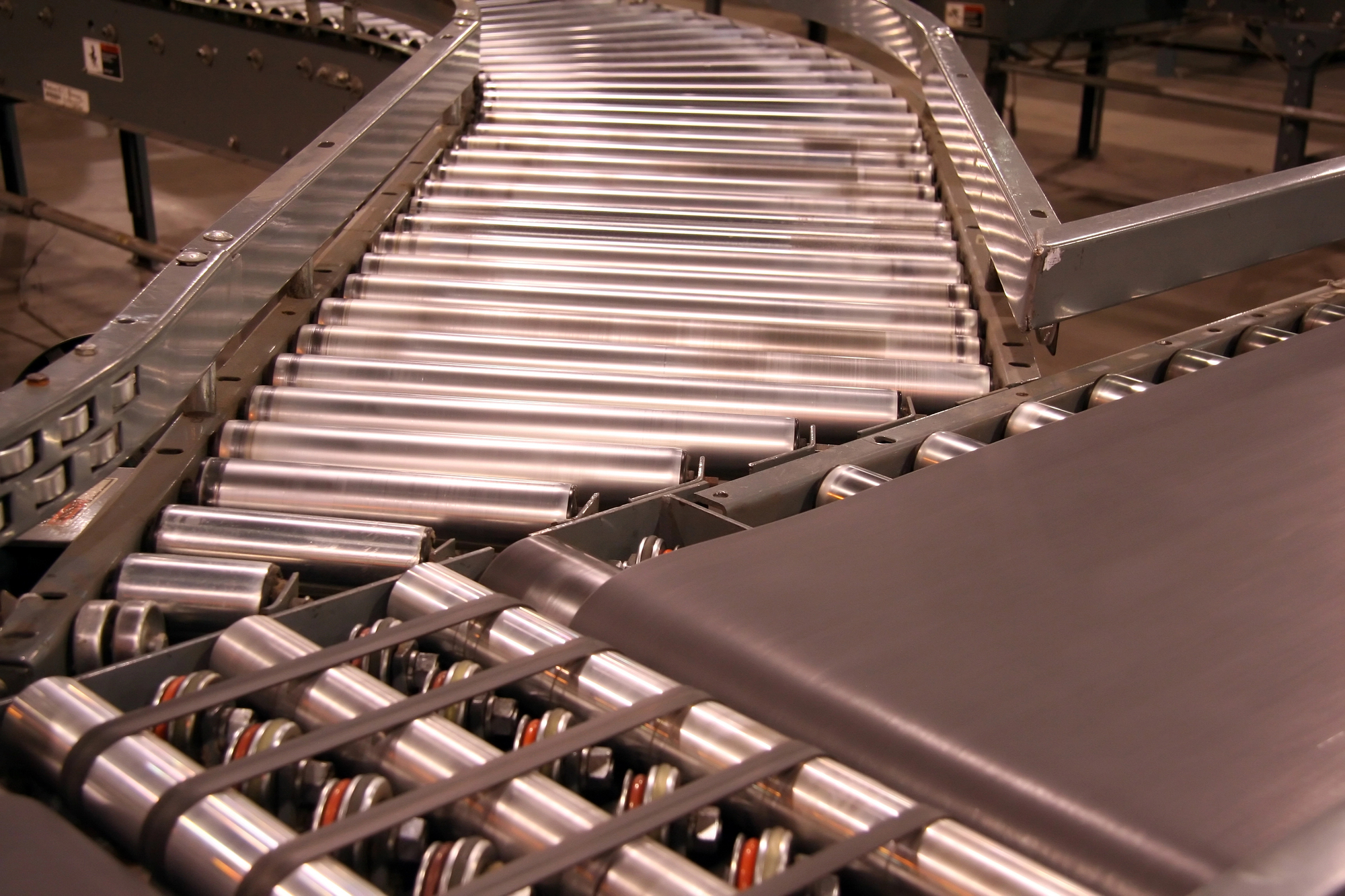
Cities planned to install high-speed moving walkways to replace traditional sidewalks completely. Renderings showed multiple lanes moving at different speeds, with pedestrians stepping from slower to faster belts.
The mechanical complexity of keeping miles of moving belts running proved too much, and maintenance costs were astronomical. People also kept falling when trying to step between different speeds, and the belts became dangerous in rain or snow.
Personal submarines for ocean travel
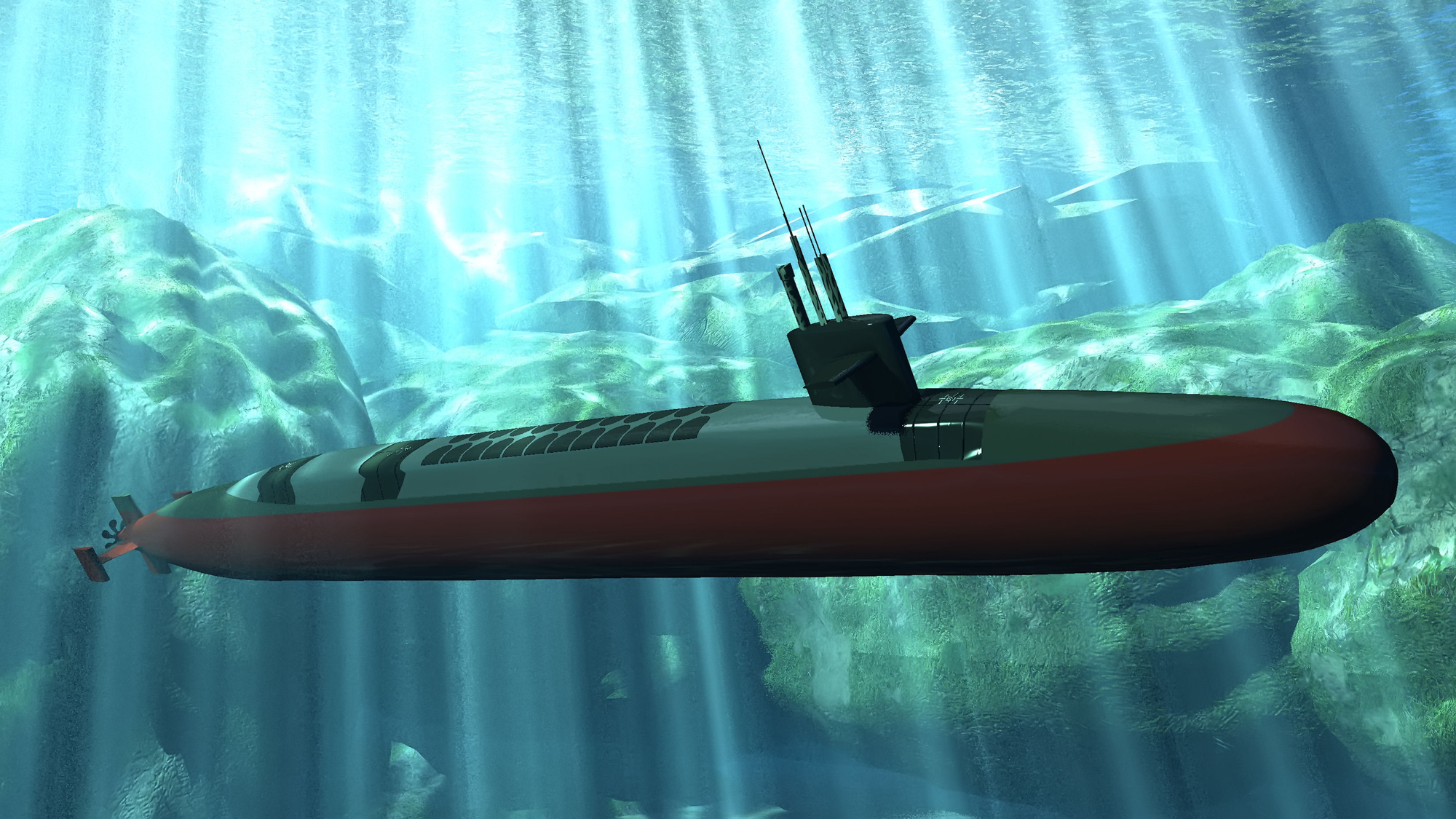
Manufacturers tried to sell small submarines for families to explore underwater and travel between coastal cities. The subs looked sleek in advertisements, and a few prototypes actually worked in controlled conditions.
Operating a submarine safely requires serious training, and the cost put them out of reach for anyone except millionaires. The ocean is also far more dangerous than early designers realized, and these civilian craft had no way to handle storms, equipment failures, or emergencies at depth.
Housewives in space helmets

Several designs showed women doing housework while wearing sealed helmets connected to central cleaning systems. The idea was to pump cleaning solutions and air through the helmet to sanitize homes without chemicals sitting around.
Nobody wanted to wear a bulky helmet to clean their kitchen, and the systems were prone to leaks that could spray chemicals directly into someone’s face. The whole concept ignored the fact that cleaning requires being able to see and smell what you’re working on.
Radar ranges for every kitchen
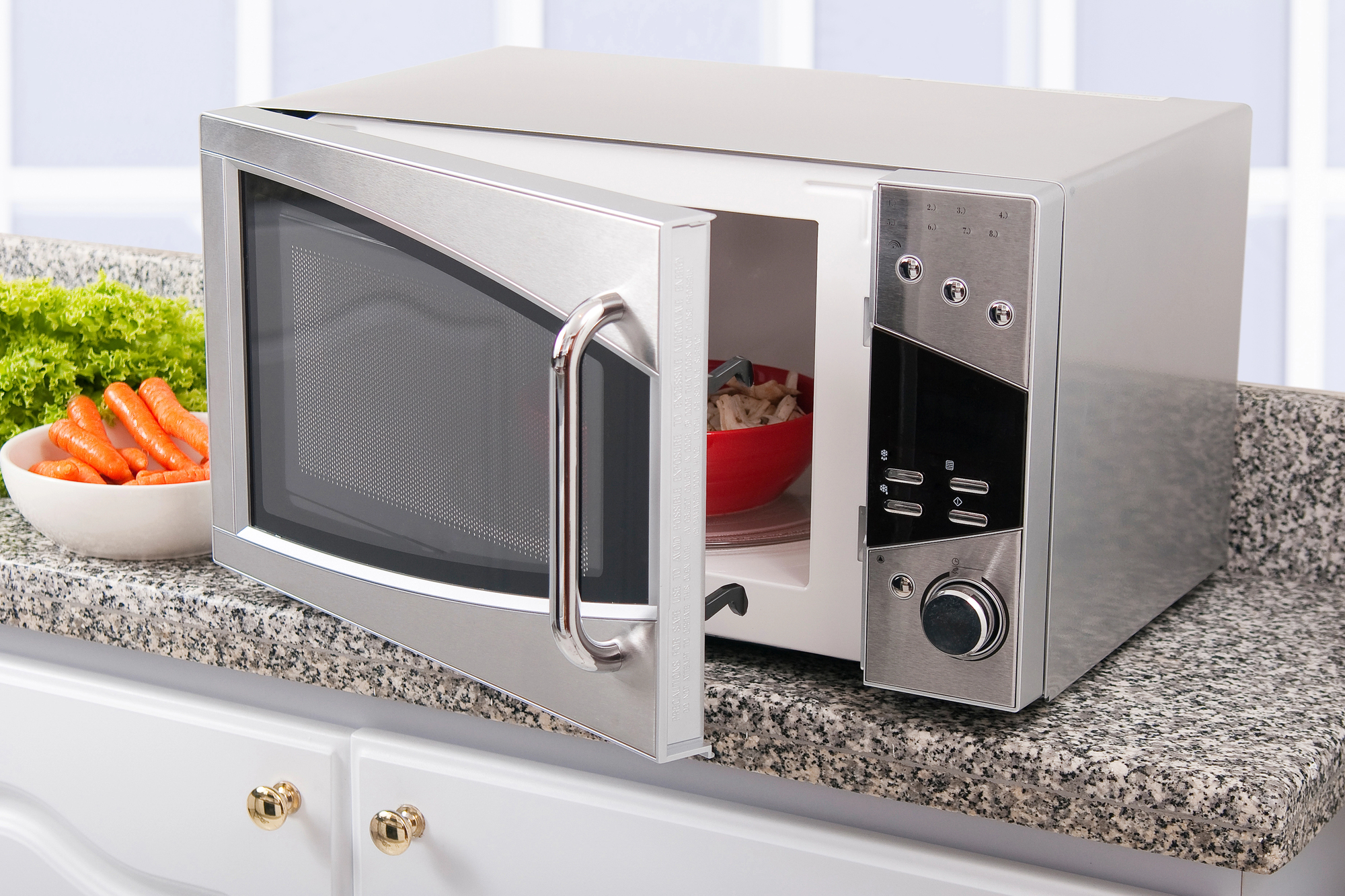
Microwave ovens were initially called radar ranges and cost about $3,000 in 1950s dollars. Companies insisted that every home would soon have one because conventional cooking would become obsolete.
The appliances were huge, temperamental, and most people didn’t trust radiation near their food despite assurances of safety. It took decades of improvements and price drops before microwave ovens actually became common household items.
Nuclear-powered cargo planes

Aircraft designers proposed giant planes with atomic reactors that could stay airborne for months without refueling. The military actually built and flew a few test versions with working reactors on board.
The radiation shielding needed to protect crews made the planes so heavy they could barely carry any cargo. One crash would have spread radioactive material across whatever area the plane went down in, making the whole idea a public safety nightmare.
Domestic robots for all household chores
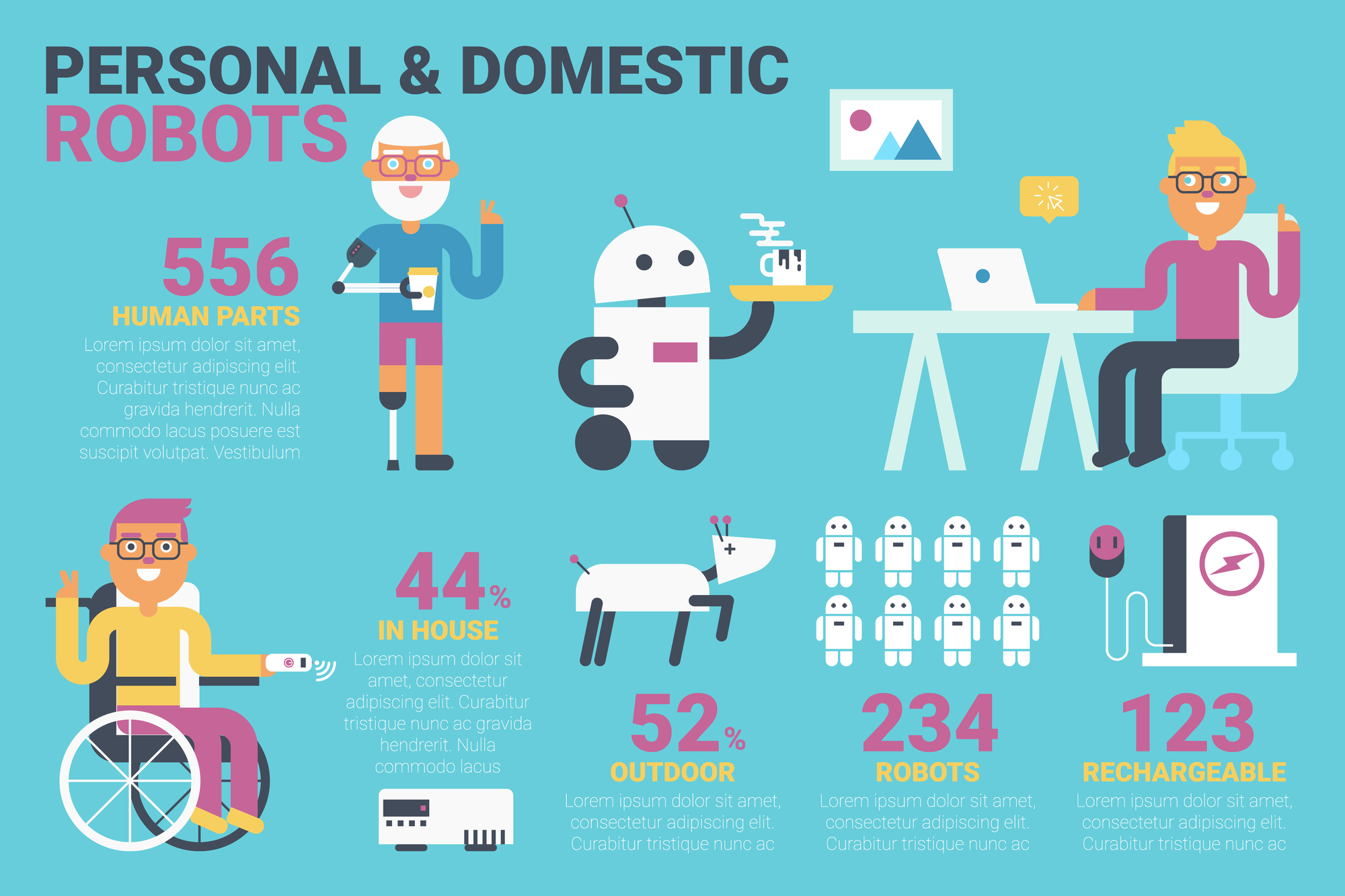
General Electric and Westinghouse both showed off prototype robots that could supposedly handle all housework. These machines were taller than most people, moved on wheels or tracks, and had mechanical arms for various tasks.
The robots could barely manage simple jobs like vacuuming in straight lines, and they couldn’t navigate stairs or adapt to different room layouts. Programming them to do anything useful required engineering knowledge that regular families didn’t have.
Weather control machines
Scientists genuinely believed they could build machines to control weather patterns and eliminate droughts or storms. Cloud seeding experiments showed some promise, and proposals for much larger systems got serious consideration.
The complexity of weather systems turned out to be far beyond what anyone in the 1950s understood. Attempts at larger-scale weather modification often made things worse, and the potential for weaponizing such technology raised international concerns.
Personal tv stations at home

Someone once thought families might run personal TV stations right from their living rooms. Back then, the machines were already around – just too costly and tricky to handle well.
It turned out folks preferred polished shows instead of shaky clips from next door. Years passed before handheld recorders proved capturing moments mattered more than sharing them live.
Sending signals wide needed tools most homes simply lacked.
Translating machines for instant communication

Back then people thought computers would instantly bridge every language gap. A demo by IBM plus Georgetown showed basic Russian phrases becoming English ones.
These systems managed just handfuls of vocabulary yet collapsed when faced with tricky sentence shapes or meaning hidden between lines. Turns out translating needs cultural awareness, something midcentury machines had no clue how to mimic.
Where optimism met reality

What we imagined in the 1950s versus what showed up tells a story about real-world progress. Microwave ovens and video chats took years – sometimes generations – to get right, yet they made it; atomic-powered vehicles, though, never stood a chance because the idea itself didn’t hold water.
Back then, many believed any invention that worked technically would naturally catch on, no matter how strange or unnecessary. Nowadays, new gadgets often follow the same path, landing in homes without anyone ever asking for them.
More from Go2Tutors!

- The Romanov Crown Jewels and Their Tragic Fate
- 13 Historical Mysteries That Science Still Can’t Solve
- Famous Hoaxes That Fooled the World for Years
- 15 Child Stars with Tragic Adult Lives
- 16 Famous Jewelry Pieces in History
Like Go2Tutors’s content? Follow us on MSN.