America’s Most Dangerous Wildlife
When most people think about dangerous animals in America, their minds jump to grizzly bears prowling through Yellowstone or rattlesnakes coiled in desert rocks. While these creatures certainly deserve respect, the reality of wildlife danger in the United States tells a surprisingly different story. The animals that pose the greatest statistical threat to humans aren’t always the ones with the biggest teeth or the most fearsome reputation.
From the remote wilderness of Alaska to the suburban backyards of Florida, America hosts an incredible diversity of wildlife that ranges from harmless to potentially lethal. Understanding which animals present real risks can help outdoor enthusiasts, homeowners, and travelers make informed decisions about safety precautions.
Here is a list of America’s most dangerous wildlife, based on statistical data, frequency of encounters, and severity of potential harm.
White-Tailed Deer

The innocent-looking white-tailed deer holds the dubious honor of being America’s deadliest wild animal. Deer collisions are thought to be responsible for as many as 440 human deaths per year, making them statistically more dangerous than any predator.
These deaths typically occur when deer dart into roadways, causing drivers to lose control or collide directly with the animal. The sheer abundance of deer across the country, combined with their unpredictable road-crossing behavior, creates countless dangerous encounters daily.
Peak danger periods occur during dawn and dusk hours when deer are most active and visibility is reduced.
Hornets, Wasps, and Bees

These buzzing insects pack a surprisingly deadly punch for their size. Annually, 40 to 50 people die from allergic reactions following stings, with 80.9% of hornet/bee/wasp fatalities came from men and 93.1% of those deaths were over the age of 35.
The danger isn’t necessarily the venom itself, but rather severe allergic reactions called anaphylaxis that can be fatal without immediate medical attention. Africanized honey bees, sometimes called ‘killer bees,’ are particularly aggressive and will pursue threats much farther than typical honeybees.
The recent arrival of Asian giant hornets in the Pacific Northwest has added another concerning element to this category.
Like Go2Tutors’s content? Follow us on MSN.
American Bison

Standing at 6ft and weighing a hefty 1.5 tons, the American Bison is the biggest land animal in the United States of America. These massive herbivores might seem docile while grazing, but they’re incredibly unpredictable and can charge at speeds up to 35 miles per hour.
Most bison injuries occur in national parks like Yellowstone, where tourists underestimate the animals’ speed and aggression. Bison view humans as potential threats and will defend their territory or young aggressively.
Their thick skulls can deliver devastating blows, and their horns can gore victims with lethal force.
American Black Bears
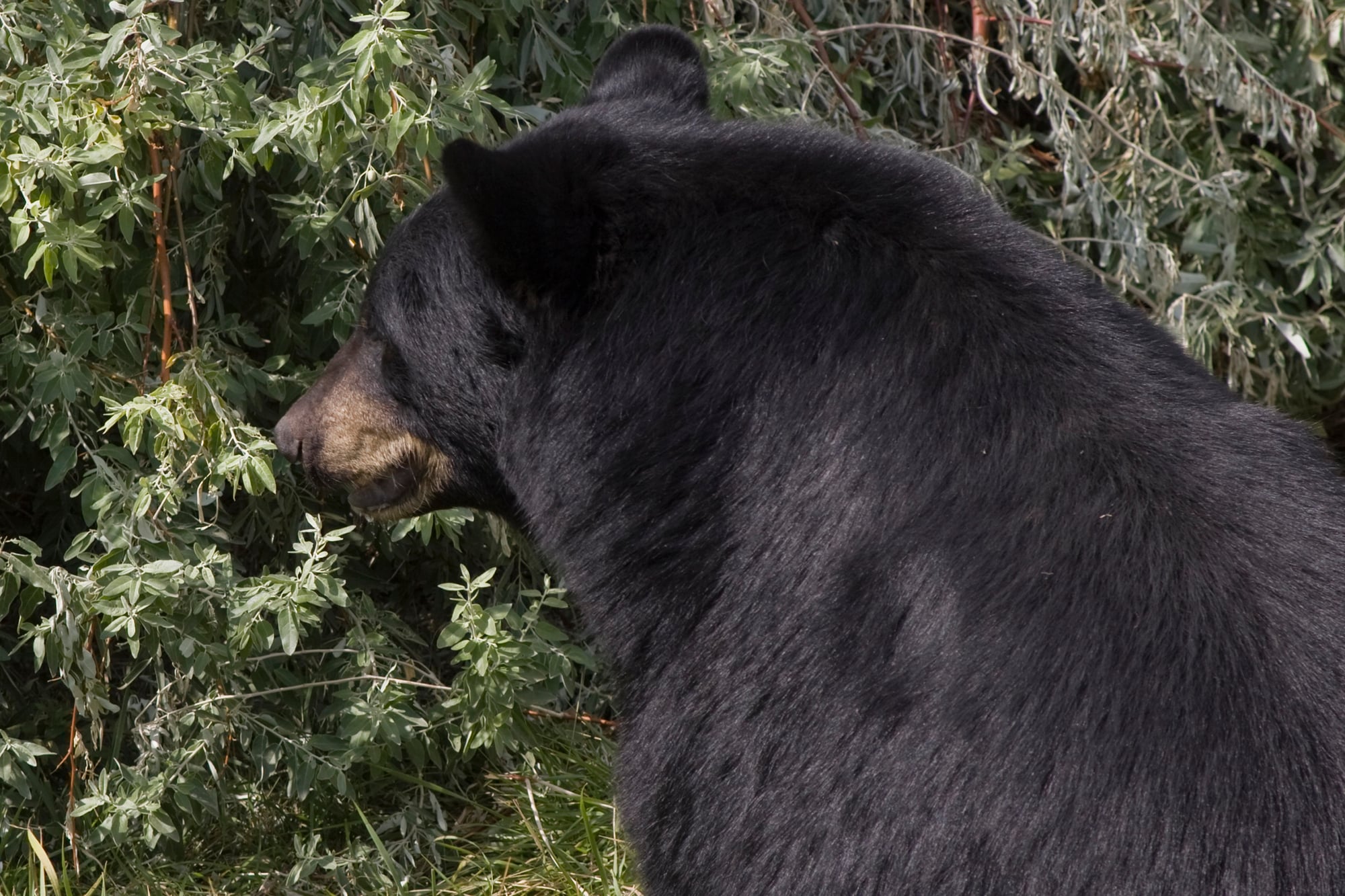
Black bears are the most widely distributed bear species in North America and the one humans are most likely to encounter. While generally less aggressive than grizzlies, black bears can still be extremely dangerous when protecting cubs, defending food sources, or feeling cornered.
Most bear attacks result from surprise encounters on hiking trails or when bears are attracted to campsites by improperly stored food. Unlike brown bears, black bears are excellent climbers, making trees an ineffective escape route.
Brown Bears (Grizzlies)
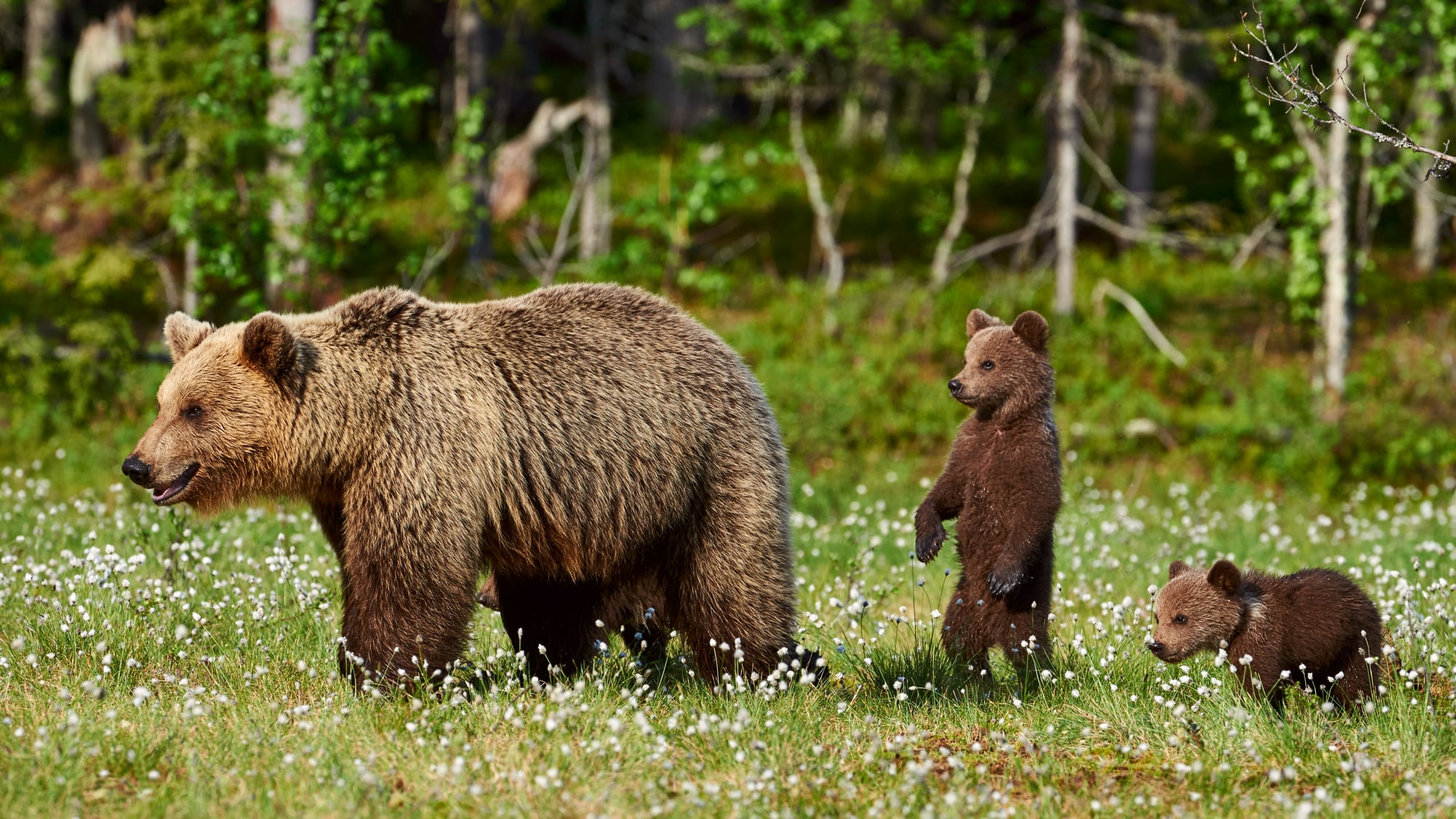
Grizzlies are the most aggressive types and extra precaution is needed when in their territory. These massive predators can weigh up to 800 pounds and run faster than a racehorse over short distances.
Grizzly encounters are relatively rare due to their limited range in the lower 48 states, but they’re extremely dangerous when they occur. Mother bears with cubs are particularly unpredictable and will attack to defend their offspring.
Alaska sees the highest number of brown bear incidents, often involving hunters, hikers, or fishing enthusiasts in remote areas.
Like Go2Tutors’s content? Follow us on MSN.
Mountain Lions
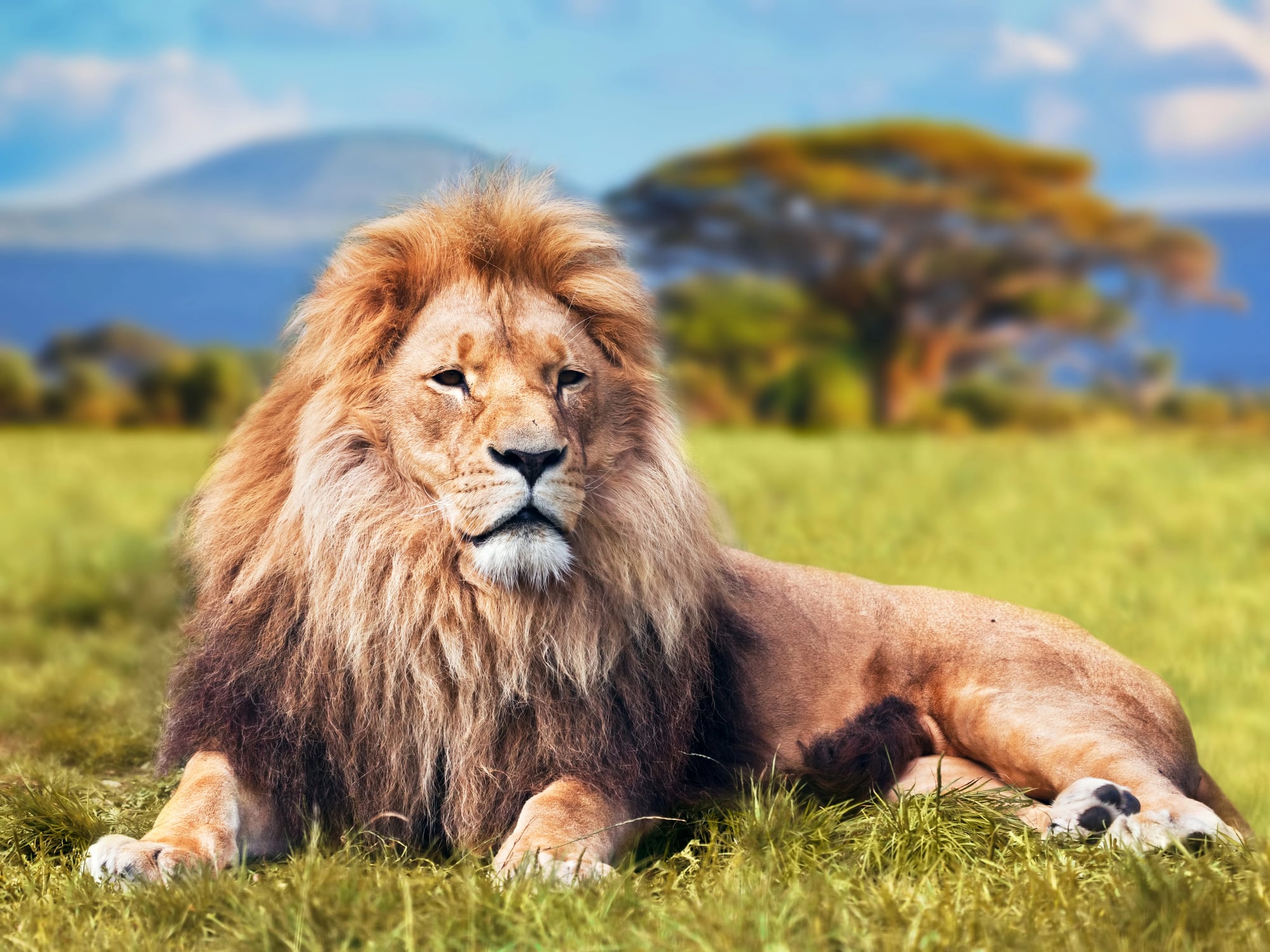
Over 130 attacks have been reported in North America in the past 100 years, with 28 attacks resulting in fatalities. Also known as cougars, pumas, or panthers, these big cats are stealthy hunters that prefer to ambush prey.
Since 1890 there have been at least 32 fatal mountain lion attacks on humans, and more than 170 nonfatal attacks. California leads the nation in mountain lion encounters due to expanding suburban development into traditional cougar habitat.
Joggers, cyclists, and small children face the highest risk because their movement patterns can trigger the cat’s chase instinct.
Venomous Snakes

America hosts numerous species of venomous snakes, including rattlesnakes, copperheads, coral snakes, and cottonmouths. An estimated 8,000 people are bitten by venomous snakes every year in the USA.
Fatalities are pretty rare, however, with just five per year. The relatively low death rate reflects improvements in medical care and antivenom availability.
Rattlesnakes account for the majority of serious envenomations, particularly in southwestern states. Most bites occur when people accidentally step on or handle snakes, often while hiking or working in yards.
Alligators

These prehistoric predators inhabit freshwater systems throughout the southeastern United States, with Florida and Louisiana hosting the largest populations. Between 1948 and 2021, there have been 442 unprovoked bite incidents in the country, 26 of which were fatal.
Alligators typically avoid humans but can become aggressive when protecting nests or if they associate people with food sources. The expansion of human development into wetland areas has increased encounter frequency.
Swimming, fishing, or walking dogs near water in alligator territory carries inherent risks.
Like Go2Tutors’s content? Follow us on MSN.
Polar Bears
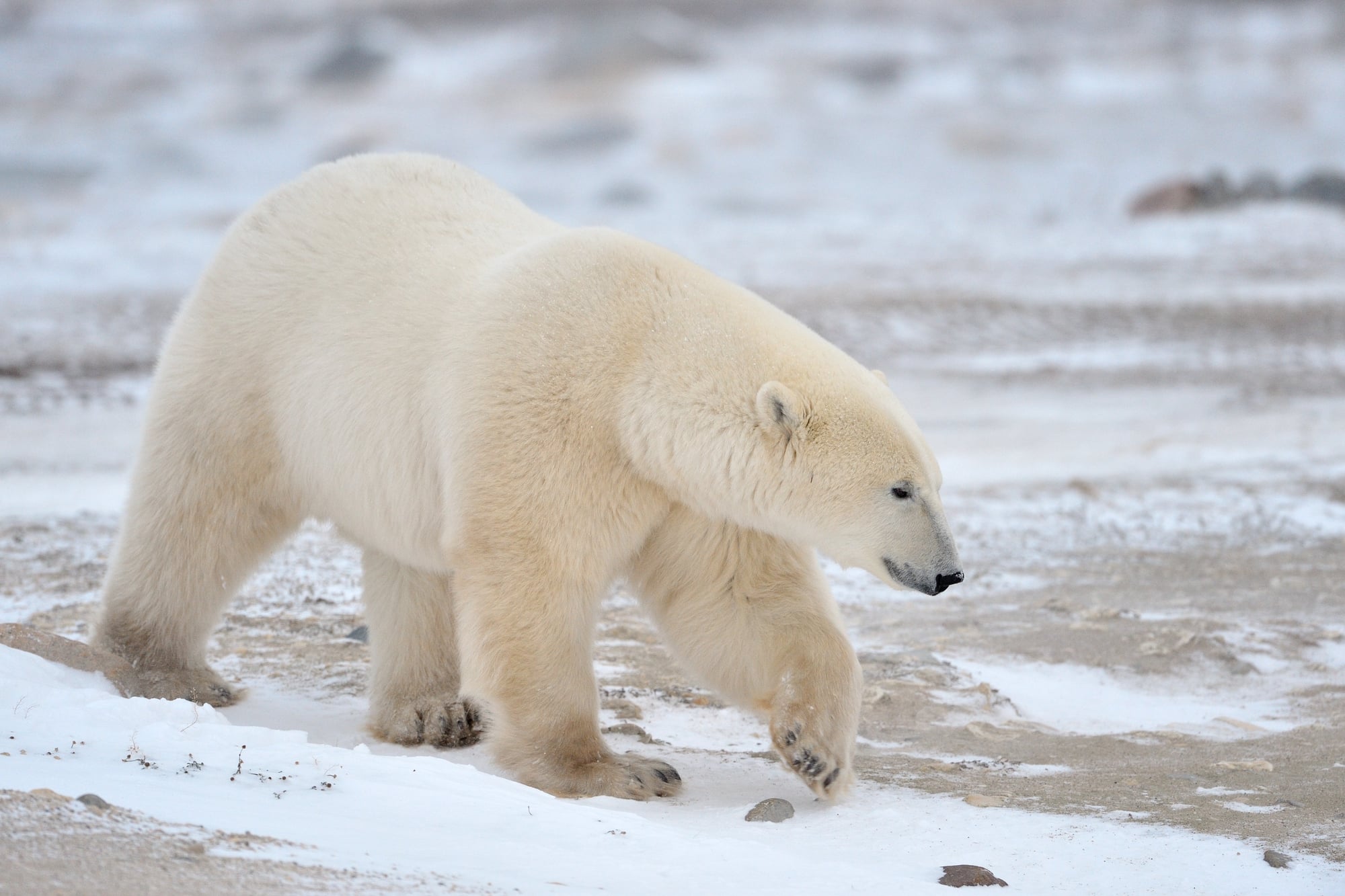
A 2017 study published in Wildlife Society Bulletin revealed there were 73 confirmed polar bear attacks, 20 of which were fatal, between 1870 and 2014. These massive Arctic predators are among the most dangerous bears due to their size, strength, and lack of natural fear toward humans.
Climate change is forcing polar bears to spend more time on land, potentially increasing human encounters in northern Alaska and Canada. Unlike other bear species, polar bears actively hunt humans as prey when the opportunity arises.
Black Widow Spiders

The female black widow spider carries venom more potent than a rattlesnake’s, though she delivers much smaller quantities. 0.05mg of the venom administered from a single bite of this eight-legged pest is enough to kill a human; in fact, 36 deaths were recorded as a result of Black Widow bites in a 25 year period from 1965 to 1990.
These spiders prefer dark, undisturbed areas like garages, basements, and woodpiles. Most bites occur when people unknowingly disturb the spider’s web or reach into areas where they’re hiding.
Brown Recluse Spiders

The brown recluse spider earns its dangerous reputation through necrotic venom that destroys tissue around bite sites. While deaths are rare, brown recluse bites can cause severe wounds that take months to heal and may require skin grafts.
These spiders are most common in the south-central United States and prefer indoor hiding spots like closets, attics, and stored boxes. The distinctive violin-shaped marking on their back helps identify them, though their reclusive nature means most people never see them before being bitten.
Like Go2Tutors’s content? Follow us on MSN.
The Reality Behind the Numbers

Today’s wildlife danger landscape reflects a complex interplay between human expansion, conservation successes, and changing animal behavior patterns. You may be scared of scorpions and bears, but animal interactions rarely turn deadly, with most fatalities resulting from chance encounters rather than predatory behavior.
The data reveals that our most dangerous ‘wildlife’ are often the animals we see most frequently – deer on roadways, farm animals in rural areas, and stinging insects in our backyards. Understanding these patterns helps us appreciate both the genuine risks and the remarkable safety record of human-wildlife coexistence in modern America.
More from Go2Tutors!

- 16 Historical Figures Who Were Nothing Like You Think
- 12 Things Sold in the 80s That Are Now Illegal
- 15 VHS Tapes That Could Be Worth Thousands
- 17 Historical “What Ifs” That Would Have Changed Everything
- 18 TV Shows That Vanished Without a Finale
Like Go2Tutors’s content? Follow us on MSN.