Ancient Empires That Suddenly Disappeared
History books are filled with powerful kingdoms that ruled for centuries, building massive cities and changing the world around them.
But some of these empires didn’t fade slowly or get conquered in epic battles.
They just vanished, leaving behind empty cities and more questions than answers.
So what happened to these once-thriving civilizations?
Let’s dig into some of the strangest disappearances in human history.
The Indus Valley Civilization
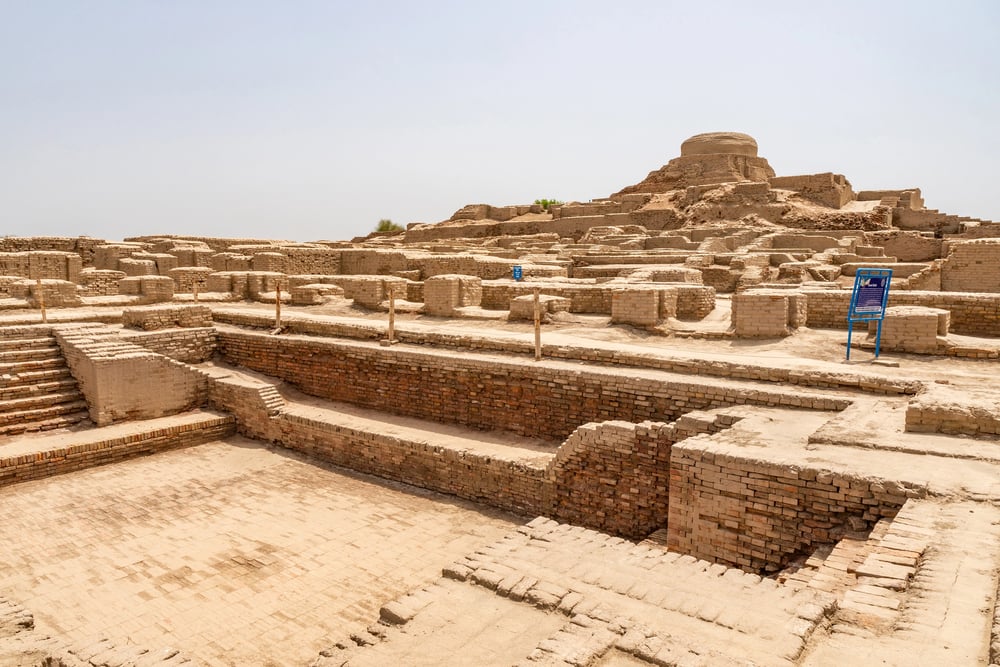
Around 1900 BCE, one of the world’s most advanced civilizations simply stopped existing.
The Indus Valley people had built incredible cities like Mohenjo-Daro and Harappa, complete with drainage systems that wouldn’t be matched for thousands of years.
Their cities housed tens of thousands of people who traded goods across vast distances.
Then everyone just packed up and left.
Nobody wrote down why, and researchers are still scratching their heads trying to figure it out.
The Aksumite Empire
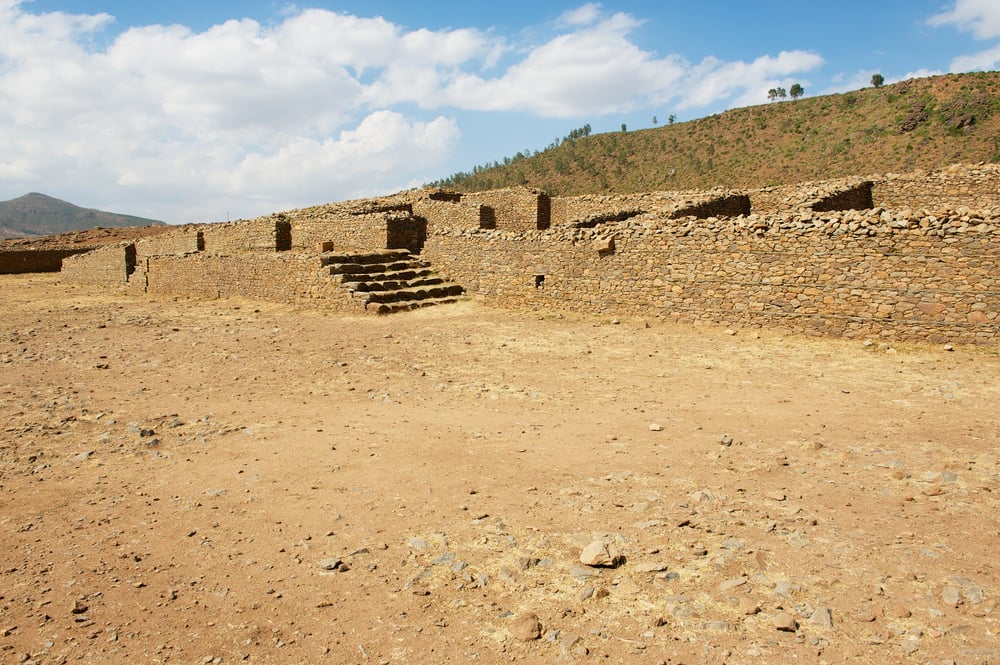
This African powerhouse controlled trade routes between Rome and India for centuries.
Aksum minted its own coins, built towering stone monuments, and even adopted Christianity as a state religion in the 4th century.
Ancient writers listed it alongside Rome, Persia, and China as one of the four great powers of the world.
Then it all started falling apart in the 7th century.
Trade routes dried up, probably because of climate shifts and new Islamic powers blocking their access to the coast, and Aksum just faded into the mountains.
The Mycenaean Greeks
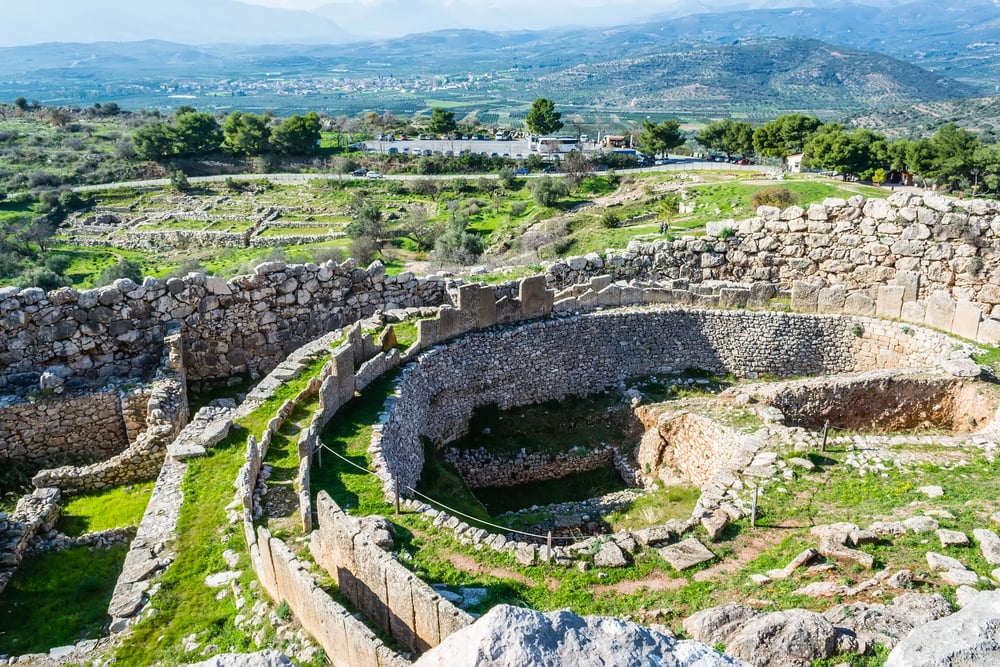
Before classical Greece gave us philosophers and democracy, the Mycenaeans ran things.
They built massive palaces, supposedly fought that famous Trojan War everyone’s heard about, and created the first Greek writing system.
Then around 1200 BCE, their palaces burned down one after another.
Some historians blame mysterious “Sea Peoples” who apparently wrecked havoc across the Mediterranean.
Others think earthquakes, droughts, or maybe just people getting fed up with their rulers did them in.
The Olmec Civilization
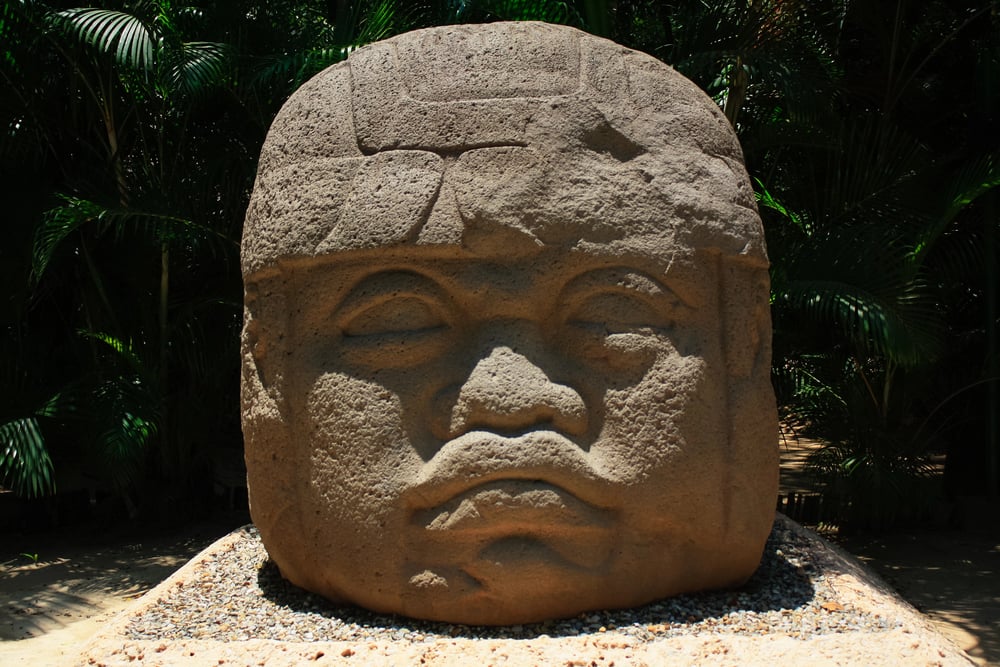
Long before anyone heard of the Aztecs or Maya, the Olmec were doing their thing in Mexico.
They carved those famous enormous stone heads that weigh as much as several cars and set up trade networks that stretched across the region.
Their culture thrived from about 1500 to 400 BCE, and then their cities got destroyed and abandoned.
Maybe a volcano erupted.
Maybe enemies attacked.
Maybe the environment turned against them.
The Olmec didn’t leave much writing behind, so we’re mostly guessing.
The Hittite Empire
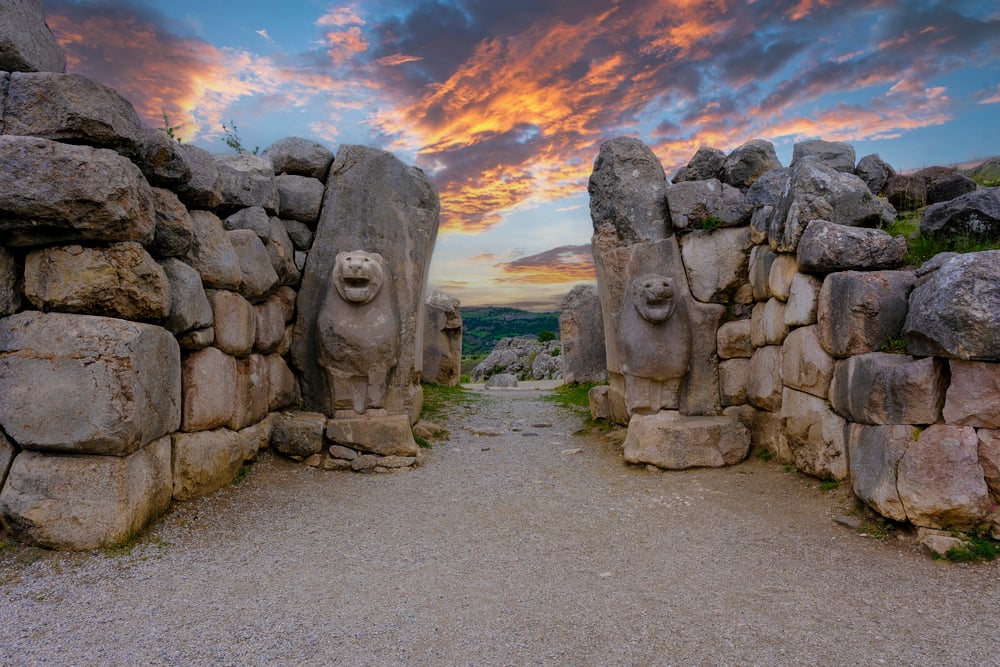
The Hittites controlled a huge chunk of what’s now Turkey and Syria, going toe-to-toe with Egypt for control of the ancient world.
They figured out how to work with iron before most other civilizations, which gave them a serious advantage.
Around 1200 BCE, their capital burned to the ground, and within a few decades, the whole empire collapsed.
Whatever took down the Mycenaeans probably got the Hittites too, leaving historians to piece together fragments of what went wrong.
The Khmer Empire
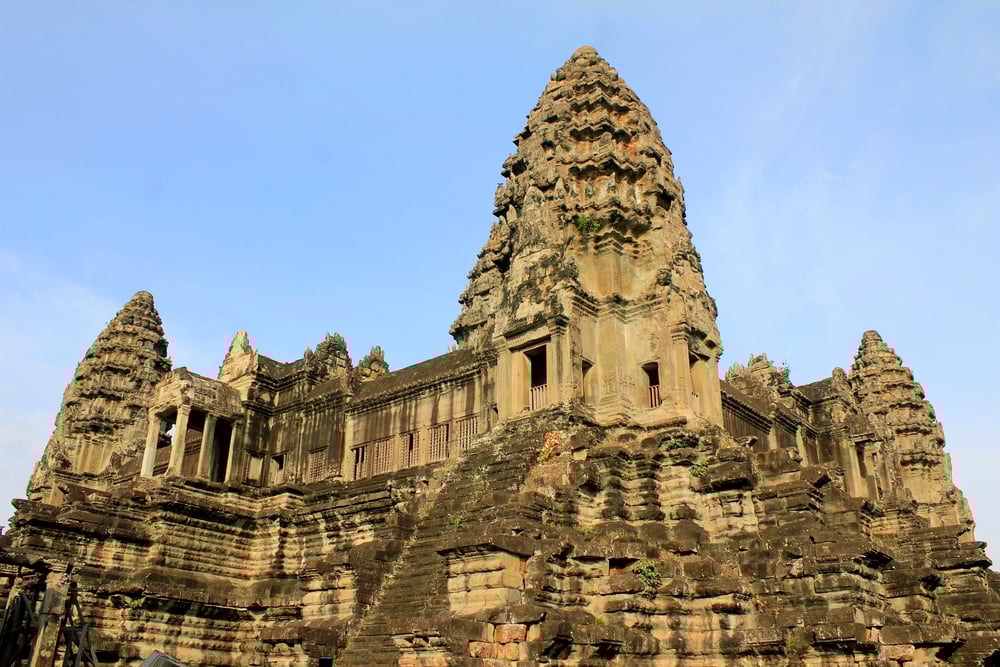
Angkor Wat still stands today, showing off just how skilled the Khmer builders were.
At its peak, Angkor was one of the biggest cities anywhere, supporting nearly a million people through clever water systems.
By the 15th century, though, the Khmer had abandoned their stunning capital.
Turns out those water systems were too rigid.
When the weather got weird, causing both droughts and floods, everything fell apart, and people had to move on.
The Nabataean Kingdom
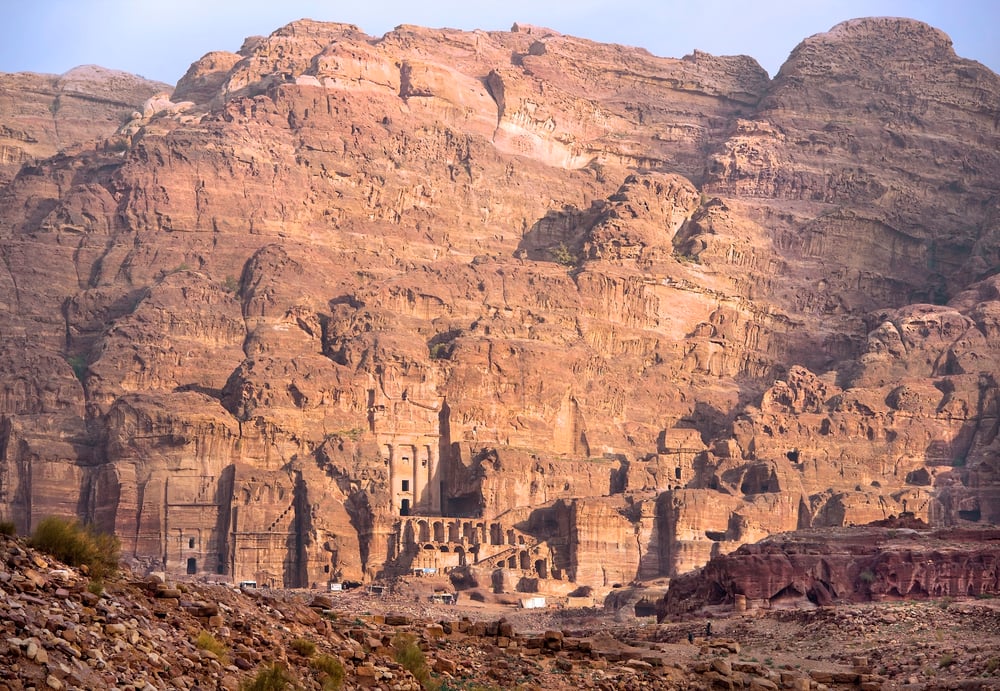
These Arab traders carved Petra straight into cliff faces, creating that famous rose-red city tourists flock to see.
The Nabataeans got rich controlling trade routes between Arabia, Egypt, and Syria.
Romans took over in 106 CE and redirected the trade routes away from Petra.
The city didn’t disappear overnight, but slowly emptied out as the money dried up, until there was nothing left but empty buildings and desert wind.
The Minoans
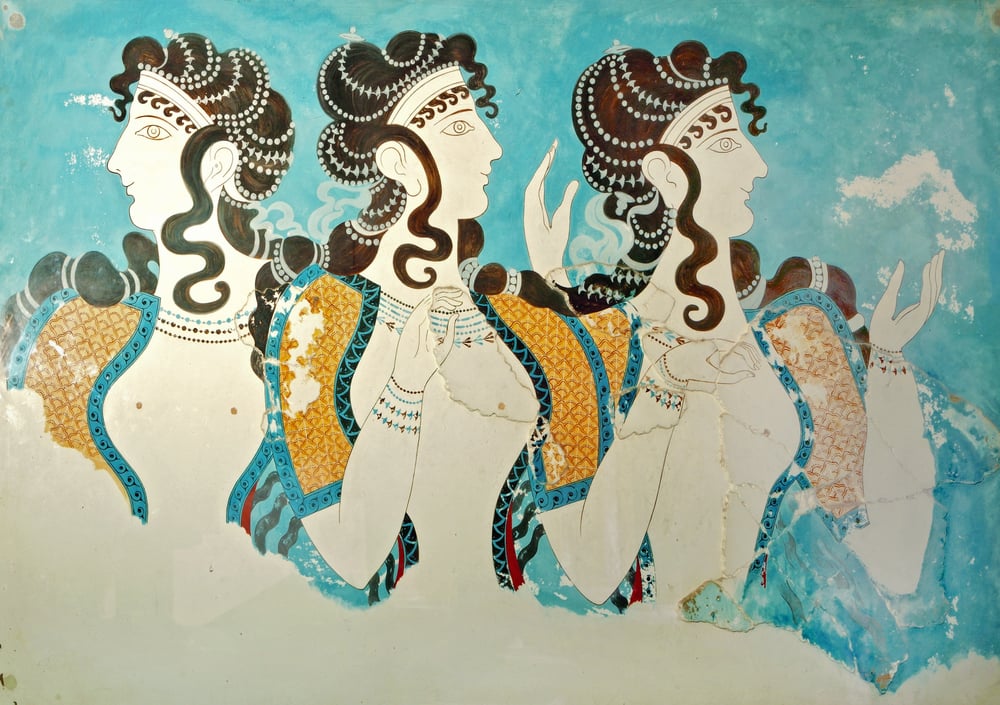
On Crete, the Minoans built Europe’s first really advanced civilization with big palaces and beautiful art.
Their ships controlled trade across the Mediterranean, and Greek mythology borrowed heavily from their culture.
Around 1450 BCE, destruction hit Minoan sites all across the island.
A massive volcano erupted on nearby Santorini, probably causing tsunamis and destroying crops.
Some think invading Mycenaeans finished the job, but either way, the Minoans never bounced back.
The Ancestral Puebloans
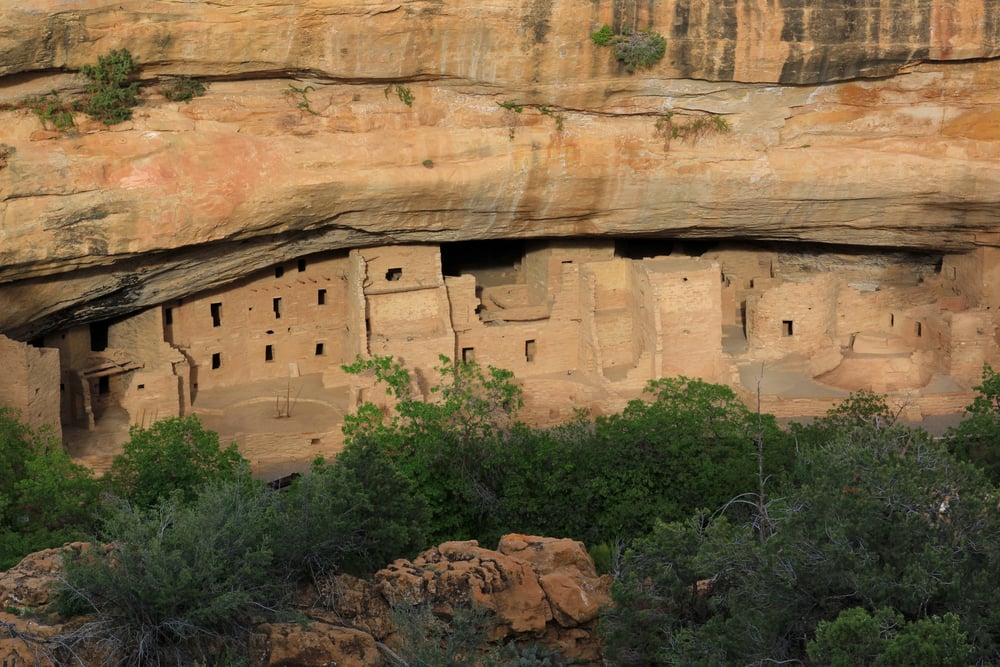
These Native Americans built those famous cliff dwellings in the American Southwest that look like they’re hanging off the sides of canyons.
Places like Mesa Verde and Chaco Canyon showed they really knew their stuff when it came to building and astronomy.
In the late 1200s, they abandoned everything and moved away.
Tree rings tell the story: a terrible drought hit and just wouldn’t quit, making it impossible to grow food anymore.
The Kingdom of Kush
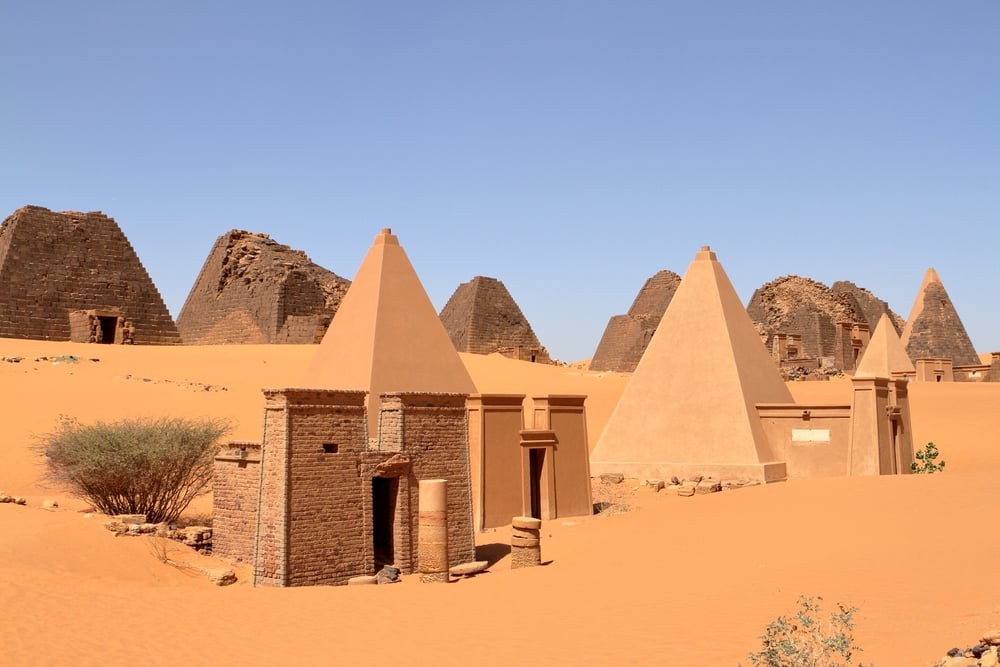
South of Egypt, the Kushites built their own pyramids, even conquered Egypt for a while, and controlled important gold and iron deposits.
Their capital, Meroe, had iron smelting operations that would make a modern factory jealous.
Around 350 CE, the Kingdom of Aksum invaded and wrecked Meroe.
But honestly, Kush was already struggling before that.
Trade had moved elsewhere, and all that iron production might have damaged the environment enough to make living there harder.
The Tiwanaku Empire

Way up in the Andes near Lake Titicaca, the Tiwanaku built ceremonial centers that influenced cultures all over South America.
They lasted nearly a thousand years, figuring out how to farm successfully at crazy high altitudes.
Then around 1000 CE, a long drought hit and their farming systems couldn’t handle it.
People scattered into smaller groups, leaving behind the impressive stone structures their ancestors had spent generations building.
The Mississippian Culture
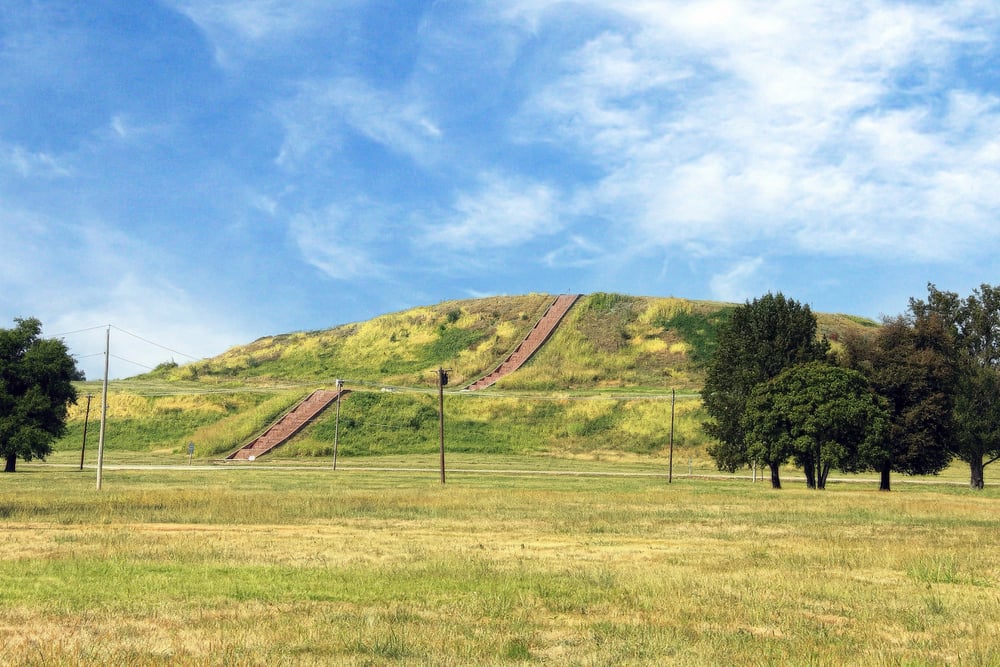
Cahokia, near where St. Louis is now, used to be bigger than London.
The Mississippian people built enormous earthen mounds and connected communities across North America through trade.
By 1400 CE, everyone had left.
They’d cut down too many trees, worn out the soil, and the climate wasn’t cooperating anymore.
Running such a huge city became impossible, so people moved to smaller settlements where life was more manageable.
The Silla Kingdom
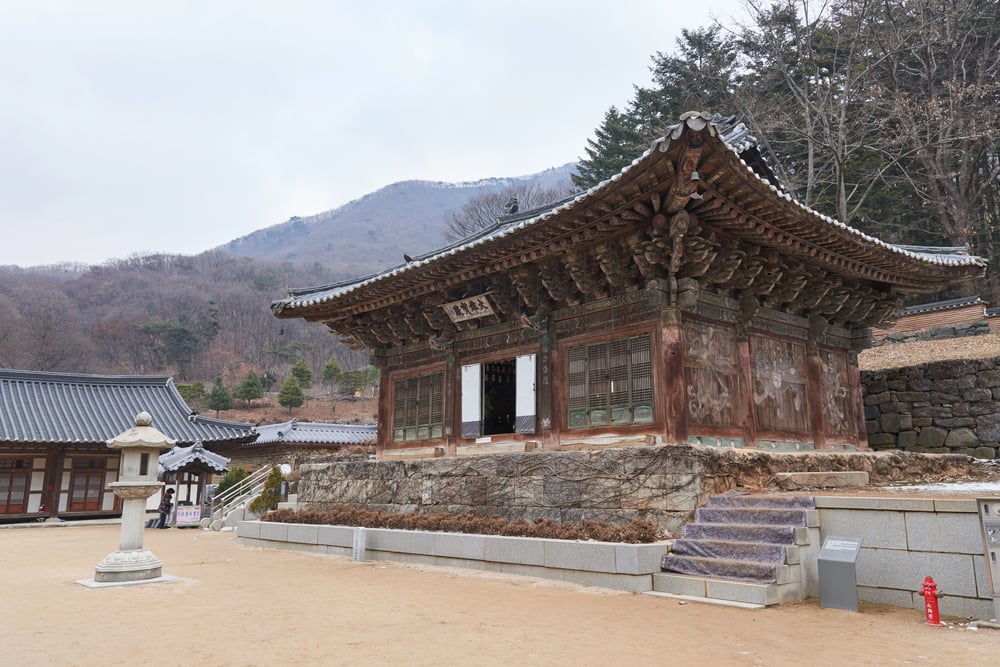
This Korean kingdom unified most of the Korean Peninsula and stuck around for nearly a thousand years.
Their capital, Gyeongju, became one of the biggest cities in Asia with amazing Buddhist temples.
But in the 9th century, the ruling families started fighting each other for power.
The government lost control, peasants rebelled because they were tired of the chaos, and eventually regional powers just carved up what was left of Silla.
The Dilmun Civilization
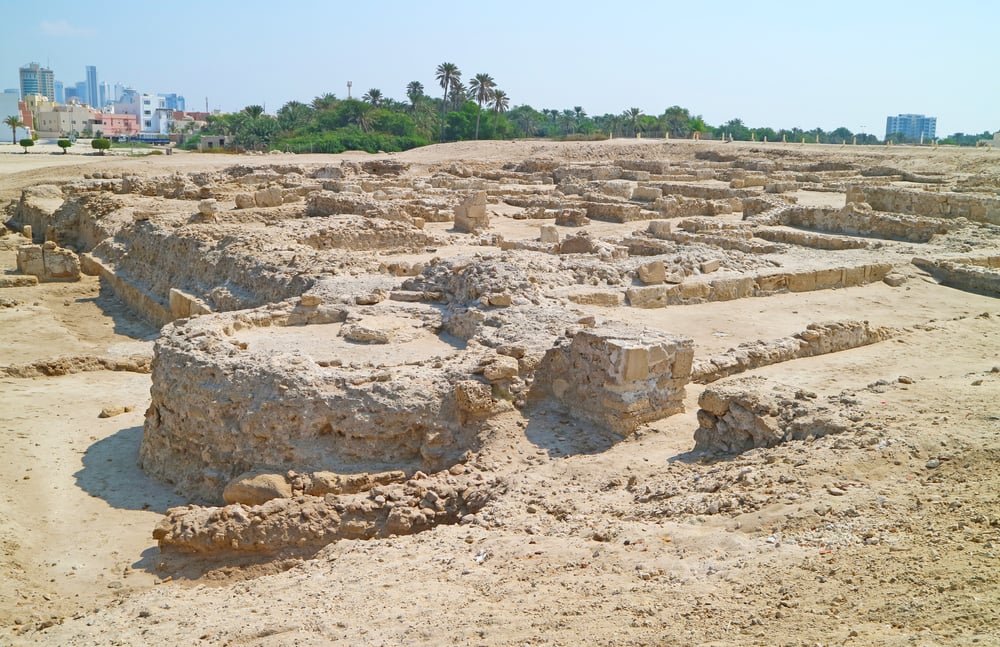
In modern-day Bahrain, Dilmun was the place to be if you wanted to trade between Mesopotamia and the Indus Valley.
Ancient writers talked about it as this prosperous land, and some even thought it might be the Garden of Eden.
Dilmun did great for over 2,000 years before things went south around 600 BCE.
Trade routes changed, bigger empires like Babylon and Persia moved in, and Dilmun’s glory days ended.
The Norte Chico Civilization

Along Peru’s coast, the Norte Chico built some of the oldest cities in the Americas around 3000 BCE.
They constructed huge platform mounds and somehow managed to thrive without pottery or signs of warfare, which is pretty unusual.
Around 1800 BCE, they abandoned their coastal cities and headed inland.
Earthquakes and climate changes probably messed with the coastline enough that staying put didn’t make sense anymore.
The Harappan port city of Lothal
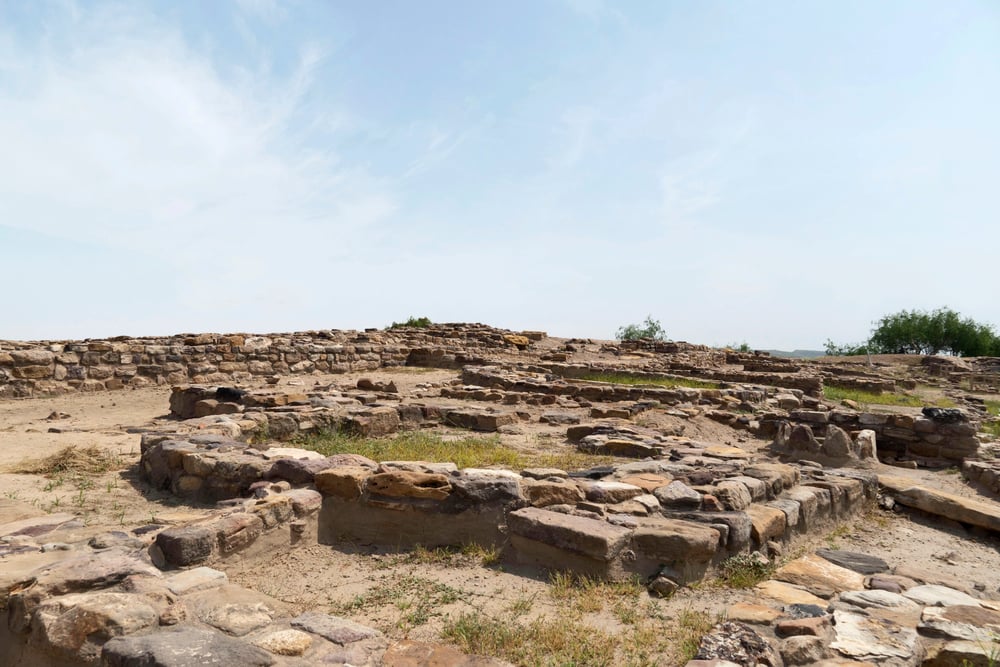
Lothal was part of the bigger Indus Valley Civilization, but it deserves its own mention because of its sophisticated dockyard and bead-making workshops.
This coastal city connected the Indus Valley to trade routes across the Arabian Sea.
When civilization declined around 1900 BCE, people slowly left Lothal behind.
Rivers changed course, trade died down, and the once-busy port ended up landlocked and useless.
When the dust settles
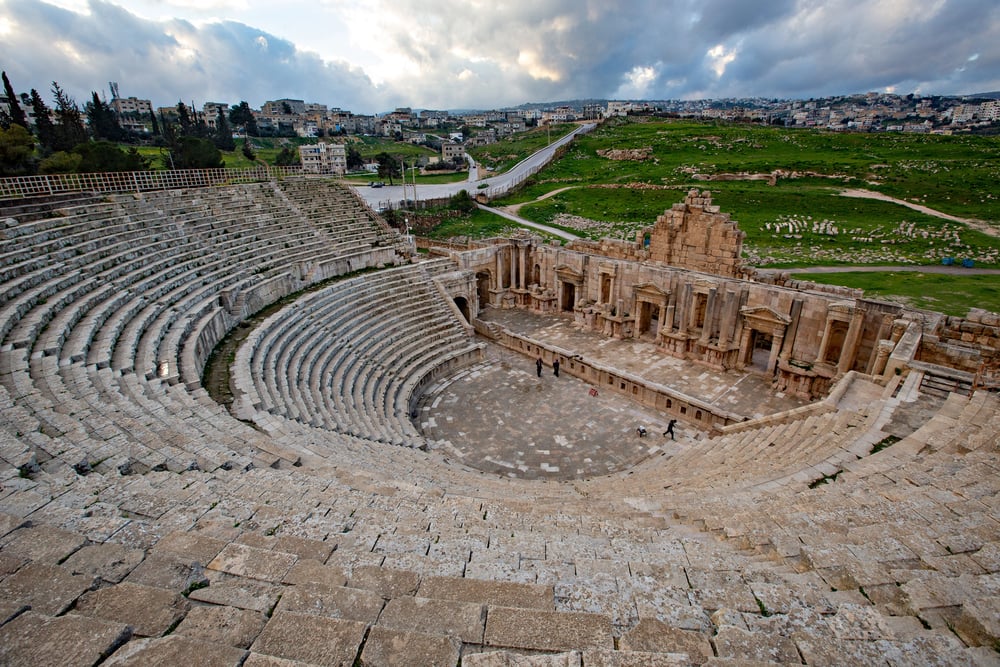
These vanished empires show us that no civilization lasts forever, no matter how powerful it seems at the time.
Climate change, environmental damage, and shifts in trade wiped out societies that had thrived for hundreds or thousands of years.
The patterns feel uncomfortably familiar today.
Learning why these empires disappeared might help us spot the warning signs in our own time and hopefully make better choices than they did.
More from Go2Tutors!

- 16 Historical Figures Who Were Nothing Like You Think
- 12 Things Sold in the 80s That Are Now Illegal
- 15 VHS Tapes That Could Be Worth Thousands
- 17 Historical “What Ifs” That Would Have Changed Everything
- 18 TV Shows That Vanished Without a Finale
Like Go2Tutors’s content? Follow us on MSN.