Most Crowded Cities on Earth Ranked
Standing shoulder-to-shoulder in a bustling marketplace, pressed against strangers on a subway platform during rush hour, or gazing out at an endless sea of apartment buildings stretching to the horizon — these are the moments when you truly feel the weight of human density. Some cities have perfected the art of fitting millions of people into impossibly small spaces, creating urban landscapes where every square foot matters and solitude becomes a luxury.
The numbers tell one story, but the lived experience tells another entirely.
Manila
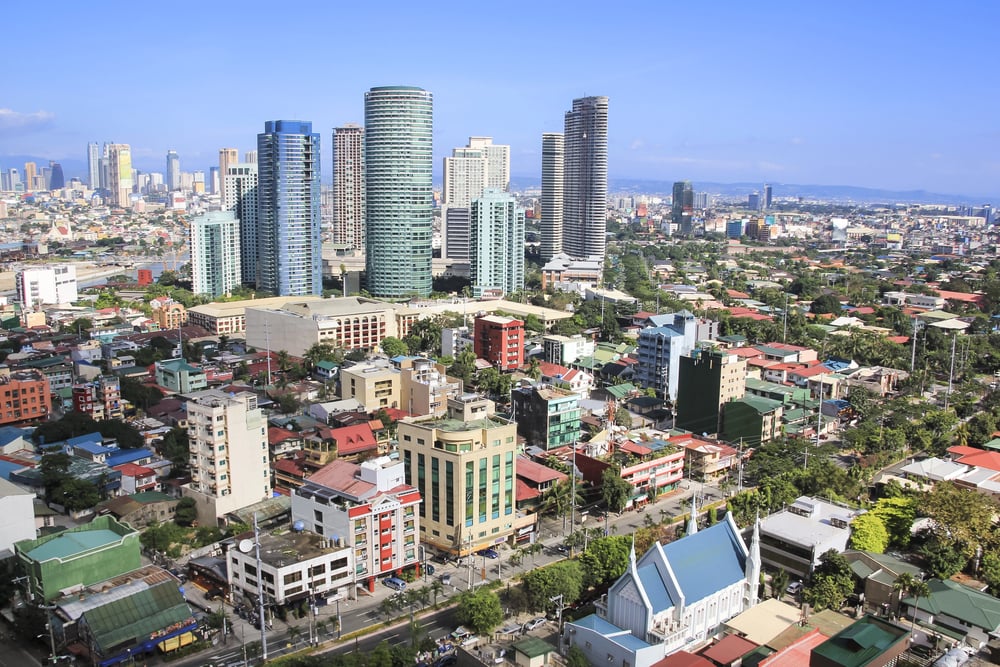
Manila doesn’t mess around with space. Over 1.7 million people packed into just 15 square miles.
The math is brutal and the reality matches.
Pateros
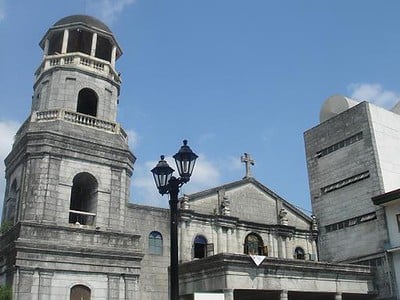
This small municipality in Metro Manila takes density to another level. Nearly 65,000 people per square kilometer.
Most visitors can’t wrap their heads around it until they’re actually there.
Mandaluyong
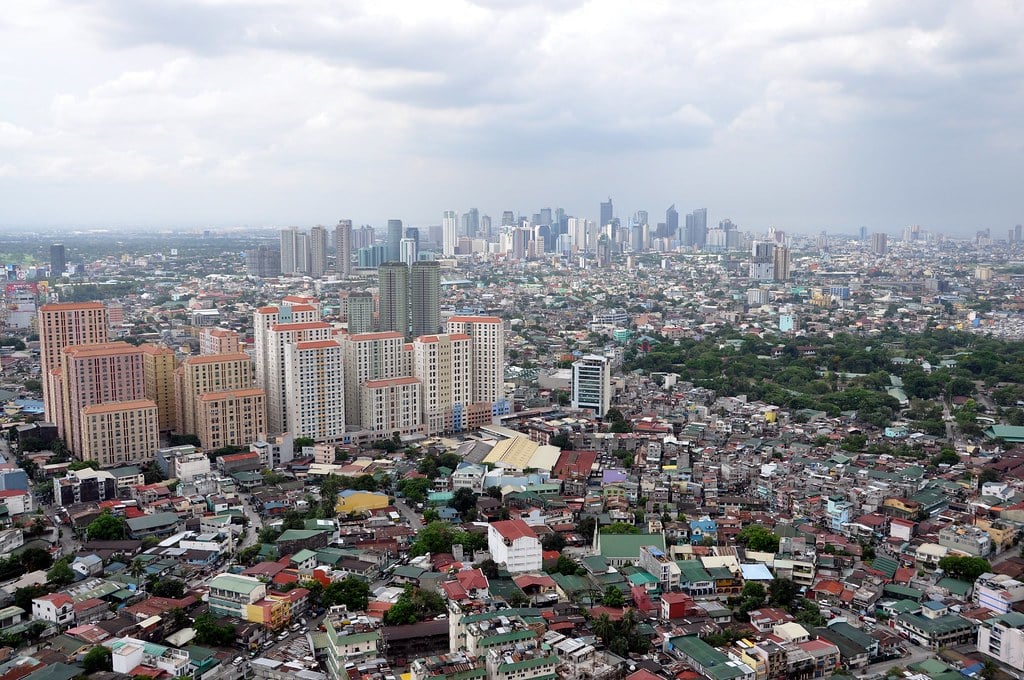
So here’s what happens when you try to build a modern business district on top of an already crowded residential area: you get Mandaluyong, where glass towers cast shadows on tin-roofed homes and executive parking lots sit next to street vendors hawking breakfast to commuters who’ve been standing in traffic for an hour (which, to be fair, is pretty much everyone). And yet the whole thing somehow works — or at least functions well enough that people keep showing up, keep building higher, keep squeezing more life into spaces that seemed full a decade ago.
But then again, that’s the story of every major city in Metro Manila.
The residential neighborhoods here operate like vertical villages where neighbors know each other’s schedules by the sound of footsteps on metal stairs, where laundry hung from windows creates an accidental canopy over narrow alleys, and where the corner store owner can predict what you need before you walk through the door because patterns emerge when people live this close together.
Pasig
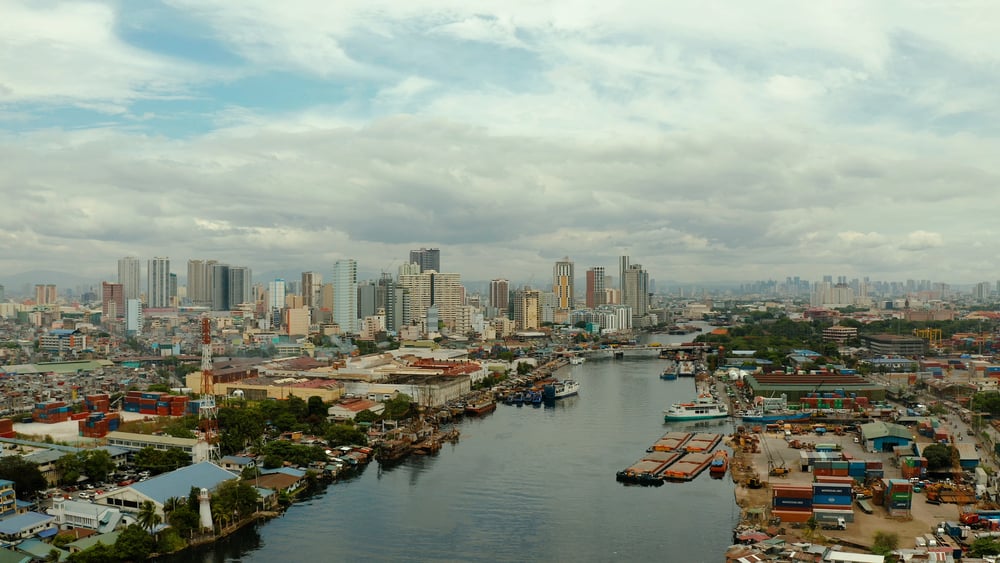
Think of a river as the spine of a city, and Pasig makes perfect sense. The waterway carved the shape, but people filled in every possible gap with a determination that borders on stubborn.
Commerce flows along the banks like water used to, before development turned the natural curves into straight-edged channels. To be fair, when you have limited land and unlimited demand, compromise becomes a survival skill.
Taguig
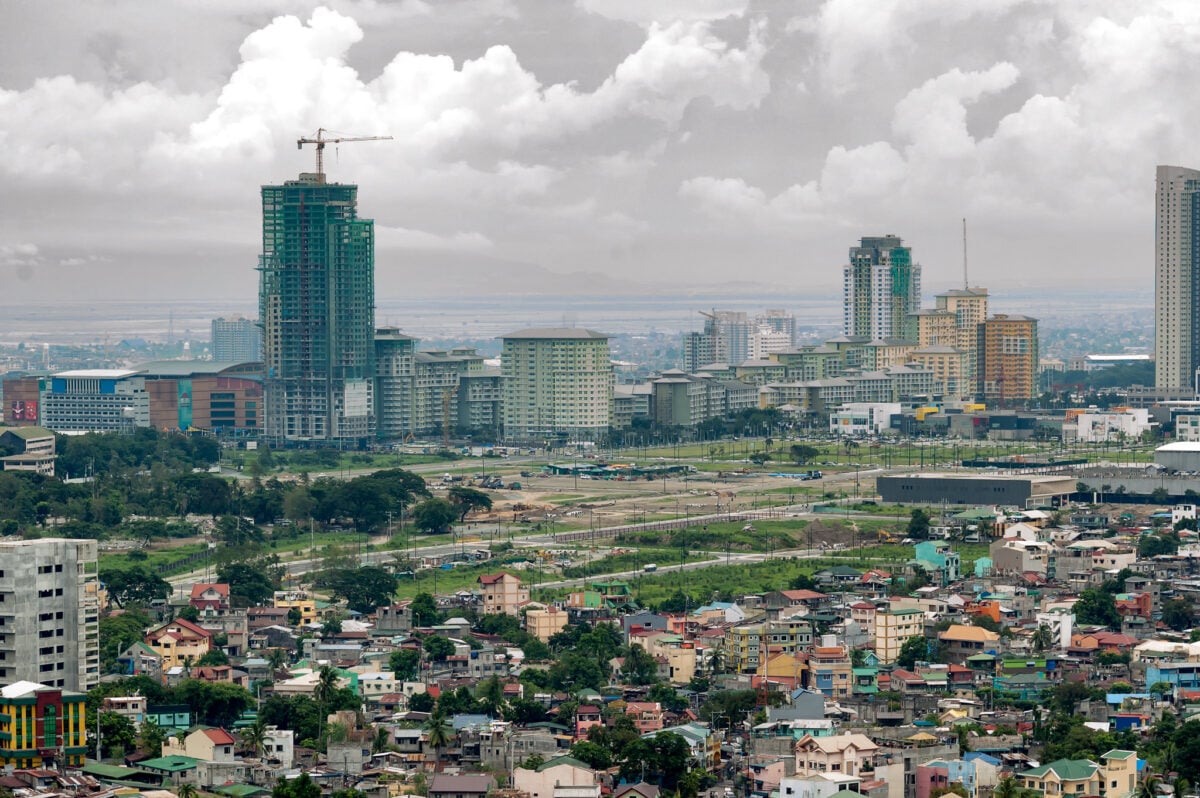
Taguig proves that modern city planning can coexist with extreme density, though the definition of “coexist” depends entirely on your tolerance for construction noise.
The Bonifacio Global City district feels like someone copy-pasted Singapore onto Metro Manila — wide sidewalks, organized traffic flow, buildings that seem to breathe. Step outside that bubble and the contrast hits immediately.
San Juan
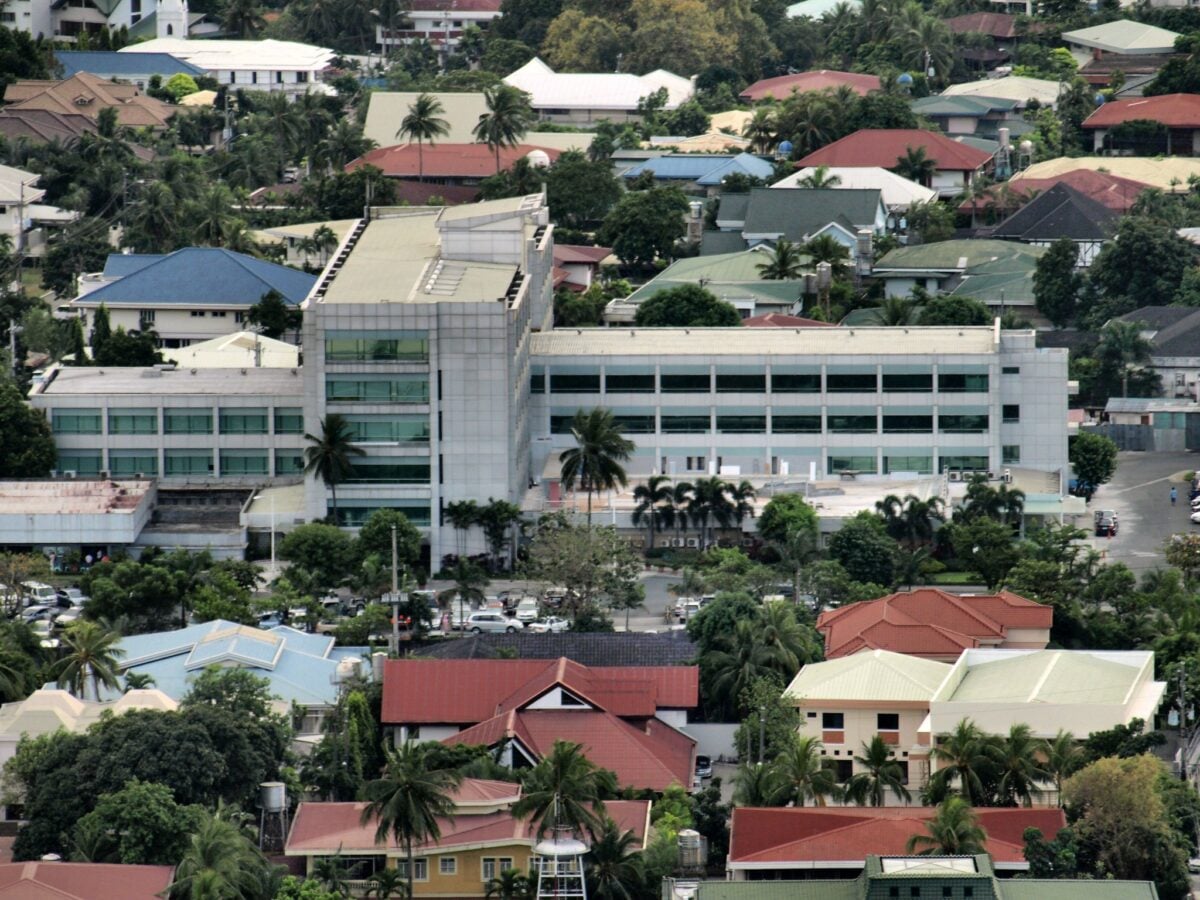
Here’s the thing about San Juan: it’s technically one of the smallest cities in the Philippines, but it houses more people per square kilometer than most countries fit into entire provinces.
The streets weren’t designed for this many cars, this many people, or this much commerce happening simultaneously. Yet every morning, the whole system somehow untangles itself and gets moving again.
Which is saying something.
Makati
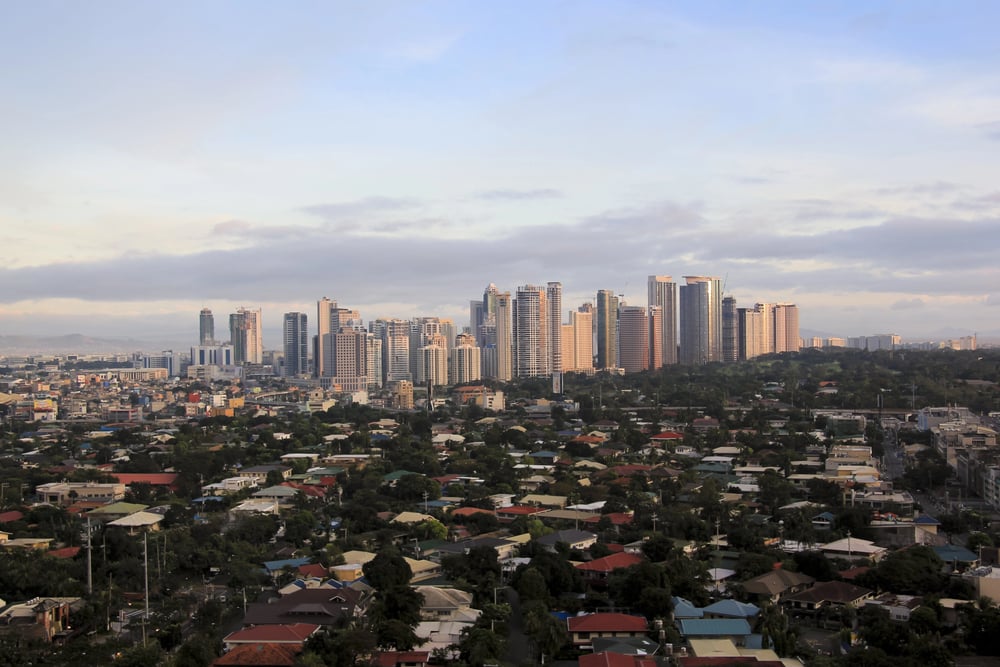
Picture a chess board where every square holds a skyscraper, and the spaces between squares have been filled with smaller buildings, and the spaces between those have sprouted food carts and parking meters and flower vendors who’ve learned to work around the geometry of perpetual motion. That’s Makati on a Tuesday afternoon — or any afternoon, really, because time moves differently when you’re navigating around this many people with this many separate destinations.
During lunch hour, the sidewalks become rivers of office workers flowing toward restaurants, malls, and food courts with the kind of efficiency that emerges naturally when everyone learns the unspoken rules of crowd movement. Nobody teaches you that the left side of the escalator is for walking or that eye contact with strangers lasts exactly as long as it takes to confirm you’re not about to collide, but somehow everyone knows.
The business district pulses with a rhythm that’s both frantic and predictable — rush hour traffic that crawls forward like a patient but persistent tide, construction projects that reshape the skyline every six months, and the steady hum of air conditioning units working overtime to keep millions of people comfortable in spaces designed to maximize productivity rather than comfort.
Marikina
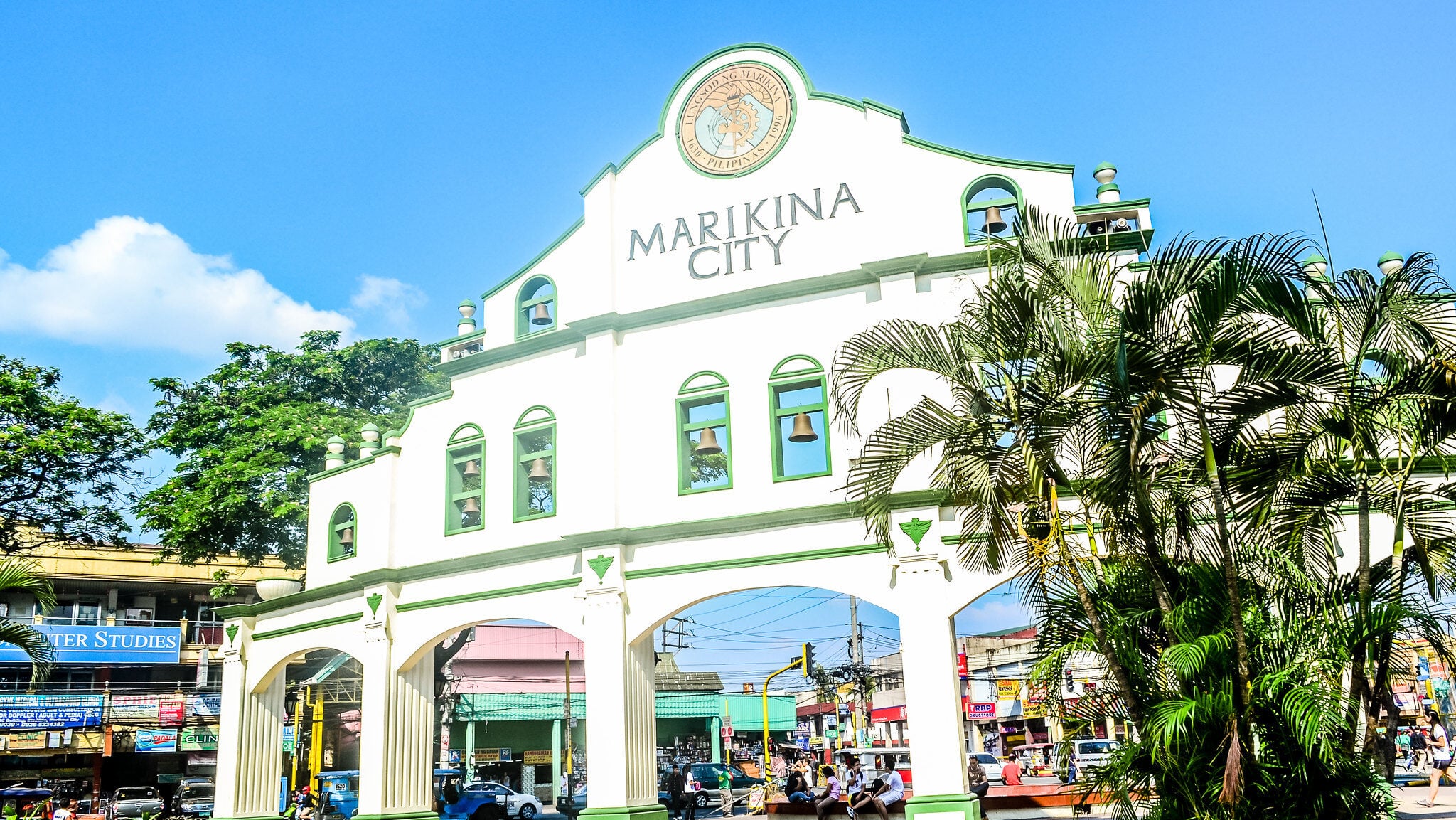
Marikina deserves credit for turning density into an art form. Clean streets, organized neighborhoods, and a river that actually looks like water instead of concrete.
The city manages to feel spacious even when the numbers say otherwise. Good planning beats raw crowding every time, though both are usually present.
Quezon City
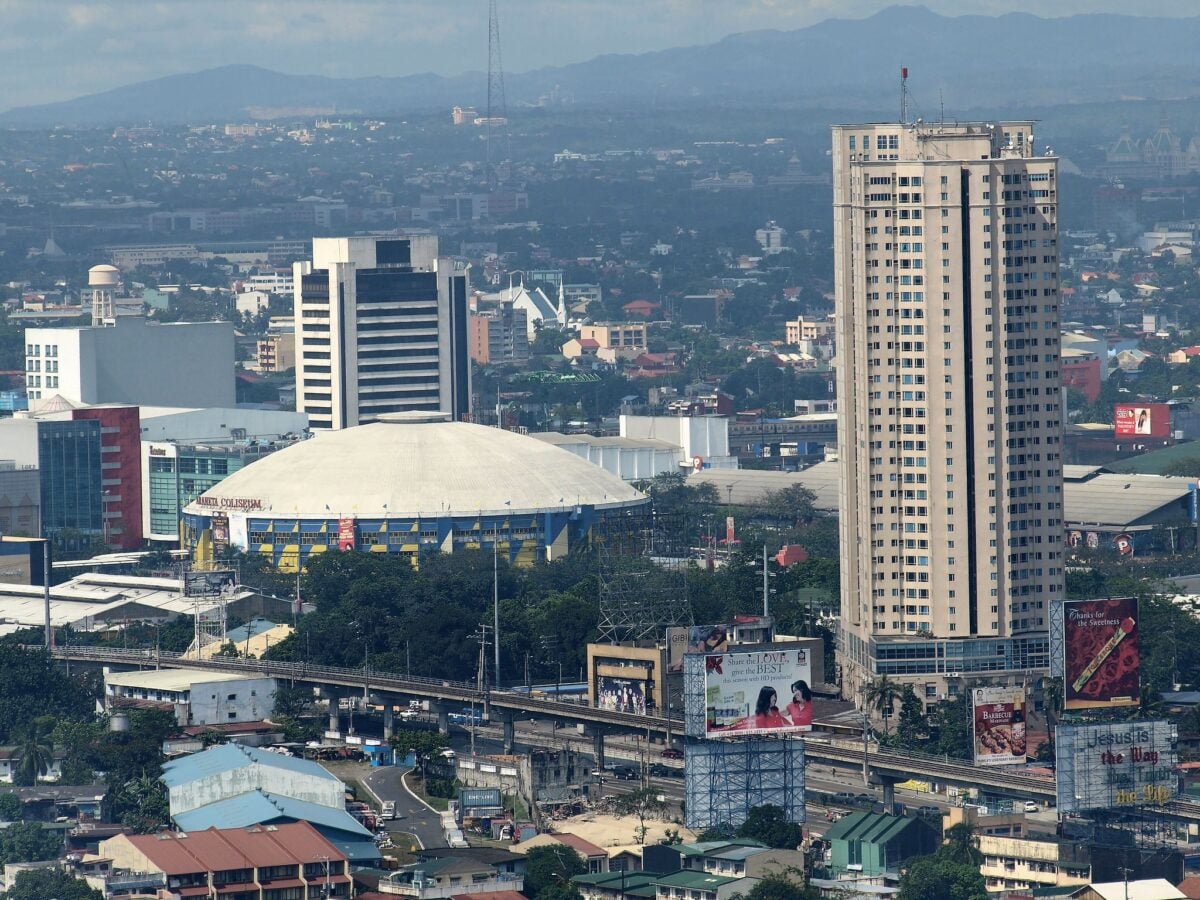
The largest city in Metro Manila by area still manages to pack people in like they’re running out of room. Which, given the traffic patterns here, might actually be true.
University districts bring their own brand of chaos — students, professors, street food, bookstores, and coffee shops layered into neighborhoods that were residential twenty years ago. The density feels different when it’s built around learning instead of just surviving.
Pasay
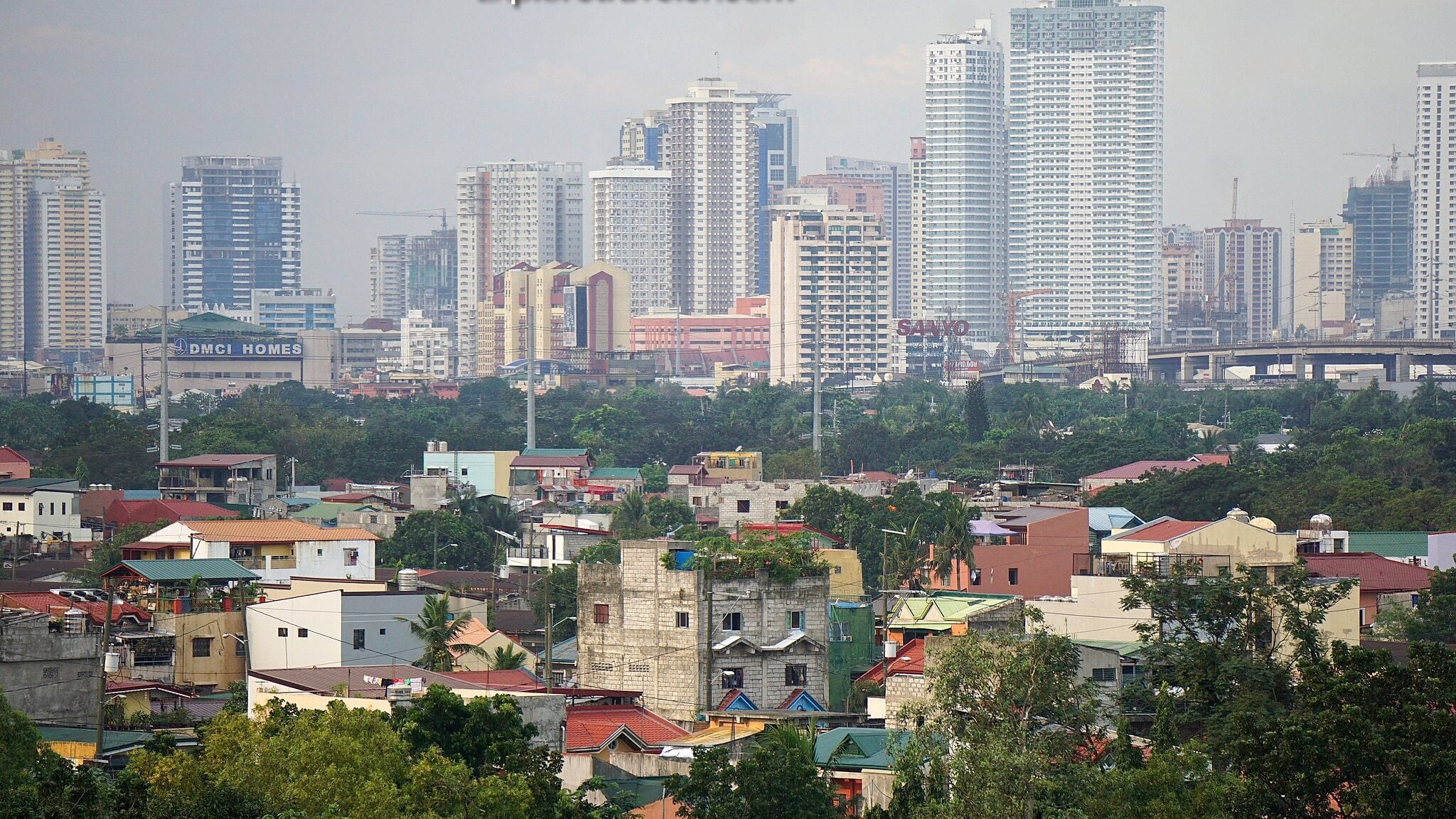
Living near an international airport means noise, but it also means the kind of transient energy that keeps a place moving at all hours.
Pasay handles more daily foot traffic than some countries see in a month. Hotels, malls, entertainment complexes, and residential areas stacked together in combinations that work better in practice than they look on paper.
Caloocan
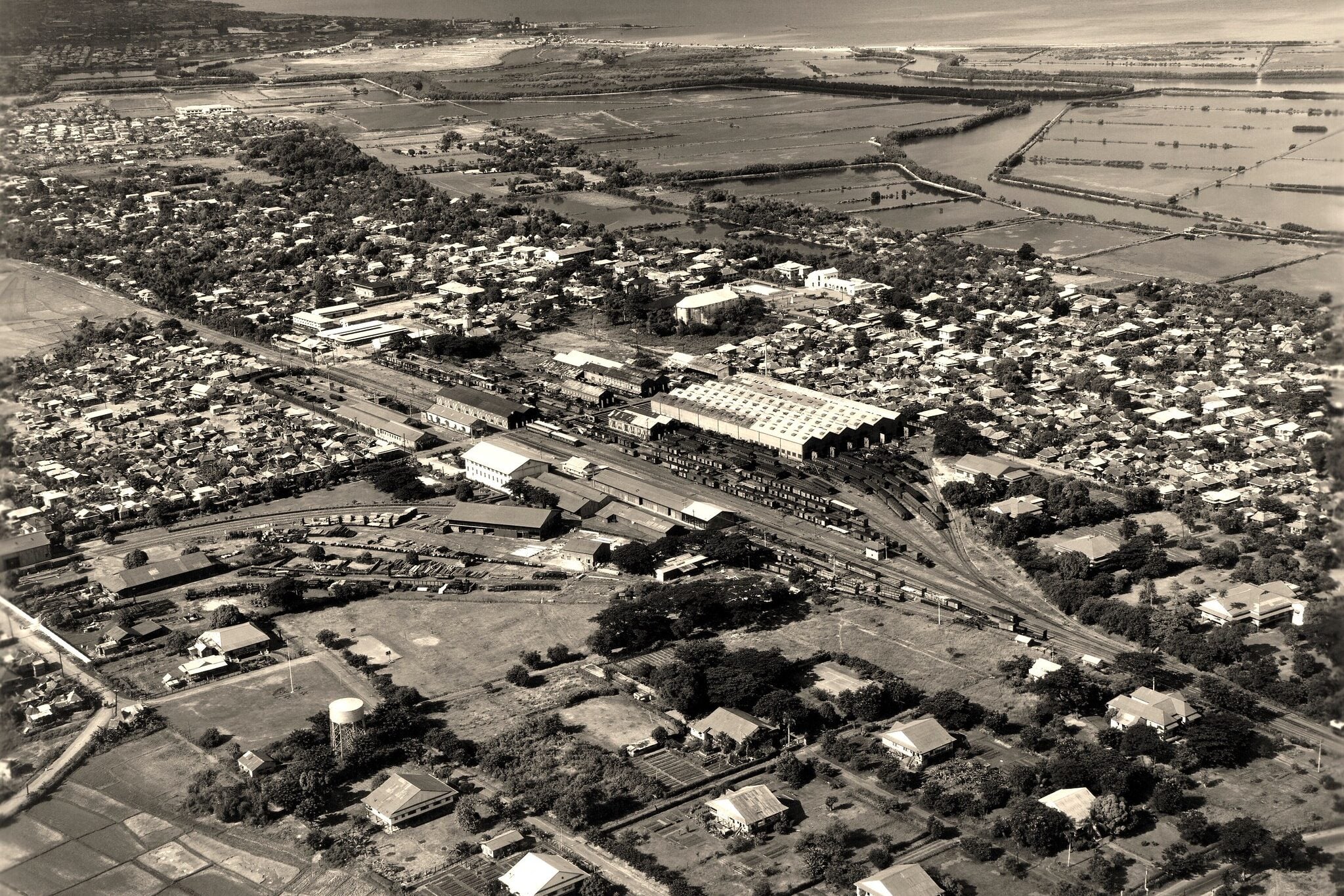
North and south sections of Caloocan feel like different cities entirely, but both pack people into residential areas with the efficiency of places that learned to maximize space through necessity rather than choice.
Industrial zones mixed with family neighborhoods create a density that’s more horizontal than vertical. Wide doesn’t always mean spacious when enough people call it home.
Muntinlupa
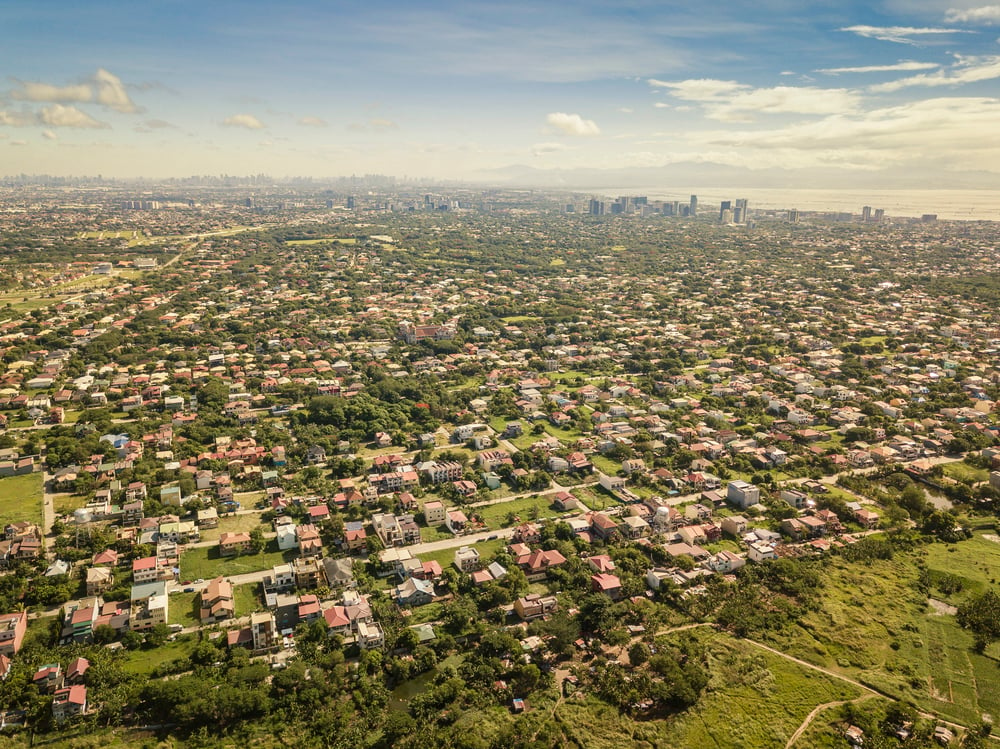
The southern edge of Metro Manila where suburban planning meets urban population numbers. Shopping centers anchor neighborhoods that spread outward in patterns that feel almost spacious until you count the actual residents.
Muntinlupa manages to feel less claustrophobic than its northern neighbors while still housing more people per square mile than most cities would consider reasonable.
Paranaque
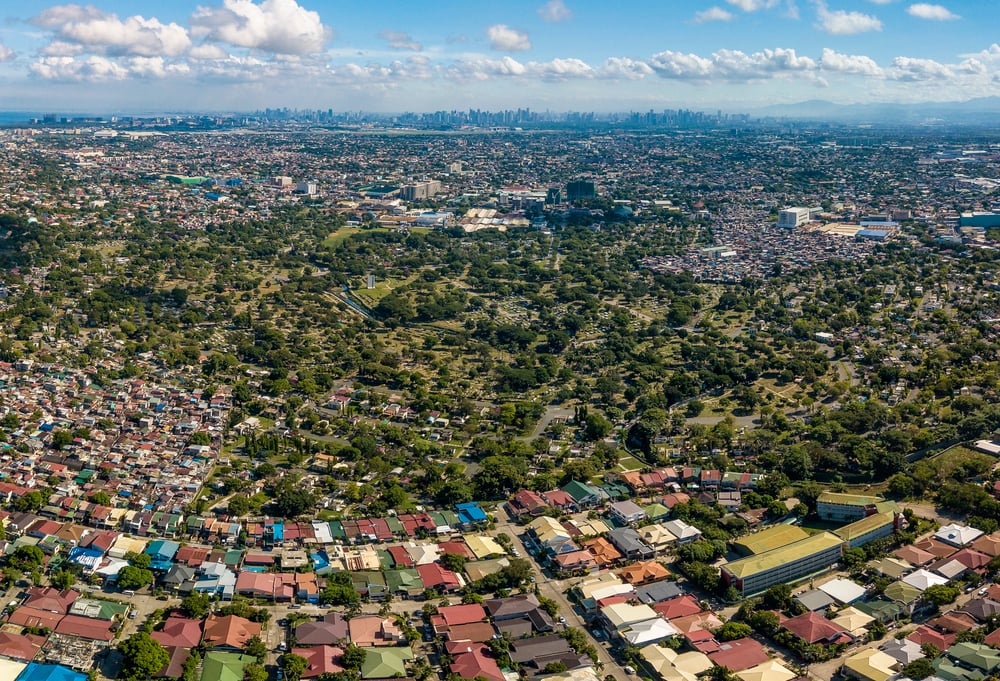
Between the airport and the bay, Paranaque fits an impressive number of people into spaces that flood during heavy rain and bake during dry season.
The coastal areas bring their own challenges — salt air, seasonal weather, and the kind of humidity that makes density feel even more intense. But proximity to water also means breezes that inland areas don’t get, which matters more than it sounds when you’re sharing space with this many neighbors.
The Weight of Numbers
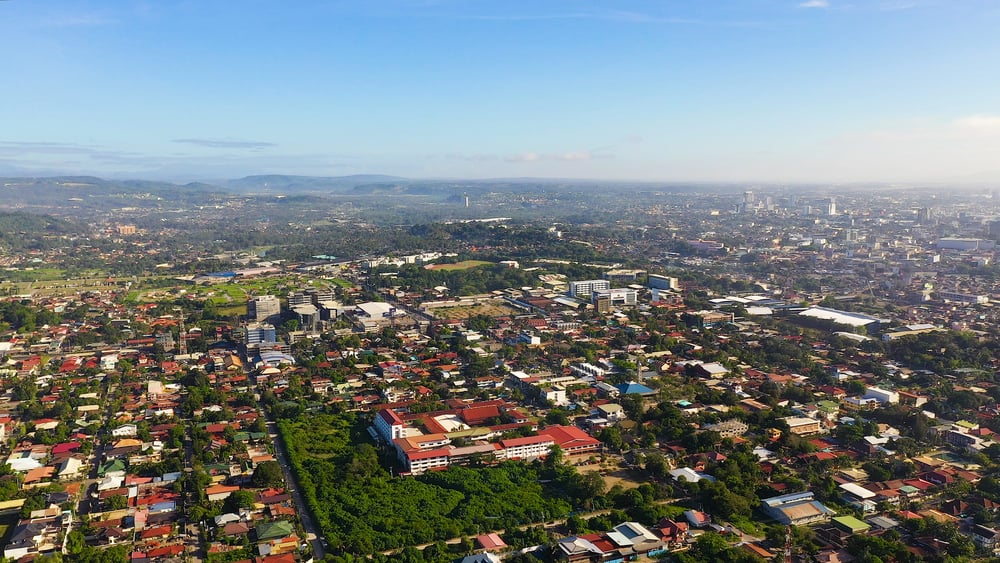
These cities don’t just house people — they reshape how humans relate to space, privacy, and each other. Density this extreme changes the rhythm of daily life in ways that statistics can’t capture.
The real measure isn’t people per square kilometer, but how those people create communities that function despite every logical reason they shouldn’t work at all.
More from Go2Tutors!

- The Romanov Crown Jewels and Their Tragic Fate
- 13 Historical Mysteries That Science Still Can’t Solve
- Famous Hoaxes That Fooled the World for Years
- 15 Child Stars with Tragic Adult Lives
- 16 Famous Jewelry Pieces in History
Like Go2Tutors’s content? Follow us on MSN.