16 Insects With Strange Behaviors
Insects make up about 80% of all animal species on Earth, and with millions of them crawling, flying, and burrowing around us, they’ve developed some truly weird ways to survive. Some of these behaviors seem almost alien, while others are just downright creepy.
From bugs that turn other creatures into zombies to insects that explode themselves for the greater good, the insect world is full of surprises that make science fiction look tame.
Here’s a list of 16 insects with behaviors so strange you might not believe they’re real.
Jewel Wasps

The jewel wasp takes mind control to a whole new level when hunting cockroaches. This tiny wasp stings a roach twice—first to disable its front legs, then directly into its brain to turn it into a docile zombie.
The wasp then leads the cockroach by its antenna like a dog on a leash back to its burrow, where it lays an egg inside the roach’s body before sealing it in alive.
Bombardier Beetles

When threatened, bombardier beetles spray boiling hot chemicals from their rear end with explosive force. The beetle mixes two chemicals in a special chamber inside its body, creating a reaction that reaches 212°F and fires out with an audible pop.
This defense mechanism is so effective that the beetle can aim the spray in almost any direction, even spraying predators that grab it from above.
Periodical Cicadas

Periodical cicadas spend 13 or 17 years underground as nymphs before emerging all at once in massive swarms. Scientists think they evolved these prime-number cycles to avoid syncing up with predator population cycles.
When they finally emerge, millions of them appear within days, overwhelming predators through sheer numbers in a strategy called predator satiation.
Assassin Bugs
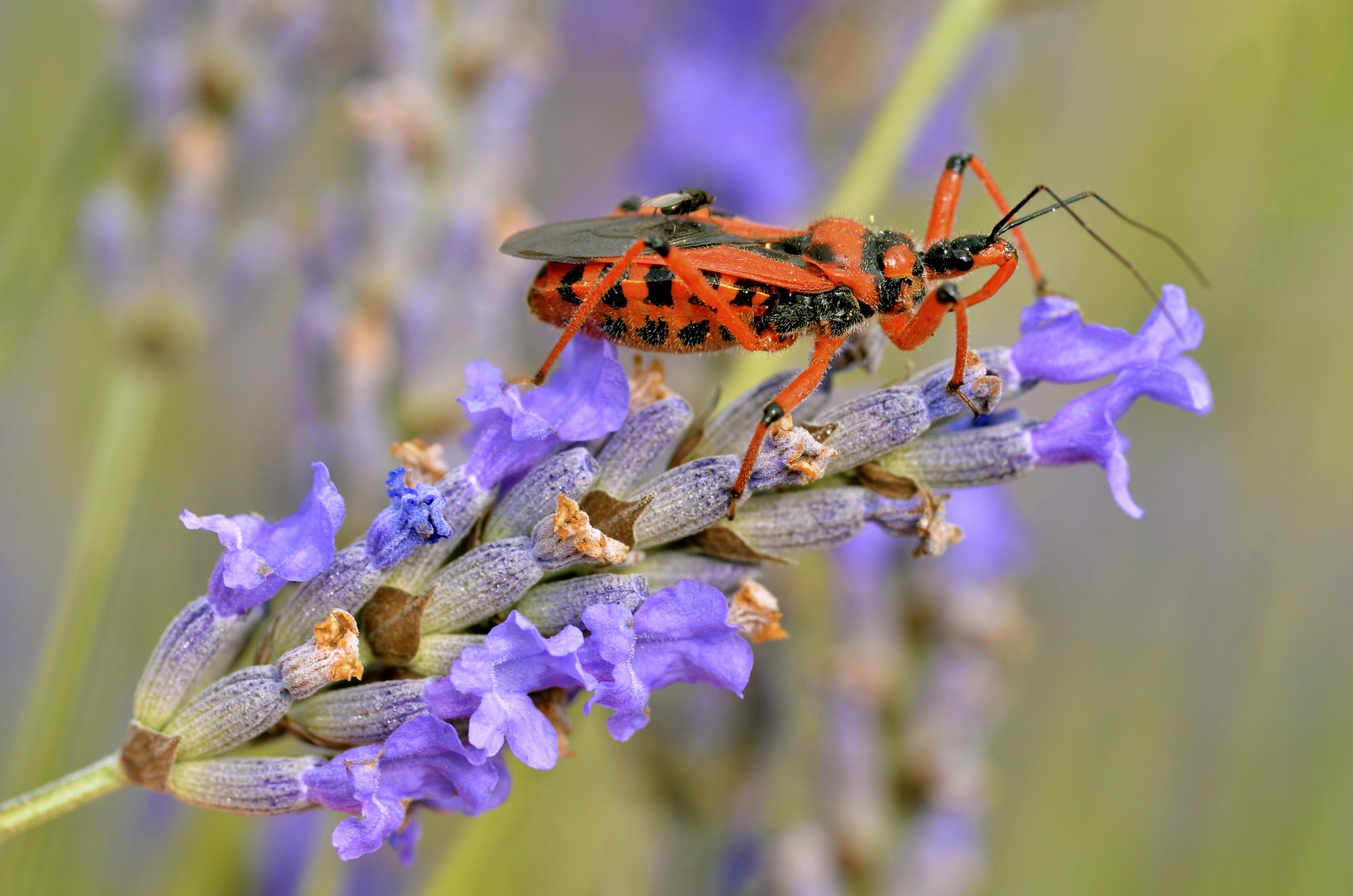
Some assassin bug species are the serial killers of the insect world, but with a twist—they wear the corpses of their victims. After sucking their prey dry, these bugs stack the empty carcasses on their backs like a gruesome armor.
This morbid decoration actually protects them from spiders, which hesitate to attack something covered in dead ants.
Cordyceps-Infected Ants
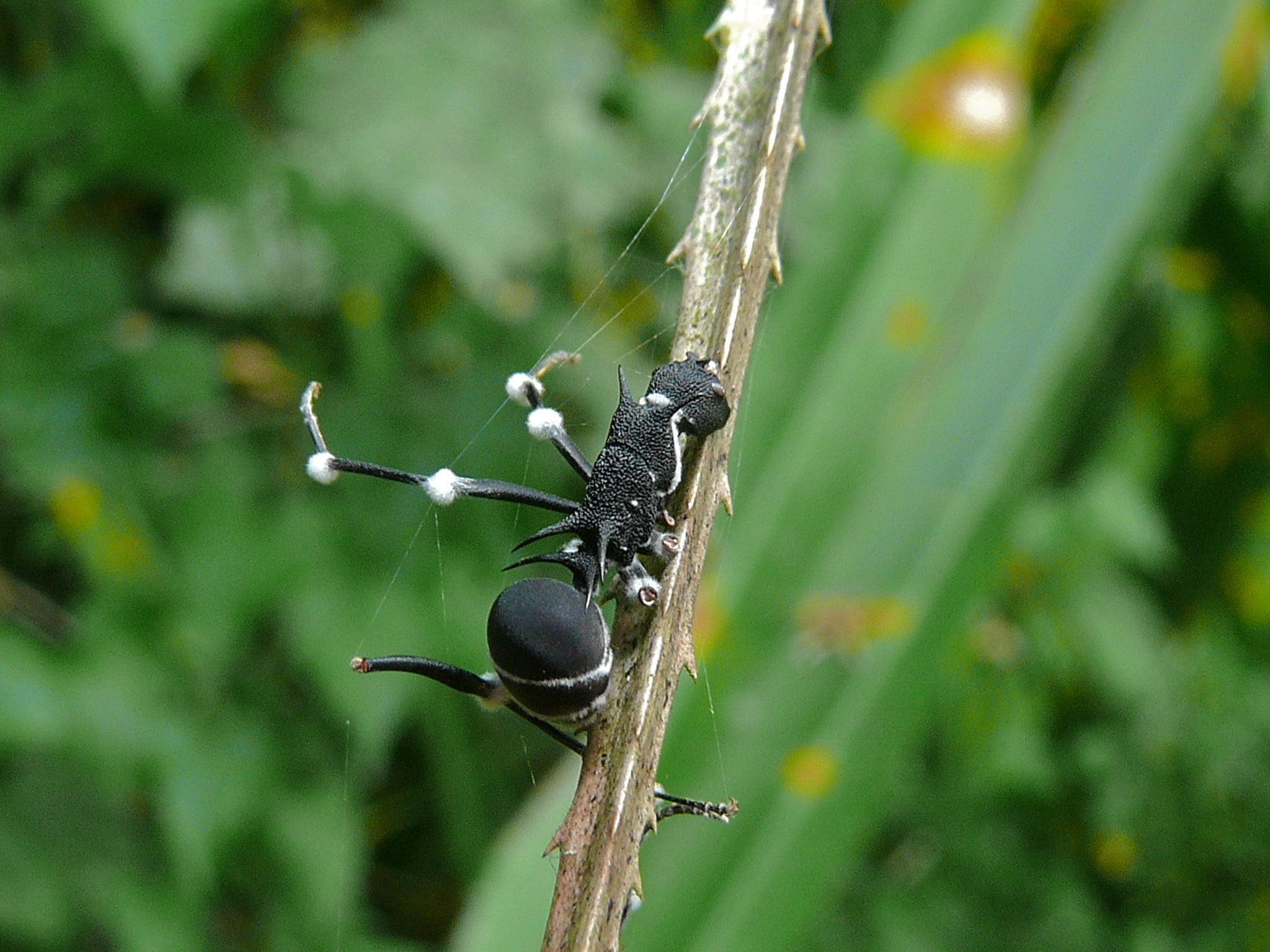
When certain fungi from the Cordyceps family infect carpenter ants, they essentially hijack the ant’s brain. The fungus forces the ant to climb to a specific height and location, bite down on a leaf vein, and wait there until it dies.
The fungus then sprouts from the ant’s head like something out of a horror movie, spreading spores to infect more ants below.
Dance Flies

Male dance flies bring gifts to potential mates, but some have turned this courtship ritual into an elaborate scam. These males wrap up worthless items like seeds or empty insect shells in silk and present them as gifts to females.
By the time the female unwraps the fake present, the male has already mated and flown away.
Exploding Ants

Carpenter ants in Southeast Asia have developed the ultimate sacrifice play for colony defense. When threatened by intruders, minor worker ants deliberately rupture their own bodies, spraying sticky, toxic goo everywhere.
This kamikaze tactic immobilizes attackers and warns other colony members of danger, though it obviously costs the defending ant its life.
Antlions
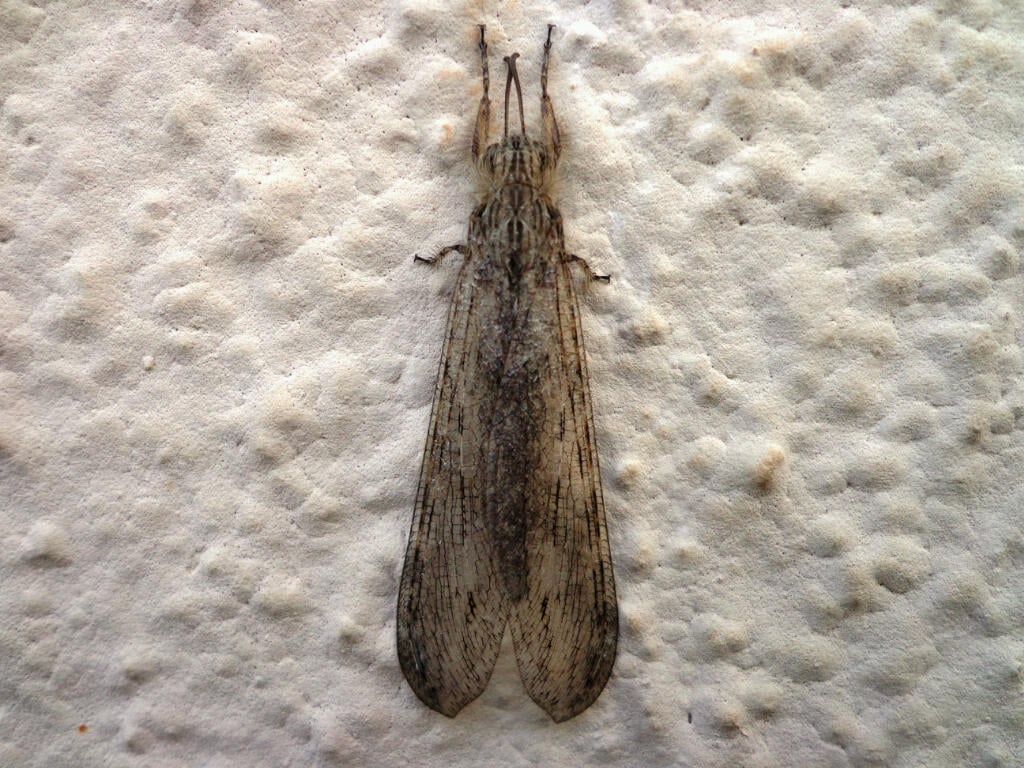
Antlion larvae are patient ambush predators that dig conical pit traps in sandy soil. When an ant stumbles into the pit, the antlion lurking at the bottom flicks sand at its prey to knock it down the slope.
The steep sides and constant sand bombardment make escape nearly impossible, and once the ant reaches the bottom, the antlion’s massive jaws make short work of it.
Leafcutter Ants
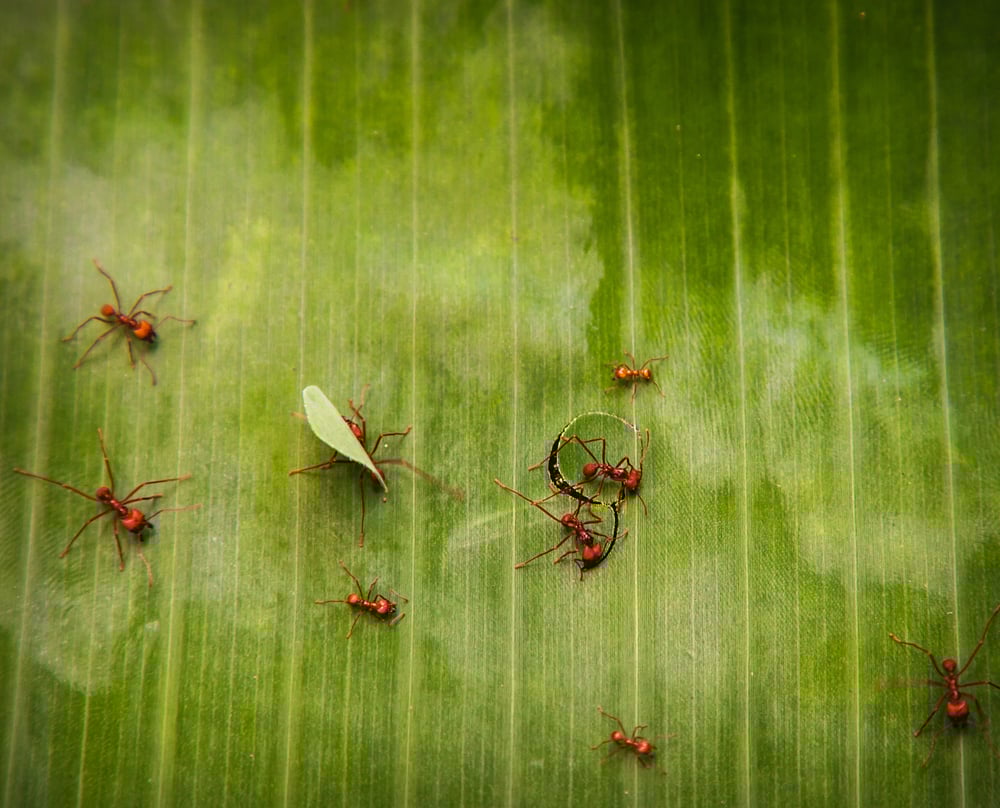
Leafcutter ants don’t actually eat the leaves they harvest—they’re farming them. These ants cut leaf pieces and carry them back to underground chambers where they use the leaves as compost to grow fungus.
The colony depends entirely on this fungus garden for food, making them one of the few animal species besides humans that practices agriculture.
Honeypot Ants

Some worker ants in honeypot ant colonies become living storage containers for the colony. These specialized ants hang from chamber ceilings and allow other workers to fill them with nectar until their abdomens swell to the size of grapes.
They remain there as living food reserves, regurgitating stored food to other colony members during lean times.
Glowworm Larvae

Glowworms in New Zealand caves create something that looks like a starry night sky underground. The larvae produce sticky silk threads that hang down like fishing lines and emit a bioluminescent glow to attract prey.
Flying insects mistake the glowing ceiling for open sky and get tangled in the sticky threads, where the glowworm reels them in for dinner.
Burying Beetles

Burying beetles are nature’s undertakers with surprisingly complex parenting skills. When a breeding pair finds a dead mouse or bird, they strip off its fur or feathers, roll it into a preservation chamber underground, and coat it with antimicrobial secretions.
Both parents then guard the carcass and actually feed their larvae mouth-to-mouth, regurgitating processed carrion like bird parents feeding chicks.
Driver Ants
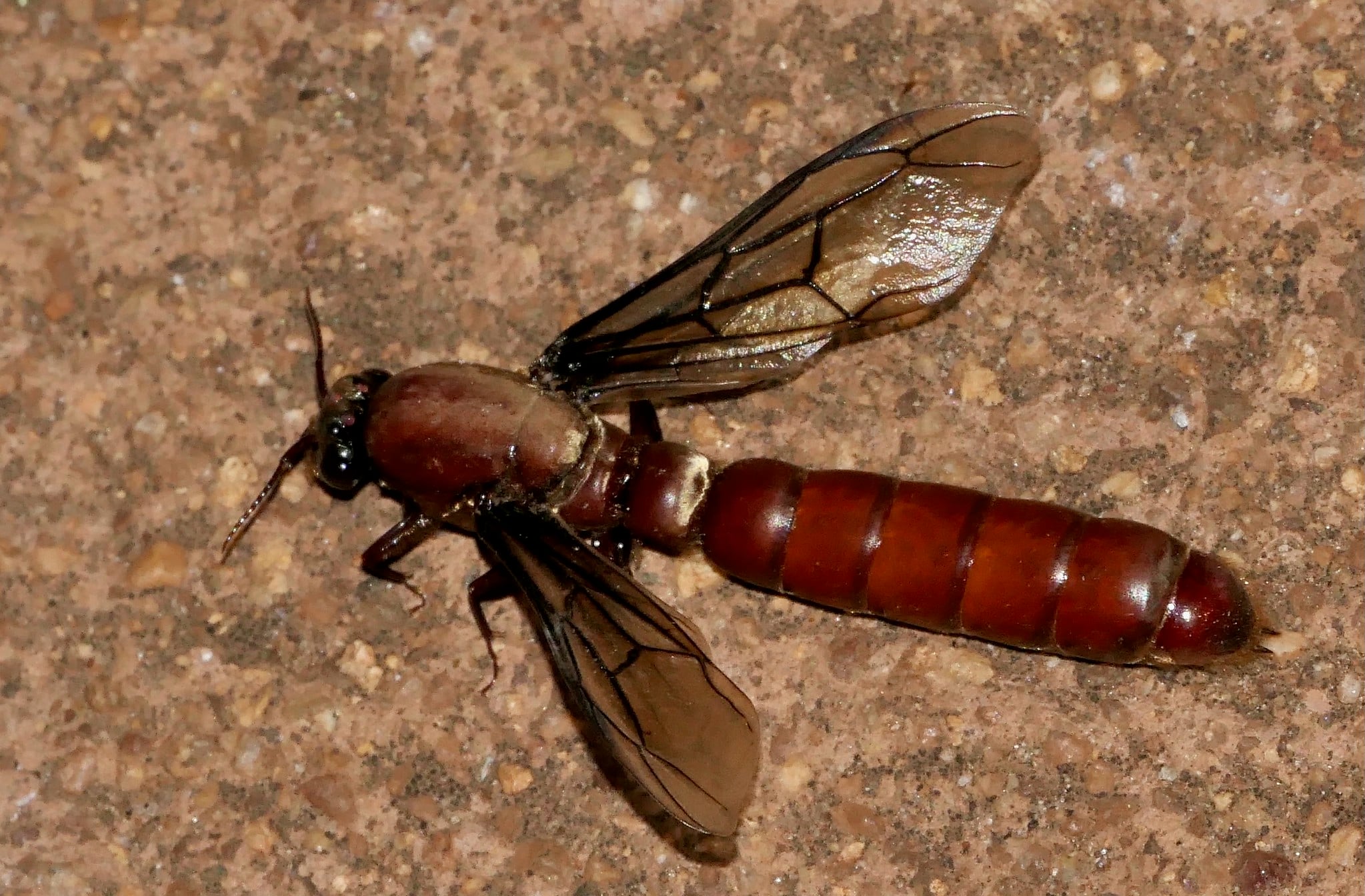
Driver ants in Africa travel in massive columns containing up to 50 million individuals, devouring everything in their path. These ants are completely blind and navigate by following pheromone trails laid by scouts.
When they encounter obstacles, they form living bridges with their own bodies, allowing the column to cross gaps and continue their relentless march.
Spittlebugs
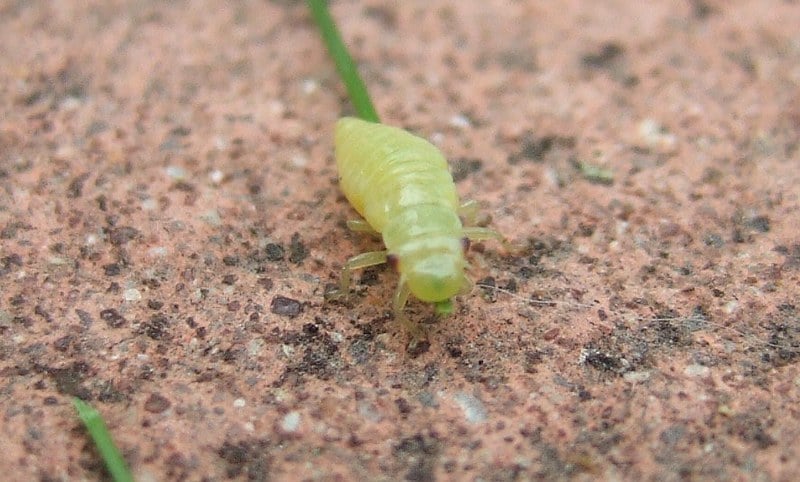
Spittlebug nymphs create foamy masses that look exactly like someone spit on a plant. The nymph produces this ‘spittle’ by mixing air with fluids from its rear end, then hides inside the foam bubble.
This bizarre protective coating keeps the soft-bodied nymph moist, regulates its temperature, and tastes terrible to predators who might otherwise make an easy meal of it.
Nature’s Weirdest Laboratory

The strange behaviors insects display today are the result of millions of years of evolutionary trial and error. What seems bizarre to us often represents incredibly effective survival strategies that have been refined over countless generations.
These tiny creatures continue to surprise scientists with new discoveries every year, reminding us that the natural world still holds plenty of secrets we’re only beginning to understand.
More from Go2Tutors!

- The Romanov Crown Jewels and Their Tragic Fate
- 13 Historical Mysteries That Science Still Can’t Solve
- Famous Hoaxes That Fooled the World for Years
- 15 Child Stars with Tragic Adult Lives
- 16 Famous Jewelry Pieces in History
Like Go2Tutors’s content? Follow us on MSN.