Ancient Food Recipes People Still Cook Today
Food has been bringing people together since the beginning of time. Some recipes have survived for thousands of years, passed down through generations, and they still taste amazing today.
These dishes connect us to our ancestors in the most delicious way possible. Let’s take a look at some of these timeless recipes that have stood the test of time and continue to fill kitchens with incredible aromas.
Bread
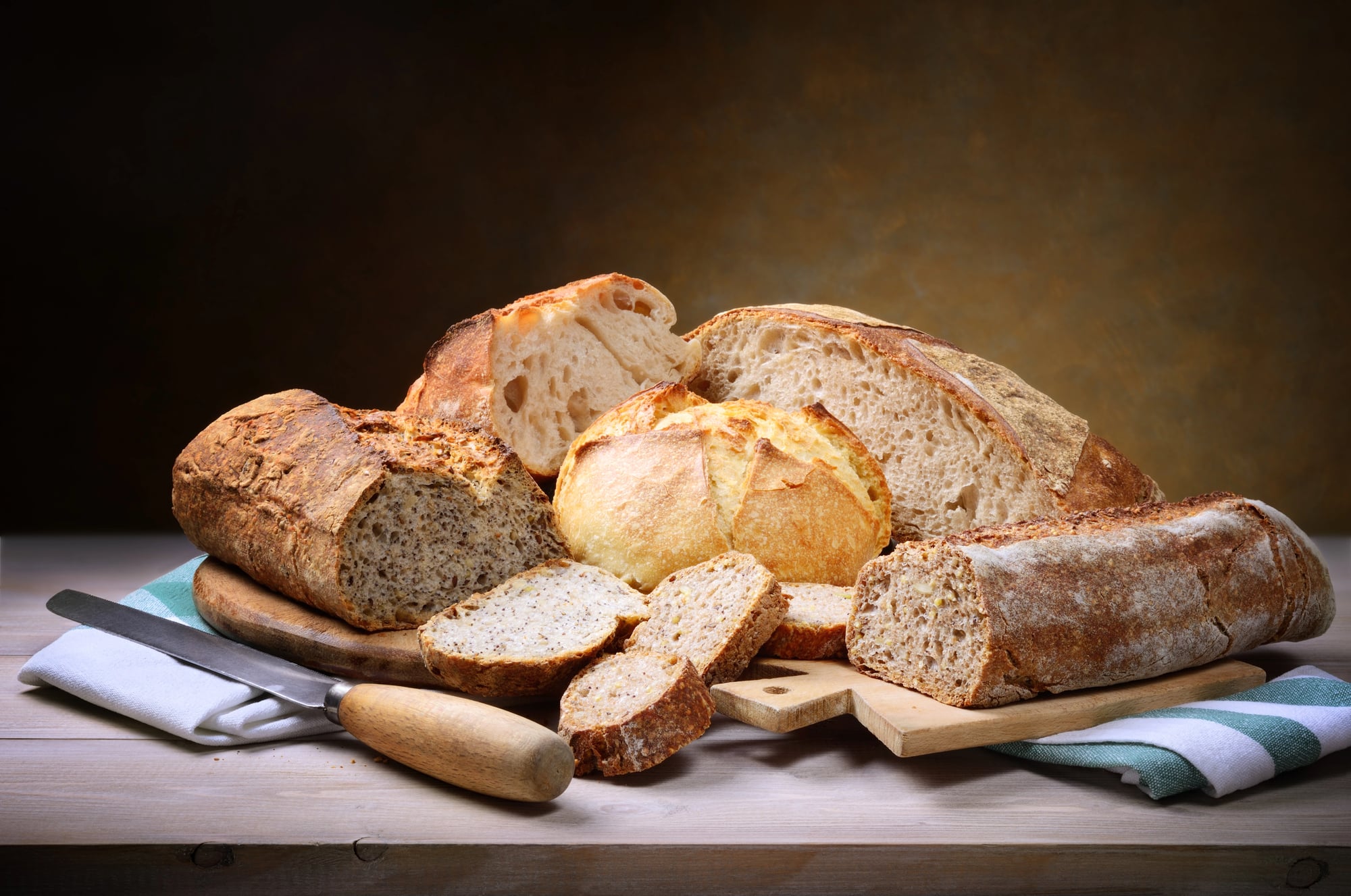
Humans started baking bread around 14,000 years ago, long before farming even existed. The ancient Egyptians perfected the art of making leavened bread, and their techniques weren’t that different from what bakers do now.
Today’s sourdough loaves use the same natural fermentation process that people relied on thousands of years ago. Whether it’s a crusty baguette or a simple flatbread, this staple food remains essential in almost every culture around the world.
Honey Cakes

The ancient Romans loved their honey cakes, and recipes for these sweet treats appear in cookbooks from over 2,000 years ago. Apicius, a Roman cookbook writer, documented several versions that combined honey, flour, and eggs into dense, satisfying desserts.
Modern honey cakes still follow similar principles, though bakers now add spices and other ingredients. The sweetness of honey made these cakes special when sugar was rare and expensive.
Garum
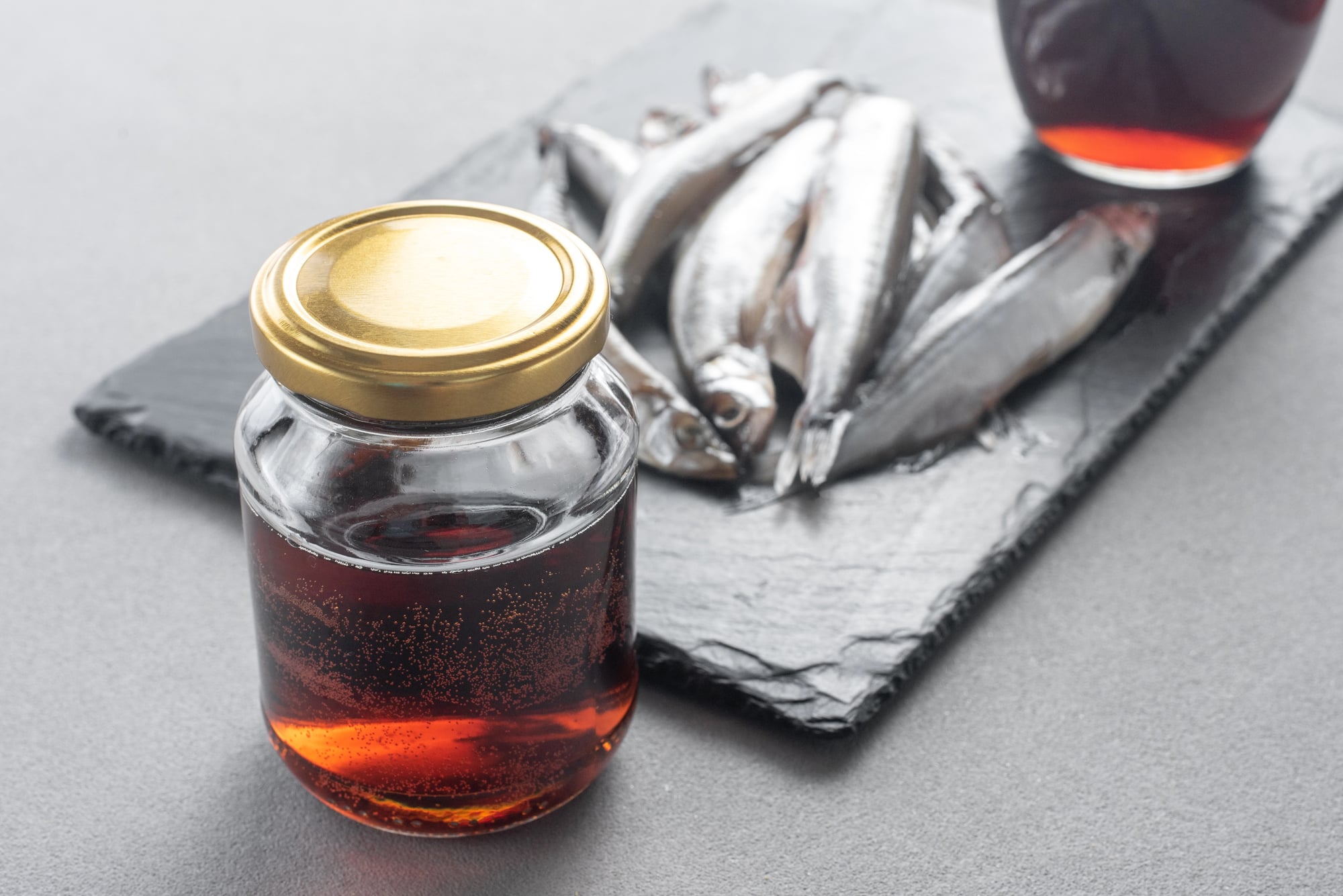
This fermented fish sauce was everywhere in ancient Rome, used like salt or soy sauce today. Romans made it by fermenting fish guts and salt in the sun for months until it turned into a powerful, salty liquid.
Asian fish sauces like nam pla and nuoc mam use almost identical methods, proving the recipe works across continents and centuries. The smell during production was apparently terrible, so Romans made garum in factories far from city centers.
Tamales
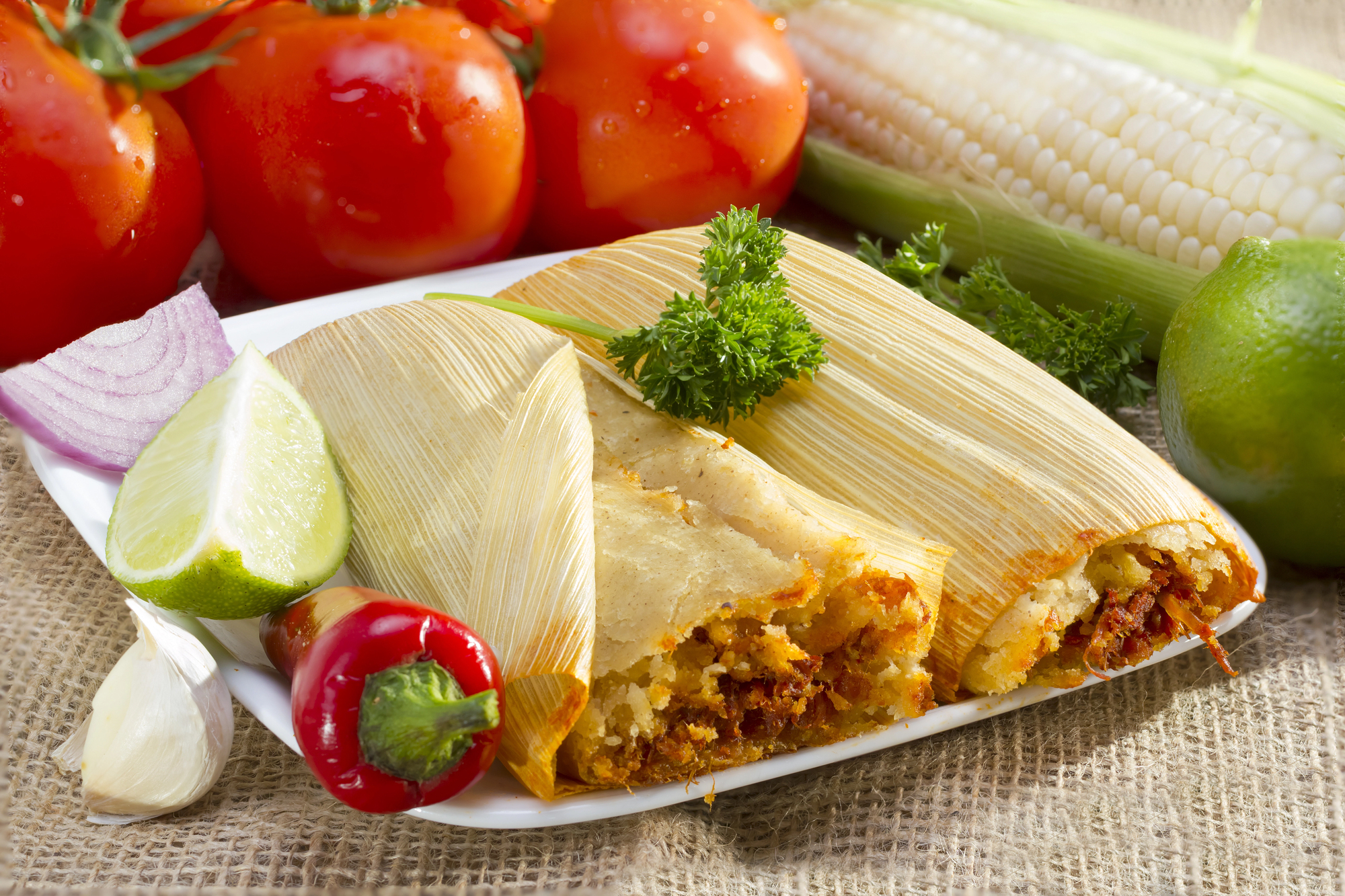
Mesoamerican cultures were wrapping seasoned corn dough in leaves and steaming it as early as 8000 BCE. The Aztecs and Mayans carried tamales as portable food for warriors and travelers because they stayed fresh for days.
Families across Latin America still gather to make hundreds of tamales during holidays, using the same basic technique their ancestors developed. Fillings have expanded beyond beans and peppers, but the corn masa and preparation method remain unchanged.
Hummus
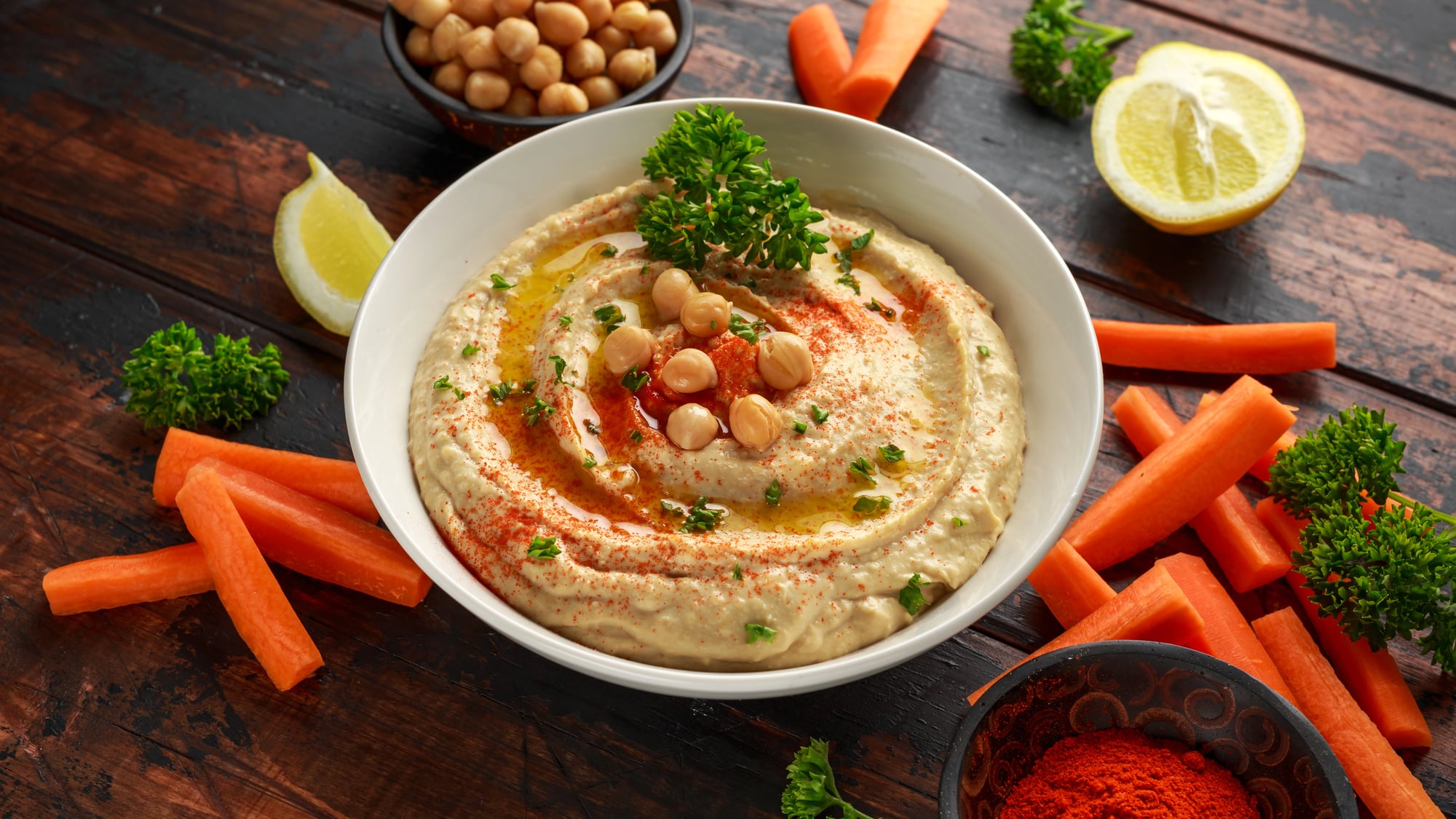
Ancient Egyptians were eating mashed chickpeas around the 13th century, though the exact origin of hummus sparks friendly debates across the Middle East. The basic combination of chickpeas, tahini, lemon, and garlic creates a protein-rich spread that satisfies vegetarians and meat-eaters alike.
Every family has their own special touch, whether it’s extra garlic or a specific ratio of tahini. This simple dish has become a global favorite, showing up in supermarkets from Tokyo to Toronto.
Kheer
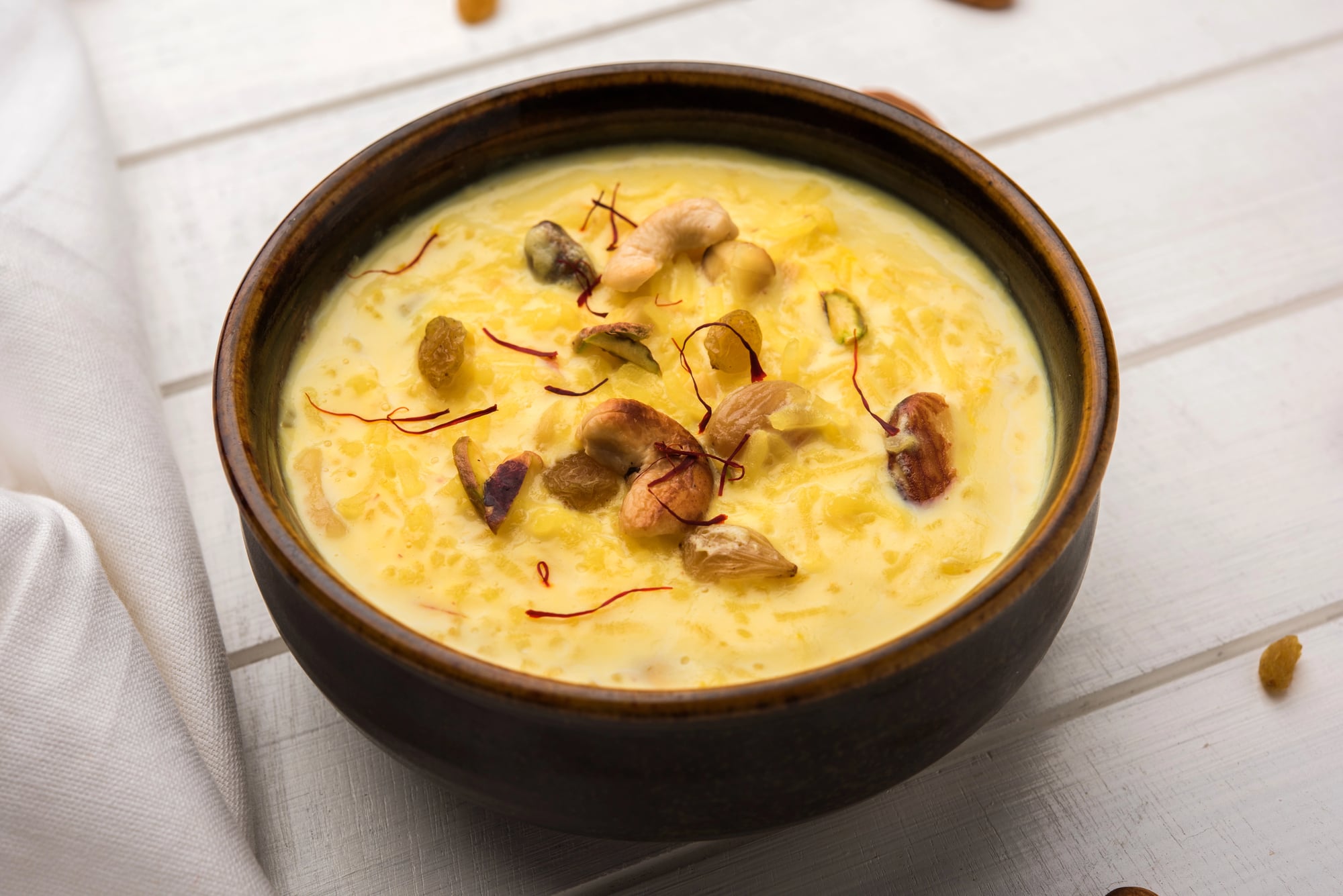
This rice pudding has been sweetening Indian meals for over 2,000 years, with mentions in ancient epics and religious texts. Cooks simmer rice in milk until it becomes creamy, then add sugar, cardamom, and sometimes saffron or nuts.
Temples serve kheer as a sacred offering, and families make it for celebrations and special occasions. The recipe traveled along trade routes and inspired similar desserts across Asia and the Middle East.
Pancakes

Ancient Greeks were flipping pancakes called ‘tagenias’ made from wheat flour, olive oil, honey, and curdled milk. Romans had their version too, adding eggs to make them fluffier and more filling.
The concept of cooking batter on a hot surface appears in almost every ancient culture with access to grain. Today’s pancakes might include baking powder and butter, but the core idea hasn’t changed in over 2,500 years.
Miso Soup
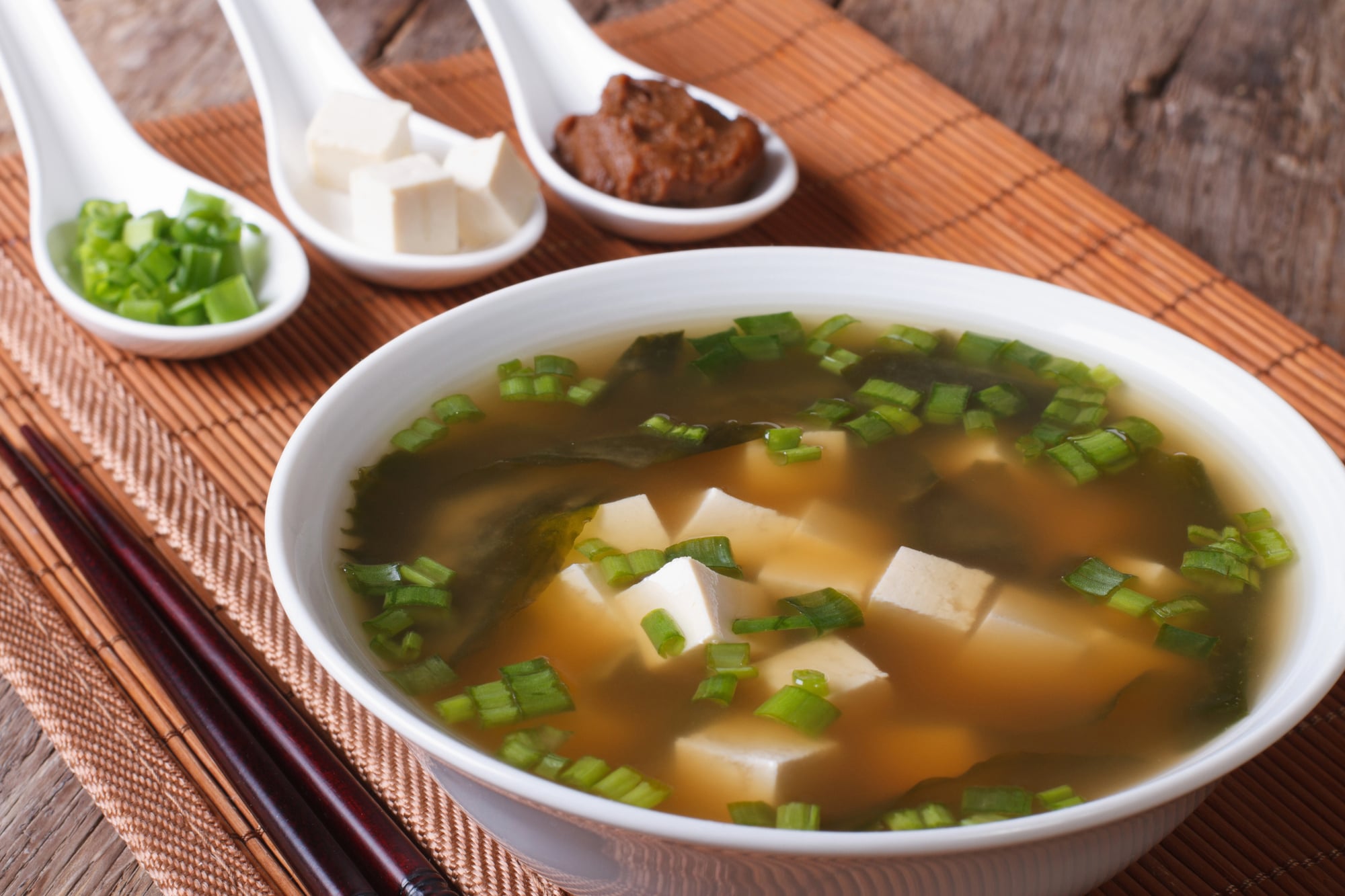
Japanese monks started making miso over 1,300 years ago as a way to preserve soybeans and add flavor to simple meals. The fermentation process creates beneficial bacteria that aid digestion, which ancient people valued even without understanding the science.
A basic miso soup takes just minutes to prepare by dissolving the paste in hot water and adding tofu or seaweed. This daily staple appears at breakfast tables across Japan, connecting modern families to centuries of tradition.
Pickles
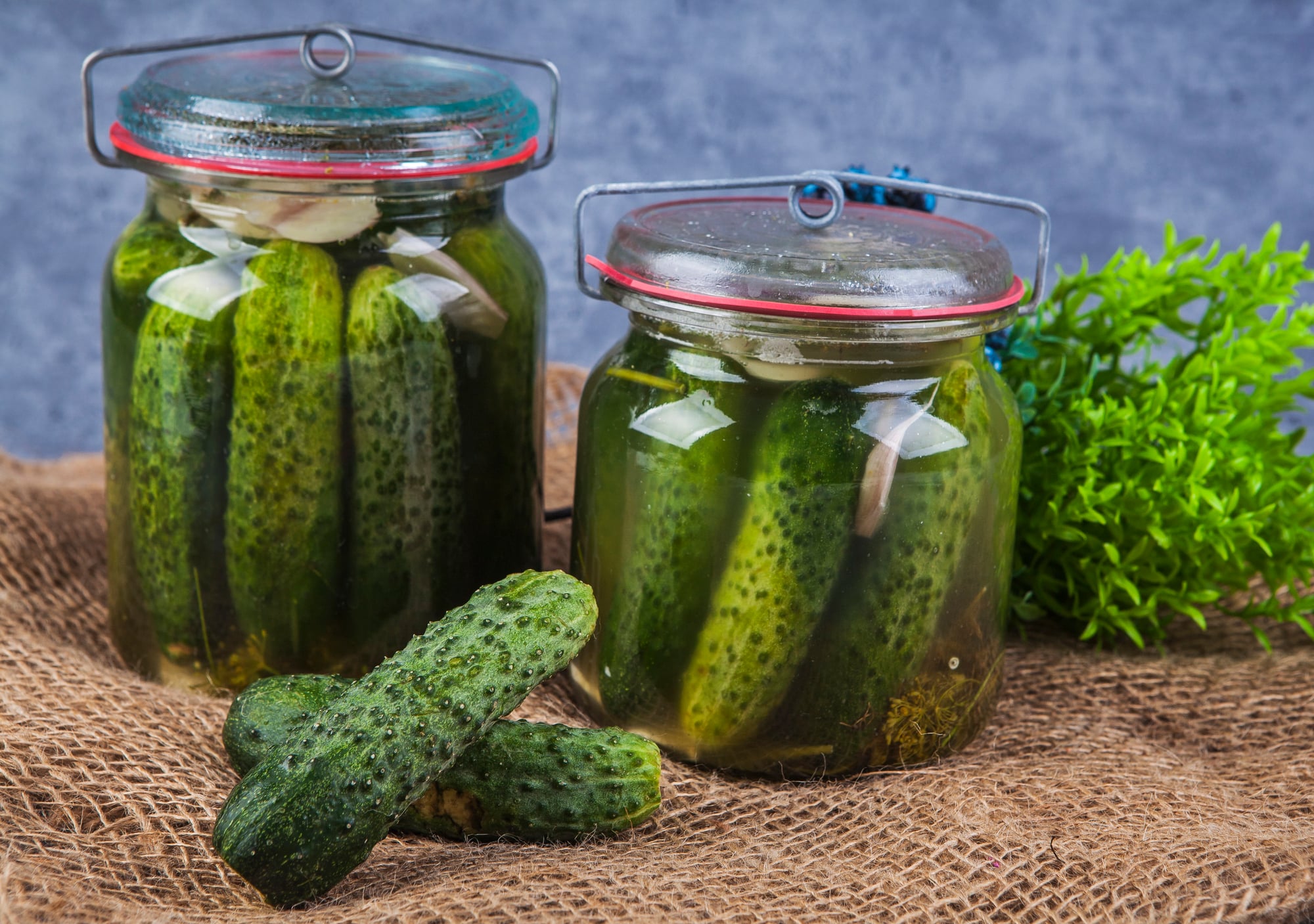
Mesopotamians were pickling cucumbers in brine around 2400 BCE, creating one of the earliest methods of food preservation. Cleopatra reportedly ate pickles daily, believing they enhanced her beauty and health.
The technique spread globally because vinegar and salt were readily available and the process was simple enough for anyone to master. From Korean kimchi to German sauerkraut, pickling remains a practical way to preserve vegetables and add tangy flavor to meals.
Stew
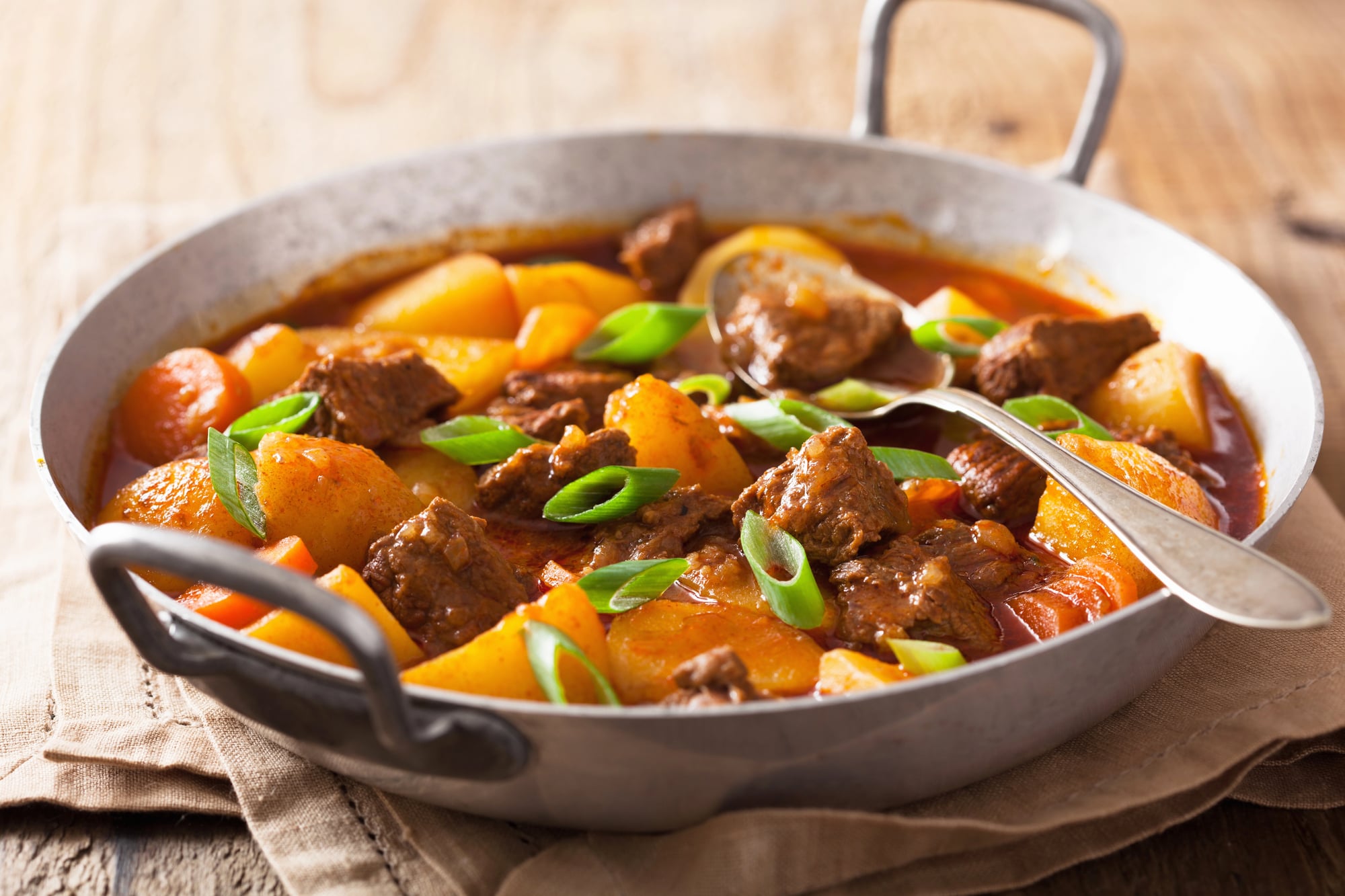
Archaeologists found evidence of stew-making dating back 8,000 years, when people first started cooking multiple ingredients together in clay pots. Ancient Scythians allegedly made stew by boiling meat in the animal’s own stomach, using bones as fuel.
The beauty of stew lies in its flexibility, allowing cooks to use whatever meat, vegetables, and grains they have on hand. Every culture developed its own version, from Irish stew to Moroccan tagine, but the slow-cooking method remains identical.
Pasta
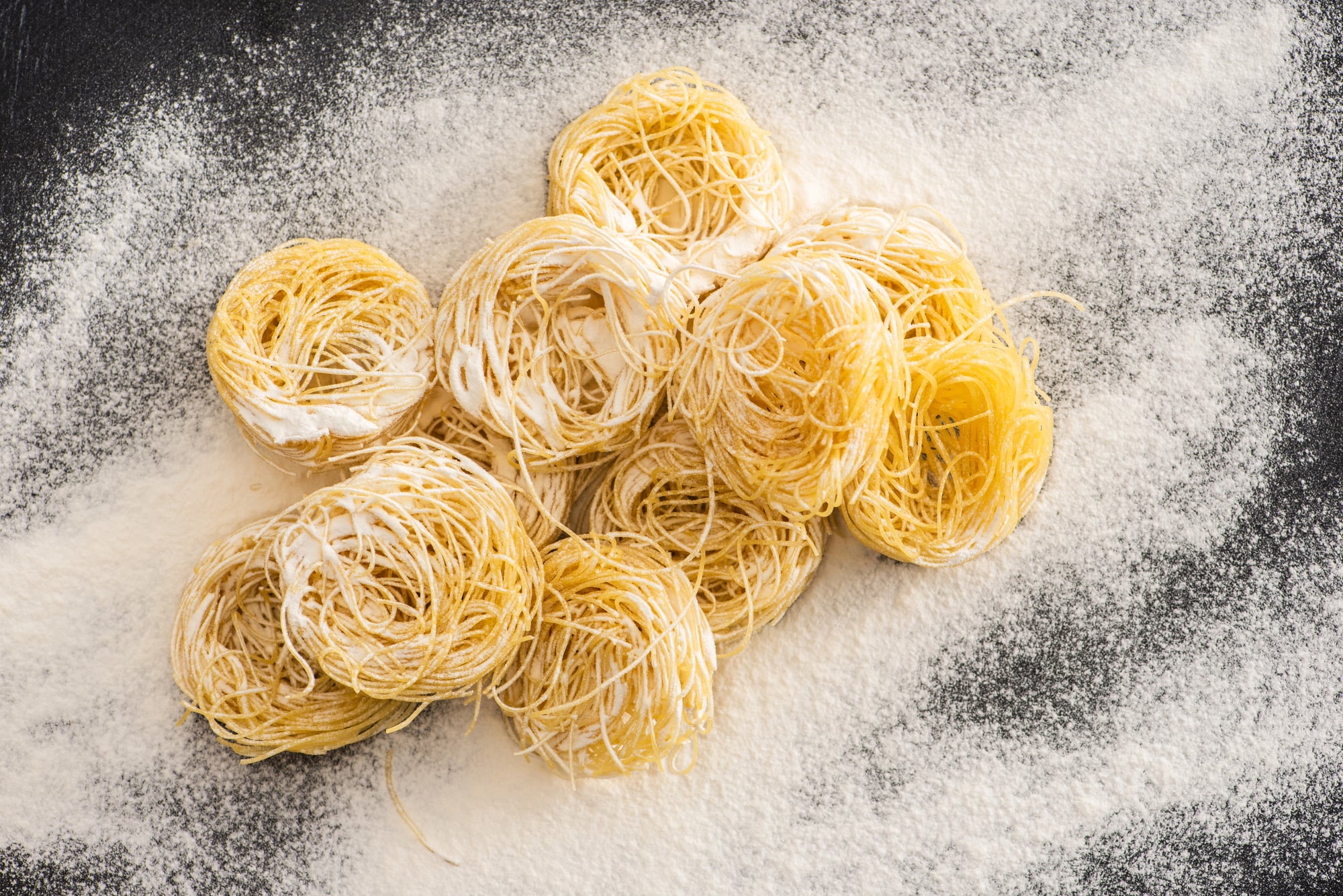
Despite popular belief, pasta didn’t originate in Italy but likely came from ancient China or the Middle East. Arabs brought dried noodles to Sicily in the 9th century, and Italians transformed it into the hundreds of shapes we recognize today.
Ancient Romans ate a pasta-like dish called ‘lagane,’ which resembled modern lasagna sheets. The simple combination of flour and water creates endless possibilities, explaining why pasta appears in cuisines from Japan to Germany.
Beer

Sumerians were brewing beer around 5,000 BCE, and they took it so seriously they had a goddess of beer named Ninkasi. Ancient workers in Egypt received beer as part of their daily wages, treating it as liquid bread rather than just a beverage.
The basic process of fermenting grains with water and yeast hasn’t changed, though modern brewers have refined techniques and added countless flavor variations. Archaeological evidence suggests beer might have motivated humans to settle down and farm grain in the first place.
Cheese
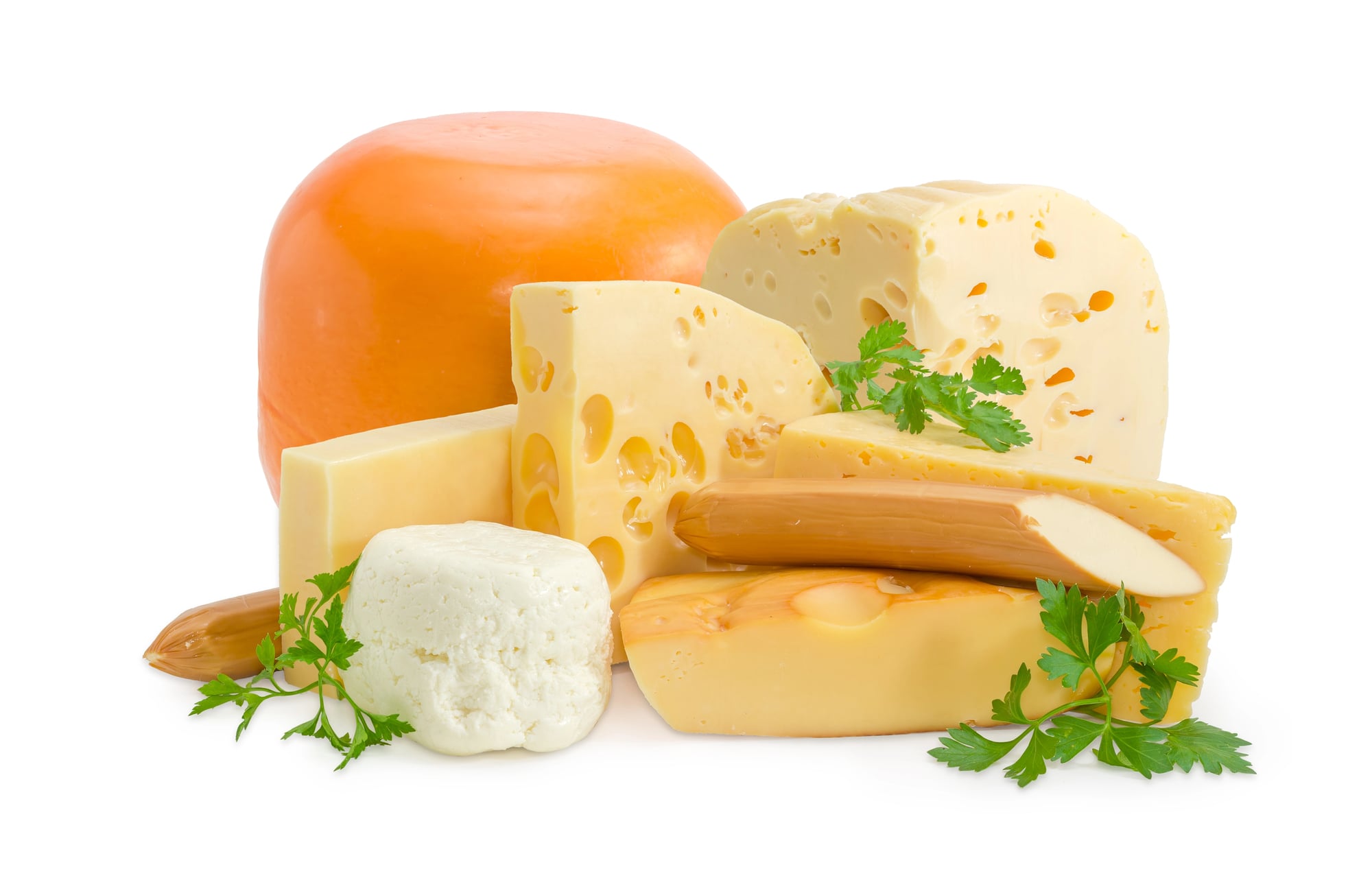
Humans started making cheese accidentally around 8,000 years ago when milk stored in animal stomachs curdled from natural enzymes. Ancient Sumerians documented cheese-making in cuneiform, and murals in Egyptian tombs show workers producing it.
The Romans aged cheese and developed different varieties, much like artisan cheese-makers do now. This preservation method turned perishable milk into a protein-rich food that could last for months or even years.
Curry
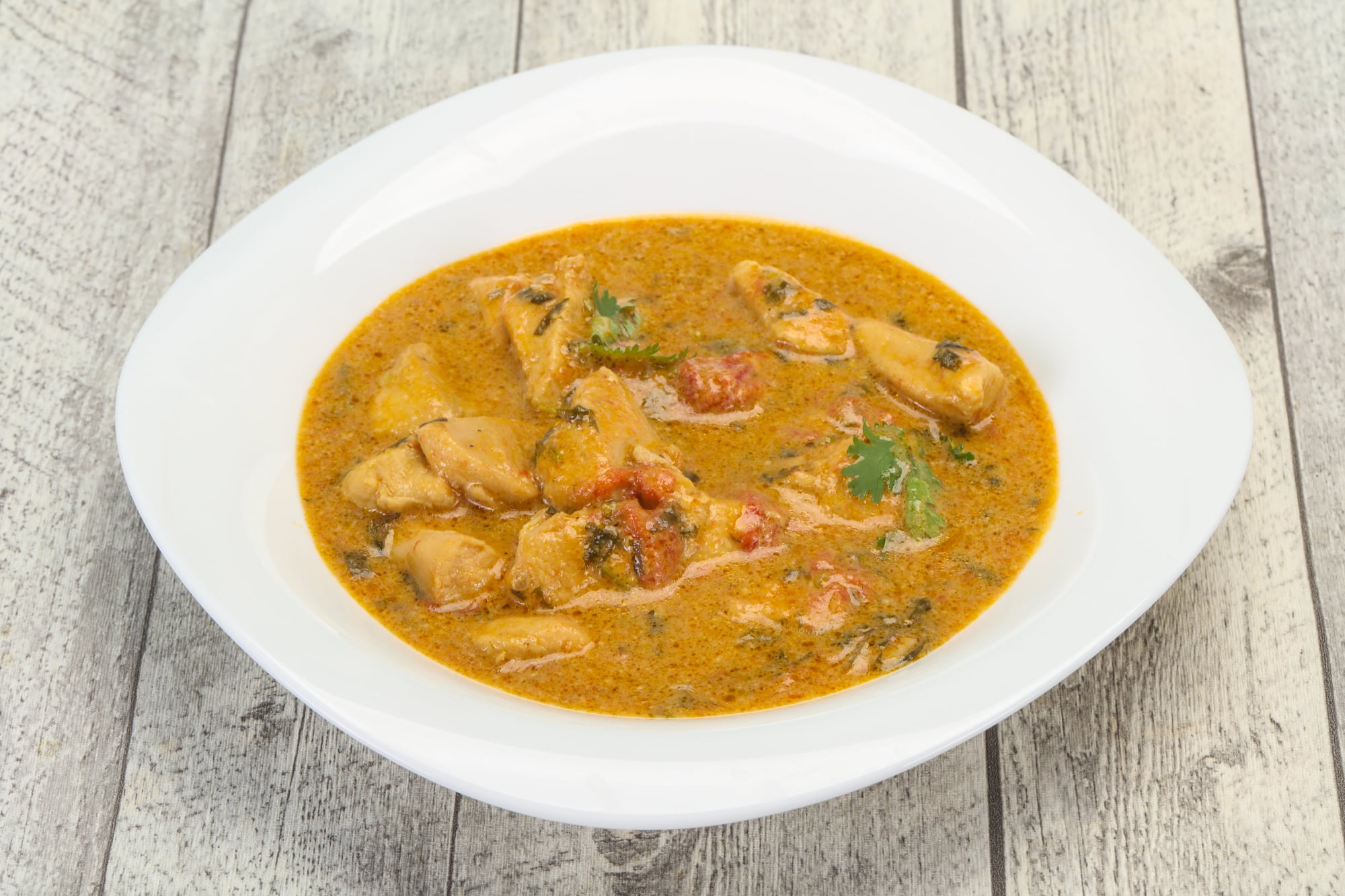
Indian cooks were blending spices into complex sauces over 4,000 years ago, creating the foundation for modern curry. Archaeological evidence from the Indus Valley shows residue of turmeric and ginger in ancient cooking pots.
British colonizers borrowed the concept and spread it worldwide, though their versions simplified the intricate spice combinations. Every region of India has distinct curry styles, but the technique of blooming spices in oil before adding other ingredients remains constant.
Porridge
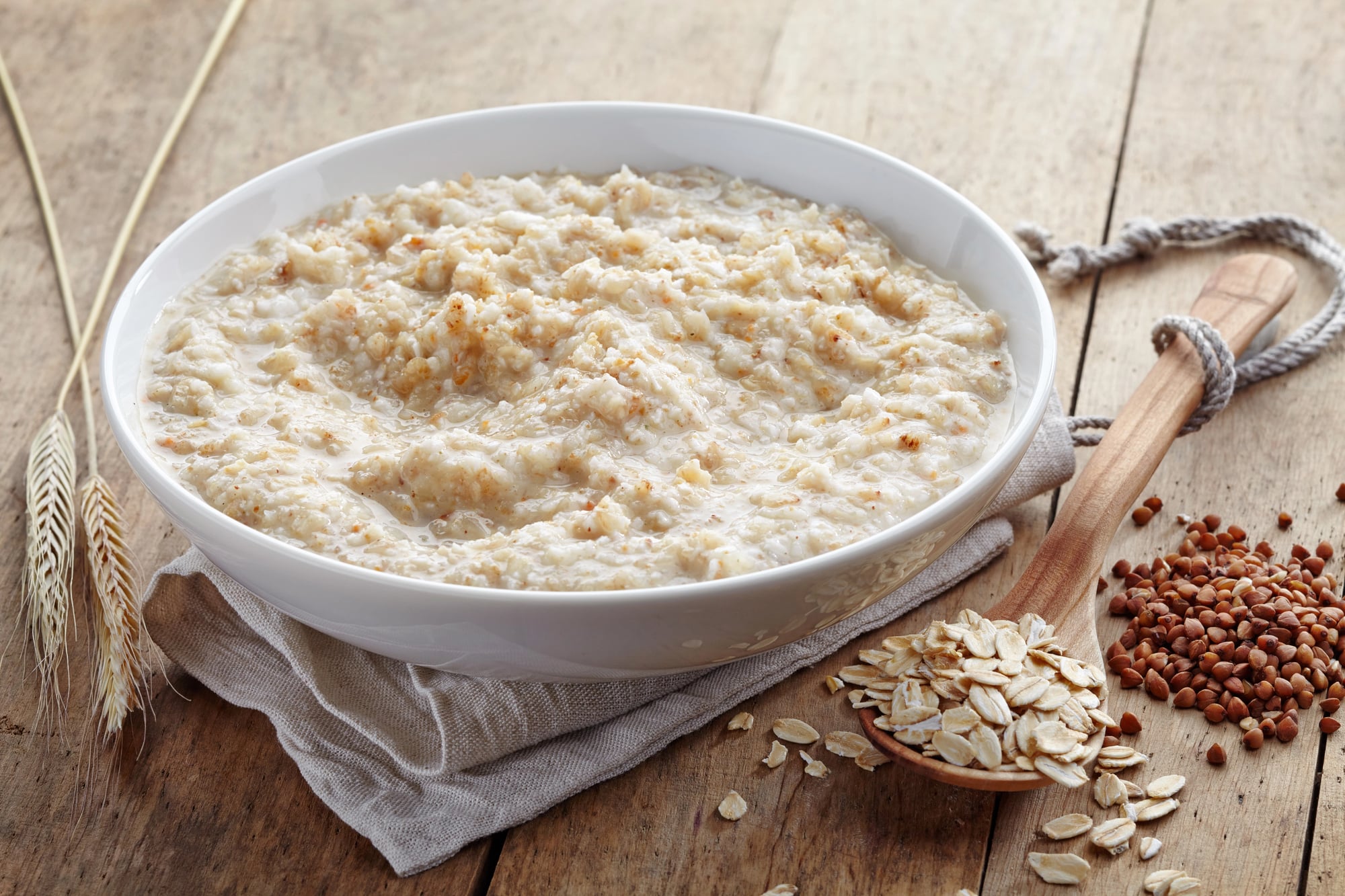
This humble dish sustained humans for at least 10,000 years, requiring only grain and water to create a filling meal. Ancient Greeks called their version ‘puls,’ while Romans fed it to soldiers and common people alike.
Archaeologists found traces of oat porridge in a 5,000-year-old Scottish burial site, proving its importance across cultures. The simplicity makes porridge endlessly adaptable, from sweet breakfast oatmeal to savory congee.
Roasted Meat
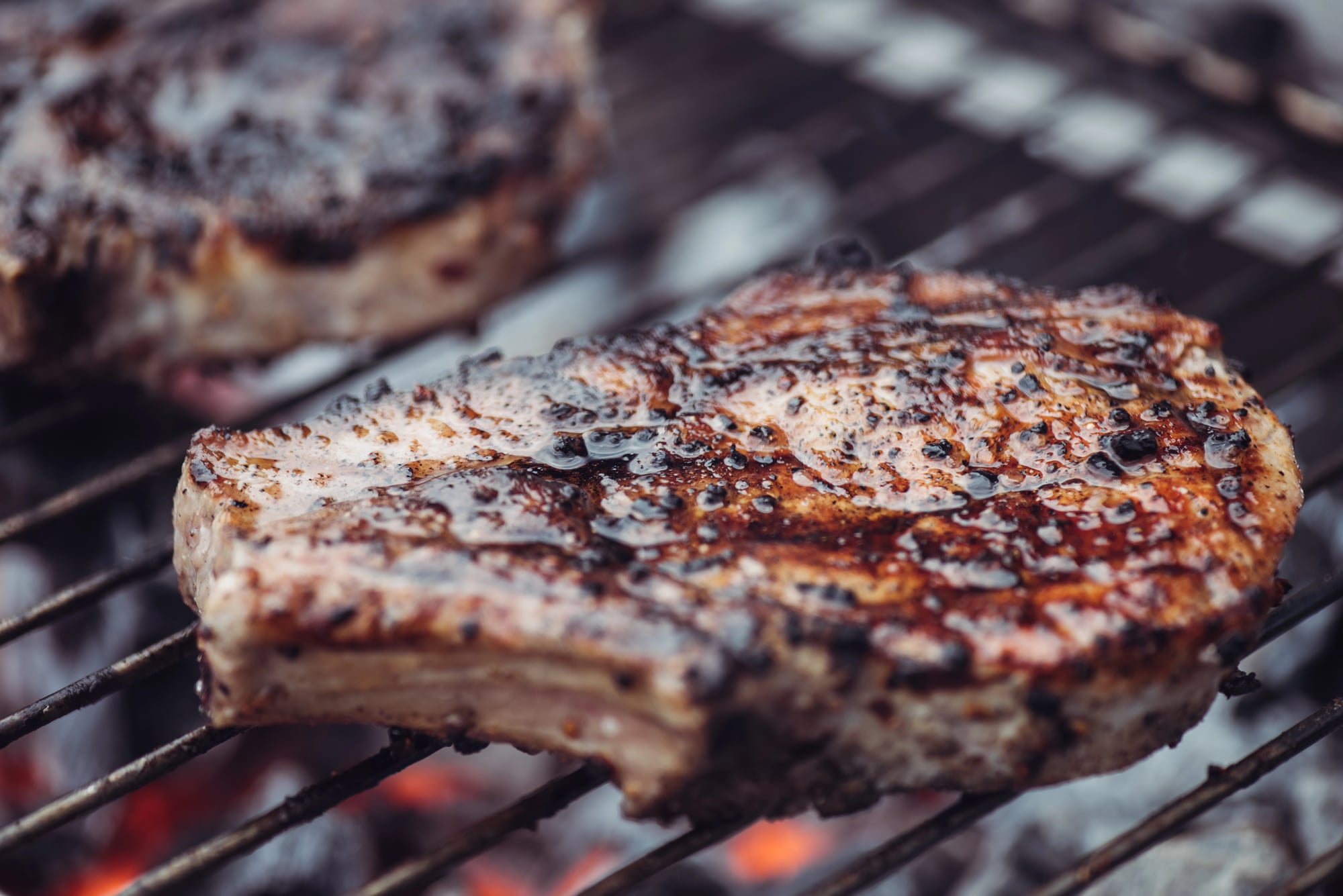
Cooking meat over fire is humanity’s oldest recipe, dating back at least 1.9 million years to early human ancestors. Ancient civilizations refined the process with spices, marinades, and specific cooking techniques passed down through generations.
Greeks and Romans had elaborate recipes for roasting whole animals at feasts and celebrations. While we now use gas grills and electric ovens, the fundamental appeal of charred, smoky meat hasn’t diminished one bit.
Lentil Soup
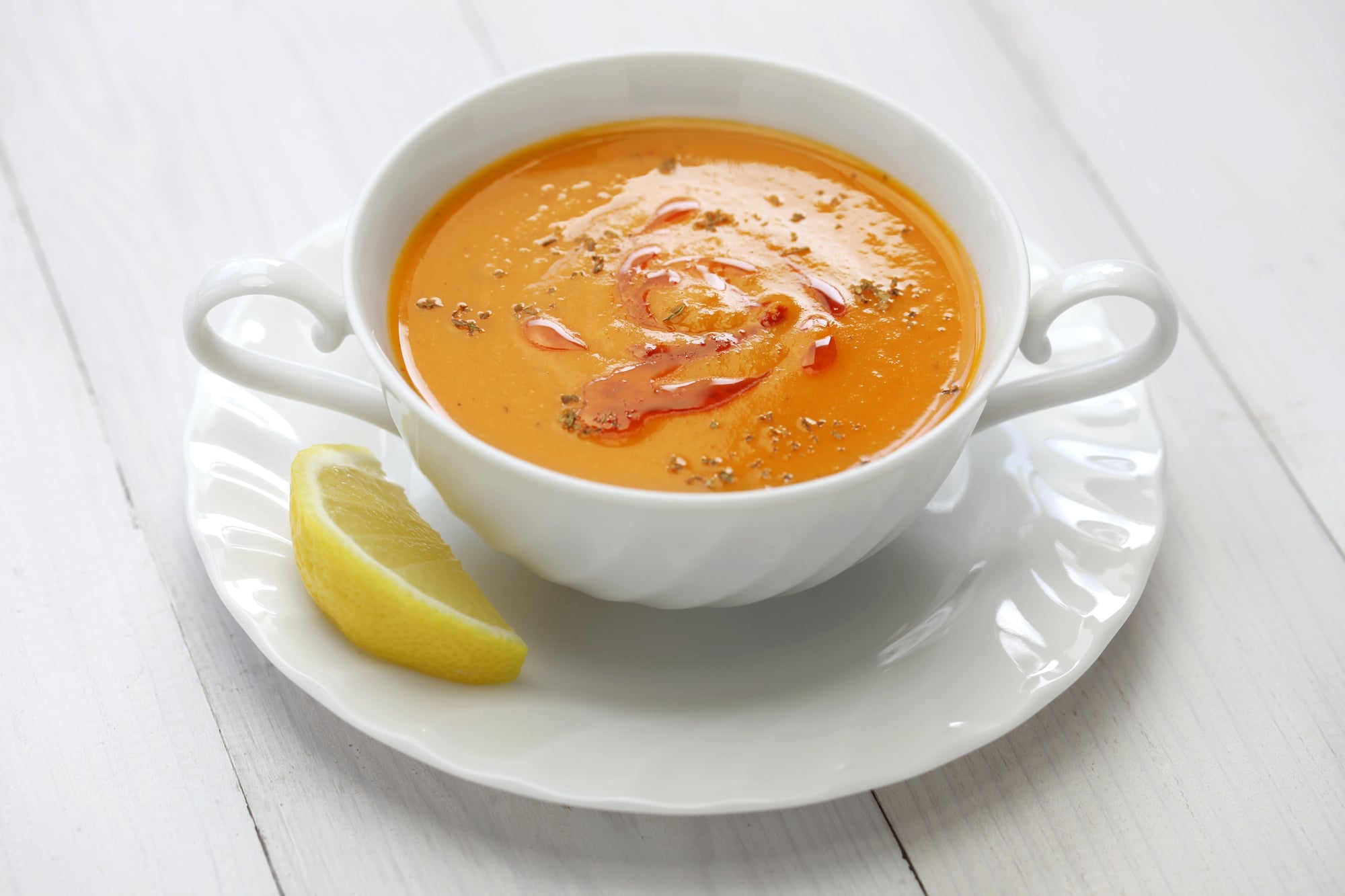
Packed with protein, this soup fueled people across old Mediterranean civilizations – it shows up in sacred writings and dusty ledgers alike. A tale in the Bible tells of Esau giving away his future for just one serving, proof that even back then, lentil stew meant something real.
You do not need to soak lentils ahead; they soften fast when boiled, saving time for households long ago – same goes for today. Each region tweaks the pot with local herbs or whatever greens are on hand, yet the core never changes: water, lentils, nothing breaks it.
Falafel

Fried up by cooks through the ages, chickpea or fava bean patties trace back a thousand years – maybe more. Lenten traditions among Egyptian Christians might’ve sparked falafel as a stand-in for meat, yet nobody agrees on where it truly began.
Blended beans meet herbs and seasonings, turning into crunchy rounds that fill you up, plant only. Across city corners and market stalls, makers shape them just like those long ago did, showing some things stay right where they are.
What Keeps These Recipes Alive
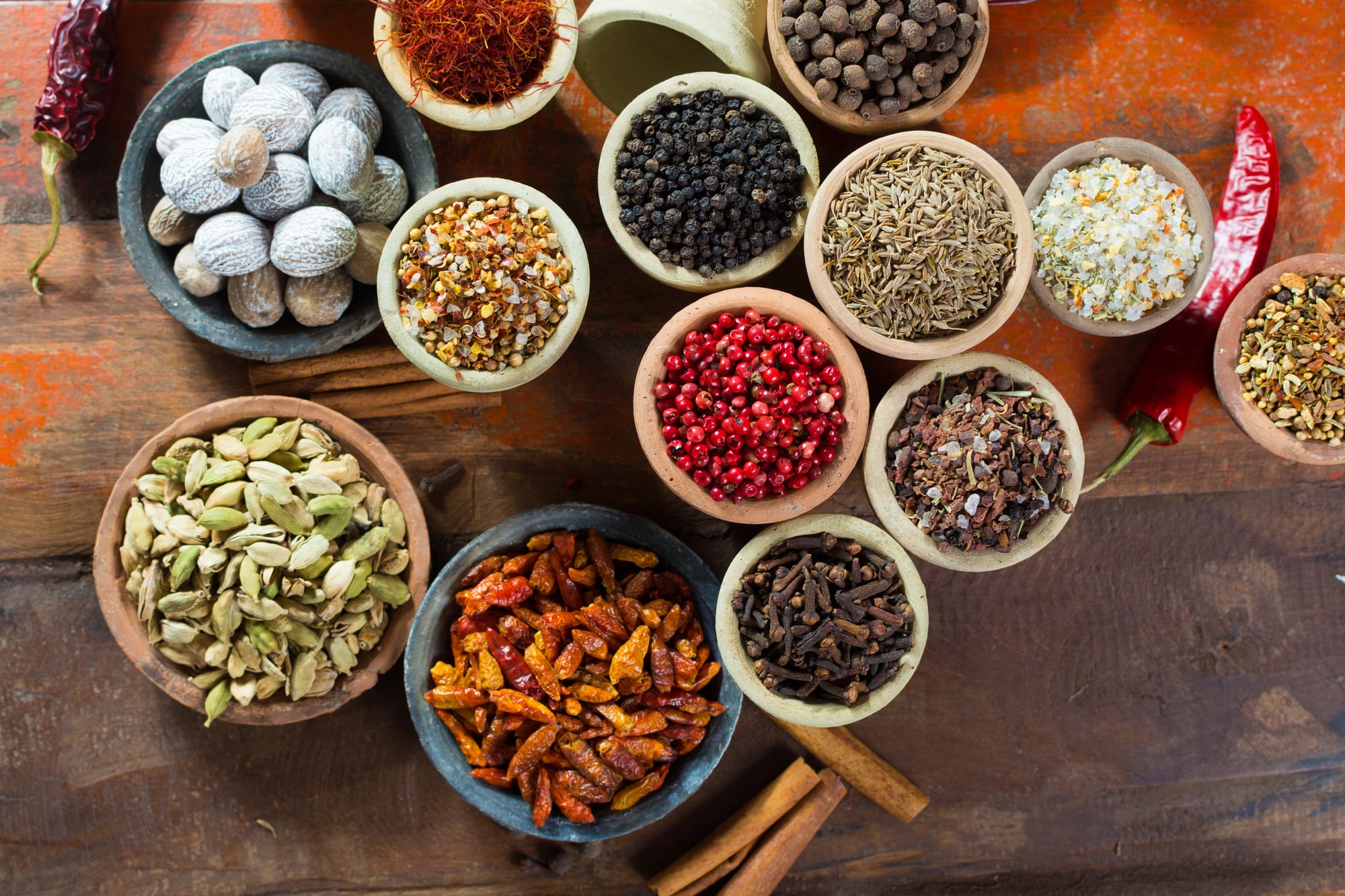
Survival of these old recipes comes down to simplicity, flavor, strength when faced with change. Fancy tools may fill today’s cooking spaces, yet the methods underneath haven’t shifted since long before records began.
Making bread or stew? That act ties you directly to hands moving dough ages before alphabets formed. History volumes try hard, still they cannot link us like a shared meal across centuries can.
More from Go2Tutors!

- The Romanov Crown Jewels and Their Tragic Fate
- 13 Historical Mysteries That Science Still Can’t Solve
- Famous Hoaxes That Fooled the World for Years
- 15 Child Stars with Tragic Adult Lives
- 16 Famous Jewelry Pieces in History
Like Go2Tutors’s content? Follow us on MSN.



