15 Wild Facts About the Indus Valley Civilization
Most ancient civilizations left behind pyramids, temples, or at least some stone tablets bragging about their kings. The Indus Valley civilization decided to be different.
They built the world’s most advanced cities around 4,500 years ago, then vanished without leaving a single readable word about who they were or what they believed. What remains is a puzzle so sophisticated it makes other Bronze Age cultures look like they were still figuring out fire.
They Built the World’s First Planned Cities
The Indus Valley people didn’t just build cities. They built better cities than most places have today.
Streets laid out in perfect grids, with main avenues running north-south and smaller roads intersecting at right angles. Every house is connected to a central drainage system.
Public wells are placed at regular intervals. This wasn’t accidental.
Someone sat down with the Bronze Age equivalent of blueprints and designed urban spaces that wouldn’t look out of place in a modern city planning textbook.
Their Drainage System Was Unmatched
When most of the world was still throwing waste out windows (and would continue doing so for thousands of years), the Indus Valley cities had covered drains running under every street, connecting every building to a central sewerage system that carried waste outside the city walls — and here’s the thing that really gets you: they built inspection chambers and manholes so maintenance crews could access the system when things went wrong, because they actually thought about what happens when infrastructure needs repairs, which is something most civilizations didn’t figure out until the 19th century (if they’ve figured it out at all). So while ancient Mesopotamians were dealing with open sewers and Egyptians were, well, also dealing with considerably less sophisticated waste management, the Indus Valley people were living in cities that had better sanitation than London would have 3,000 years later.
Which is saying something.
Nobody Knows What Language They Spoke

Picture trying to solve a crossword puzzle where every clue is written in symbols nobody can decode, and each symbol might represent a sound, a word, or an entire concept — that’s what archaeologists face with the Indus Valley script. The civilization left behind thousands of inscriptions on seals, pottery, and tablets, but every attempt to crack their writing system has hit the same wall: there’s no Rosetta Stone, no bilingual text to serve as a key.
Some scholars think it represents an early form of Dravidian languages still spoken in southern India. Others believe it’s related to Sanskrit.
A few argue it’s not even a writing system at all, just a collection of symbols. The mystery deepens when you realize that this uncertainty means everything else about their culture — their beliefs, their stories, their government — remains locked behind symbols that refuse to give up their secrets.
They Were Obsessed With Standardization

The Indus Valley people took uniformity to an almost compulsive level. Bricks manufactured in cities hundreds of miles apart came in identical proportions — always in the ratio 1:2:4. Weights and measures stayed consistent across the entire civilization.
Even their rulers followed the same decimal system everywhere. This wasn’t just administrative efficiency.
This was a culture that valued precision over individual expression, standardization over local variation. They built a civilization that prioritized getting things right over getting things different.
Their Art Focused on Animals, Not Gods

Walk through any museum’s ancient civilization wing and you’ll see the same pattern repeated: statues of kings, carvings of gods, monuments to power and divine authority, endless variations on the theme of “look how important our rulers are and how much our deities demand your attention.” But the Indus Valley people seemed genuinely uninterested in any of that — their seals and sculptures feature elephants, tigers, buffalo, rhinoceros, and that famous “unicorn” (probably a bull shown in profile) with an attention to anatomical detail that suggests these artists spent serious time observing actual animals rather than copying religious iconography (which, incidentally, barely exists in their art at all).
And yet the strangest part isn’t what they chose to depict, but what they chose to leave out: no obvious kings, no clear religious scenes, no monuments to human ego. Their art suggests a civilization that found the natural world more interesting than the supernatural one.
The Great Bath of Mohenjo-daro
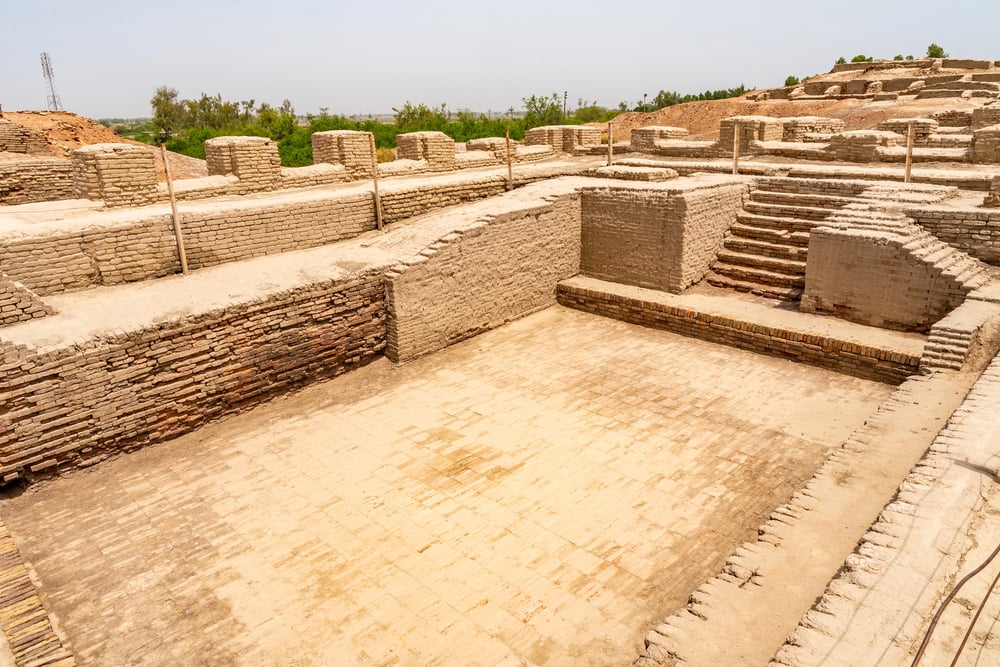
There’s something almost meditative about the Great Bath at Mohenjo-daro — a rectangular pool lined with precisely fitted bricks and sealed with natural tar, steps leading down from both ends like an invitation to wade in slowly. Water would have filled this space 4,000 years ago, drawn from a well and drained through a sophisticated outlet system, while people gathered around its edges for purposes that remain beautifully mysterious.
Was it ritual purification? Community bathing? Some form of ancient therapy? The structure itself offers no answers, just the quiet suggestion that water mattered deeply to these people.
Enough to engineer something permanent around the simple act of immersion.
They Had No Weapons or Armies

The Indus Valley civilization operated without apparent military organization. No weapons stockpiles have been found.
No fortified walls around cities. No artistic depictions of warfare or conquest.
This wasn’t because they couldn’t make weapons — they had the metallurgy and craftsmanship — they simply chose not to. This makes them nearly unique among ancient civilizations.
While their contemporaries in Mesopotamia and Egypt were building armies and fighting wars, the Indus Valley people were building drainage systems and standardizing brick sizes. Their priorities were refreshingly practical.
Their Cities Had Multi-Story Buildings
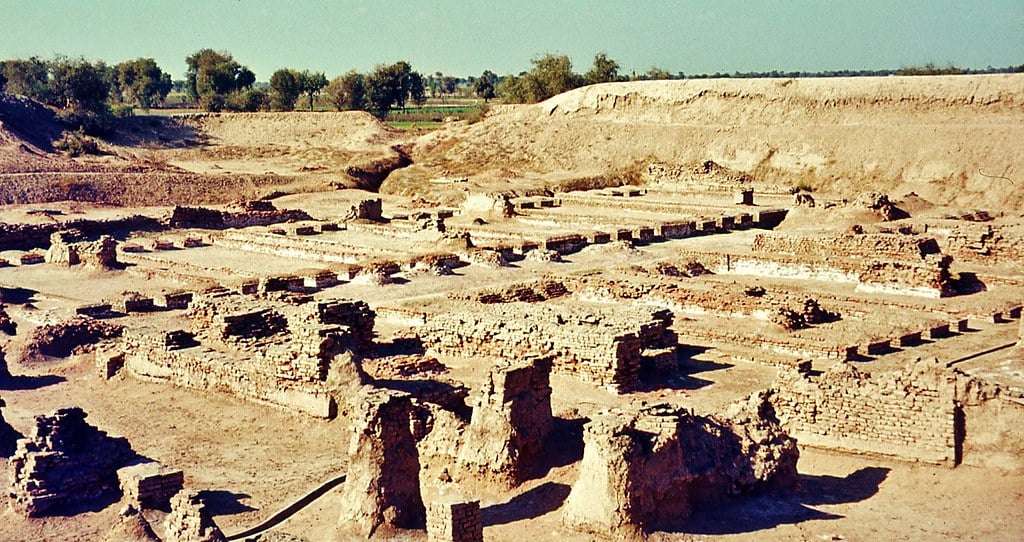
Most Bronze Age people lived in single-story mud huts and considered that perfectly adequate housing (and to be fair, it probably was, but the Indus Valley people had different ideas about vertical space). Archaeological evidence from Harappa and Mohenjo-daro shows clear remains of buildings that rose two, three, even four stories high — complete with wooden staircases, upper-floor rooms, and flat roofs that could be used as additional living or working space, which meant these cities had a skyline that would have looked surprisingly modern to someone approaching from a distance.
So while most of their ancient neighbors were spreading their settlements horizontally across available land, the Indus Valley people were already thinking like urban planners who understood that sometimes you build up instead of out. Which is something most civilizations didn’t figure out until population density forced their hand.
They Were Master Craftspeople

The level of craftsmanship that emerged from Indus Valley workshops reads like a catalog of things that shouldn’t have been possible with Bronze Age tools. Beads carved from precious stones, some so small they required magnification to appreciate the detail.
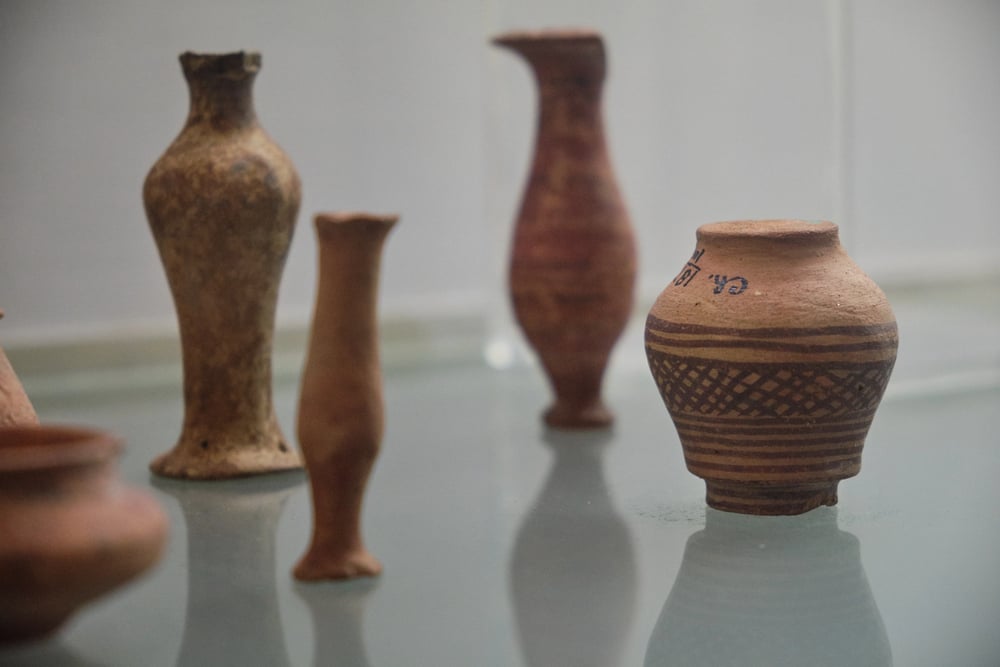
Jewelry worked so fine that individual elements could only have been created by artisans who had spent years perfecting techniques that died with them. Their pottery wasn’t just functional — it was art that happened to hold water.
Seals carved with a precision that suggests these weren’t just identifiers, but expressions of aesthetic standards that valued getting every line exactly right. This was a civilization that cared about making things beautiful, not just useful.
The Harappan “Priest-King” Isn’t Either
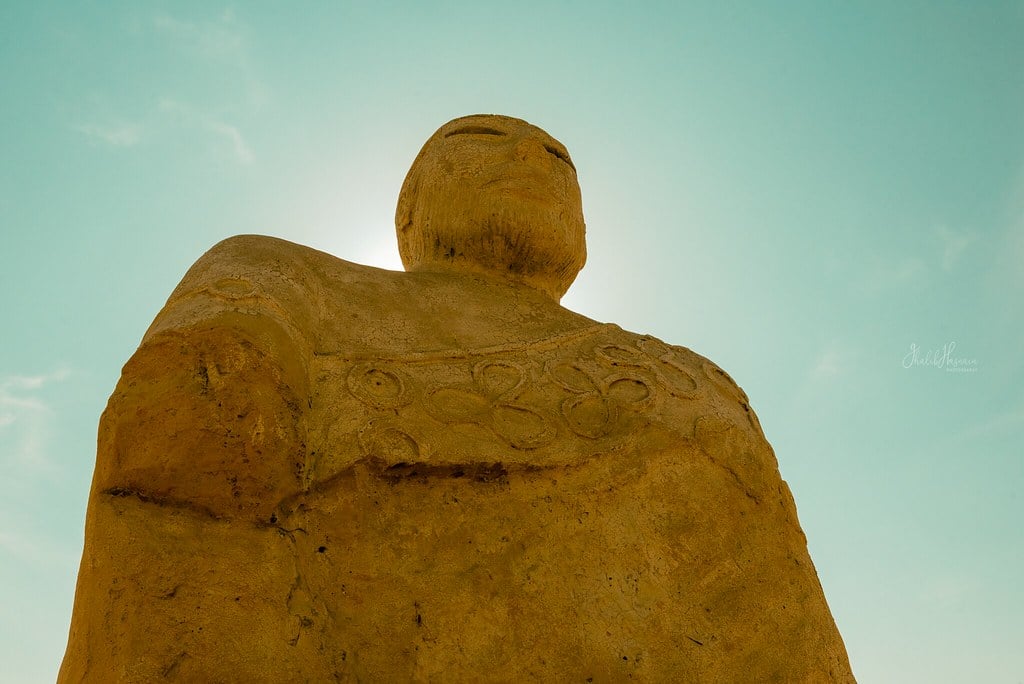
The famous limestone sculpture from Mohenjo-daro that everyone calls the “Priest-King” represents everything wrong with how archaeologists name things when they don’t actually know what they’re looking at. The figure wears a patterned robe and a headband, looks vaguely important, and has a beard — therefore, obviously, he must be a priest or a king.
Except there’s no evidence the Indus Valley civilization had priests in any recognizable sense, and even less evidence for kings. The sculpture could depict a merchant, a craftsman, a teacher, or someone whose role doesn’t translate into modern categories.
The confident name stuck anyway.
They Traded Across Continents
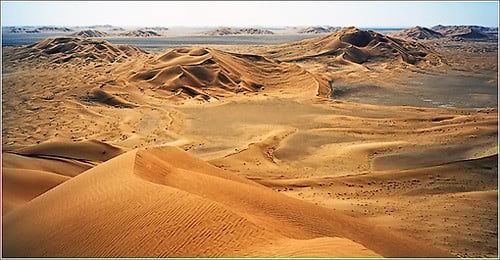
The Indus Valley people established trade networks that stretched from Central Asia to the Arabian Peninsula (and probably beyond, though the archaeological record gets murky when you start talking about maritime trade routes that far back in time), moving goods and ideas across distances that most civilizations couldn’t even conceptualize, let alone navigate — carnelian beads from Gujarat showing up in Mesopotamian graves, Indus Valley seals discovered in Persian Gulf trading posts, evidence of cultural exchange that suggests these people understood global commerce thousands of years before anyone started using that term. But here’s what makes their trading network particularly impressive: they managed to maintain consistent quality control across vast distances, which means someone figured out how to ensure that goods produced in one city met the same standards as goods produced in another city hundreds of miles away.
And they did all of this without writing systems we can read, which raises interesting questions about how they managed contracts, tracked shipments, or handled disputes.
Their Decline Remains a Mystery
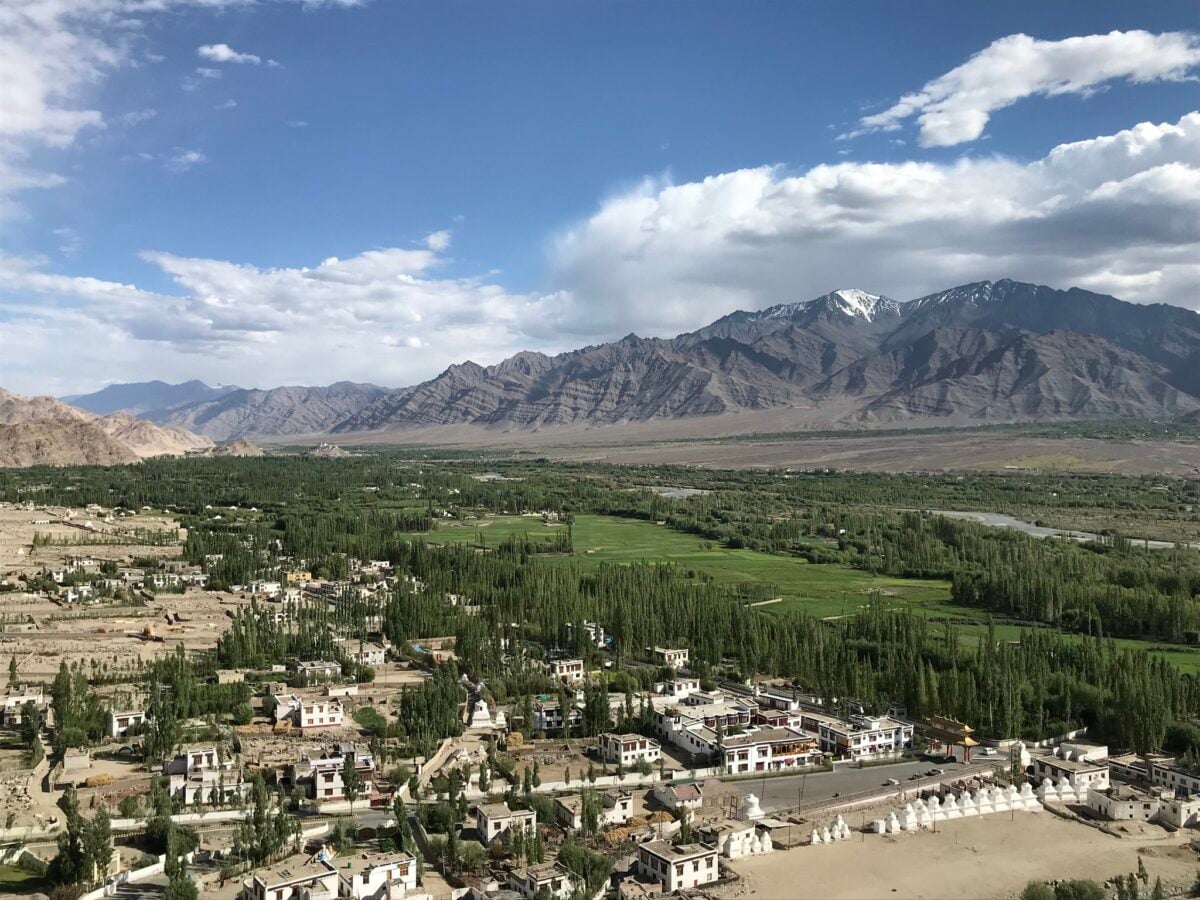
Civilizations usually leave evidence of their endings — burned cities, mass graves, signs of invasion or natural disaster. The Indus Valley civilization just faded away, like someone gradually turning down the volume until the music stopped entirely.
Cities were abandoned, but not destroyed. People moved away, but not all at once.
Some theories blame climate change, others point to shifting river patterns that disrupted agriculture. A few suggest internal collapse or gradual migration.
The truth might be some combination of factors, or something entirely different that left no archaeological footprint. Their disappearance is as mysterious as everything else about them.
They Invented the World’s First Buttons

Buttons seem like such an obvious invention that it’s easy to assume they’ve always existed. But someone had to think of them first, and that someone lived in the Indus Valley around 2000 BCE.
These weren’t decorative ornaments — they were functional fasteners with carefully drilled holes, designed to hold clothing together. This innovation took another 1,500 years to spread to other parts of the world.
Until then, people made do with pins, ties, and hope.
Their Toys Were Surprisingly Modern

Children in the Indus Valley played with toys that wouldn’t look out of place in a modern playroom. Wheeled carts pulled by toy animals.
Spinning tops. Whistles shaped like birds.
Marbles. Board games with rules that remain unknown but game pieces that suggest sophisticated gameplay.
These weren’t crude approximations of adult tools — they were objects designed specifically for play, which suggests a culture that valued childhood as something worth investing in rather than just a brief inconvenience before adult responsibilities began.
They May Have Discovered the Pythagorean Theorem First

Mathematical analysis of Indus Valley city layouts, building proportions, and architectural measurements reveals consistent use of geometric principles that wouldn’t be formally described until Pythagoras came along 1,500 years later. Their drainage systems required precise calculations of slope and flow rates.
Their standardized brick ratios demonstrate understanding of proportional relationships. This doesn’t mean they had written mathematical theorems — without being able to read their script, there’s no way to know how they conceptualized these relationships.
But the archaeological evidence suggests mathematical sophistication that predates most known mathematical traditions by centuries.
A Civilization That Chose Differently
What strikes you most about the Indus Valley civilization isn’t any single innovation or achievement — it’s how consistently they made choices that other ancient cultures didn’t make, and how those choices created something that feels almost impossibly balanced. While their neighbors were building monuments to individual power, the Indus Valley people were building public infrastructure that served everyone equally.
While others were developing increasingly complex hierarchies, they seem to have maintained remarkably egalitarian societies. Their cities suggest a culture that prioritized collective welfare over individual glory, practical solutions over symbolic gestures, long-term planning over immediate gratification.
They disappeared before they could tell us how they managed it, leaving behind only the quiet evidence of a civilization that briefly figured out how to build something better.
More from Go2Tutors!

- The Romanov Crown Jewels and Their Tragic Fate
- 13 Historical Mysteries That Science Still Can’t Solve
- Famous Hoaxes That Fooled the World for Years
- 15 Child Stars with Tragic Adult Lives
- 16 Famous Jewelry Pieces in History
Like Go2Tutors’s content? Follow us on MSN.



