Animals That Sleep In Strange Ways
Sleep looks different across the animal kingdom. While humans spend about eight hours tucked into beds each night, other creatures have developed wild ways to catch their rest.
Some sleep standing up. Others shut down only half their brain at a time. A few manage to sleep while flying thousands of feet in the air.
These adaptations aren’t just interesting quirks. They’re survival strategies that help animals stay alive in dangerous environments where predators hunt and food is scarce.
Each species figured out how to get the rest they need while staying safe from threats.The strangest sleepers in nature prove that bedtime doesn’t have to mean lying down with eyes closed. Sometimes it means something completely different.
Dolphins keep half their brain awake

Dolphins can’t afford to fully fall asleep because they need to consciously think about breathing, even while resting. To solve this problem, they shut down one half of their brain at a time while keeping the other half alert and functioning.
The eye opposite the sleeping brain hemisphere closes while the other stays open to watch for predators. After about two hours, they switch sides so both halves of the brain get rest.
Sometimes dolphins enter deep sleep called logging, where they float motionless near the surface like logs in the water.
Chinstrap penguins take thousands of micro-naps

These Antarctic birds have one of the weirdest sleep schedules ever documented. Chinstrap penguins nap for about four seconds at a time, then wake up, then nap again for another four seconds.
They repeat this pattern thousands of times each day, accumulating around 11 hours of total sleep through these tiny bursts. The constant on-and-off sleeping helps them guard their eggs and chicks from predatory birds and other penguins looking to steal nesting materials.
Research in 2023 confirmed this bizarre pattern, showing that sleep benefits can build up bit by bit instead of requiring long stretches.
Giraffes barely sleep at all
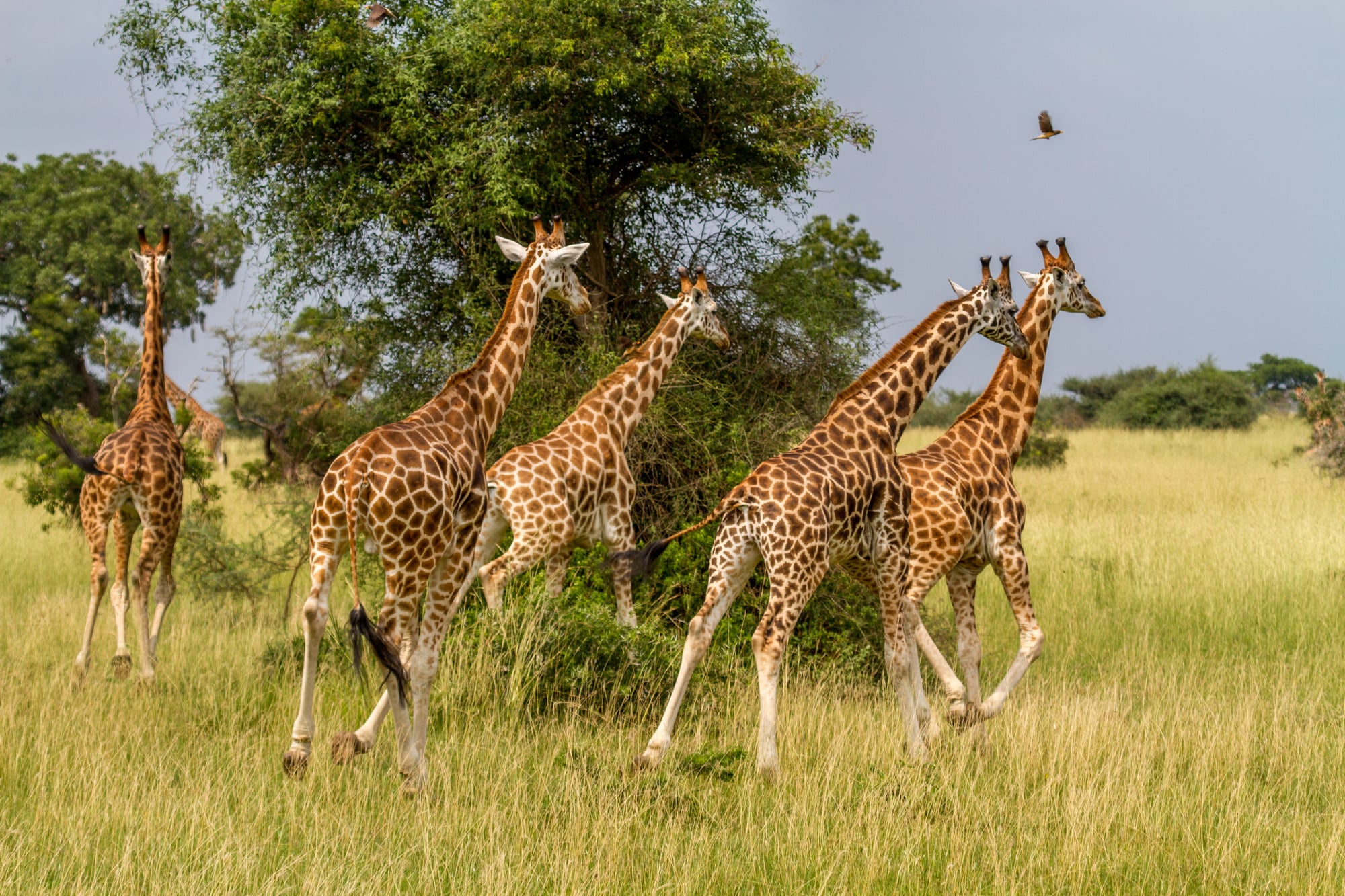
The world’s tallest animals function on shockingly little rest. Giraffes sleep only about 20 to 30 minutes per day, usually in five-minute bursts.
They typically sleep standing up to stay ready for quick escapes from lions and leopards. When they do lie down, they curl into a position that looks almost impossible, folding their long legs underneath their body and resting their head on their backside.
Getting up from this position takes time and leaves them vulnerable, so they avoid it except when they feel relatively safe.
Parrotfish blow mucus bubbles
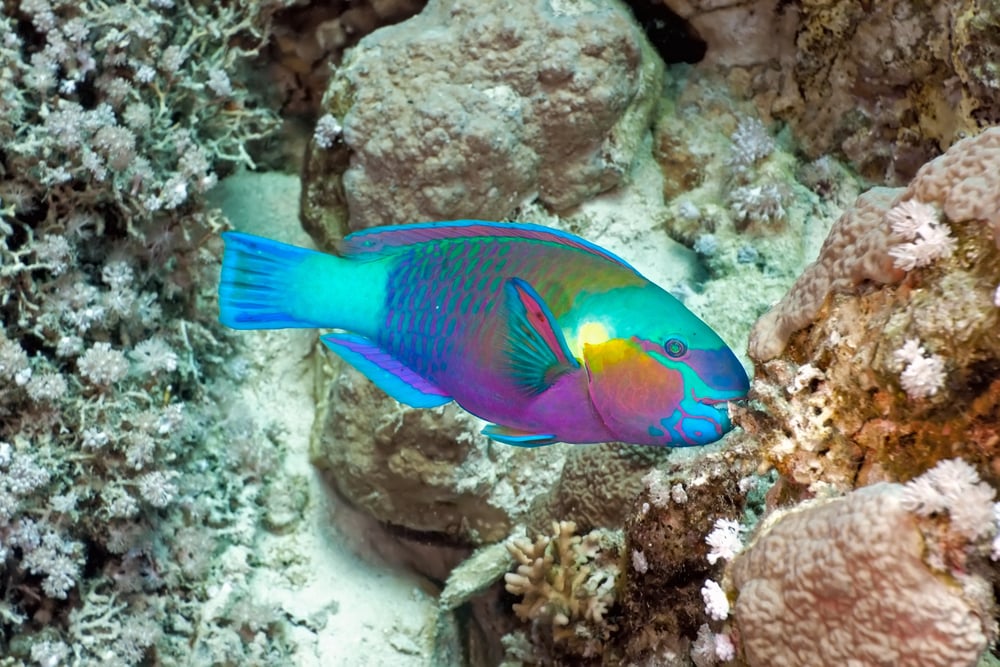
Before bed each night, certain parrotfish species secrete mucus from glands near their gills and surround themselves in a transparent bubble. This process takes up to an hour, and the fish sleeps inside this slimy cocoon until morning.
Scientists believe the bubble protects them from blood-sucking parasites and masks their scent from predators like moray eels. The mucus contains antibiotics that kill harmful bacteria, making it a kind of protective tent with built-in medicine.
If something disturbs or tears the bubble, the fish wakes instantly and swims away at high speed.
Sperm whales sleep vertically
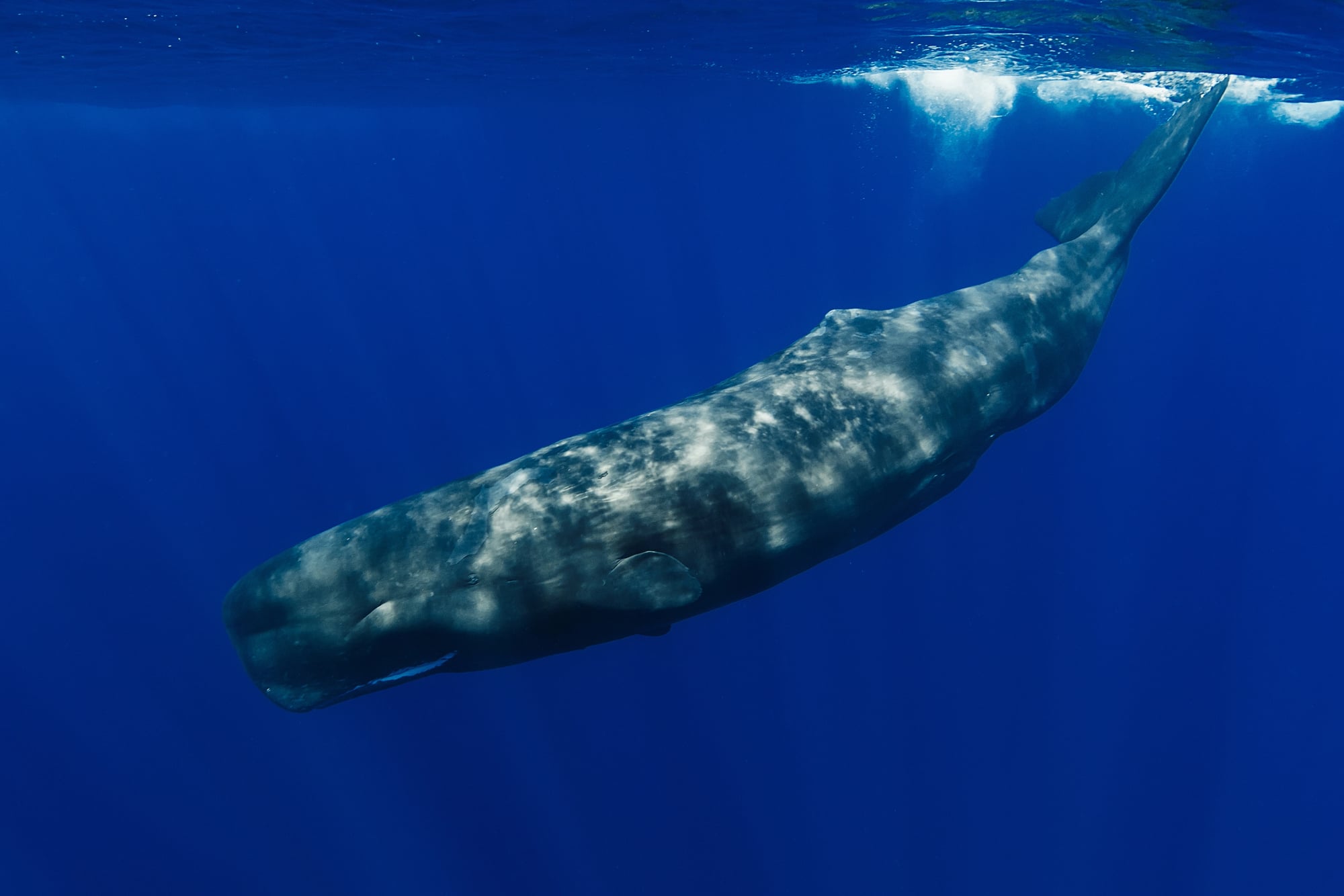
These massive ocean dwellers rest by bobbing upright in the water like giant floating bottles. Researchers discovered this behavior in 2008 when they found a group of sperm whales sleeping vertically off the coast of Chile.
The whales were so deeply asleep they didn’t notice a boat approaching until one was accidentally bumped. During these naps, which last 10 to 15 minutes at a time, the whales don’t breathe or move at all.
They might be the least sleep-dependent mammals on Earth, spending only about 7 percent of their day resting compared to humans’ 33 percent.
Elephants sleep just two hours daily

Wild African elephants hold the record for sleeping less than any other land mammal. They average around two hours of sleep per day and can go up to 46 hours without any rest at all.
Most of their sleep happens while standing up, which lets them escape quickly if threatened by predators or aggressive bull elephants. They only lie down to sleep every few days, probably because their massive size makes getting up from the ground slow and difficult.
Captive elephants sleep much more, up to six hours daily, because they don’t face the same dangers.
Walruses can sleep anywhere
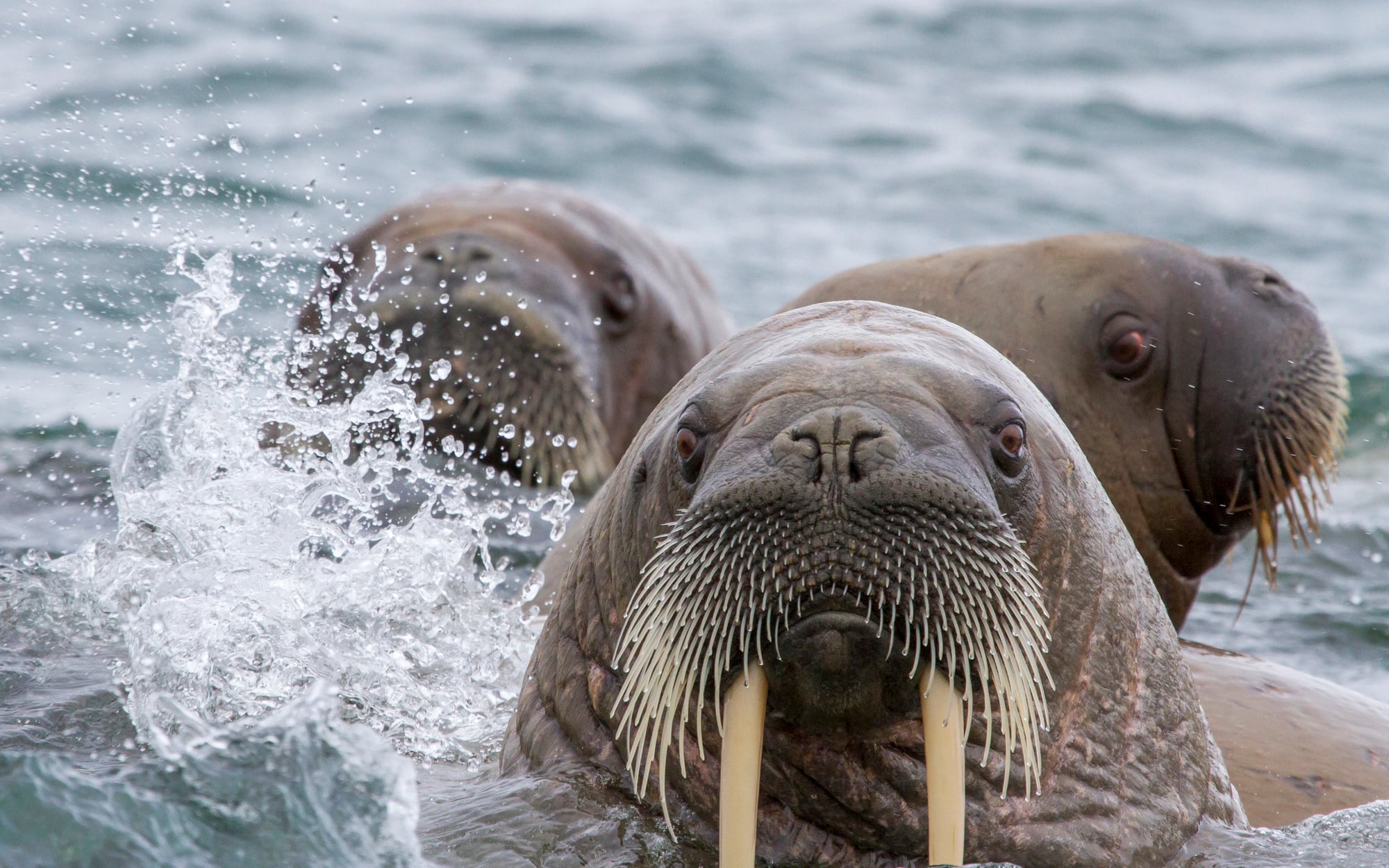
These blubbery marine mammals sleep both on land and in water with equal ease. When sleeping in the ocean, they fill special pouches near their throat with air, which keeps their head above water so they can breathe.
Some walruses have been spotted resting in water while hanging from ice floes using their tusks like hooks. On land, they can settle in for marathon sleep sessions lasting up to 19 hours straight.
But when they need to travel, walruses can stay awake for 84 hours or more while swimming long distances.
Frigate birds sleep while flying

These ocean-crossing birds spend months at a time in the air without landing. They eat, drink, and sleep on the wing during journeys that can last over 200 days.
Scientists discovered that frigate birds sleep by shutting down half their brain at a time, similar to dolphins, which allows them to keep flying while resting. They catch sleep during gliding and soaring moments when they don’t need to flap their wings.
Each sleep session lasts only seconds to minutes, and the birds accumulate just 42 minutes of total sleep per day while airborne.
Sea otters hold hands
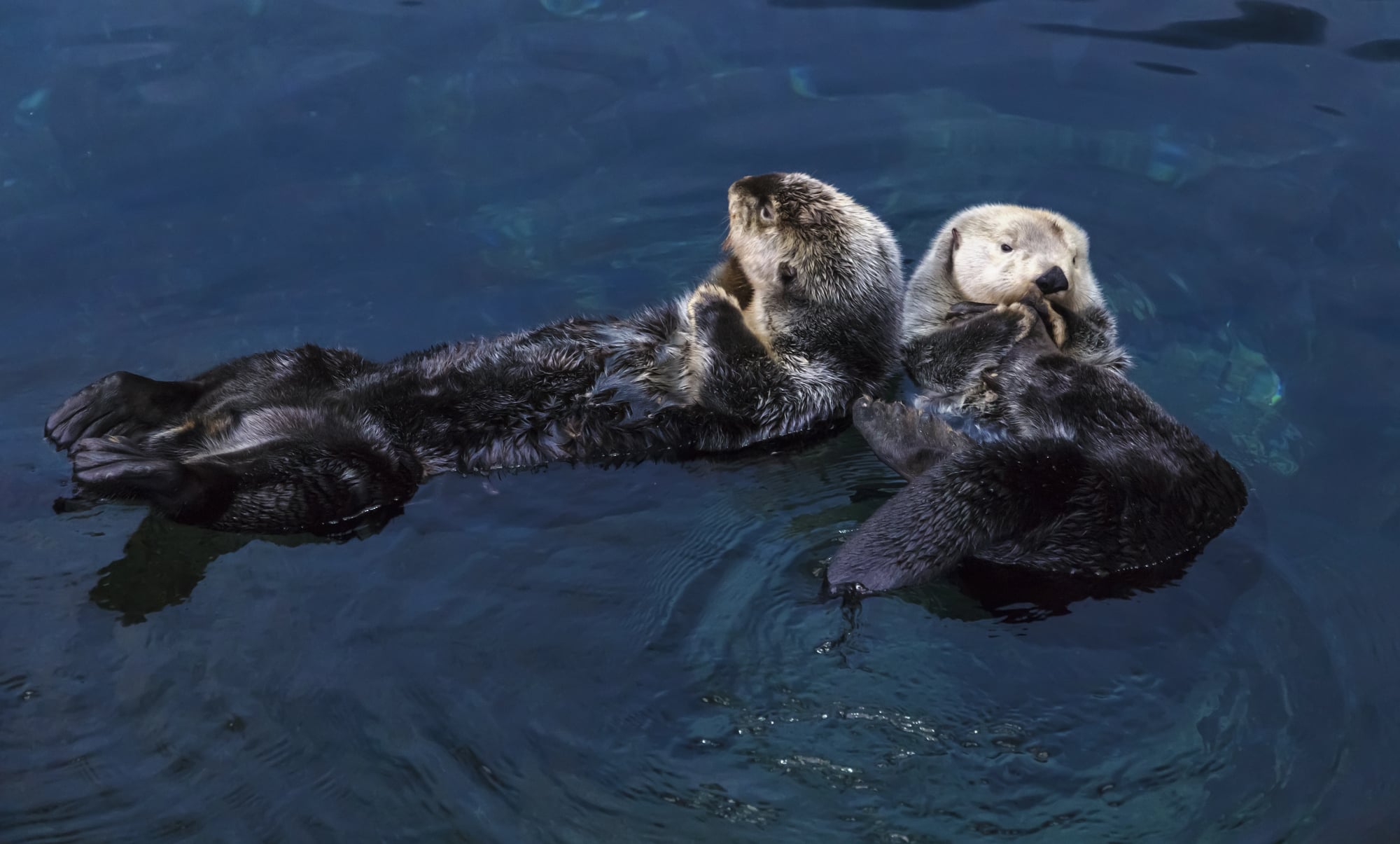
These adorable marine mammals sleep floating on their backs at the water’s surface. To prevent drifting apart from their group during the night, otters often hold hands with each other while they rest.
Sometimes they wrap themselves in kelp or seaweed anchored to the seafloor, which keeps them from floating away with ocean currents. This hand-holding behavior serves a practical purpose beyond being cute.
It keeps the group together and helps them watch out for predators as a unit rather than scattering across the water.
Meerkats sleep in piles
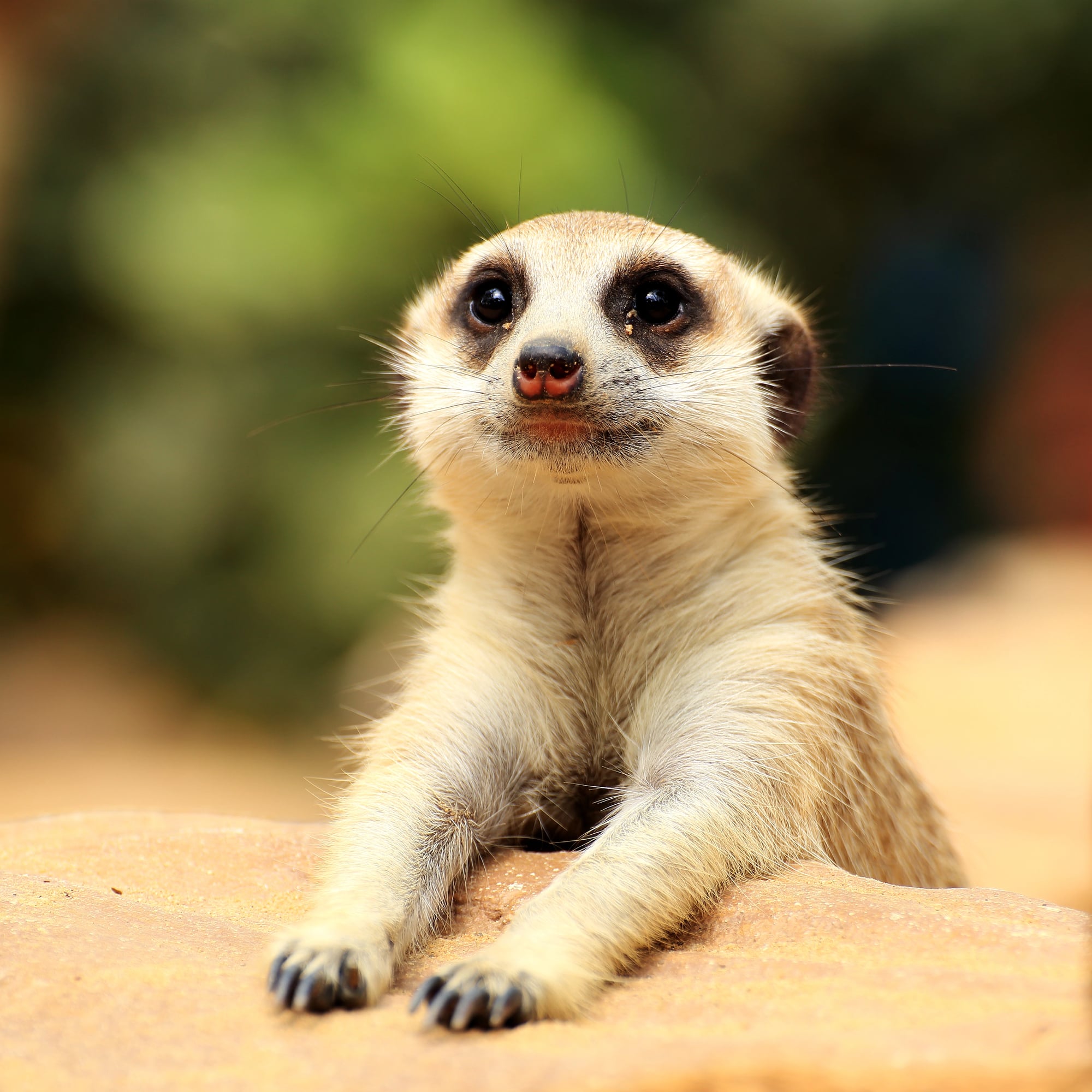
These small African mammals live in communities called mobs or gangs and sleep underground in burrows with multiple chambers. At night, they pile on top of each other in one big heap for warmth and protection.
The alpha male and female leaders of the group get the best spots at the bottom of the pile, surrounded and protected by other members. During summer when temperatures rise, the pile spreads out more, and some meerkats even sleep above ground.
This communal sleeping keeps everyone warm during cold nights and ensures the most important members of the group stay safest.
Brown bats sleep 19 hours a day
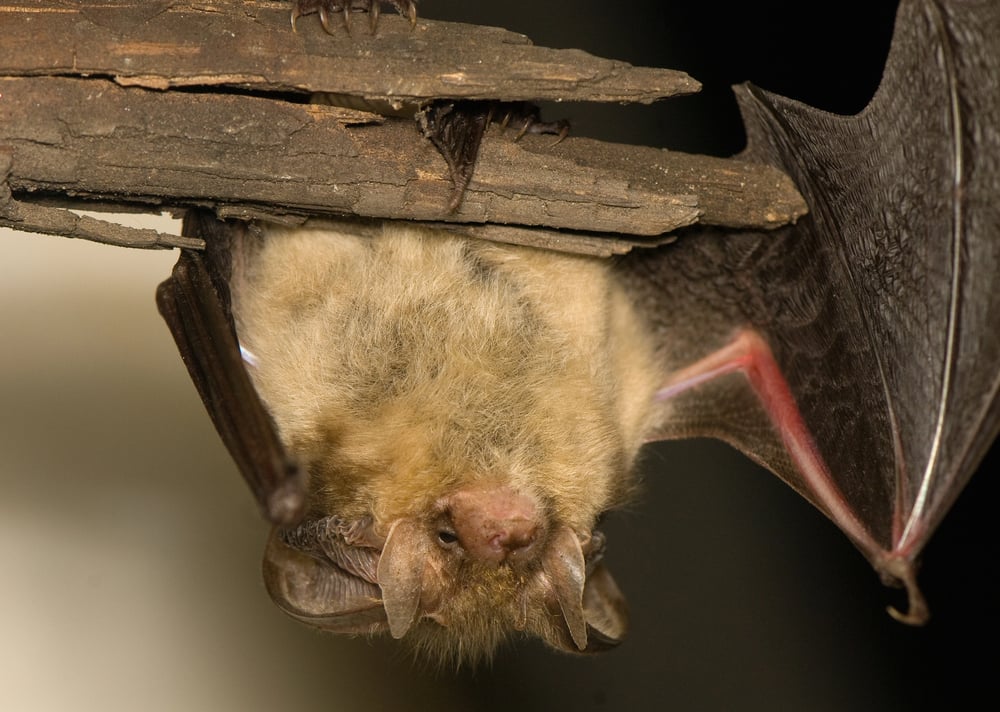
Little brown bats are among the sleepiest mammals on Earth, resting for around 19 hours every single day. They sleep hanging upside down, which seems uncomfortable but actually helps them in multiple ways.
The upside-down position keeps them safe from ground predators and requires almost no energy to maintain because their talons lock into place automatically. If danger approaches, they can simply let go and drop straight into flight.
Bats are nocturnal hunters, so they sleep during daylight hours when their insect prey is less active anyway.
Horses and cows lock their legs
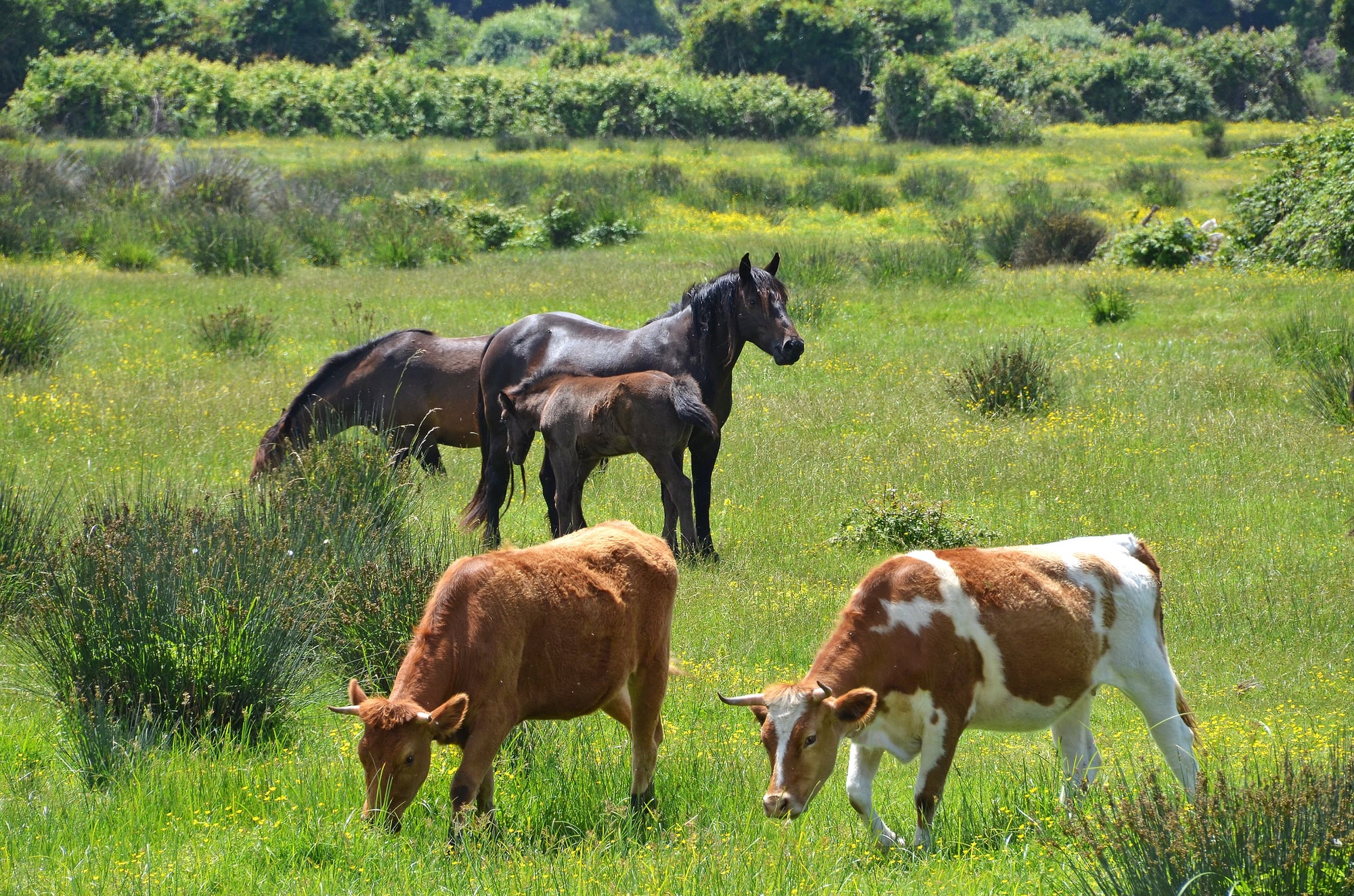
These large grazing animals possess something called a stay apparatus, which lets them lock their leg joints in a standing position without using much muscle energy. This adaptation allows them to sleep while standing up, ready to run at the first sign of danger.
However, they can’t achieve deep REM sleep while standing, so they do need to lie down occasionally for complete rest. The ability to doze while standing gives prey animals crucial extra seconds to escape when predators attack, which can mean the difference between life and death.
Albatrosses sleep on the ocean

These incredible seabirds spend most of their lives flying over open ocean, sometimes staying aloft for months without touching land. When they do need to rest, they land on the water’s surface and sleep while floating like ducks.
Albatrosses can also sleep briefly while gliding through the air, using the same unihemispheric sleep pattern as frigate birds and dolphins. Their wingspan, which can exceed 11 feet, lets them soar for hours without flapping, creating perfect opportunities for quick aerial naps.
Some species travel over 75,000 miles per year, so grabbing sleep whenever possible becomes essential.
Baby owls sleep face-down

Owlets, or baby owls, have heads that are too heavy for their bodies to support properly. When they sleep, they often flop forward and end up lying flat on their stomachs with their faces pressed into whatever surface they’re resting on.
The position looks uncomfortable and even alarming to people who don’t know better. Adult owls sometimes sleep standing upright with their eyes closed, but they can also rest with one eye open to watch for threats.
The ability to sleep with one eye open comes from the same unihemispheric sleep that dolphins and whales use.
Snails can sleep for years

Garden snails don’t just sleep through the night. They can enter long periods of dormancy that last for years at a time.
One famous case involved a desert snail that a British Museum worker thought was dead and glued to an identification card. Four years later, someone noticed slime trails on the card, removed the shell, and watched the snail crawl out alive. Snails seal themselves inside their shells during dry or cold periods and essentially shut down all non-essential functions.
When conditions improve, they wake up and resume normal activity as if no time had passed.
Reindeer chew while sleeping
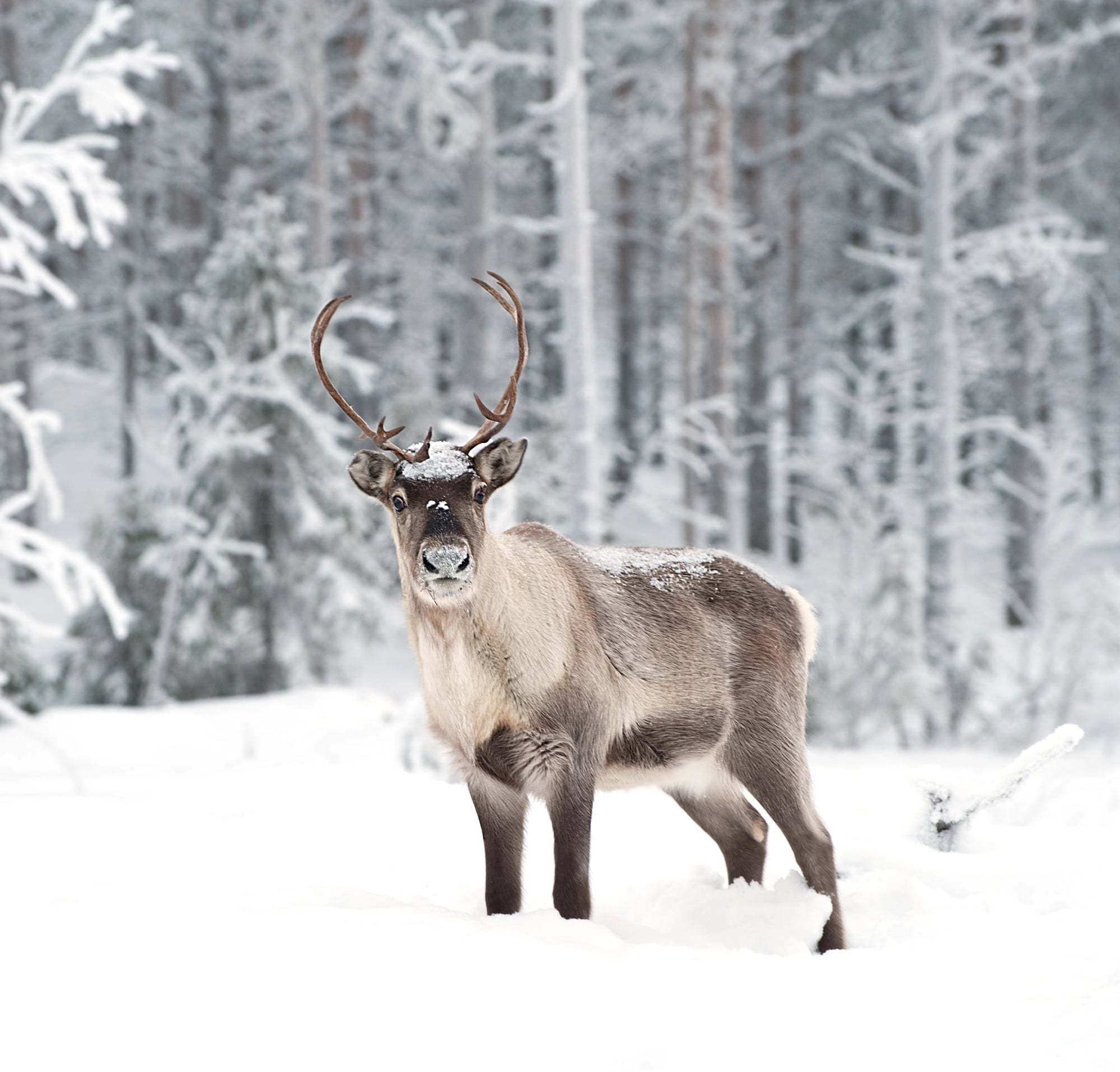
These Arctic animals face a serious challenge during the brief summer growing season. They need to eat massive amounts of food in a short time to survive the long winter ahead.
To maximize eating time, reindeer have developed the ability to chew their cud while sleeping. This multitasking lets them digest food and rest simultaneously, squeezing more nutrition from every 24-hour period.
The adaptation proves particularly useful in the far north where summer brings nearly constant daylight, disrupting normal sleep-wake cycles that depend on darkness.
Zebras sleep standing in groups

Standing like horses, zebras nap on their feet thanks to a joint-locking trick. Still, they add another layer – sleeping together in clusters where watchfulness shifts between members.
One zebra might doze hard while its neighbor stays half-awake, scanning for danger from lions or hyenas. Roles switch now and then so each one catches real rest without leaving everyone blind.
Lying flat happens too, though only when surroundings seem secure and the group stands close.
Frogs that are bull-sized could stay awake always

Testing on bullfrogs has gone deep, revealing an odd truth. Not counting winter downtime, these frogs may never actually sleep like most animals.
Poking them while at rest brings instant reactions – same as wide-awake ones – hinting their minds remain nearly switched on. Should that hold up, it places bullfrogs among the rare few able to run without needing proper shut-eye.
Come cold months though, they vanish into hibernation for long stretches, possibly gaining what others get through nightly slumber.
When rest becomes a survival tool
Floating through nights half-awake keeps dolphins breathing beneath dark waves. While one side rests, the other watches – survival stitched into rest by slow years of change.
Giraffes barely close their eyes; staying alert means living past dawn when danger moves fast. Trapped in a gooey cocoon each night, parrotfish slip unseen under the radar of hungry hunters.
Mistakes in slumber were paid for dearly – those who chose poorly vanished without trace. Looking into animal habits gives scientists clues about what really happens when we doze off.
Lessons from creatures in the wild could change how people rest down the line – maybe even make it easier. Or simply show just how cozy our nights are when you think about a giraffe staying alert for predators between short naps.
More from Go2Tutors!

- The Romanov Crown Jewels and Their Tragic Fate
- 13 Historical Mysteries That Science Still Can’t Solve
- Famous Hoaxes That Fooled the World for Years
- 15 Child Stars with Tragic Adult Lives
- 16 Famous Jewelry Pieces in History
Like Go2Tutors’s content? Follow us on MSN.