Animals That Use Tools in Ways Scientists Once Thought Only Humans Could
For most of human history, the ability to pick up an object and use it to solve a problem was considered our private intellectual property. When Jane Goodall watched a chimpanzee strip leaves from a twig and fish it into a termite mound in the 1960s, it rattled that assumption enough that her mentor, paleoanthropologist Louis Leakey, reportedly wrote: “Now we must redefine tool, redefine man, or accept chimpanzees as humans.”
The redefinition won. Since then, the list of confirmed tool users has grown to span fish, birds, invertebrates, and mammals — creatures with brains of wildly different sizes and structures, all arriving at the same basic insight: objects can be useful.
What makes each discovery genuinely strange is not just that these animals use tools, but that many of them do so with planning, teaching, and what looks remarkably like craftsmanship. The chimpanzee toolkit is well known at this point.
The crow that bends wire into a hook is almost famous. But the animals below include some that researchers resisted classifying as tool users for years, simply because the possibility seemed too far-fetched.
Chimpanzees
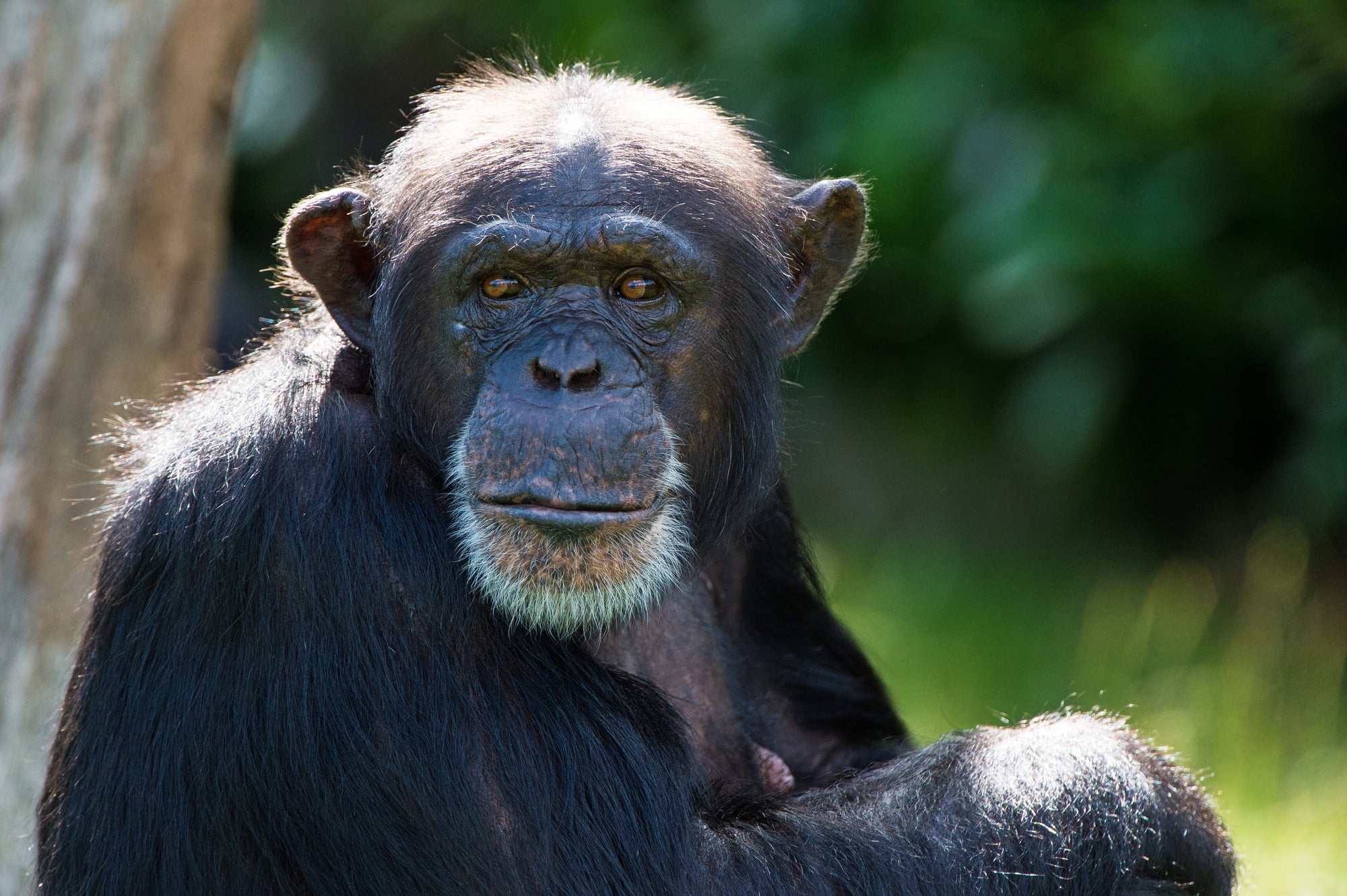
Chimpanzees hold the longest documented tool-use record outside of humans, with stone hammers found at a chimp settlement in Ivory Coast dating back roughly 4,300 years. In the wild, they maintain multi-tool kits — different instruments for breaking into ant nests versus gathering the ants themselves — and have been observed making spears from branches to hunt other primates.
The behavior spreads culturally: young chimps watch adults and practice over months before getting it right, which means this is not instinct but learned skill passed across generations.
New Caledonian Crows
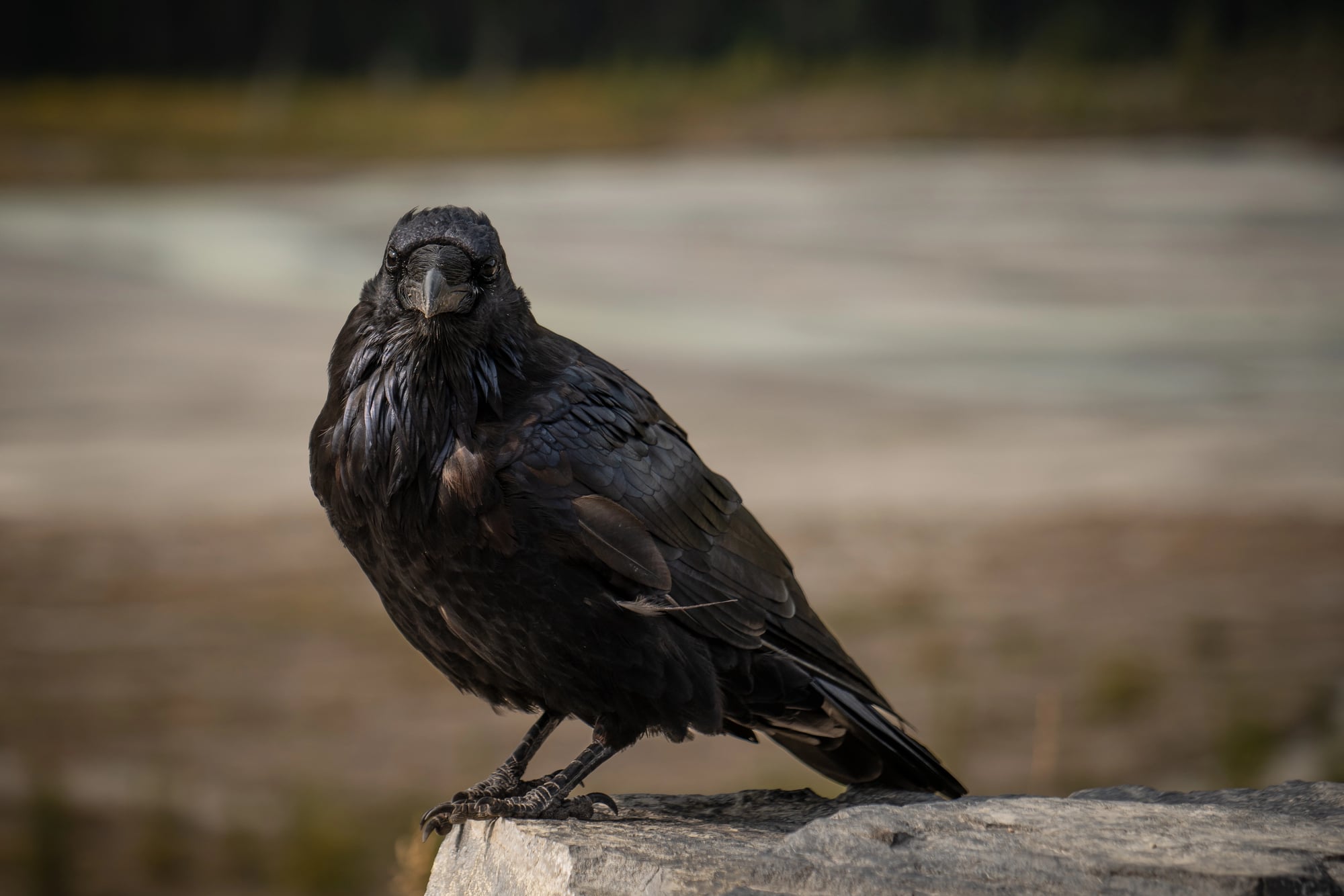
New Caledonian crows manufacture tools rather than simply find and use them, which puts them in an extremely small category. They cut hooked probes from pandanus leaves with precise, repeatable technique, and in laboratory settings have spontaneously bent straight wire into hooks to retrieve food from inside tubes.
In 2002, a crow named Betty at Oxford University did this without any prior exposure to bent wire, choosing to reshape her tool rather than give up on the task — behavior that researchers had expected only from great apes.
Bottlenose Dolphins
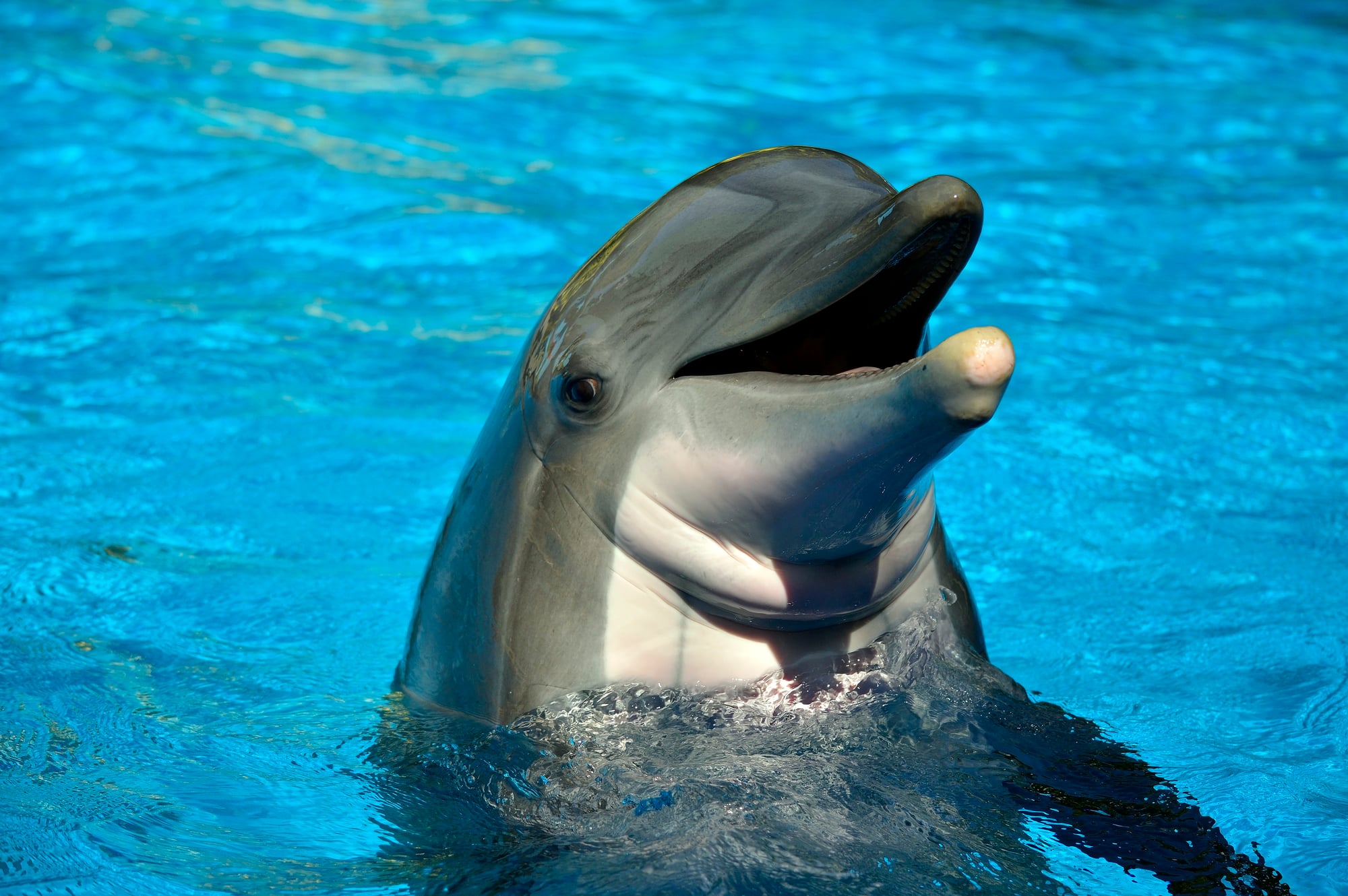
Dolphins in Shark Bay, Western Australia, tear off marine basket sponges and carry them on their snouts while foraging on the seafloor, using the sponge to protect their skin from sharp rocks and coral when they flush out hidden fish. The behavior is passed almost exclusively from mother to daughter, making it one of the clearest examples of non-primate cultural transmission of tool use.
These dolphins spend more time actively hunting with tools than any non-human animal studied to date.
Orangutans
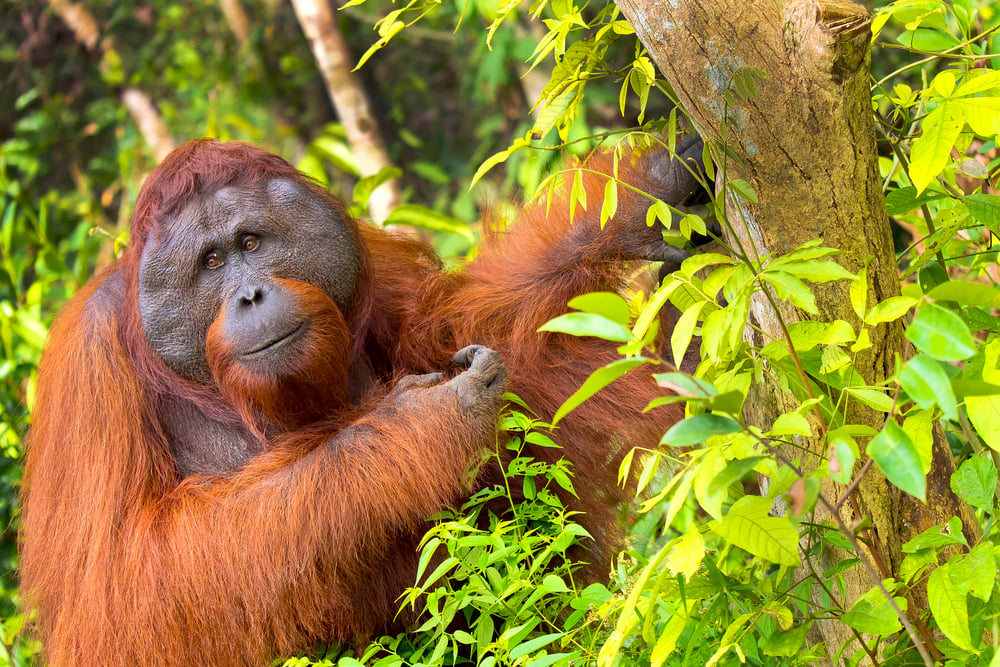
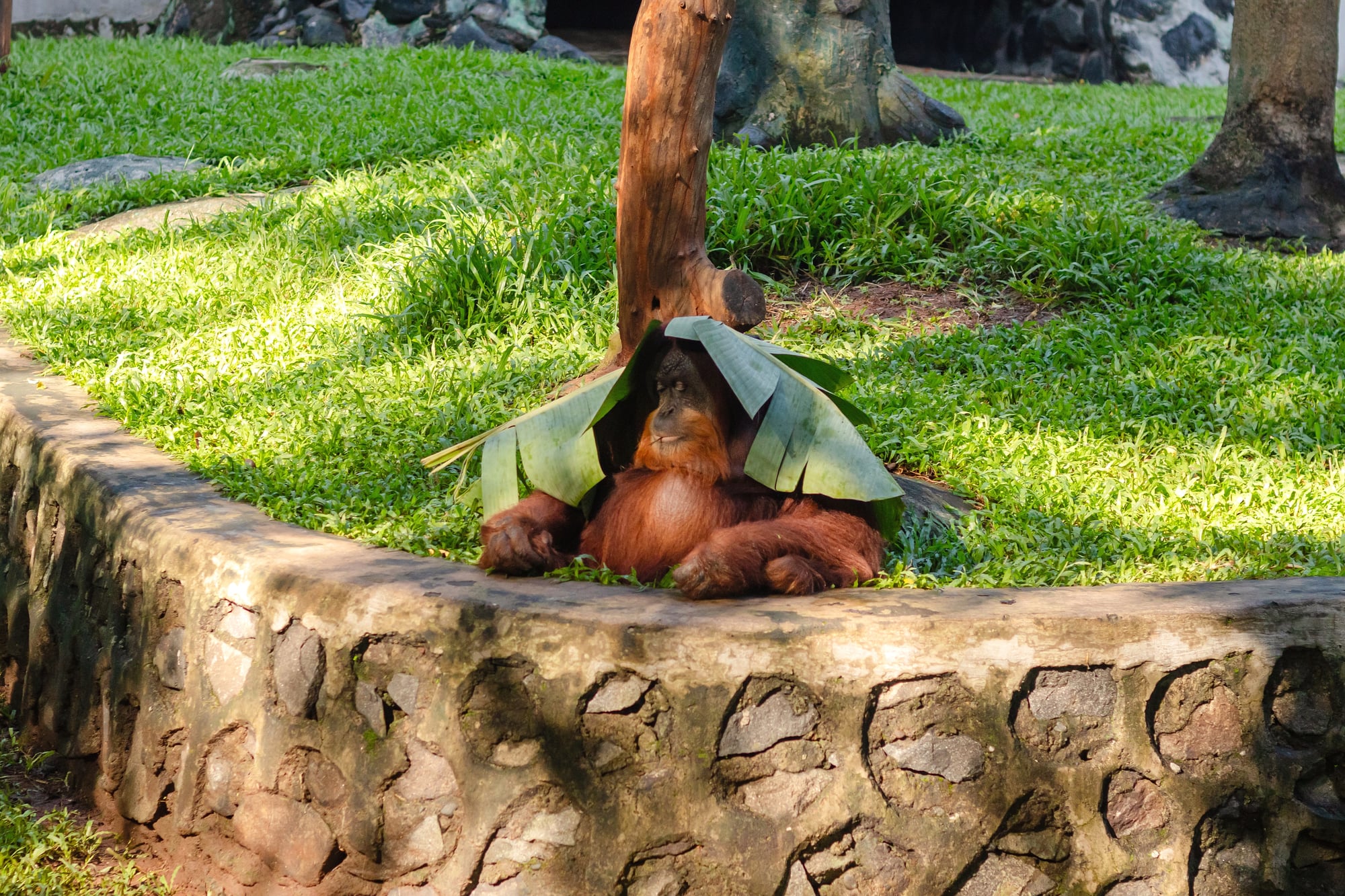
Orangutans in Sumatra have developed the habit of crafting improvised whistles from bundles of leaves, blowing through them to produce alarm calls that deter predators. This appears to be the first recorded case of a non-human animal using a tool specifically for communication rather than physical manipulation.
The behavior varies between populations — suggesting it emerged independently in different groups — and is passed down through social learning rather than being hardwired.
Sea Otters
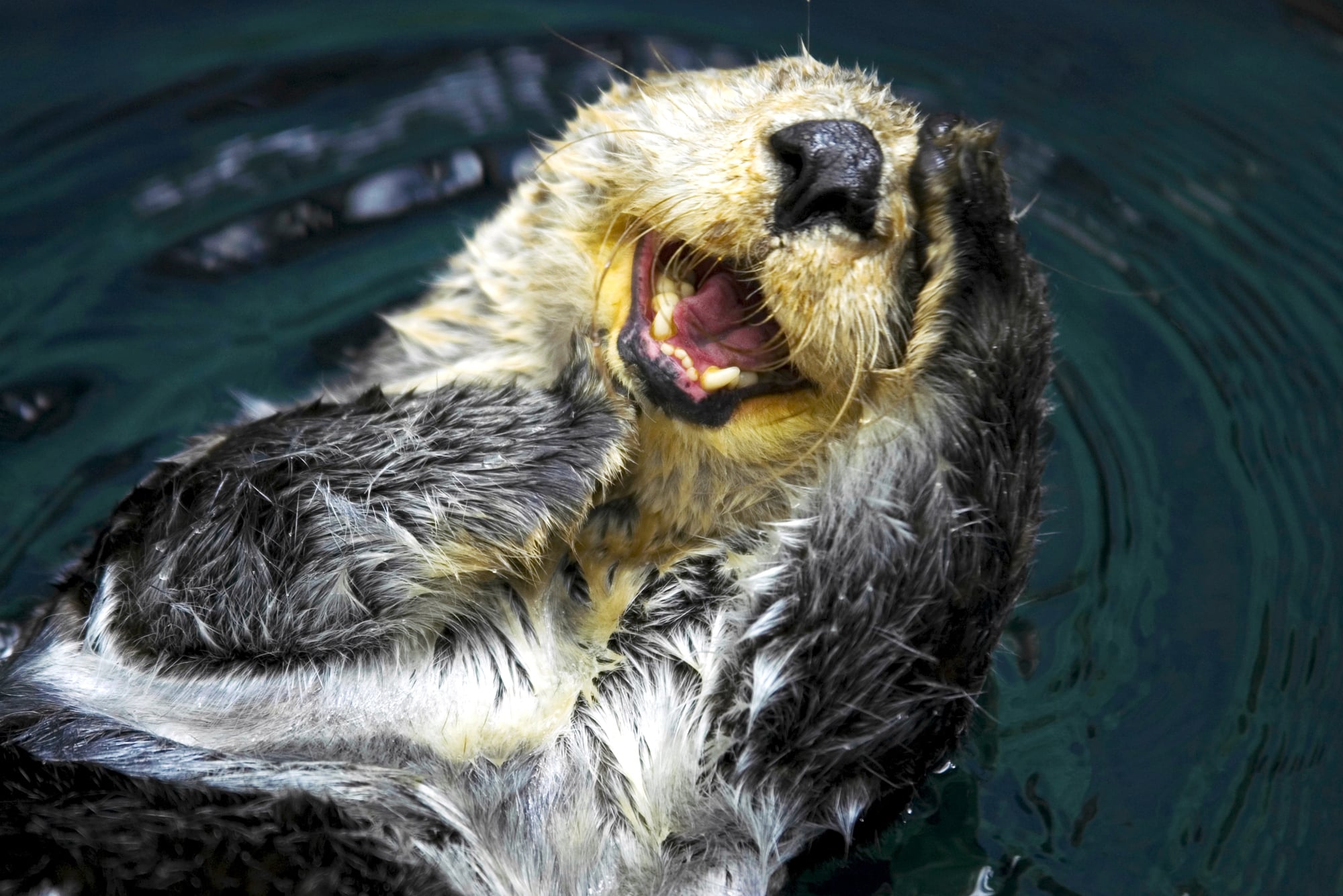
Sea otters use rocks as anvils to crack open shellfish, carrying preferred stones tucked under their forearm skin folds while they dive. A ten-year study off the California coast identified otters returning repeatedly to specific rocks embedded in the seafloor, building up characteristic scatter patterns of broken mussel shells — effectively creating an archaeological record.
Researchers published findings in 2019 noting this was the first time non-human tool use had left a recognizable pattern detectable by standard archaeological survey methods.
Gorillas
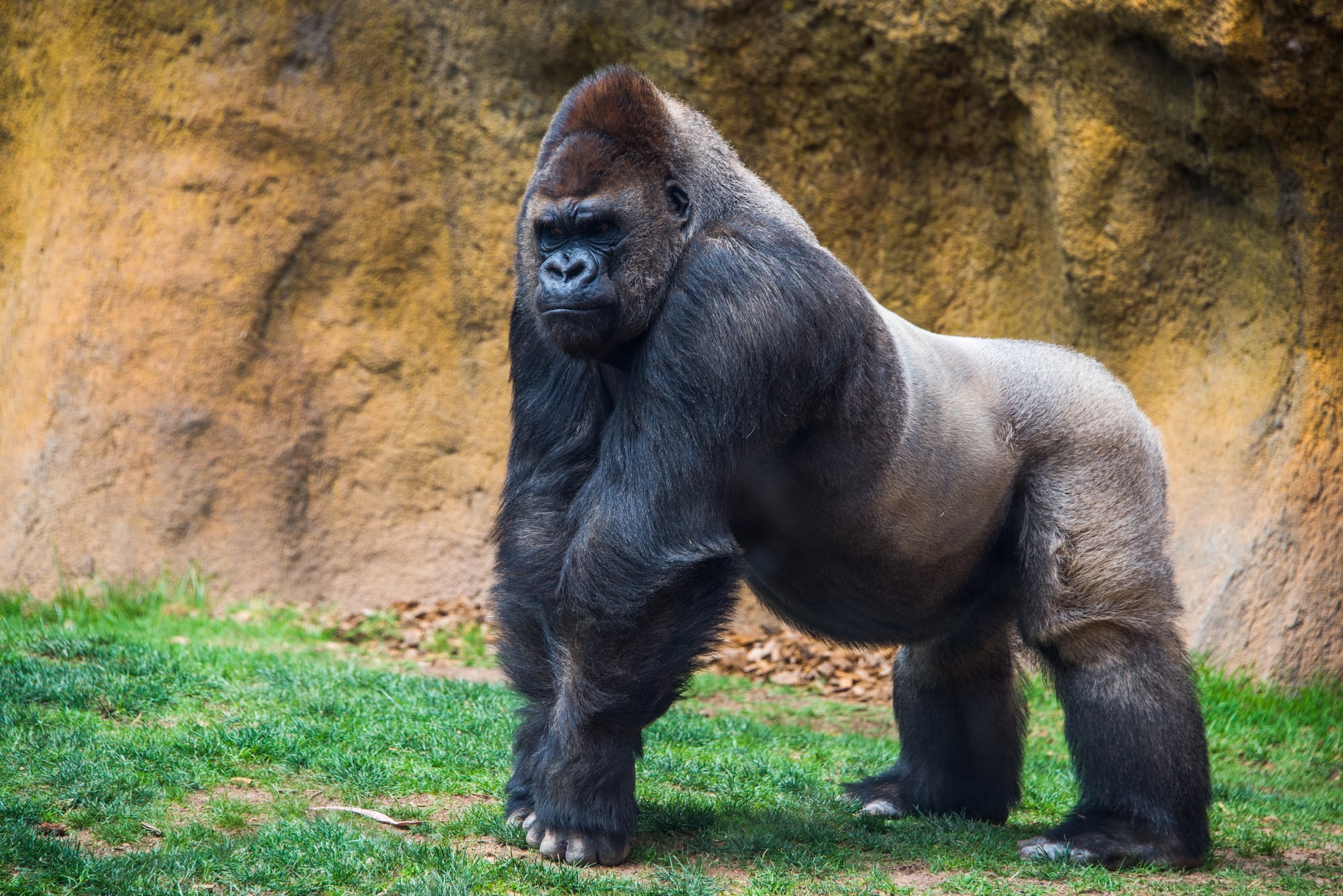
Gorillas have been photographed using long sticks to test the depth of water before wading across swamps, deploying the same stick as a walking aid in deeper sections. In 2005, a gorilla at Bwindi Impenetrable Forest in Uganda was filmed using a detached trunk as a bridge to cross a patch of muddy ground.
Unlike chimpanzees, gorillas were long assumed to be less cognitively flexible with tools — this behavior forced a revision of that assumption.
Blackspot Tuskfish
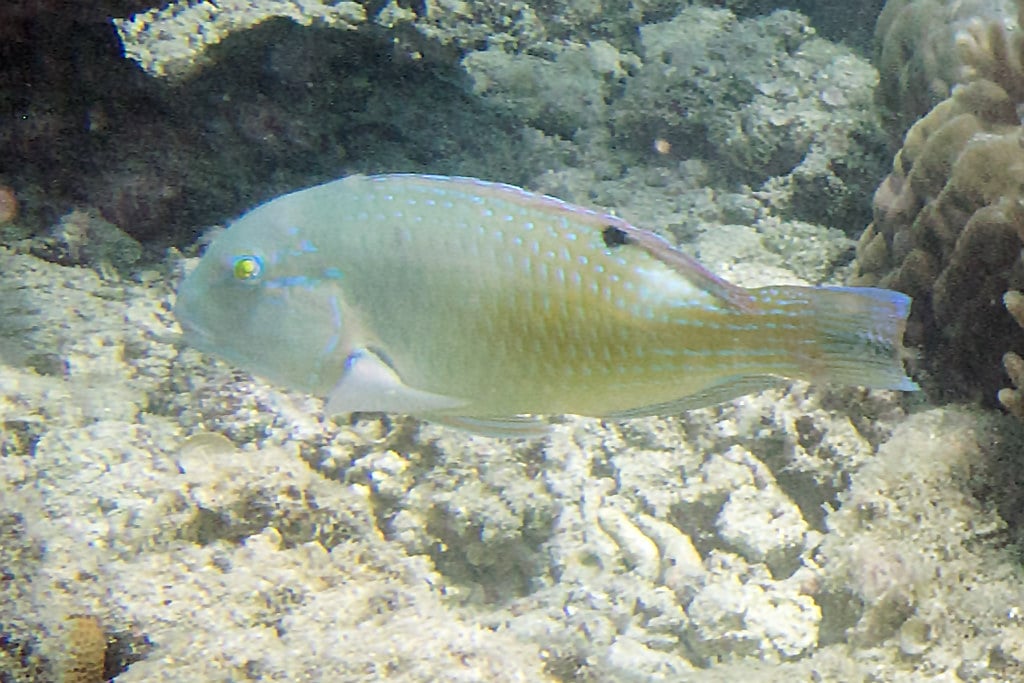
The first photographed evidence of a fish using a tool came in 2006, when diver Scott Gardner captured a blackspot tuskfish at Australia’s Great Barrier Reef carrying a clam in its mouth, swimming to a specific rock, and landing precise strikes to crack the shell open. The surrounding reef showed accumulated piles of broken shells — clear evidence this was not an isolated moment of luck but a practiced, repeatable technique.
Fish tool use had been theoretically possible for years, but this photograph made it undeniable.
Atlantic Puffins
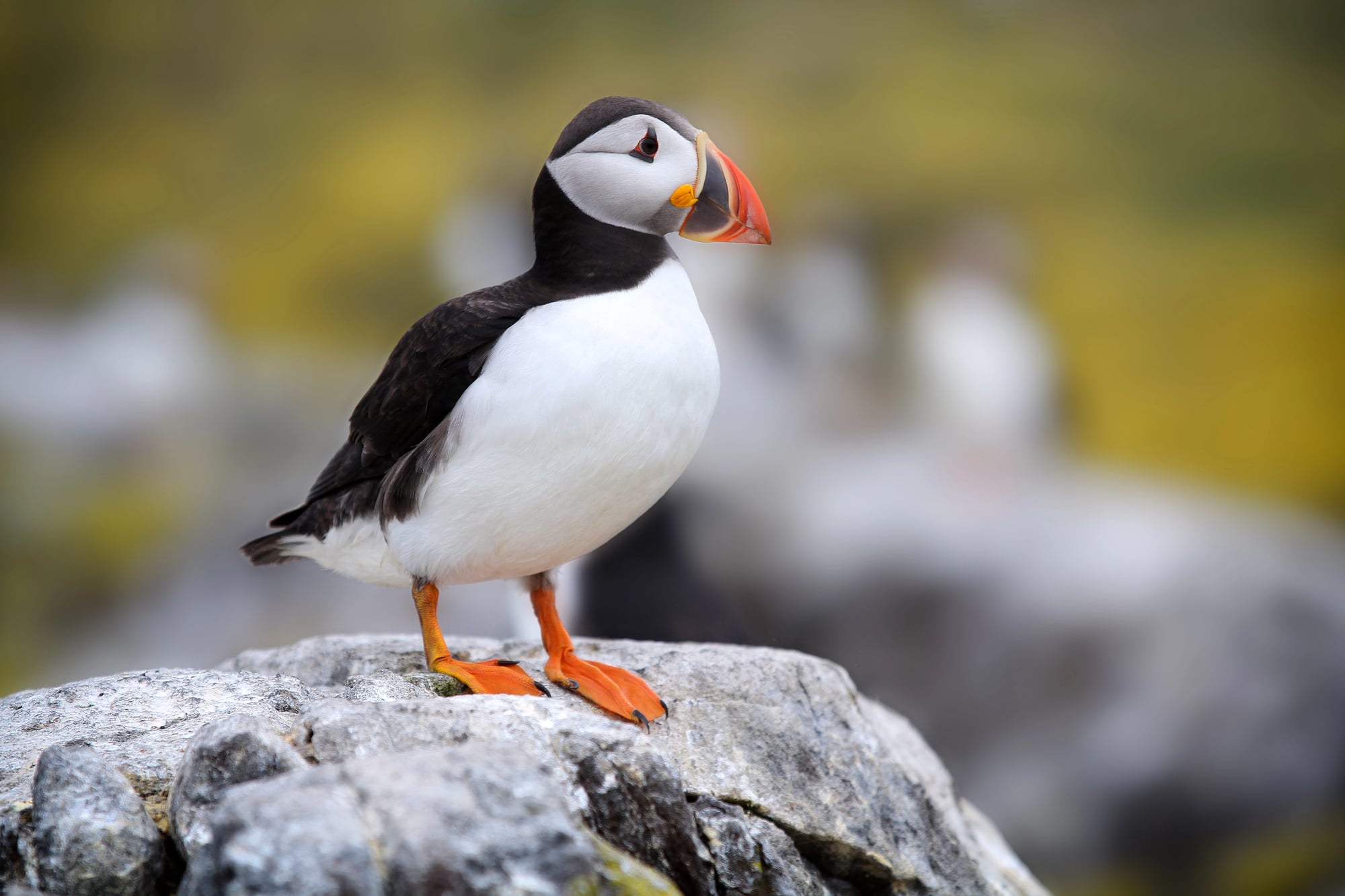
In 2019, University of Oxford researcher Annette Fayet documented two Atlantic puffins — observed more than 1,000 miles apart, one in Wales and one in Iceland — using small wooden sticks to scratch their chest and back feathers. The behavior was captured on motion-activated camera and published in the Proceedings of the National Academy of Sciences, making puffins the first wild seabirds confirmed to use tools.
Scientists suspect the scratching may help remove parasites, but even a puffin with an itch, apparently, can improvise.
Egyptian Vultures
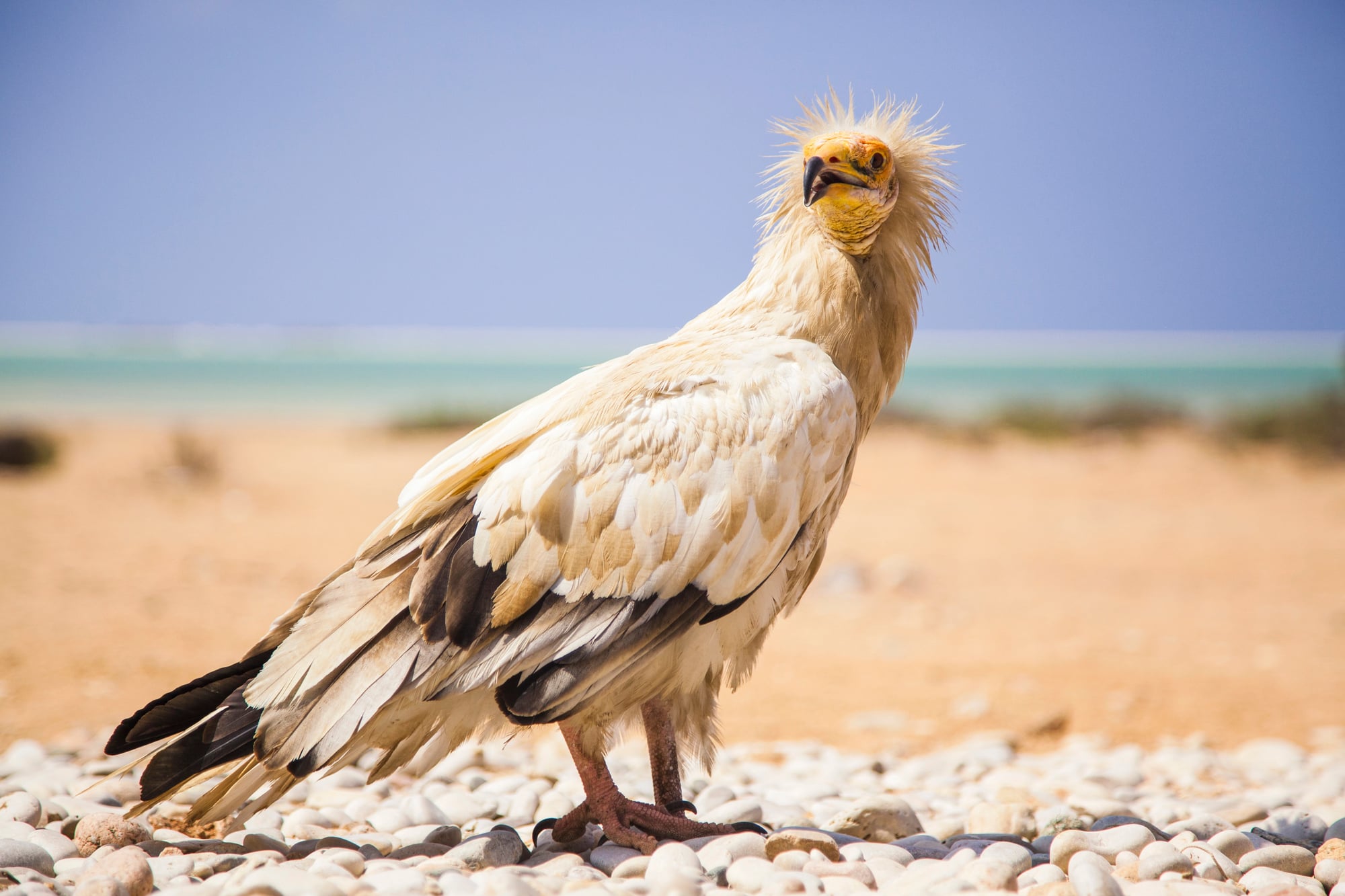
Egyptian vultures use rocks as projectiles to crack open ostrich eggs — a task their beaks cannot accomplish directly. They select stones of effective size, carry or roll them to the egg, and throw or drop them repeatedly until the shell gives way.
The behavior has been documented across the species’ range from Africa to Spain and is not simply a response to hunger or accident: vultures will ignore smaller, easier eggs in favor of the outsized prize that requires the tool.
Elephants
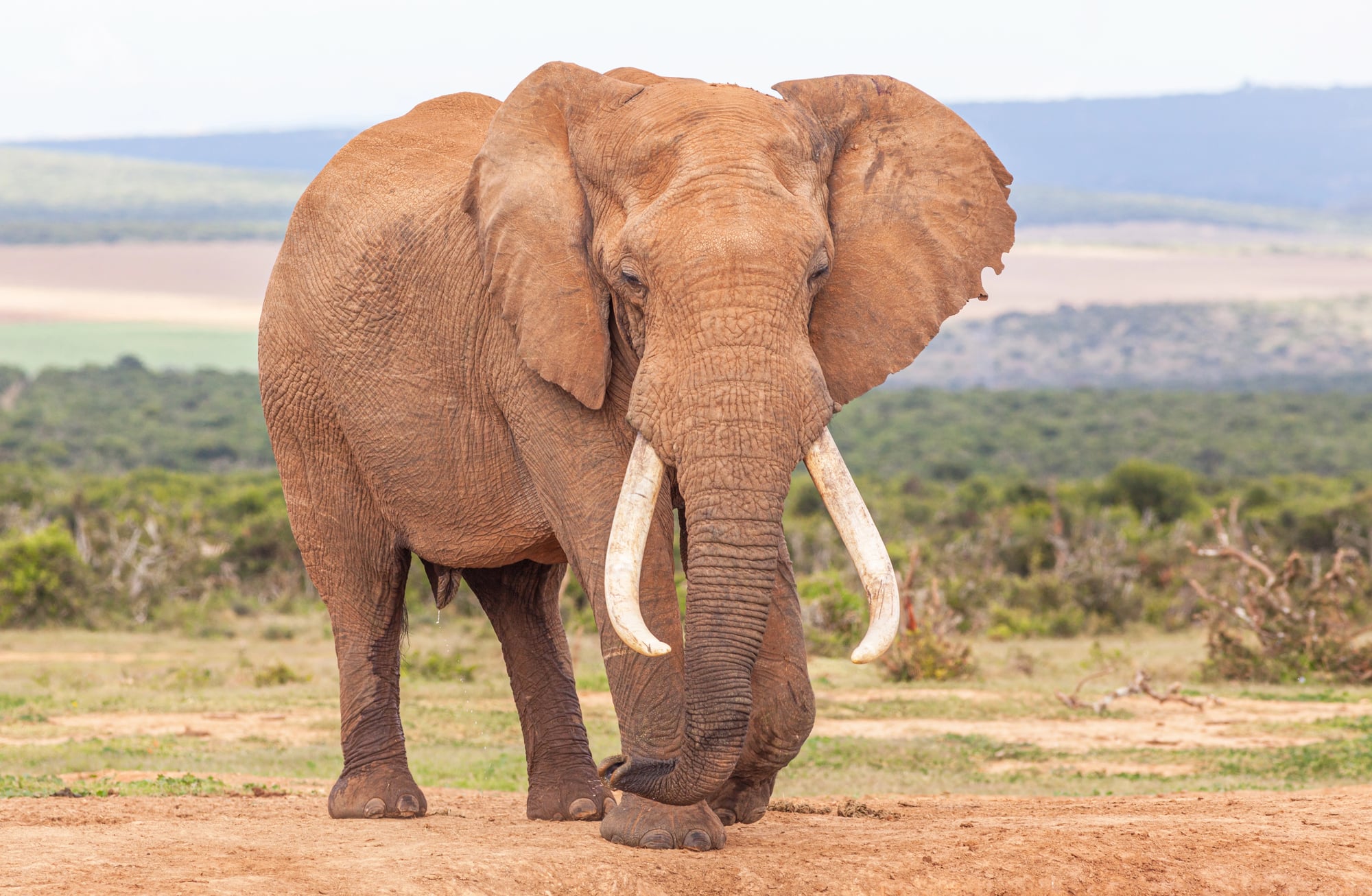
African and Asian elephants use branches as fly swatters, holding them in their trunks and waving them to drive insects away from their bodies, sometimes modifying the branch by stripping it to improve its effectiveness. An Asian elephant named Mary at a Berlin research facility spontaneously learned to use a garden hose to shower herself, controlling both the direction and pressure by manipulating the hose with her trunk.
Researchers at Humboldt University noted in 2024 that over 80 percent of observed tool use in elephants involves body care — grooming, cooling, and itch relief — rather than foraging.
Woodpecker Finches
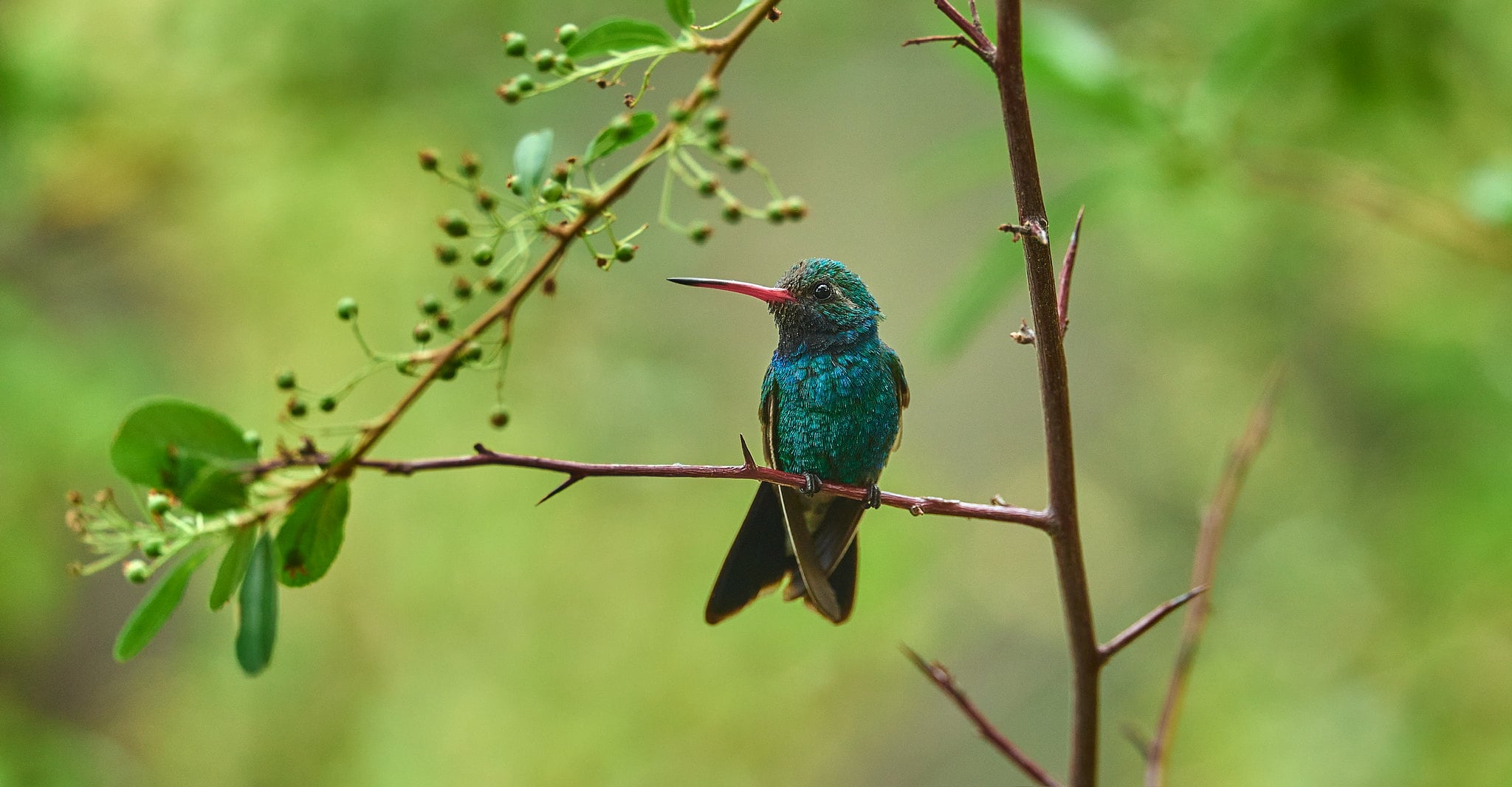
On the Galapagos Islands, woodpecker finches use cactus spines and thin twigs to extract insects from bark crevices their beaks cannot reach — essentially occupying the ecological niche of a woodpecker without the anatomy for it. The tool is selected with care: finches reject sticks that are too long or too flexible, and will modify a selected tool by breaking it to the right length.
Roughly one in five finches masters the technique, which is learned rather than inherited.
Burrowing Owls
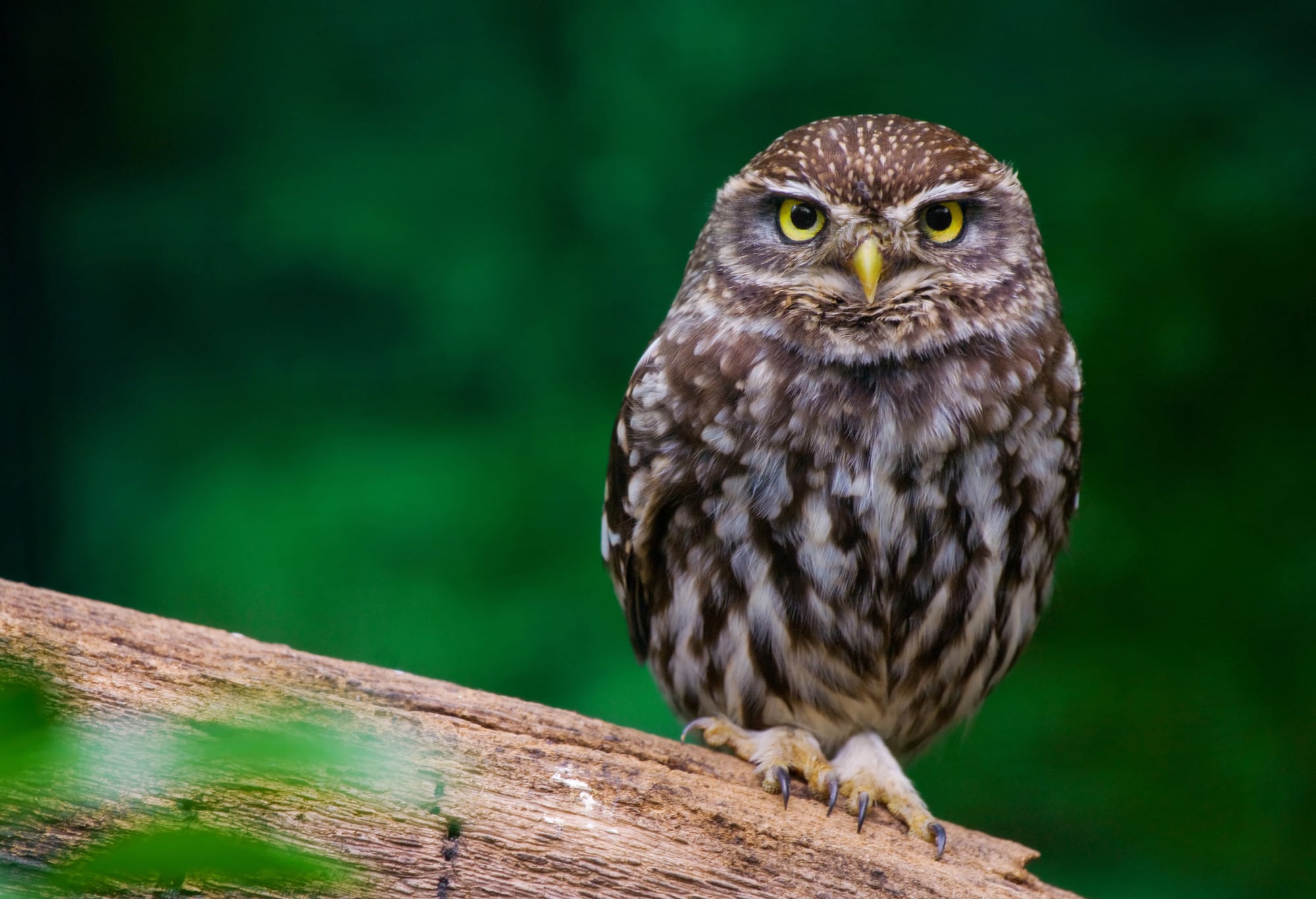
Burrowing owls gather animal dung from their surroundings and scatter it at the entrance to their underground burrows. For years, researchers assumed this was camouflage or territorial marking.
Studies eventually established that the dung attracts dung beetles — a favored prey item — which the owls then catch, effectively using the dung as bait. Owls with dung at their burrow entrances were found to catch ten times more dung beetles than owls without it.
Coconut Octopuses
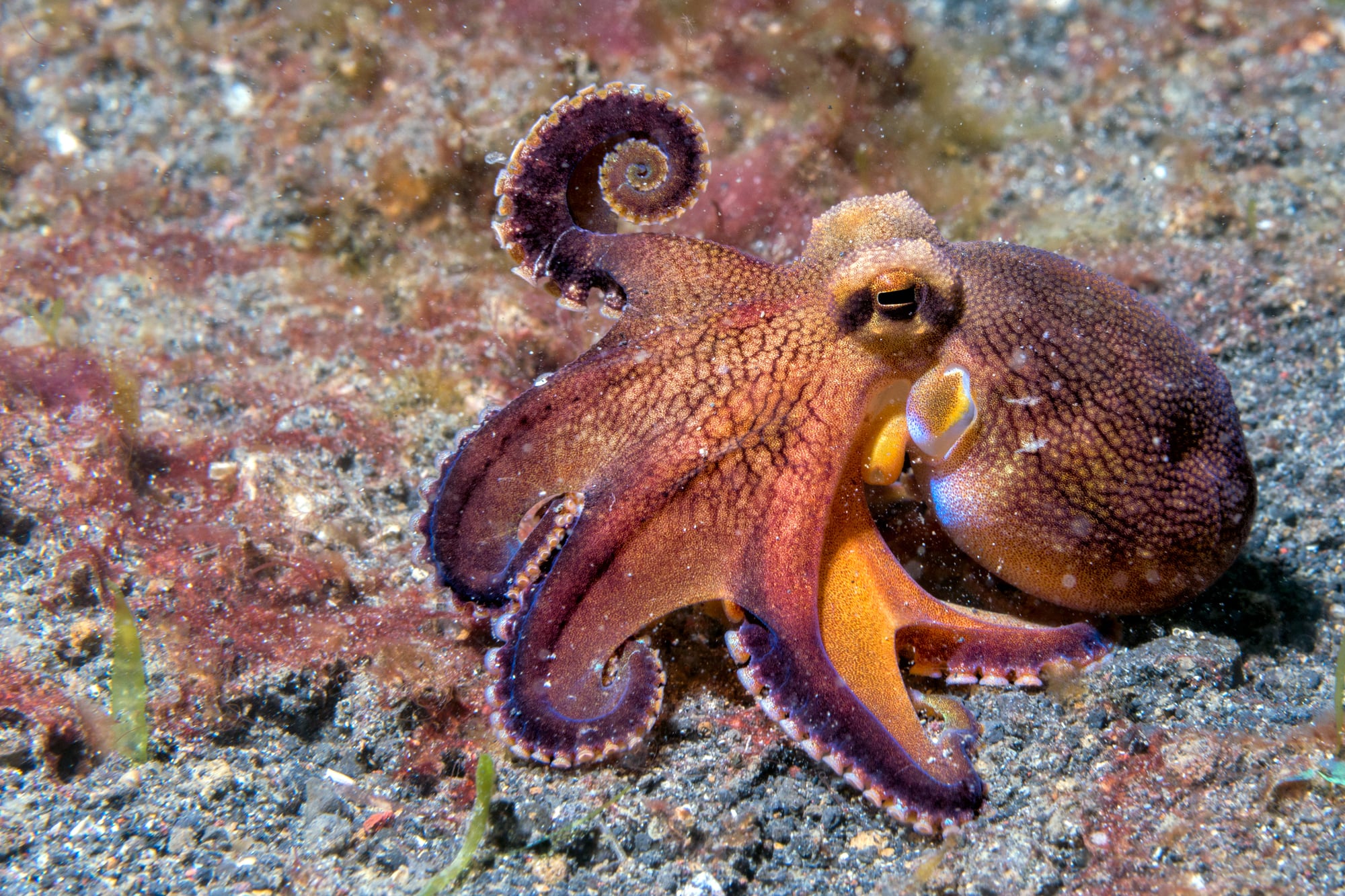
Coconut octopuses in the waters around Indonesia collect discarded coconut shell halves, carry them awkwardly across the seafloor under their bodies — a posture that makes movement difficult and slow — and then reassemble them into a portable shelter at their chosen resting spot. The carrying behavior, published in Current Biology in 2009, was immediately controversial because it requires the octopus to haul a useless object for future benefit: an act of planning that scientists had considered uniquely human.
It was the first documented tool use by an invertebrate.
Brown-Headed Nuthatches
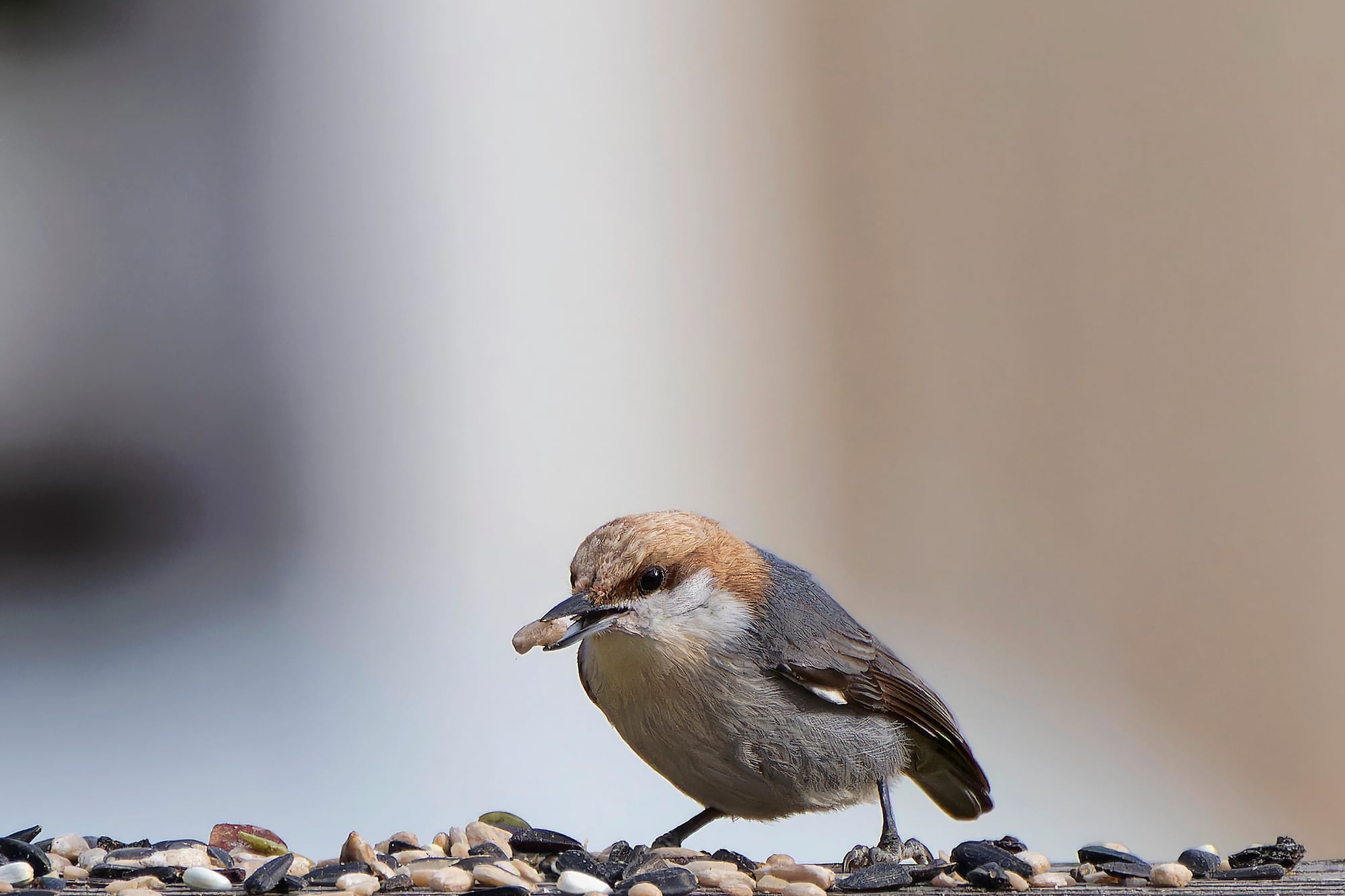
Brown-headed nuthatches in the southeastern United States break off small flakes of bark and use them as wedges to pry up larger pieces of bark, exposing the insects hiding underneath. Unlike many tool-using birds, which pick up found objects, nuthatches actively manufacture their tool from available material.
They have also been observed using the same bark piece as a cover to hide food caches — suggesting the same object can serve multiple purposes.
Herons
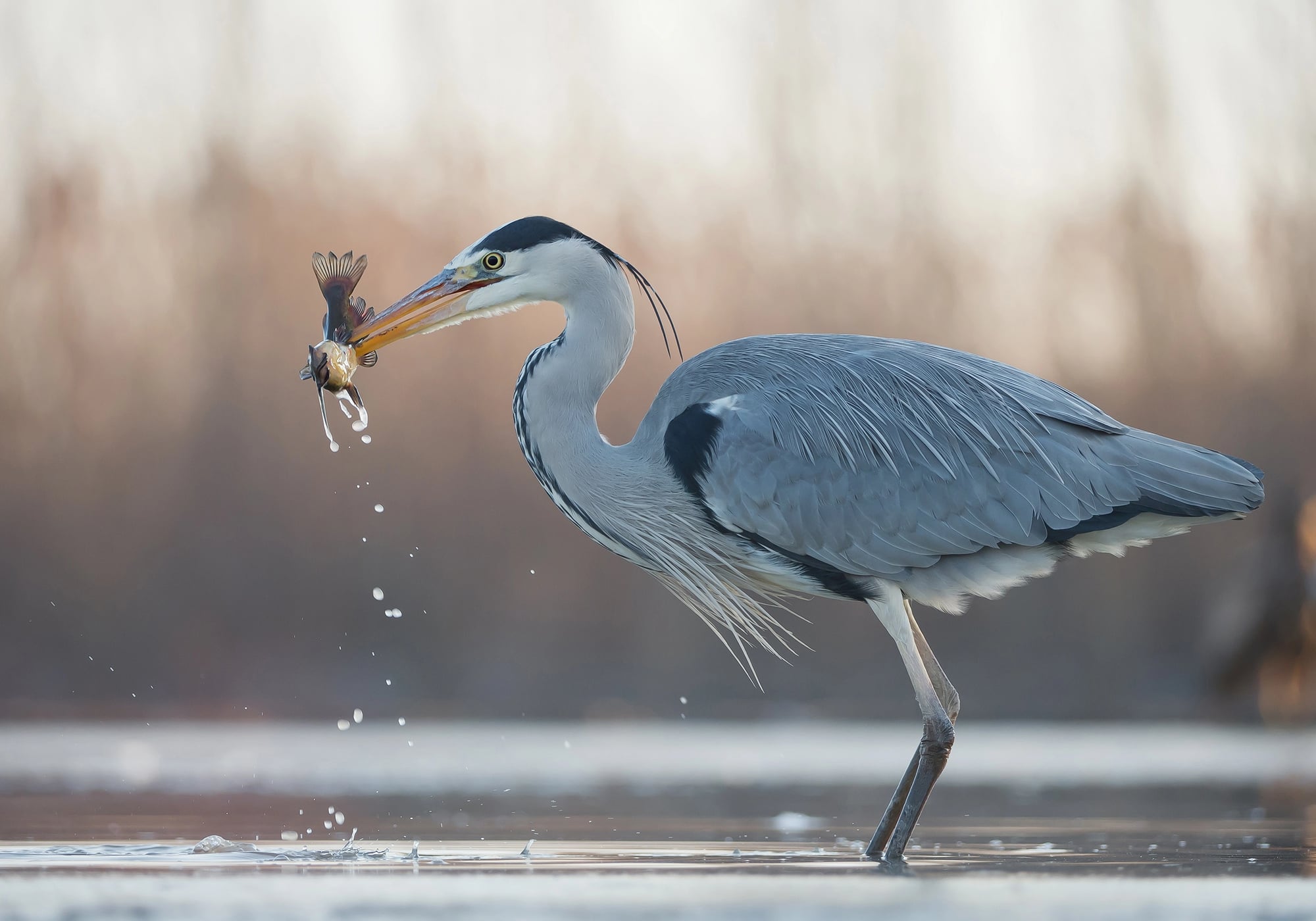
At least seven heron species have been documented using bait to fish, dropping bread crusts, berries, insects, or feathers onto the water surface to attract fish, then striking when the fish investigates. Green-backed herons have been filmed stealing bait items from human fishermen, carrying them to another spot, and deploying them independently.
The behavior was initially dismissed as coincidence before repeated observations across multiple continents made the case unavoidable.
Macaques
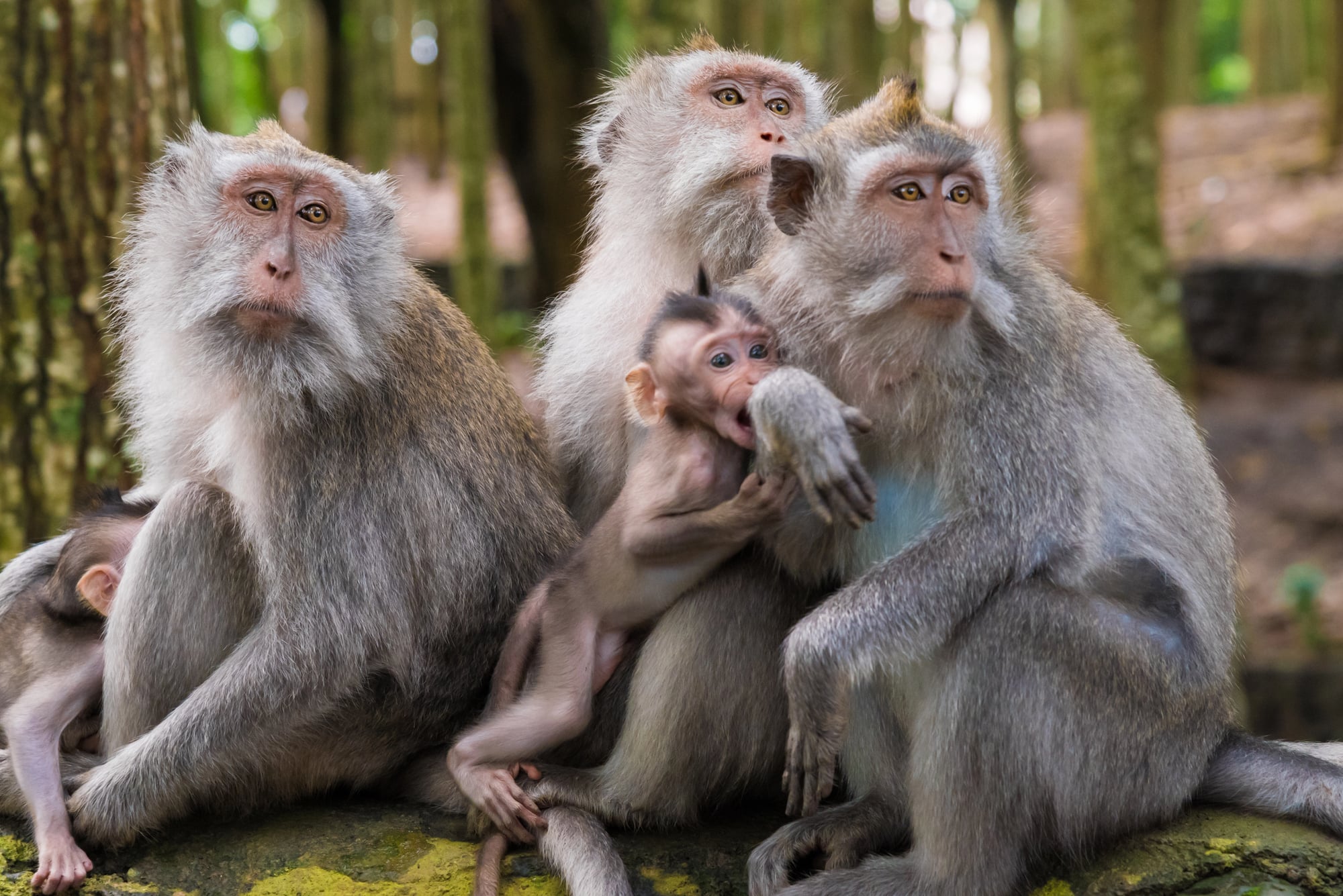
Long-tailed macaques in Thailand use stone tools to open shellfish, nuts, and crabs, and have been observed selecting different stones depending on the hardness of what they are trying to open — a harder, heavier stone for thick-shelled oysters, a lighter one for softer targets. Archaeological evidence suggests macaques in the region have been using stone tools at coastal sites for at least 65 years.
The behavior spreads through groups via observation, and juveniles are consistently clumsy at first.
Archerfish
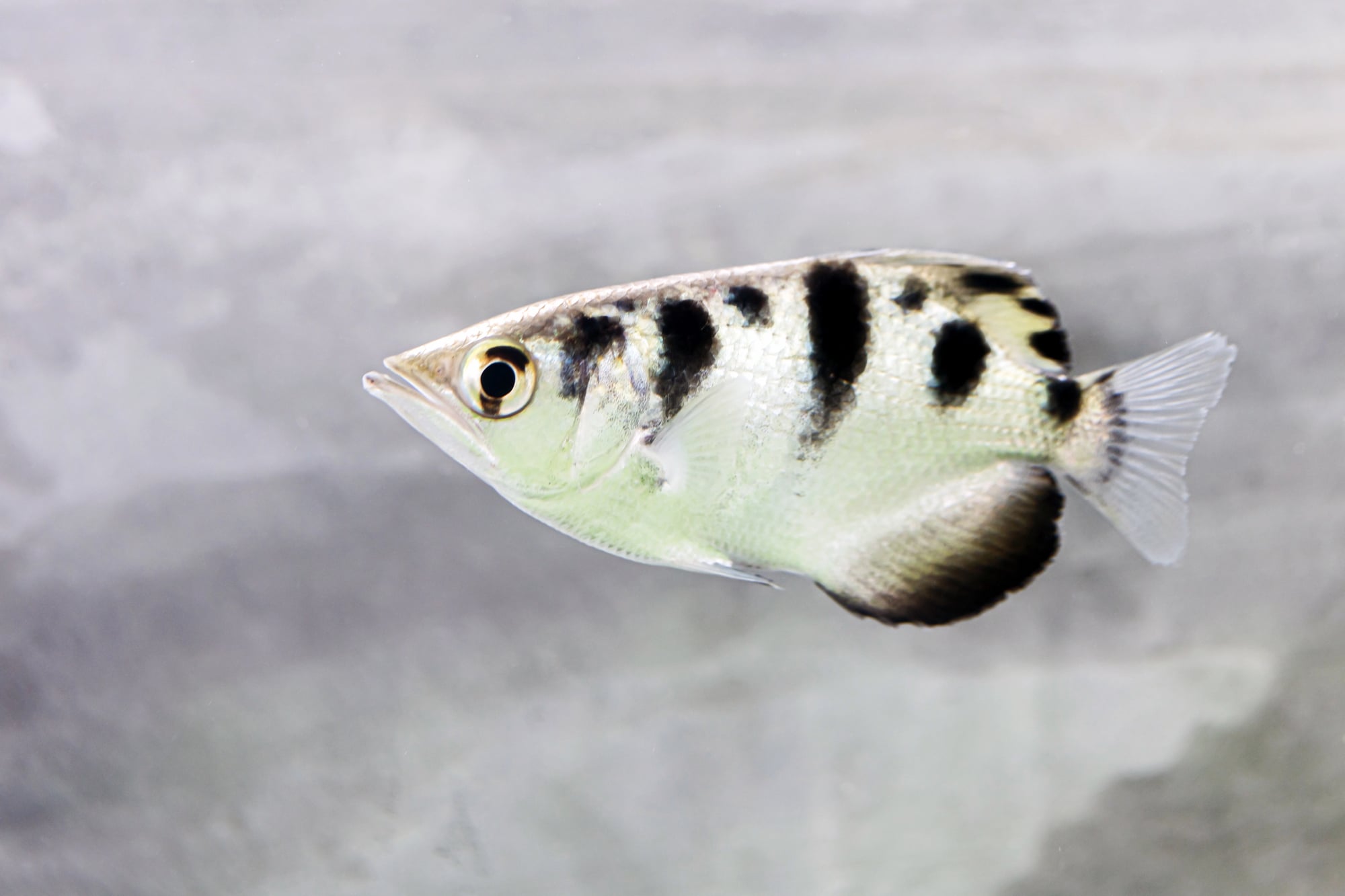
Archerfish shoot precisely aimed jets of water at insects perched above the surface, knocking them into the water where they can be eaten. Whether this counts as tool use in the strict sense is still debated among researchers, but what is not debated is the physics involved: archerfish compensate for light refraction at the water-air interface, adjust water volume based on prey size and distance, and learn from watching other fish shoot — including picking up techniques from experts they have only watched once.
Veined Octopuses
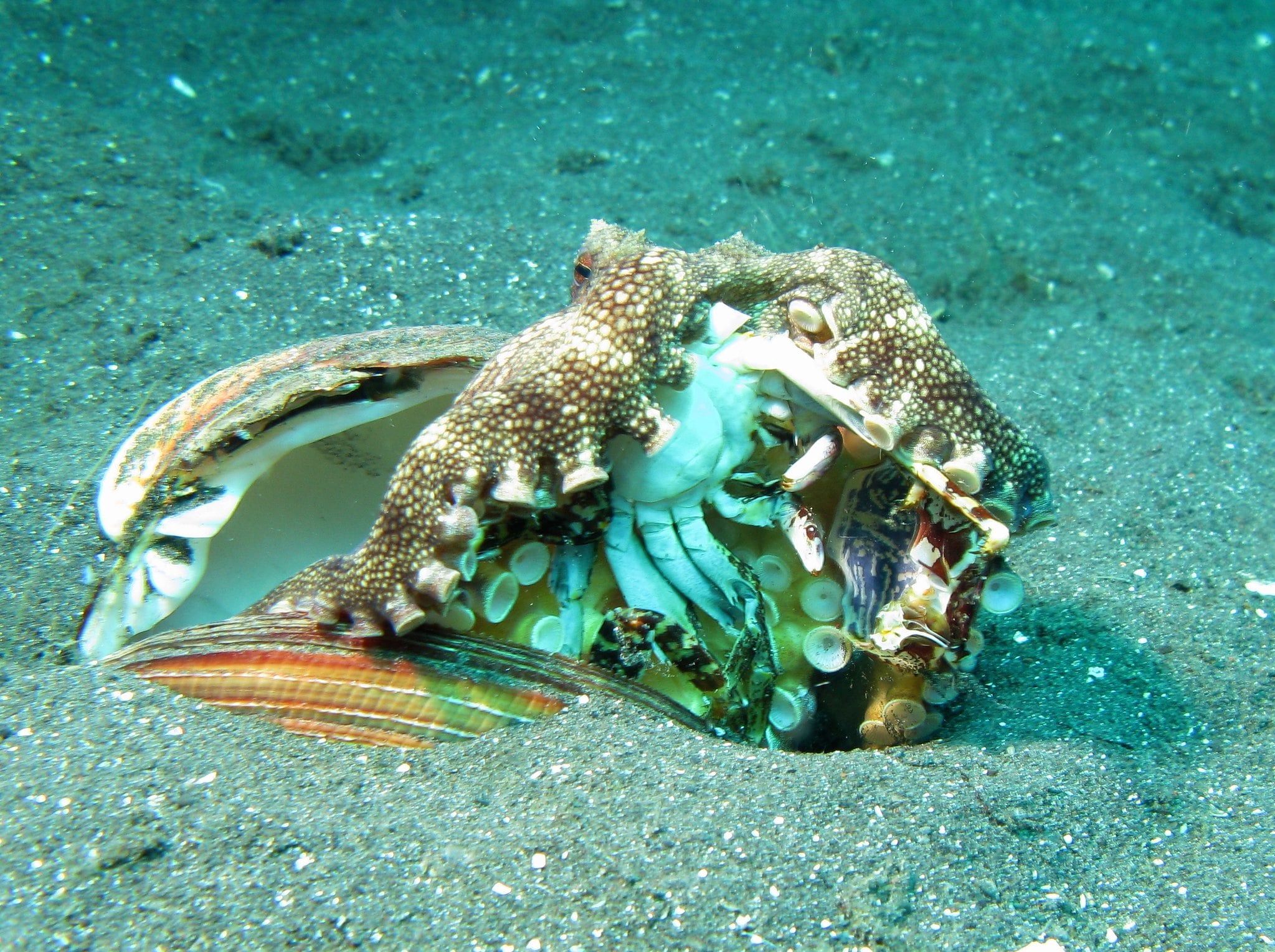
Related to the coconut octopus but documented separately in behavior, veined octopuses in the Philippines and Indonesia have been observed collecting individual coconut shell halves and stacking them as they travel, navigating the seafloor while carrying their portable shelter kit. When threatened, they assemble the shells instantly into a defensive sphere around themselves.
The combination of preparation, transport, and reactive assembly represents a behavioral sequence that researchers classify as genuine tool use under every major scientific definition.
Chimpanzees Using Medicinal Plants
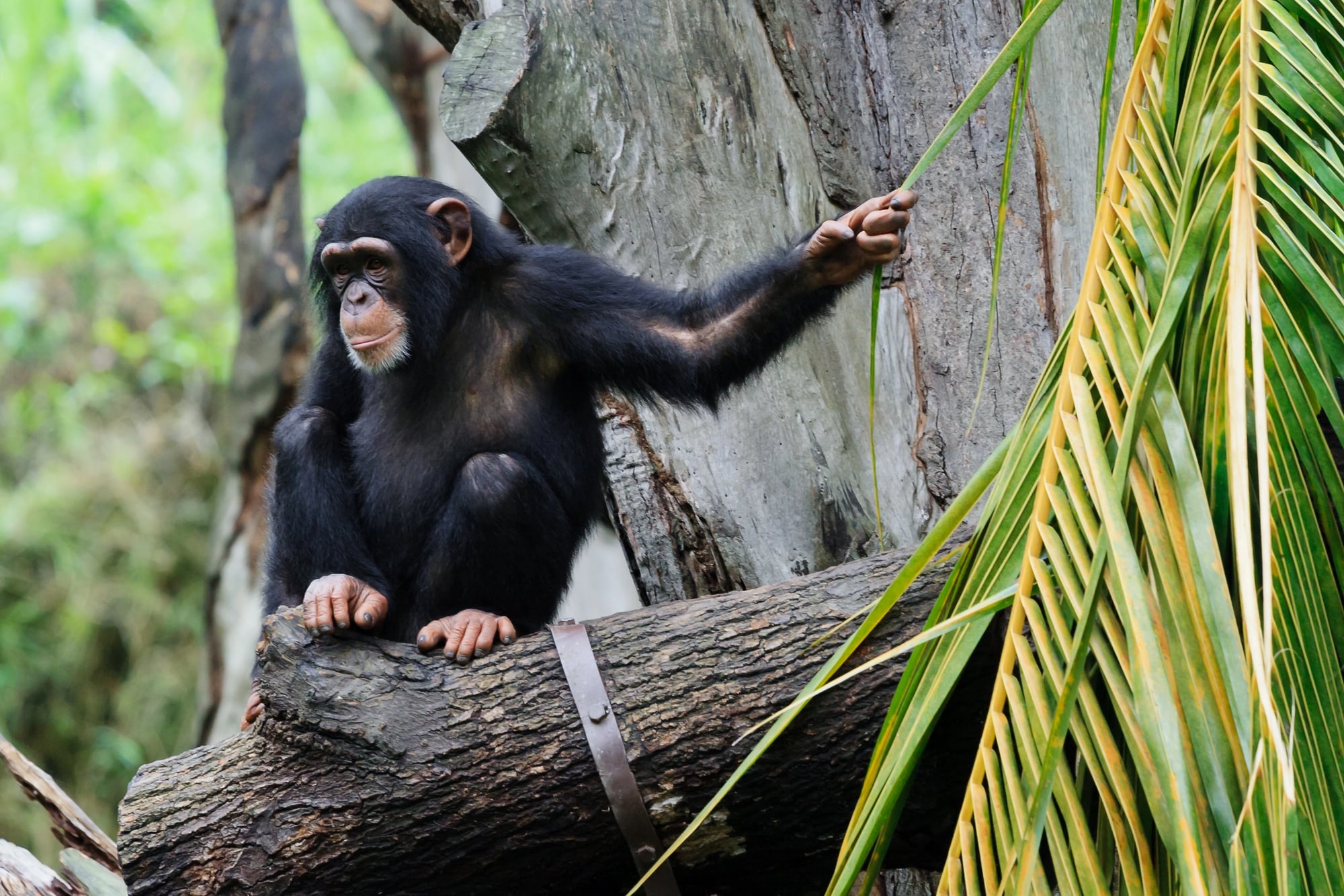
Chimpanzees at multiple research sites in Africa have been observed seeking out and ingesting specific plant species only when ill — including swallowing the rough, undigested leaves of certain plants whole rather than chewing them, a method believed to physically scour internal parasites from the gut. Researchers in the 1990s identified the active compound in one favored plant as thiarubrine-A, a compound with demonstrated antiparasitic properties.
This is not foraging — chimps pass these plants up when healthy.
Wrasse Fish
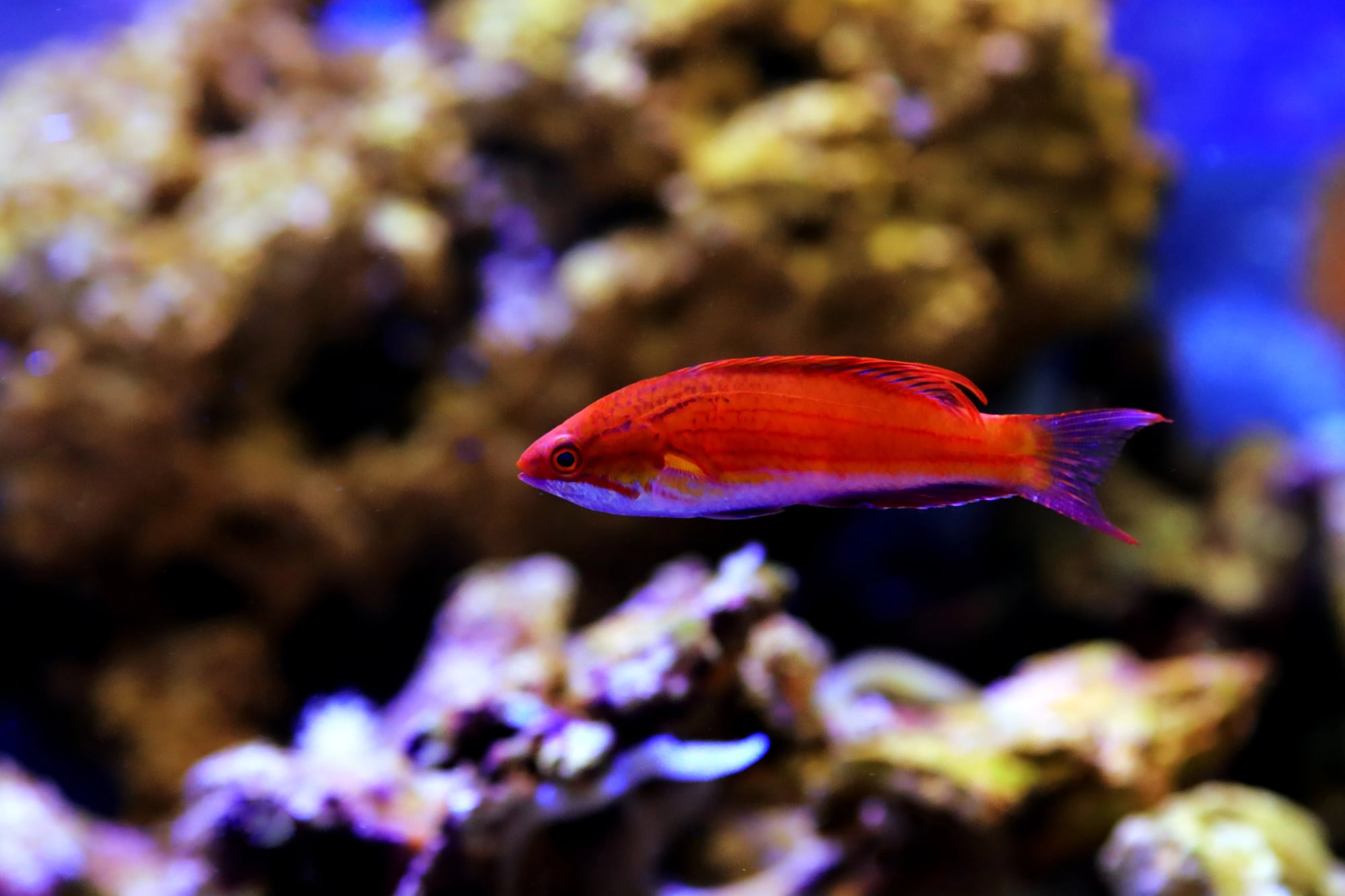
Multiple species of wrasse have been observed carrying shellfish or sea urchins in their mouths and transporting them to specific rocks to use as anvils, striking the prey with enough precision that observers have described it as landing “absolutely pinpoint blows.” The fish return to the same anvil rocks repeatedly, and the surrounding reef develops characteristic shell debris patterns over time.
Australian fish biologist Culum Brown has suggested wrasses may represent the fish equivalent of crows or great apes in terms of cognitive flexibility.
Bearded Capuchins
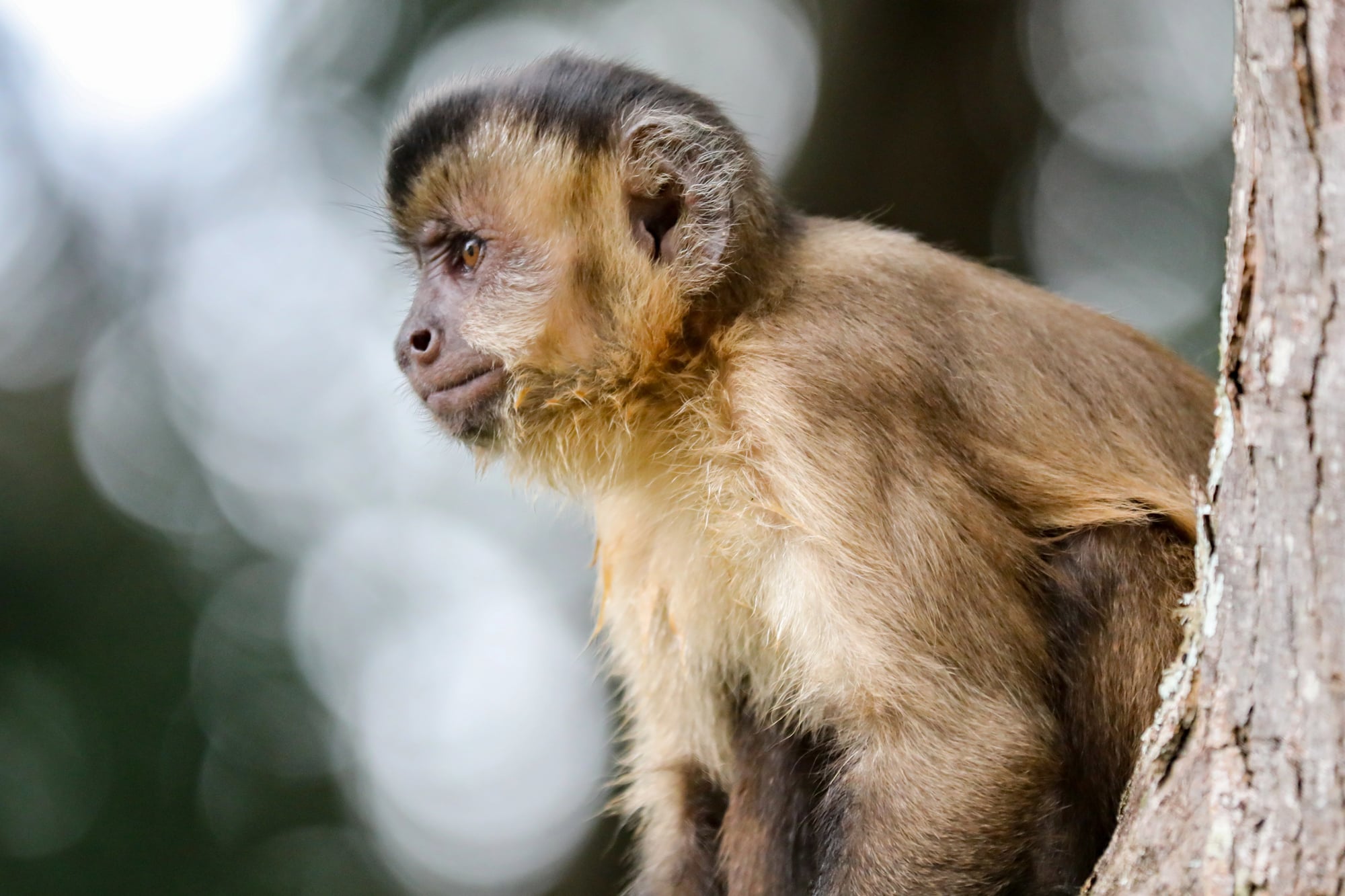
Bearded capuchins in Brazil use stone hammer-and-anvil combinations to crack open palm nuts, selecting stones that weigh up to 40 percent of their own body weight and transporting them to specific flat rocks that function as stable anvils. Capuchins in Piauí State have been using specific granite outcrops for this purpose for at least 700 years, based on archaeological analysis of stone tool deposits — making them the only non-human primates with a documented tool-use archaeological record in the Americas.
Satin Bowerbirds
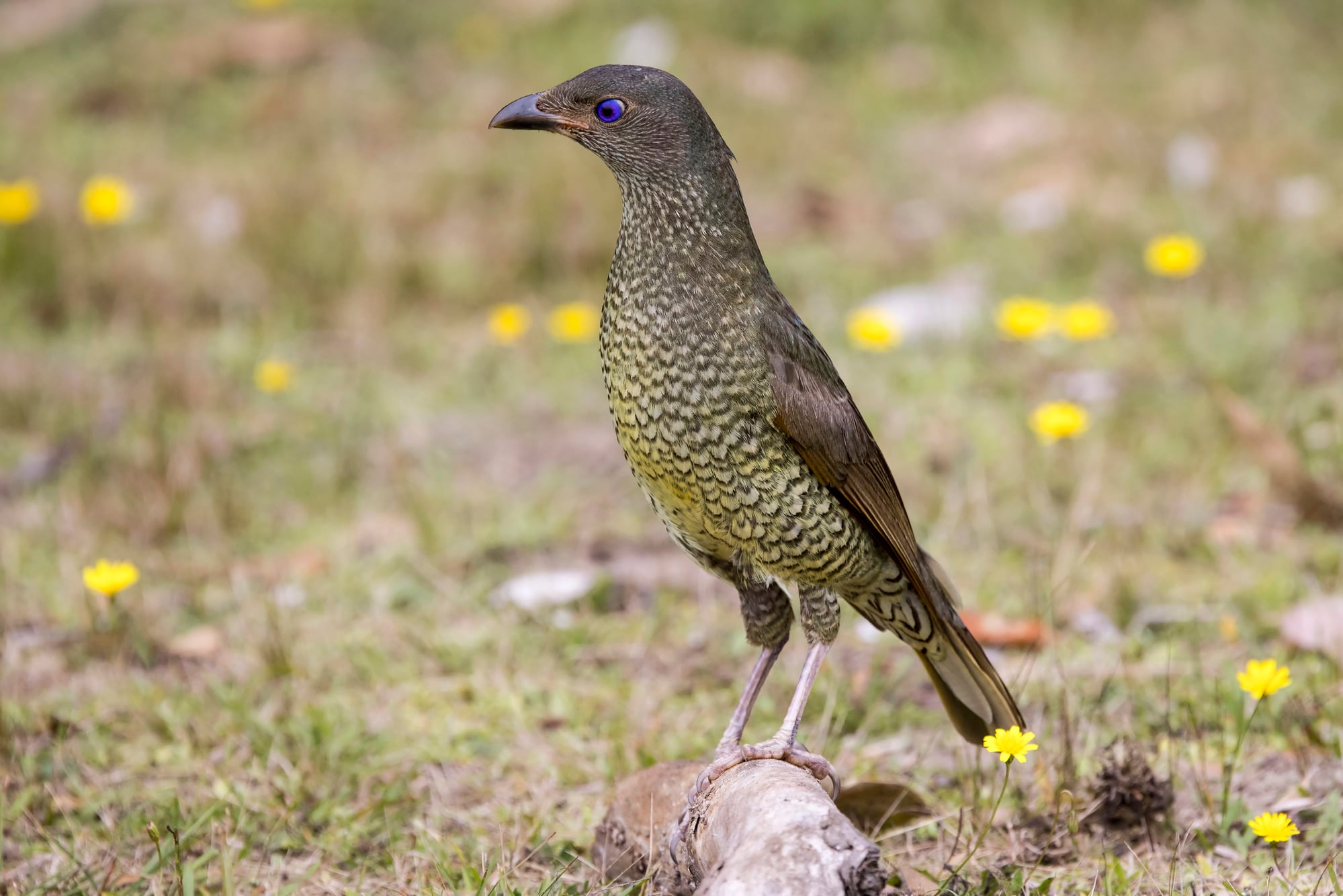
Satin bowerbirds in Australia create elaborate decorative structures called bowers to attract mates, and males have been observed picking up and chewing pieces of bark until they create a fibrous, paint-like paste that they apply to their bower walls using the chewed material as a brush. The pigment comes from charcoal, berries, or decayed plant matter.
Whether this qualifies as tool use or art — or both — remains an open question, but the manufacture of an applicator tool for a decorative purpose is difficult to explain away as instinct.
Gorillas Using Termite Mounds as Furniture
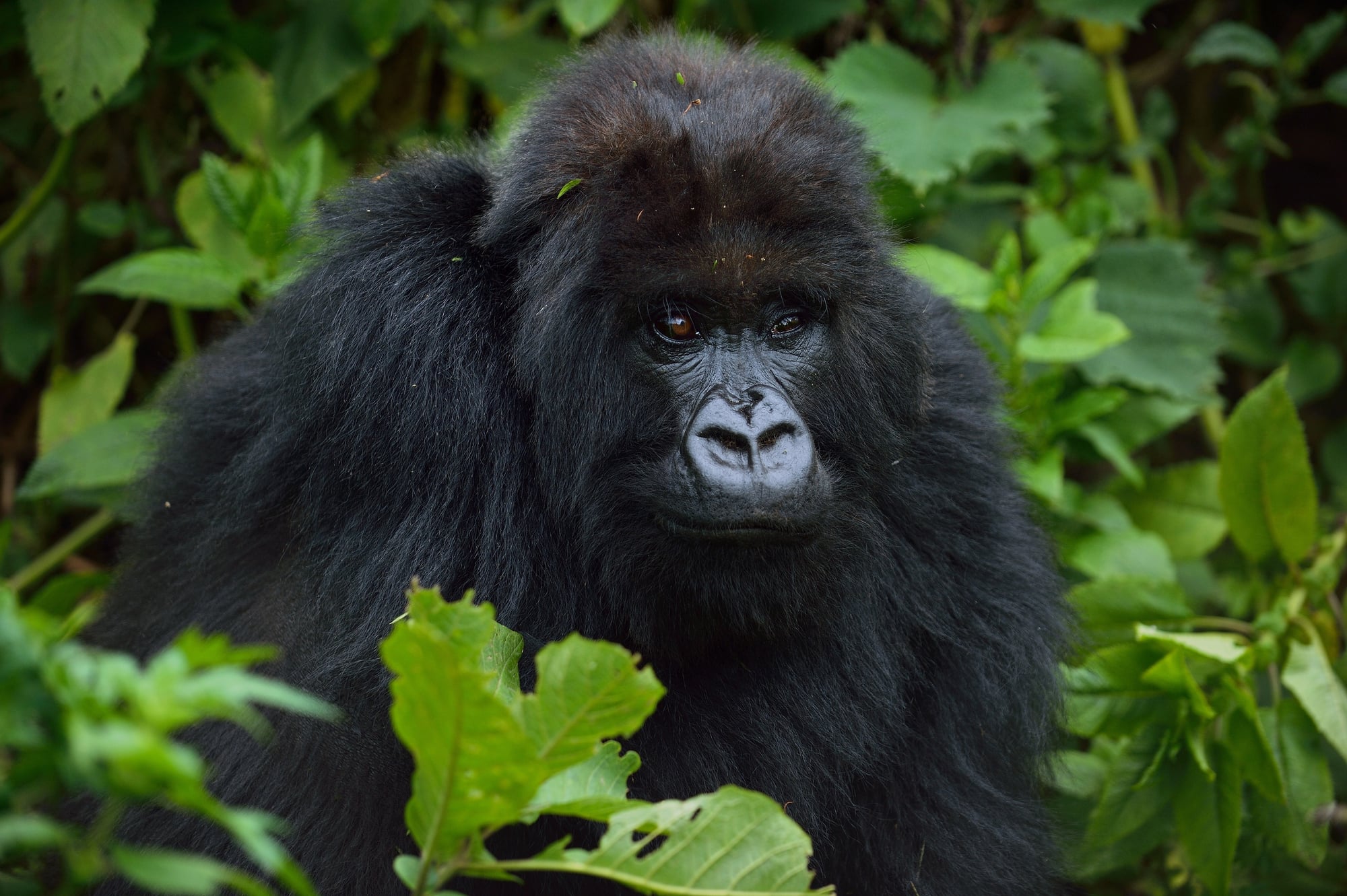
Gorillas at the Bai Hokou research site in Central African Republic have been documented selecting specific termite mounds as seats and back rests while foraging on the ground, and repeatedly returning to the same structures. Some individuals were observed using shorter mounds as platforms to reach food on branches, treating the landscape itself as functional furniture.
The behavior is not universal across populations, suggesting it is culturally transmitted rather than species-wide.
Sumatran Orangutans and Leaf Cups
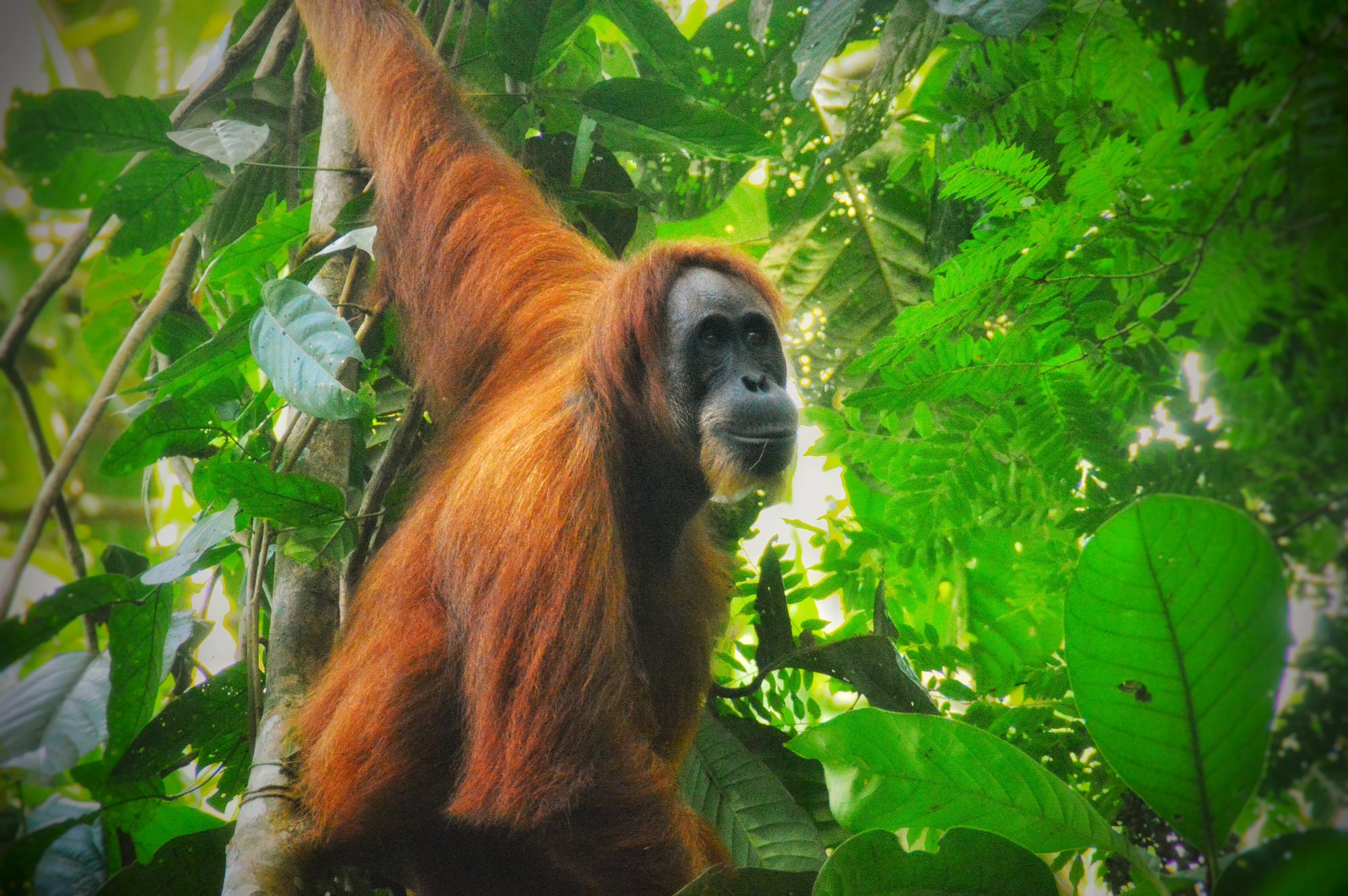
Sumatran orangutans have been observed folding large leaves into cup shapes to drink rain water from them, and in some populations using leaves as gloves when handling thorny or sticky food items. Unlike tool behaviors that might arise accidentally, leaf-cup construction requires deliberate shaping of the material before it can be used — evidence of planning that precedes the immediate need.
The behavior has been documented at multiple long-term research sites and is consistent enough to be considered a cultural practice within certain orangutan communities.
The Boundary That Keeps Shifting
What unites every animal on this list is not just intelligence in some abstract sense, but a specific kind of mental flexibility — the ability to look at an object and see what it could do rather than just what it is. For most of the twentieth century, that flexibility was treated as humanity’s defining advantage.
Each study that appeared in the following decades did not so much chip away at that idea as replace it entirely.
The more honest question now is not whether animals use tools, but how many species do so without anyone having watched closely enough to document it yet. The puffin had presumably been scratching with sticks for generations before a camera trap caught it in the act on an Icelandic cliff.
The tuskfish had presumably been cracking clams on that Great Barrier Reef rock for years before a diver happened to be nearby with a camera. What these animals are doing is not new.
What’s new is that researchers are finally paying attention to the right things.
More from Go2Tutors!

- The Romanov Crown Jewels and Their Tragic Fate
- 13 Historical Mysteries That Science Still Can’t Solve
- Famous Hoaxes That Fooled the World for Years
- 15 Child Stars with Tragic Adult Lives
- 16 Famous Jewelry Pieces in History
Like Go2Tutors’s content? Follow us on MSN.



