Animated Film Villain Songs Fans Love
There’s a strange thing that happens when a villain gets a song. Suddenly the character you’re supposed to hate becomes the most watchable person on screen.
The animation gets wilder, the orchestration swells, and the writers give the bad guy all the best lines. Audiences have been singing along to villain songs for decades — not because they endorse the worldview, but because these songs are just that good.
Here are some of the most beloved villain numbers in animated film history.
“Poor Unfortunate Souls” — Ursula, The Little Mermaid (1989)
Ursula doesn’t just want Ariel’s voice. She wants to make a deal, and this song is the pitch.
Pat Carroll’s performance is theatrical to the point of absurdity, and that’s exactly what makes it work. The number has the energy of a carnival barker mixed with a Broadway closer, and Ursula’s logic — however twisted — is delivered with such conviction that you almost forget she’s manipulating a teenager.
“Poor Unfortunate Souls” is often cited as the gold standard of villain songs, and it holds up completely.
“Be Prepared” — Scar, The Lion King (1994)
Jeremy Irons starts the song and doesn’t quite finish it — his voice gave out during recording, and Jim Cummings stepped in to complete the final verses. Most people don’t notice.
“Be Prepared” is a military march wrapped in dark comedy, with Scar laying out his entire plan to a chorus of goose-stepping hyenas. It’s operatic and menacing, and Irons delivers every syllable like he’s performing Shakespeare.
The line “I know it sounds sordid, but you’ll be rewarded” might be the most perfectly delivered moment in Disney villain history.
“Friends on the Other Side” — Dr. Facilier, The Princess and the Frog (2009)
Keith David’s voice was made for this role. Dr. Facilier is a shadow-dealer, a conjurer who trades in temptation, and his song is a slow-burn seduction that turns into something genuinely unnerving by the end. The animation during this number is some of the most inventive in the film — shadows move independently, cards flip, skulls grin — and the whole thing has a New Orleans jazz-funeral energy that feels completely original.
Fans love it partly because it came at a time when Disney musical villains had been largely absent, and Facilier’s entrance felt like a proper return to form.
“Hellfire” — Frollo, The Hunchback of Notre Dame (1996)
This one doesn’t get softened for children, and that’s exactly why it resonates. Frollo’s obsession with Esmeralda is depicted with startling honesty — desire, shame, and self-justification all crammed into a single song.
The choir chanting Latin underneath Tony Jay’s performance creates something genuinely operatic, and the fire imagery is used in ways that feel more like a painting than a children’s film. “Hellfire” is arguably the darkest thing Disney ever put into an animated movie, and the fandom treats it accordingly.
“Gaston” — Gaston, Beauty and the Beast (1991)
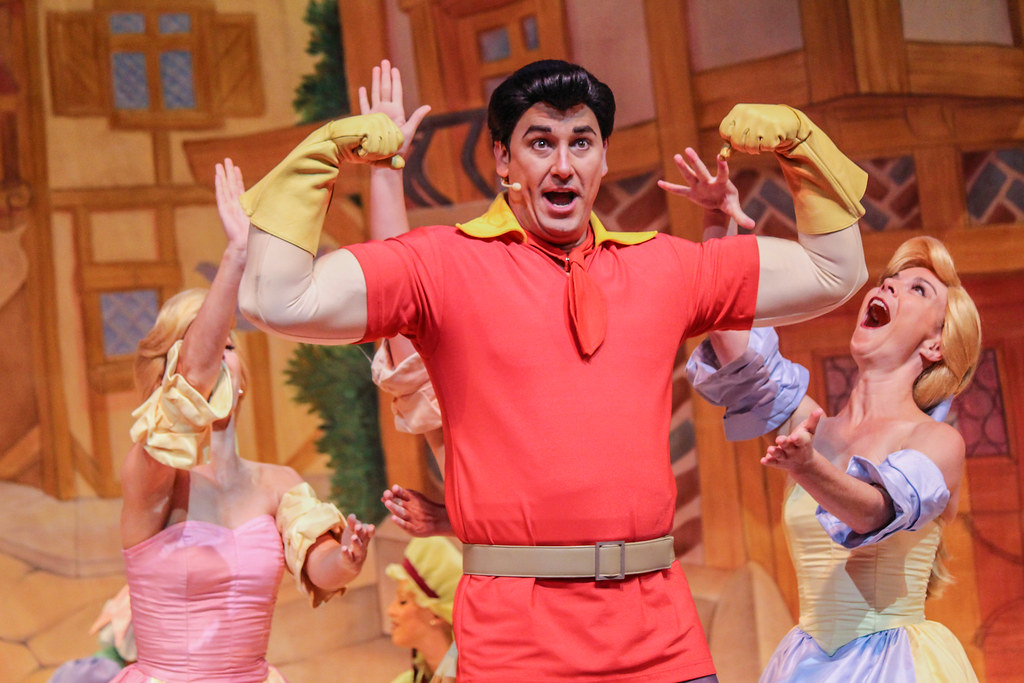
Technically, Gaston gets two villain songs, but this one is the fan favorite. It’s a drinking song, a boast, and a piece of character comedy all at once. Richard White’s baritone is perfectly suited to a man who has never experienced a moment of self-doubt, and the supporting cast of tavern drinkers adds the kind of joyful absurdity that makes the number quotable decades later.
The reprise, where Gaston rallies the village into a mob, is more menacing — but the original is just fun, and fans have been performing it at karaoke nights ever since.
“In the Dark of the Night” — Rasputin, Anastasia (1997)
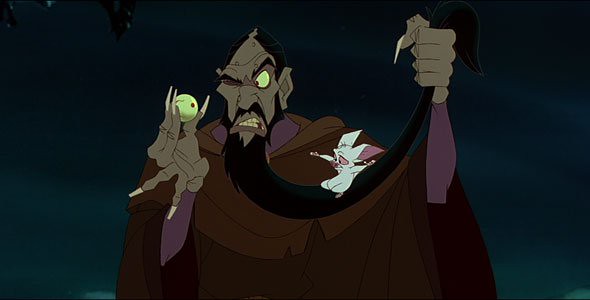
Anastasia came from Fox Animation rather than Disney, but “In the Dark of the Night” belongs firmly in the same conversation. Christopher Lloyd’s Rasputin is unhinged in the best possible way, and the song leans into that chaos completely.
The animation goes full horror-comedy, with Rasputin’s minions emerging from a glowing green reliquary while he alternates between scheming and falling apart. It’s funny and creepy in equal measure, and Lloyd commits so completely that the absurdity lands perfectly.
“Mother Knows Best” — Mother Gothel, Tangled (2010)
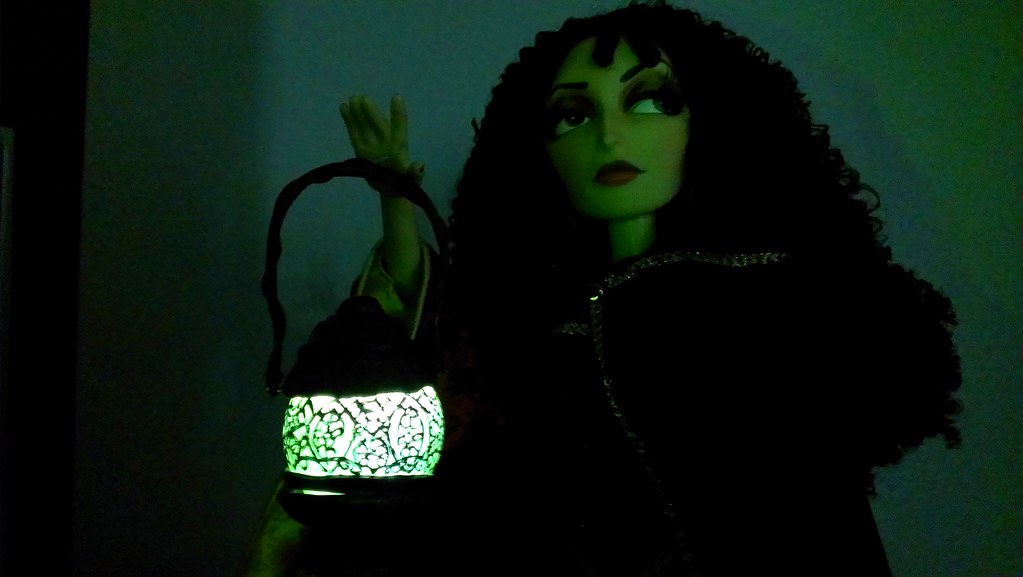
What makes this song interesting is how it works. Mother Gothel doesn’t announce herself as a villain — she presents herself as a reasonable, loving mother who simply knows what’s best.
The manipulation is embedded in the lyrics themselves, disguised as affection. Donna Murphy brings real musical theater chops to the role, and the song manages to be both catchy and deeply uncomfortable once you understand what’s actually happening.
The reprise later in the film drops most of the warmth and gets considerably darker.
“Shiny” — Tamatoa, Moana (2016)
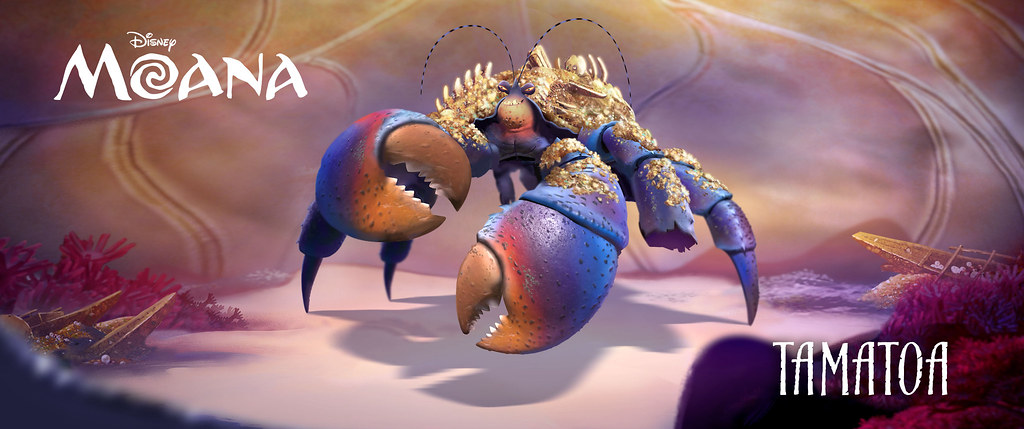
Jemaine Clement doing a David Bowie impression as a giant narcissistic crab who lives at the bottom of the ocean is a sentence that shouldn’t work, but absolutely does. “Shiny” is a glam-rock number with bioluminescent visuals that are genuinely stunning, and Clement’s commitment to the bit — Tamatoa is completely obsessed with his own reflection — makes every line land.
The song also has a real comedic structure: the verse builds Tamatoa up, and then the bridge takes Maui apart in the most theatrical way possible.
“The World’s Greatest Criminal Mind” — Ratigan, The Great Mouse Detective (1986)
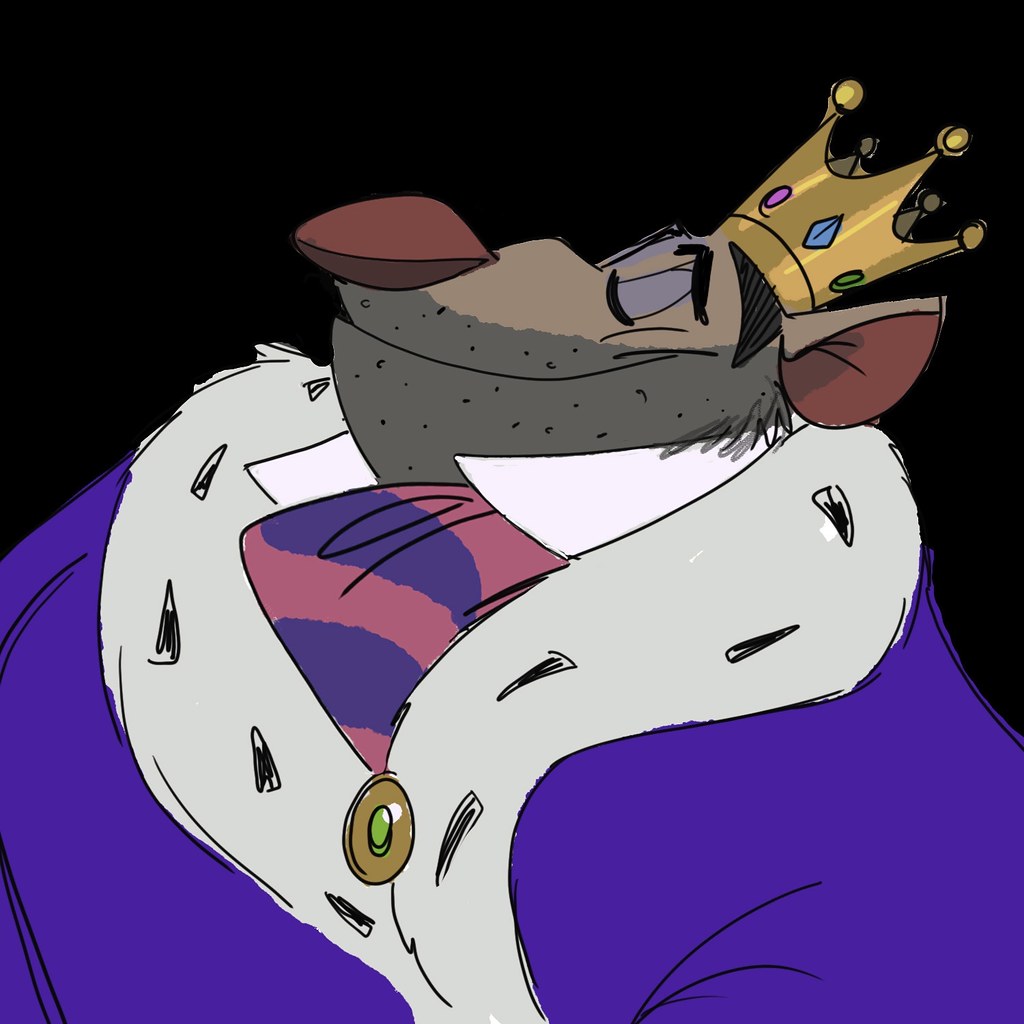
Vincent Price was born to sing this song. Ratigan presides over a room full of criminal admirers who toast his genius while he preens and monologues, and Price treats every note like a gift to the audience. The song is funny — deliberately, lovingly funny — but Price also brings genuine menace when required, particularly in the moment when one of his henchmen makes the fatal mistake of calling him a rat.
It’s a perfect blend of camp and threat, and it set a template for villain numbers that followed for years.
“Oogie Boogie’s Song” — Oogie Boogie, The Nightmare Before Christmas (1993)
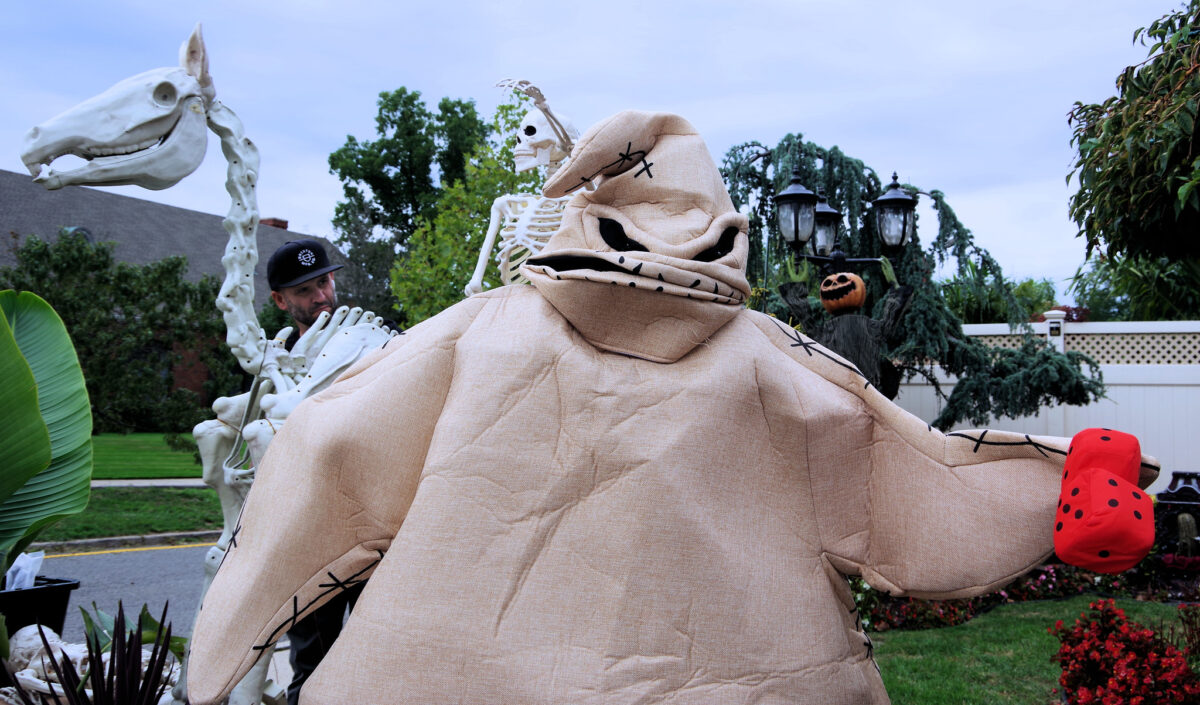
Ken Page’s performance here is all texture — gravelly, swinging, and genuinely threatening underneath the showmanship. Oogie Boogie runs a casino with his captives as the stakes, and the song plays that setup with gleeful menace.
The jazz-influenced arrangement fits perfectly in a film where every character has their own musical identity, and Oogie’s number stands out even in a soundtrack full of memorable songs. Fans who grew up with this film tend to have it memorized.
“Villain” — Bowler Hat Guy and Doris, Meet the Robinsons (2007)
This one gets overlooked, which is a shame. “Little Wonders” gets most of the attention from that film, but the Bowler Hat Guy’s bumbling villain song has a weird, endearing charm that fans who caught it tend to remember fondly.
It’s deliberately smaller than the grand villain songs that came before it — because the Bowler Hat Guy is deliberately a smaller villain — and the self-aware comedy in the number reflects the film’s playful approach to its own genre conventions.
“Mine, Mine, Mine” — Governor Ratcliffe, Pocahontas (1995)
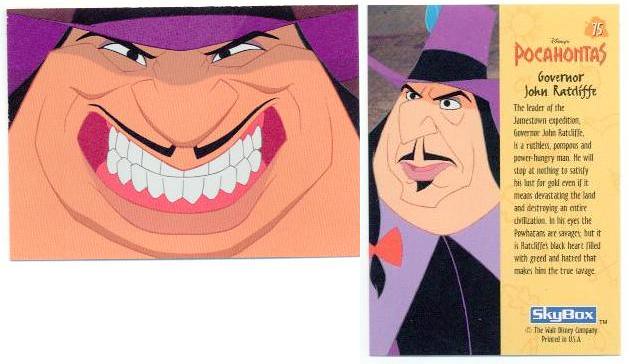
David Ogden Stiers gives Ratcliffe an almost theatrical pomposity that turns “Mine, Mine, Mine” into a perfect portrait of colonial greed. The song interrupts Ratcliffe’s gold obsession with John Smith’s more sincere enthusiasm for the new world, and the contrast does a lot of work.
It’s not the most beloved villain song on this list, but Stiers’ delivery — especially the spoken sections — is frequently quoted, and the number has a satirical sharpness that holds up better than some people give it credit for.
“Snap and Whistle” and the Broader Legacy of Villain Musicality

A quiet thread ties these songs together, though their styles leap between jazz, opera, Broadway, flamboyant rock, and even marching rhythms. Not a single musical trait binds them. Instead it’s the care poured into every note, every lyric by those who made them. Characters meant to be seen as bad often speak truths others hold back.
While main figures tiptoe through polite emotions, villains voice hunger, drive, disdain without apology. Their lines carry weight because they’re allowed what heroes are denied.
A tune cuts straight through, yet bad guys rarely wear masks to begin with. Here lies the trick.
Offer four minutes of light to one who guards no secrets, watch how fully it gets filled.
The Stage Takes the Song
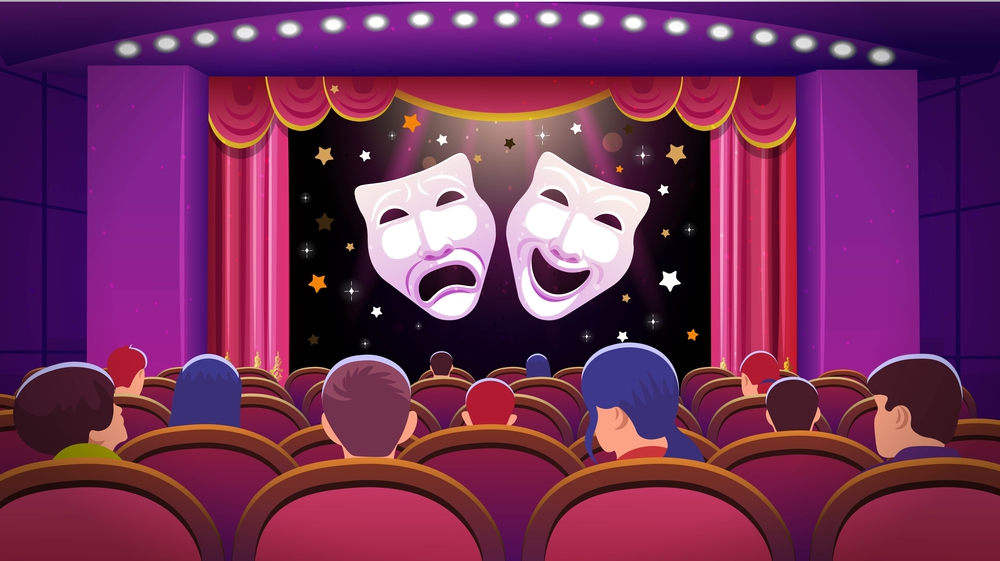
It’s odd how tunes from bad characters stick around long after the movie fades. Even if someone caught The Little Mermaid just once as a kid, they’ll belt out “Poor Unfortunate Souls” like it was yesterday.
Without thinking twice, folks pull up Scar’s first lines – years since last seeing The Lion King. Not comfort draws them back, more like spectacle.
After all, villains never played small. Their songs didn’t just live in scenes – they slipped into everyday hums, late-night singsongs, random moments when drama felt worth singing about.
Something sharp in those notes keeps calling.
More from Go2Tutors!

- The Romanov Crown Jewels and Their Tragic Fate
- 13 Historical Mysteries That Science Still Can’t Solve
- Famous Hoaxes That Fooled the World for Years
- 15 Child Stars with Tragic Adult Lives
- 16 Famous Jewelry Pieces in History
Like Go2Tutors’s content? Follow us on MSN.



