Photos Of Eerie Shipwrecks You Can Scuba Dive
There’s something magnetic about things that shouldn’t be where they are. Ships belong on the surface, cutting through waves under open sky.
When they rest instead on the ocean floor, draped in marine growth and surrounded by fish that treat their corridors as highways, they become something else entirely. These underwater graveyards tell stories of storms weathered and battles fought, of crews who called these vessels home and cargo that never reached its destination.
Diving a shipwreck isn’t just about the thrill — though the thrill is real. It’s about stepping into history that’s been preserved in salt water, where time moves differently and every barnacle-crusted surface holds a secret.
From warships that met their end in conflict to passenger liners claimed by the sea, these wrecks offer divers a chance to swim through stories that refuse to stay buried.
SS President Coolidge
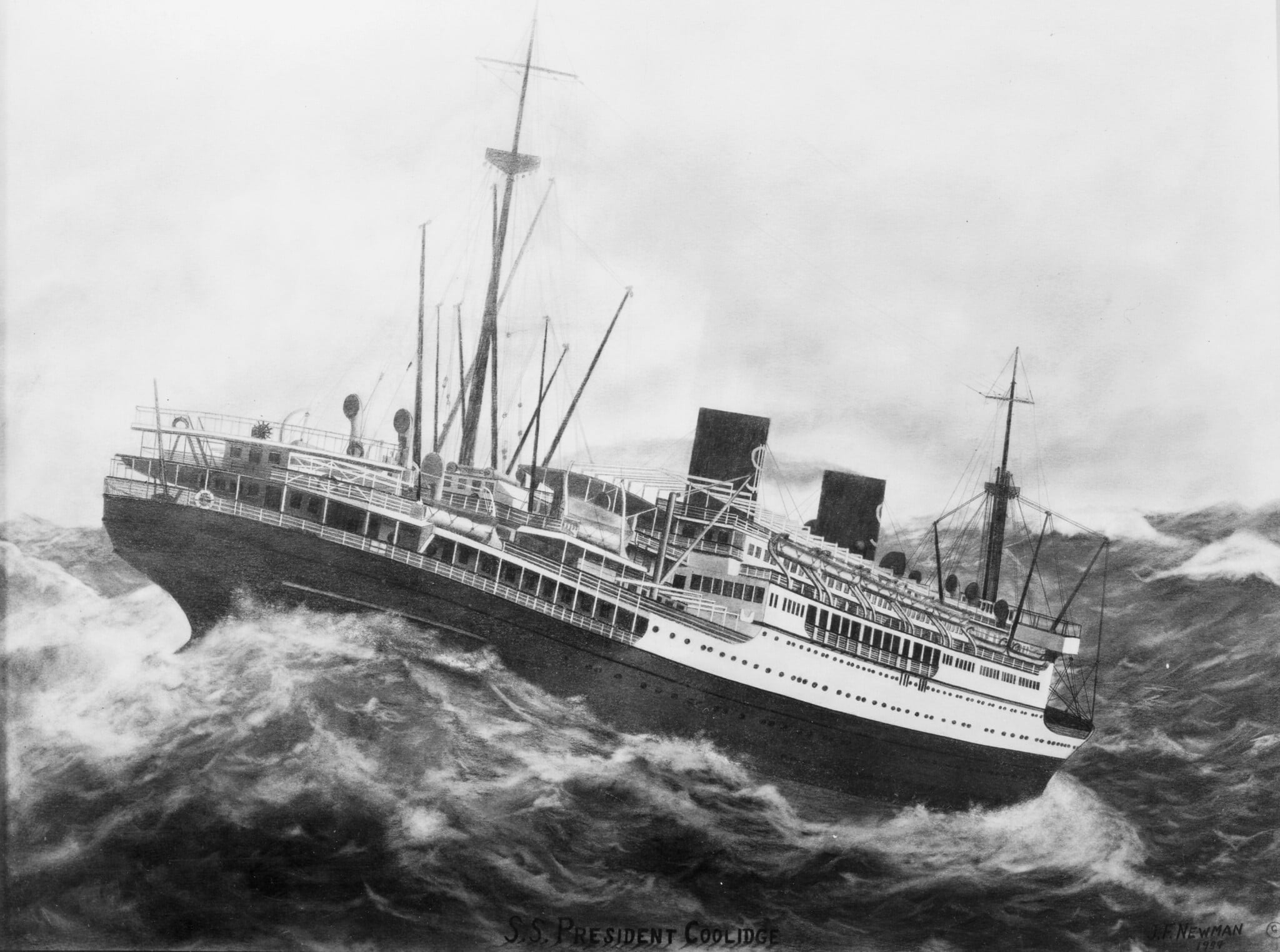
This luxury liner turned warship has the distinction of being one of the largest accessible shipwrecks in the world. The President Coolidge met its end in 1942 when it struck two friendly mines off Vanuatu’s Espiritu Santo.
Most of the 5,000 troops aboard made it to shore safely.
The wreck sits in shallow water, making it perfect for divers of all levels. You can swim through the promenade deck and peer into staterooms that once hosted elegant dinners.
The ship’s massive size means multiple dives are needed to explore it properly.
RMS Rhone
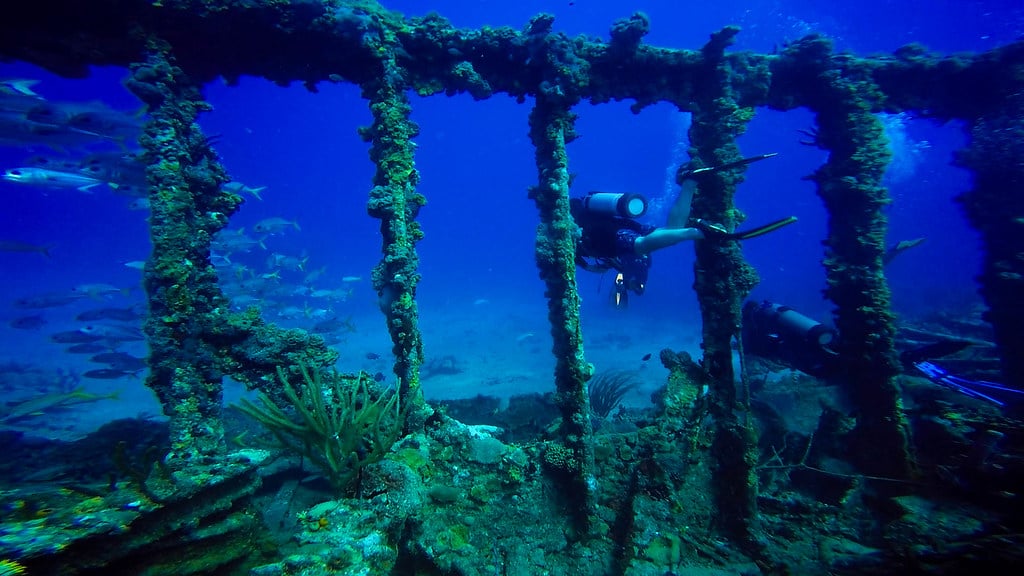
The Royal Mail Steamer Rhone didn’t go down quietly. This British packet ship was caught in a hurricane near the British Virgin Islands in 1867 and split in half against the rocks.
The wreck now lies in two sections, each telling part of the same violent story.
The stern section rests in shallow water (though shallow is relative when you’re talking about shipwrecks), while the bow sits deeper at around 80 feet. What makes the Rhone particularly haunting is how well-preserved it remains — the bronze propeller still gleams, and personal effects occasionally surface from the sand.
The ship’s final moments were so dramatic that Hollywood used it as a filming location for “The Deep.”
USS Oriskany
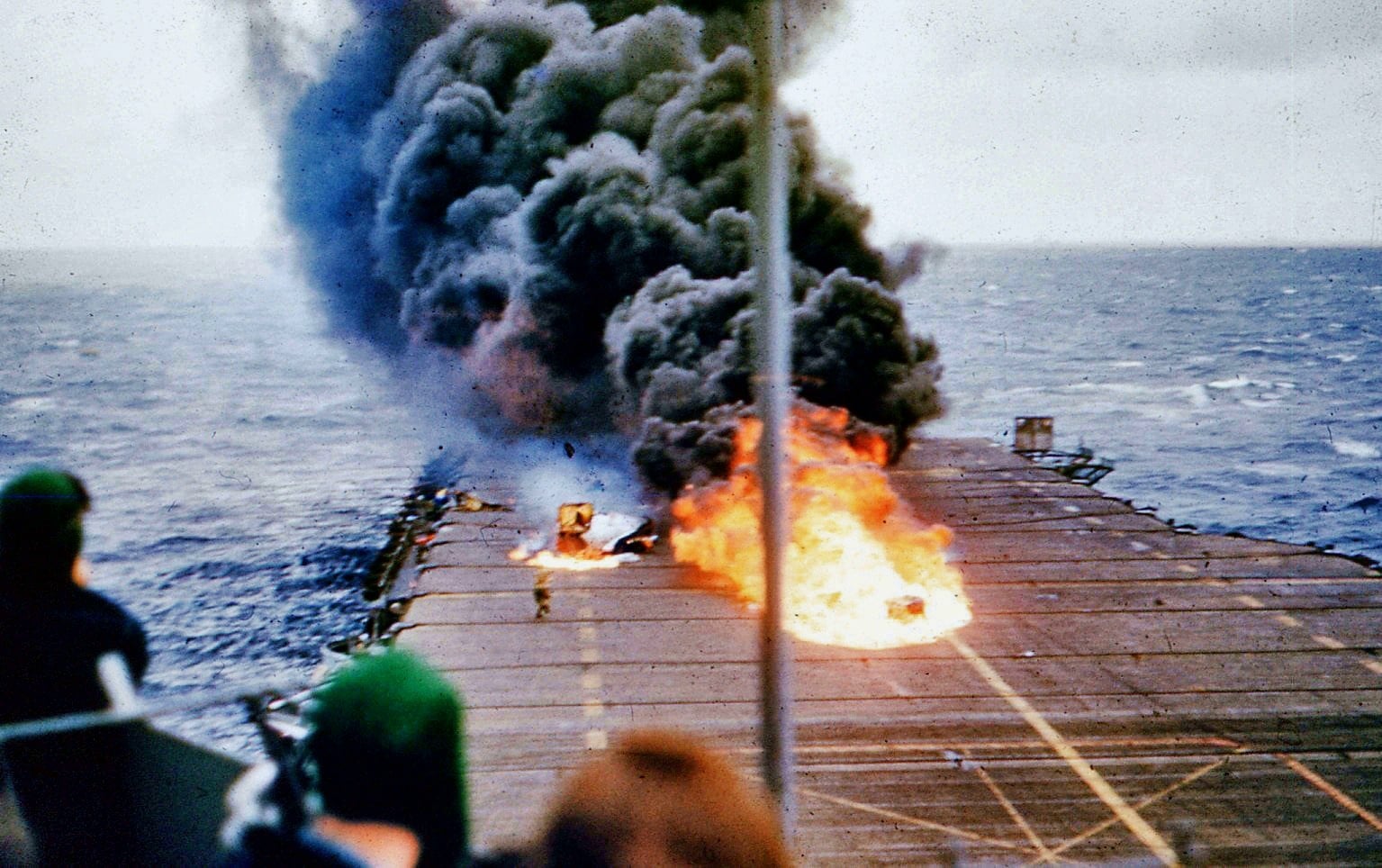
The Navy didn’t just sink the USS Oriskany — they turned it into the world’s largest artificial reef. This Essex-class aircraft carrier served in World War II and Vietnam before being deliberately sunk off Pensacola, Florida, in 2006.
The process was methodical: every hazardous material removed, every compartment prepared for its new life underwater.
Now the “Great Carrier Reef” sits upright on the bottom at 212 feet, its flight deck at 145 feet below the surface. Swimming over a carrier deck underwater feels surreal — the scale is almost impossible to process.
Fighter jets once launched from this deck; now it’s home to grouper the size of small cars and clouds of baitfish that move like silver curtains.
HTMS Hardeep
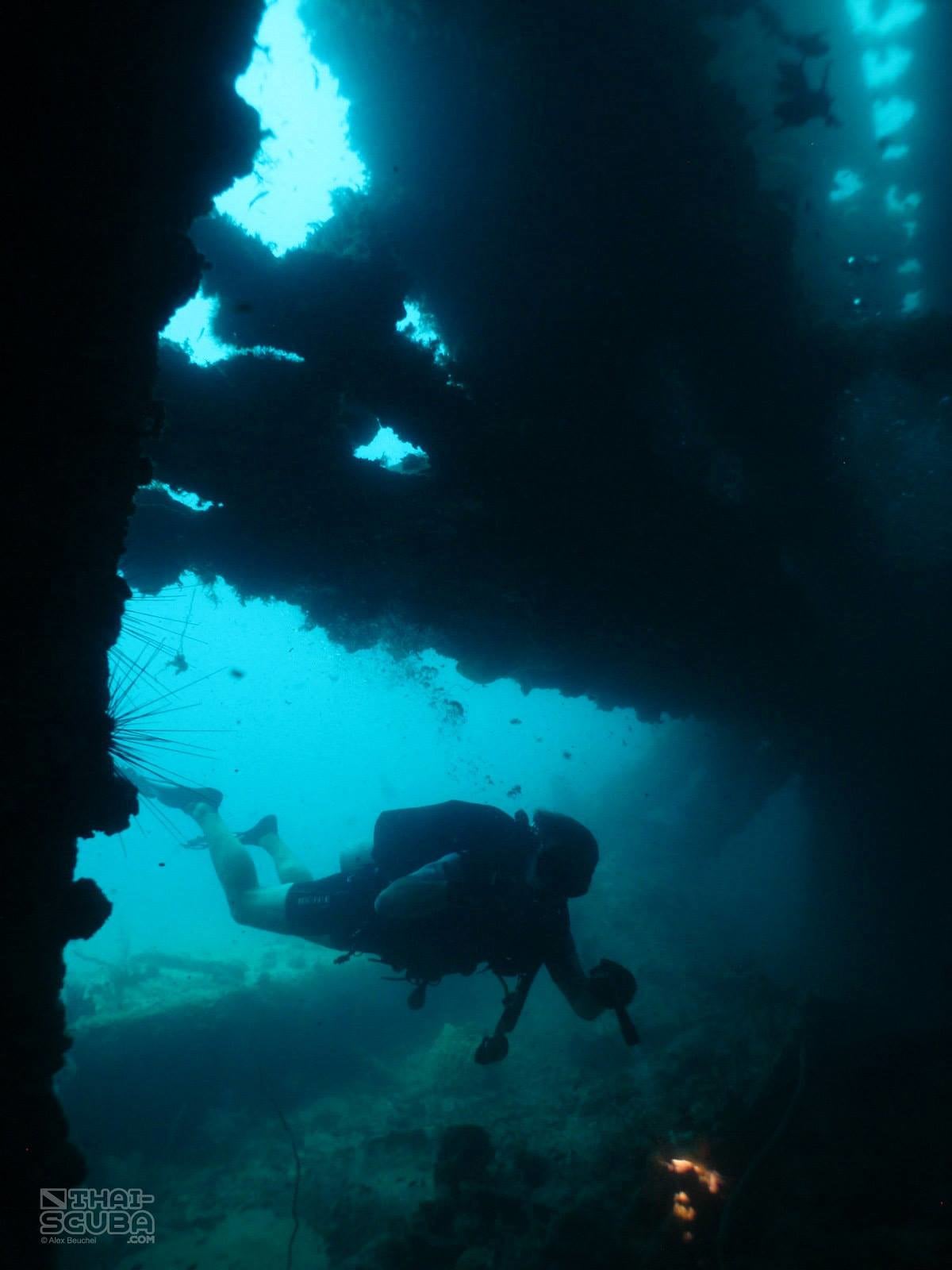
This former Royal Navy escort vessel found new purpose as Thailand’s artificial reef program. The ship was sunk intentionally off Koh Tao in 2016, and the transformation has been remarkable to witness (from a marine life perspective, not a nostalgic one — though both apply).
At just 30 meters deep, the Hardeep is accessible to most divers. The wheelhouse remains intact, and you can still make out details like gauges and controls.
What’s particularly striking is how quickly the ocean reclaimed it — soft corals now blanket surfaces that once bristled with military hardware, and the ship has become a nursery for juvenile fish.
SS Yongala
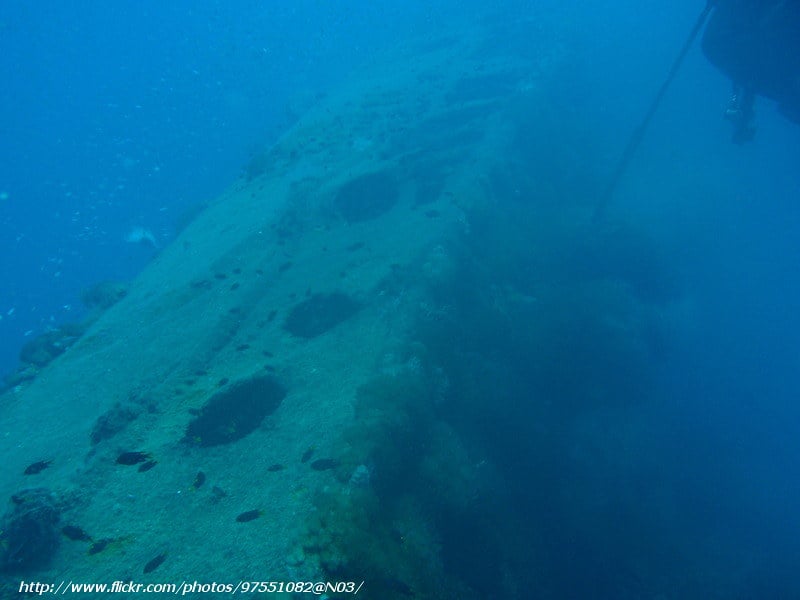
The passenger steamship Yongala disappeared during a cyclone off Australia’s Queensland coast in 1911, taking all 122 souls aboard with her. The wreck wasn’t discovered until 1958, lying intact on the sandy bottom of the Great Barrier Reef Marine Park.
No one survived to tell the story, so the ship itself had to do the talking.
The Yongala sits at 30 meters, perfectly preserved by the tropical waters (and protected by strict diving regulations that prohibit penetration of the wreck). What makes this dive extraordinary isn’t just the ship — it’s what the ship has become.
Massive grouper patrol the decks, sea snakes weave through the superstructure, and eagle rays glide past like underwater aircraft. The wreck has become an oasis of life in an otherwise barren stretch of ocean floor.
SMS Cöln
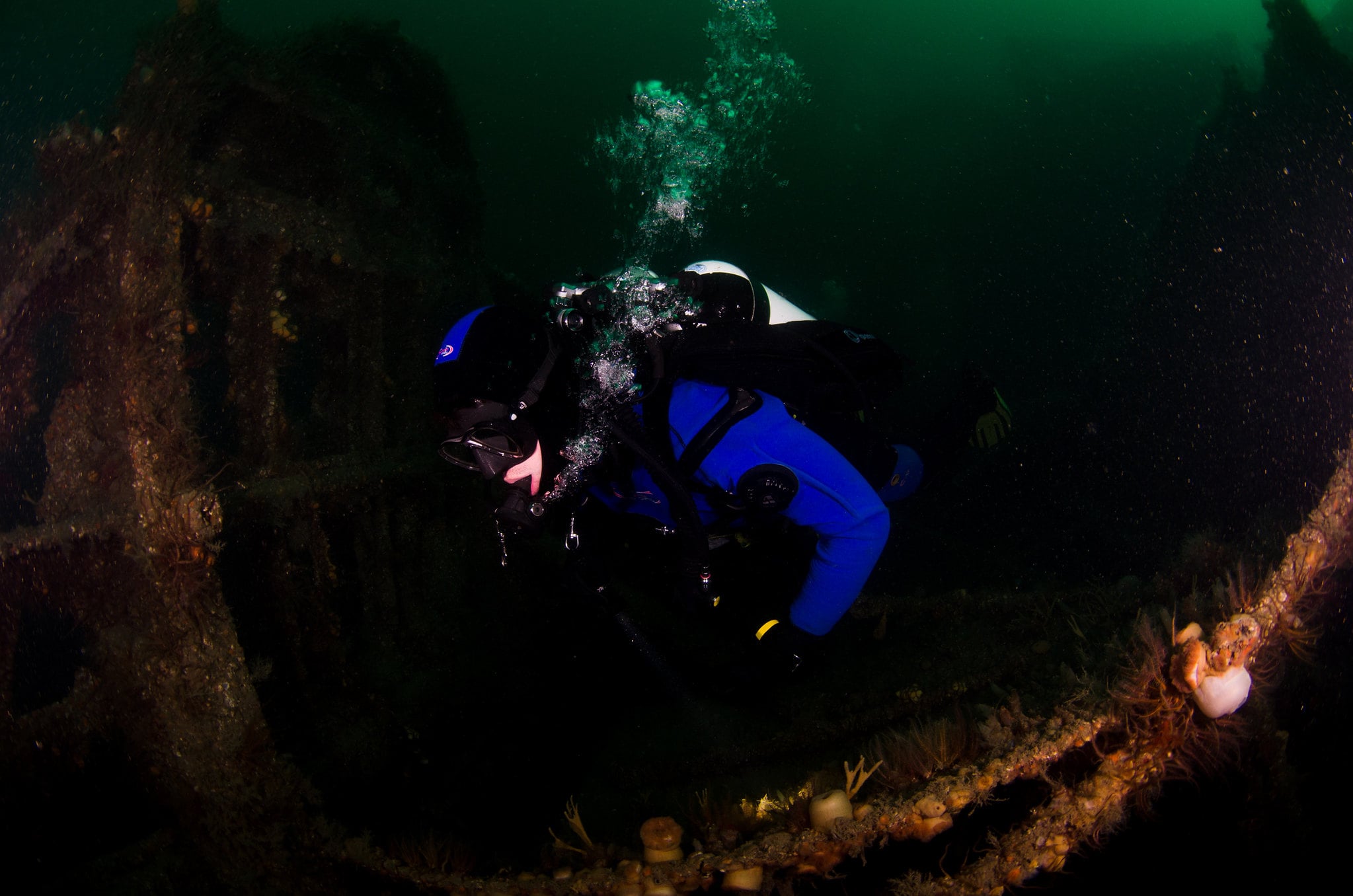
This German light cruiser met its end at the Battle of Jutland in 1916, but that’s not where divers find it today. The SMS Cöln was actually scuttled along with the rest of the German High Seas Fleet in Scapa Flow, Scotland, in 1919.
The crew decided that surrender was unacceptable.
The wreck lies upside down at 36 meters, a position that creates an eerie cathedral effect when you swim beneath the hull. Light filters down through the gaps, illuminating a space that feels both vast and intimate.
The water in Scapa Flow is cold and clear — visibility can stretch to 30 meters on a good day, which means the entire wreck reveals itself at once. It’s like swimming through a museum exhibit, except the museum is 100 feet underwater and the exhibits are slowly being reclaimed by the sea.
MV Salem
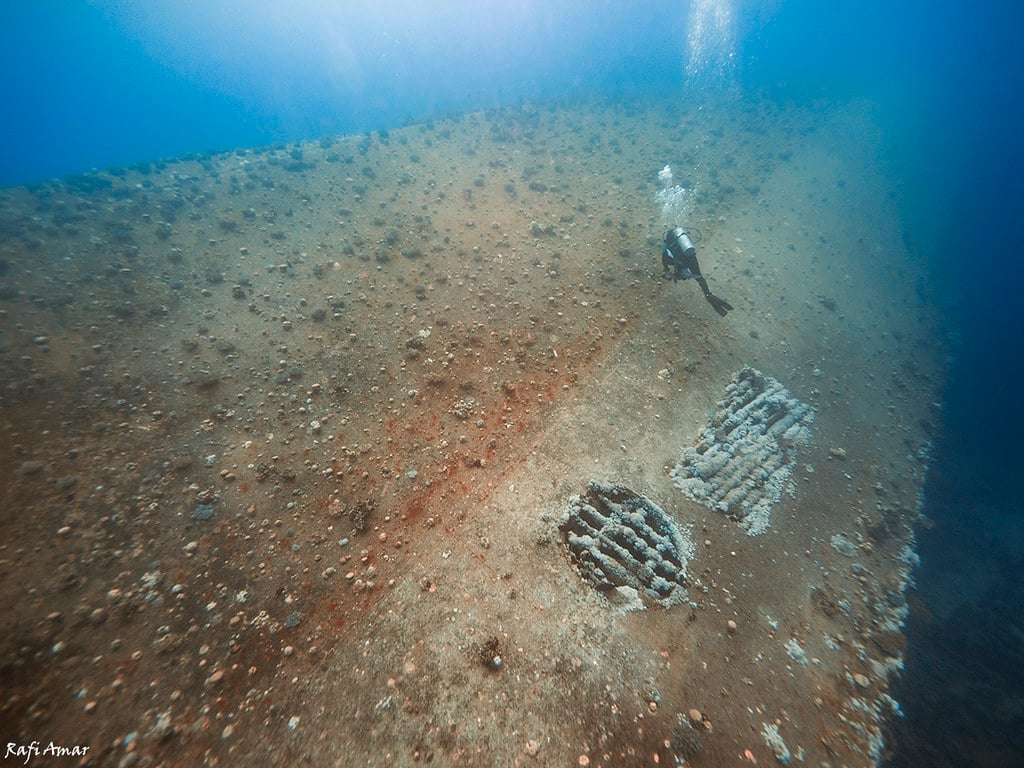
The MV Salem tells a more recent story — this cargo ship was deliberately sunk off Malta in 2009 to create an artificial reef. But unlike some purpose-sunk vessels that feel sanitized and artificial, the Salem has developed character quickly.
Sitting upright at 35 meters, the ship’s holds and deck areas have become hunting grounds for barracuda and amberjack. The bridge remains largely intact, complete with navigational equipment that’s now home to octopi who’ve figured out that ship controls make excellent hiding spots.
Swimming through the Salem feels like exploring a ghost town where the former residents have been replaced by an entirely different species.
USAT Liberty
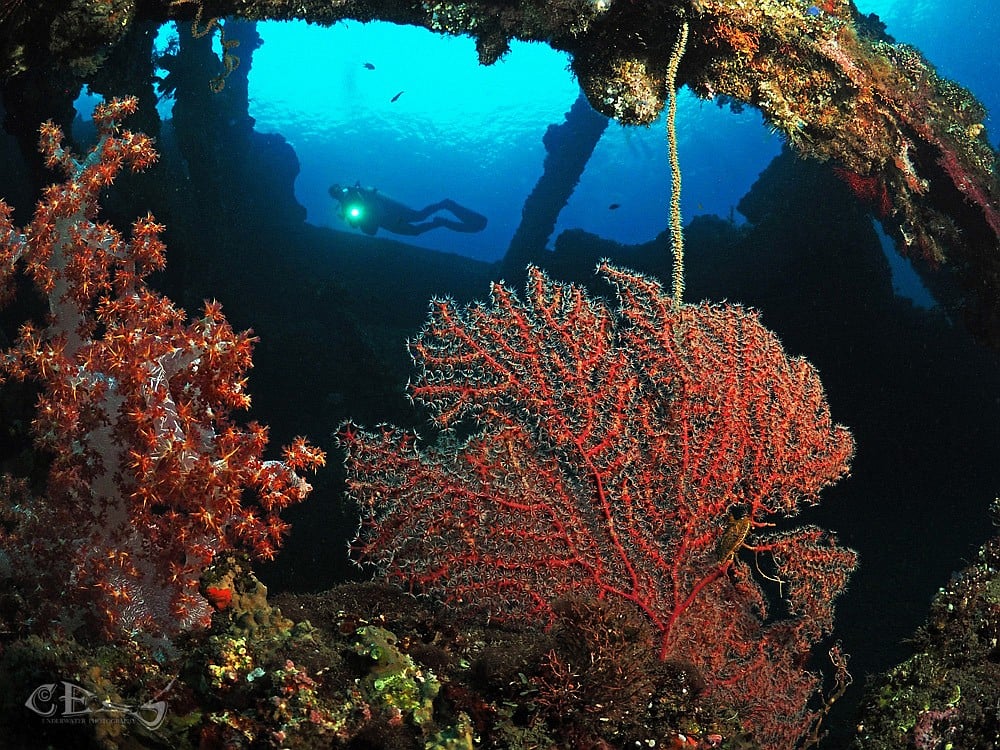
Here’s where diving a shipwreck becomes genuinely convenient: you can wade into the water from Bali’s beach and swim directly to the USAT Liberty. This World War II cargo ship was torpedoed by a Japanese submarine in 1942, then beached for salvage.
A volcanic eruption in 1963 pushed the wreck back into the water, where it now rests just offshore.
The Liberty starts in three meters of water and slopes down to 30 meters, which means snorkelers can see parts of it while technical divers can explore the deeper sections. The wreck has become completely integrated into the reef ecosystem — soft corals cascade down the hull like underwater waterfalls, and the ship’s structure provides shelter for everything from tiny nudibranchs to massive bumphead parrotfish.
Morning dives often feature schools of fish so dense they block out the sun.
SS Thistlegorm
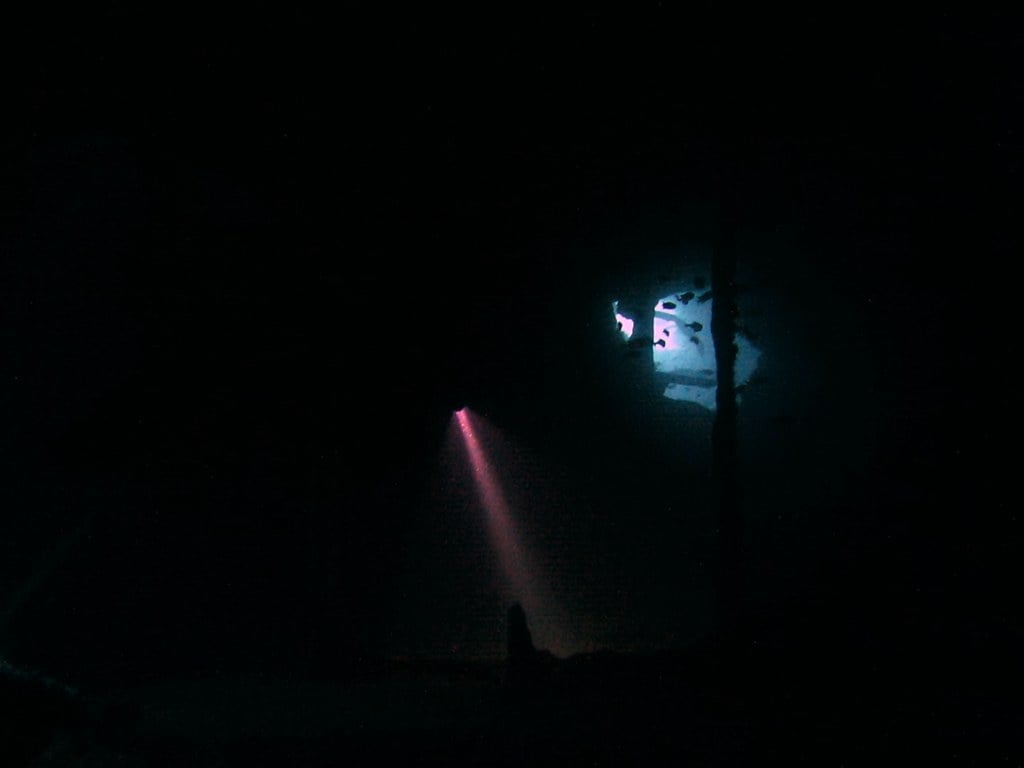
The SS Thistlegorm was carrying supplies to Allied forces in 1941 when German bombers found it anchored in the Red Sea. The ship went down with its cargo intact — motorcycles, trucks, aircraft parts, and personal effects that now create an underwater museum of World War II artifacts.
What sets the Thistlegorm apart is the preservation.
The dry desert climate and Red Sea’s salinity have kept everything remarkably intact. You can swim through the cargo holds and see motorcycles still strapped to their moorings, their tires long since claimed by marine growth but their frames clearly recognizable.
The ship’s stern was blown off in the attack and lies separately from the main wreck, creating two distinct dive sites. Exploring both feels like reading different chapters of the same tragic story.
MV Captain Keith Tibbetts
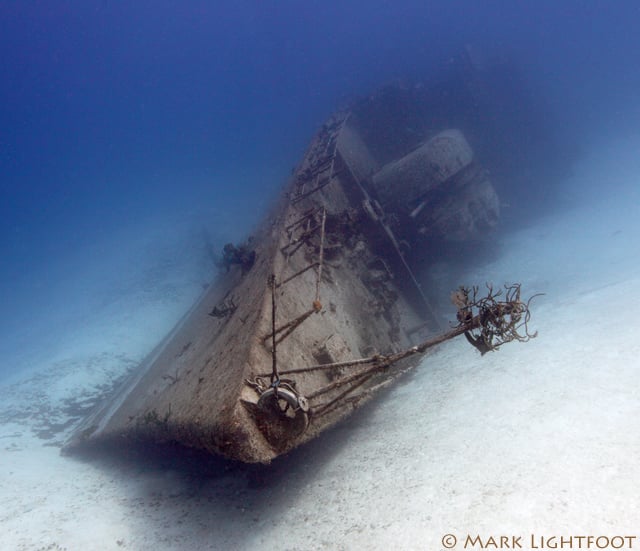
This Russian frigate found new life as an artificial reef off the Cayman Islands’ Little Cayman. The ship was stripped of armaments and sunk intentionally in 1996, positioned upright on a sandy bottom at 30 meters.
The transformation from warship to reef has been methodical.
The bridge structure remains largely intact, creating swim-through opportunities that feel like navigating through a three-dimensional maze. What makes the Captain Keith Tibbetts particularly photogenic is how the marine life uses the structure — grouper hover in doorways like underwater sentries, and cleaning stations have developed around the ship’s protrusions where larger fish come to be serviced by smaller species.
USS Kittiwake
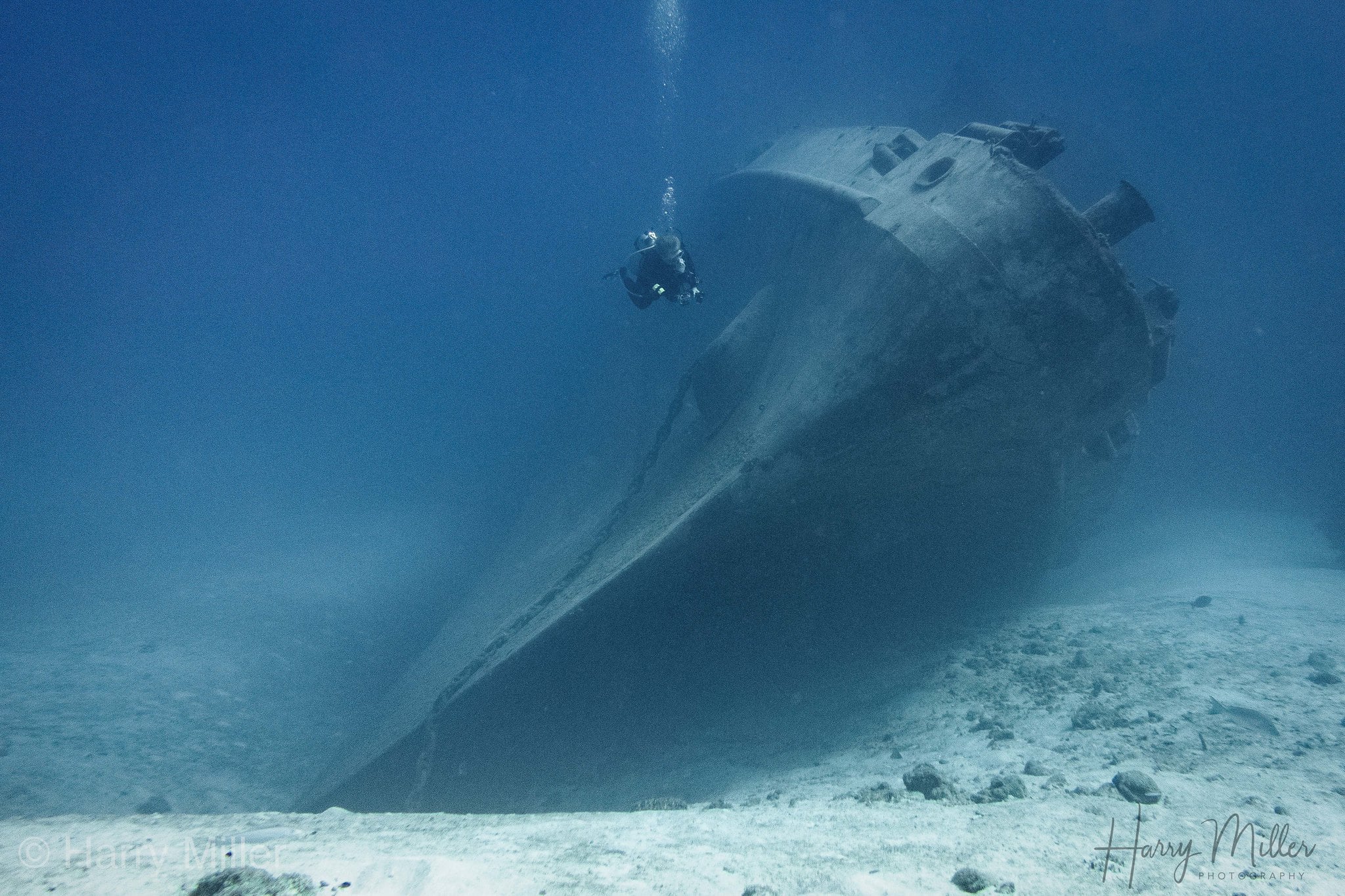
Another purpose-sunk vessel, this former submarine rescue ship rests off Grand Cayman at a perfect recreational diving depth. The Kittiwake was cleaned and prepared specifically for divers, which means the experience is less about discovering hidden artifacts and more about appreciating naval architecture underwater.
The ship sits upright and largely intact, with multiple entry and exit points that make penetration diving relatively safe for qualified divers. Swimming through the engine room provides a glimpse into the mechanical complexity these ships required, while the upper decks offer opportunities to observe how quickly marine life colonizes new underwater real estate.
Zenobia
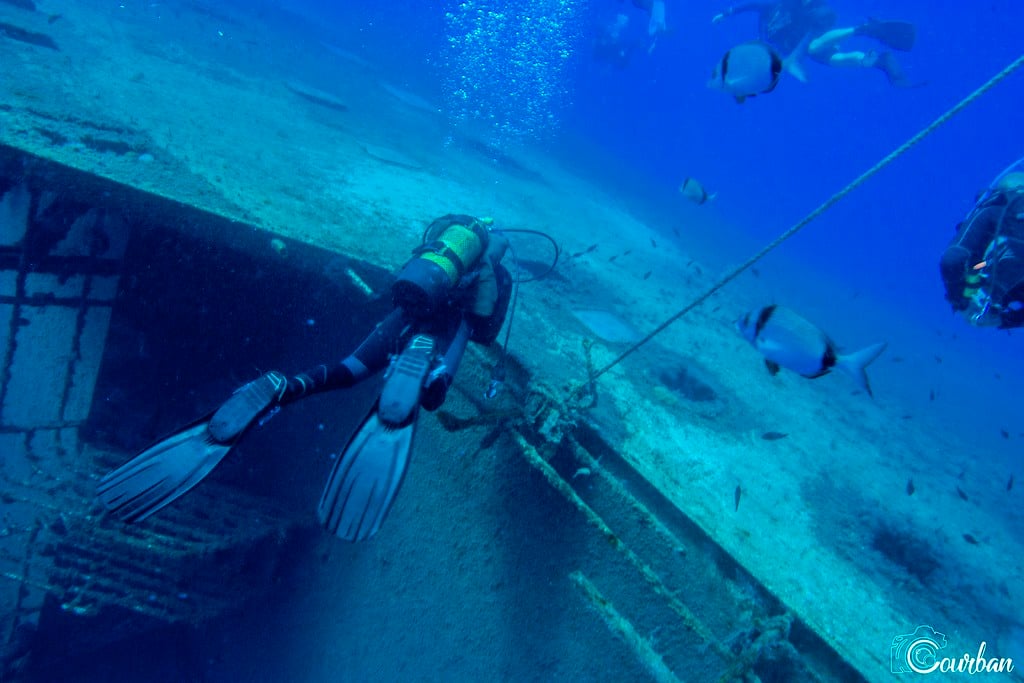
The MV Zenobia sank on its maiden voyage in 1980, rolling over and settling on its port side off Cyprus with a full cargo of trucks still secured in the holds. The sinking was caused by a computer malfunction in the ballast system — technology failing at precisely the wrong moment.
What makes the Zenobia exceptional is the cargo.
The trucks remain exactly where they were when the ship went down, creating an underground parking garage effect that’s both fascinating and unsettling. Some of the vehicles have their headlights still attached, now encrusted with marine growth but recognizable.
The wreck sits at 42 meters at its deepest point, making it accessible to advanced recreational divers while offering enough complexity to interest technical divers as well.
SS Carnatic
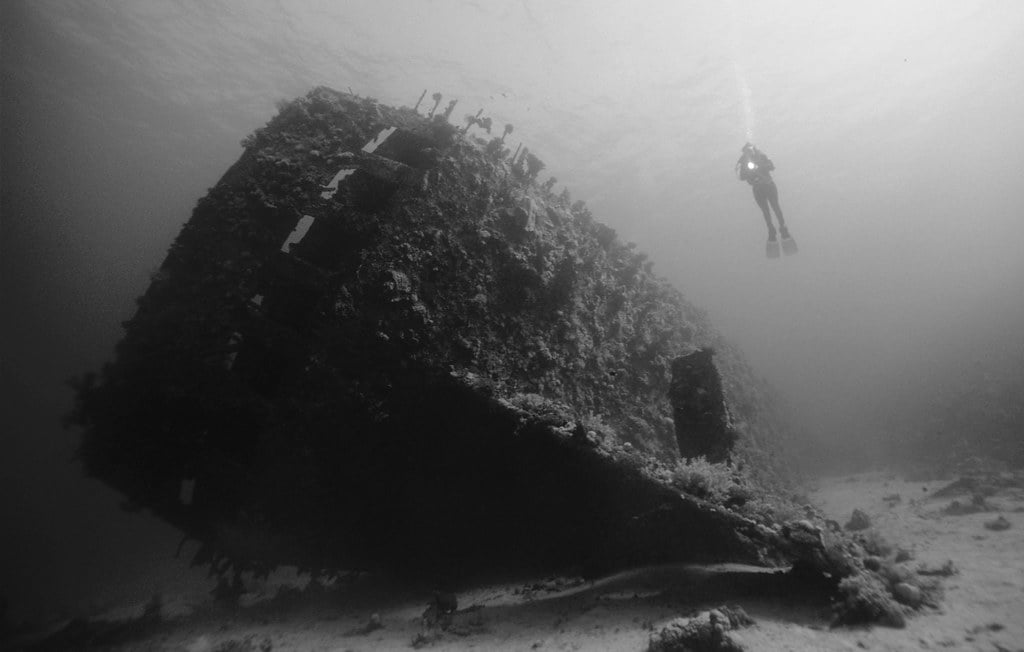
This 19th-century steamship struck a reef in the Red Sea in 1869 while carrying passengers and cargo from Suez to Bombay. The initial impact didn’t sink the ship immediately — passengers were evacuated to the reef to wait for rescue.
The Carnatic broke apart the next day, taking several crew members who had remained aboard to salvage cargo.
The wreck now lies in two main sections on a coral reef at about 25 meters. What’s remarkable is how the structure has become integrated with the natural reef — the ship’s iron framework now provides anchor points for soft corals and sponges, creating a hybrid artificial-natural reef system.
The shallow depth and clear Red Sea water mean the entire wreck is visible from the surface, appearing like a dark shadow against the white sand and coral.
Into The Deep Blue Past
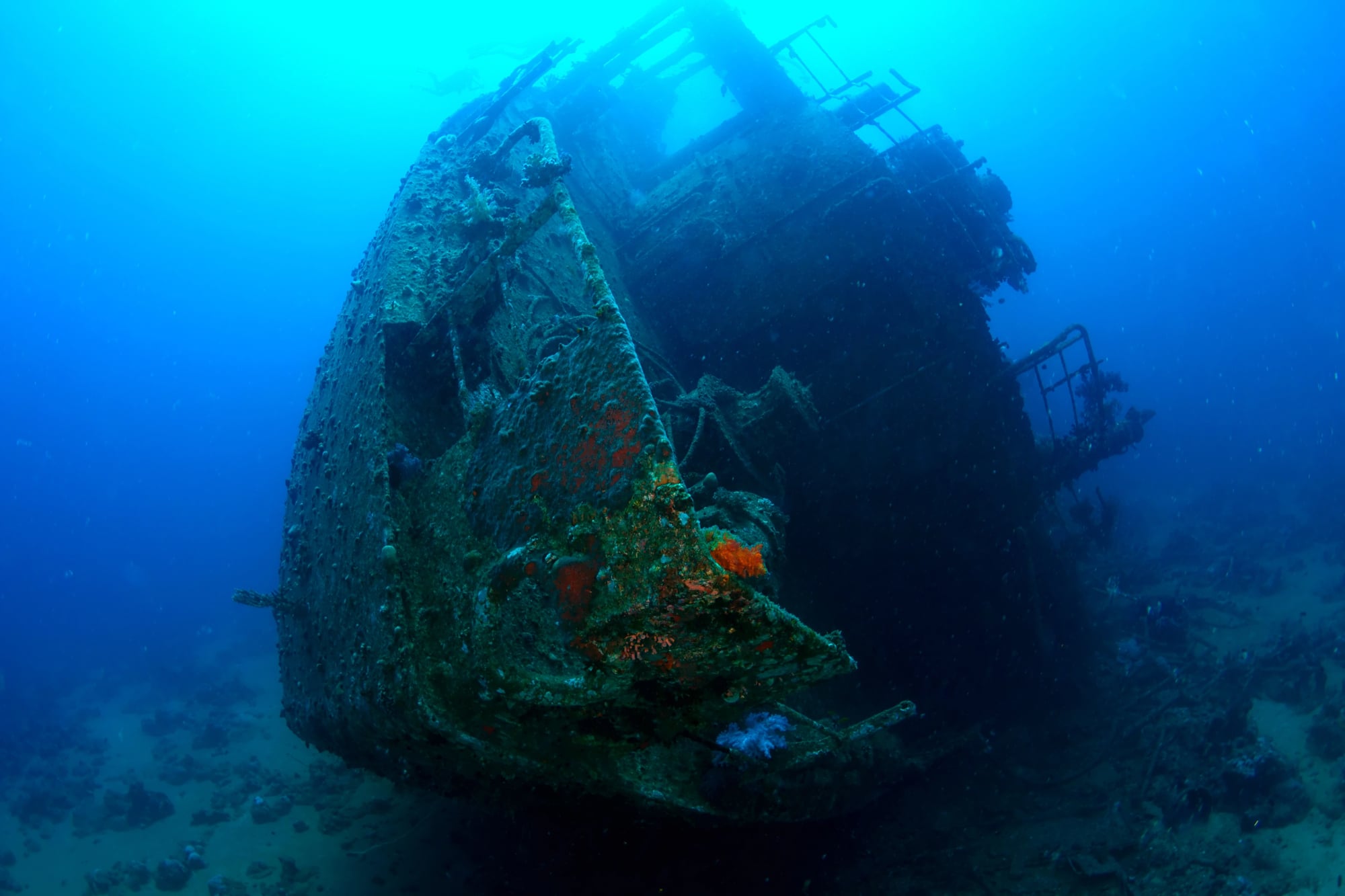
These wrecks represent more than diving destinations — they’re time capsules sealed in salt water, each one preserving a moment when human ambition met the sea’s indifference. Whether claimed by war, weather, or simple mechanical failure, they’ve all found new purpose as underwater monuments that attract life rather than taking it.
Diving these sites changes how you think about the ocean’s relationship with human history. Every corroded railing and collapsed deck plate tells part of a story that continues to unfold as marine life reclaims these structures.
The sea doesn’t distinguish between luxury liner and warship, cargo vessel and passenger ferry — it transforms them all with the same patient persistence, creating beauty from tragedy and gardens from graveyards.
More from Go2Tutors!

- The Romanov Crown Jewels and Their Tragic Fate
- 13 Historical Mysteries That Science Still Can’t Solve
- Famous Hoaxes That Fooled the World for Years
- 15 Child Stars with Tragic Adult Lives
- 16 Famous Jewelry Pieces in History
Like Go2Tutors’s content? Follow us on MSN