15 Ancient Engineering Feats That Impress Modern Engineers
Here’s what’s wild. We look at skyscrapers and space stations thinking they’re the pinnacle of engineering. Meanwhile, ancient people built things that still make today’s engineers go “how did they do that?”
These weren’t just cool for their time. They’re legitimate puzzles that mess with our understanding of what’s possible when you don’t have power tools and CAD software.
These ancient builders solved problems in ways that continue to influence how we design and build structures today. Here is a list of 15 ancient engineering feats that impress modern engineers.
The Great Pyramid of Giza

The precision on this thing is bonkers—base level accurate to 2.1 centimeters. In 2580 BCE.
They hauled 2.3 million stone blocks, each weighing 2.5 to 15 tons, and made them fit so tight you can’t wedge a knife blade between them. Modern engineers with all their fancy equipment estimate it’d take them 20+ years to recreate this.
Roman Concrete

Roman concrete has been sitting there for 2,000+ years while our “advanced” concrete falls apart. Engineers are still scratching their heads trying to figure out why.
Turns out Romans mixed volcanic ash with lime and seawater. Created something that actually gets stronger in saltwater. Our concrete? Falls apart. Engineers are desperately trying to reverse-engineer their recipe because our infrastructure is crumbling.
The Antikythera Mechanism
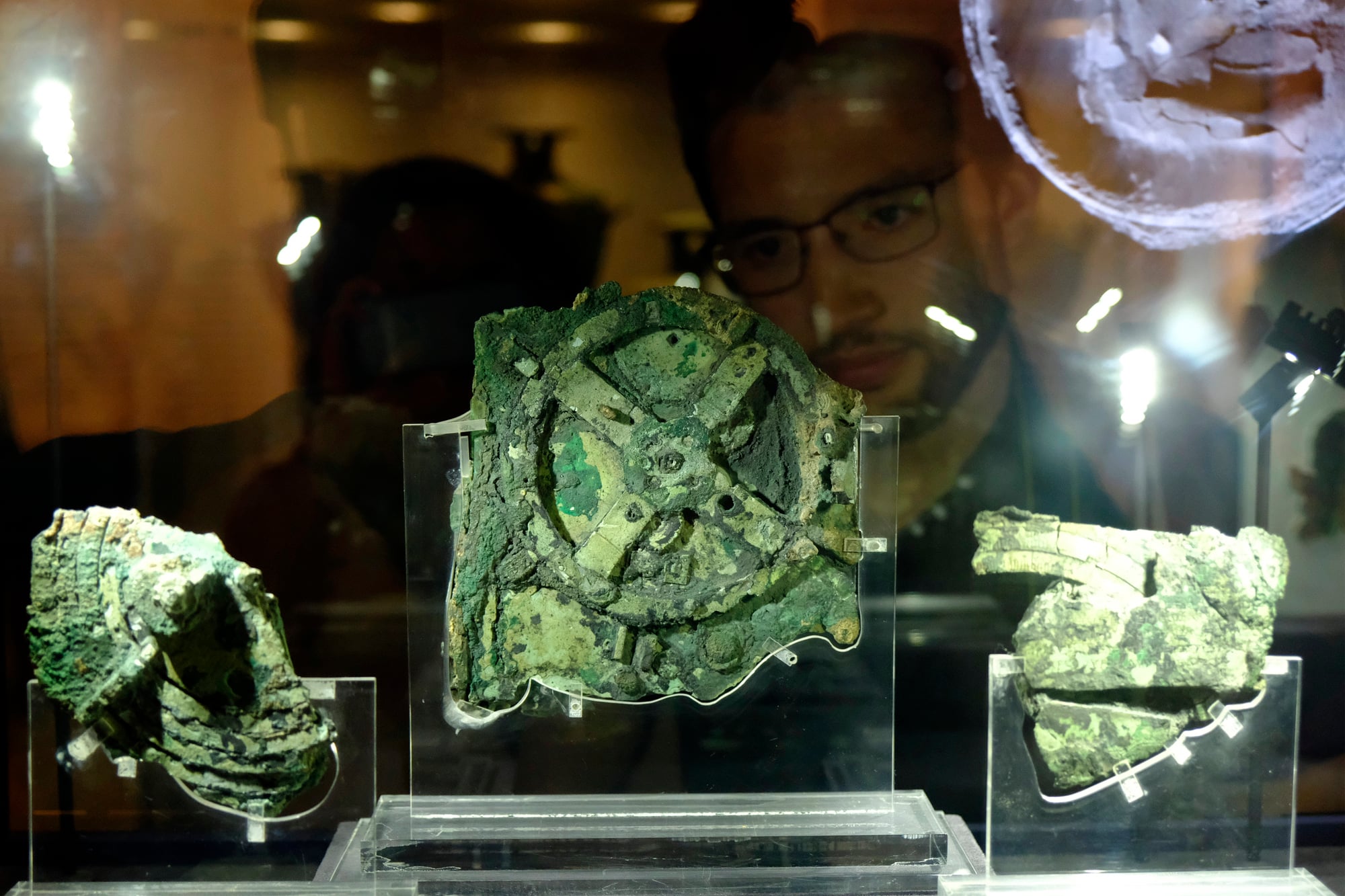
Found this Greek device from 100 BCE that’s basically an ancient computer. Predicted eclipses, tracked planets, calculated Olympic schedules with frightening accuracy.
The gear system is so sophisticated that engineers didn’t think this precision was even possible until medieval clockwork appeared. That’s 1,000+ years later.
Machu Picchu’s Earthquake-Resistant Design

Incas used ashlar masonry—stones fit together without mortar. But here’s what blows engineers’ minds: the walls lean inward slightly with flexible joints.
During earthquakes, the whole structure can move and sway without collapsing. Modern seismic engineers study these techniques when designing buildings in earthquake-prone areas.
The Pantheon’s Dome

Rome’s Pantheon has the largest unreinforced concrete dome ever built. Still holds the record.
Engineers gradually lightened the concrete as they went up—heavy travertine at the bottom, lightweight pumice at the top. That pit in the center? Genius move. Reduces weight and structural stress while letting in light.
Angkor Wat’s Hydraulic System

This water management system covered 400 square miles. Khmer engineers built artificial lakes, canals, moats that handled flooding, provided fresh water, and managed transportation.
Supported over a million people. Made Angkor one of the biggest pre-industrial cities on Earth.
The Hoover Dam of Ancient Times

Mesopotamians built the Nimrod Dam around 1300 BCE. Controlled the Tigris River with a reservoir system using precisely cut stones and bitumen waterproofing.
They understood water pressure and dam construction principles that modern engineers still use for flood control.
Sacsayhuamán’s Megalithic Walls

These walls in Peru have 200-ton blocks fitted so perfectly that paper won’t slide between them. Incas somehow moved these massive stones from quarries miles away and shaped them to fit without modern machinery.
Engineers today need multiple cranes and specialized equipment just to move one block.
The Silk Road’s Engineering Network

The Silk Road was 4,000 miles of engineering brilliance across deserts, mountains, rivers. Ancient engineers built bridges for heavy caravans, rest stations with water systems, navigation techniques that stayed accurate for centuries.
Required coordination across multiple civilizations.
Petra’s Water Conduit System

Nabataeans carved water collection and distribution systems directly into rock around 300 BCE. Built settling tanks, covered channels, pressure-controlled fountains bringing water from springs 15 miles away.
This system kept a desert city thriving for 500+ years.
Chichen Itza’s Acoustic Engineering

Clap your hands at the base of this pyramid and you’ll hear a chirp that matches the quetzal bird’s call. Mayan engineers designed the stone steps to create this exact sound frequency.
They understood acoustic principles that weren’t formally studied until the 1900s. The court amplifies whispers across 500 feet.
The Great Wall’s Adaptive Construction

The Great Wall shows incredible adaptability. Construction techniques changed based on what was available locally.
Mountains? Follow natural contours. Desert? Use rammed earth and local stones. The beacon system could relay messages across thousands of miles in hours.
Beat every communication method until the telegraph.
Trajan’s Bridge Over the Danube
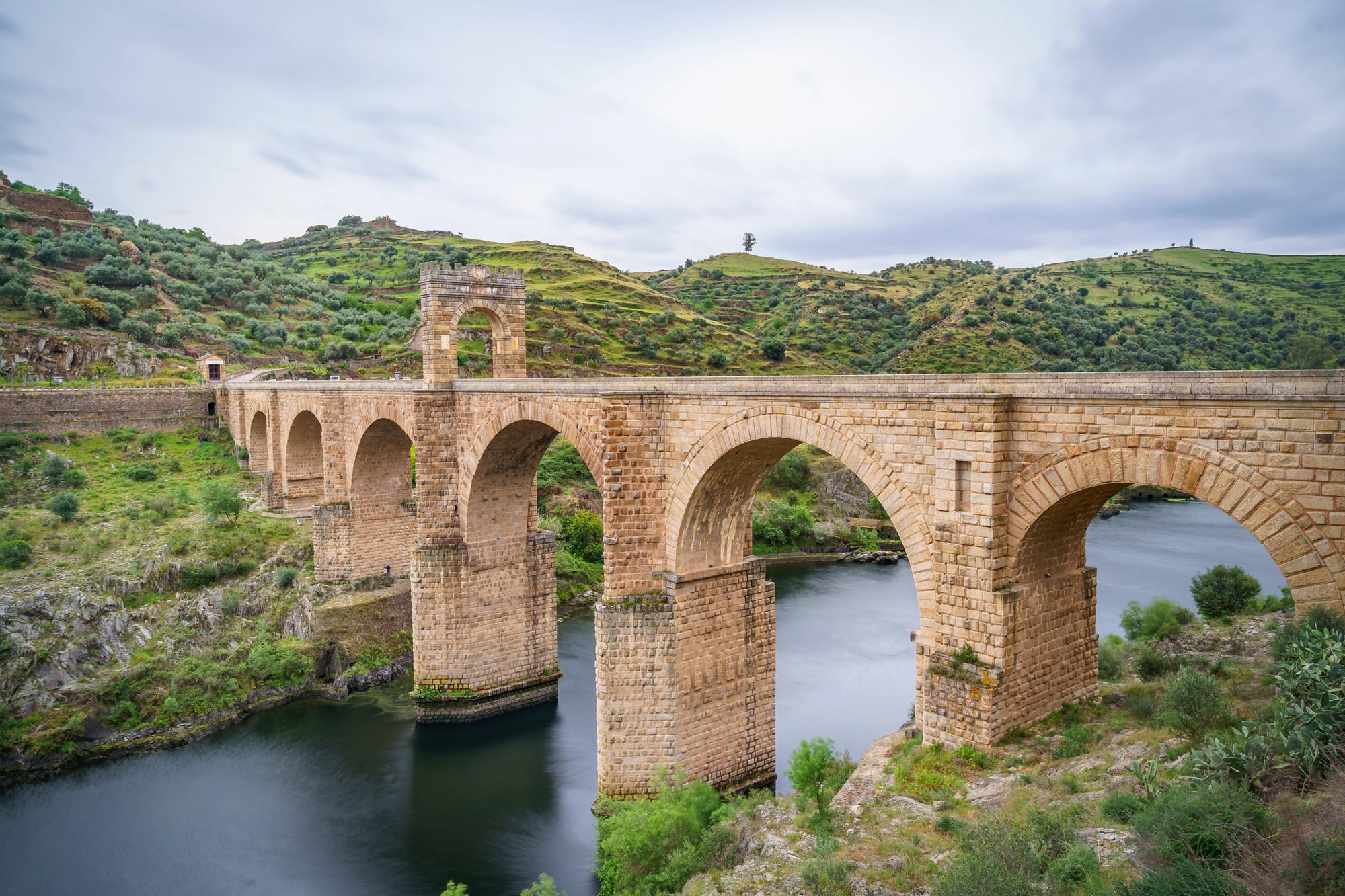
Built in 105 CE, this bridge stretched 3,700 feet across the Danube on 20 massive stone piers. Roman engineers worked in a war zone while creating foundations in fast-flowing water and designing for heavy military traffic plus seasonal flooding.
Nobody built a comparable river bridge for over 1,000 years.
The Lighthouse of Alexandria

This 400+ foot lighthouse used mirrors and fire to project light 35 miles away. Ancient engineers created hydraulic systems to lift fuel to the top and designed it to withstand earthquakes and coastal weather.
Operated for 1,500+ years before earthquakes finally took it down.
The Baths of Caracalla’s Heating System

Roman baths had hypocaust systems providing central heating and hot water for 1,600+ people simultaneously. Engineers created networks of underground furnaces, hollow walls, suspended floors that distributed heat evenly.
Ran continuously for 300+ years. We still use similar principles in modern radiant heating.
When Past Meets Present

These ancient achievements prove engineering brilliance isn’t about having the latest technology. It’s about creative problem-solving and understanding fundamental principles.
Modern engineers keep studying these structures, finding solutions that improve contemporary designs. Ancient builders push us to think beyond current limitations.
Makes you wonder what future engineers will think of our work. Their innovations show that human creativity combined with solid engineering principles creates wonders that endure.
More from Go2Tutors!

- The Romanov Crown Jewels and Their Tragic Fate
- 13 Historical Mysteries That Science Still Can’t Solve
- Famous Hoaxes That Fooled the World for Years
- 15 Child Stars with Tragic Adult Lives
- 16 Famous Jewelry Pieces in History
Like Go2Tutors’s content? Follow us on MSN.



