Annoying Toys That Prove Your Parents Loved You
There’s something deeply twisted about the relationship between annoying toys and parental love. The louder, more chaotic, and generally insufferable a toy was, the more likely your parents were to buy it for you.
Looking back, this seems counterintuitive — why would loving parents deliberately introduce mayhem into their own homes? But that’s exactly the point.
They endured the cacophony, the cleanup, and the constant interruptions because seeing you happy was worth every migraine-inducing moment.
Drum Sets

Kids’ drum sets make real noise. Not cute noise — actual, wall-shaking, neighbor-alerting noise.
Your parents knew this when they bought it.
They bought it anyway. That’s love disguised as temporary insanity.
Play-Doh
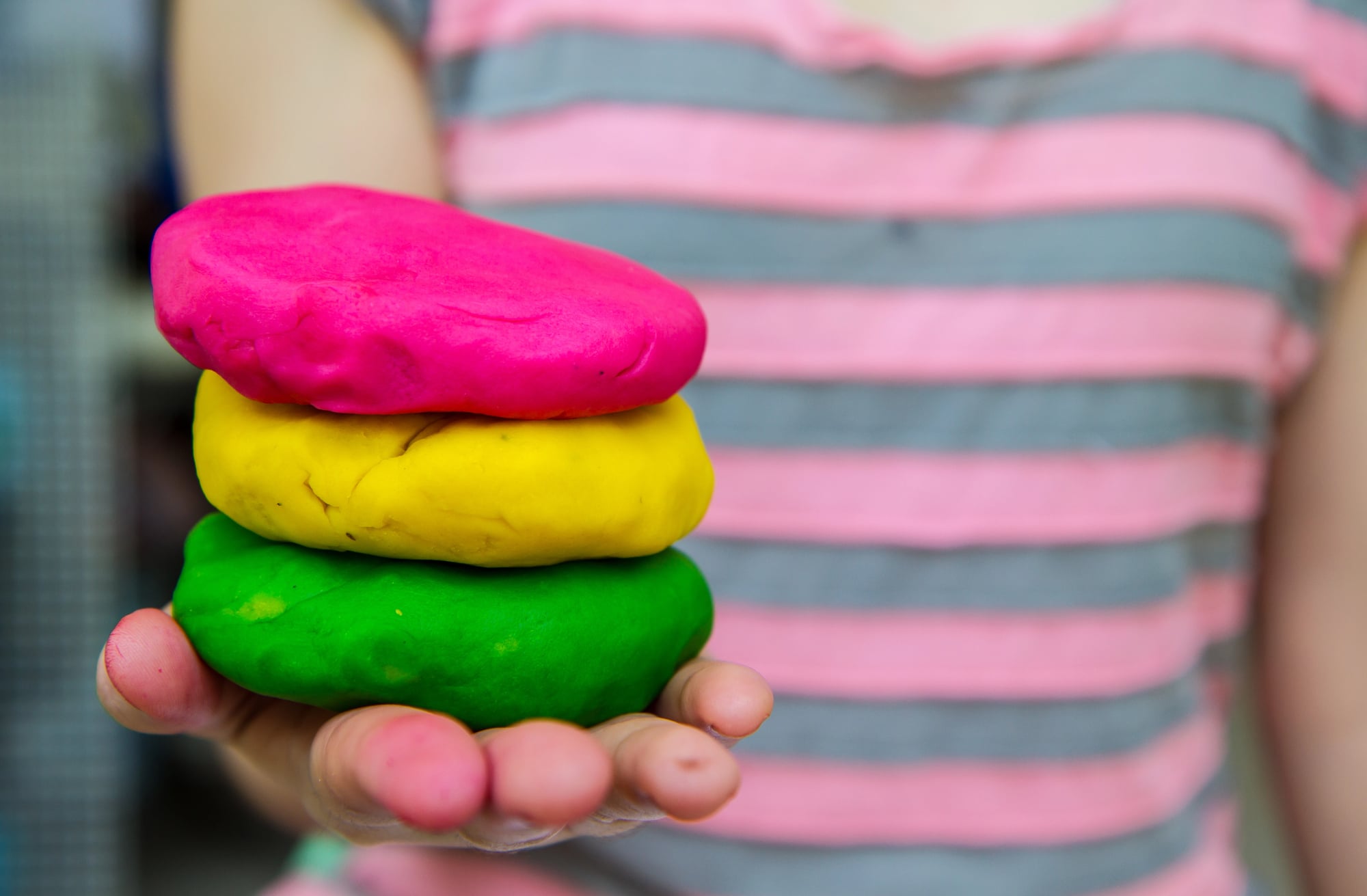
Play-Doh is engineered chaos that masquerades as creativity, and every parent who has ever purchased those innocent-looking containers knew exactly what they were signing up for (though they probably underestimated just how far those tiny colorful bits would travel).
The stuff gets ground into carpet fibers with the persistence of concrete, it finds its way into couch cushions where it hardens into archaeological evidence of childhood, and somehow — despite your best efforts to keep the colors separate — it always ends up as an unidentifiable brownish-gray mass that looks like something scraped off a sidewalk.
But there’s something almost magical about watching small hands roll and shape and create entire worlds from what amounts to fancy salt dough, and parents endure the cleanup because they understand that the mess is temporary but the memory of making something from nothing lasts considerably longer.
And yet they kept buying new sets when the old colors turned to mud. Because watching you create mattered more than finding purple chunks in the vacuum cleaner bag for months.
Slime

Slime occupies that peculiar space between science experiment and household destroyer, somehow managing to be both fascinating and infuriating in equal measure.
It clings to everything except the container it came in, develops a supernatural ability to find its way onto surfaces that seem physically impossible to reach, and leaves behind a sticky residue that laughs at conventional cleaning products.
The marketing always promised it would be contained, manageable, educational even — but slime operates by its own physics, spreading like a slow-motion invasion across coffee tables, getting tangled in hair, and somehow always ending up stepped on by someone wearing socks.
Parents bought it anyway, knowing full well they’d be finding green streaks on the ceiling weeks later.
They watched you stretch it between your fingers with the same wonder they once felt playing with their own questionable substances, understanding that some discoveries are worth the inevitable frustration of scraping mysterious goo off the bottom of shoes.
Recorders
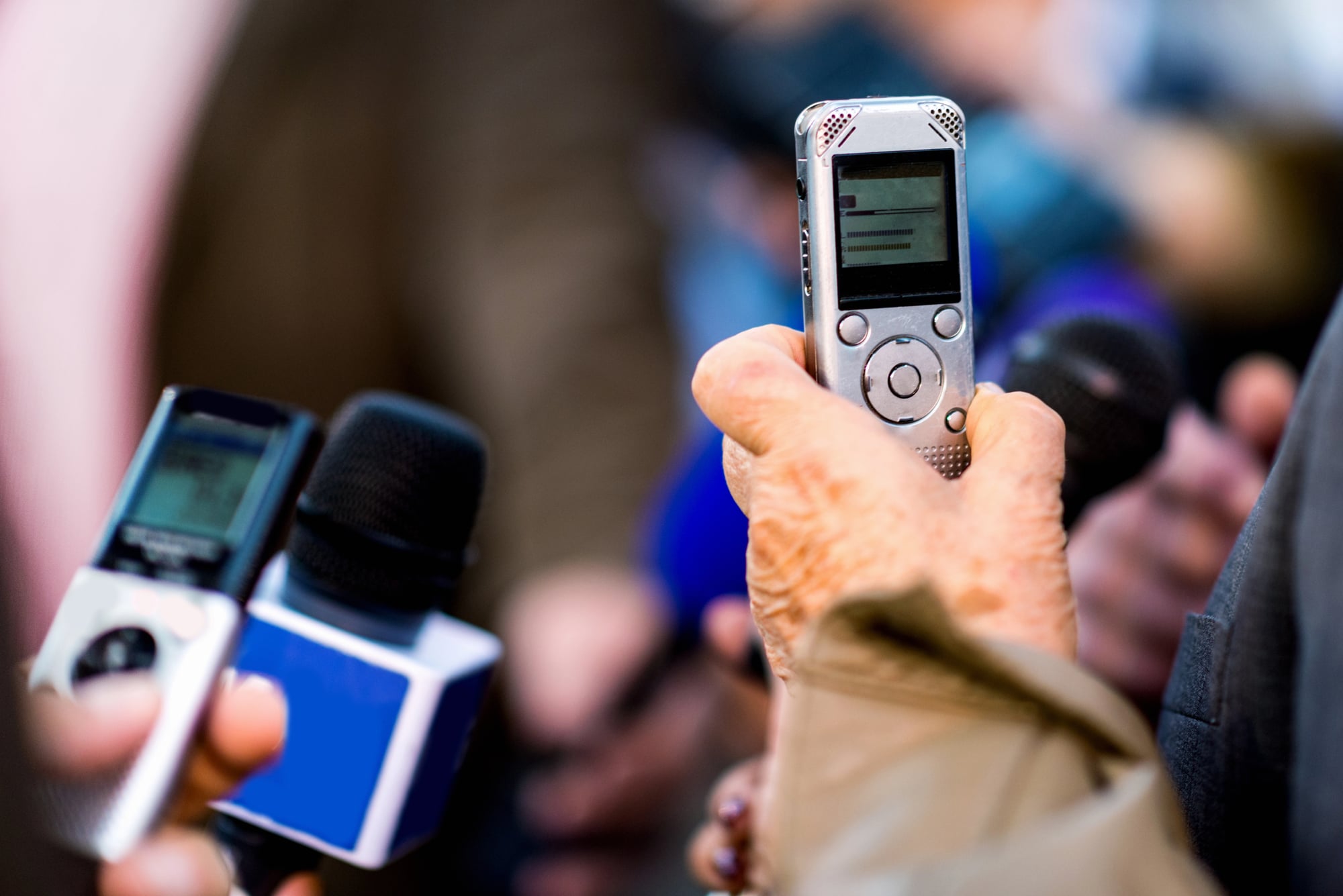
Every elementary school music program inflicted recorders on unsuspecting families. The logic was sound — cheap instruments, easy to learn, builds musical foundation.
The reality was different.
Thirty kids with recorders sounds like a flock of distressed geese having an argument. Your parents sat through concerts anyway.
They even clapped.
The fact that they didn’t hide the recorder after the first week proves they were genuinely invested in your musical development, even when that development sounded like someone torturing a duck.
Whoopee Cushions
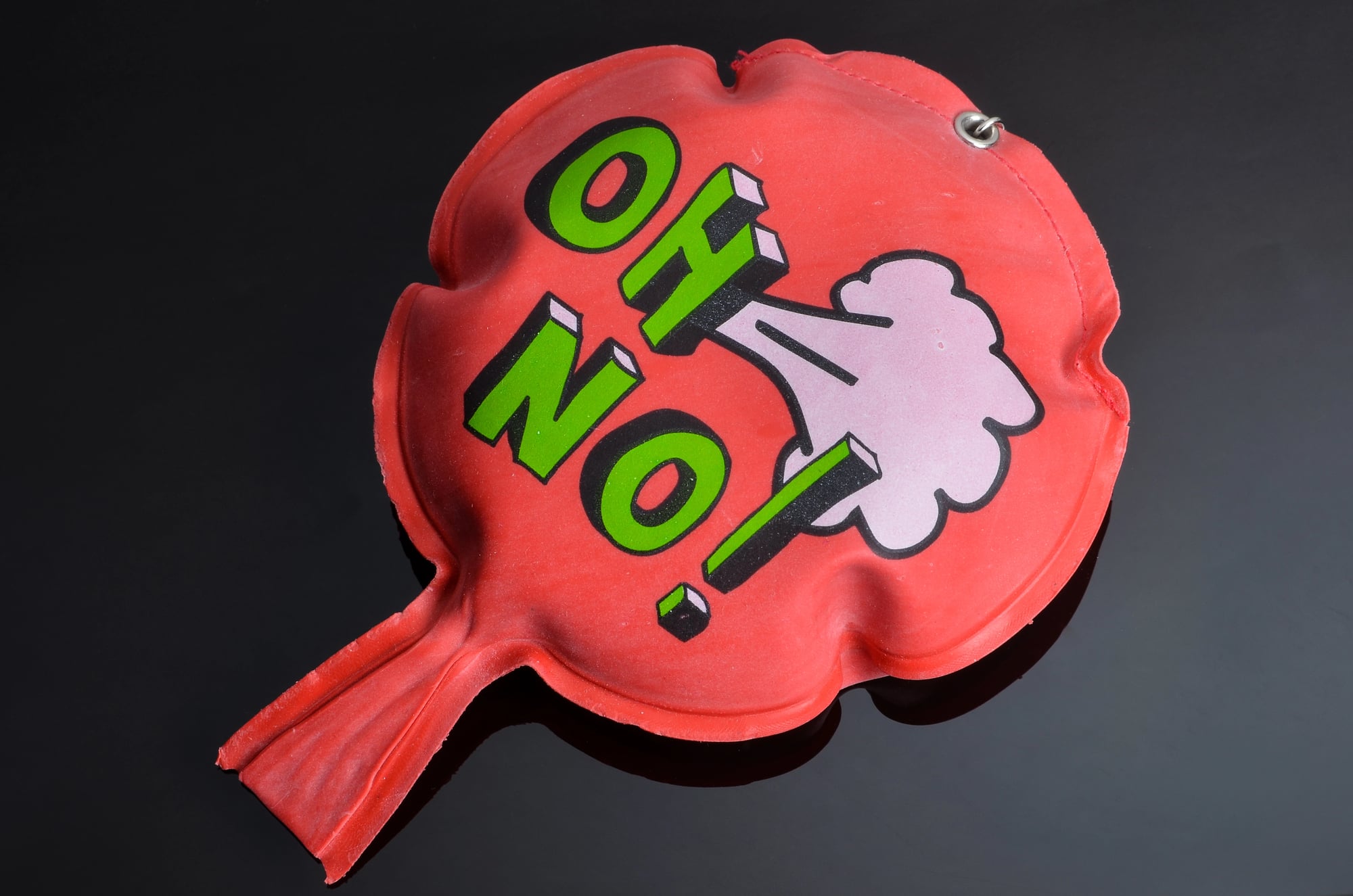
There’s something beautifully honest about the whoopee cushion — it exists for no purpose other than to make the sound that reduces humans to their most basic comedic instincts, and it accomplishes this mission with the reliability of gravity and the subtlety of a fire alarm.
Parents understand, perhaps better than children, that humor often lives in the spaces where sophistication breaks down, where the carefully constructed adult world gives way to something more primal and ridiculous.
The whoopee cushion doesn’t pretend to be educational or enriching; it simply delivers joy through the universal language of bathroom sounds, and there’s something refreshingly direct about that transaction.
But watching their child dissolve into helpless giggles over artificial flatulence — that moment when pure, uncomplicated happiness takes over — reminded parents why they fell in love with being parents in the first place.
Even when the joke got old for everyone except the person holding the cushion.
Karaoke Machines

Children’s karaoke machines amplify everything except actual singing ability. They turn living rooms into concert venues where volume substitutes for talent and enthusiasm replaces pitch accuracy.
Your parents bought these knowing they’d hear the same three songs butchered repeatedly for months.
They pretended to enjoy your seventeenth rendition of whatever Disney song was currently popular.
Some even sang along, which takes the kind of unconditional love that survives public embarrassment and hearing loss.
Nerf Guns
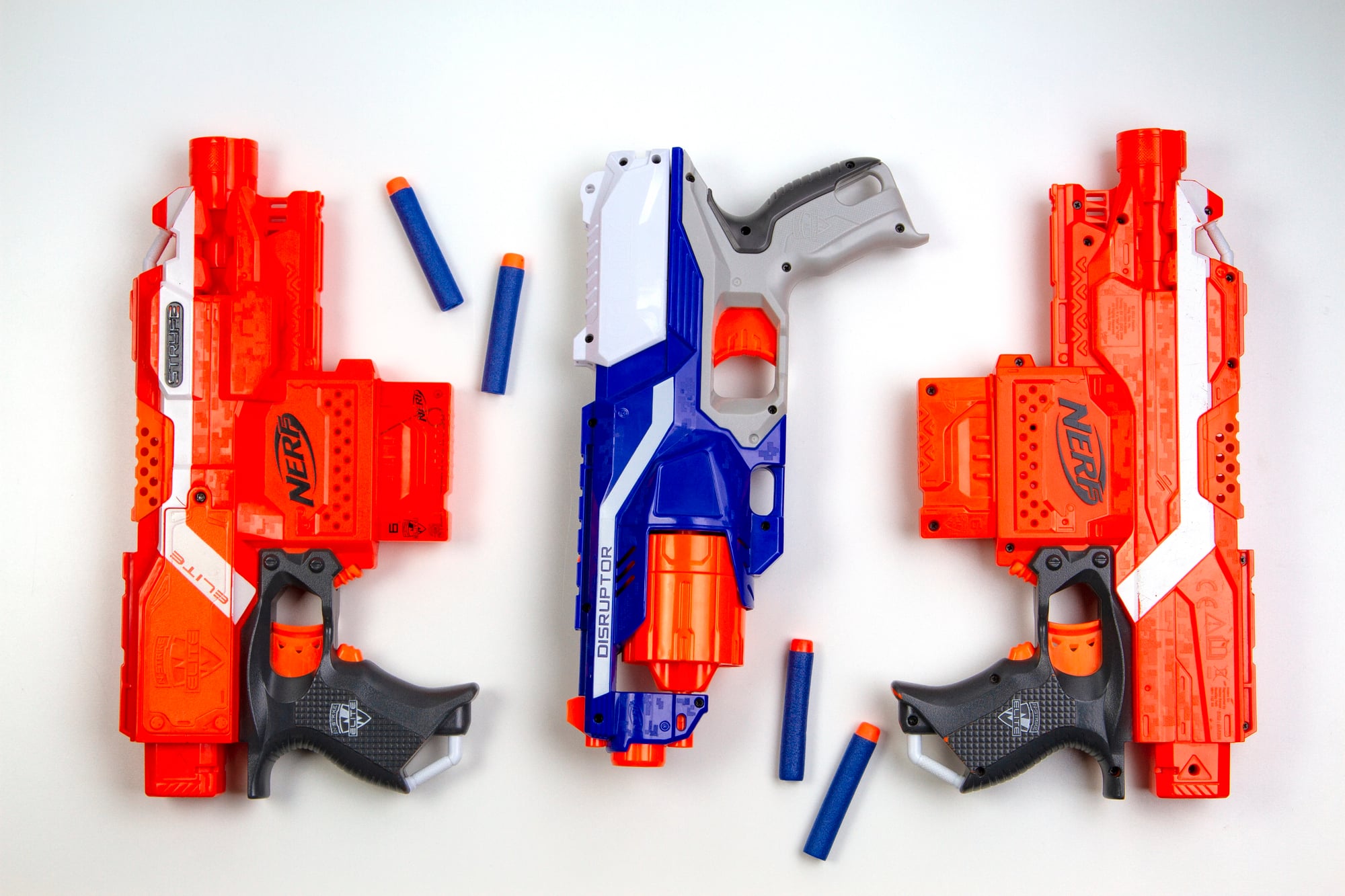
Nerf weaponry transforms any space into a battlefield, and parents who purchased these foam-firing arsenals understood they were essentially declaring their home a combat zone where surprise attacks could happen during dinner, important phone calls, or quiet Sunday mornings.
The projectiles develop their own ecosystem, disappearing behind furniture and reemerging months later in the most unexpected locations, while the guns themselves inspire elaborate military campaigns that involve overturned furniture, strategic barricades made from couch cushions, and battle cries that can be heard three houses away.
Parents become unwilling participants in these domestic warfare scenarios, finding themselves drafted into conflicts they never signed up for, dodging foam darts while trying to maintain some semblance of adult dignity.
And yet they continued buying refill packs and additional weapons, because they recognized that some childhood experiences require a certain level of sanctioned chaos.
They understood that letting you wage war in the living room was really about letting you be fearlessly, completely yourself.
Furby
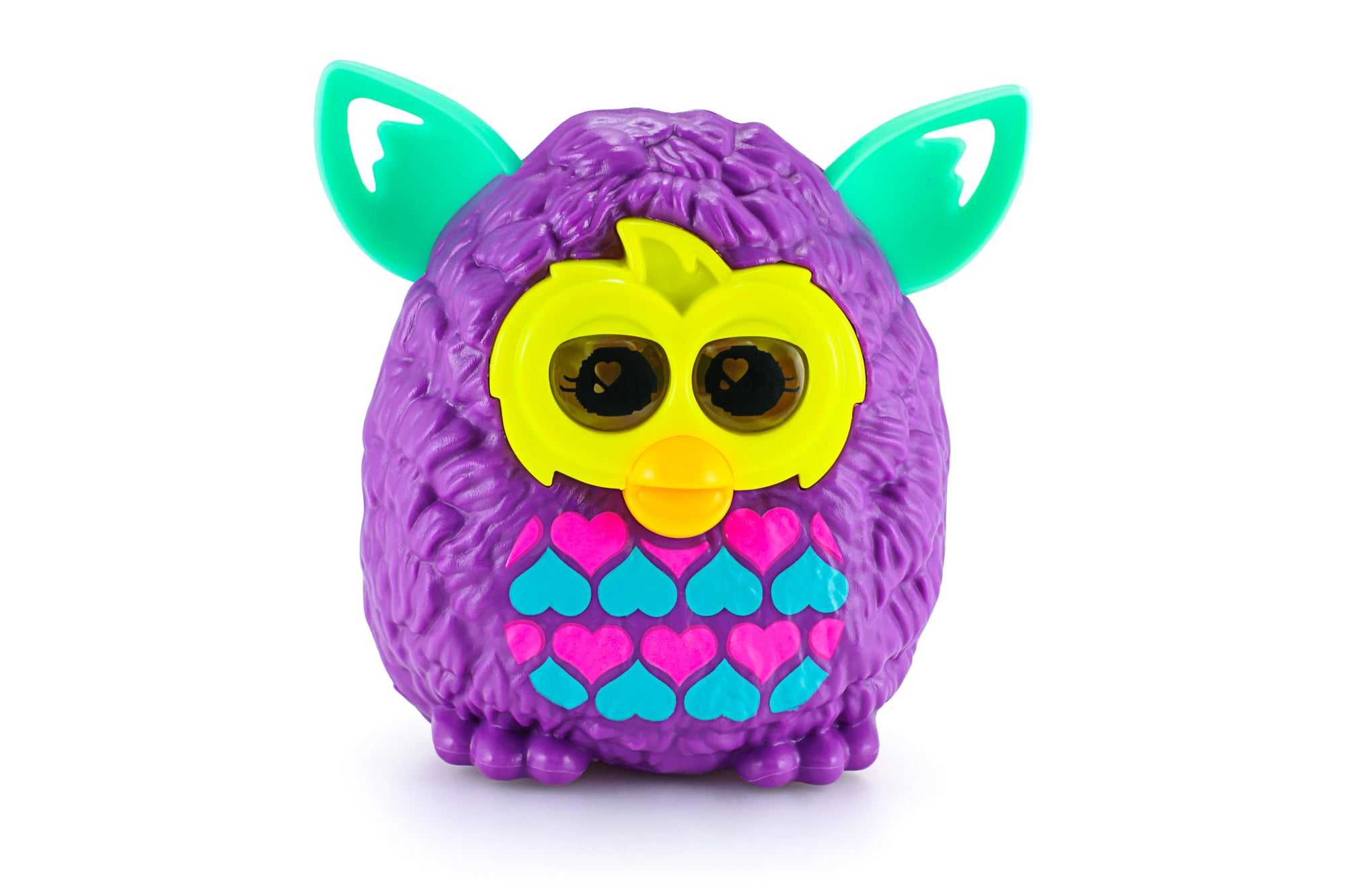
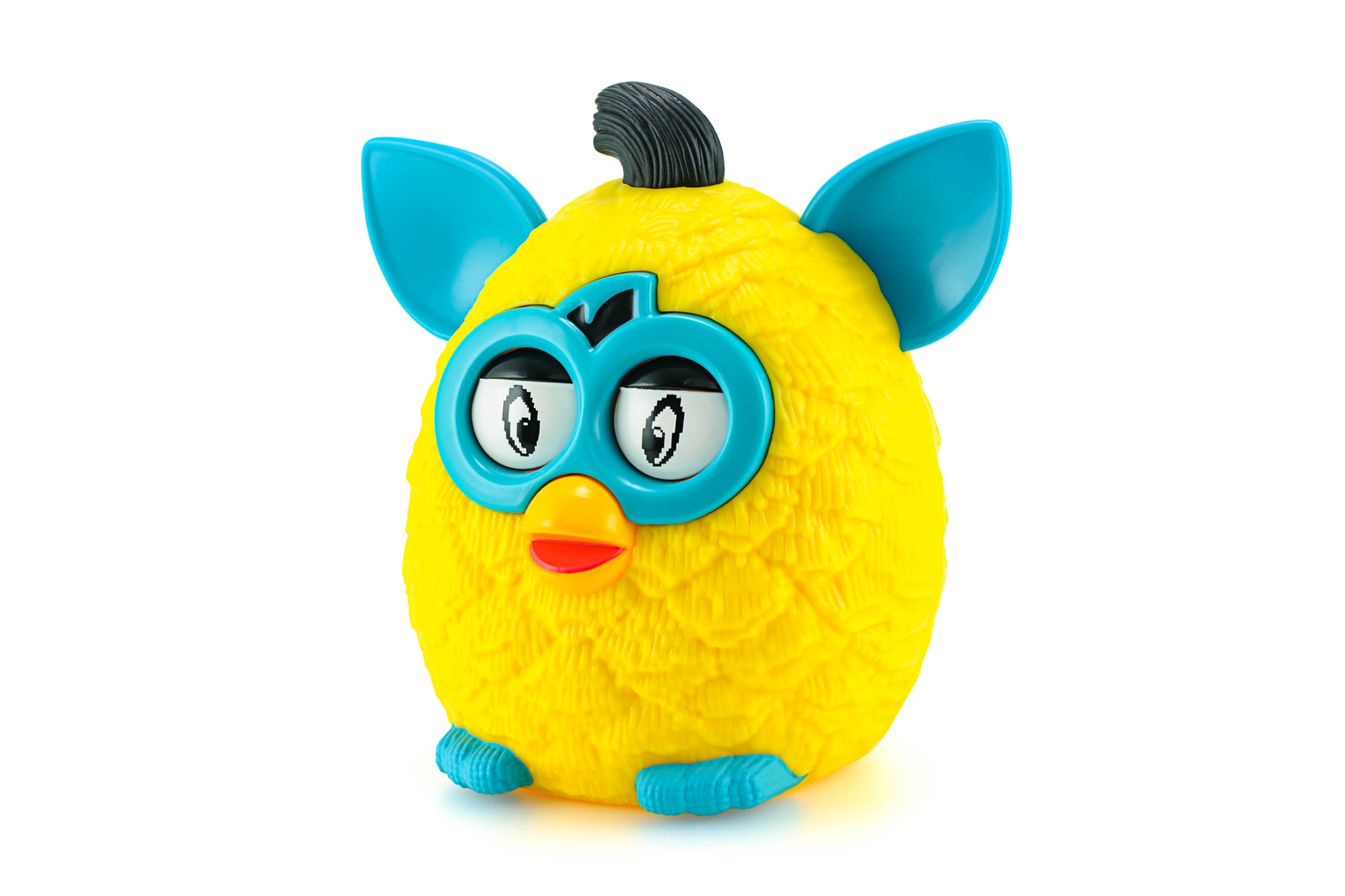
Furbys were digital pets with boundary issues. They talked when no one asked them to talk, made noise at inappropriate times, and developed personalities that seemed designed to test patience.
The things never really turned off.
They just went into a lighter sleep mode where they’d occasionally mutter electronic nonsense in the middle of the night.
Your parents tolerated having what amounted to a haunted robot living in your bedroom because you loved the weird little creature.
That’s commitment to your happiness over their own peace of mind.
Bop It

Bop It exists in that maddening space between game and tormentor, issuing rapid-fire commands with the urgency of a small electronic dictator that never tires, never slows down, and never shows mercy to fumbling fingers or confused reflexes.
The device takes genuine pleasure in human failure, celebrating each mistake with sounds that feel specifically designed to make you want to try again immediately, even though you know the outcome will likely be the same crushing defeat delivered with mechanical indifference.
It demands complete attention and lightning-fast reflexes, turning family gatherings into tense competitions where adults discover their reaction times aren’t what they used to be and children learn that sometimes games are designed to humble rather than comfort.
But parents watched their children develop coordination and concentration through this electronic training program disguised as entertainment, recognizing that frustration and eventual mastery often travel together.
They bought batteries for the thing even when its demands became insufferable, understanding that some lessons arrive wrapped in annoyance.
Pogo Sticks
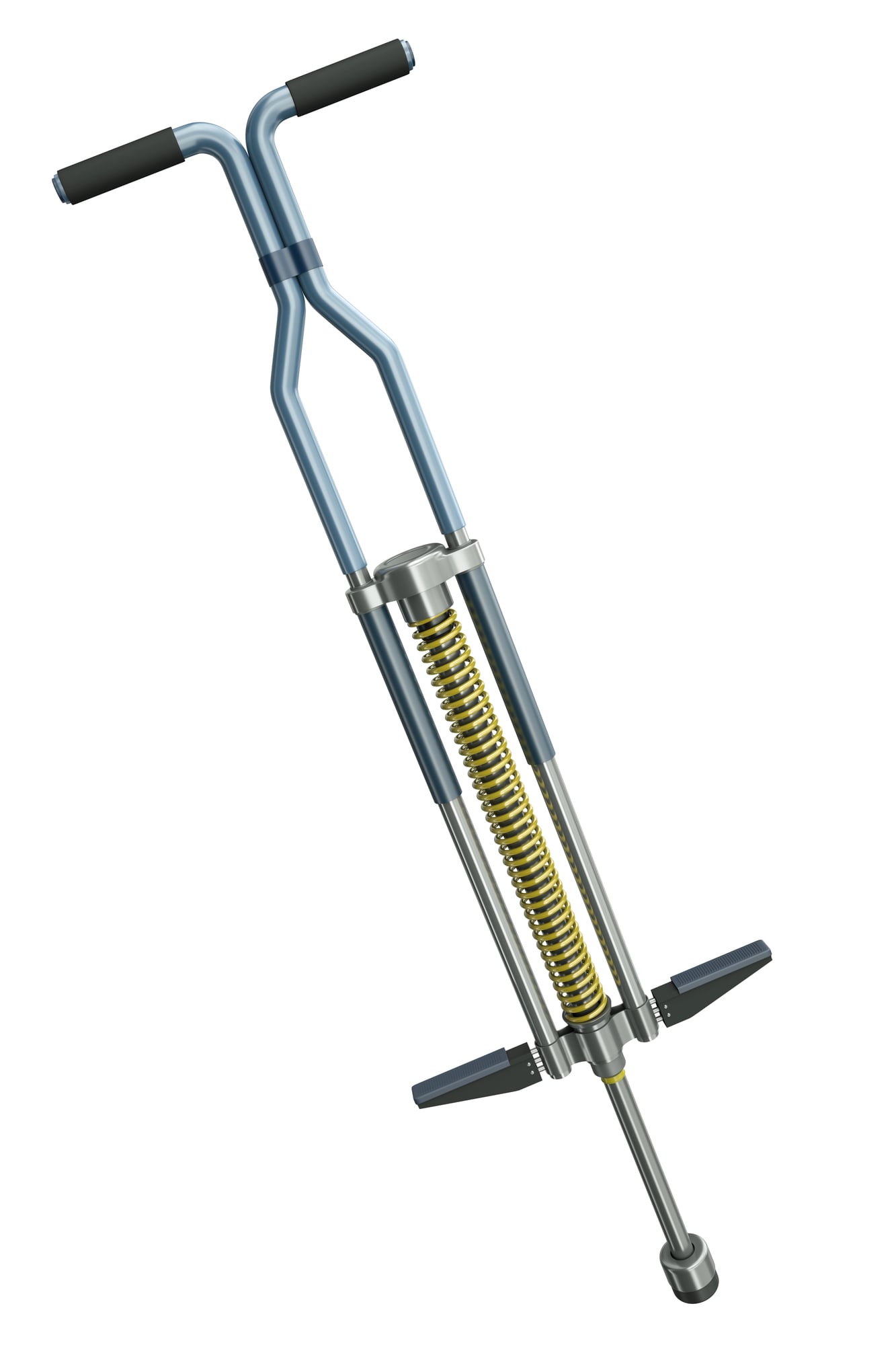
Pogo sticks turn children into human jackhammers with questionable balance and unlimited enthusiasm. The noise alone — that rhythmic pounding that travels through floors and walls like seismic activity — was enough to drive reasonable people toward madness.
Then there’s the injury potential.
Pogo sticks don’t bounce predictably, and gravity doesn’t negotiate with overconfidence.
Your parents watched you hop around the driveway knowing full well you’d eventually eat pavement.
They kept the first aid kit handy and let you learn physics the hard way because some experiences can’t be explained, only lived through.
Bubble Machines
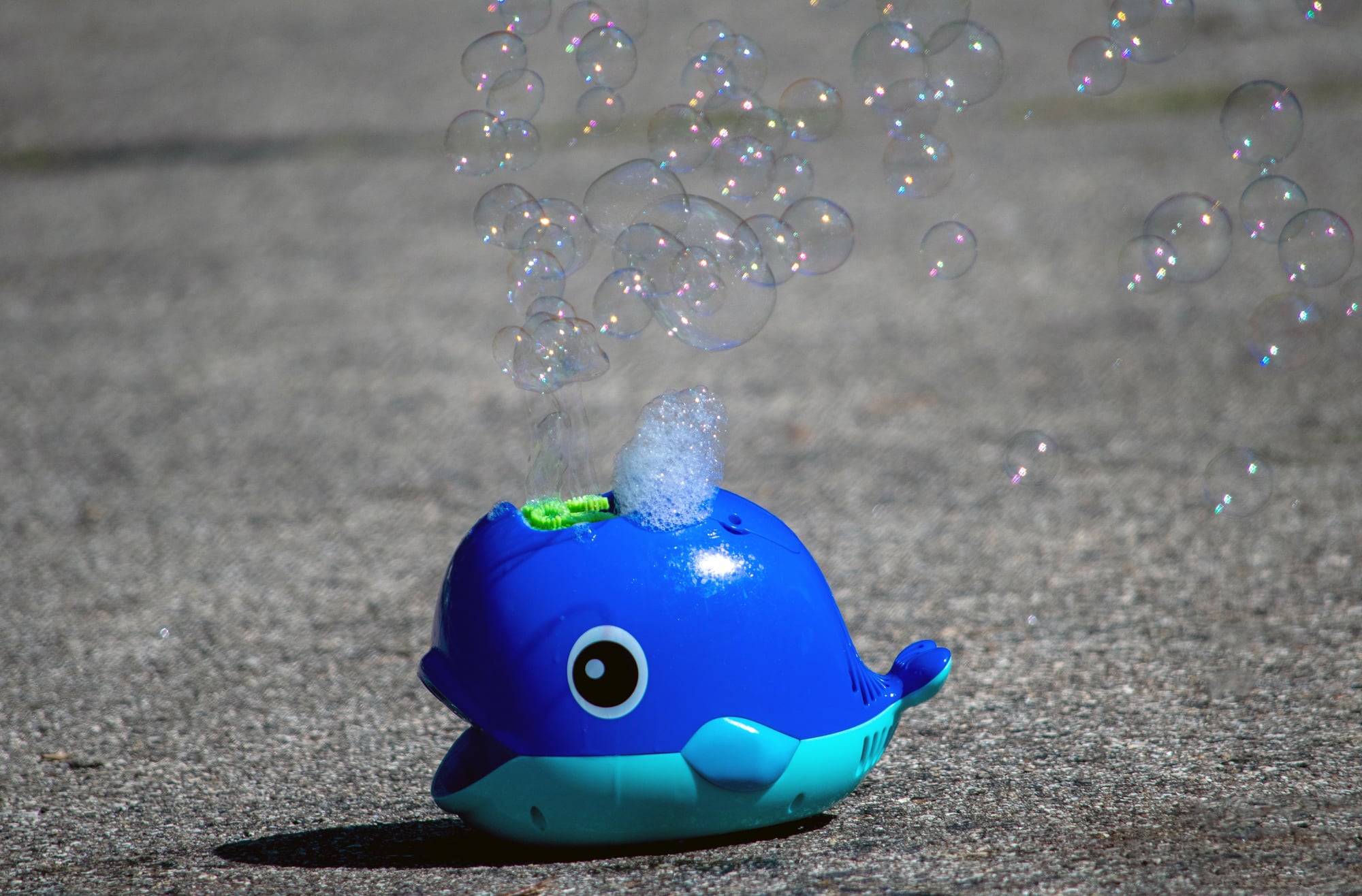
Bubble machines promise magical outdoor fun and deliver sticky soap residue on everything within a fifty-foot radius, transforming ordinary backyards into slippery obstacle courses where every surface becomes treacherous and every breeze carries the potential for soap-scented chaos.
The machines themselves have an impressive ability to malfunction at the worst possible moments — usually when guests are arriving or when you’re wearing clothes that can’t be easily cleaned — while the soap solution manages to cost more per ounce than premium gasoline and disappear faster than common sense at a toy store.
Parents find themselves constantly refilling reservoirs, cleaning sticky footprints off decks, and explaining to neighbors why their car is covered in iridescent film.
But there’s something undeniably magical about watching hundreds of bubbles catch the light and drift away like tiny worlds, each one carrying a moment of wonder that justifies the mess.
Parents understood that some joy comes with a cleanup cost, and they decided you were worth it.
Silly String

Silly String violates the basic laws of household physics by expanding beyond its container size and adhering to surfaces with the tenacity of industrial adhesive.
Parents knew this going in.
The stuff doesn’t clean up easily. It leaves residue that attracts dirt and somehow makes everything look worse than it did before you tried to remove it.
Yet they handed you cans of pressurized chaos because they wanted you to experience the pure joy of making a magnificent mess without consequences.
That’s love that prioritizes your fun over their sanity.
Remote Control Cars

Remote control cars transform living spaces into racetracks where furniture becomes obstacles and walls become crash barriers, while the vehicles themselves develop an uncanny ability to find the one spot in any room where retrieval requires moving heavy furniture or crawling into spaces that weren’t designed for adult bodies.
The cars get stuck under couches with supernatural frequency, wedge themselves behind appliances with determination that borders on spite, and somehow always run out of battery power at the exact moment when rescue becomes most complicated.
Parents spend considerable time on their hands and knees, fishing plastic vehicles out of impossible locations while listening to detailed explanations of how the car ended up there and why this particular crash was actually pretty awesome.
But they also watched their children develop spatial reasoning and hand-eye coordination through trial and error, recognizing that some skills are best learned through controlled destruction.
The entertainment value of watching pure joy navigate obstacles made the retrieval missions worthwhile, even when they involved rearranging entire rooms to extract a three-dollar toy.
Looking Back With Gratitude
The most annoying toys were often the most memorable ones, and that’s not a coincidence. Parents who bought drum sets and karaoke machines and pogo sticks understood something important about childhood — that the experiences worth having are rarely the quiet, contained ones that make adult life easier.
They chose temporary chaos over lasting regret, noise over silence, mess over order, because they recognized that childhood doesn’t last long enough to waste on toys that don’t make an impression.
Those parents endured countless headaches and cleanup sessions because they were investing in something more valuable than their own convenience.
They were choosing to prioritize your joy over their comfort, your memories over their peace of mind. And looking back, that might be the clearest proof of love there is.
More from Go2Tutors!

- The Romanov Crown Jewels and Their Tragic Fate
- 13 Historical Mysteries That Science Still Can’t Solve
- Famous Hoaxes That Fooled the World for Years
- 15 Child Stars with Tragic Adult Lives
- 16 Famous Jewelry Pieces in History
Like Go2Tutors’s content? Follow us on MSN.