15 Strange Rules for Working At Big Tech Hubs
Bold promises often come with shiny buildings where meals appear without cost. Office spaces glow with sleek designs, while games like table tennis sit ready between meetings.
These details tend to spark quiet envy when conversations turn to work during evening gatherings. Here’s what most people miss.
Hidden beneath the shiny surface sit rules so odd they’ll stop you mid-step. Time to peel back the layers.
No Talking About Your Salary

Secrets around salary? Common at major tech firms. Workers talking money – usually off limits there.
Keeping things quiet is supposed to prevent tension between coworkers. Truth is, silence tends to hide how one person earns next to another doing the same job.
Fairness is hard to see when numbers stay locked up.
Nap Rooms Are Serious Business

Work at Google sometimes includes napping, thanks to special rest pods placed around the office. Not just allowed – people are expected to take breaks there.
Timing matters more than it seems; quiet guidelines shape how long each nap lasts. In certain locations, pod activity gets monitored so one person does not claim it day after day.
Afternoon routines tend to shift when patterns emerge.
Far From Staying Put, Your Laptop Tags Along Wherever Life Takes You

Inside major tech centers, staff must keep their work computers close at all times – even within company walls. Carry your laptop everywhere they say: meals, conferences, short pauses between tasks.
Only when you grasp how much value hides in those circuits does it start making sense. Secrets live there – lines of software that could reshape markets if exposed.
What seems like caution turns out to be quiet necessity.
Mentioning Your Current Project? Not An Option

What You’re Building Stays Under Wraps. Talking It Out? That’s Off Limits. Sharing Details? Won’t Happen. The Work Itself Pulls The Silence Tight
Inside companies such as Apple, secrecy wraps around everything. Workers focused on upcoming devices might enter isolated wings, behind key-only doors, never learning about projects down the hall.
A pair could share a lunch table, employed by one firm, yet remain totally unaware of each other’s tasks.
Dress Code Applies Strictly During Visits With Clients

Jeans and hoodies fill most tech offices, worn without a second thought Monday through Friday. Yet somehow – when visitors arrive – the rules shift, even if no memo explains how.
A rumpled tee on pitch day? People find out it matters after someone winces at their appearance.
What counts changes fast, learned best by watching coworkers avoid eye contact.
No Personal Social Media During Core Hours

Working hours at certain firms mean no checking social media, especially if the job involves private information or public sector tasks. It’s more than a blocked website.
Workers might have to agree in writing not to share anything – about their day, what they’re building, or how they feel about the office – online.
Your Badge Tracks Everywhere You Go
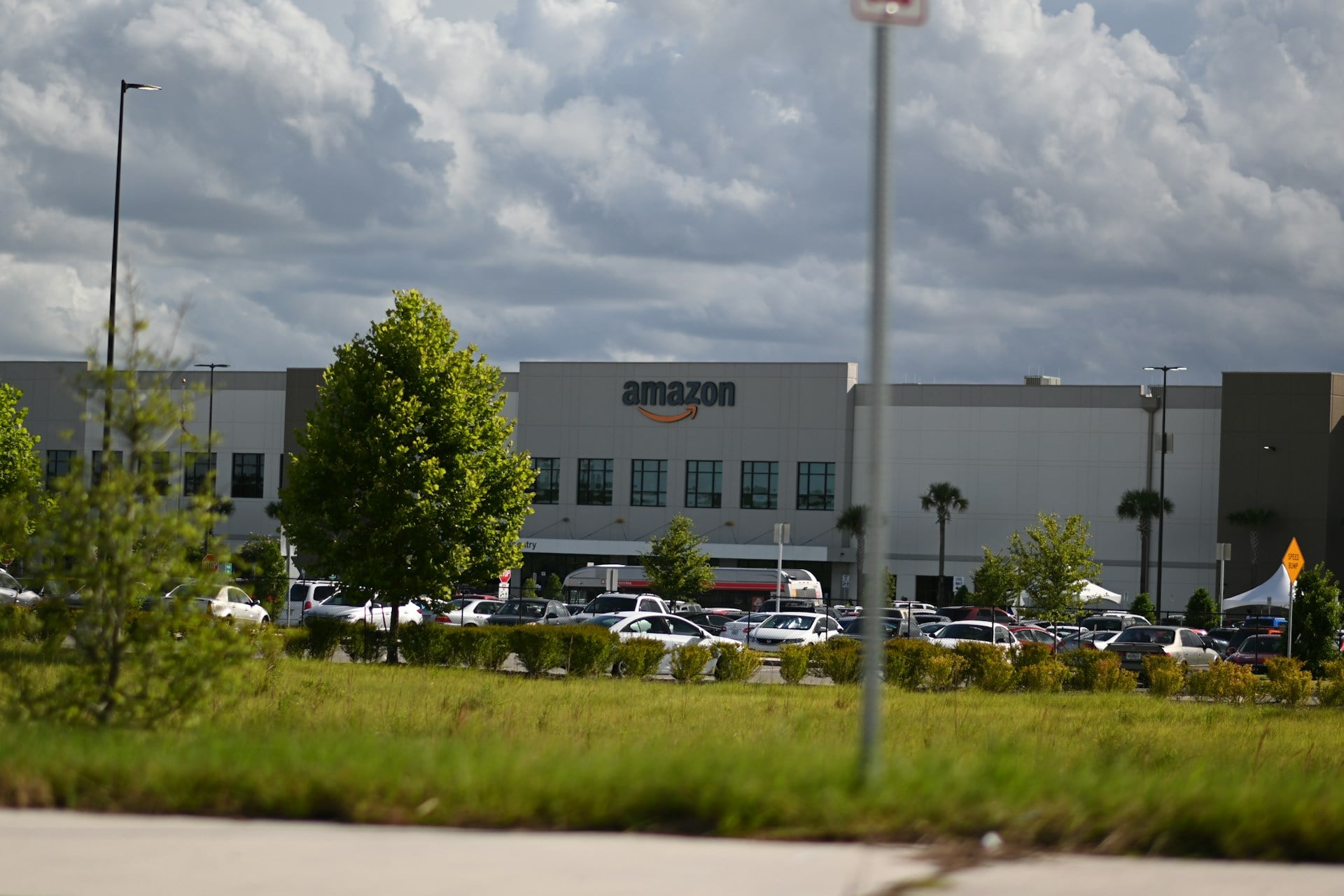
Floor by floor, Amazon workers swipe their badges more than once – entry is only the start. Time stamps pile up each time someone hits a checkpoint inside.
From those taps, bosses know your meeting stretch, which levels you wander to, even break gaps between tasks. A few staff say it tightens safety.
Yet some shift uneasily, sensing something off in being tracked that closely.
No Outside Software On Work Devices

A single tap to add an app on work hardware? Not so fast. At major tech companies, permission must come first – usually from IT staff.
Security comes before speed, that is the idea. Wanting to test a handy program means paperwork waits.
Days might pass before access arrives. Even small steps feel slow under these rules.
Open Offices Mean No Private Calls
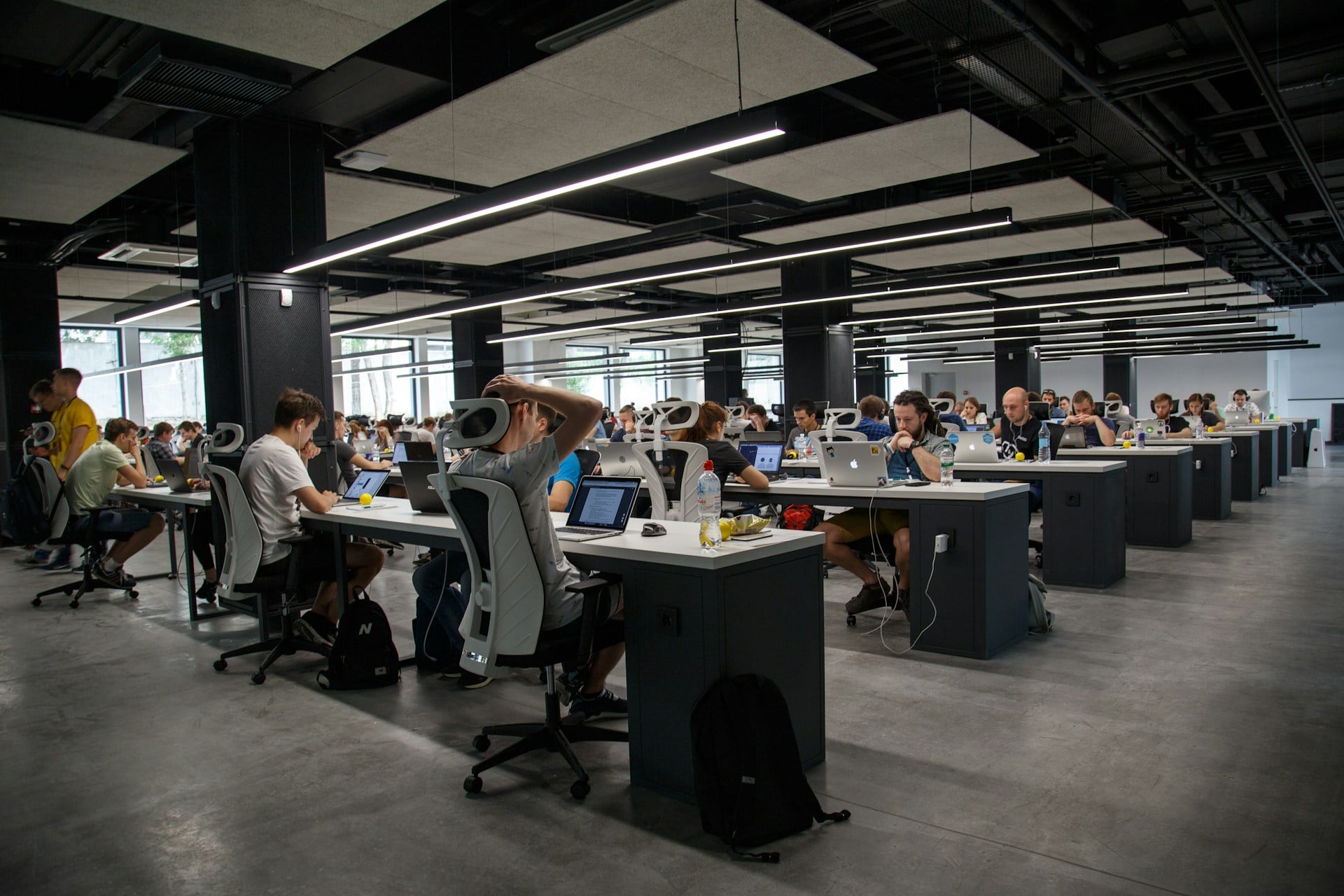
Offices in major tech firms now look like wide-open halls – no walls, no quiet corners. When your phone rings midday, there is nowhere to duck into for a chat.
Workers head instead to small glass rooms built just for calls, tucked away like afterthoughts. Talking on your device while seated draws sideways glances, even if you’re polite about it.
The idea? Fewer distractions across the space. Yet each ring from family pulls you out of flow, marching down hallways toward that little transparent cube again.
Feedback Is Scheduled And Structured

At companies like Microsoft and Meta, giving feedback to a colleague is not something you just do casually in the hallway. There are structured review cycles, specific platforms for submitting feedback, and in some teams, rules about how that feedback should be framed and delivered.
Saying ‘your presentation was a bit confusing’ the wrong way can actually land you in a conversation with HR.
Food Perks Come With Expectations

The free meals at big tech campuses are genuinely good, but they come with a catch. By keeping employees fed, comfortable, and entertained on campus, companies reduce the time workers leave the office.
Some companies have even designed their cafeterias to be far from the exit, encouraging people to stay in the building longer without anyone officially asking them to.
Patents On Your Ideas, Automatically

When you join most big tech companies, you sign an intellectual property agreement that gives the company ownership of virtually anything you create while employed there. This includes side projects, apps you build at home on weekends, and ideas you sketch in a personal notebook.
If it relates even loosely to the company’s business, it may legally belong to them the moment it exists.
No Media Contact Without Approval

Employees at major tech firms are strictly prohibited from speaking to journalists, even off the record, without going through the company’s communications team first. This rule applies to casual conversations at conferences and industry events too.
One wrong quote in a tech news article has ended more than a few promising careers at companies that take brand control very seriously.
Meeting-Free Days Are Enforced

Some tech companies, including Shopify and Asana, have introduced company-wide no-meeting days, and attendance to that rule is actually mandatory. On those days, employees are expected to work without scheduling or attending any internal meetings at all.
It sounds freeing, but it also means that anything you needed to discuss has to wait, or be handled entirely by written messages.
You Can Be Let Go For Moving Cities

Remote work made people think they could live anywhere, but several big tech companies have rules that tie compensation to location. If an employee at Google or Apple moves from San Francisco to a cheaper city, the company can legally reduce their salary to reflect the local cost of living.
A few employees found this out the hard way after announcing a cross-country move on a Friday and receiving a revised offer letter on Monday.
Still Clocking In, Just Differently

Big tech has replaced the old punch-card with smart badges, meeting trackers, and productivity software, but the core idea is the same: someone is always watching how time gets used. These rules are not there to be cruel; most of them exist because the work is genuinely high-stakes and the companies are genuinely enormous.
Understanding these unwritten and written rules before walking through those glass doors can make the difference between thriving in that world and being quietly surprised by it every single week.
More from Go2Tutors!

- The Romanov Crown Jewels and Their Tragic Fate
- 13 Historical Mysteries That Science Still Can’t Solve
- Famous Hoaxes That Fooled the World for Years
- 15 Child Stars with Tragic Adult Lives
- 16 Famous Jewelry Pieces in History
Like Go2Tutors’s content? Follow us on MSN.



