As Seen On TV Products We Actually Bought
Late-night television has a way of making you believe you need things you never knew existed. The infomercials arrive during those vulnerable hours when judgment gets a little fuzzy and everything sounds reasonable.
A slap chop that makes meal prep effortless? A blanket with sleeves? A garden hose that expands to three times its size? At 2 AM, these all feel like brilliant solutions to problems you didn’t realize you had. But sometimes those impulse purchases actually work out.
Not always the way the commercial promised, but they work. You end up keeping them around, using them more than you expected, and occasionally wondering why regular stores don’t carry more of this stuff.
The Copper Pan That Actually Gets Used

Copper cookware shows up in these commercials constantly. The pitch always involves eggs sliding around effortlessly while someone beams at the camera.
Most people assume it’s too good to be true, but these pans hold up better than expected. The food really does slide off easier than regular nonstick pans.
Not quite as magical as the commercial suggests—you still need a little oil or butter—but the difference is noticeable. They clean up fast, which matters more than the flashy demo once you’re actually standing at the sink after dinner.
The durability surprised most people. After months of regular use, the coating stays intact.
No peeling, no weird scratches. You can’t use metal utensils on them despite what some commercials claim, but that’s standard for any nonstick surface.
That Weird Expandable Hose
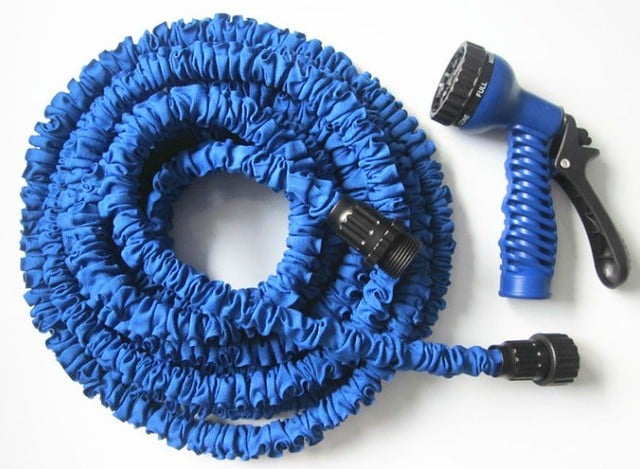
Garden hoses take up space and tangle into impossible knots. The expandable ones promised to solve both problems by shrinking down when you turn off the water.
It sounded sketchy at first, like something that would break after two uses. They actually work.
The hose expands when water runs through it and contracts back down when you shut it off. Storage becomes simple because the thing folds up small enough to fit in a drawer.
No more wrestling with a hundred feet of kinked rubber. The main issue is durability.
Cheaper versions tend to leak after a season or develop weak spots. But the slightly pricier ones last long enough to justify the cost.
You just have to be careful not to drag them across rough concrete or sharp edges.
The Turbo Scrubber for Bathrooms
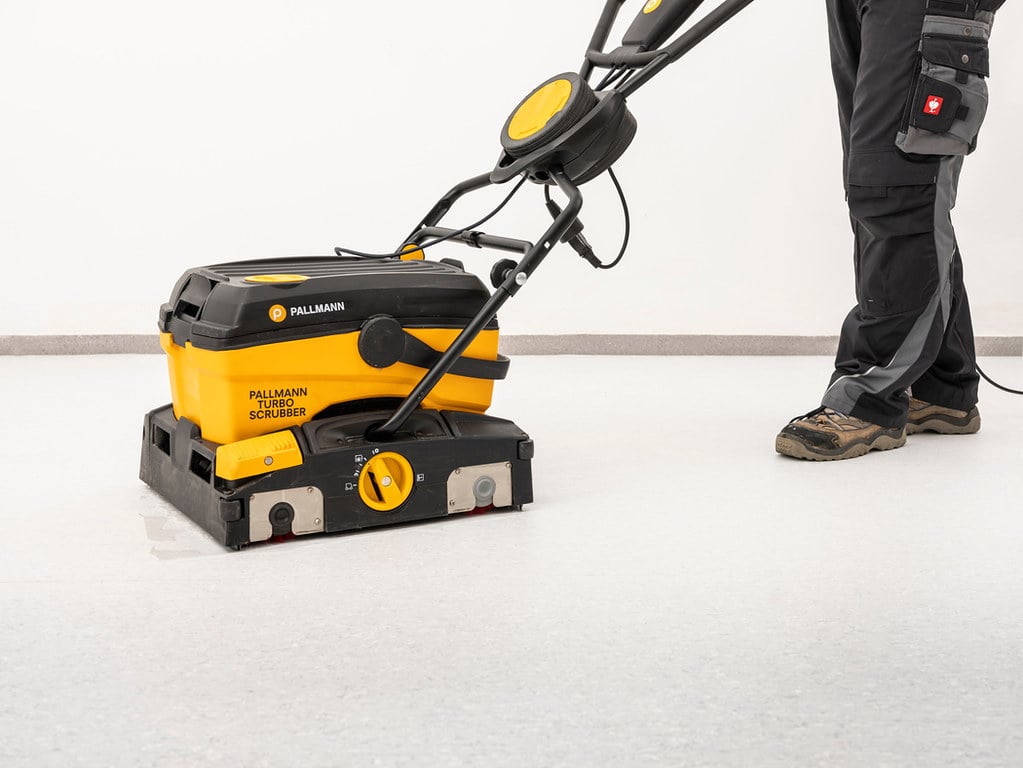
Bathroom cleaning ranks somewhere between tedious and soul-crushing on the household chore scale. The turbo scrubber—a spinning brush head attached to a long handle—promised to make it faster and easier.
The infomercial showed someone barely touching grimy grout while it magically turned white again. Real-world results fall short of the commercial, but the tool still helps.
The spinning action does remove soap scum and grime faster than scrubbing by hand. Your arms don’t get as tired, and you can reach awkward corners without contorting yourself.
Battery life is the weak point. The thing needs charging more often than you’d like, and the batteries eventually stop holding a charge altogether.
But for the year or two it works properly, it makes cleaning less miserable.
Those Silicone Baking Mats
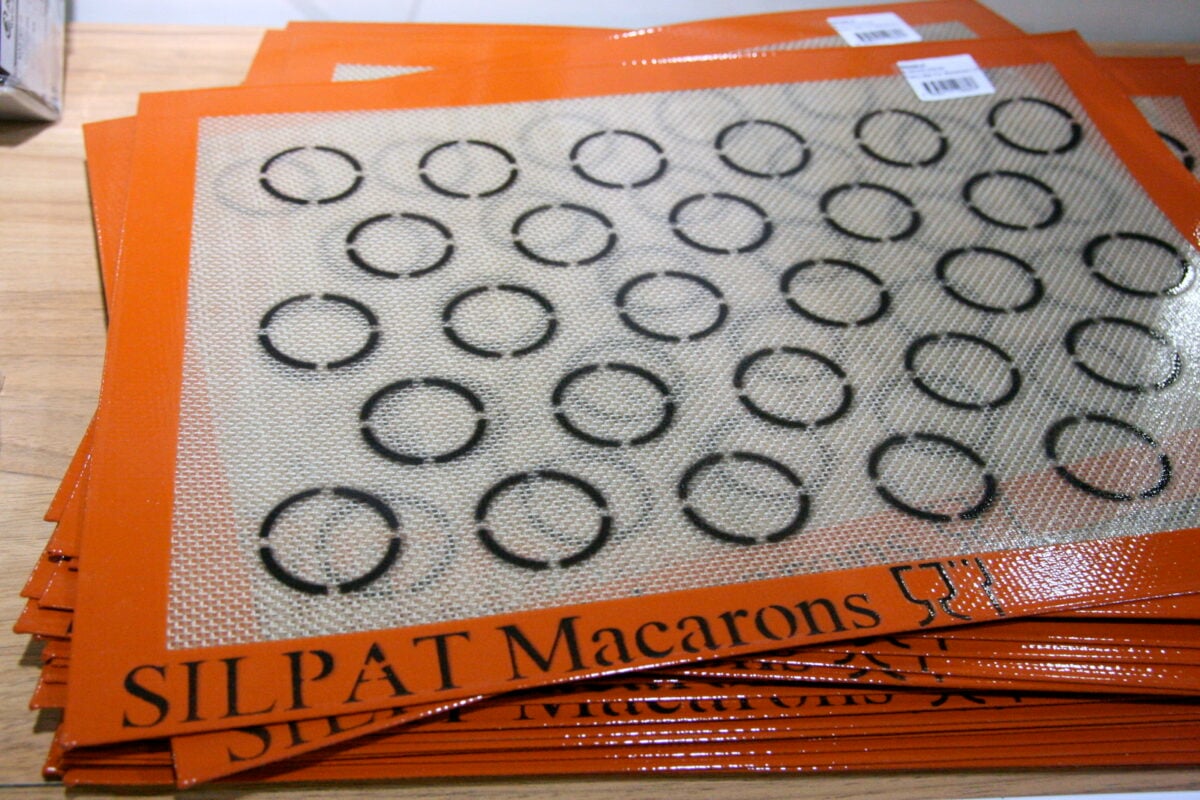
Parchment paper works fine until you run out at the worst possible moment. Silicone baking mats eliminate that problem.
You just wash them and reuse them indefinitely. The commercials showed cookies sliding off perfectly without any grease needed.
They deliver on most promises. Cookies and other baked goods release cleanly.
The mats handle high temperatures without warping or developing weird smells. Cleanup takes seconds—just wipe them down or throw them in the dishwasher.
The initial cost seems high for what’s basically a fancy piece of rubber, but the investment pays off. You stop buying disposable parchment paper and foil, which adds up over time.
Plus they don’t crinkle up or slide around in the oven like paper sometimes does.
The Handheld Vacuum for Small Messes
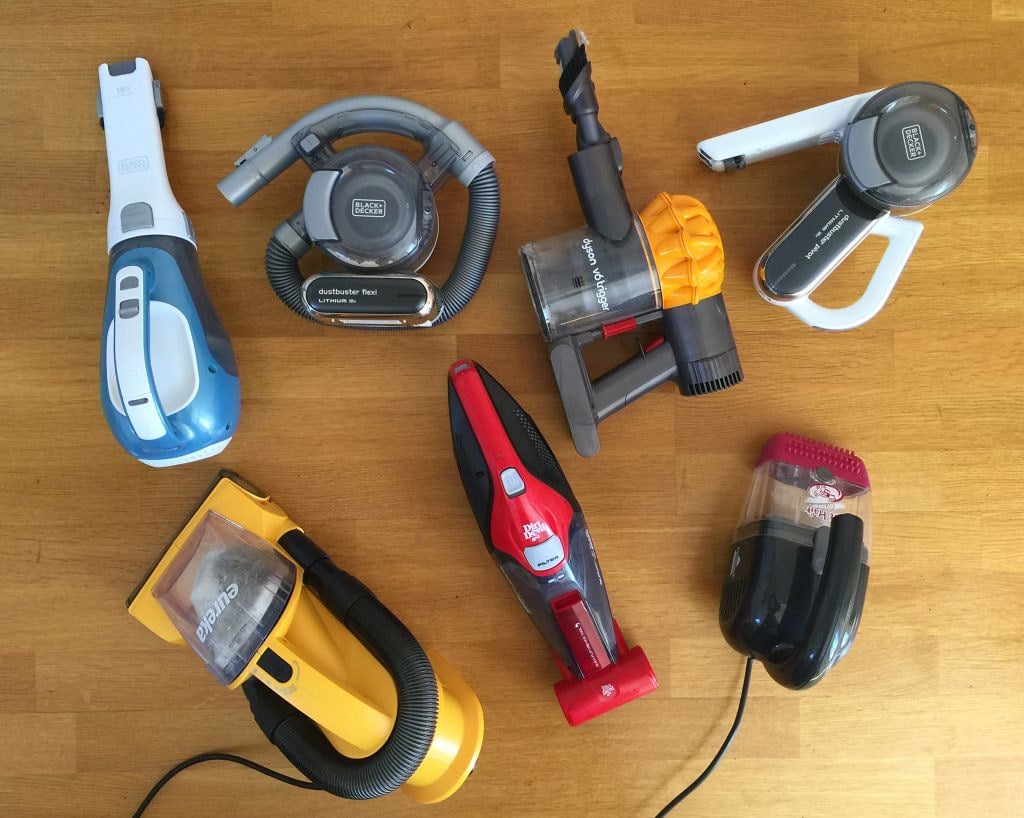
Full-sized vacuums make sense for deep cleaning, but they’re overkill for crumbs on the counter or dirt tracked in by the door. The handheld versions in infomercials promised powerful suction in a compact size.
Most people expected them to be weak and disappointing. They work well for quick cleanups.
Cereal spills, pet hair on furniture, dirt in the car—the small vacuum handles all of it without requiring you to drag out the big machine. Portability matters more than you’d think.
You actually use it because it’s right there and takes two seconds to grab. Suction power isn’t on par with a regular vacuum, but that’s not really the point.
These handle light messes. Battery-powered ones need frequent charging if you use them daily, but they charge fast enough that it rarely becomes an issue.
The Makeup Remover Cloth That Just Uses Water
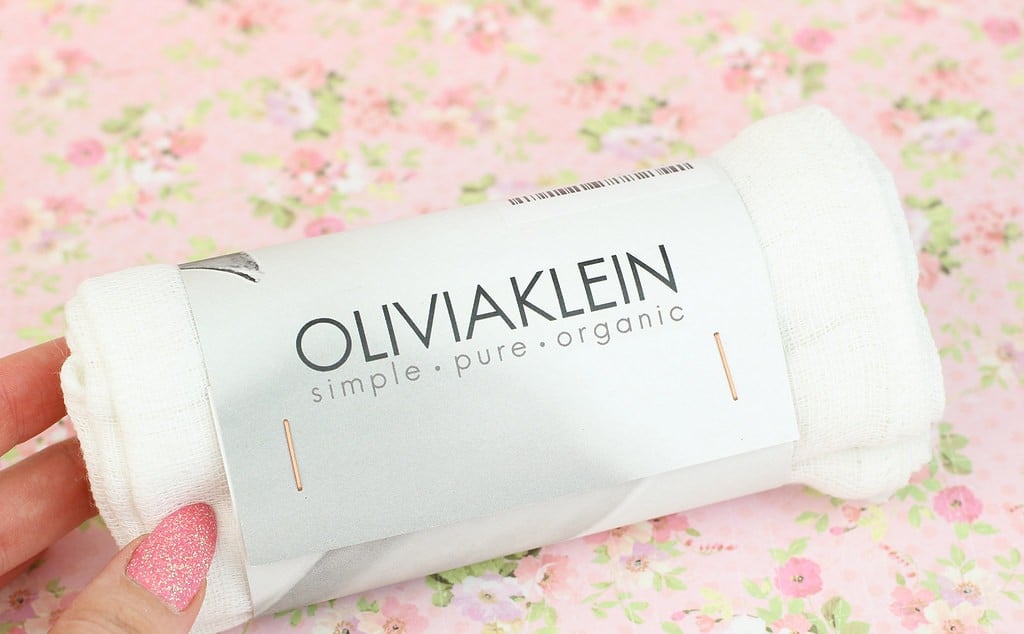
This one seemed like pure nonsense. A cloth that removes makeup with only water? No cleanser needed?
It violated everything about skincare routines and sounded like a scam designed to separate desperate people from their money. Turns out it actually works. The microfiber cloth grabs makeup and removes it with just warm water.
Not 100% of everything—waterproof mascara sometimes needs help—but it gets most of it off. Your face feels cleaner than using regular washcloths, and you save money on makeup remover products.
The cloth lasts a long time if you wash it regularly. It doesn’t fall apart or lose its effectiveness after a few uses.
The only downside is that it can stain pretty badly from foundation and mascara, so it ends up looking gross even when it’s clean.
The Egg Cooker That Makes Perfect Eggs
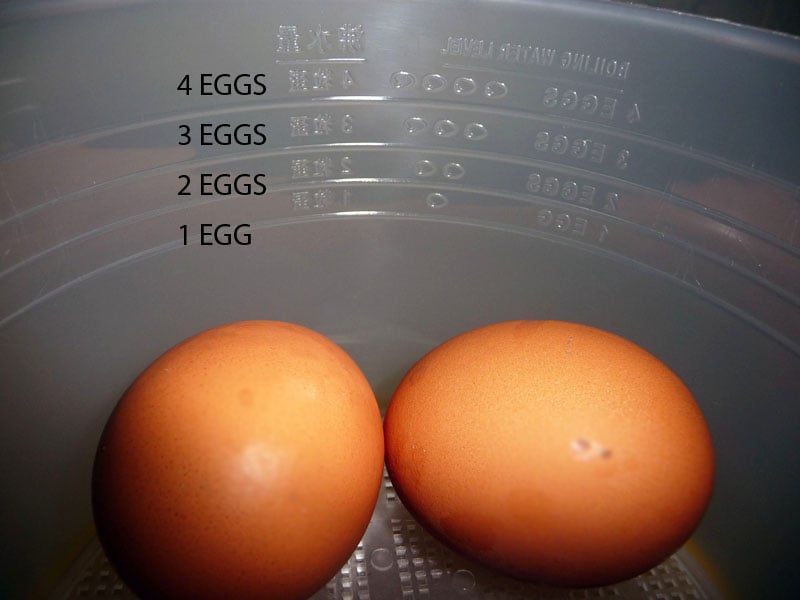
Cooking eggs on the stove isn’t exactly difficult, but it requires attention. You have to watch them, adjust the heat, and time things right.
The electric egg cooker promised to handle everything automatically. You add water, drop in the eggs, and walk away.
It does what it claims. Hard-boiled, soft-boiled, poached—the machine handles different styles by varying the water amount.
The eggs come out consistent every time, no guessing involved. The shells peel off easily, which is something that somehow never happens with stove-cooked eggs.
The machine takes up counter space and only does one thing, which bothers some people. But if you eat eggs regularly, the convenience justifies the space.
You can start the eggs and go do other things instead of hovering over the stove.
That Weird Potato Peeler

Standard potato peelers work fine, but they’re slow and require some coordination. The spinning peeler in the commercial attached to the counter and rotated the potato while the blade peeled it automatically.
It looked like one of those gadgets that breaks immediately and ends up in the back of a drawer. It actually peels potatoes faster than doing it by hand.
You stick the potato on the prongs, turn it on, and watch it spin while the blade removes the skin. The results aren’t perfect—you still need to trim a few spots—but it cuts the peeling time significantly.
The machine is loud and takes up space. Not something you’d want in a tiny kitchen or use every day.
But for holiday cooking when you need to peel twenty potatoes for mashed potatoes, it saves real time and effort.
The Car Windshield Sun Shade
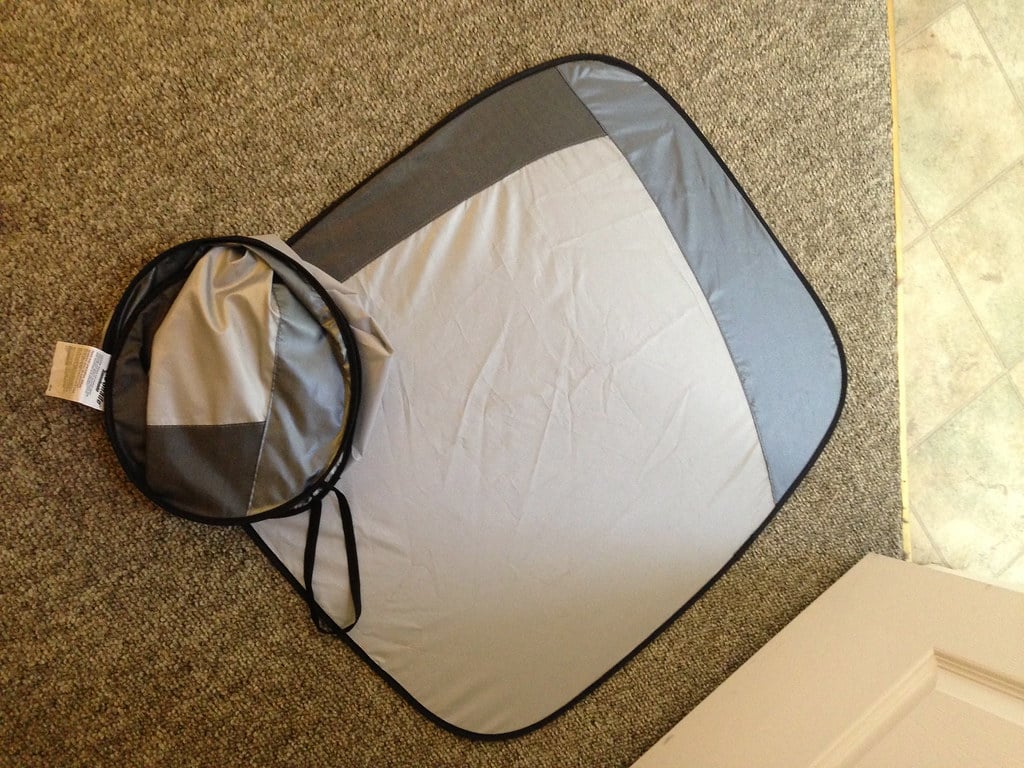
Most sun shades for cars are just reflective rectangles that work. The As Seen on TV version had an umbrella design that popped open and stayed in place without suction cups or awkward positioning.
It looked gimmicky but potentially useful. The umbrella style works better than expected.
You open it up, wedge it against the windshield, and it stays put. The coverage is better than flat shades because it sits closer to the glass.
Your car stays noticeably cooler on hot days, and the steering wheel doesn’t burn your hands. Taking it down and folding it back up gets annoying after a while.
The umbrella mechanism sometimes catches and doesn’t want to collapse smoothly. But the cooling effect makes up for the minor hassle, especially in summer.
The Spin Mop Bucket System
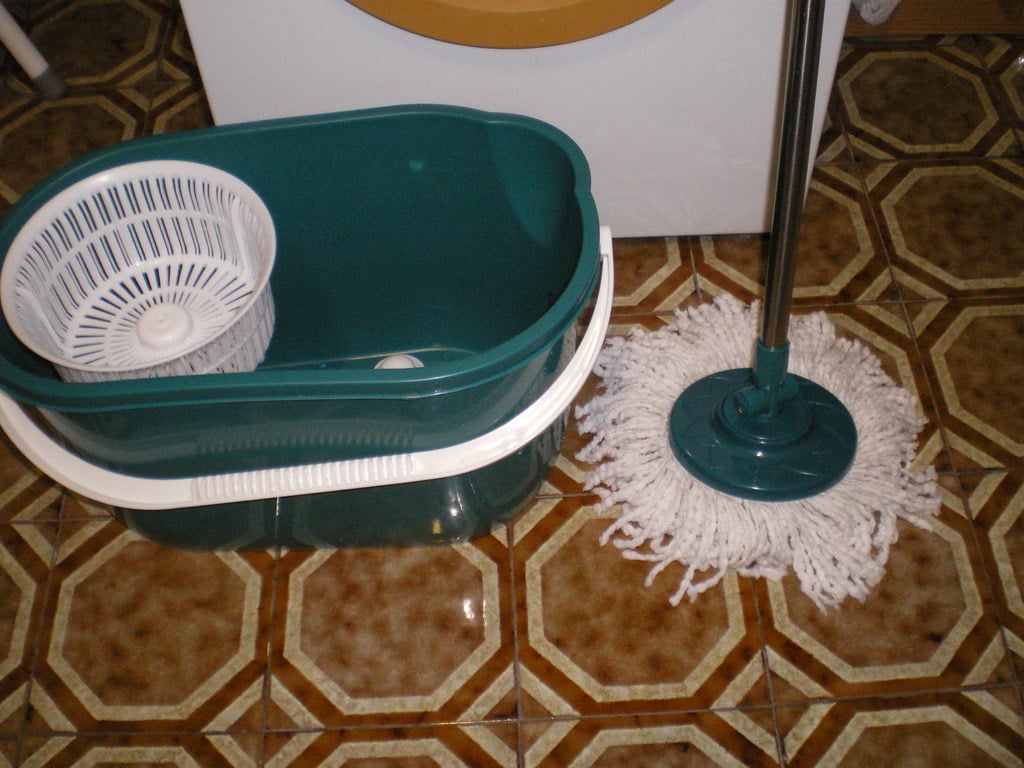
Traditional mops require wringing them out by hand, which means touching gross water and never quite getting the mop dry enough. The spin mop system had a bucket with a foot pedal that spun the mop head to wring it out.
It seemed unnecessarily complicated for such a simple task. It makes mopping faster and less disgusting.
You dip the mop, press the pedal, and the spinner wrings it out completely. Your hands stay clean and dry.
The mop head cleans floors effectively and rinses out easily in the bucket between rooms. The bucket is huge and awkward to store.
If you have limited space, it becomes a problem. The spinning mechanism eventually wears out or breaks, but it usually lasts long enough to get your money’s worth.
Replacement mop heads cost more than they should, but they’re available.
The Pressure-Activated Doormat
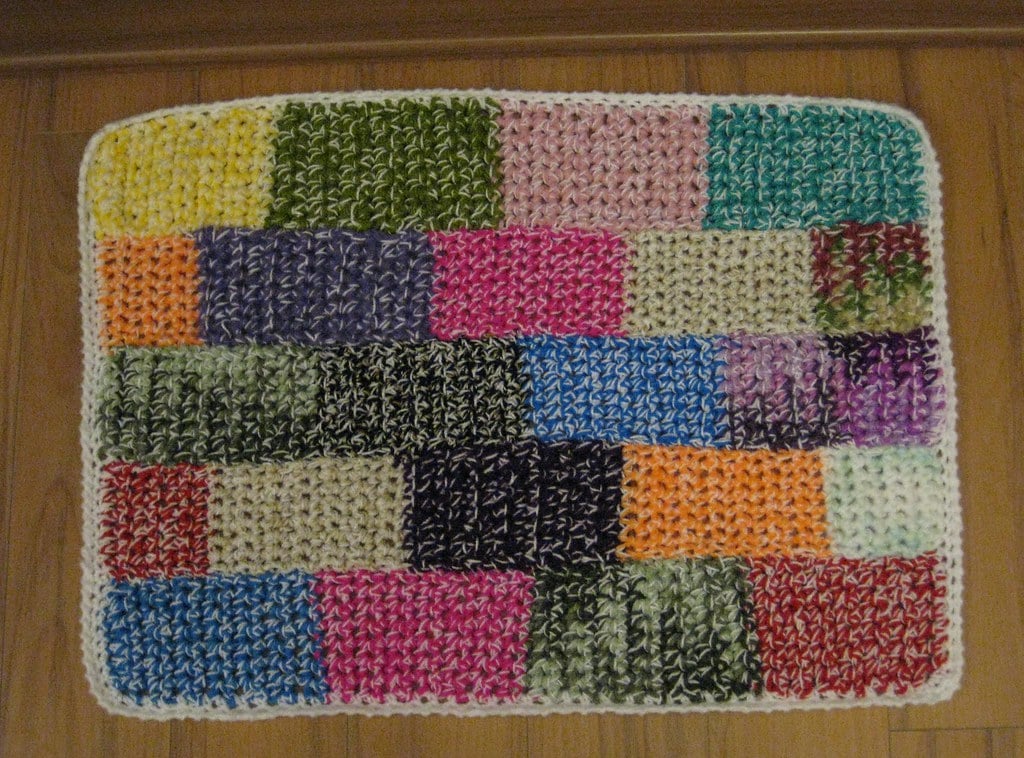
Regular doormats collect dirt but don’t really clean shoes. The infomercial version had stiff bristles that supposedly scraped dirt off when you stepped on it.
The demo showed mud falling off boots while someone walked across the mat. It does remove more dirt than a regular mat.
The bristles are firm enough to actually scrape shoes instead of just collecting surface dirt. Less gets tracked into the house, which means less frequent floor cleaning.
The mat holds a surprising amount of debris before you need to shake it out. The bristles feel rough underfoot if you’re barefoot or wearing thin-soled shoes.
And the mat doesn’t work as well on smooth surfaces like polished leather dress shoes. But for everyday shoes and boots, it makes a noticeable difference.
The Portable Blender Bottle
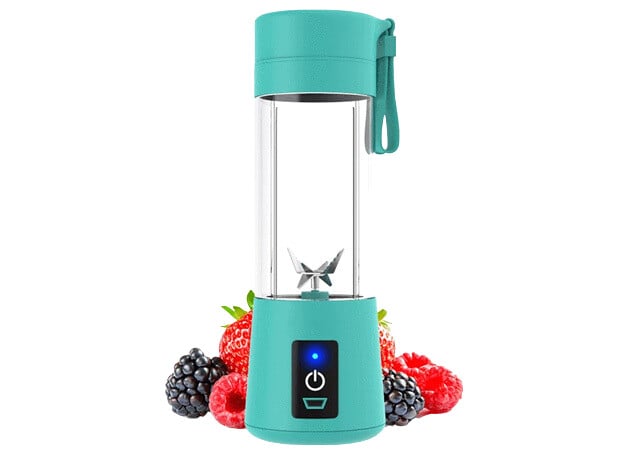
Blender bottles have been around forever, but the infomercial version had a built-in battery-powered blade that actually blended drinks instead of just shaking them. You could supposedly make smoothies anywhere without a full-sized blender.
It seemed too small and weak to blend anything properly. It blends better than expected for its size.
Frozen fruit, protein powder, yogurt—it handles typical smoothie ingredients without leaving chunks. The rechargeable battery lasts through several uses before needing a charge.
Cleanup is easy because the whole thing comes apart and goes in the dishwasher. The capacity is limited.
You can make enough for one person but not much more. And it struggles with really hard frozen fruit or ice cubes.
But for making quick protein shakes or simple smoothies, it beats hauling out a full-sized blender.
The Touch-Activated LED Lights
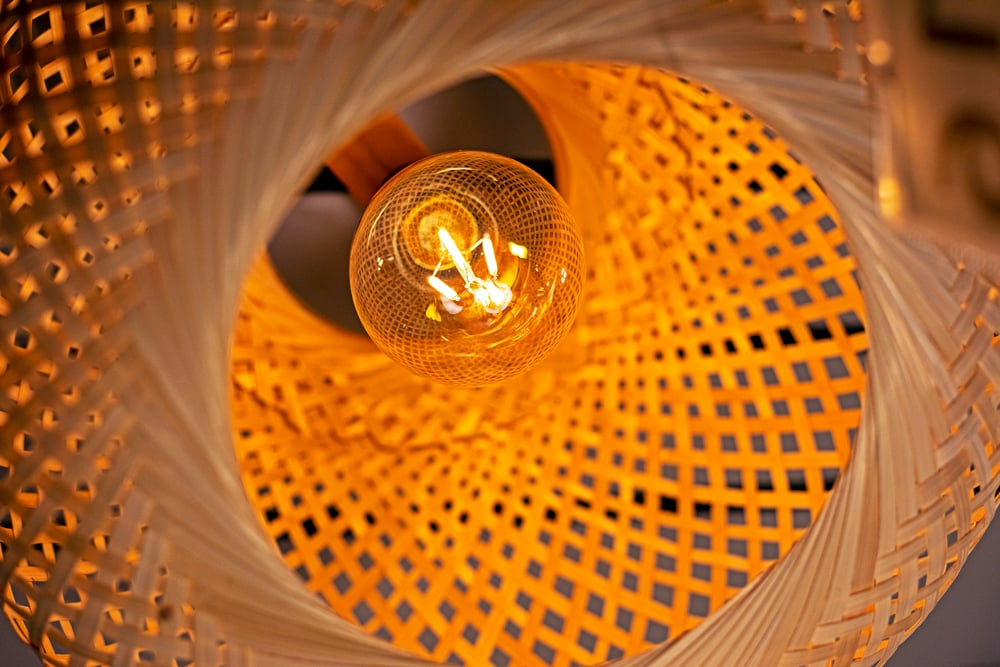
Tapping one makes it glow – simple as that. Battery powered, sticky on the back, nothing else needed. Adverts had them brightening dark corners: inside cupboards, low shelves, tight spots.
Honestly thought they’d barely shine at all. What stands out is how much light these give off.
Dark corners get filled well, yet it never feels too strong. Tapping the top switches them smoothly – on when you want, off with another tap.
Sticking them down? That part works just fine, staying put even if the wall isn’t smooth. How long they run depends on use.
A few go strong for months, while some quit within weeks if used a lot. Swapping out dead cells feels like a chore sometimes. Still, being able to place light exactly where it’s needed helps balance the hassle.
Cost is low, so putting one in several locations doesn’t feel like excess.
When Late Night Choices Work Out

Those ads make things look amazing. Yet what shows up usually disappoints fast.
Picture-perfect clips promise miracles in minutes. Still, actual attempts stumble right away. Hardly anything performs like the pitch.
After one or two tries, frustration wins. Shelves gather clutter instead of solutions.
Donations follow once hope fades. Some do pull their weight. Solving tiny daily hassles takes less effort when these tools step in.
A few simply function reliably, giving reason enough to keep them after that spontaneous buy. Regret does not follow each nighttime order placed online.
Odd little devices remain on shelves due to real help given – despite falling short of advertised dreams.
More from Go2Tutors!

- The Romanov Crown Jewels and Their Tragic Fate
- 13 Historical Mysteries That Science Still Can’t Solve
- Famous Hoaxes That Fooled the World for Years
- 15 Child Stars with Tragic Adult Lives
- 16 Famous Jewelry Pieces in History
Like Go2Tutors’s content? Follow us on MSN.