Little-Known Facts About Mount Fuji
Mount Fuji stands as Japan’s most recognizable landmark, appearing on countless postcards, paintings, and travel brochures. Most people know it’s a volcano and that climbers tackle its slopes every summer.
But beyond these basic facts lies a mountain with surprising stories, unusual rules, and details that even frequent visitors might miss. The mountain holds secrets about ownership disputes, spiritual traditions, and natural phenomena that don’t make it into typical travel guides.
These lesser-known aspects of Mount Fuji reveal why this peak means so much more to Japan than just a pretty backdrop. The real stories run deeper than the snow-capped summit suggests.
The summit technically belongs to a shrine
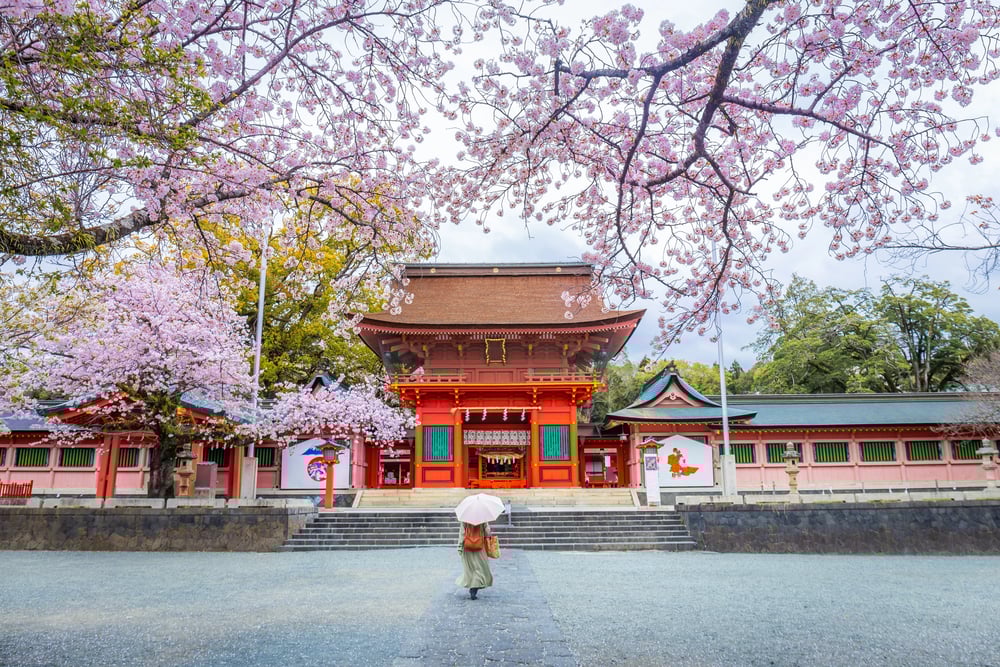
Mount Fuji’s peak isn’t actually owned by the Japanese government. The top portion belongs to Fujisan Hongū Sengen Taisha, a Shinto shrine located in the city of Fujinomiya.
The shrine received this land as a donation from the Tokugawa shogunate way back in 1609, and they’ve held onto it ever since. This means when climbers reach the summit, they’re technically standing on private religious property rather than a national park.
Fuji last erupted in 1707 and covered Tokyo in ash
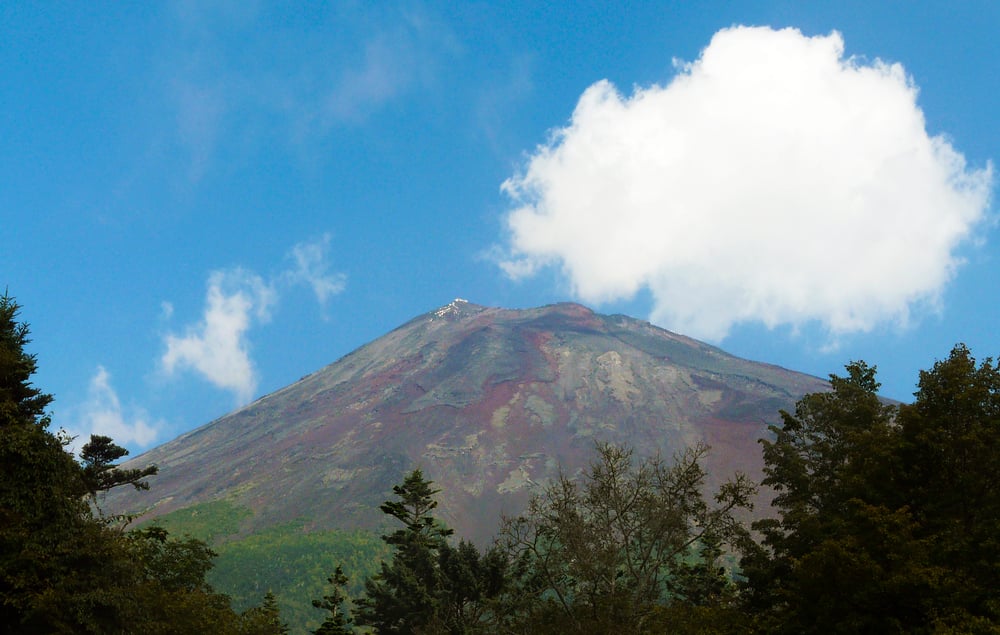
The Hoei eruption started on December 16, 1707, and continued for over two weeks. Ash from this eruption fell as far as present-day Tokyo, which was then called Edo, covering the city in several inches of volcanic debris.
People had to shovel ash off their roofs to prevent buildings from collapsing under the weight. Scientists monitor Fuji closely because another eruption could cause major problems for the millions of people now living in the surrounding area.
Fuji’s climbing season only lasts about two months

The official climbing season runs from early July to early September, just a short window in the summer. Outside these months, the trails close due to extreme weather conditions, including fierce winds, freezing temperatures, and limited visibility.
Climbers who attempt the ascent during the off-season risk getting caught in deadly conditions without access to the mountain huts that provide shelter and supplies during the approved season. The narrow timeframe means roughly 300,000 people cram their climbs into those eight weeks.
Women couldn’t climb Mount Fuji until 1872
Religious beliefs kept women off the mountain for centuries. The ban stemmed from Shinto traditions that considered menstruation impure and believed that the mountain deity would become angry if women approached.
Lady Fanny Parkes, a British woman, became one of the first females to reach the summit in 1867, though she had to disguise herself as a man to do it. The Meiji government officially lifted the ban in 1872 as part of broader modernization efforts.
The mountain grows and shrinks throughout the year
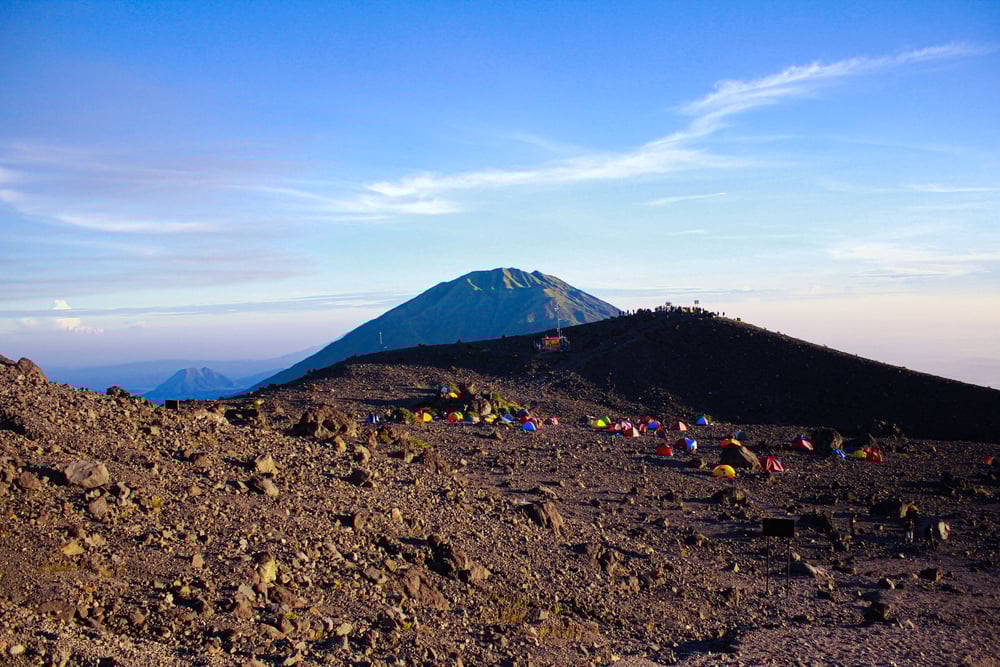
Mount Fuji’s height changes slightly depending on the season. Snow accumulation during winter adds several feet to the summit’s elevation, while melting in warmer months reduces it.
Precise measurements show variations of up to 10 feet between winter and summer. Geologists also track the mountain’s slow expansion as magma beneath the surface shifts and tectonic plates move.
Fuji means absolutely nothing in Japanese
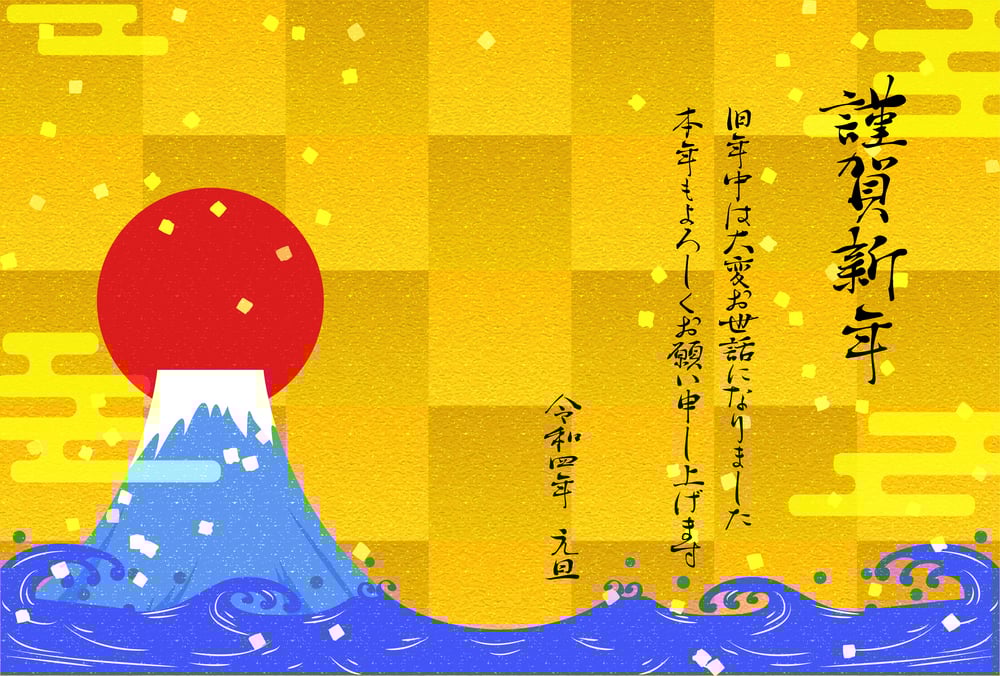
Despite being Japan’s most famous mountain, the name ‘Fuji’ doesn’t have a clear meaning in Japanese. Linguists have debated the origin for years without reaching consensus.
Some theories trace it to the Ainu language of northern Japan, where ‘fuchi’ might mean ‘fire’ or ‘grandmother of fire.’ Others suggest connections to words meaning ‘immortal’ or ‘without equal.’
The mystery remains unsolved, and modern Japanese simply accept ‘Fuji’ as a proper name without attempting translation.
Commercial flights avoid flying directly over the summit
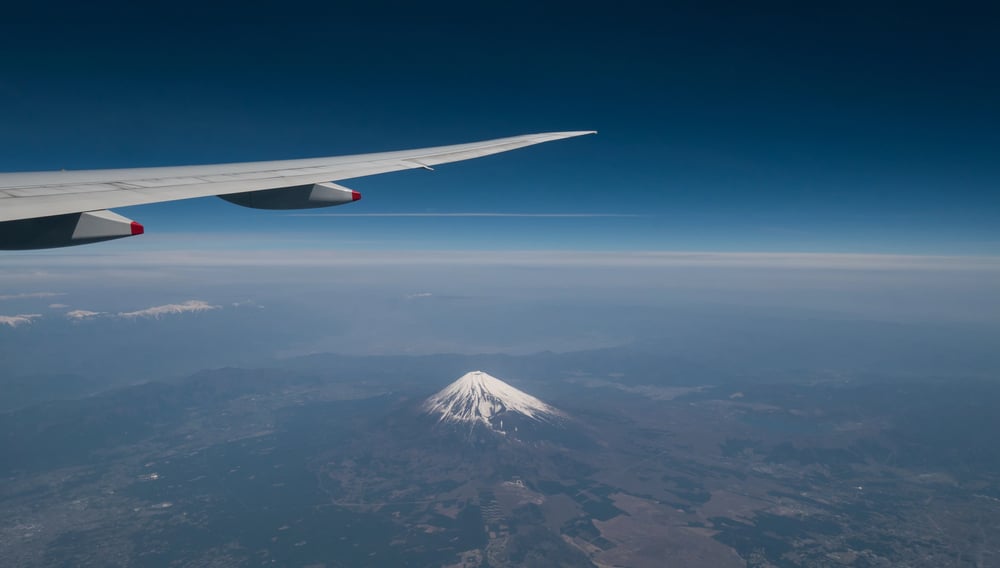
Airlines deliberately route planes around Mount Fuji rather than over it. This isn’t just about giving passengers better views, though that’s a nice bonus.
The mountain creates unpredictable air currents and turbulence that can affect aircraft safety. Sudden updrafts and downdrafts form around the peak, especially during certain weather conditions.
Pilots learn to respect Fuji’s airspace and maintain safe distances.
The peak creates a unique type of mist that carries its name
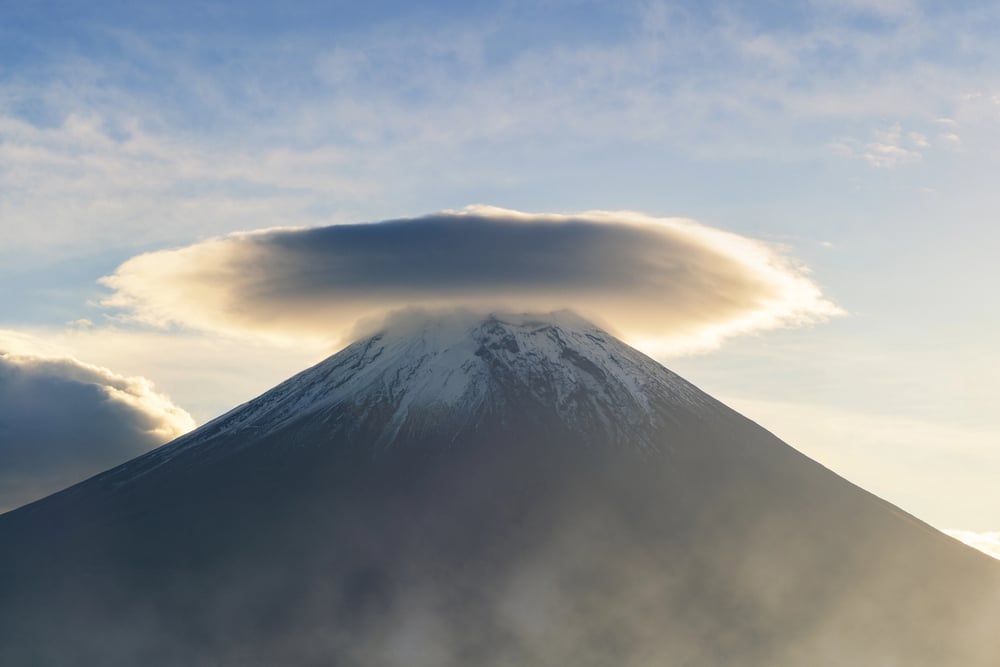
Fuji makes a rare kind of lenticular cloud known as ‘kasa-gumo,’ which looks like an umbrella. Moist air moves over the summit, then cools down fast – this causes it to turn into smooth, disc-like clouds up high.
Though they seem stuck in place above the top, winds keep rushing right through them all the time. They stay put visually, almost like floating lids, thanks to steady airflow patterns around the peak.
Snapshots love this look since the cloud lines up just right with the slope below. Back in old times, folks thought seeing one meant bad weather was on its way soon.
You could send a postcard right from the top – just drop it in the box up there

Some huts close to the peak run tiny postal spots when climbers are around. When visiting, people grab postcards + pick up stamps on site.
They jot down notes while still up high – then drop them in a mailbox nearby. Each envelope gets a unique stamp proving it came from Fuji’s upper slopes.
A lot of visitors mail these to loved ones just to show they reached the top. Others save them because the markings make each one stand out.
The ideal balanced cone isn’t real – it’s just something we imagine
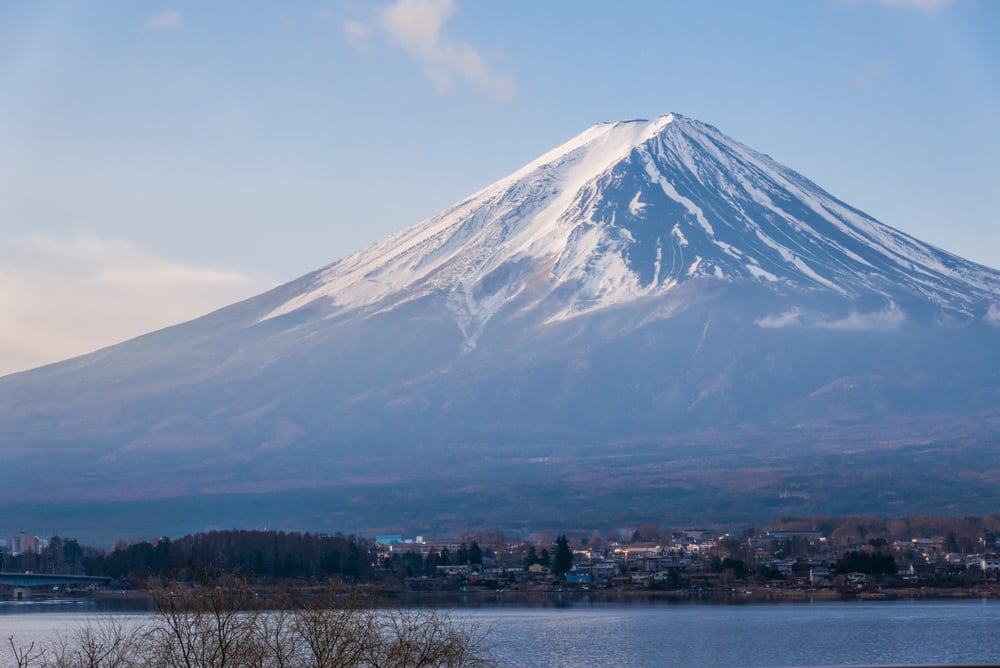
Mount Fuji seems perfectly shaped in photos, almost like a classic volcano from a book. Still, it’s not completely even – one side leans just a bit.
The south slope falls off sharper compared to the north. Here and there, tiny volcanoes pop up near its edges, messing with that smooth triangle look.
To get that flawless shot, picture-takers pick their spot plus light setup real carefully. That’s what makes it appear so clean every time you see it online or on postcards.
Fuji holds three different volcanoes piled on top of each other
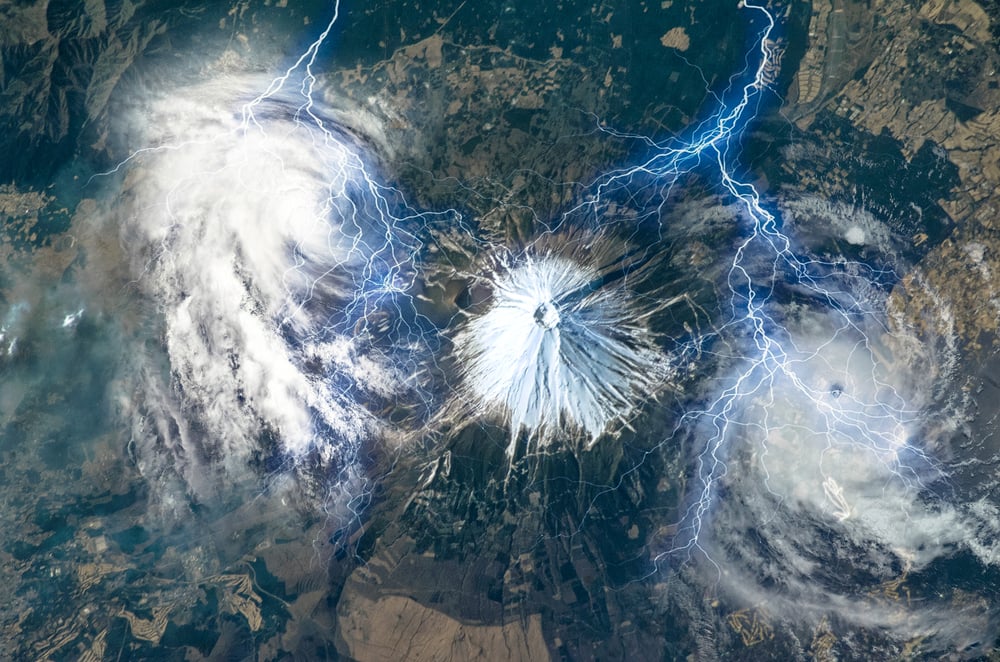
Geologists see Mount Fuji as three stacked volcanoes formed over many centuries. At the bottom lies Komitake, the earliest one.
On top of that, Old Fuji developed slowly over time. Then came New Fuji – also named Shin-Fuji – the most recent eruption shaping today’s peak.
Though it looks smooth and plain from afar, its layered makeup is actually quite intricate.
The amount of garbage bags picked up each year might stack up to fill a whole home
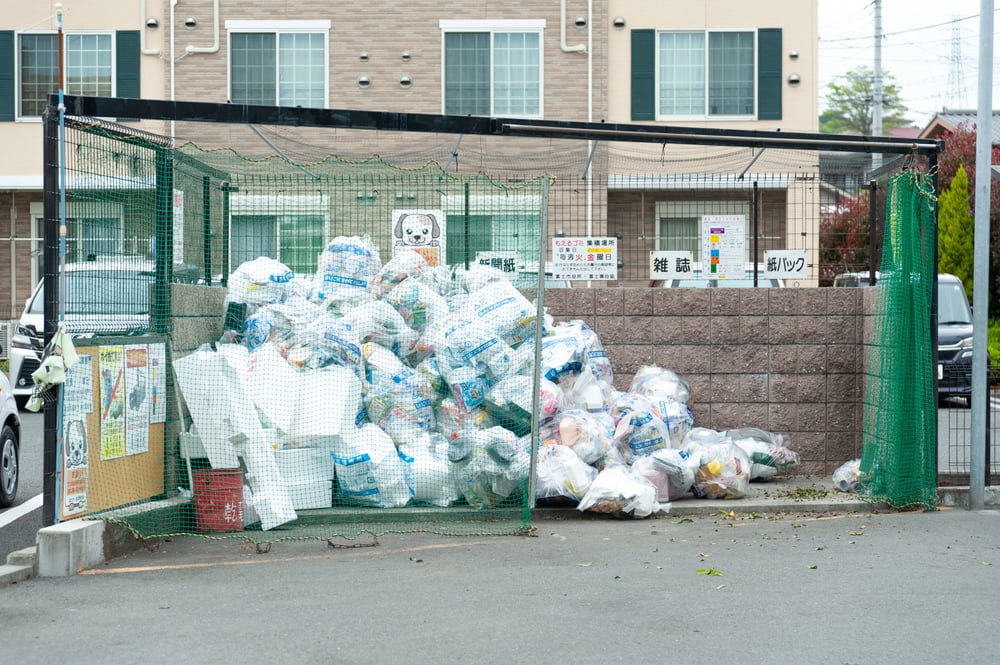
While the weather holds, teams carry down heaps of litter dumped by hikers. Even with reminders to take trash back, plenty just leave it behind.
Crews pick up random stuff – bottles, torn jackets, broken tents. All this junk adds up fast when so many show up every single year.
Four different climbing routes lead to the summit
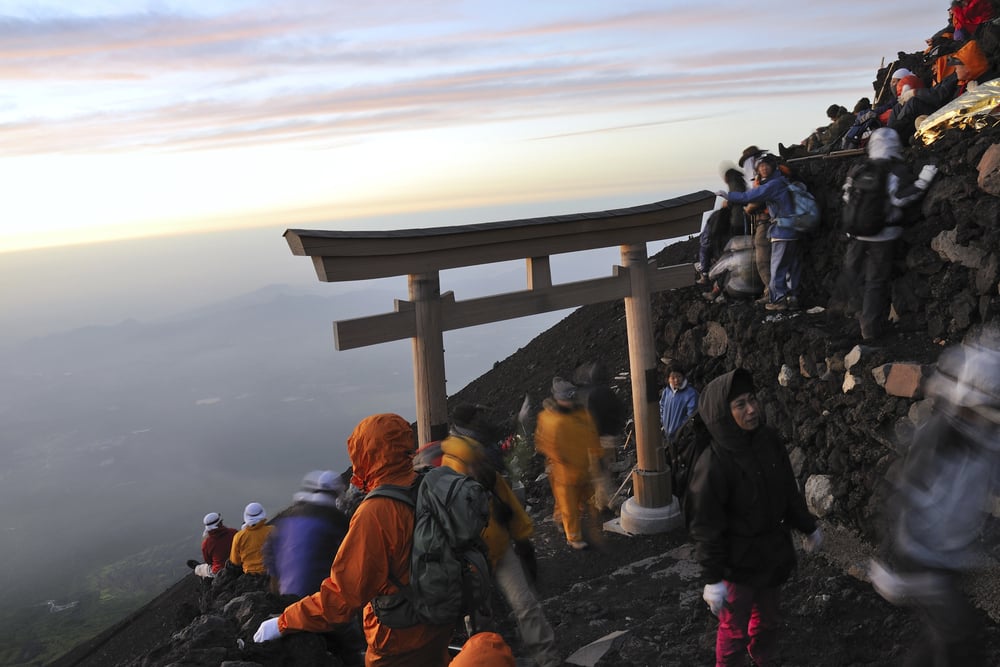
Climbers pick between the Yoshida, Subashiri, Gotemba, or Fujinomiya routes – each kicks off at its own fifth station, kind of like trailhead lots around midway up. The Yoshida path gets packed with people plus it’s got more shelters than others along the way.
Starting lower means Gotemba takes longer yet stays less busy. Every option feels unique, varies in toughness, and also takes between five to eight hours going uphill.
The mountain inspired countless works of art
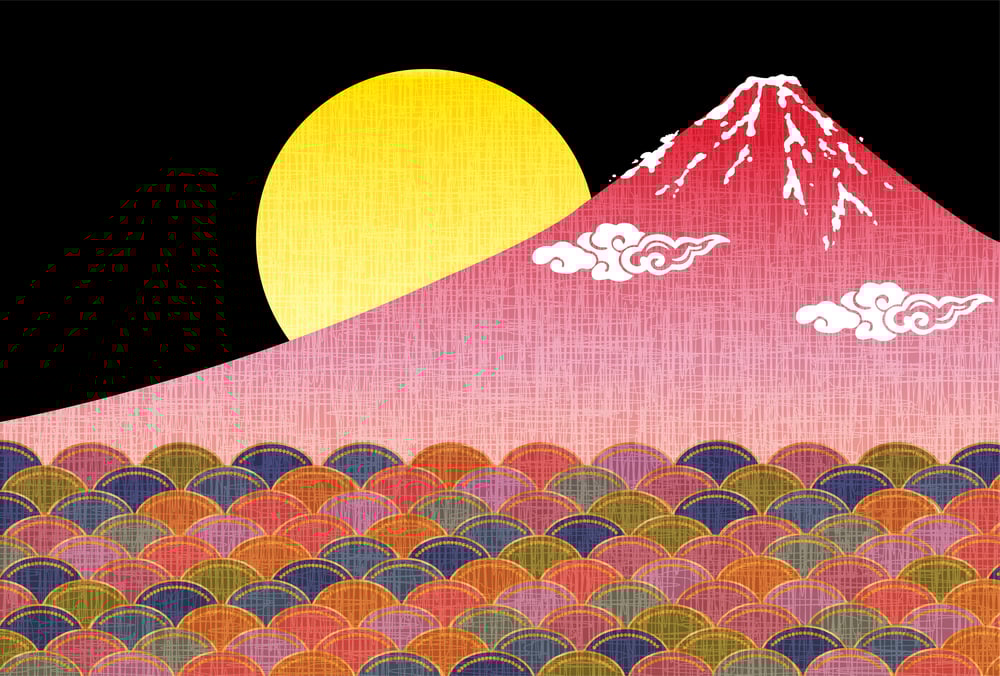
Back in the 1830s, a Japanese painter named Katsushika Hokusai put together a well-known set called ‘Thirty-Six Views of Mount Fuji’. Though it’s titled thirty-six, there are really forty-six prints – fans loved it so much he tacked on ten more.
One standout piece, ‘The Great Wave off Kanagawa’, captures a massive ocean surge with tiny Mount Fuji peeking through behind it. That one series shaped how Western creators such as Van Gogh and Monet saw art, also opening doors for Japanese visuals across Europe.
Folks who study volcanoes think a blast might come without warning
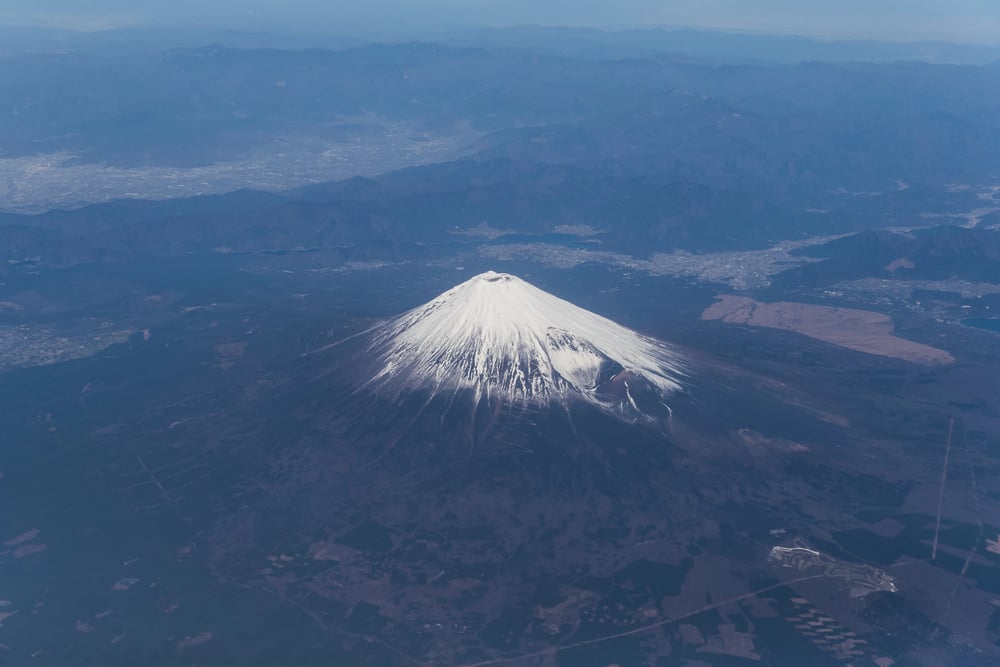
Sensors placed around Mount Fuji keep an eye on tremors, shifts in the ground, or fumes from below. It often rumbles a bit – tiny quakes happen, heat levels shift now and then.
After the big 2011 quake tied to Fukushima, things stirred under Fuji, building up force deep inside. Scientists don’t know precisely when it’ll blow – but most think it’s just a matter of time.
Local authorities have mapped out escape routes for crowds living nearby, readying for what might come.
Climbing Fuji after dark’s now what most folks pick instead

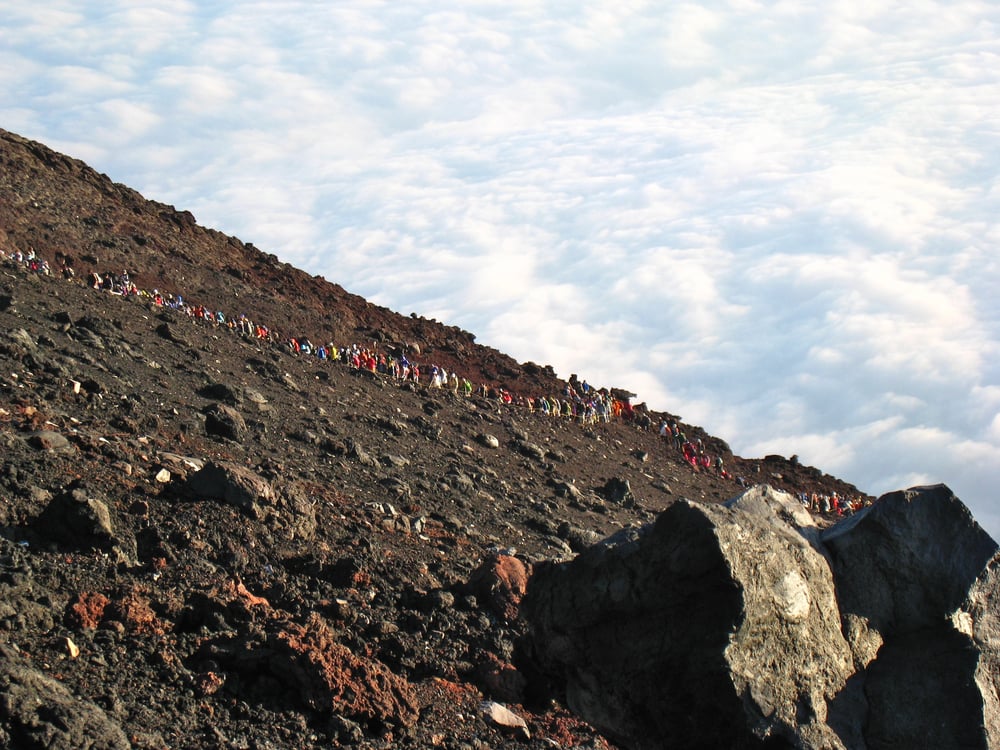
Most people hit the trail in late afternoon or after dark, trying to get on top when the sun comes up. Known as ‘goraiko,’ this custom’s about seeing daylight break from Japan’s tallest peak.
Climbing before dawn fills the slope with strings of tiny lights winding upward through blackness. At 12,388 feet, sunrise can bring amazing sights – when skies are clear.
Doing it at night also keeps hikers out of scorching afternoon temperatures common in summer.
The sight up there lets down plenty of hikers
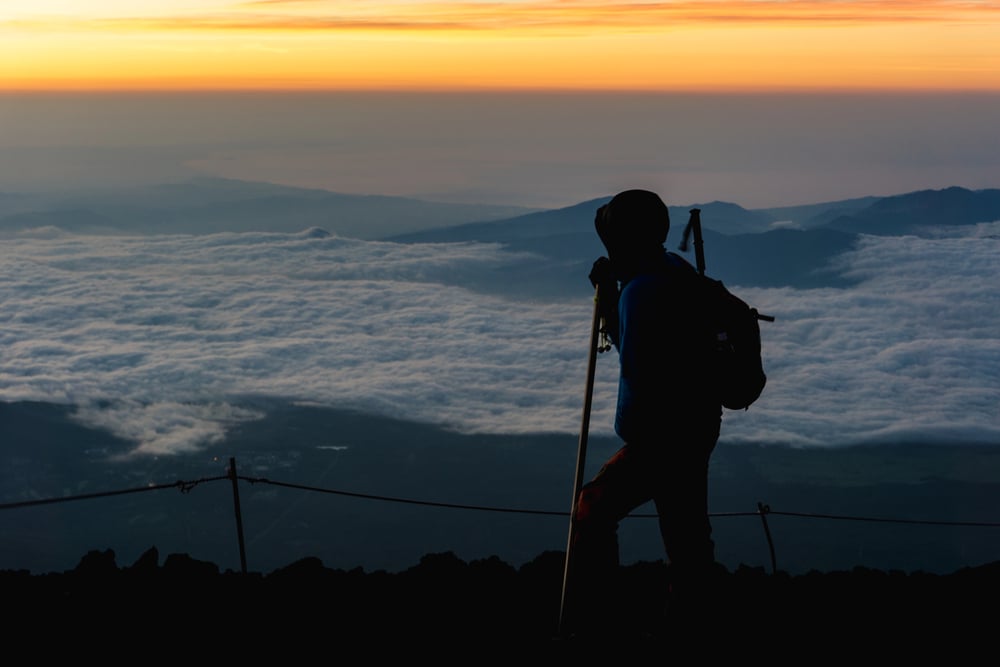
From the peak of Mount Fuji, good sightlines don’t happen often. Just roughly three out of ten hikers get a real look around up there.
Mist, low clouds, or smog tend to block what’s underneath. The season when folks are allowed to hike – summer – is also when it’s hardest to see anything.
Dedicated peak-chasers often try several times just to catch those famous Japanese vistas. For lots of hikers, the trek itself means more than the summit – after all, weather rarely sticks to anyone’s photo schedule.
When you’re climbing, that’s already the prize
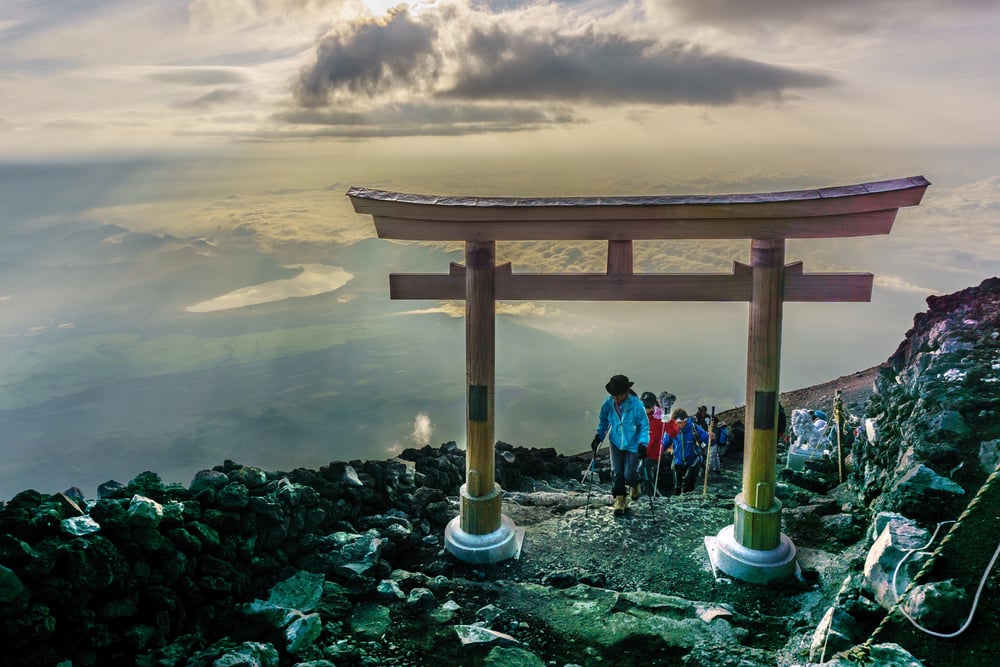
Mount Fuji shows up bit by bit, only if you’re ready to see past the glossy snapshots. Its rocks hold time, while people have left traces there for ages.
Today’s hikers tread trails once used by spiritual travelers long before today’s borders existed. Reaching the top isn’t just a physical test – odd laws on land use add confusion, plus nature is under strain from too many visitors.
All this turns Fuji into way more than a scenic spot. Peek beneath the surface, and it stops being just another place to check off a list – it becomes something worth protecting down the line.
More from Go2Tutors!

- The Romanov Crown Jewels and Their Tragic Fate
- 13 Historical Mysteries That Science Still Can’t Solve
- Famous Hoaxes That Fooled the World for Years
- 15 Child Stars with Tragic Adult Lives
- 16 Famous Jewelry Pieces in History
Like Go2Tutors’s content? Follow us on MSN.