Fashion Trends Before And Now: Retro Vs Modern Style
There’s something almost nostalgic about flipping through old photographs. The wide lapels, the bold patterns, the silhouettes that once felt perfectly normal — all of it looks like a costume to modern eyesa.
But then something strange happens: you walk into a store today and spot the exact same wide lapels hanging on a rack, priced as the season’s freshest look. Fashion has always played this loop, pulling from the past and repackaging it as something new.
The line between retro and modern style is thinner than most people think.
The Bell-Bottom Era and What It Said About Freedom

Bell-bottoms weren’t just pants. They were a statement.
When they swept through the late 1960s and 1970s, they carried the weight of a generation pushing back against convention. The wider the flare, the louder the message.
Paired with platform shoes and printed blouses, the full look was unapologetically loud. Today, wide-leg trousers are everywhere.
They’re cropped at the ankle, worn with loafers, styled with tucked blazers — the silhouette is the same, but the attitude is quieter. The modern version borrows the shape without the rebellion behind it.
When Shoulder Pads Meant Power

The 1980s had a very specific idea of what professional women should look like: broad shoulders, structured jackets, and enough volume in the upper body to fill a boardroom. Shoulder pads weren’t just a style choice — they were armor.
That look fell out of fashion hard in the 1990s. But structured, boxy shoulders have crept back into contemporary wardrobes, particularly in oversized blazers that now read as effortlessly cool rather than power-hungry.
The silhouette survived. The meaning shifted.
The Little Black Dress That Never Left

Some pieces don’t belong to any era because they’ve always belonged to every era. The little black dress first appeared in the 1920s as a practical, elegant solution for women who wanted something versatile.
It stayed relevant through every decade that followed. Modern fashion has done very little to change it.
The cut gets shorter or longer depending on the season, the neckline changes, and new fabrics enter the picture. But the core idea — a simple, dark dress that works for almost any occasion — hasn’t changed.
It’s the rare garment that exists outside the retro-versus-modern debate entirely.
Denim: From Workwear to Runway
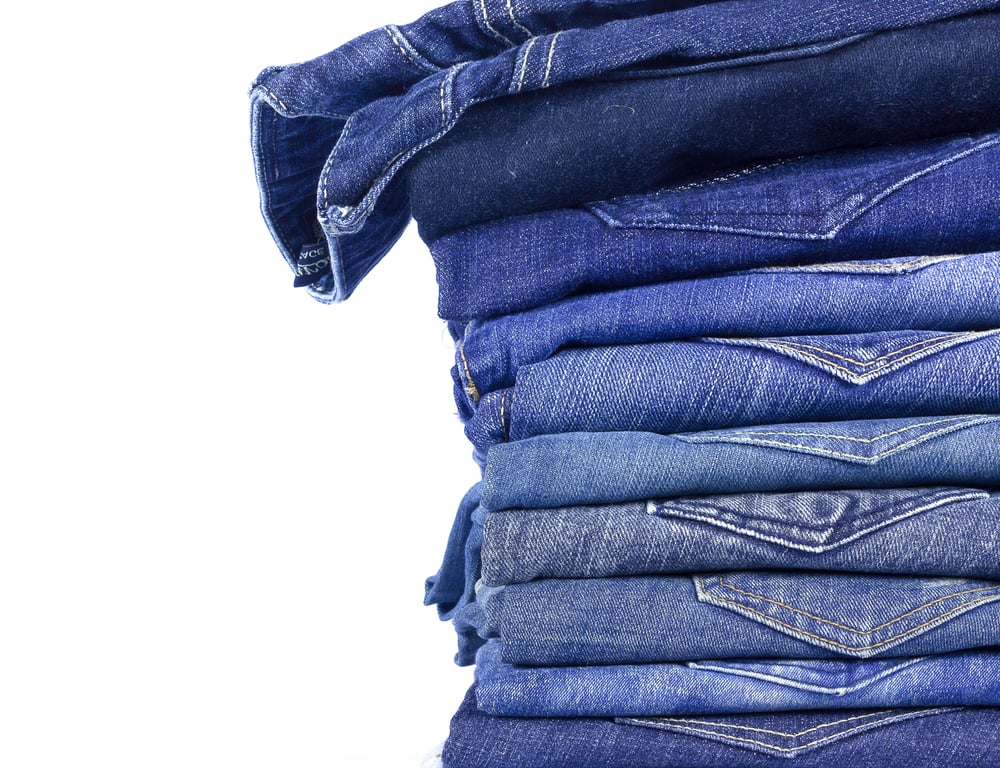
Denim started as fabric for miners and ranchers. It was practical, durable, and not particularly fashionable. Then teenagers in the 1950s adopted it as their uniform, and everything changed.
By the time the 1970s and 80s arrived, designer denim was a status symbol. High-waisted jeans, acid wash, stonewash, embroidered pockets — denim became a canvas.
The 1990s brought in baggy fits. The early 2000s went skinny and low-rise.
And now, high-waisted, wide-leg, and even barrel-shaped jeans have all found their moment. Every decade reinvents denim, but it never actually goes away. It just transforms.
Minimalism Takes Over

After the maximalism of the 1980s, the 1990s responded with almost aggressive simplicity. Clean lines, neutral tones, slip dresses, and barely-there accessories.
Brands like Calvin Klein made restraint look expensive. The less-is-more philosophy defined a decade.
That aesthetic never fully disappeared, and contemporary minimalism is probably the closest modern fashion gets to feeling like a direct continuation rather than a revival. Quiet luxury — muted palettes, quality fabrics, no visible branding — is the current version of that same impulse.
The vocabulary is almost identical, just worn by a new generation.
Prints and Patterns: Then vs Now
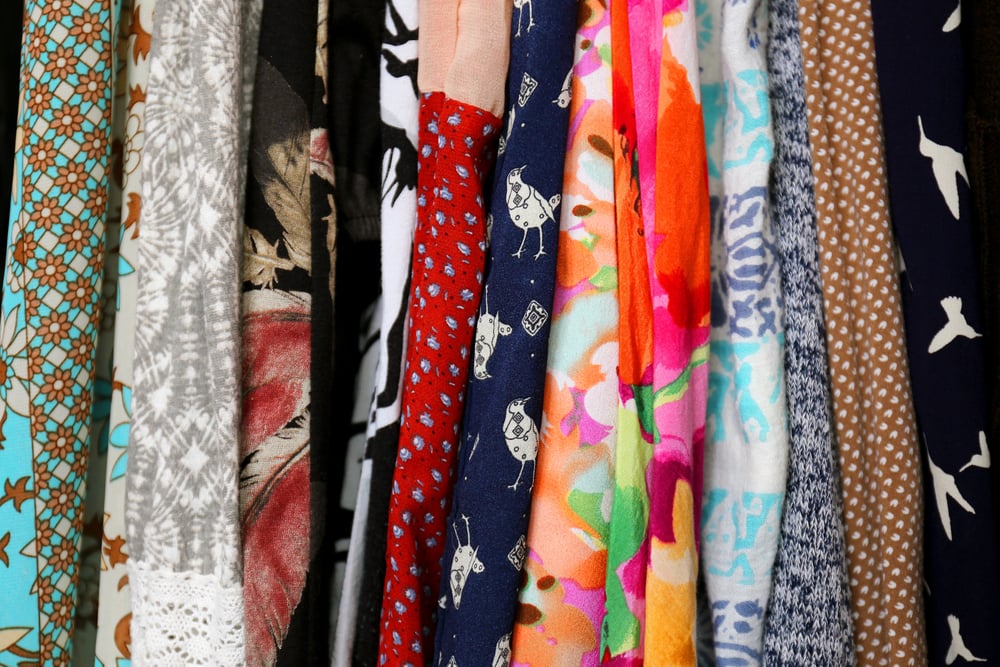
Retro fashion loved a bold print. The 1960s brought geometric shapes and optical illusions.
The 1970s leaned into florals and paisleys. The 1980s went abstract and neon.
Each decade had a distinct visual language in its patterns, and you could often date a garment just by its print. Modern fashion has gotten more eclectic.
You’ll find all of those eras’ prints alive at once, sometimes on the same rack. Mixing patterns — something that once felt like a mistake — is now intentional styling. The difference is that past generations wore prints as part of a cohesive aesthetic.
Today, prints are chosen more individually, layered without a rulebook.
The Rise of Streetwear

Streetwear doesn’t have a neat origin point, but it grew out of skate culture, hip-hop, and sportswear in the 1980s and 90s. Graphic tees, baggy hoodies, sneakers, and baseball caps weren’t high fashion — they were what people actually wore on the street.
Then luxury brands noticed. By the 2010s, streetwear had fully merged with high fashion. A hoodie from a sought-after brand could cost more than a tailored suit.
Sneakers became collector’s items. What started as anti-fashion became the center of it. That trajectory says a lot about where taste-making has shifted — away from institutions and toward subcultures.
Athleisure and the Comfort Revolution

Before the 2010s, wearing gym clothes outside the gym was considered lazy or underdressed. There was a clear line between athletic wear and everyday clothing.
Leggings were for yoga class. Sneakers were for the track.
Athleisure dissolved that line. Suddenly, the most coveted pieces in a wardrobe were designed for movement and comfort.
The pandemic accelerated things further — when everyone was working from home, waistbands with structure became optional. That shift has been permanent.
The idea that comfort and style are incompatible now feels outdated.
How Vintage Shops Changed Everything
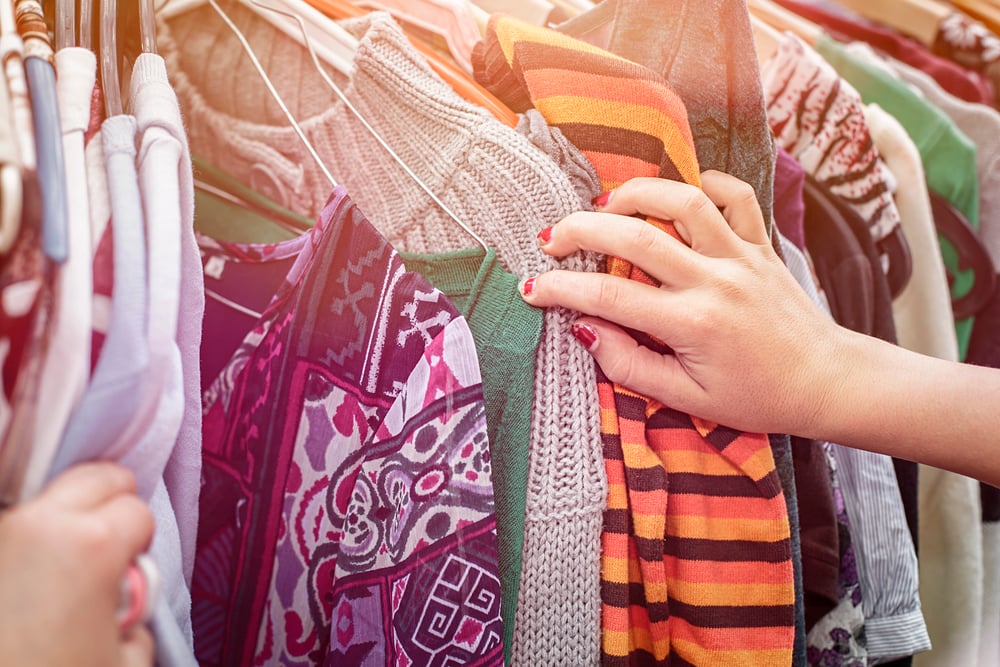
For a long time, buying secondhand clothing carried a stigma. Thrift stores were for people who had no other option.
That perception started changing in the 1990s with grunge culture, which celebrated worn, mismatched, and deliberately unglamorous clothing. Today, vintage shopping is mainstream.
Dedicated resale platforms have turned secondhand into a market worth billions. Wearing something from a previous decade isn’t a sign of limited means — it’s often a deliberate style choice, a way to stand out from mass-produced trends.
Vintage has become a kind of cultural literacy. Knowing where a piece came from, and what it meant in its original context, adds a layer of meaning to wearing it.
Color Palettes Across the Decades

Color tells you a lot about the mood of a decade. The 1950s favored soft pastels — pinks, mint greens, and powder blues that felt optimistic and domestic.
The 1970s went earthy, leaning into mustard yellows, burnt oranges, and deep browns. The 1980s turned neon.
The 1990s drained the color out almost entirely — grunge and minimalism both pulled toward grey, black, and washed-out tones. Modern fashion cycles through all of it.
Trend forecasters designate a “color of the year” that influences everything from runways to furniture. But individual style today is less tied to a single palette than it used to be.
People mix freely across the spectrum — a piece from every decade’s color story can share the same outfit without it looking confused.
Accessories: More Is More vs. Less Is More

Jewelry in the 1960s and 70s was big, sculptural, and meant to be noticed. Statement earrings, chunky bracelets, layered necklaces — accessories competed with clothing for attention.
By the 1990s and early 2000s, the trend flipped toward delicate and minimal. Tiny gold hoops, barely-there chains, thin rings stacked quietly.
Both philosophies are fully present in contemporary fashion. Chunky gold chains are back.
Oversized earrings never fully left. But so are delicate layers of fine jewelry worn all at once.
The current approach to accessories is less about following a rule and more about personal stacking — mixing scale, metal tones, and eras in the same look.
Fast Fashion and Its Trade-offs

Only lately has cheap, bulk-made clothing become normal. Most of the time, through fashion’s past, outfits cost a lot compared to what folks earned, so they had fewer clothes.
Styles changed gradually since items were built to survive wear. What once took seasons now happens in a blink.
Weeks replace years when it comes to trend turnover. From catwalk to clothing rack, copies show up almost overnight.
Because of this shift, getting involved feels less out of reach. Lower prices mean more folks try new looks without spending much.
Quality slips when prices drop, while working conditions often worsen at the same time. Still, more folks are starting to question what lies behind their purchases because of it.
Old Trends Return Because They Never Really Left

Every few decades, styles start showing up again. When people grow into their spending years, they often reach for what felt familiar during youth.
A shirt or shade might bring back quiet memories, tugging at moments long past. Companies notice these patterns, then offer similar pieces shaped for now.
Feelings mix with profit in ways that keep old looks moving through time. Revival always brings change.
When low-rise jeans reappeared during the 2020s, their shape had shifted compared to those from the early 2000s. Instead of hiding beneath clothes, corsets resurfaced on top, layered over shirts like jackets.
What returns isn’t repetition – it’s adaptation, shaped by today’s habits and desires. Every echo of the past bends toward now.
Sustainability Meets Mindful Fashion Choices

What stands out most when comparing past and present fashion? People today ask more questions about who made their clothes. Back then, shoppers rarely cared how far fabric traveled or what factories were involved.
A jacket just needed to fit right and suit the season. That often settled everything.
The math is shifting. Today, folks often think about an item’s lifespan first, then if it came from fair conditions, followed by where it ends up once worn out.
Buying used, renting outfits, trading clothes with friends, keeping a small set of go-to pieces – each reflects a quiet challenge. Can someone stay true to their style while stepping away from habits draining the planet too fast?
Finding it isn’t done yet, still, just raising the issue shows a real change in how folks see what they wear.
The Clothes That Keep Returning
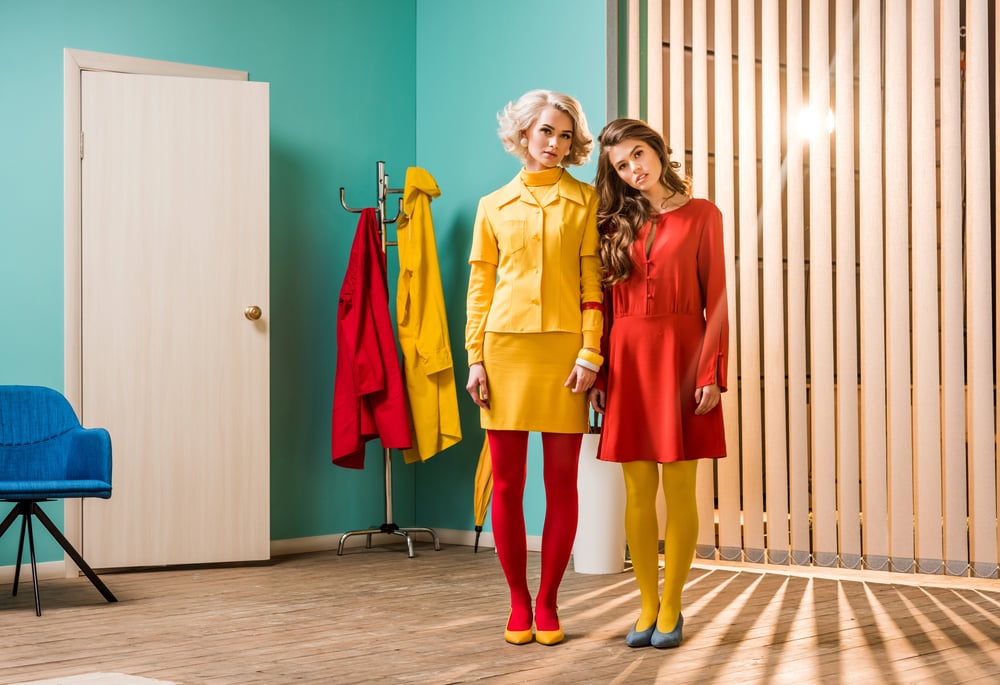
Old styles and new trends do not stand against each other like rivals at a gate. Instead, they whisper back and forth across time.
Each wave of people picks up images from earlier days, choosing some bits to hold on to, others to drop, while slipping a few into their pocket under a different name. Take the long raincoat, the crisp white shirt with buttons down front, pants that sit high and fall straight – these show up again and again simply because they never stop doing their job.
Context shifts everything. A wide-leg trouser in 1975 speaks another language than one seen in 2025.
Who wears it has changed, along with their surroundings. Memory sticks to clothing, even when styles return years later.
Meaning builds slowly, layer by layer, never fully erasing what came before. This is why it holds your gaze.
Still, few notice until it shifts.
More from Go2Tutors!

- The Romanov Crown Jewels and Their Tragic Fate
- 13 Historical Mysteries That Science Still Can’t Solve
- Famous Hoaxes That Fooled the World for Years
- 15 Child Stars with Tragic Adult Lives
- 16 Famous Jewelry Pieces in History
Like Go2Tutors’s content? Follow us on MSN.



