17 Language Mistakes That Became Permanent Words
Language evolves through countless accidents, misunderstandings, and outright errors that somehow stick around long enough to become legitimate. What starts as a mispronunciation, mistranslation, or simple confusion can end up in dictionaries if enough people make the same mistake. These linguistic blunders reveal how messy and unpredictable language development really is, while also showcasing how creative human communication can be.
The most interesting part isn’t just that these mistakes happened—it’s that they became so widespread that we now consider them correct. Here is a list of 17 language mistakes that became permanent words.
Orange
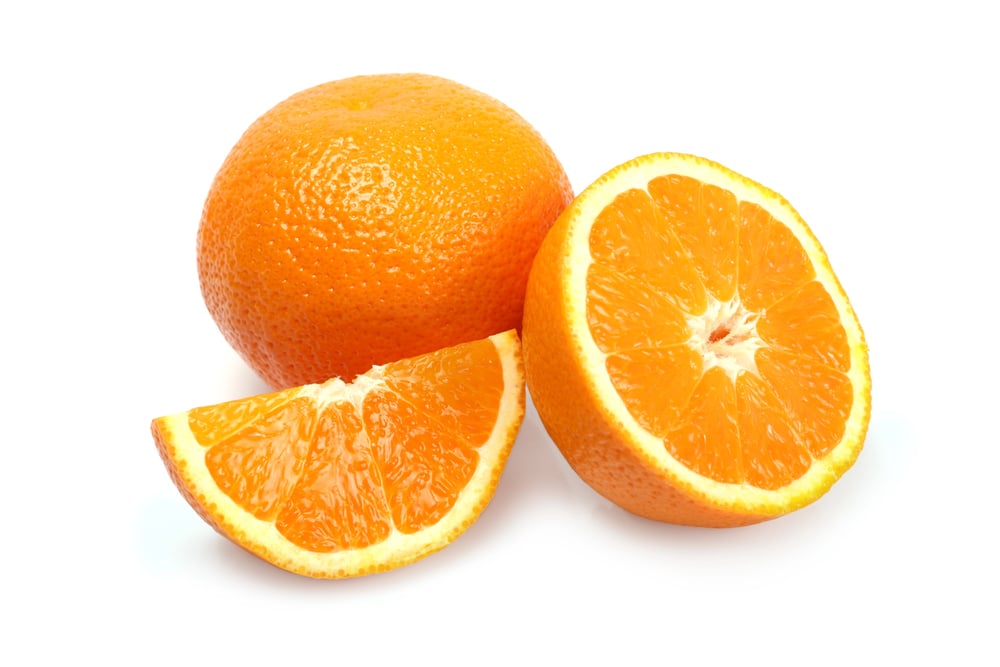
This fruit’s name comes from a series of translation errors across multiple languages. The original Sanskrit word “naranga” lost its initial “n” as it traveled through Persian, Arabic, and eventually into European languages.
People mistakenly thought “an orange” was “a norange”, so they dropped the first letter entirely. We’ve been calling it the wrong name for centuries.
Apron

Medieval people originally called this kitchen garment a “napron,” borrowed from French. English speakers kept hearing “a napron” as “an apron”, making the same mistake they’d make with oranges.
The misparsing became so common that “apron” replaced the original word completely.
Like Go2Tutors’s content? Follow us on MSN.
Adder
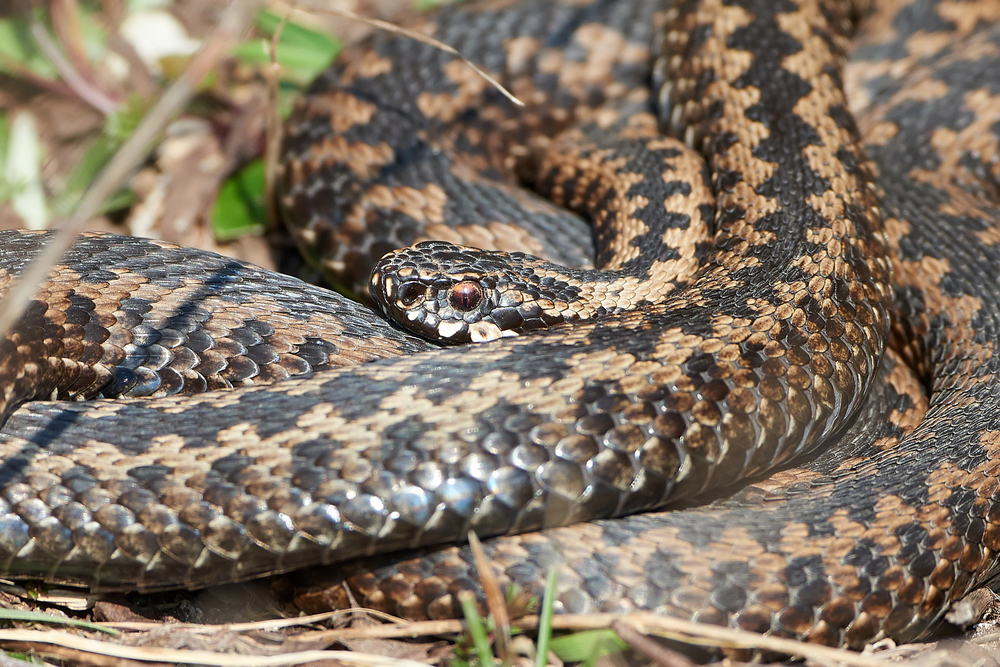
The venomous snake was originally called a “nadder” in Old English. People consistently misheard “a nadder” as “an adder”, following the same pattern as orange and apron.
The snake lost its initial letter through repeated mispronunciation, though it kept its dangerous reputation.
Umpire
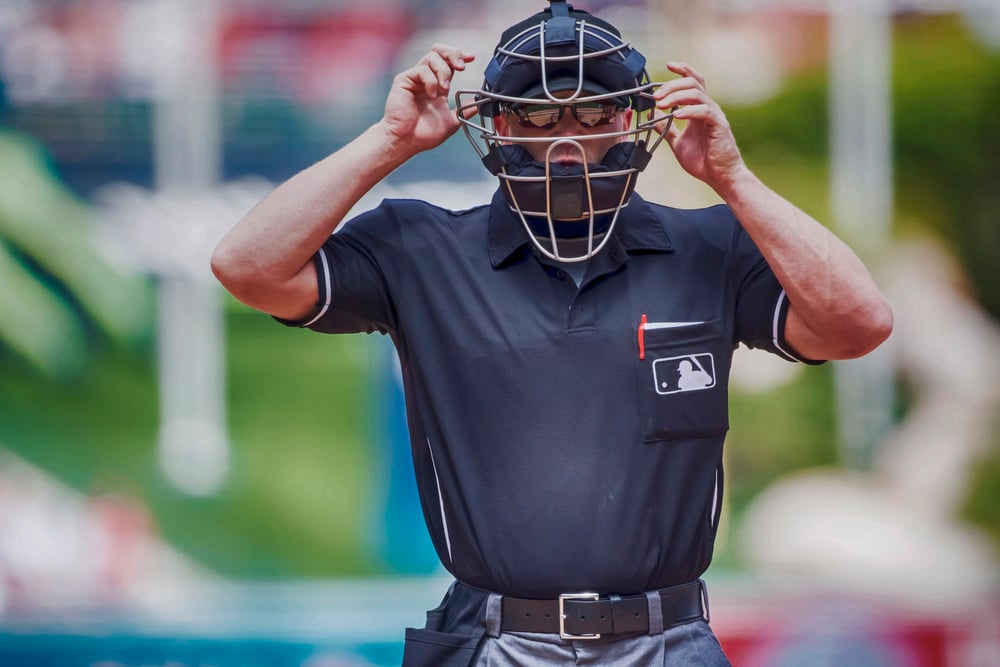
Baseball wouldn’t be the same without this word that started as “noumpere” in Old French, meaning “non-peer” or impartial judge. English speakers couldn’t handle the pronunciation, so they simplified it to “oumpere,” then eventually “umpire.”
The official who makes calls got a completely new name through linguistic laziness.
Newt
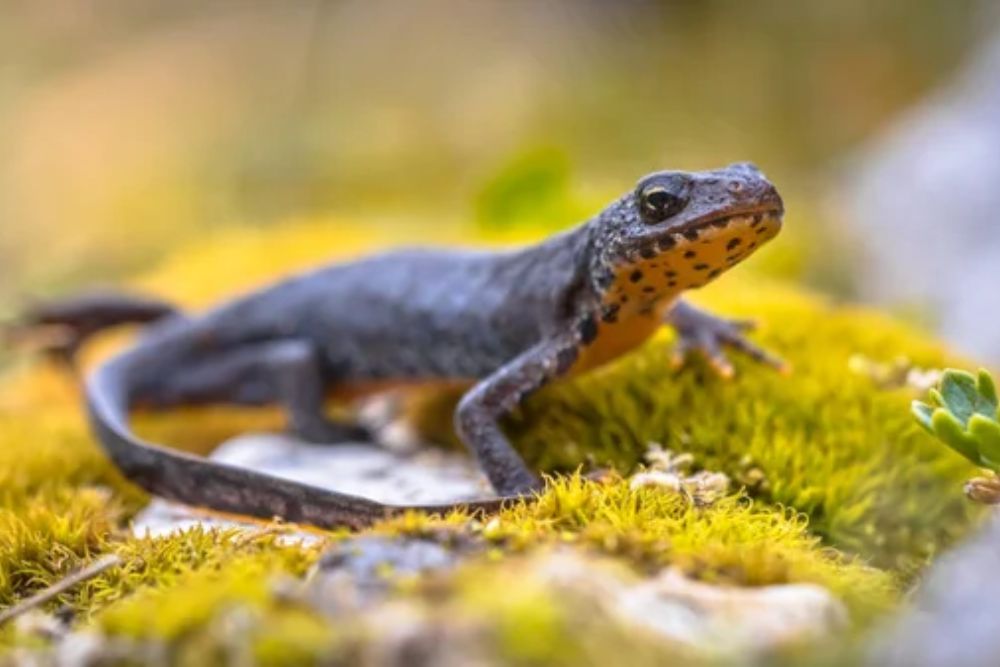
This small amphibian was originally called an “ewt” in Middle English. The phrase “an ewt” sounded like “a newt” to most people—who started using the misheard version instead.
The little creature gained an extra letter that wasn’t supposed to be there.
Like Go2Tutors’s content? Follow us on MSN.
Pea
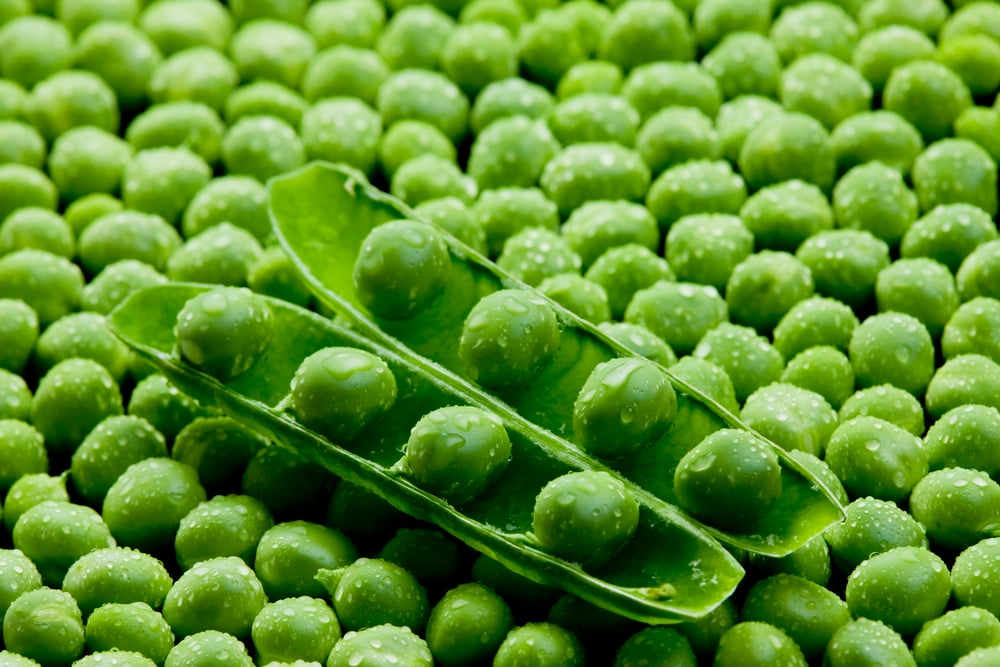
Originally, people called the green vegetable “pease” whether they meant one or many. English speakers mistakenly thought “pease” was plural, so they created the singular “pea” by removing what they assumed was a plural ending.
One word accidentally became two through grammatical confusion.
Cherry
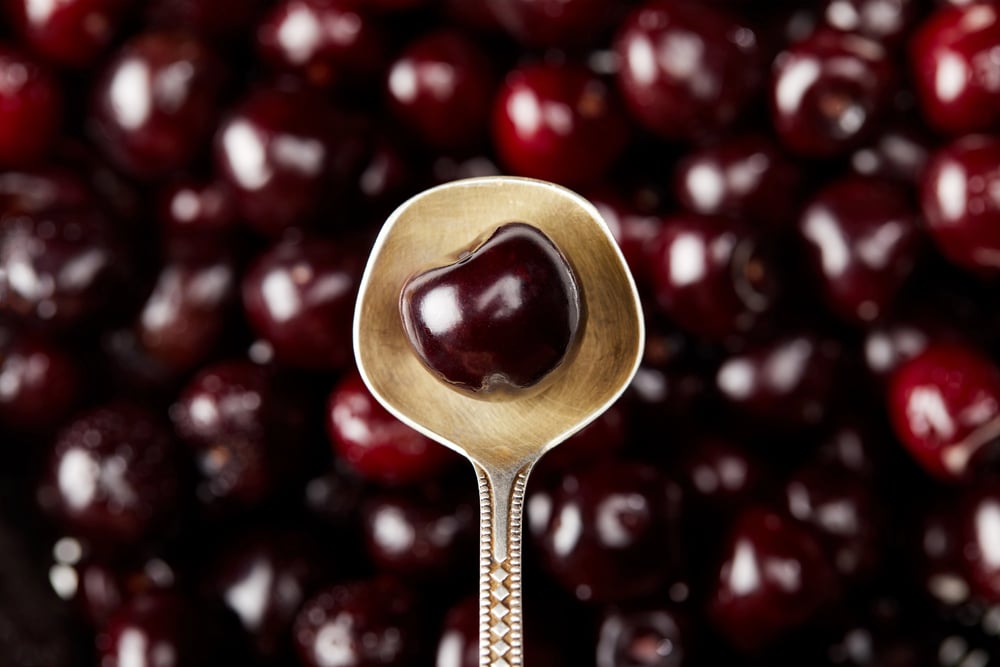
The fruit was called “cherise” in Old French, which English borrowed directly. People assumed the “s” sound meant it was plural—so they created “cherry” as the singular form.
The mistake worked so well that nobody questions it anymore.
Shame

This word resulted from a translation error that medieval scholars made while working with Latin texts. They confused similar-looking words and created a meaning that wasn’t in the original, though their mistake expressed something people needed to say.
The accidental word filled a gap in the language perfectly.
Like Go2Tutors’s content? Follow us on MSN.
Bridegroom

The second part of this word has nothing to do with grooming or personal hygiene. It originally came from “guma,” an Old English word meaning “man.”
People started associating it with “groom” because of the wedding context, even though the connection was completely wrong. The mistaken association stuck and changed the word’s spelling.
Sweetheart

This romantic term started as separate words that got accidentally combined through repeated use. People said “sweet heart” so often in affectionate contexts that they began writing it as one word—creating a new term for beloved partners.
The merger was unplanned and happened gradually.
Nickname

Medieval people said “an eke name” to mean “an additional name.” The phrase “an eke name” sounded like “a neke name” to many listeners, who started saying “nickname” instead.
The word gained an extra letter while losing its original meaning of “additional.”
Like Go2Tutors’s content? Follow us on MSN.
Humble Pie
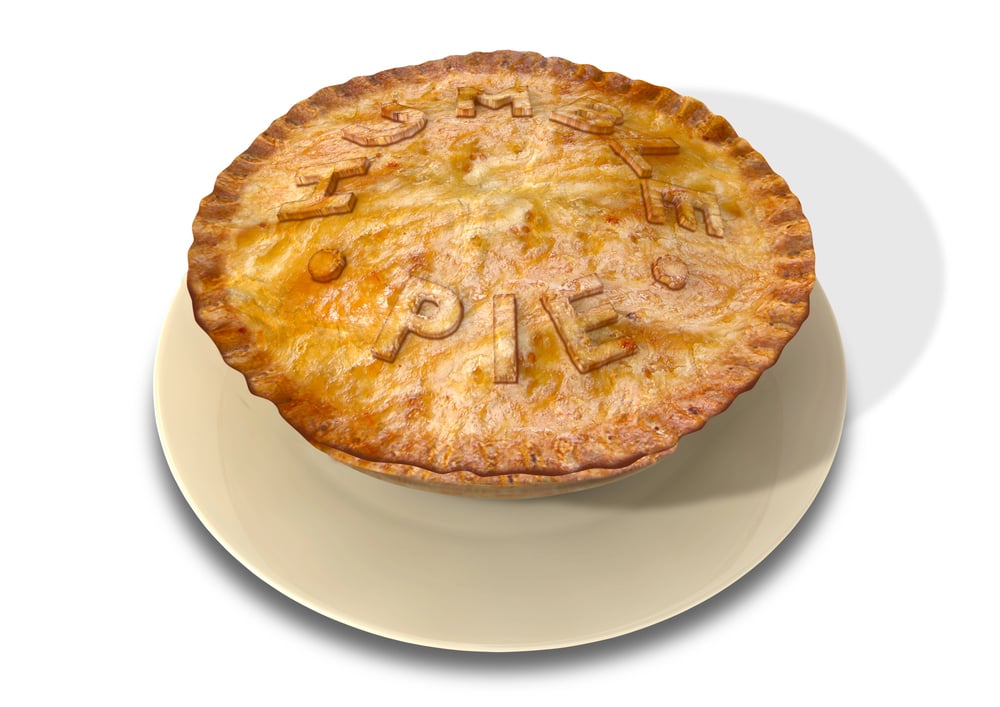
This phrase comes from “umble pie,” a dish made from deer organs that servants typically ate. The “h” got added accidentally when people connected it with the word “humble”—creating a metaphor about eating something degrading.
The mistaken spelling gave us a common expression about accepting defeat.
Penthouse

This luxury dwelling has nothing to do with pens or writing instruments. It comes from “pentice,” meaning a sloping roof or lean-to structure.
English speakers gradually changed the pronunciation to match familiar words like “house”—completely altering the original meaning through folk etymology.
Chaise Lounge

French speakers call this furniture “chaise longue,” meaning “long chair.” English speakers consistently mispronounced “longue” as “lounge” since it sounded more familiar.
The mistake became so widespread that many people now think “chaise lounge” is the correct term.
Like Go2Tutors’s content? Follow us on MSN.
Crayfish
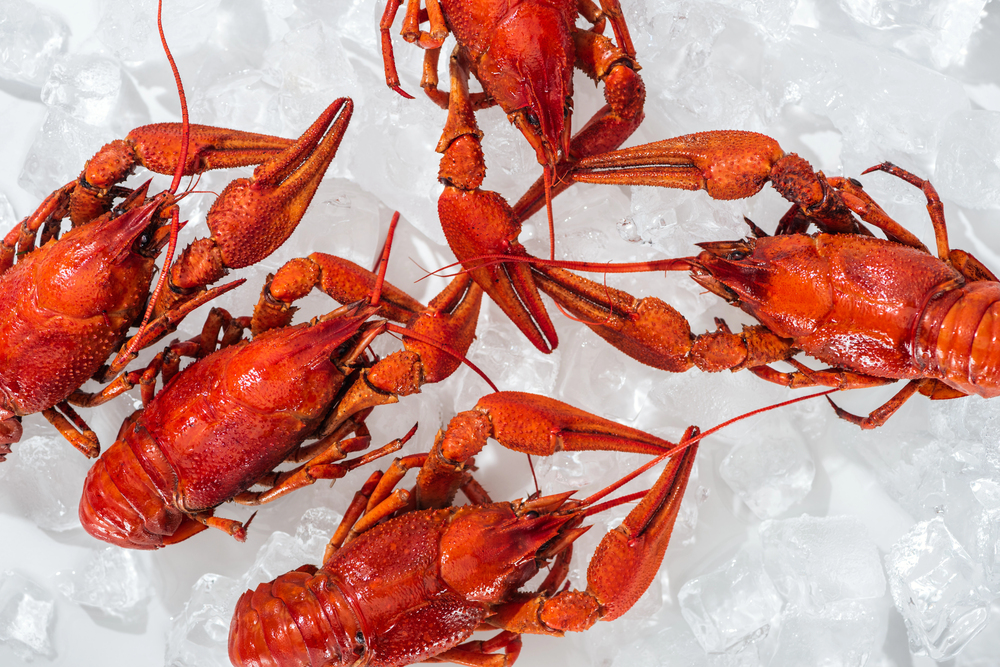
These freshwater crustaceans aren’t fish at all, despite their name. The word comes from French “écrevisse,” which English speakers couldn’t pronounce properly.
They changed it to “crayfish” because the creature lived in water, making a logical but scientifically incorrect association.
Wormwood
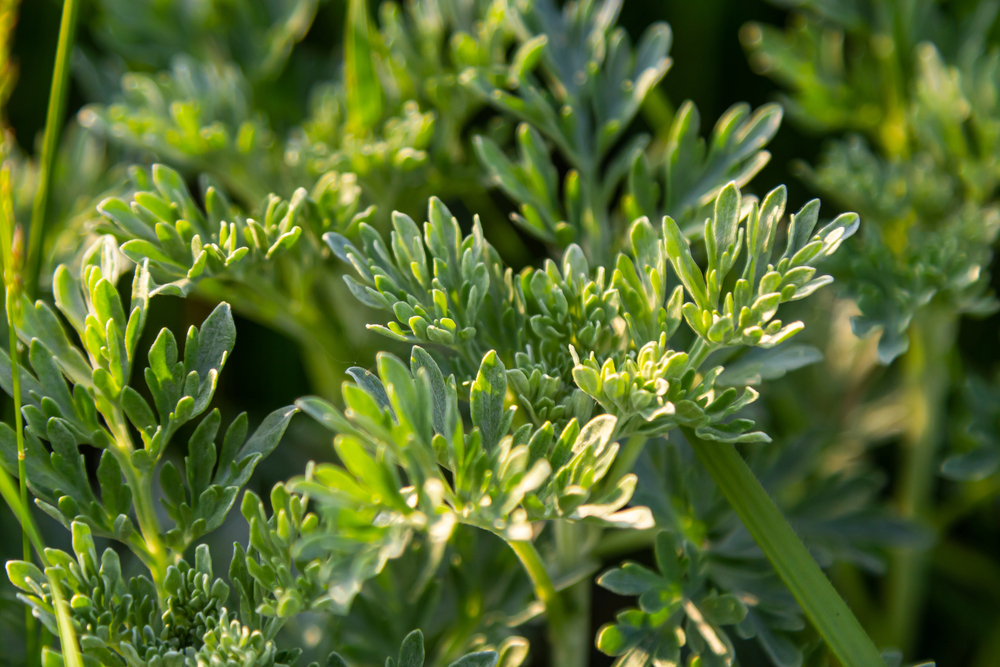
This bitter plant’s name has nothing to do with worms or wood. It comes from “wermod” in Old English, referring to the plant’s medicinal properties.
English speakers gradually changed the unfamiliar word to match more common terms, creating a completely false connection to insects and trees.
Sparrow-grass
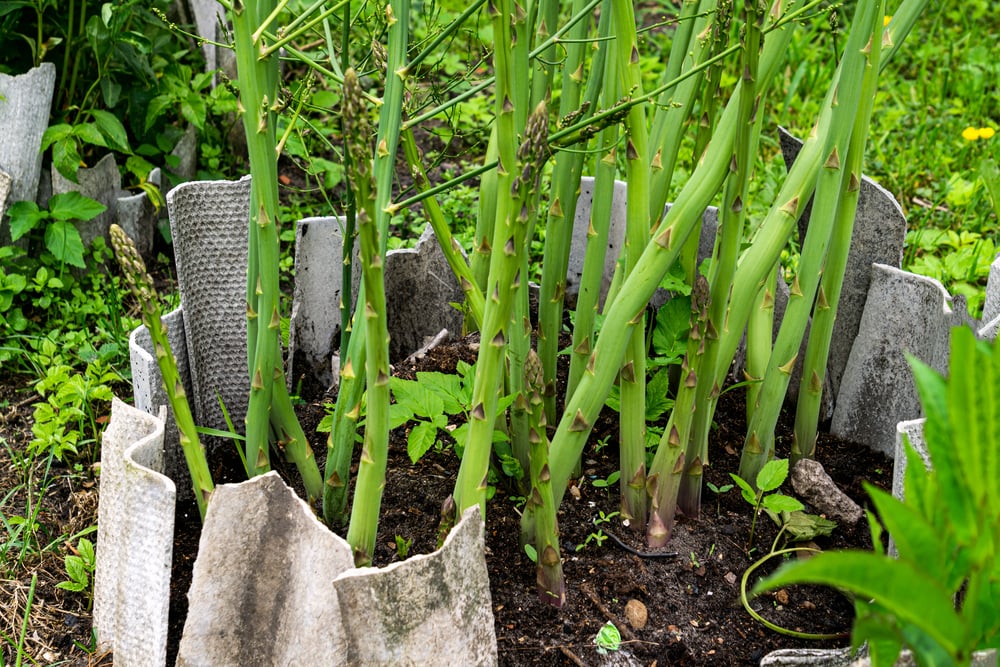
Some people still call asparagus by this folk etymology version that emerged in rural areas. “Asparagus” was too difficult for many English speakers to pronounce—so they changed it to words they knew.
The vegetable got renamed after a bird and grass through pure linguistic confusion.
Like Go2Tutors’s content? Follow us on MSN.
From Mistakes to Standards
These errors show how language grows through human creativity and confusion rather than careful planning. Mispronunciations, mistranslations, and misunderstandings become permanent when enough people make the same mistakes.
Our dictionaries are full of words that started as accidents, proving that linguistic evolution happens through collective errors rather than scholarly decisions.
More from Go2Tutors!

- 16 Restaurant Chains That Went Too Fast
- 12 Things Sold in the 80s That Are Now Illegal
- 15 Strange Things People Have Tried to Ban (And Failed)
- 16 Collectibles People Tossed Out Too Soon
- 17 Myths from Your Childhood That Were Actually Based on Real Things
Like Go2Tutors’s content? Follow us on MSN.



