Best Cheeses in the World
History sticks to few things as it does to cheese. Made deep inside caves, quiet monastery basements, or small wooden huts – always for ages upon ages.
Each corner of land shapes its own kind, guided by local herds, their pasture, and how people handle the soft curd. Certain types echo the soil, wind, even rain of where they’re born.
A handful seem to belong nowhere at all. What stands out most relies entirely on your taste.
Craving a gooey pool perfect for dipping bread? How about a sharp bite that shatters between your teeth atop greens?
Or maybe a bold scent so strong it drifts next door when unwrapped? Each wheel listed here reached its status after ages of making, batch after patient batch refined.
Parmigiano-Reggiano
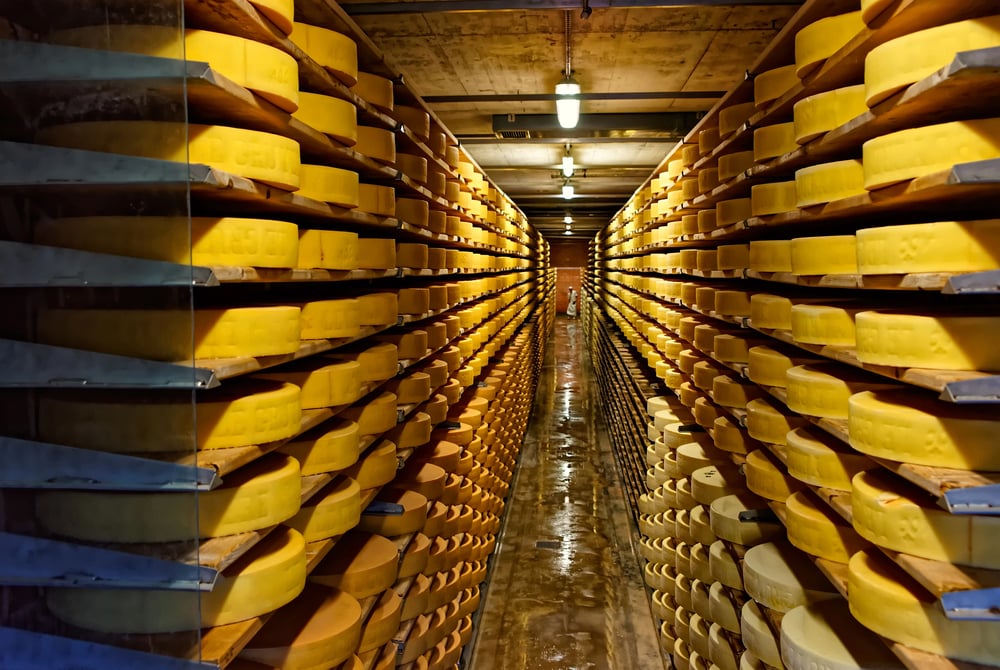
This Italian cheese from Emilia-Romagna has strict production rules that haven’t changed much since the Middle Ages. Cows eat local grass and hay.
The milk goes into copper vats. Wheels age for at least 12 months, though many go 24 or 36.
The result is a cheese with crunchy protein crystals and a deep, nutty flavor that builds on your tongue. You can grate it over pasta, shave it onto salads, or just break off chunks and eat them with honey.
The rind makes soup bases richer. Cheaper imitations exist everywhere, but they miss the point.
Real Parmigiano-Reggiano has a specific taste that comes from a specific place using specific methods. The imitations are just hard cheese.
Gruyère
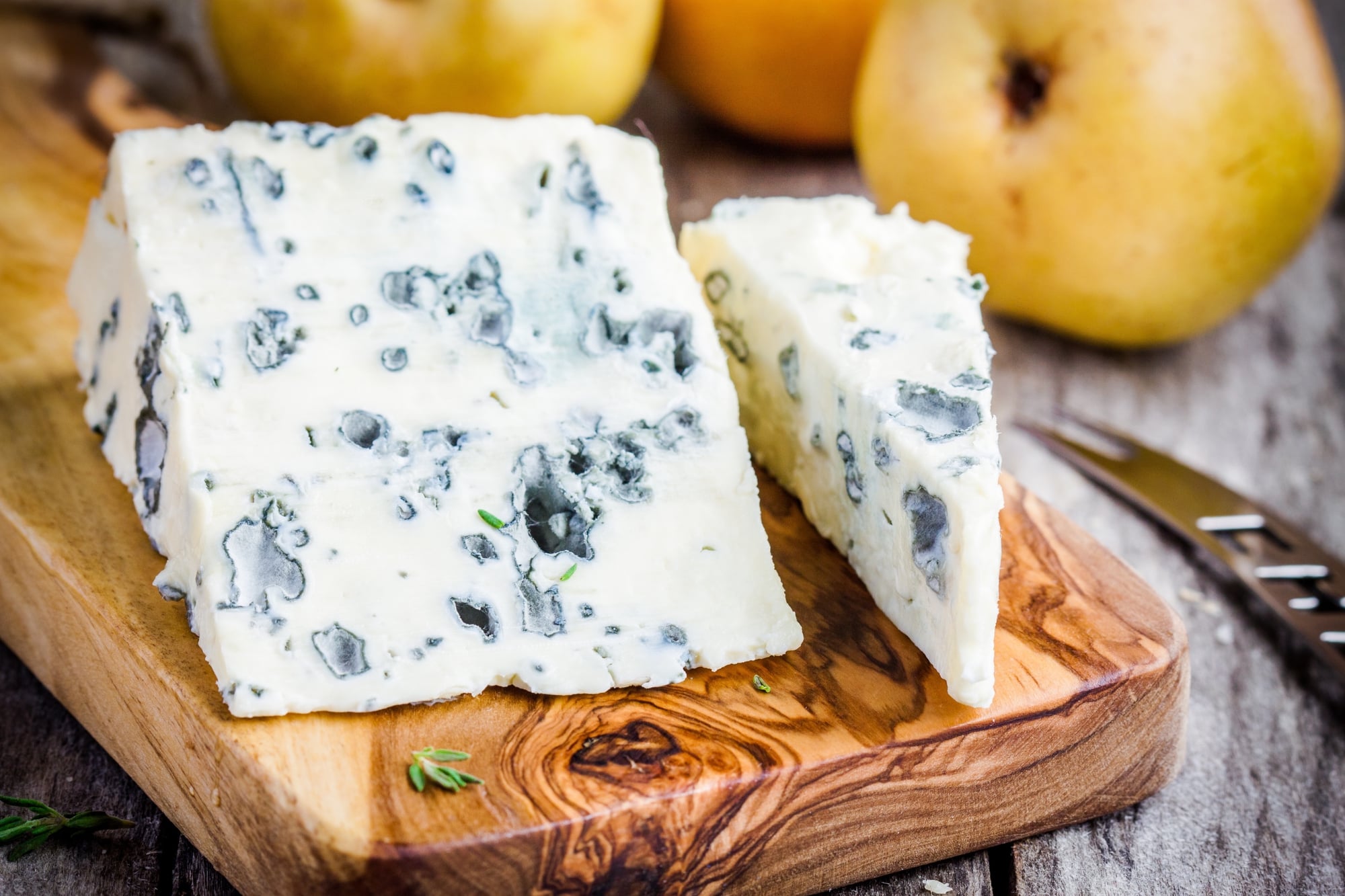
Swiss cheesemakers have been making Gruyère since the 12th century, named after the town of Gruyères in the canton of Fribourg. Today, production extends across the cantons of Fribourg, Vaud, Neuchâtel, Jura, and Berne.
The cheese ages in caves where temperature and humidity stay constant year-round. Young wheels taste mild and slightly sweet.
Aged versions develop a more complex, earthy flavor with hints of fruit. Gruyère melts beautifully, which makes it the foundation of fondue and French onion soup.
But it’s also excellent on a cheese board, sliced thin enough to see through. Roquefort
Roquefort

Blue cheese gets its reputation for being an acquired taste, and Roquefort is partly responsible. This French cheese from the Aveyron region uses raw sheep’s milk and ages in limestone caves where natural Penicillium roqueforti mold grows in the cracks.
The flavor hits hard. Sharp, salty, tangy, with that distinctive blue cheese punch.
The texture is creamy and crumbly at the same time. You either love it immediately or need a few tries before it clicks.
Pair it with sweet things. Port wine.
Honey. Pears.
The sweetness balances the intensity. Manchego
Manchego
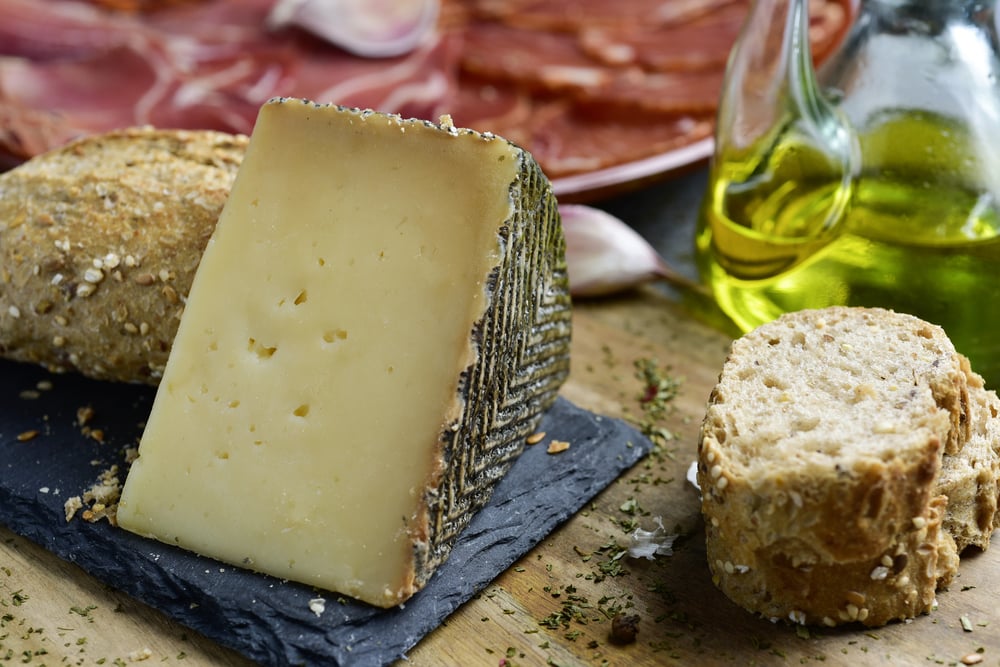
Spain’s most famous cheese comes from La Mancha, made exclusively from the milk of Manchega sheep. The rind shows a distinctive zigzag pattern from the molds used to shape it.
Young Manchego tastes mild and buttery. Aged versions get firmer and develop a sharper, tangier flavor with a slight nuttiness.
The texture becomes almost crumbly. Serve it with quince paste (membrillo) and almonds.
Or just slice it thick and eat it with crusty bread. Brie de Meaux
Brie de Meaux
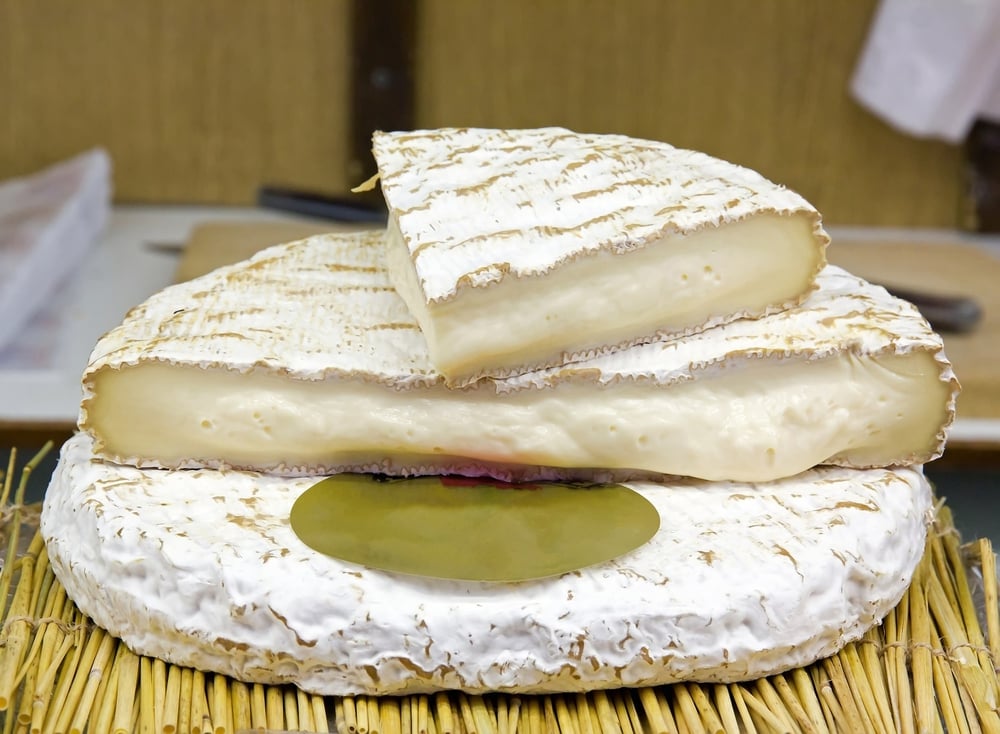
Plenty of brie exists in the world, but Brie de Meaux from the Brie region east of Paris carries the original reputation. The cheese ripens from the outside in, developing a white bloomy rind while the interior becomes increasingly soft and creamy.
A perfectly ripe wheel at room temperature almost oozes. The flavor is buttery and mushroomy with a slight ammonia edge that tells you it’s ready.
Underripe brie tastes chalky. Overripe brie smells like a locker room.
Comté
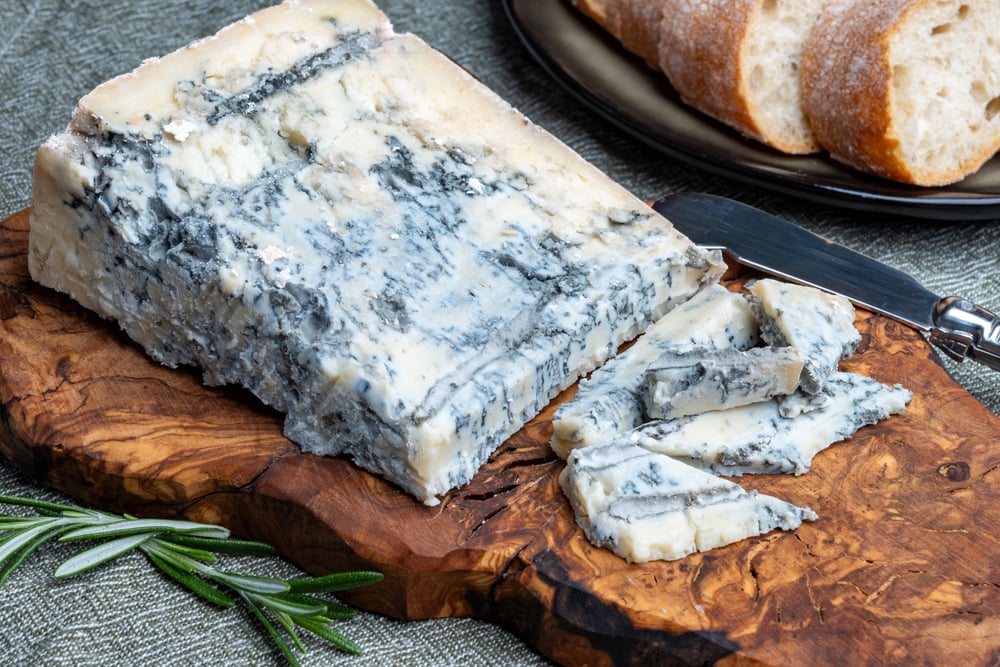
This French cheese from the Jura mountains uses unpasteurized cow’s milk from Montbéliarde or French Simmental cows. The wheels are enormous—often 80 pounds or more—and age for anywhere from 4 to 24 months.
The flavor profile changes dramatically with age. Younger wheels taste sweet and mild.
Older ones develop notes of brown butter, hazelnuts, and sometimes a slight caramel quality. The texture stays firm but pliable.
Comté works everywhere. Sandwiches.
Cheese plates. Melted over potatoes.
It never overwhelms other ingredients. Gorgonzola
Gorgonzola

Italy’s answer to blue cheese comes from Lombardy and Piedmont. Two main styles exist: dolce (young and creamy) and piccante (aged and crumbly).
Gorgonzola dolce spreads like butter and tastes milder than most blue cheeses. You can put it on bread or stir it into risotto.
Gorgonzola piccante has more bite and holds its shape, making it better for crumbling over salads or pasta. Both styles have that characteristic blue-green marbling from Penicillium mold, but the flavors land differently.
Camembert de Normandie
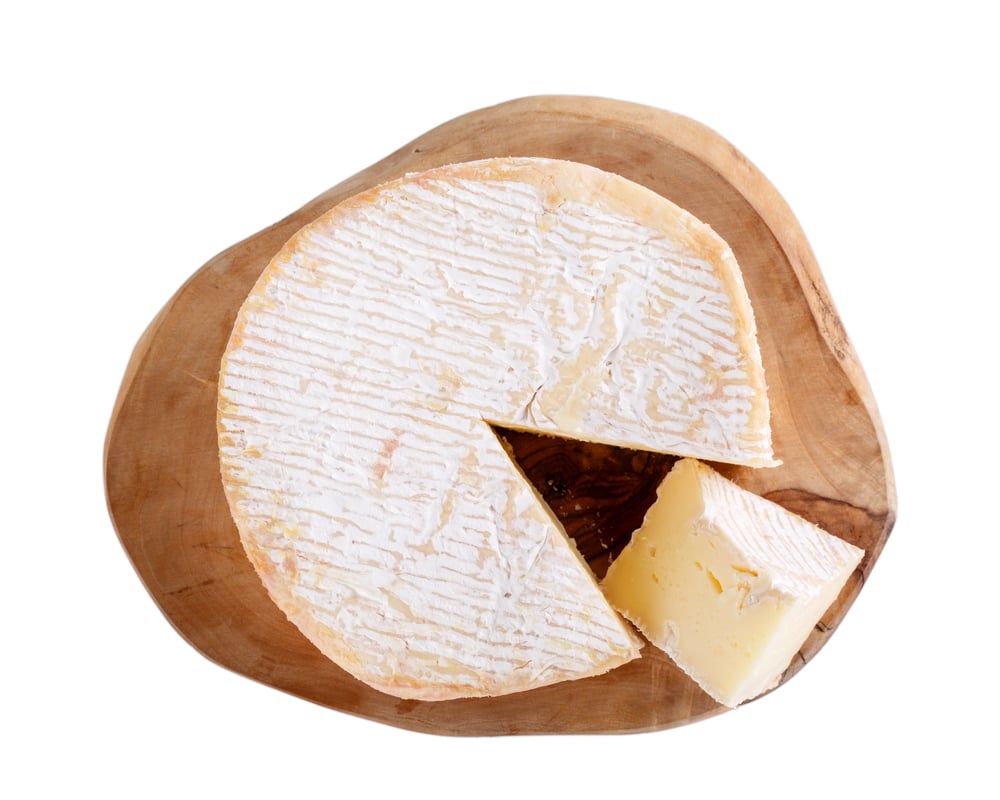
Similar to brie but with its own personality, Camembert from Normandy has a more intense, complex flavor. The rind develops a slightly wrinkled texture, and the interior becomes almost liquid when properly ripe.
Real Camembert de Normandie uses raw milk and comes in small rounds packed in distinctive wooden boxes. Industrial versions use pasteurized milk and taste blander.
Eat it at room temperature with a baguette. Let it sit out for at least an hour before serving.
Stilton

England’s most celebrated blue cheese takes its name from a village in Cambridgeshire where it was historically sold, though it can only be made in three counties: Derbyshire, Leicestershire, and Nottinghamshire. The cheese has a firm, slightly crumbly texture with blue-green veins throughout.
The flavor is rich and tangy but less aggressive than Roquefort. There’s a nutty quality underneath the sharpness.
Traditional pairings include port wine and walnuts. Stilton also comes in a white version without the blue mold, though it’s less common outside Britain.
Emmental

The cheese with the pits. Those large cavities form during fermentation when bacteria release carbon dioxide.
The Swiss original from the Emme valley has a sweet, nutty flavor that’s milder than Gruyère. Emmental melts smoothly, which made it a classic for fondue and sandwiches.
The flavor doesn’t overpower other ingredients, so it works as a supporting player in dishes where you want cheese without cheese being the star. Pecorino Romano
Pecorino Romano
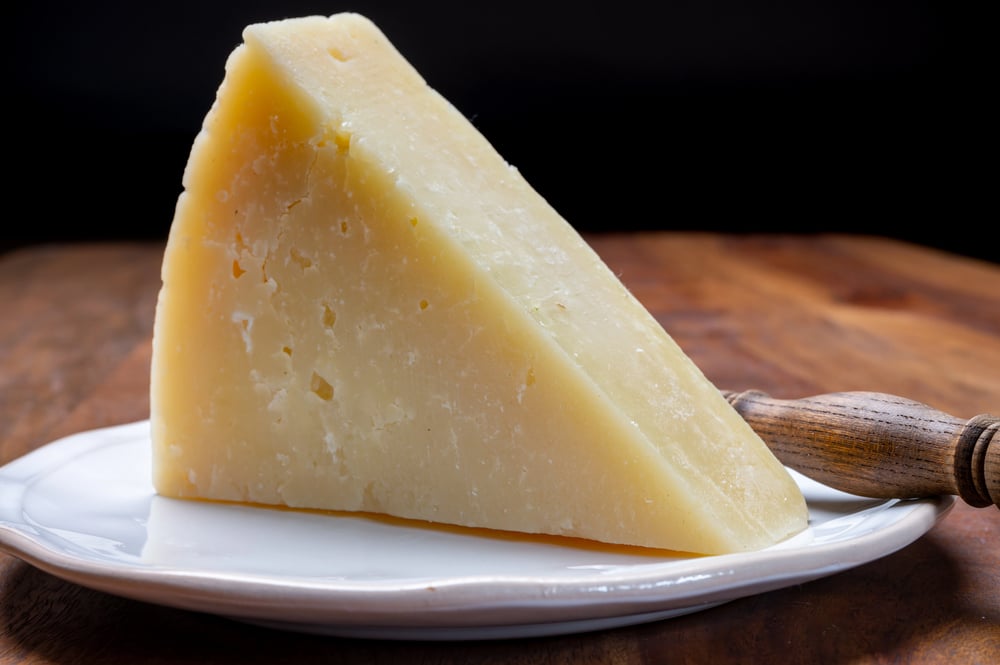
Roman soldiers ate this hard sheep’s milk cheese two thousand years ago. Production today takes place in Lazio (where it originated), Sardinia (which now produces over 90% of it), and the province of Grosseto in Tuscany.
The flavor is salty and sharp, more aggressive than Parmigiano-Reggiano. Pecorino Romano grates well over pasta, especially Roman dishes like cacio e pepe and amatriciana where its intensity is essential to the recipe.
Age matters here too. Younger wheels taste milder.
Older ones can almost burn your tongue with saltiness. Mozzarella di Bufala
Mozzarella di Bufala
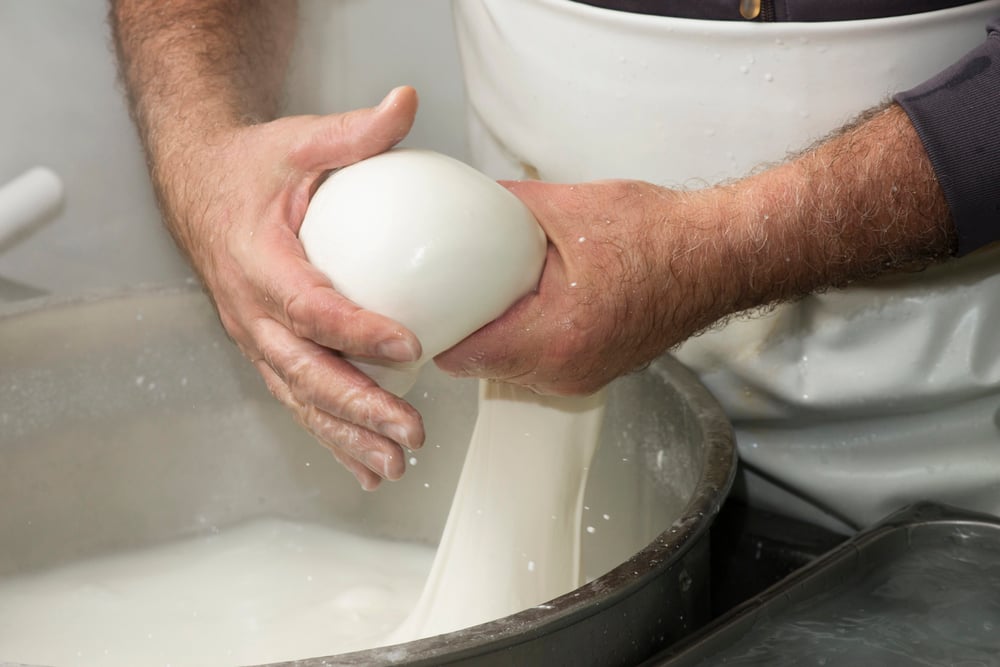
Fresh mozzarella from water buffalo milk tastes nothing like the rubbery stuff on most pizzas. Real mozzarella di bufala from Campania is soft, milky, and delicate.
It’s best eaten within hours of being made. The texture gives slightly when you bite through the outer layer, releasing the creamy interior.
The flavor is subtle—fresh milk with a hint of tang. Serve it with tomatoes and basil, or just eat it plain with good olive oil and salt.
This cheese doesn’t travel well or keep long. If you can get it fresh in Italy, you’ll understand why people make such a fuss about it.
Époisses
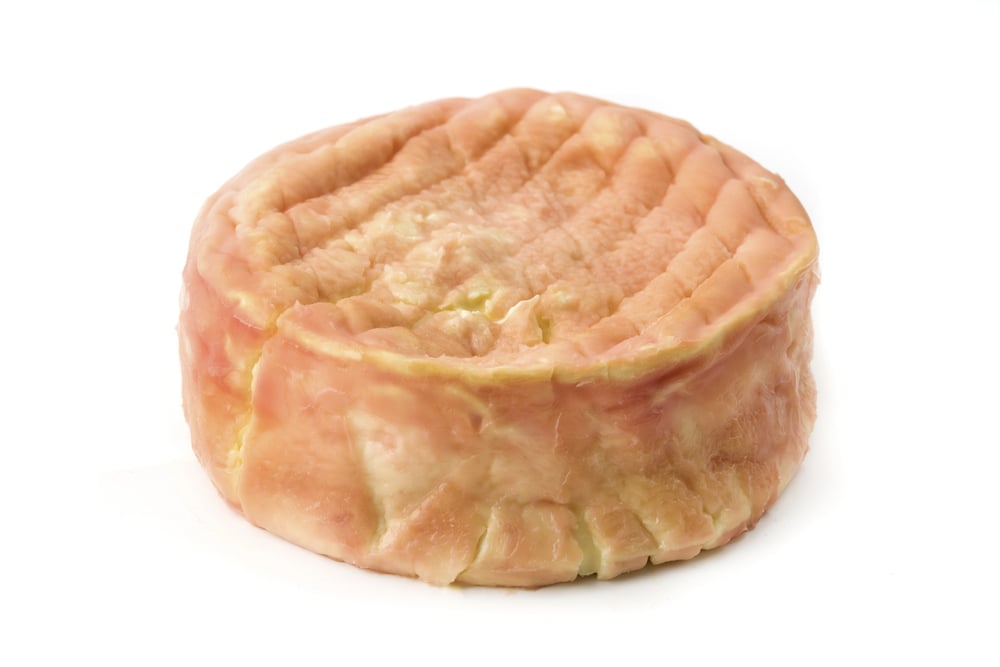
France has many pungent cheeses, but Époisses might be the most notorious. This washed-rind cheese from Burgundy gets bathed in marc (grape brandy) during aging, which encourages specific bacteria to grow on the surface.
The result smells powerful. Really powerful.
Some people find it genuinely offensive. But the taste is milder than the smell suggests—rich, meaty, slightly sweet with a hint of the brandy.
Eat it very ripe, when the interior is almost liquid. Spread it on bread.
Don’t smell it too deeply first. Where Milk Becomes Memory
Where Milk Becomes Memory
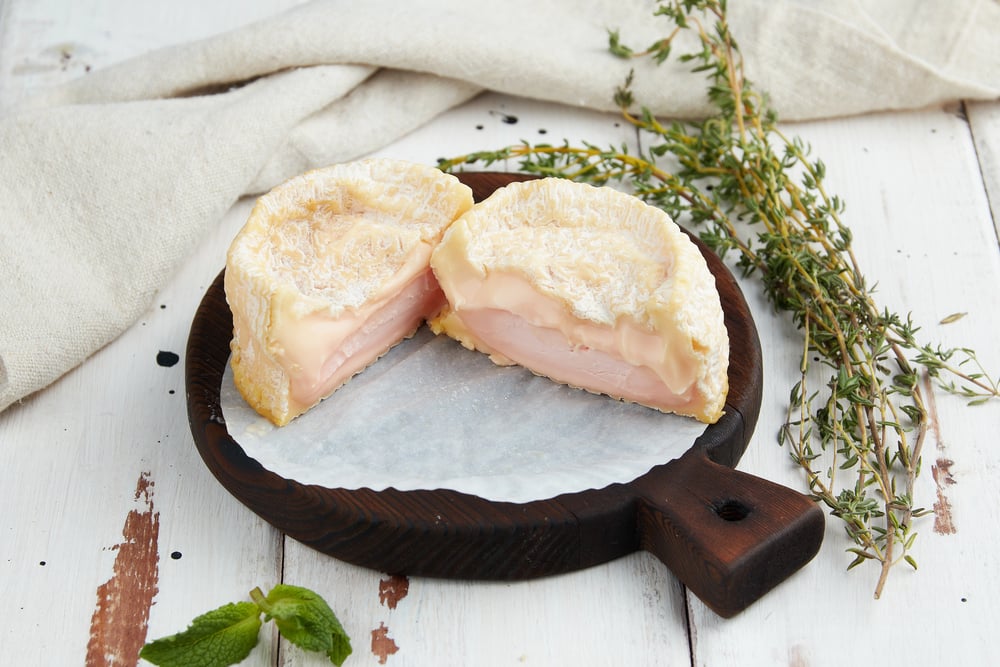
A story hides inside every great cheese. Centuries live in a single wheel of Parmigiano-Reggiano, passed quietly from one maker to the next.
Monks once shaped Époisses in quiet monasteries, where damp rinds were born. Taste doesn’t require understanding.
Still, when you eat cheese, knowledge gives depth. Next moment your teeth break through aged Gruyère or soft mozzarella, remember hands trained over years to make it perfect.
That flavor carries soil under hooves, rain on pastures, air drifting over hills – everything soaked into milk before reaching you. What gives cheese its meaning is how it carries tradition.
Not merely something eaten, each round holds patience, hands that shaped it. A quiet art lives inside every curve of rind.
More from Go2Tutors!

- The Romanov Crown Jewels and Their Tragic Fate
- 13 Historical Mysteries That Science Still Can’t Solve
- Famous Hoaxes That Fooled the World for Years
- 15 Child Stars with Tragic Adult Lives
- 16 Famous Jewelry Pieces in History
Like Go2Tutors’s content? Follow us on MSN.