Classic Board Games That Ruined Friendships
Board games were supposed to bring families and friends together for wholesome fun and quality time.Instead, they often turned living rooms into war zones where alliances crumbled, accusations flew, and people stormed off in anger.
These seemingly innocent cardboard boxes and plastic pieces had a way of revealing the worst in people, transforming sweet grandmothers into ruthless competitors and best friends into bitter rivals. Here are the games that caused the most damage to relationships over the years.
Monopoly
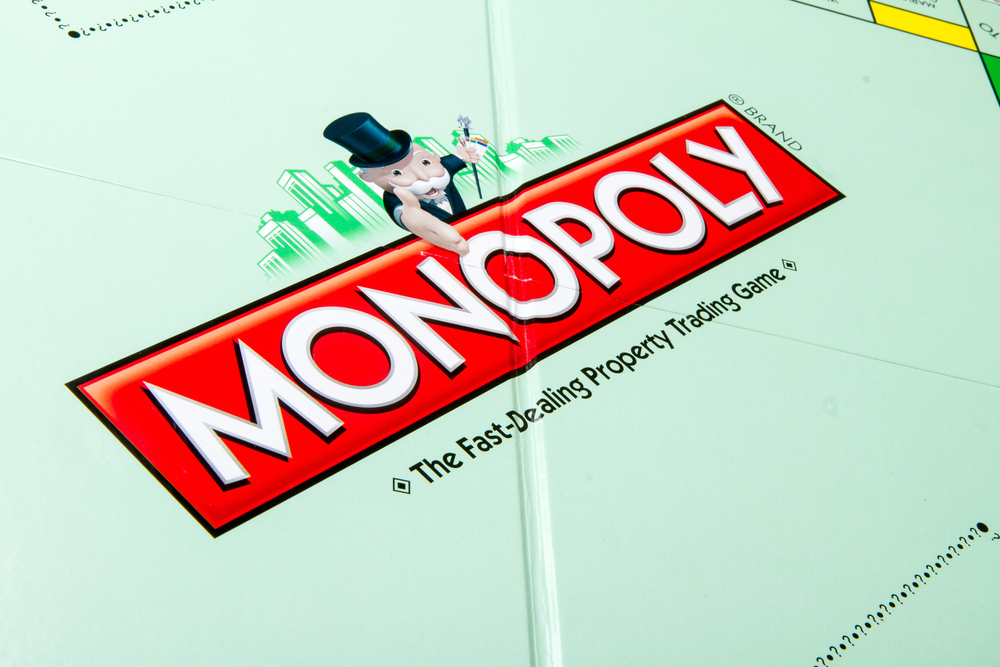
This property-trading game has probably destroyed more friendships than any other board game in history. People stopped talking to their siblings for weeks after losing everything to someone who owned all the railroads.
The combination of bad dice rolls and watching your cousin collect rent while you went bankrupt made you want to flip the board across the room. Games dragged on for hours with no end in sight, and by hour three, everyone genuinely hated whoever was winning.
That smug look on your brother’s face when he put a hotel on Boardwalk? Yeah, that still comes up at family gatherings decades later.
Risk
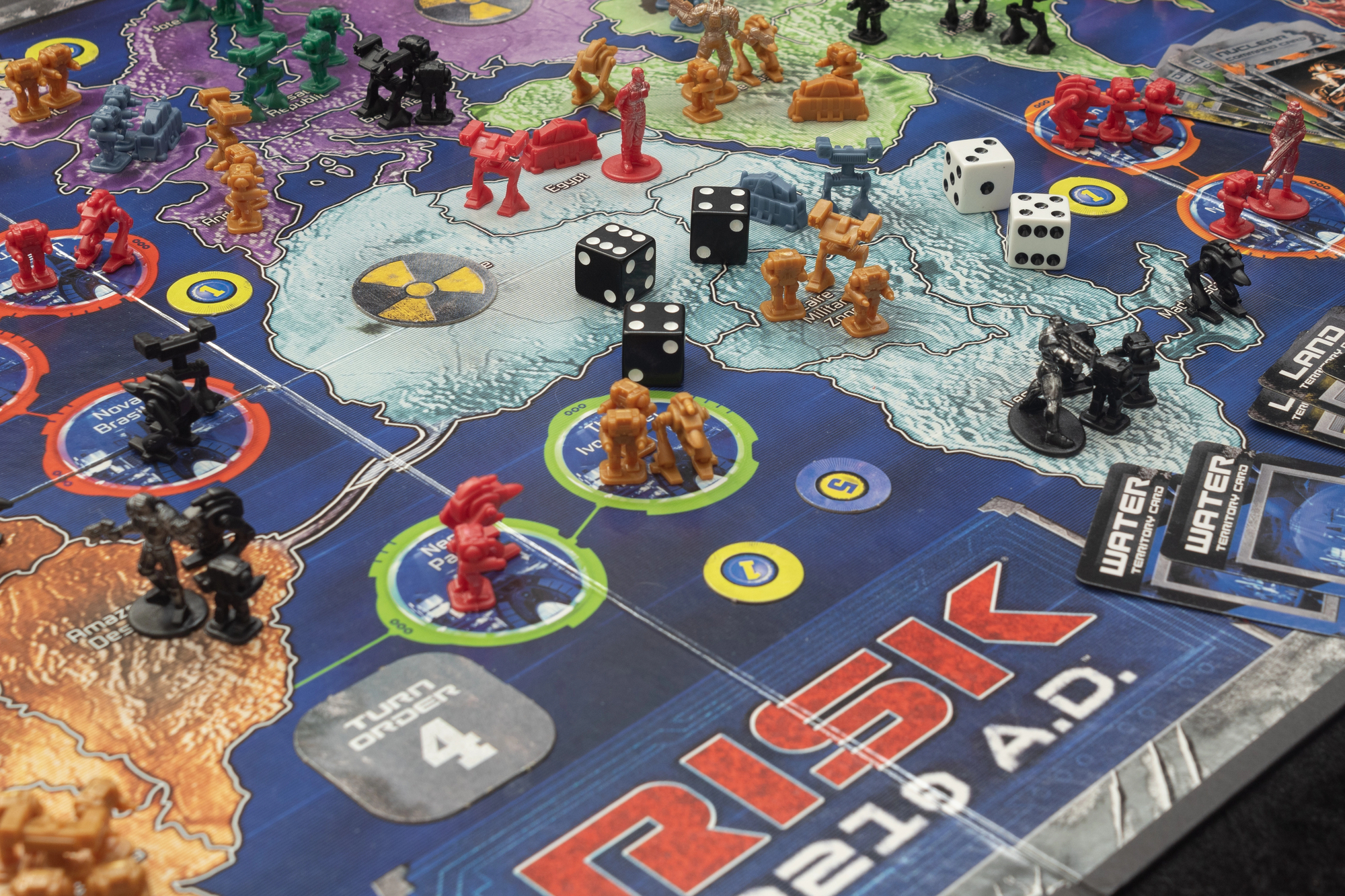
Trying to conquer the world with your best friends sounds fun until someone stabs you in the back and takes over South America. The game forced people to make alliances they knew would break eventually, and when that betrayal came, it stung in real life too.
Someone always got emotional when their carefully planned strategy fell apart because their trusted ally suddenly turned on them. Entire evenings ended with people walking out before the game finished because they couldn’t stand to watch their former friend celebrate victory.
Australia became the most fought-over continent in households across America, causing genuine anger over a plastic game board.
Uno
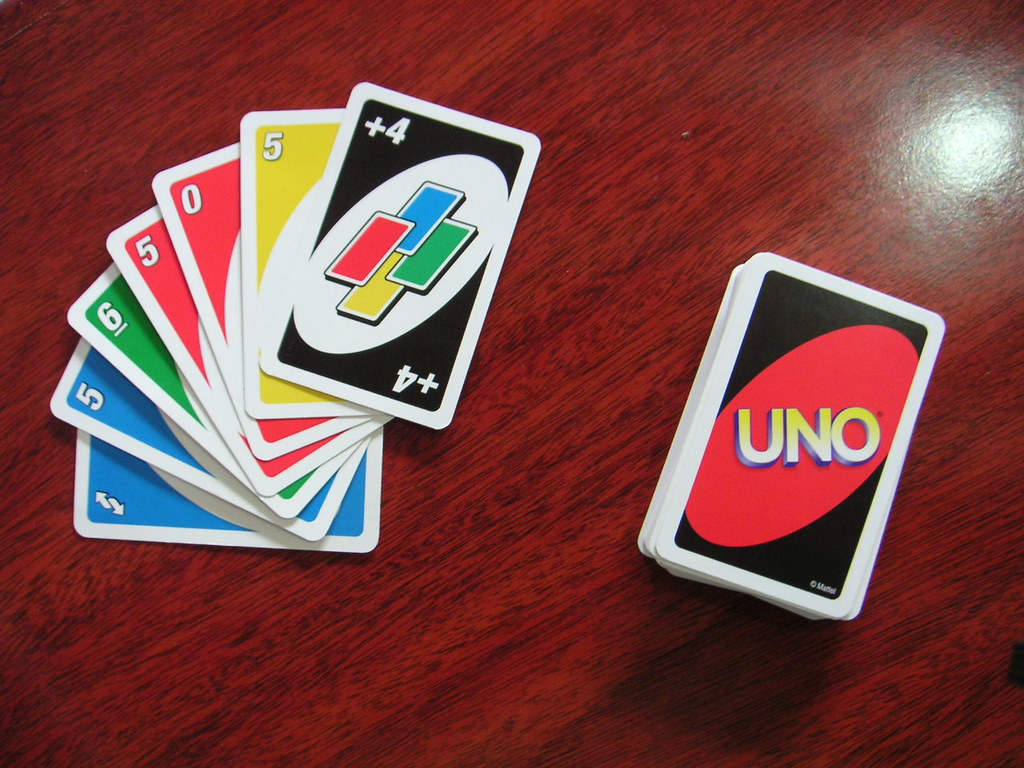
A simple card game with colors and numbers somehow turned into a battle of wills when someone slapped down a Draw Four.Arguments exploded over house rules that different families swore were the official way to play.
Your best friend hit you with a Skip card three times in a row, and suddenly you questioned whether you even liked them anymore.The worst part was watching someone win because nobody noticed they forgot to say ‘Uno’ until it was too late.
That deck of cards destroyed more peaceful evenings than anyone wants to admit.
Sorry
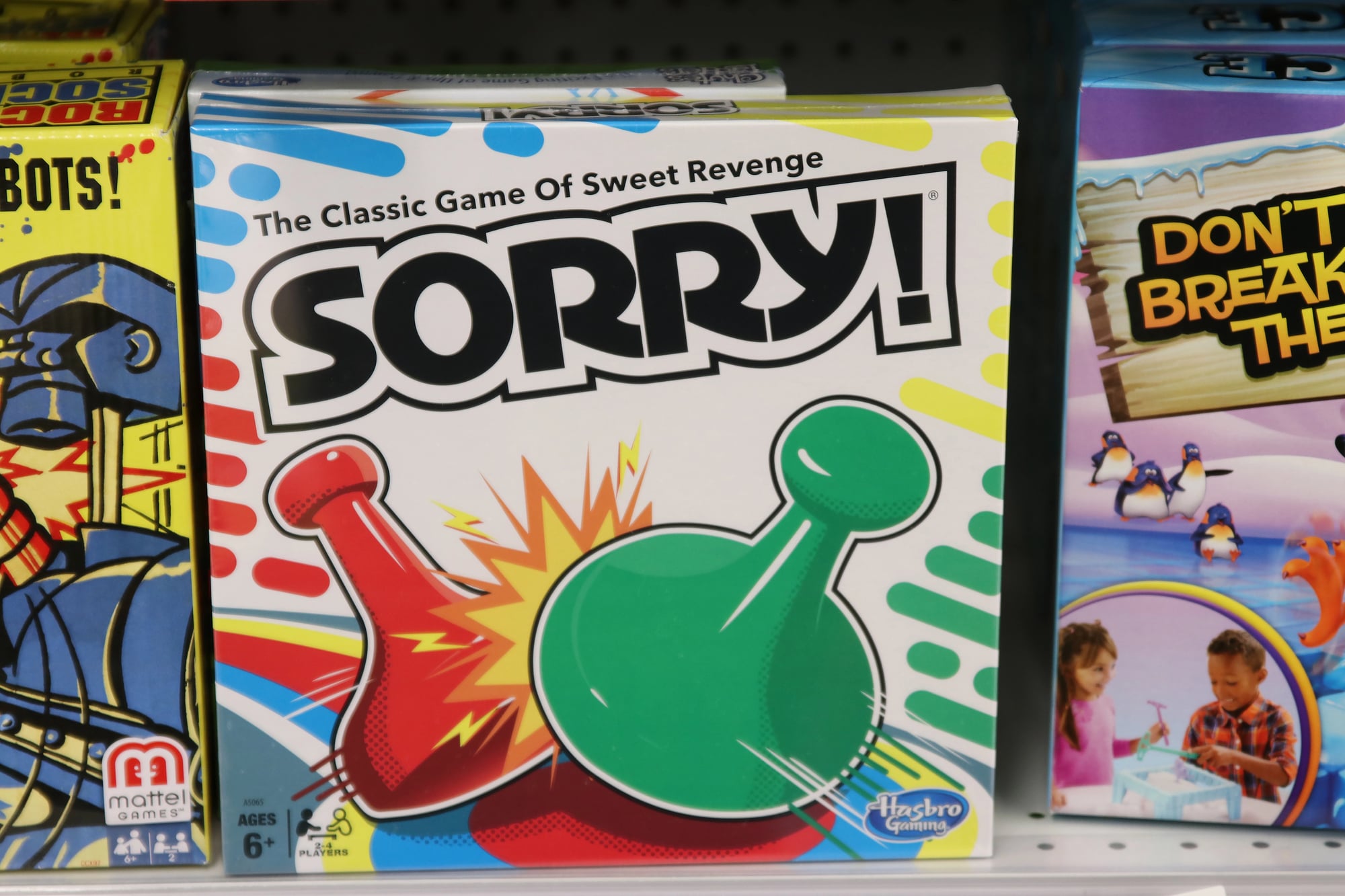
The game literally had ‘sorry’ in the title, but nobody ever meant it when they sent your piece back to start. Kids learned early that apologizing didn’t matter if you kept doing the same mean thing over and over.
Your sister would knock you back right before the finish line and giggle about it, creating resentment that lasted way longer than the game. Getting bumped when you were almost safe felt like a personal attack every single time.
The cheerful design of the board did nothing to hide how cruel the actual gameplay was.
Scrabble
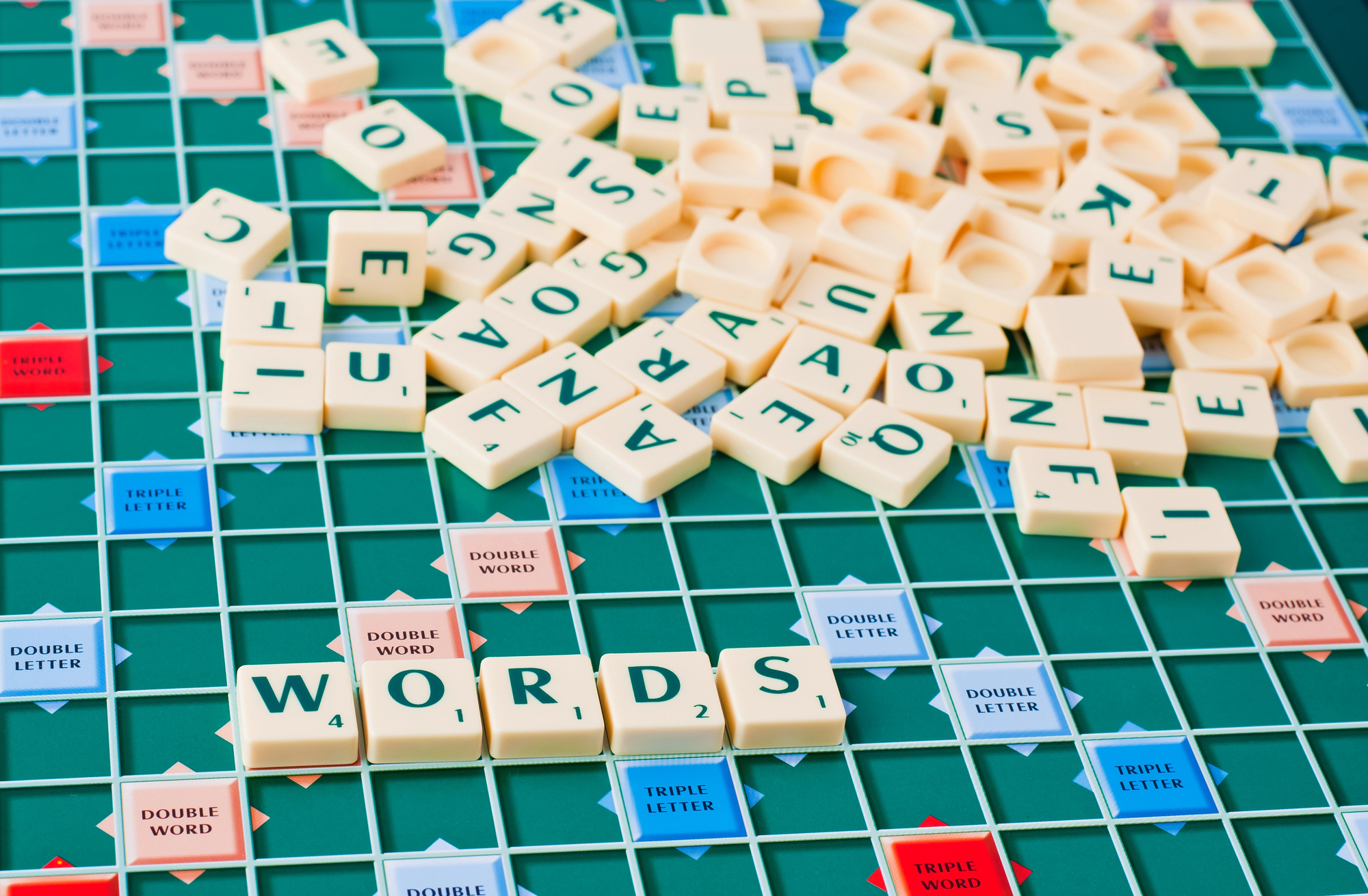
This word game turned dinner tables into courtrooms where people argued about whether ‘QI’ was a real word. Someone always played a seven-letter word on a Triple Word Score and acted like they just won an Olympic medal.
Accusations of making up words flew around the room, and dictionary arguments got heated fast. The person who memorized all those weird two-letter words nobody had heard of made everyone else feel dumb.
A game about words somehow left people speechless with rage.
Settlers of Catan
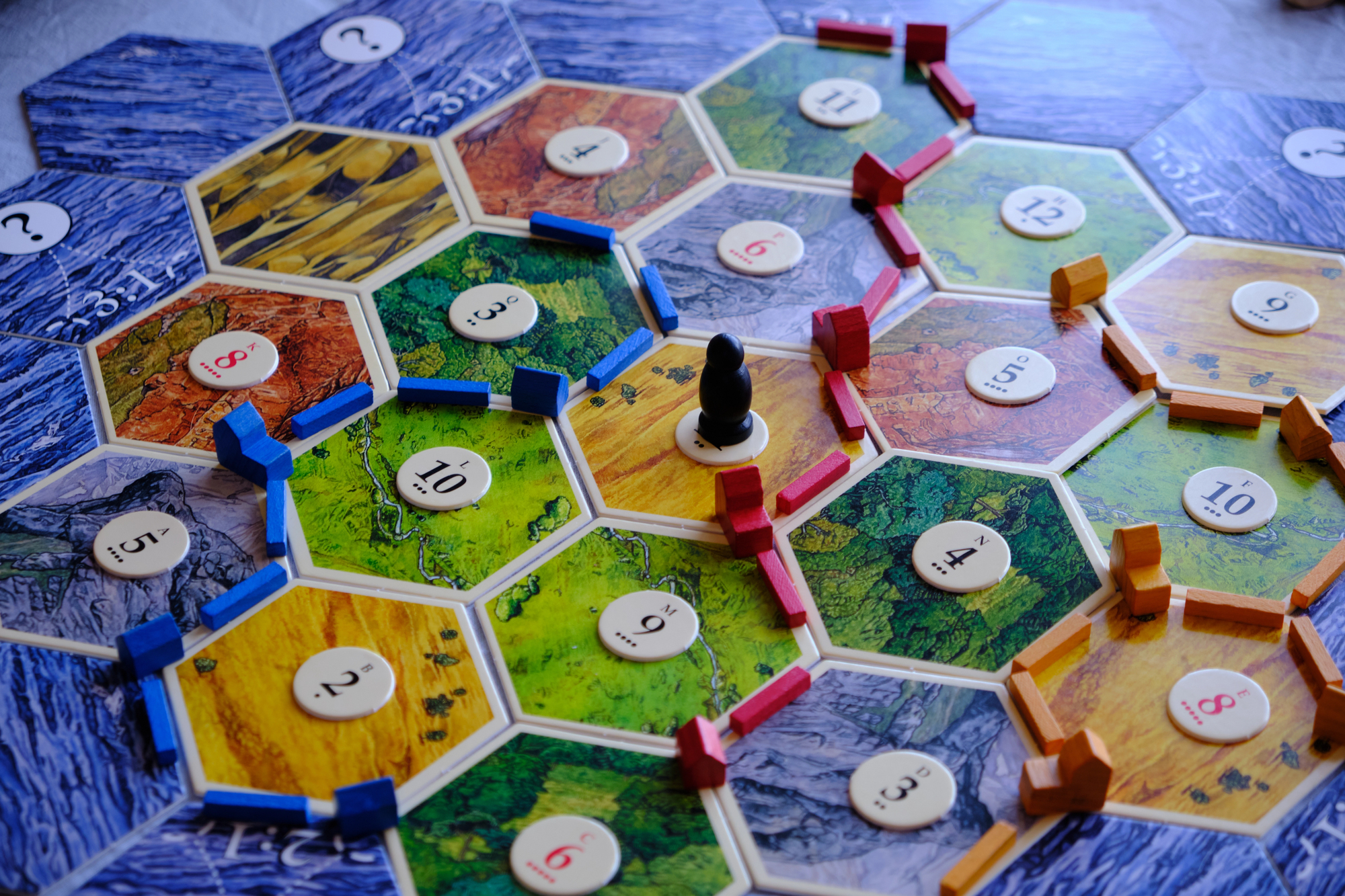
This resource-trading game taught people exactly how far their friends would go to get some wheat and ore. Someone always built the longest road first and then acted like they’d accomplished something important in life.
Trade offers got rejected out of spite, not strategy, and those grudges carried over to multiple game nights. The robber piece let you steal from whoever was doing well, which meant everyone ganged up on one person until they rage-quit.
Watching your friend refuse to trade with you over something that happened two rounds ago? That hurt more than losing.
Clue
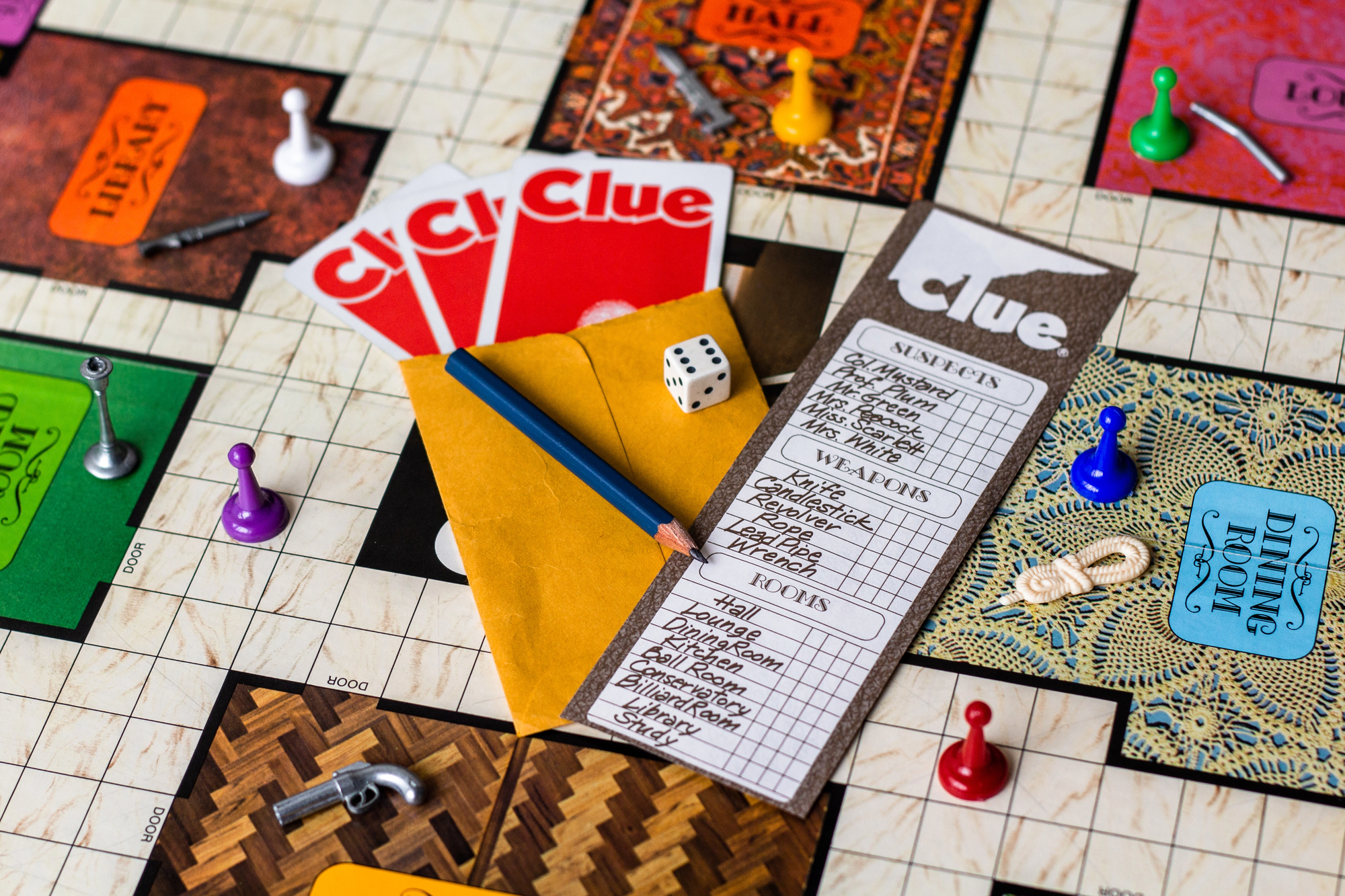
Accusing friends of committing fake murders in a mansion seemed harmless until people started lying about their cards on purpose. The person who solved the mystery by pure dumb luck while others took careful notes felt completely unfair.
Arguments broke out when someone claimed they didn’t have a card that they clearly showed earlier in the game. Colonel Mustard became code for whoever was playing dirty that particular night.
A detective game turned friends into suspicious enemies who couldn’t trust each other’s answers.
Jenga
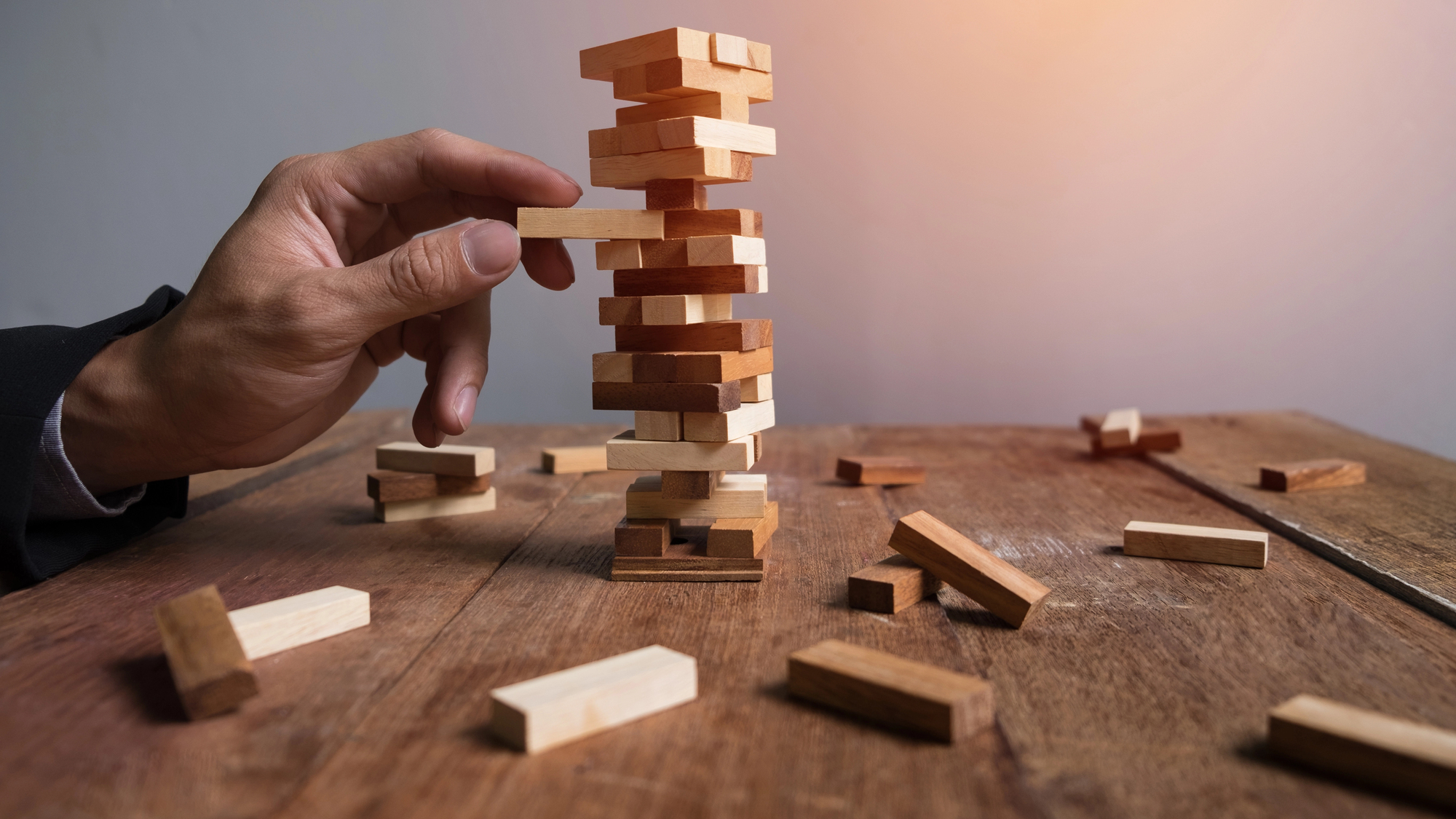
Watching someone take five minutes to pull out one wooden block tested everyone’s patience to the limit. The tower was clearly going to fall, but people kept blaming whoever happened to be going when it finally crashed.
Your roommate would barely touch a block and claim it didn’t count as their turn, starting arguments about what the rules actually said. Some players tapped every single piece before choosing, driving everyone else up the wall.
That moment of collapse was only satisfying if you weren’t the one holding the block when it happened.
Trivial Pursuit
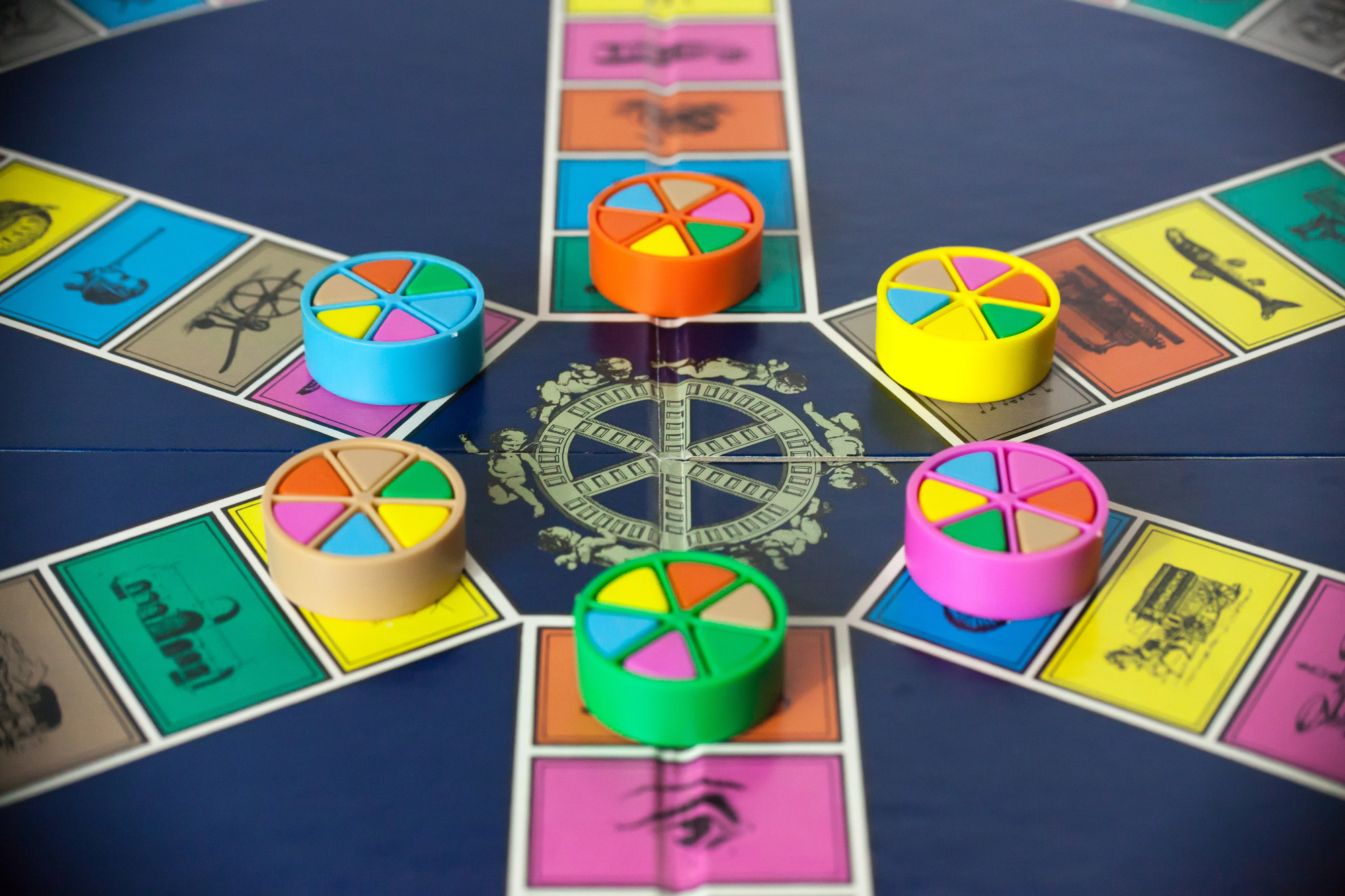
This game exposed who actually knew stuff and who just talked like they did. Getting stuck on the same colored wedge for half an hour while your opponent cruised around the board felt humiliating.
Someone always dominated the sports category but knew nothing about entertainment, creating team drama when people paired up. The question reader gave away answers with their facial expressions, causing accusations of cheating.
Losing at Trivial Pursuit felt like losing at life, not just a game.
Battleship
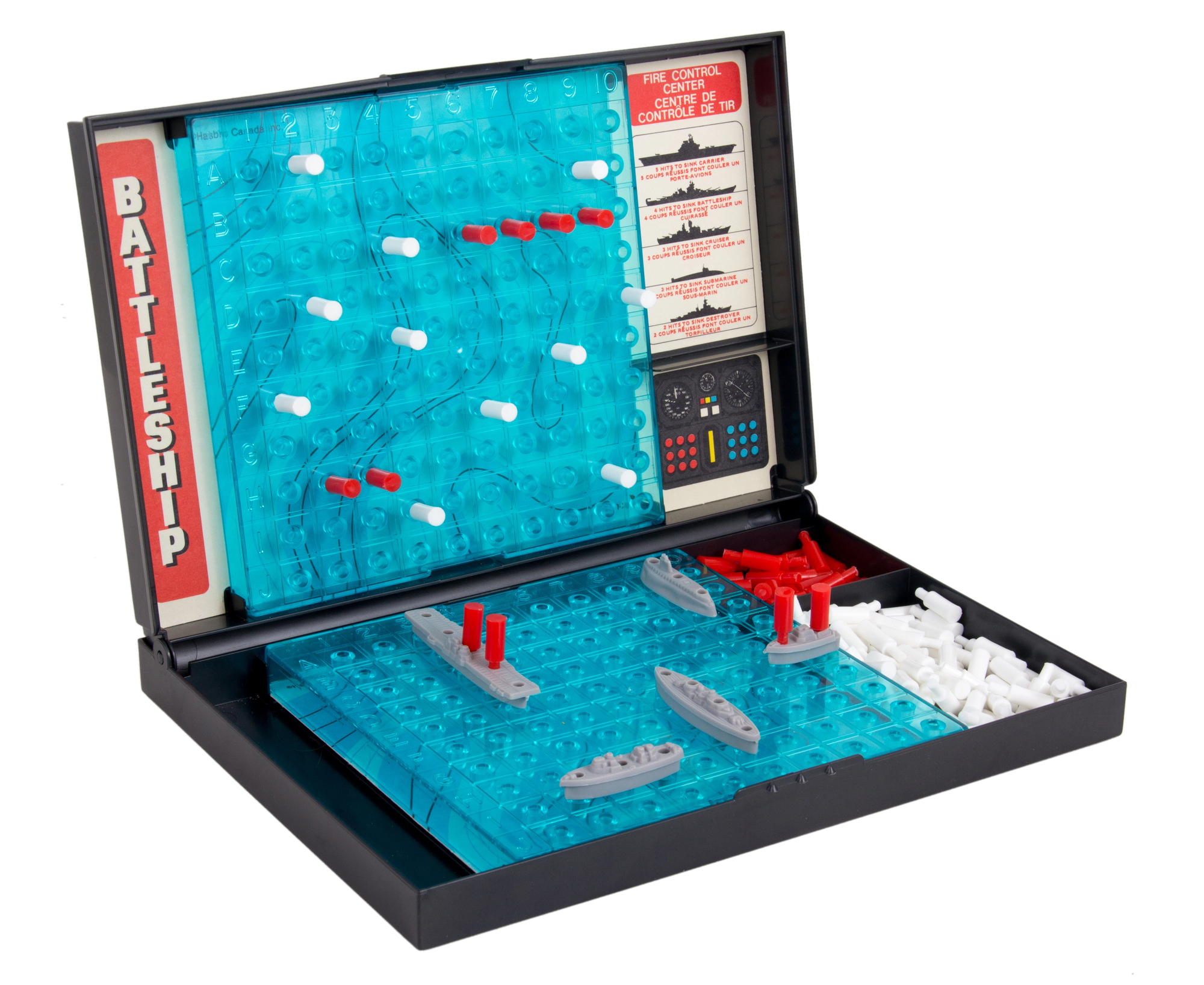
This supposedly fair game relied on the honor system, which broke down the second someone started losing badly. Players swore their opponents were peeking at ship placements or moving vessels between turns.
Your friend developed a calling pattern that always found your ships first, and you suspected they were cheating but could never prove it. Sinking someone’s carrier while they’d barely hit one of your patrol boats felt cruel but oh so satisfying.
The game taught kids that war was random and frustrating, which was probably accurate but not exactly fun.
Pictionary
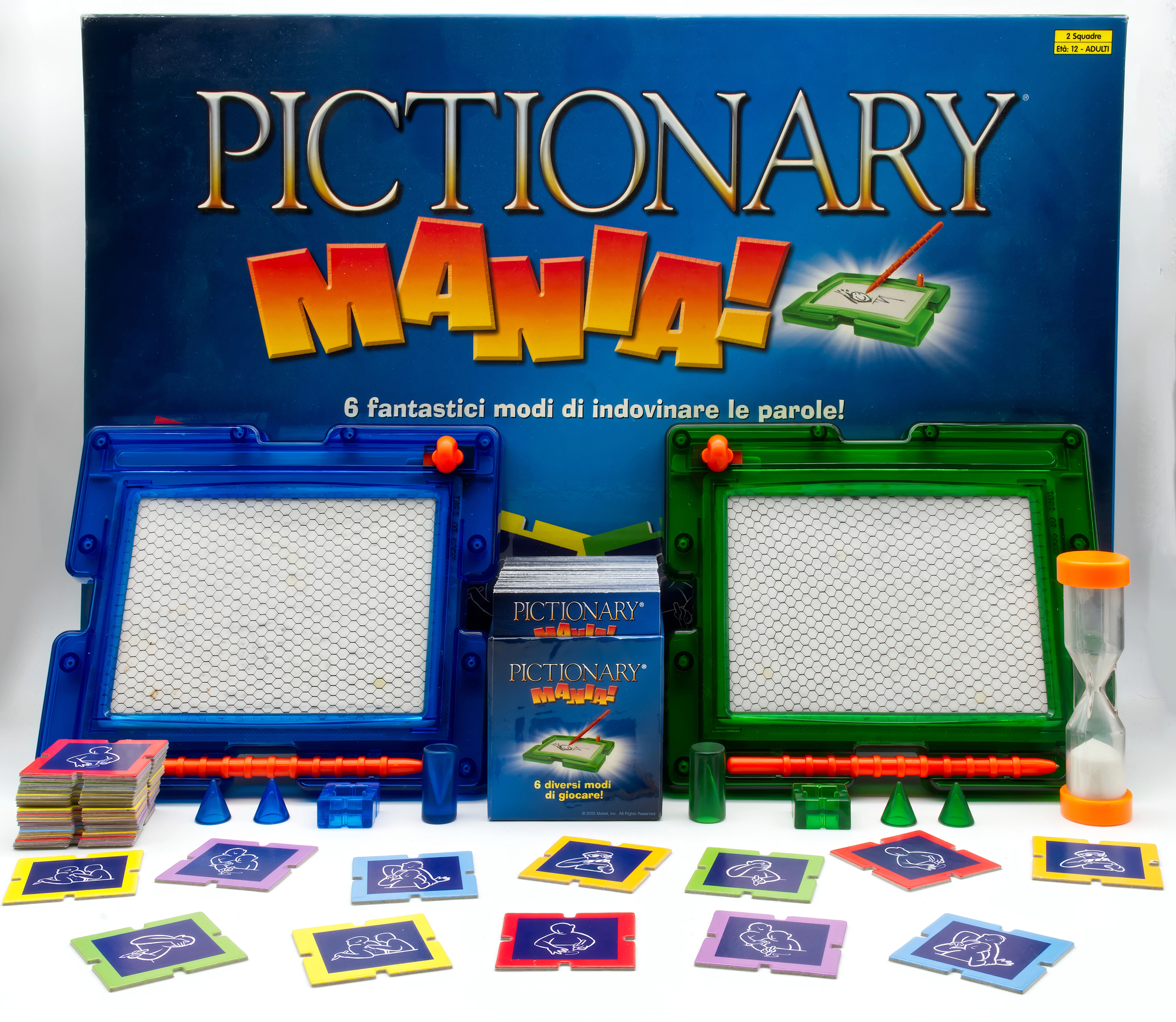
Team success suddenly depended on whether someone could draw, and terrible artists got roasted by their own partners. People yelled increasingly desperate guesses while their teammate frantically scribbled pictures that looked like abstract nonsense.
The team with someone who could actually draw won every time, creating an unfair advantage that artistless teams openly resented. Your drawing of a simple house got mistaken for a factory, a prison, and somehow a shoe.
Years later, people still bring up that time you cost your team the win with your awful drawing skills.
The Game of Life
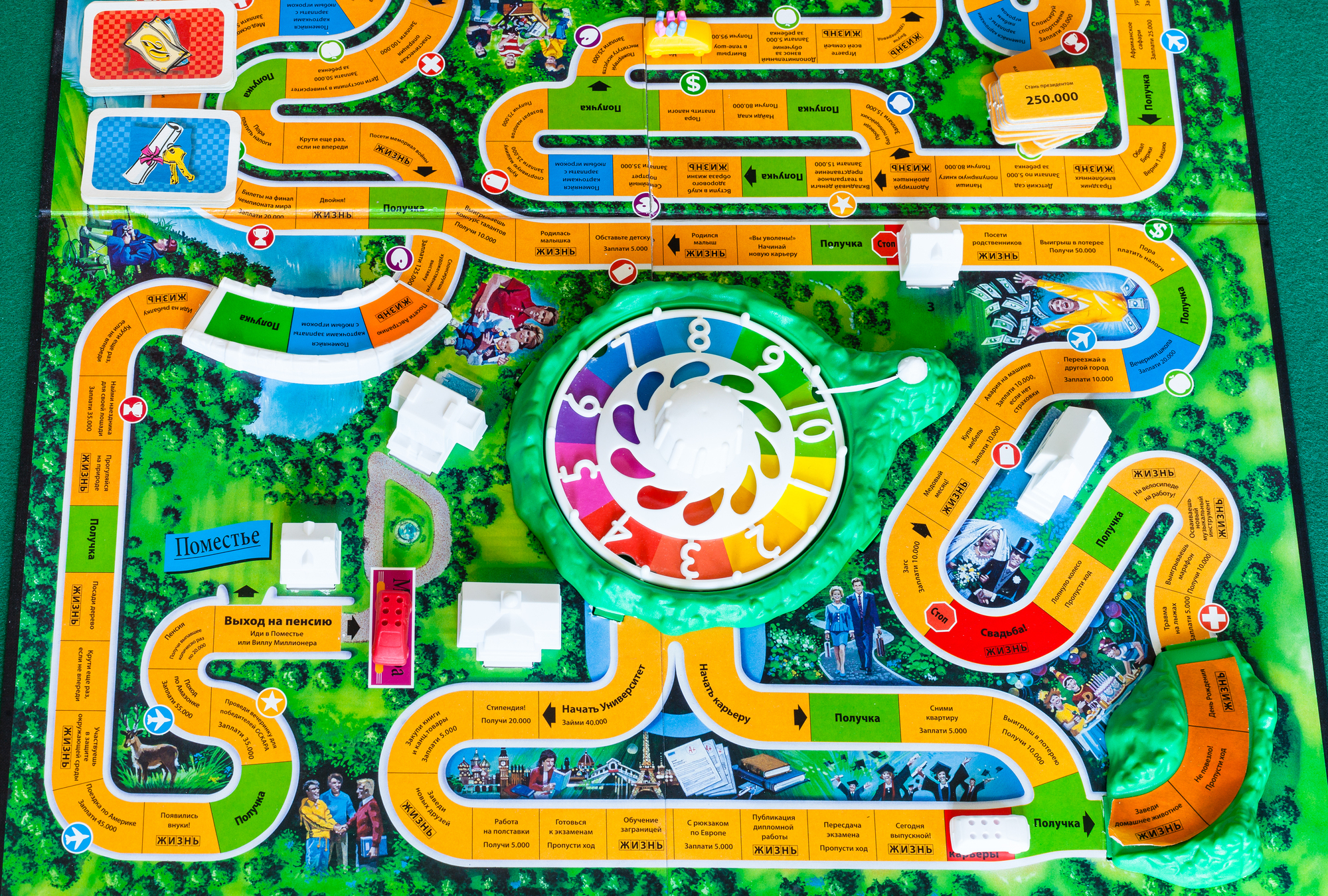
This cheerful game about life stages was actually kind of depressing when you realized everything came down to luck. Landing on the doctor career space while your friend got stuck as a teacher with a tiny salary felt unfair from the start.
The person who took the risky college path and succeeded wouldn’t shut up about it for the rest of the game. Those little plastic pink and blue pegs represented spouses and kids you got randomly assigned, which felt weird even as children.
Life taught players that success was mostly random chance, which was honest but pretty sad for a family game.
Aggravation
The name told you exactly what you were in for, but people played anyway and got upset when it was delivered. Knocking someone’s marble back to start right before they reached home was legal but felt deeply personal every time.
Your cousin rolled perfect numbers all game while you suffered through terrible luck, and watching them win felt genuinely aggravating. The safe spaces and shortcuts created obvious advantages that some players exploited mercilessly.
Kids learned that sometimes things were just unfair and there wasn’t a darn thing you could do about it.
Cranium
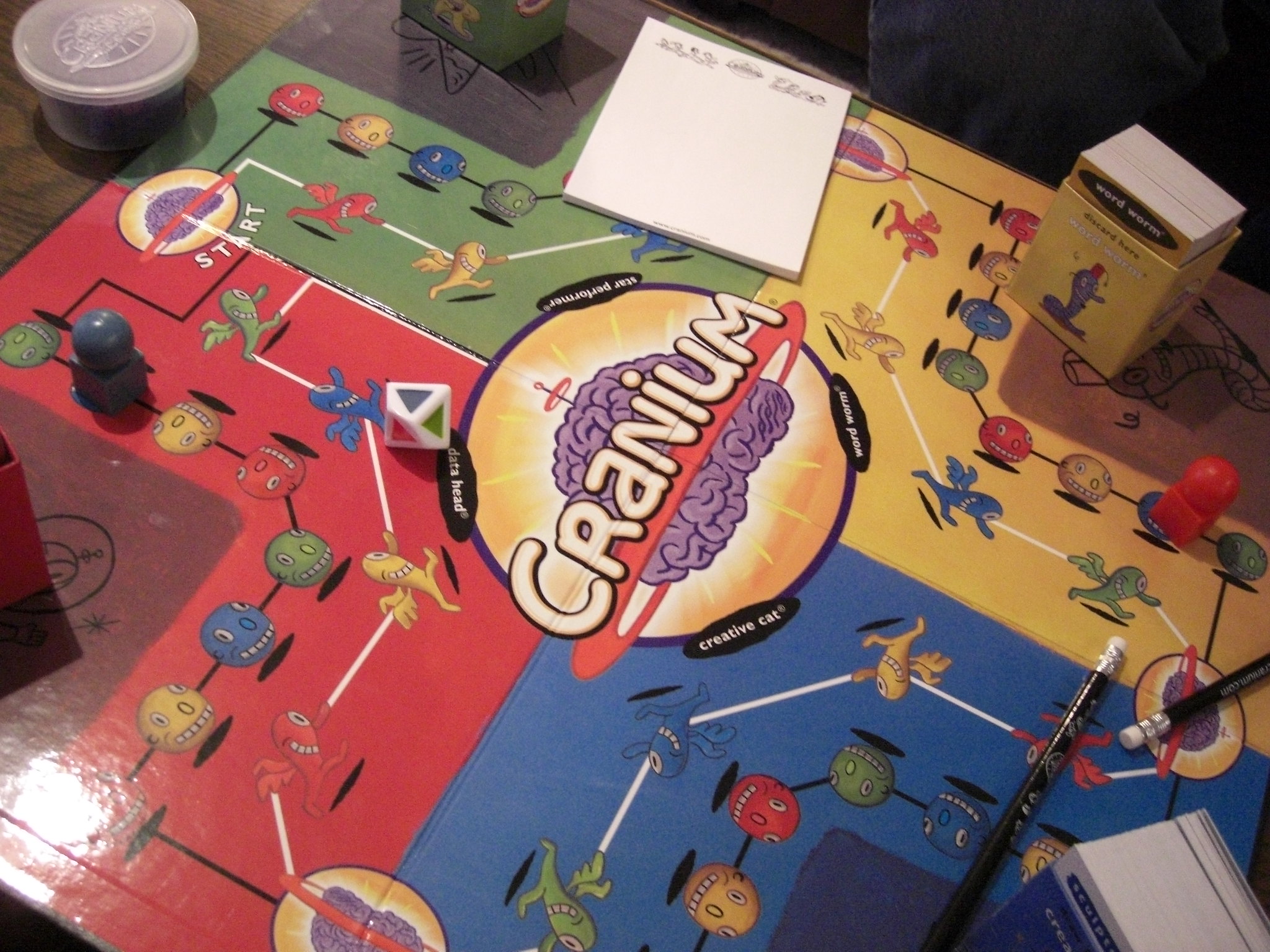
This game required singing, drawing, sculpting, and trivia, guaranteeing everyone would embarrass themselves at something. The person who couldn’t sculpt clay held back the entire team during creative challenges, and their teammates never let them forget it.
Humming a song that nobody could recognize created frustration on all sides. Some players breezed through every challenge while others struggled with each category, making uneven teams painfully obvious.
Exposing everyone’s weaknesses in front of the whole group didn’t bring people closer together like the box promised.
Trouble
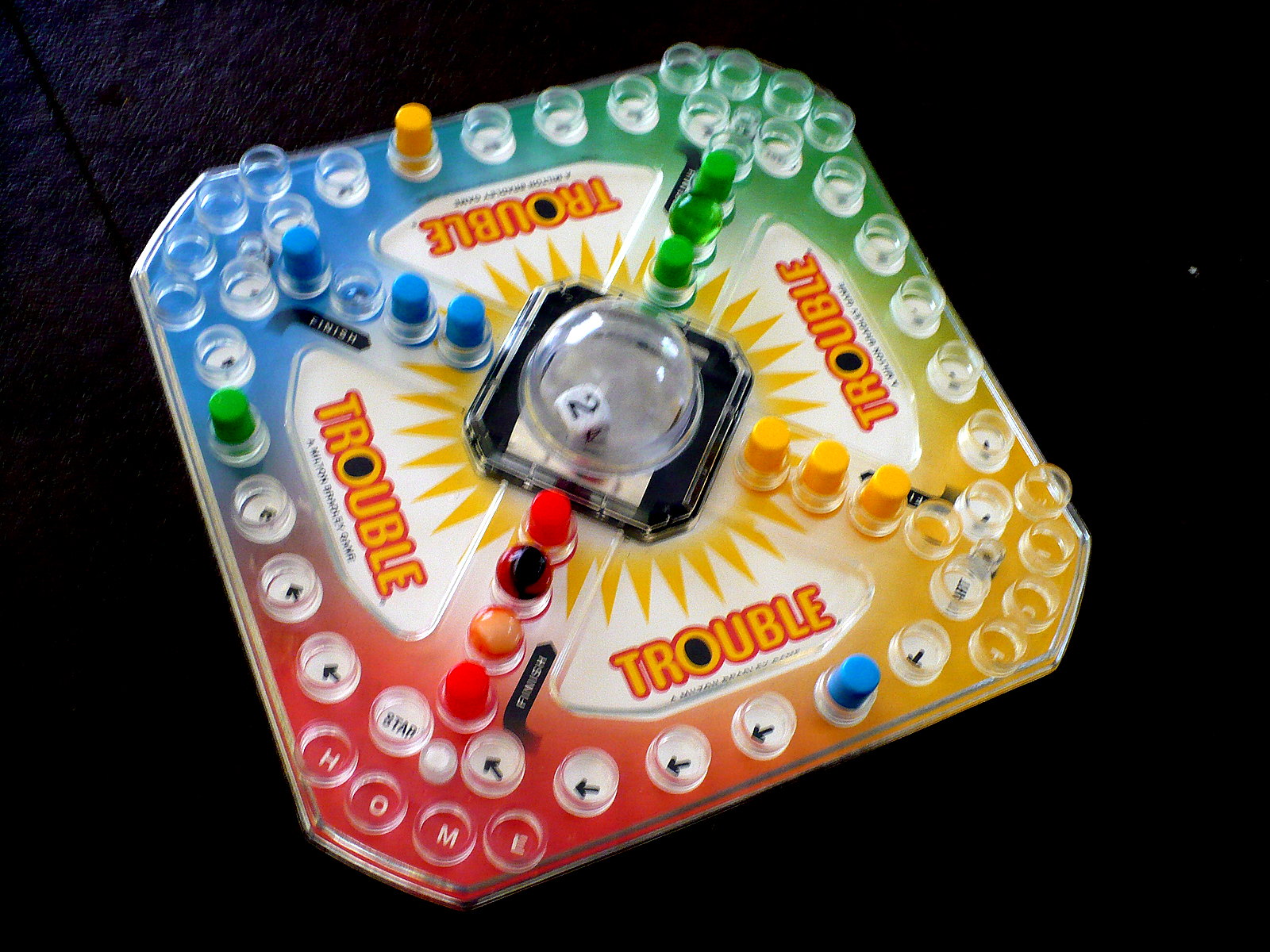
That Pop-O-Matic bubble was fun to press but everything else about the game caused actual trouble. Sending someone back home right before they reached the finish felt legal but morally wrong.
Rolling sixes at perfect moments while your opponent got stuck rolling ones looked like the game was rigged against them. Little kids who didn’t understand strategy made random moves that accidentally helped some players and screwed over others.
The game lived up to its name in the worst way possible.
Candy Land
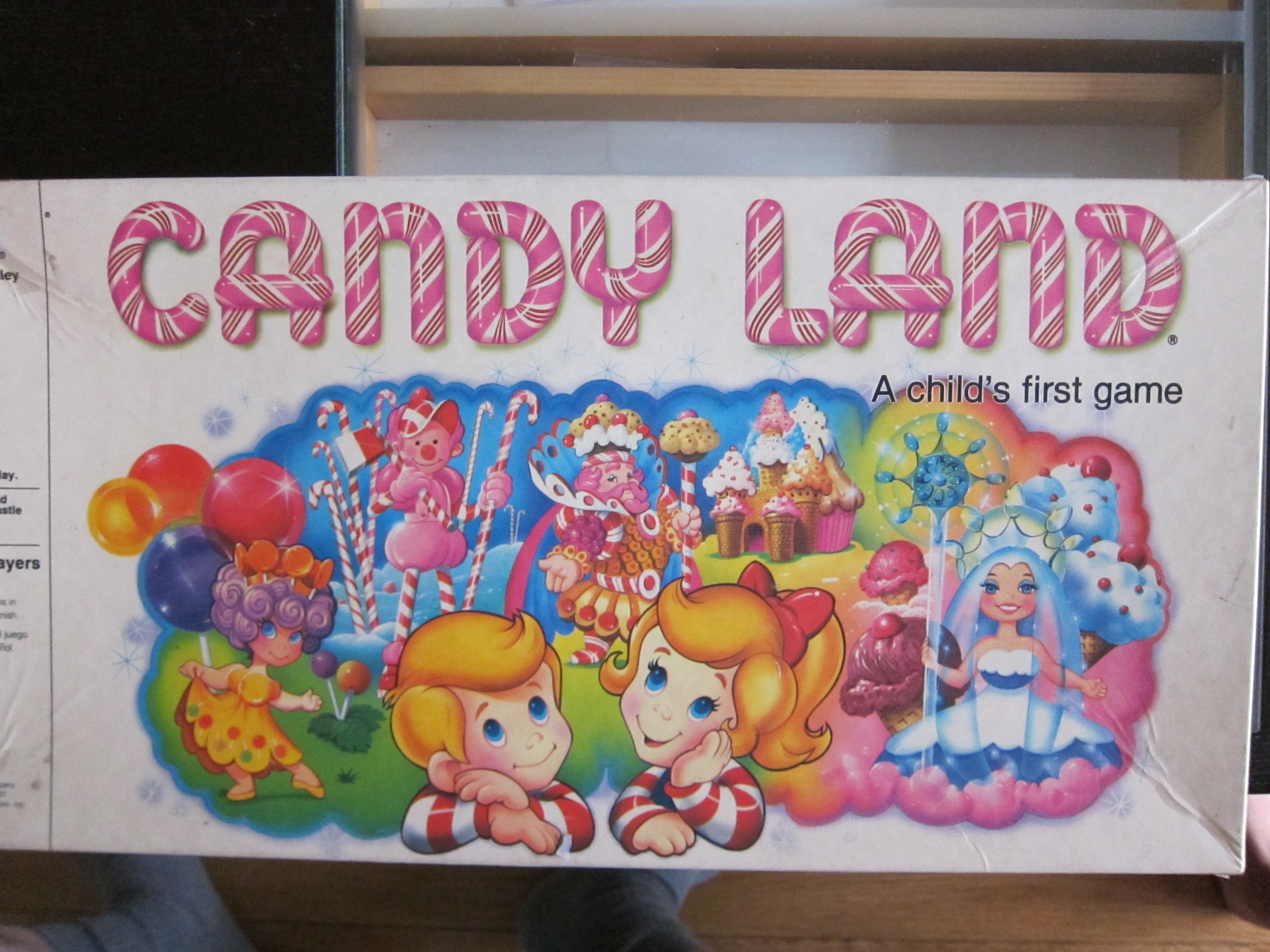
Even this game for little kids managed to cause fights between siblings who should have been too young to care about winning. The total lack of strategy meant everything was random, which somehow made losing feel even worse.
Getting sent backward to some candy location when you were almost at the castle felt like punishment from nowhere.
Why we keep coming back
People keep playing these friendship-destroying games year after year anyway. Something about the competition and drama keeps drawing families back to game night despite all the arguments and hurt feelings.
These classics created stories that people still tell decades later about that time Uncle Bob flipped the Monopoly board or when Sarah refused to speak to anyone for a week after losing at Risk.
More from Go2Tutors!

- The Romanov Crown Jewels and Their Tragic Fate
- 13 Historical Mysteries That Science Still Can’t Solve
- Famous Hoaxes That Fooled the World for Years
- 15 Child Stars with Tragic Adult Lives
- 16 Famous Jewelry Pieces in History
Like Go2Tutors’s content? Follow us on MSN.