17 Political Campaigns That Backfired
Political campaigns represent the strategic culmination of months—sometimes years—of planning, polling, and positioning. Yet despite meticulous preparation, history is littered with political maneuvers that not only failed to achieve their goals but actively damaged the very candidates they were designed to elevate.
The following list of 17 political campaigns that utterly failed should serve as a warning to aspiring politicians and campaign strategists. These unsuccessful attempts show how easily political momentum can be lost when campaign methods or messaging fall flat.
The Daisy Ad

The 1964 campaign of Lyndon B. Johnson produced one of the most contentious political ads ever broadcast. A small girl was seen plucking flower petals in the notorious “Daisy” commercial, which cut to a nuclear countdown and explosion.
Barry Goldwater, the Republican opponent, was never specifically addressed, but it was hinted that he might start a nuclear war. Although the advertisement was only officially shown once, it received so much negative feedback and media attention that Johnson’s team decided to remove it right away.
Although the ad set a new standard for harsh advertising, Johnson won by a landslide despite the uproar.
Dukakis in the Tank

Michael Dukakis attempted to bolster his national security credentials during the 1988 presidential campaign by staging a photo op riding in an M1 Abrams tank. The resulting footage of Dukakis awkwardly poking his helmeted head out of the turret while smiling uncomfortably became an immediate target for ridicule.
The Bush campaign quickly incorporated the footage into attack ads mocking Dukakis as weak on defense. This failed attempt to appear commanding became a textbook example of image management gone wrong.
Like Go2Tutors’s content? Follow us on MSN.
Howard Dean’s Scream
Howard Dean was a strong front-runner going into the 2004 Democratic primary. After a dismal third-place result in the Iowa caucuses, Dean tried to rally supporters with a passionate speech that ended with an uncharacteristically high-pitched yell that became known as the “Dean Scream.”
The moment was repeatedly replayed by television networks, giving the impression that Dean was insane and unfit to serve as president. His candidacy never recovered, illustrating how political aspirations may be derailed by a single unguarded moment.
The Murchison Letter
During the 1888 presidential election, incumbent Grover Cleveland faced a surprising scandal when British Ambassador Lionel Sackville-West responded to a letter from a supposed American citizen seeking voting advice. The ambassador indicated Britain preferred Cleveland’s re-election.
Republican operatives had actually sent the letter as a trap, and when published, it alienated Irish-American voters who harbored anti-British sentiments. Cleveland ultimately lost his re-election bid, partly due to this diplomatic blunder.
“Hard Cider and Log Cabin” Backfire
In 1840, Democratic newspapers attempted to portray Whig candidate William Henry Harrison as an unsophisticated frontier bumpkin who would rather drink hard cider in a
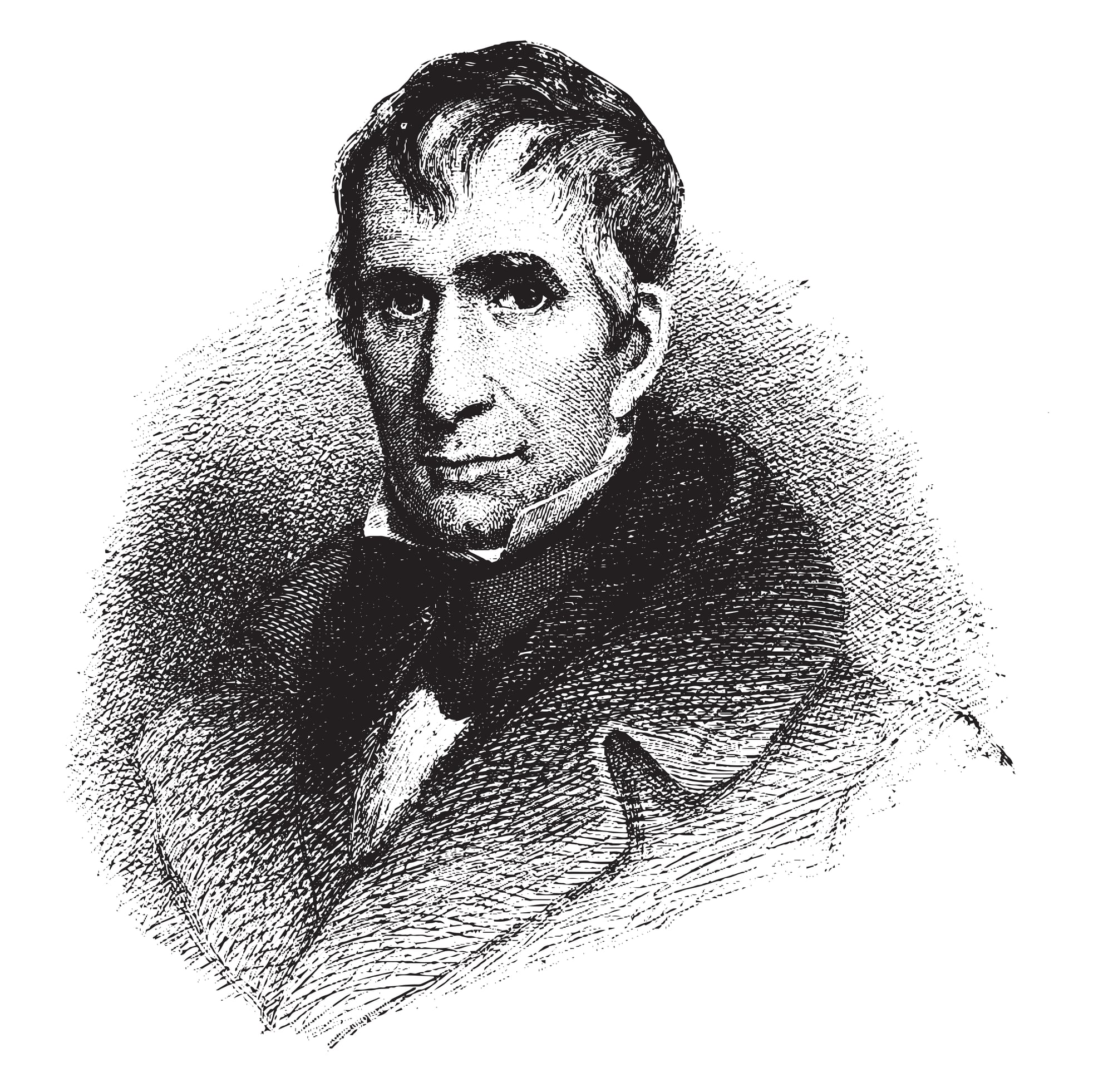
og cabin than govern effectively. The Whig campaign brilliantly embraced these attacks, transforming them into populist symbols of Harrison’s common-man appeal.
Campaign events featured log cabin imagery and hard cider served to supporters. This Democratic attack backfired completely, helping Harrison win the presidency.
Like Go2Tutors’s content? Follow us on MSN.
Dewey Defeats Truman

The 1948 presidential campaign saw Thomas Dewey so confidently ahead in polls that the Chicago Tribune famously printed its “Dewey Defeats Truman” headline before votes were counted. Harry Truman leveraged being underestimated by conducting a tireless whistle-stop train tour while hammering the “do-nothing Republican Congress.”
Dewey’s cautious, overly scripted campaign projected an air of inevitability that alienated voters. Truman’s stunning upset victory remains a powerful reminder that premature victory laps can backfire spectacularly.
Romney’s “47 Percent” Comment

During the 2012 presidential campaign, Republican nominee Mitt Romney was secretly recorded at a private fundraiser claiming that 47% of Americans paid no income tax and were dependent on government assistance. Romney suggested these voters would automatically support Barack Obama regardless of his message.
When the recording became public, it reinforced perceptions that Romney was disconnected from ordinary Americans. This unguarded moment severely damaged Romney’s campaign, highlighting the danger of different messages for different audiences.
Goldwater’s Extremism Defense

In 1964, Republican nominee Barry Goldwater embraced his reputation for conservative extremism with his infamous convention speech declaration: “Extremism in the defense of liberty is no vice.” Though intended to rally his base, this rhetoric alienated moderate voters and allowed the Johnson campaign to portray Goldwater as dangerously radical.
Goldwater suffered one of the worst electoral defeats in presidential history, demonstrating how embracing ideological purity can backfire electorally.
Like Go2Tutors’s content? Follow us on MSN.
Hillary Clinton’s “Deplorables” Remark

During her 2016 presidential campaign, Hillary Clinton made a damaging gaffe at a fundraiser when she categorized half of Donald Trump’s supporters as belonging in a “basket of deplorables.” She characterized them as racist, sexist, homophobic, and xenophobic.
The Trump campaign immediately seized on these remarks as evidence that Clinton was elitist and held contempt for ordinary Americans. The comment solidified opposition to Clinton and became a rallying cry for Trump supporters throughout the remainder of the campaign.
Walter Mondale’s Tax Honesty

During the 1984 presidential campaign, Democratic nominee Walter Mondale made what he believed was a virtue of honesty by directly telling voters: “Mr. Reagan will raise taxes, and so will I. He won’t tell you. I just did.” While Mondale hoped this transparency would be appreciated, the electorate instead rewarded Reagan’s optimistic messaging about America’s future.
Mondale suffered one of the worst electoral defeats in modern history, carrying only his home state of Minnesota and the District of Columbia.
Swift Boat Veterans
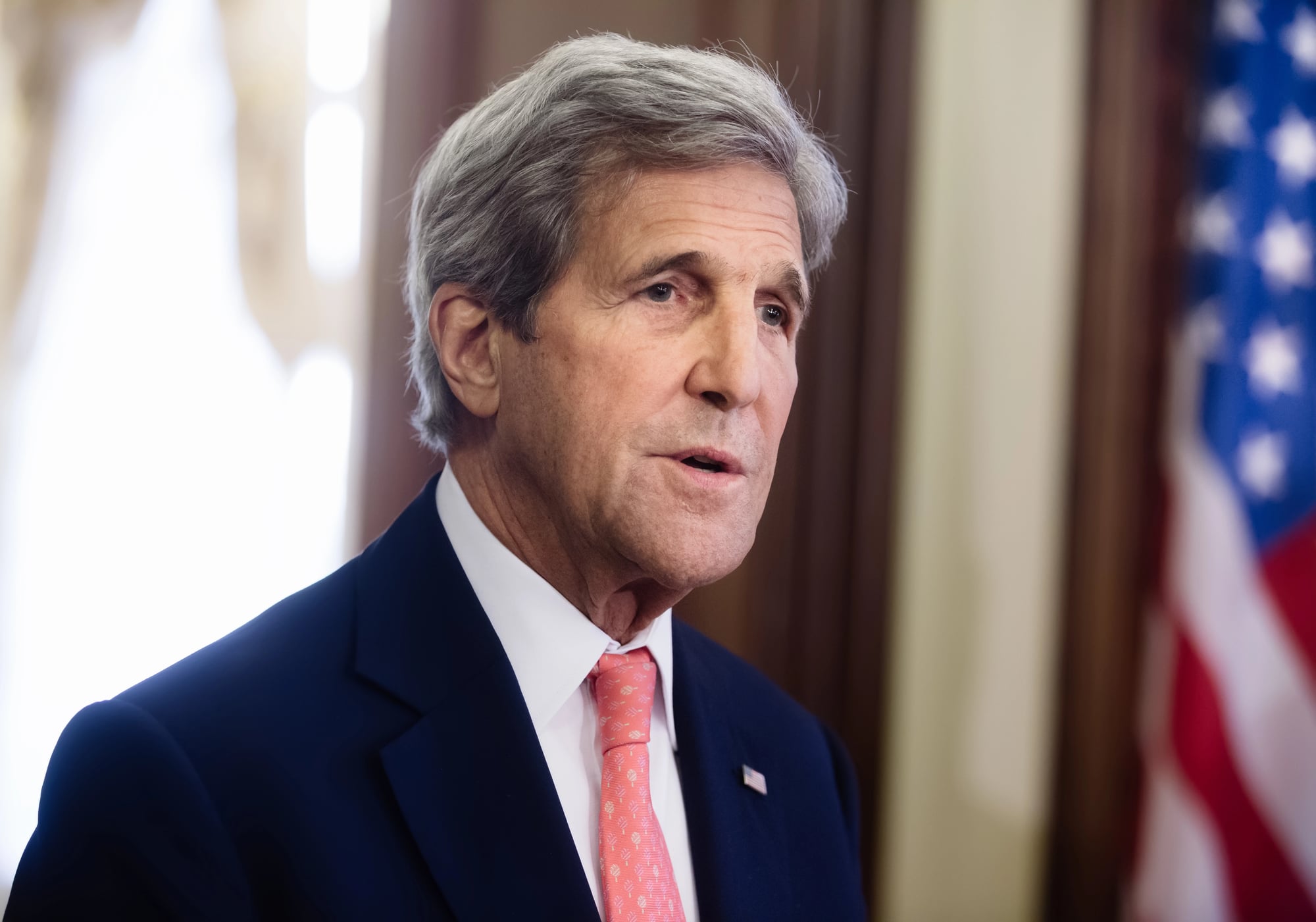
John Kerry’s 2004 presidential campaign prominently featured his Vietnam War service record as evidence of his leadership capabilities. However, a group calling themselves “Swift Boat Veterans for Truth” launched a series of ads questioning Kerry’s military record and medal citations.
Though many claims were later debunked, Kerry’s delayed response allowed the attacks to undermine his core campaign narrative. The episode, which introduced “swiftboating” to the political lexicon, demonstrates how attacks on a candidate’s perceived strengths can be particularly effective.
Like Go2Tutors’s content? Follow us on MSN.
Gerald Ford’s Soviet Gaffe

During a 1976 presidential debate with Jimmy Carter, President Gerald Ford made a catastrophic error by declaring: “There is no Soviet domination of Eastern Europe.” This statement, which contradicted obvious geopolitical reality, raised serious concerns about Ford’s grasp of foreign affairs.
Though Ford later attempted to clarify his remark, the damage was done. Carter narrowly won the election, showing how a single debate mistake can derail an incumbent’s re-election prospects.
George Bush’s Watch Check

During a 1992 presidential debate, President George H.W. Bush was caught on camera checking his watch while a voter was asking a question about how the economic recession had personally affected him. This brief gesture was interpreted as demonstrating boredom and disconnection from voters’ economic concerns.
The moment contrasted sharply with Bill Clinton’s empathetic response to the same question. Bush lost his re-election bid in a campaign where perceptions of personal connection to voters’ struggles proved decisive.
Edmund Muskie’s Emotional Moment
While campaigning for the 1972 Democratic nomination, Senator Edmund Muskie responded to attacks on his wife by the Manchester Union Leader newspaper with an emotional press conference outside the paper’s offices. In the snowy conditions, Muskie appeared to be crying, though he later claimed it was melting snow on his face.
Regardless, the display was perceived as a lack of emotional control unbecoming of a president. His campaign never recovered from this incident, demonstrating how gender stereotypes about emotional expression could destroy a candidacy.
Like Go2Tutors’s content? Follow us on MSN.
Michael Foot’s Donkey Jacket
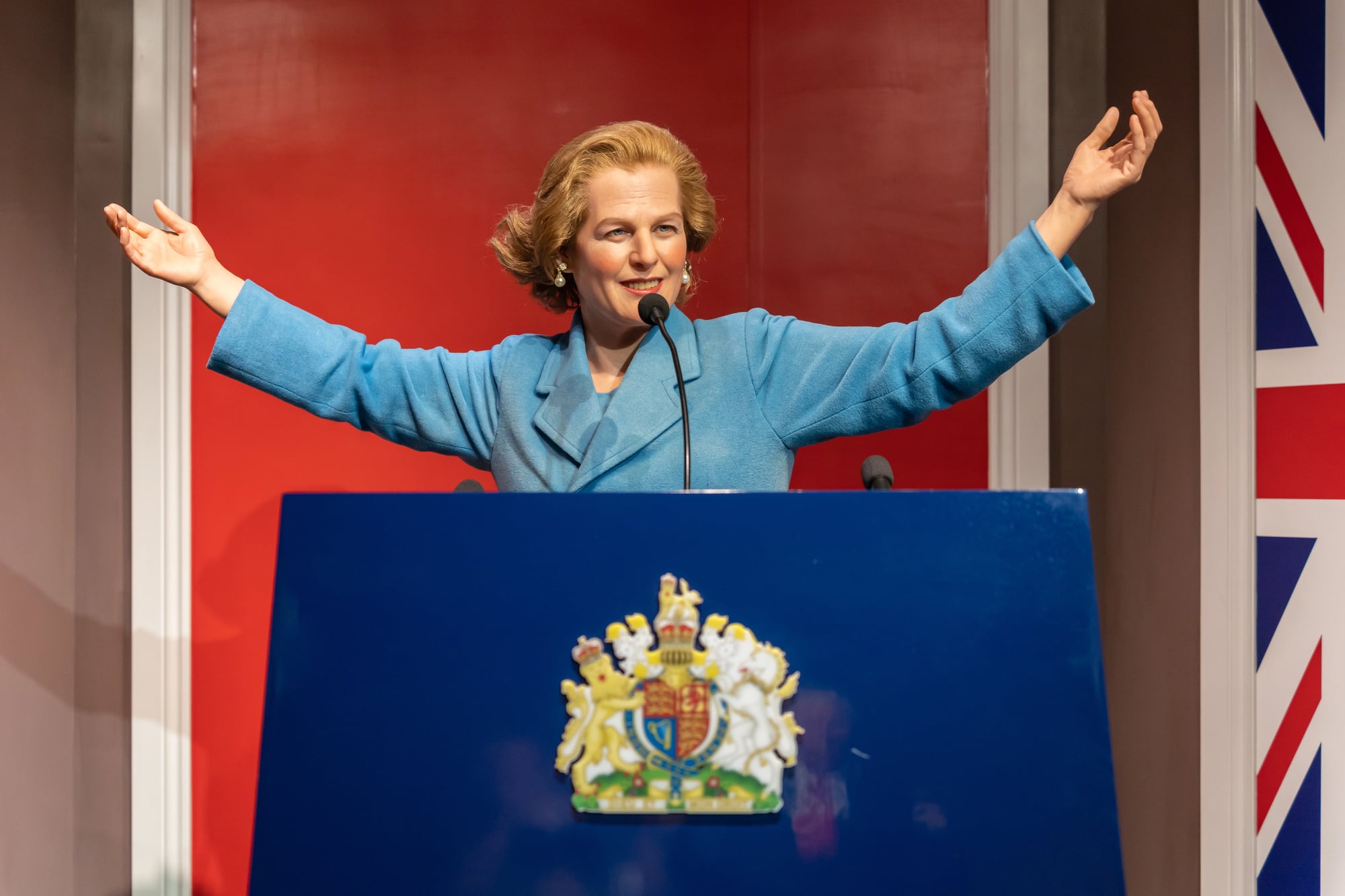
During Britain’s 1983 general election, Labour Party leader Michael Foot attended a Remembrance Day ceremony wearing what journalists described as a “donkey jacket” – casual outerwear seen as disrespectful for such a solemn occasion. Though Foot was actually wearing a fairly expensive overcoat, the perception of inappropriate attire reinforced his image as unsuitable for leadership.
Margaret Thatcher’s Conservatives won in a landslide, illustrating how seemingly minor matters of appearance can have major electoral consequences.
John Kerry’s Windsurfing

During the 2004 presidential campaign, photographs emerged of Democratic nominee John Kerry windsurfing off Nantucket. The Bush campaign quickly turned this into an effective attack ad showing Kerry repeatedly changing directions on the water, with a narrator stating: “John Kerry: Whichever way the wind blows.”
This visual metaphor for flip-flopping on issues damaged Kerry’s reputation for consistency and reinforced perceptions of him as an elitist out of touch with ordinary Americans.
Newt Gingrich’s Cruise

During the 2012 Republican primary campaign, Newt Gingrich temporarily surged to frontrunner status before suddenly departing for a luxury cruise in the Greek Isles. This poorly timed vacation created an impression of non-seriousness and allowed his campaign infrastructure to collapse just as it needed strengthening.
His momentum never recovered, demonstrating how the perception of commitment matters tremendously in political campaigns.
Like Go2Tutors’s content? Follow us on MSN.
Political Strategies Beyond Expectations

The most spectacular campaign backfires share common elements: assumptions that prove false, messages that alienate more voters than they attract, and failures to anticipate how actions will be perceived through media filters. These cautionary tales remind us that in politics, as in warfare, no strategy survives contact with the electorate intact.
The ability to adapt to changing circumstances often matters more than the original campaign plan itself.
More from Go2Tutors!

- 18 Unexpectedly Valuable Collectibles You Might Have Lying Around
- 15 Things Every Teenager in the ’70s Did That Teens Today Wouldn’t Understand
- 15 Strange Things People Have Tried to Ban (And Failed)
- 15 Inventions That Were Immediately Banned After Being Created
- 20 Actors Who Were Almost Cast in Iconic Roles
Like Go2Tutors’s content? Follow us on MSN.



