Biggest Scams in History
Funny how boldness sometimes gets praised by time, regardless of whether it was justified. Over and over, individuals, organizations, even whole nations follow paths that seem solid at first yet crumble later.
Deception rarely survives on slick details. It grows where trust lives, where desire pushes forward, where the idea that experts handled everything soothes doubt.
Ordinary things breaking down – that grabs attention more than the cash alone, even when amounts boggle the mind. Deception slips through because familiar setups buckle under pressure, dressed up like advancement or something unstoppable.
Take a step back into the past, where certain tricks stood out because they lasted longer than expected. These deceptions didn’t rely on luck but on clever timing mixed with human trust.
What made them stick was less about lies, more about how well they hid in plain sight. People believed because the story felt right when it arrived.
Some schemes grew bigger simply by moving slowly, never rushing attention. Confidence played a role, yes, though patience did even heavier lifting.
Truth often arrives late once deception takes root early.
Charles Ponzi

Charles Ponzi did not invent financial deception, but he perfected a formula that would carry his name for generations. In the early 1920s, he promised investors huge returns by exploiting differences in international postage reply coupons.
The idea sounded technical enough to discourage questions, which was exactly the point.
In reality, there was no profitable business underneath the promises. Early investors were paid with money from new investors, creating the illusion of success.
For a brief moment, Ponzi was a celebrity, attracting thousands of people and millions of dollars. When the scheme collapsed, it revealed how easily confidence and urgency can override common sense.
Bernie Madoff
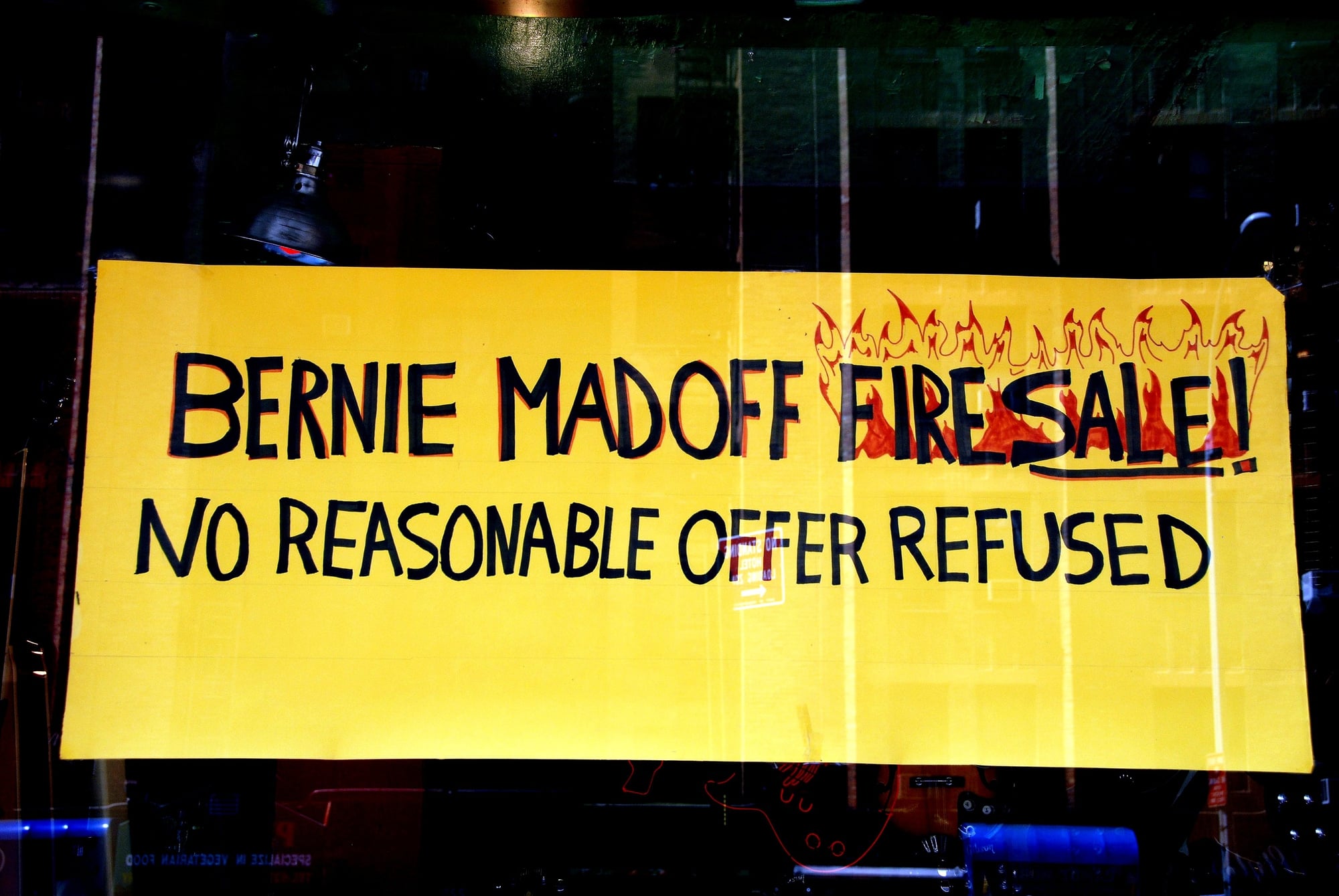
Bernard Madoff ran what is widely considered the largest investment fraud in modern history. For decades, his firm delivered remarkably steady returns, regardless of market conditions.
That consistency, which should have raised concerns, instead became his strongest selling point.
Madoff’s reputation and connections did much of the work for him. Investors trusted him because respected institutions trusted him first.
The scheme unraveled during the 2008 financial crisis, when too many clients asked for their money at once. By then, losses were measured in tens of billions, and the damage extended far beyond balance sheets into families, charities, and communities.
Enron

Enron was once celebrated as a symbol of corporate innovation. On the surface, it looked like a brilliant energy trader reshaping global markets.
Behind the scenes, however, the company used complex accounting structures to hide debt and inflate profits.
The deception relied on layers of financial engineering that few outsiders fully understood. Even so, warning signs were present for years, dismissed as the cost of doing business at the cutting edge.
When Enron collapsed in 2001, it wiped out jobs, pensions, and confidence in corporate oversight, reshaping how companies are regulated and audited.
Theranos

Theranos promised to revolutionize medical testing with machines that could run dozens of tests from a single drop of blood. The vision was compelling, the branding polished, and the leadership charismatic.
Investors, partners, and even regulators were drawn in.
The technology, however, never worked as advertised. Internal problems were masked by secrecy and intimidation, while faulty results put real people at risk.
When investigations exposed the truth, Theranos became a cautionary tale about mistaking ambition for evidence and storytelling for science.
South Sea Bubble

South Sea Company was at the center of one of the earliest large-scale financial bubbles. In the early 1700s, the company promised enormous profits from trade with South America.
Shares soared as speculation replaced sober analysis.
The problem was simple: the expected trade never materialized. Prices collapsed, fortunes vanished, and public trust in financial markets took a severe hit.
The episode showed that hype and herd behavior are not modern inventions, but recurring features of economic history.
Tulip Mania

Tulip Mania sounds almost comical at first glance. In the 1600s, rare tulip bulbs in the Netherlands became luxury assets, with prices rising to extraordinary levels.
At the peak, a single bulb could be worth more than a well-appointed home.
The market collapsed abruptly when buyers failed to show up at auctions. Contracts were abandoned, prices fell, and confidence evaporated.
While the long-term economic impact is often exaggerated, Tulip Mania remains a powerful illustration of how value can detach from reality when speculation takes over.
OneCoin

OneCoin presented itself as the next big digital currency, complete with slick events and persuasive advocates. It promised easy participation and rapid growth, appealing to people who felt locked out of traditional finance.
The problem was that OneCoin did not function like a real digital currency at all. There was no transparent public ledger, and returns depended on recruiting new participants.
Authorities later described it as a global fraud that drew in billions before collapsing, highlighting how new technology can amplify old tricks.
Fyre Festival

Fyre Festival was marketed as a luxury experience on a private island, complete with high-end accommodation and world-class entertainment. Social media influencers helped sell the dream, turning anticipation into a powerful marketing engine.
What attendees arrived at instead was chaos, inadequate facilities, and canceled performances. The event became a public spectacle of overpromising and underdelivering.
While smaller in financial scale than other scams, Fyre Festival demonstrated how image and hype can outpace reality with surprising speed.
Volkswagen Emissions Scandal

Volkswagen built its reputation on engineering excellence and environmental responsibility. That image took a major hit when it emerged that millions of vehicles were programmed to cheat emissions tests.
On paper, the cars appeared cleaner than they were in real-world driving.
The deception was deliberate and systemic, involving years of planning and internal approval. When exposed, it led to massive fines, recalls, and a loss of public trust.
The scandal showed that even established brands can cross ethical lines when pressure and incentives align in the wrong way.
Watergate

Watergate was not a financial scheme, but it remains one of the most consequential deceptions in modern political history. What began as a break-in and cover-up expanded into a web of misconduct that reached the highest levels of government.
The unraveling of Watergate reshaped public expectations around transparency and accountability. It also reinforced a recurring lesson: attempts to hide wrongdoing often cause more damage than the original act itself.
Why These Scams Still Matter

What stands out in history’s largest cons isn’t merely tricksters fooling others. It’s how trust, hope, even power – can twist when doubt gets pushed aside.
Success often came not from gullibility, instead structures favored faith more than checking facts.
Speed rules now, messages fly across screens before you blink. Still, old tricks matter just as much, maybe more.
Seeing how lies fooled others long ago helps block the same traps today. It changes the way you hear what someone says, without even noticing.
More from Go2Tutors!

- The Romanov Crown Jewels and Their Tragic Fate
- 13 Historical Mysteries That Science Still Can’t Solve
- Famous Hoaxes That Fooled the World for Years
- 15 Child Stars with Tragic Adult Lives
- 16 Famous Jewelry Pieces in History
Like Go2Tutors’s content? Follow us on MSN.



