Most Popular Tourist Photo Poses at Global Landmarks
Standing in front of the Eiffel Tower, millions of tourists each year hold up their hands in the exact same gesture, pretending to pinch the iron spire between their fingers. The pose feels original in the moment — clever, even — but scroll through any social media feed and you’ll see the same shot repeated endlessly.
Tourist photography has evolved into a shared language of gestures, each landmark inspiring its own predictable choreography that visitors perform without question.
These poses spread like folklore, passed from one traveler to the next, creating an unspoken rulebook of how to document famous places. Whether it’s leaning against the Leaning Tower of Pisa or jumping in front of the Hollywood sign, certain gestures have become as iconic as the monuments themselves.
The camera captures not just where you’ve been, but how you’ve chosen to exist within these spaces that millions have visited before you.
The Classic Pinch at the Eiffel Tower
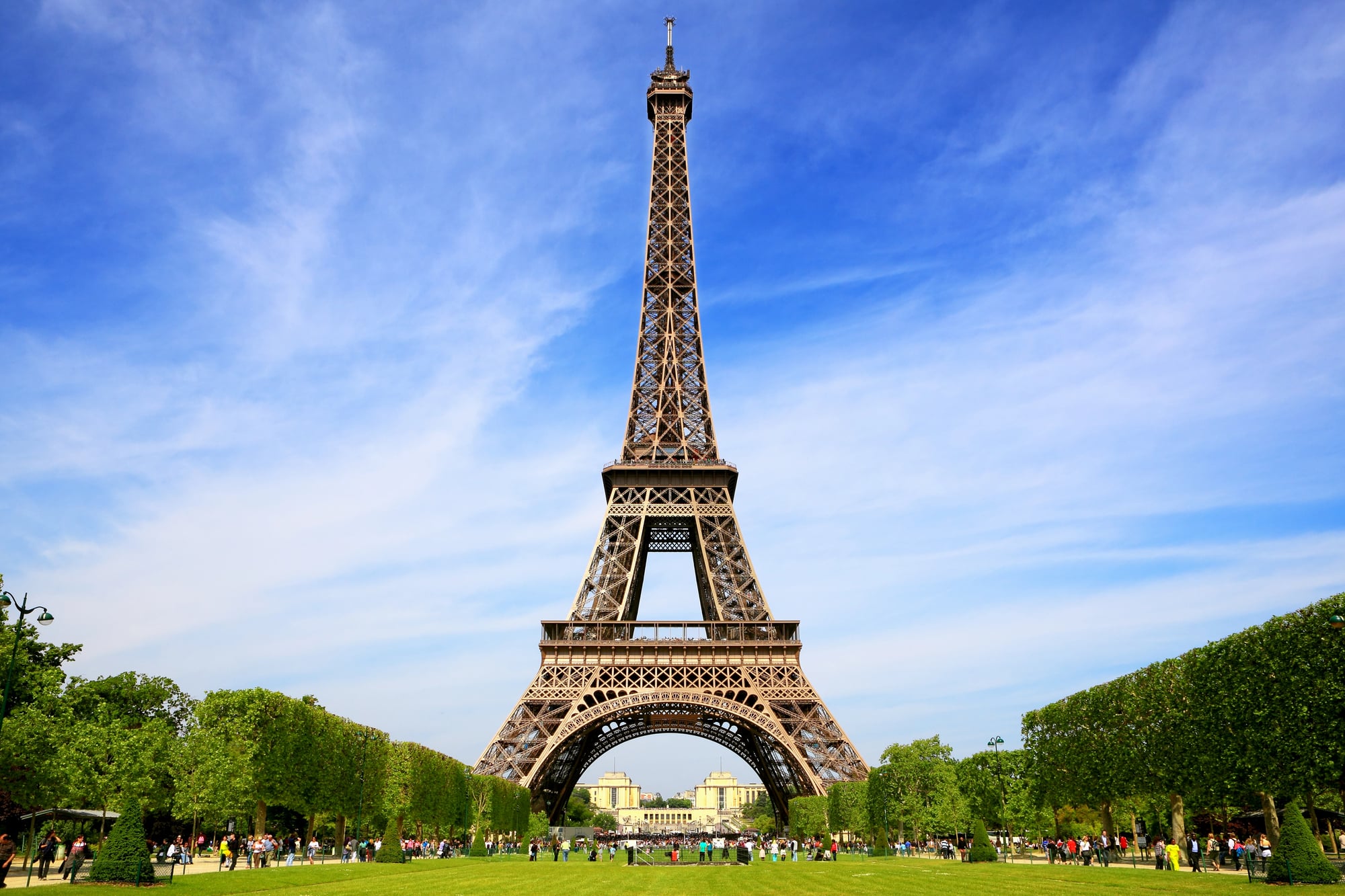
The pinched finger pose dominates Eiffel Tower photography. Tourists position themselves at Trocadéro Plaza, extend their arm, and create the illusion of grasping the tower’s peak between thumb and forefinger.
This perspective trick requires precise positioning. Too close and the tower appears too large to pinch.
Too far and your fingers disappear against the iron lattice. Most visitors spend several minutes adjusting their stance until the alignment works.
The pose has spawned variations. Some tourists pretend to hold the tower like an ice cream cone.
Others mime crushing it in their palm. The fundamental concept remains the same — imposing human scale onto an architectural giant.
Holding Up the Leaning Tower of Pisa
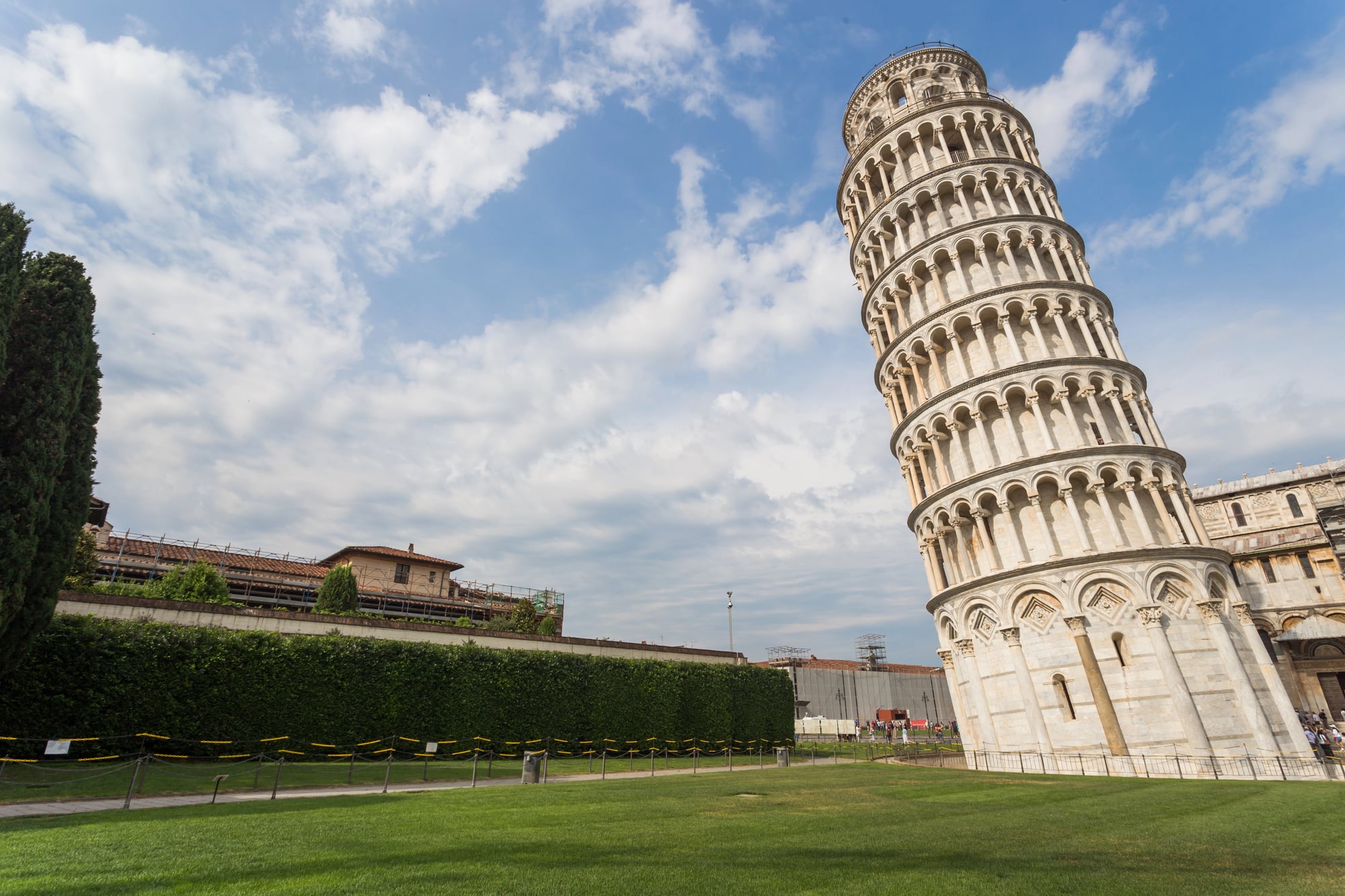
The relationship between tourists and Pisa’s famous tower is fundamentally different from other landmarks, because here the building itself seems to ask for help (which is absurd when you consider that this marble cylinder has been defying gravity for over 800 years, weathering earthquakes and wars and the skeptical predictions of engineers who keep insisting it should have toppled by now). So tourists respond to this perceived vulnerability by rushing to its aid — or at least pretending to.
They position themselves at specific spots around the Piazza dei Miracoli where the forced perspective makes it appear their outstretched arms are single-handedly preventing architectural disaster.
But the pose isn’t just about playing structural engineer for the cameras. And the tower, with its obvious lean, practically begs for interaction in ways that perfectly vertical buildings simply don’t.
There’s something deeply human about wanting to correct what appears broken, even when that brokenness is precisely what draws millions of visitors each year: the tower’s flaw became its fortune.
Jumping at Santorini’s Blue Domes
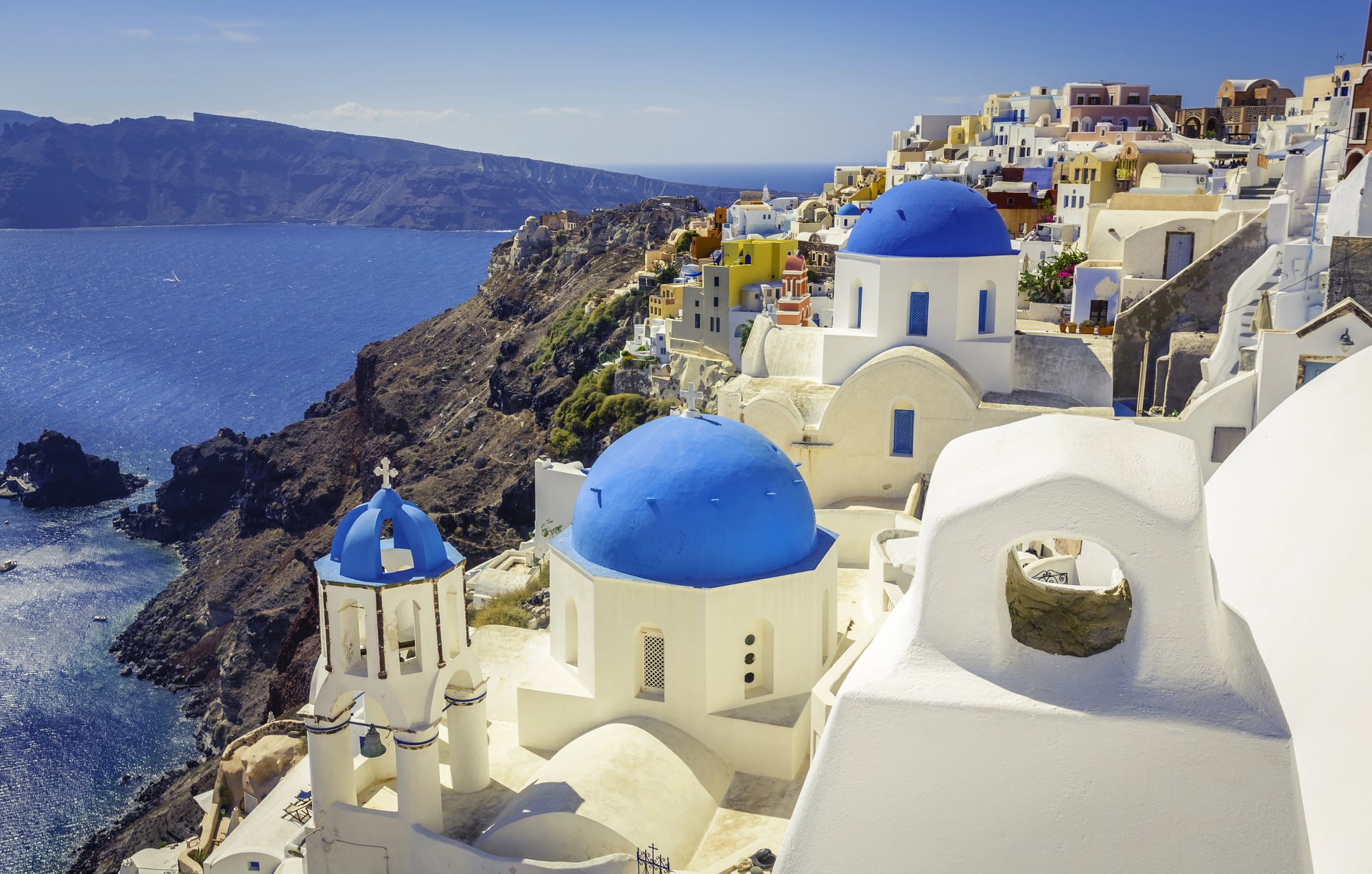
Santorini’s white and blue architecture inspires athletic displays of joy. The jumping photo has become standard practice among visitors to the Greek island’s clifftop villages.
The pose requires timing and multiple attempts. Photographers count down while tourists leap, arms spread wide, against the backdrop of blue-domed churches and the Aegean Sea.
Most photos capture someone mid-air with an expression of intense concentration rather than joy.
Weather affects the success rate significantly. Wind makes landing unpredictable.
Narrow pathways limit jumping space. The marble surfaces become slippery when wet, turning joyful leaps into cautious hops.
The Sphinx Whisper
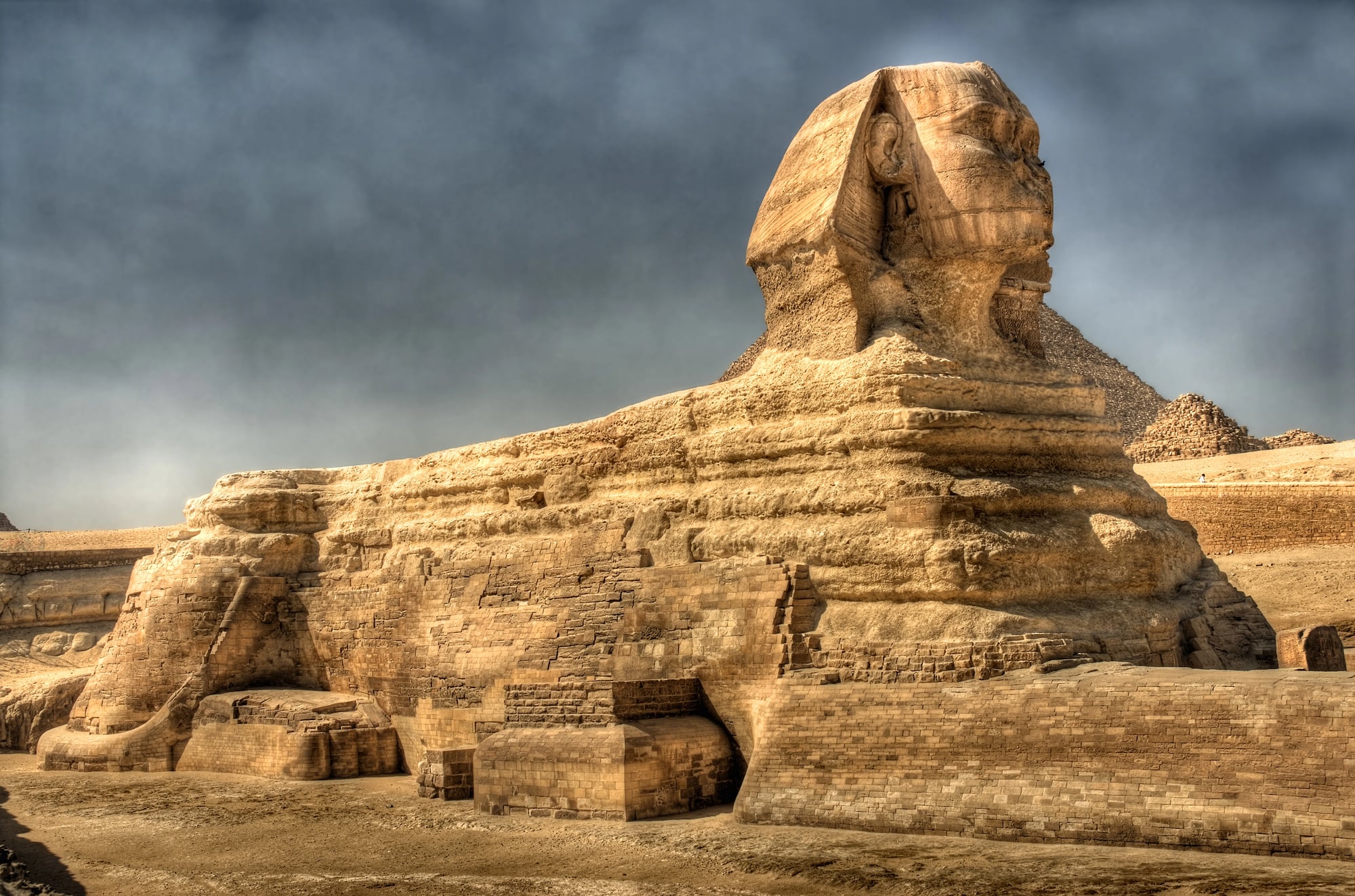
Tourists lean close to the Great Sphinx of Giza as if sharing secrets with the ancient limestone guardian. This intimate pose creates the illusion of conversation between human and monument.
The gesture stems from the Sphinx’s human-like face, which invites personal interaction in ways that pyramids and obelisks don’t. Visitors cup their hands around their mouths, pretend to listen to the statue’s ear, or rest their head against its weathered cheek.
Photography angles matter enormously here. The Sphinx sits in a depression, so finding the right elevation to appear level with its face requires strategic positioning on surrounding rocks and barriers.
Christ the Redeemer Mimicry
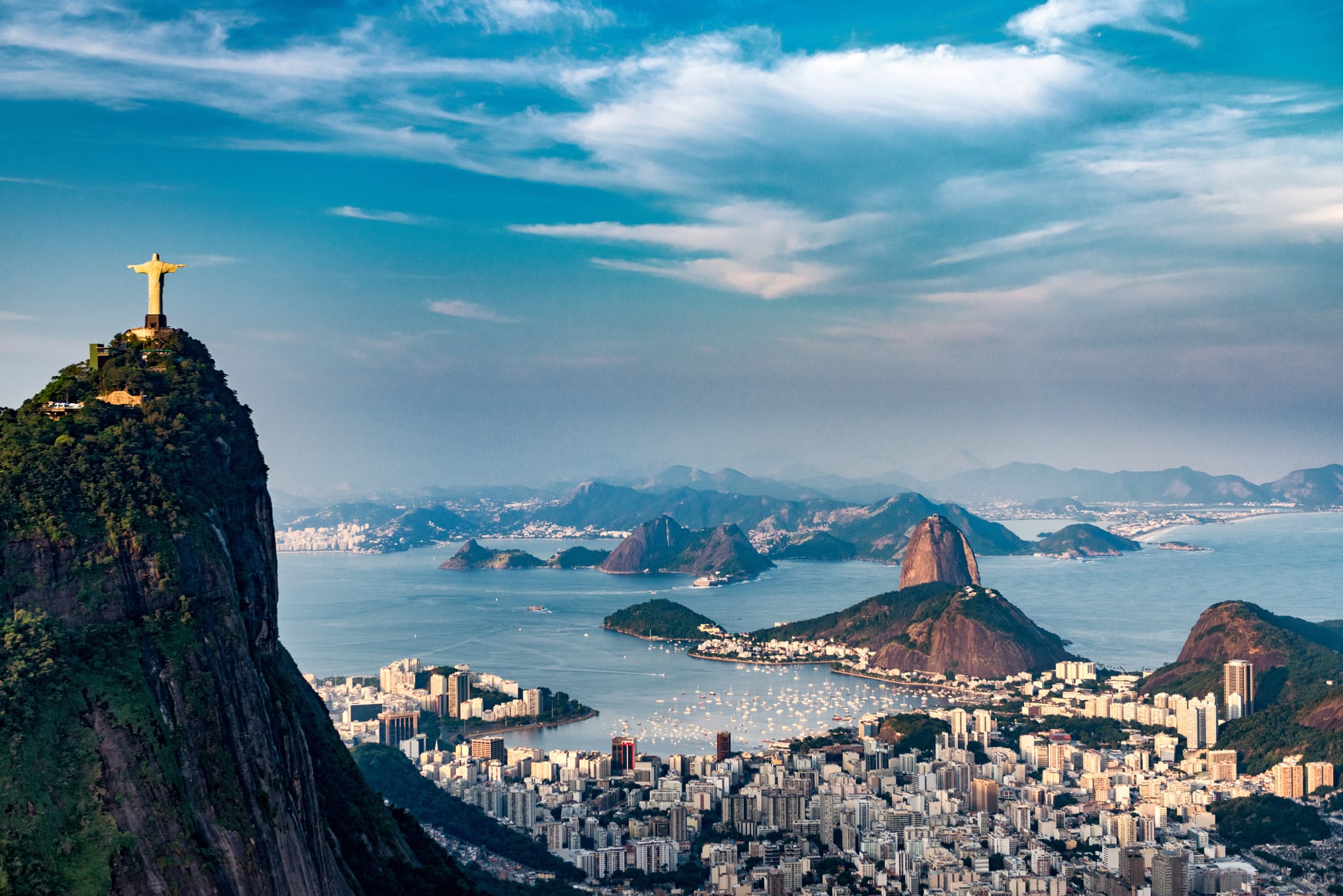
There’s something almost reflexive about spreading your arms wide when standing before Rio’s Christ the Redeemer statue, as if the 125-130 foot figure carved from soapstone and concrete has issued a silent invitation to mirror its eternal embrace of the city below. The pose works on multiple levels — it’s part tribute, part mockery, and part genuine attempt to inhabit the same generous gesture that has watched over Rio since 1931.
Tourists climb Corcovado Mountain, emerge from the clouds that often shroud the peak, and find themselves compelled to echo the statue’s outstretched arms.
The mimicry creates an odd moment of communion between the sacred and the silly. Here stands this Art Deco representation of divine love, arms extended in perpetual blessing, and here stand the tourists, arms extended in temporary imitation, trying to capture something larger than a simple vacation photo.
The gesture transforms visitors into momentary monuments themselves, brief human echoes of the permanent stone figure that towers above them.
The Statue of Liberty Salute
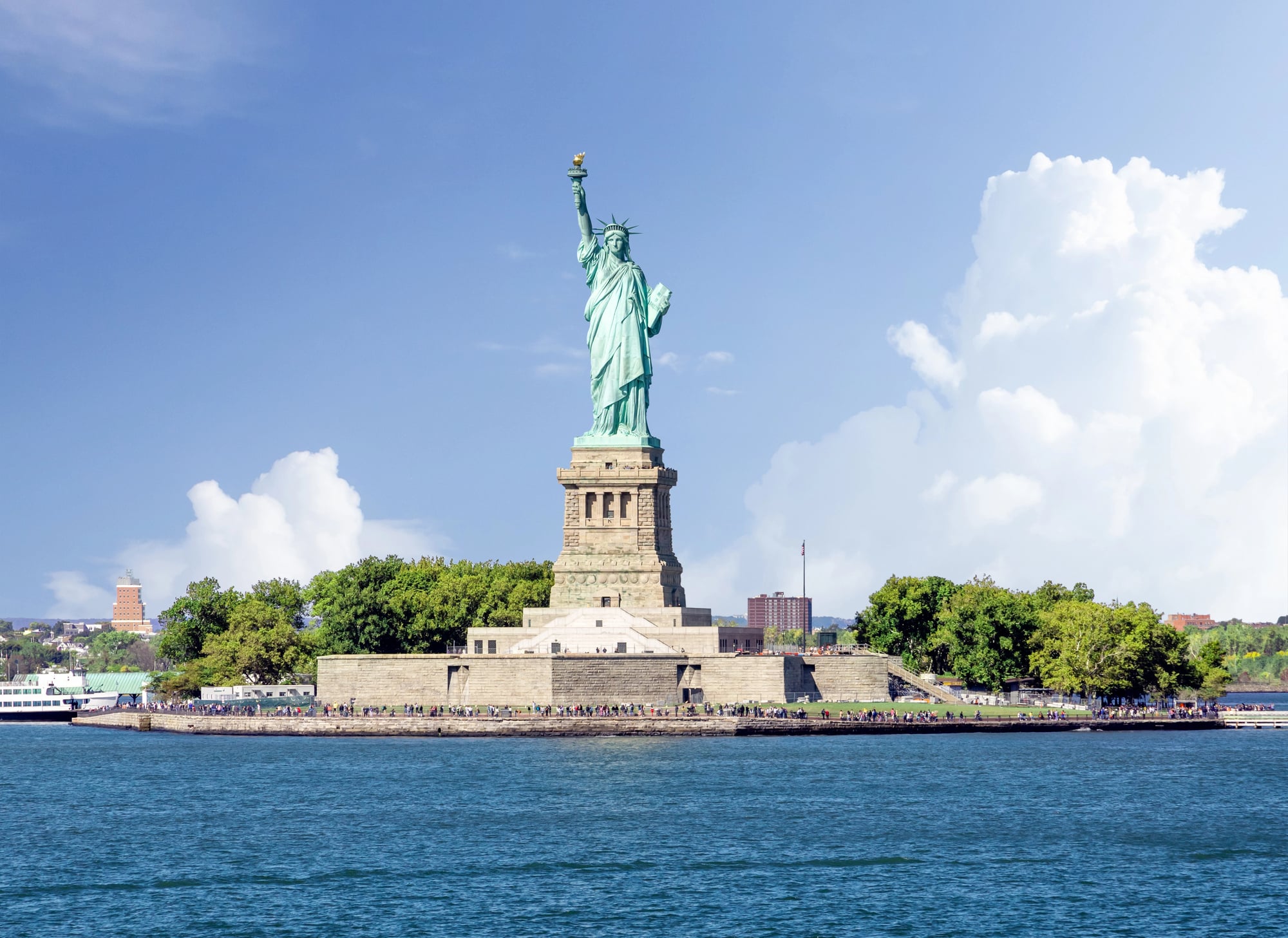
Liberty Island brings out patriotic gestures in American visitors and curious mimicry from international tourists. The raised torch pose dominates photography around the statue.
Visitors hold objects skyward — water bottles, phones, ice cream cones — pretending their makeshift torches mirror Lady Liberty’s flame. The gesture works from multiple angles, whether you’re photographing from the base or from ferry boats in the harbor.
The pose transcends nationality. French tourists recreate it as homage to their gift to America.
Visitors from other countries perform it as commentary on American ideals. The statue’s symbolism shifts depending on who’s holding up their improvised torch.
The Machu Picchu Llama Pose
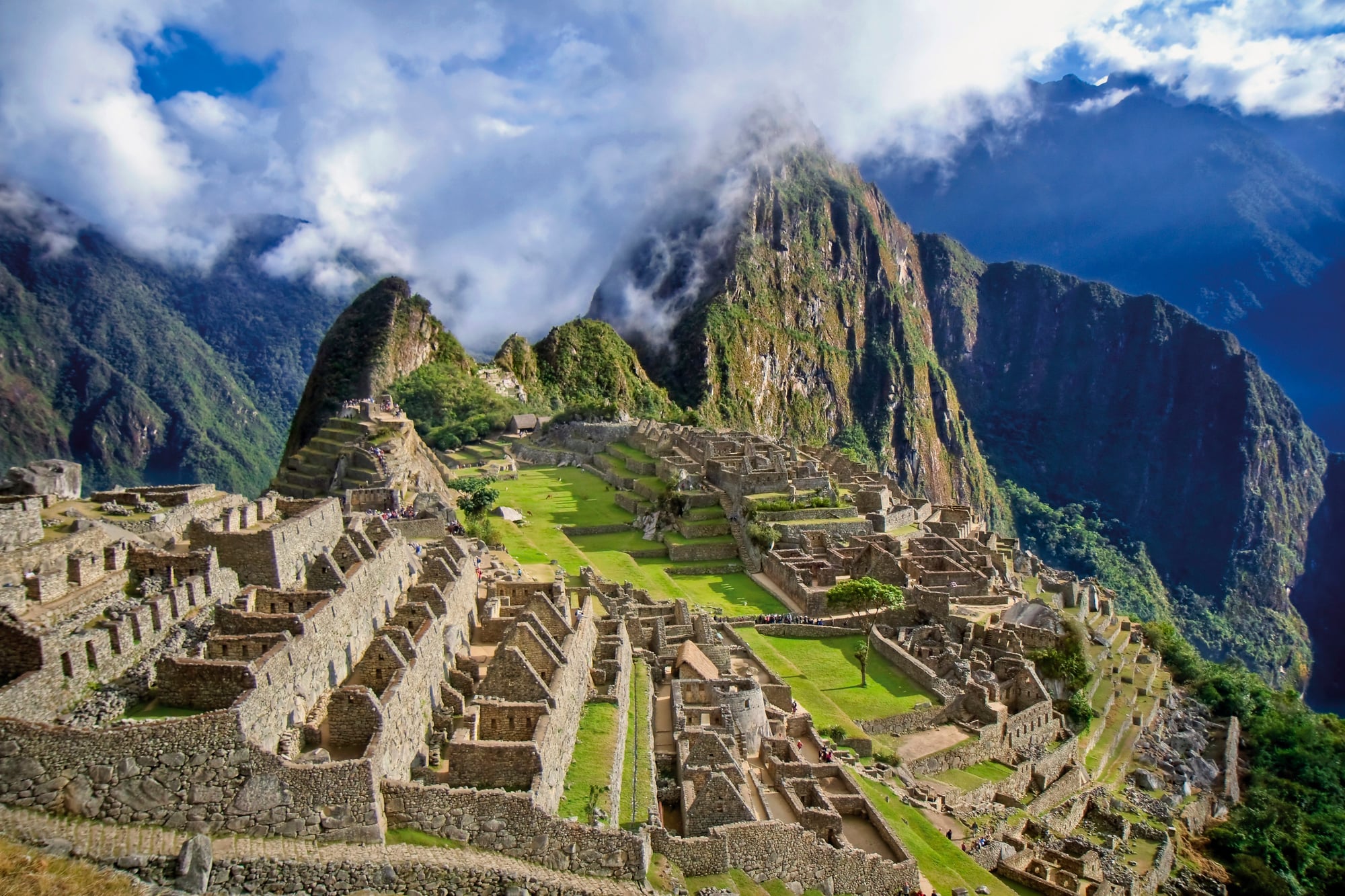
Animal photography at Machu Picchu has evolved into choreographed human-llama interactions. Tourists position themselves next to the site’s resident llamas, copying their alert, upright posture.
The llamas have become accustomed to photo sessions. They often pose naturally, seeming to understand their role in the tourism economy.
Some appear to enjoy the attention, moving closer to cameras rather than away.
Successful llama photos require patience. The animals move unpredictably and don’t follow photographer directions.
The best shots happen when tourists wait for natural llama behavior rather than forcing interactions.
Big Ben Clock Face Pointing
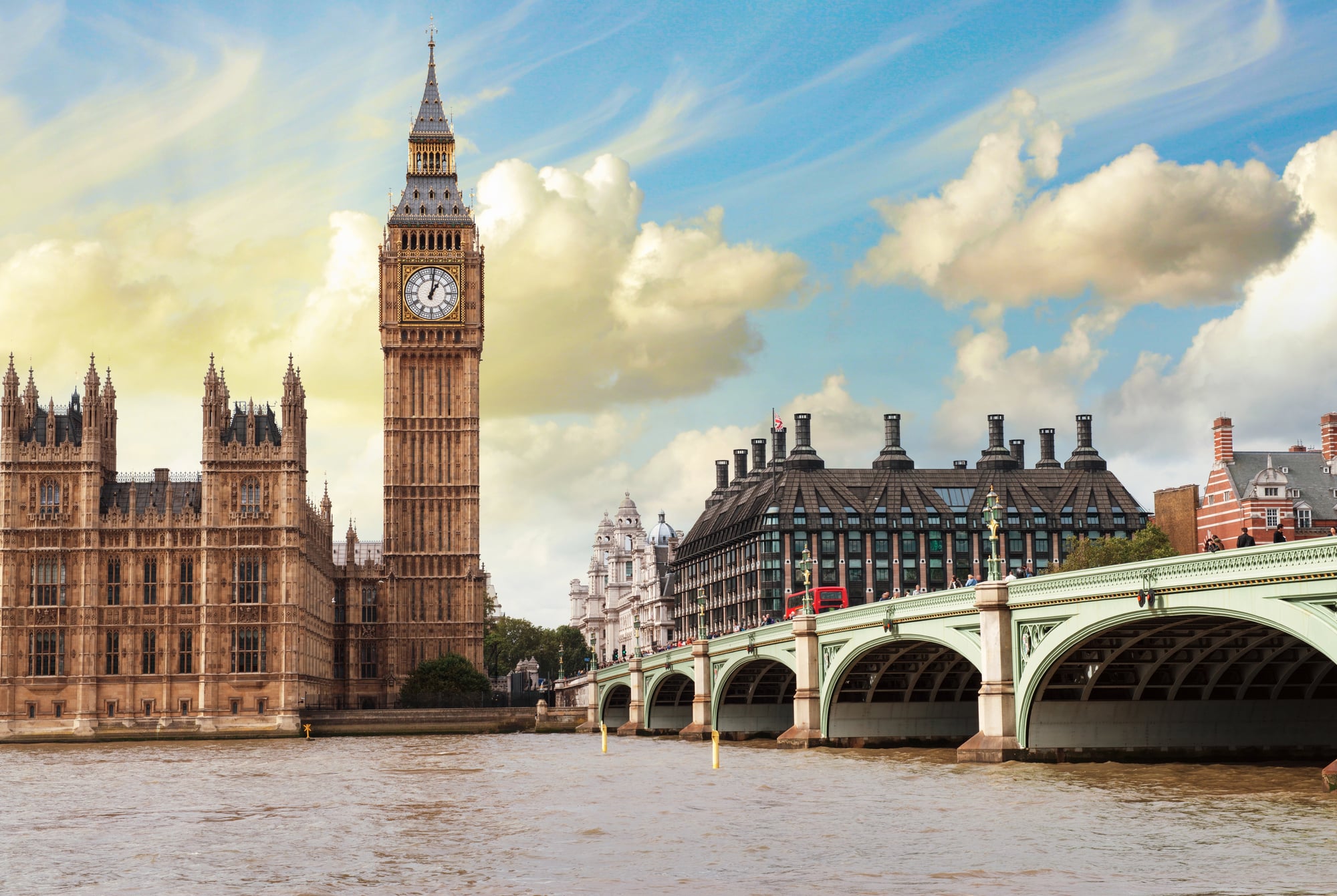
London’s Big Ben inspires time-related gestures that feel both obvious and oddly satisfying, like scratching an itch you didn’t know you had. Tourists point at the clock face as if they’re personally announcing the hour to Westminster, or they check their watches in exaggerated fashion, comparing their timepieces to the famous clock tower.
These poses tap into something fundamental about our relationship with time itself — here’s the clock that once set the rhythm for an empire, and here you are, a temporary visitor trying to synchronize your brief moment in London with its eternal ticking.
The gestures carry weight because Big Ben isn’t just architecture; it’s a timekeeper that has chimed through wars, celebrations, and the ordinary passage of days for over 160 years. So when tourists point at its face or mime checking the time, they’re participating in a ritual that connects them to everyone who has ever wondered what time it was in London, everyone who has ever heard those famous chimes echoing across the Thames.
The Hollywood Sign Frame
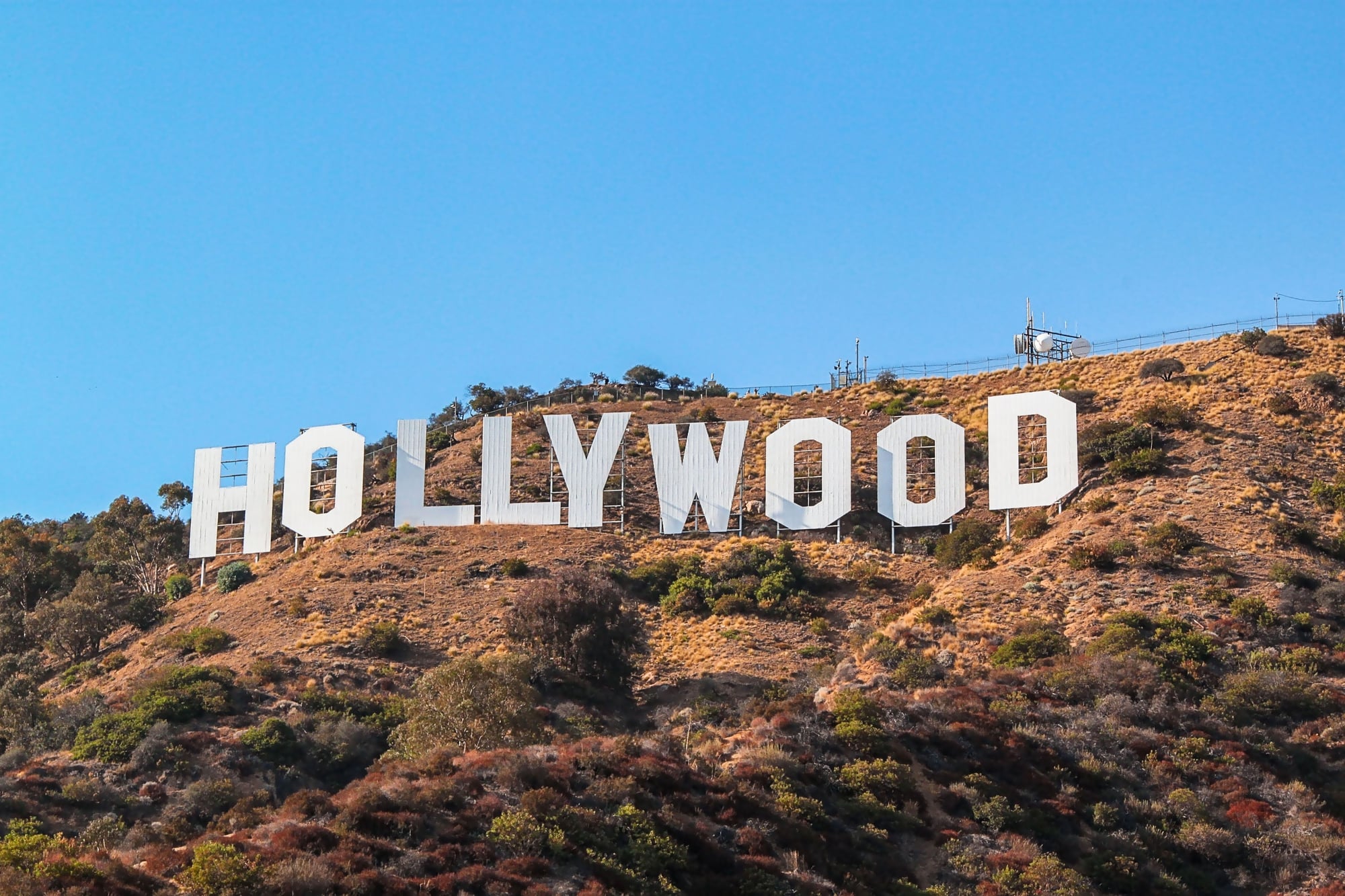
Hollywood sign photography revolves around framing techniques that incorporate the famous white letters into creative compositions. The classic approach involves forming rectangles with your hands, as if directing a movie scene.
Multiple viewing locations offer different framing opportunities. Griffith Observatory provides distant shots where tourists appear small against the sign.
Closer viewpoints in residential neighborhoods allow for more intimate framing poses.
The sign’s deteriorating condition adds urgency to photography. Weather and vandalism constantly threaten the landmark, making each photo session feel like documentation of something that might not last forever.
Mount Rushmore Presidential Mimicry
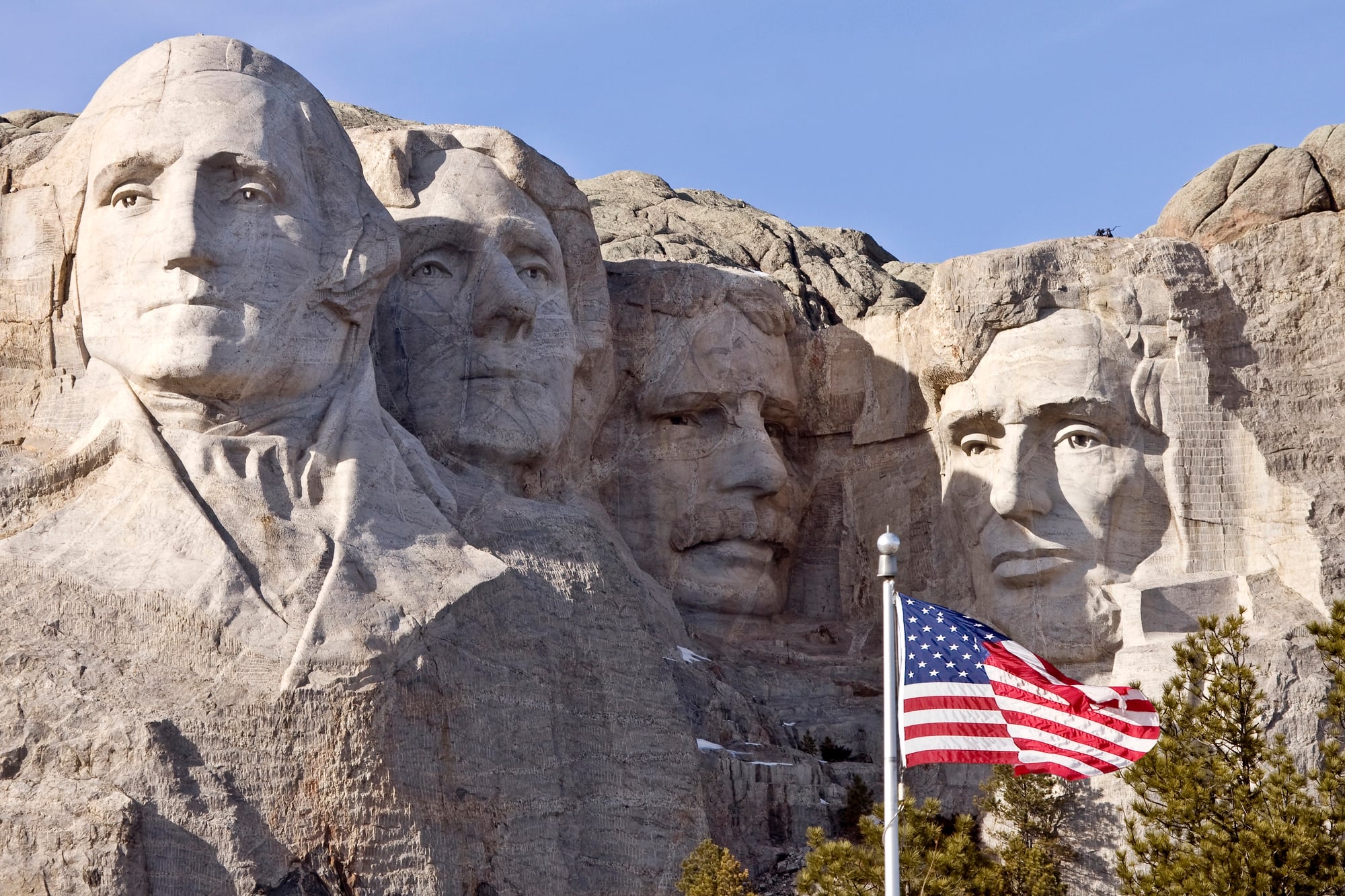
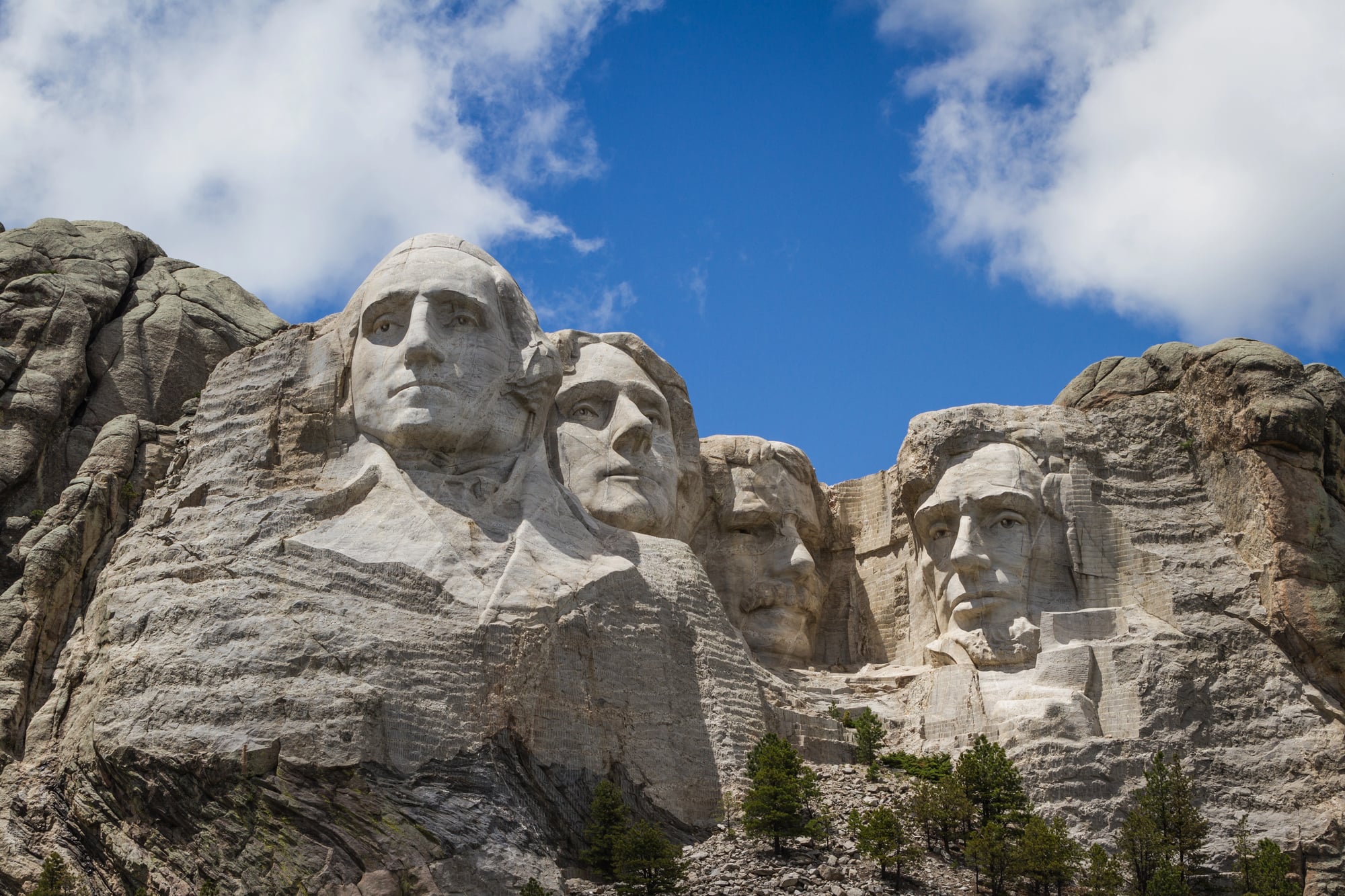
The four presidential faces carved into Mount Rushmore inspire facial expression challenges among tourists. Visitors attempt to recreate the stern, stoic expressions of Washington, Jefferson, Roosevelt, and Lincoln.
This pose requires commitment to character. Tourists study each president’s expression, then position themselves to match the carved faces’ angles and demeanor.
Group photos often feature four people each channeling a different president.
The granite faces show different emotional qualities depending on lighting and viewing angle. Morning light brings out Roosevelt’s intensity.
Afternoon shadows emphasize Lincoln’s melancholy. Tourist expressions shift accordingly throughout the day.
The Taj Mahal Reflection
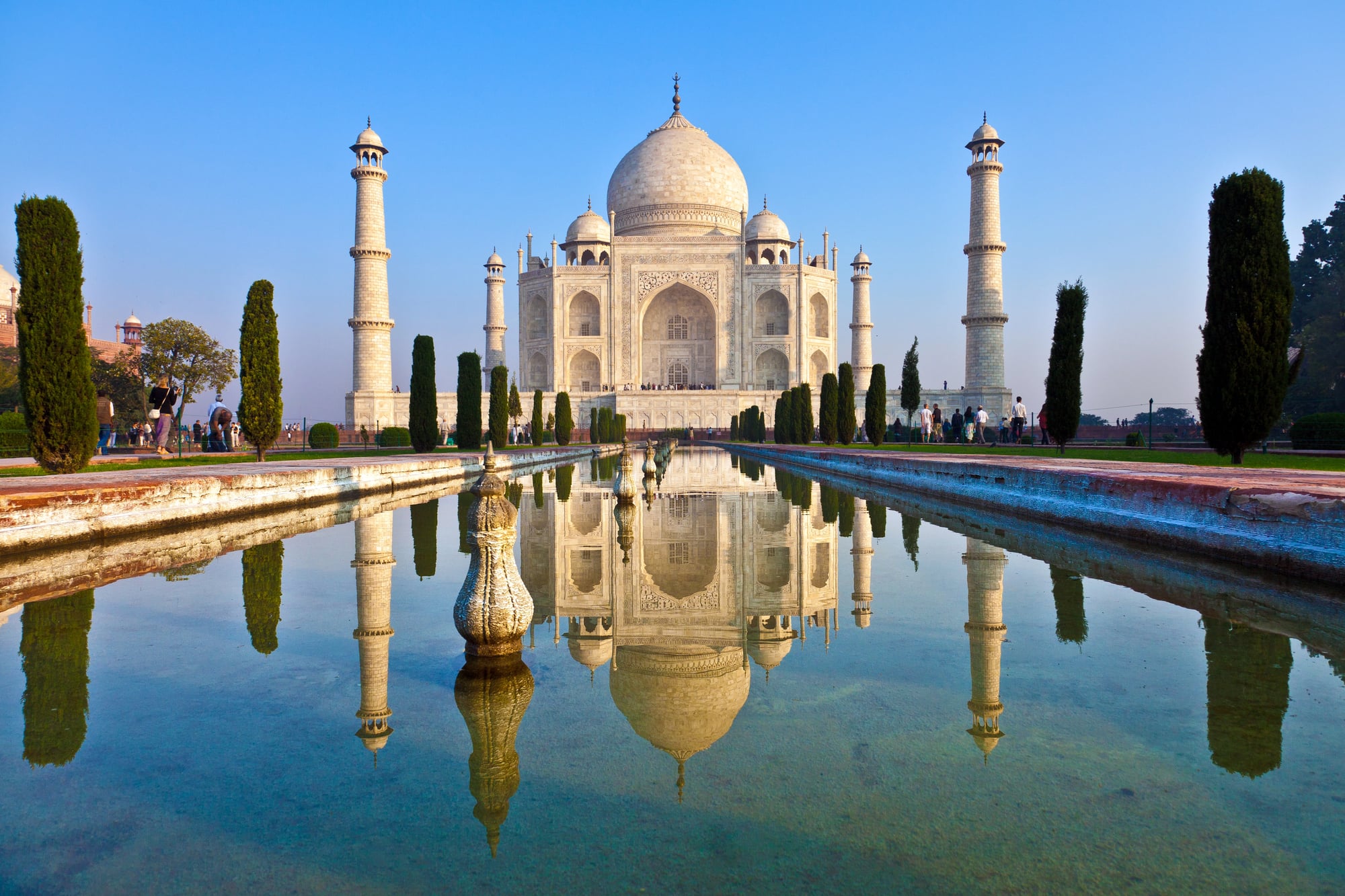
Mirror photography at the Taj Mahal focuses on the monument’s reflecting pools and marble surfaces. Tourists position themselves to appear alongside the building’s reflection, creating layered compositions.
The technique works best during specific weather conditions. Still water produces clear reflections.
Wind disturbs the surface, fragmenting the image. Rain creates dramatic effects but limits photography opportunities.
Crowds complicate reflection photography. Popular reflection spots fill quickly after sunrise.
Photographers must work around other tourists who inadvertently block shots or disturb water surfaces while walking past the pools.
Sydney Opera House Shell Mimicry
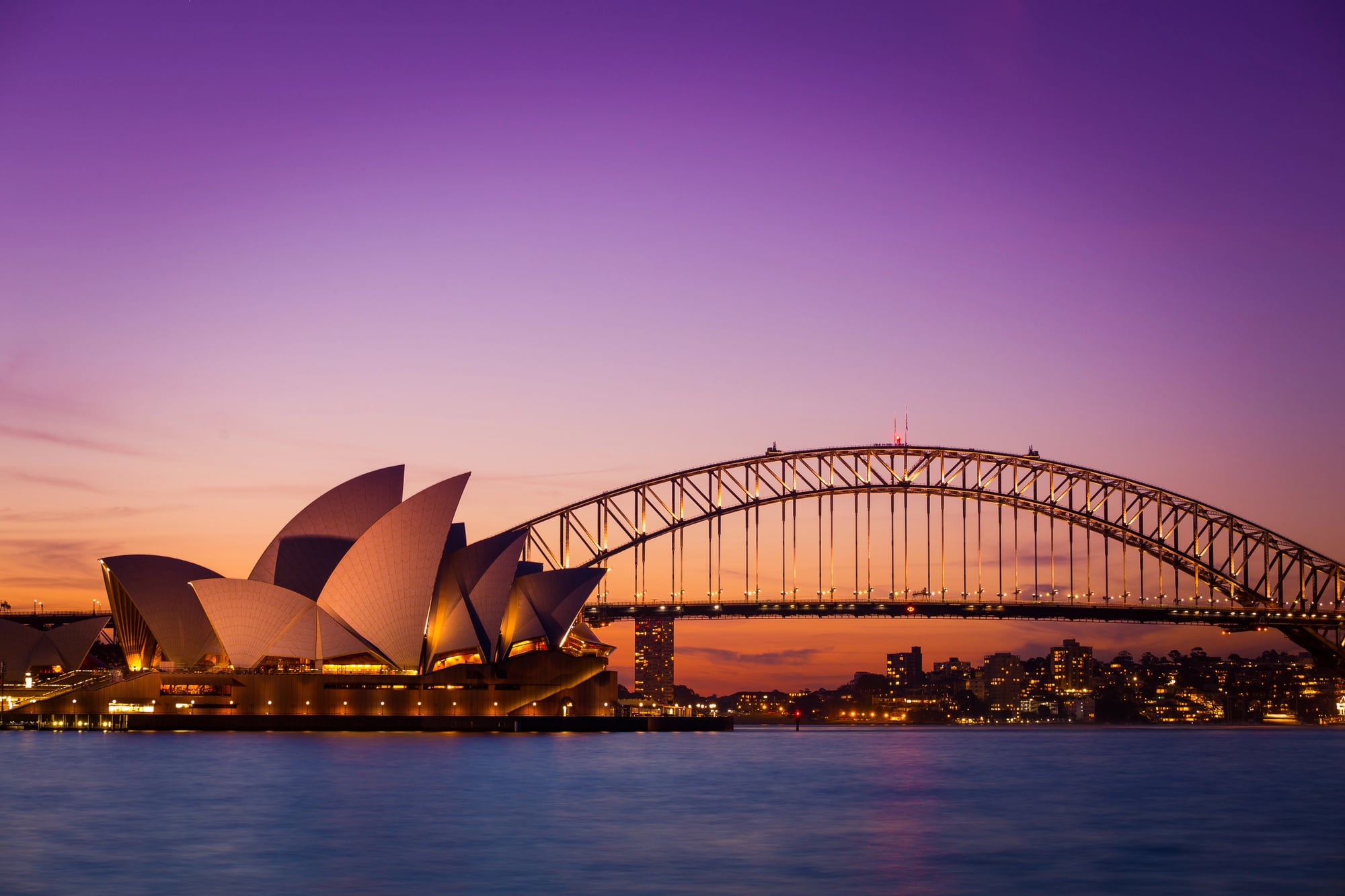
The Opera House’s distinctive shell architecture inspires curved poses that echo the building’s flowing lines. Tourists arch their arms overhead, mimicking the structure’s sail-like curves.
This pose requires physical flexibility and spatial awareness. The building’s multiple shells create different curve patterns depending on viewing angle.
Tourists study the architecture before attempting to mirror its shapes with their bodies.
Harbor photography adds complexity to Opera House poses. Ferry schedules affect timing.
Tides change the water level and reflection quality. Wind conditions impact both the building’s appearance and tourists’ ability to hold curved poses steadily.
The Golden Gate Bridge Span
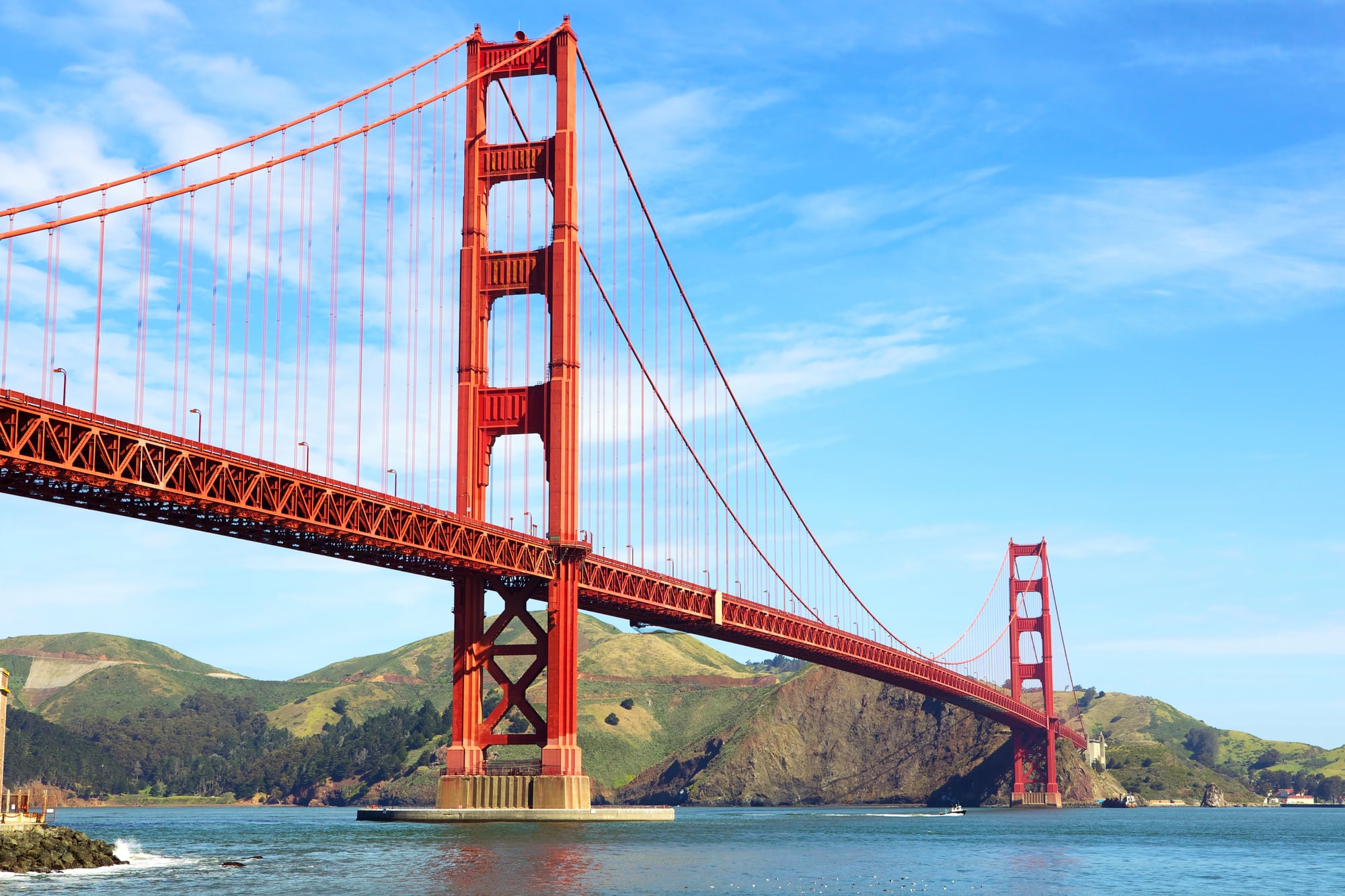
Bridge photography in San Francisco centers on span gestures that emphasize the Golden Gate’s impressive length. Tourists stretch their arms wide, attempting to match the bridge’s 4,200-foot main span with their wingspan.
Fog significantly impacts these photos. The bridge often disappears into low clouds, leaving tourists posing with empty sky.
Clear days provide dramatic backdrops but occur less frequently than visitors expect.
Viewing locations offer different span perspectives. Battery Spencer provides elevated angles that emphasize the bridge’s height.
Crissy Field offers ground-level shots that highlight the span’s length. Each location requires different pose adjustments to match the architectural perspective.
When Monuments Pose Back
These gestures have become so embedded in tourist culture that the landmarks themselves seem to anticipate them. Architecture designed centuries ago now serves as backdrop for poses its creators never imagined, yet somehow the interactions feel inevitable.
The Eiffel Tower’s tapering form naturally invites pinching gestures. The Leaning Tower’s obvious tilt practically demands corrective poses.
Perhaps what makes these poses endure isn’t their originality, but their ability to transform passive sightseeing into active participation. Standing before these monuments, tourists refuse to simply observe — they insist on joining the scene, becoming temporary parts of the landscape they came to witness.
The camera captures not just where they’ve been, but how they chose to inhabit these spaces, adding their own brief performance to stories that span centuries.
More from Go2Tutors!

- The Romanov Crown Jewels and Their Tragic Fate
- 13 Historical Mysteries That Science Still Can’t Solve
- Famous Hoaxes That Fooled the World for Years
- 15 Child Stars with Tragic Adult Lives
- 16 Famous Jewelry Pieces in History
Like Go2Tutors’s content? Follow us on MSN.



