Most Iconic Souvenir Types Bought in Major Cities
There’s something magnetic about entering a gift shop in a foreign city. The moment hits when you realize you’re about to buy something completely unnecessary that you’ll stuff into a drawer back home.
Yet somehow, walking out empty-handed feels wrong. So you browse the postcards and keychains, searching for that perfect token that captures whatever it was about this place that made you want to remember it.
Travel souvenirs follow surprisingly predictable patterns across major cities worldwide. From Tokyo’s character merchandise to Paris’s miniature monuments, certain types of mementos appear again and again in tourist districts.
These items represent more than simple commerce — they’re tiny ambassadors of place, carrying the weight of memory in forms small enough to fit in a suitcase.
Miniature Landmarks
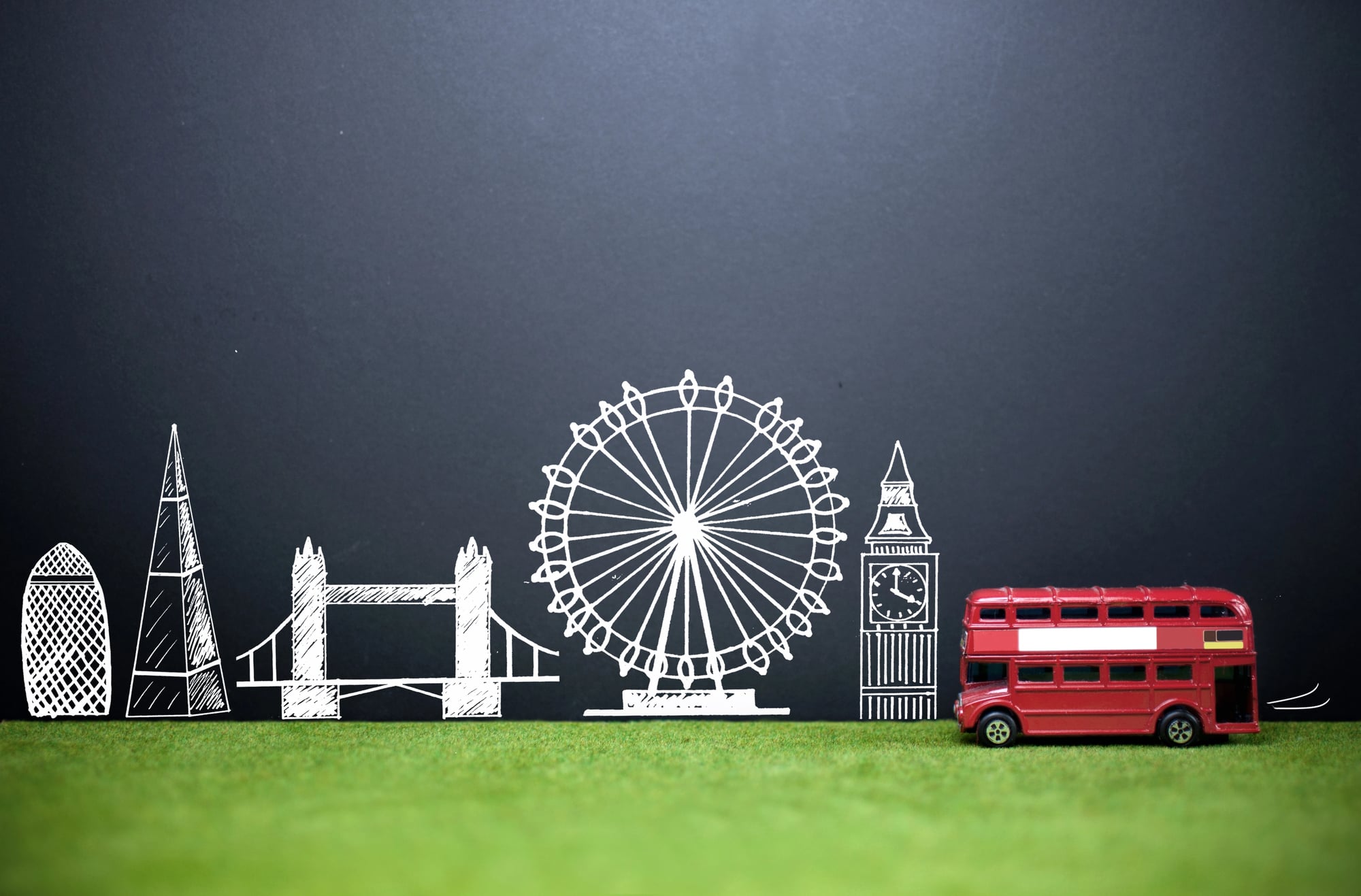
Every major city sells tiny versions of its most famous structures. The Eiffel Tower paperweight. The Statue of Liberty snow globe. Big Ben desk clock.
They’re everywhere because they work.
These miniatures compress an entire travel experience into something you can hold. That’s their real function — not decoration, but distillation.
T-Shirts and Apparel

The “I Love NY” shirt spawned an entire industry of city-branded clothing, and now every major destination has its own version (some more creative than others, which is saying something when you consider how low the bar was set). What started as a 1970s marketing campaign became the template for wearable proof of presence — you were there, and the shirt says so.
You’ll find these in every tourist district from London (Union Jack everything) to Tokyo (where the English is sometimes charmingly incorrect). And while locals never wear them, tourists buy them reliably because wearing your travel history turns out to be irresistible.
To be fair, a shirt that says “Barcelona” does make unpacking easier six months later when you’re trying to remember which trip that restaurant receipt came from.
Postcards and Photo Books
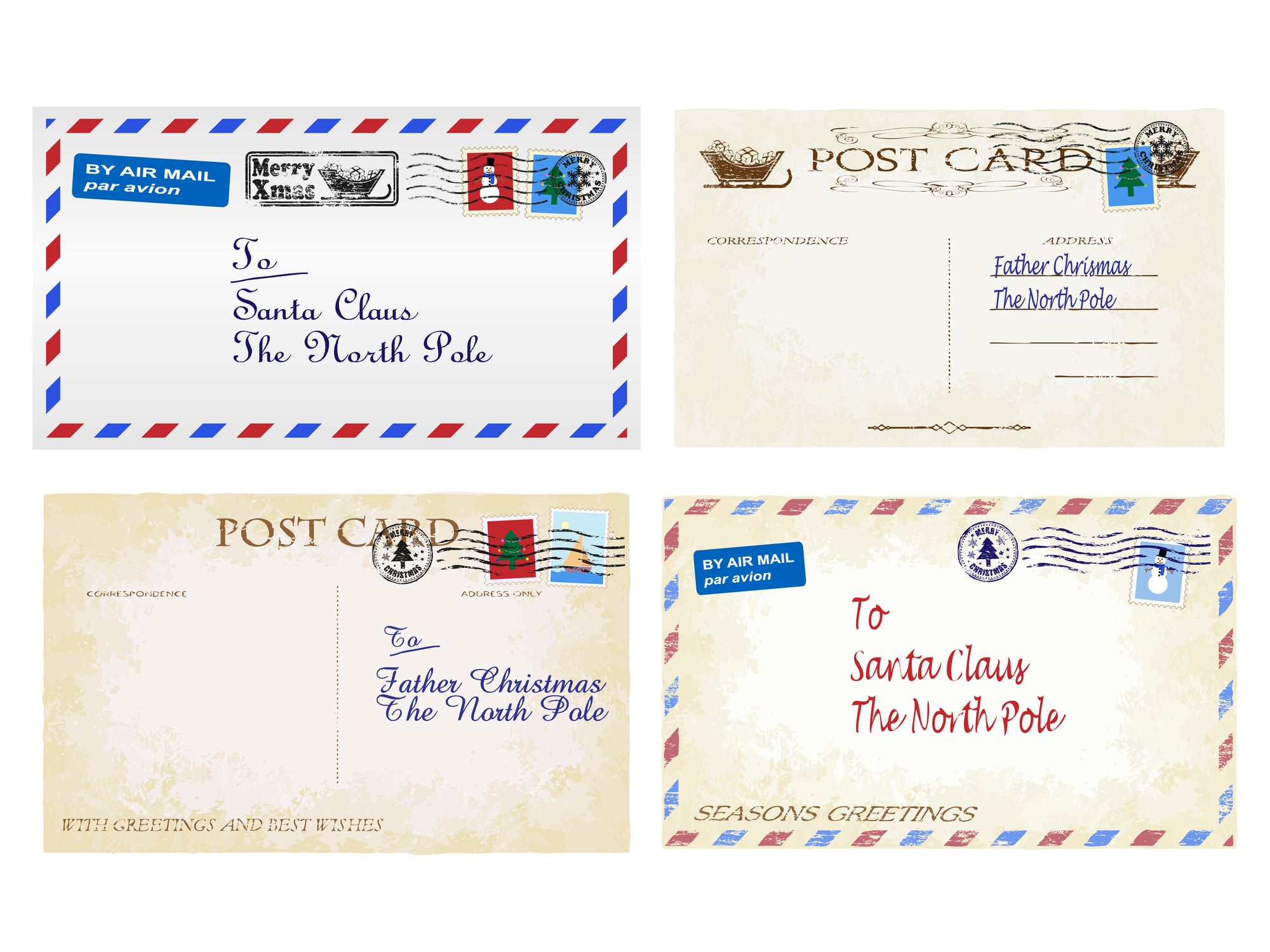
Postcards survive in an Instagram age like stubborn flowers growing through sidewalk cracks — improbably resilient, quietly determined to stay relevant. There’s something about choosing a specific image of a place, writing on the back of it, and either mailing it or tucking it between book pages that digital photos can’t replicate.
The ritual matters more than the efficiency. And the best postcards (the ones that disappear from racks first) never show the obvious angles everyone already has on their phones.
They catch the city in softer moments — early morning light on Amsterdam canals, rain on Roman cobblestones, the view from a café window rather than a famous overlook. These images become small windows back to places that exist more in feeling than geography.
Keychains and Magnets
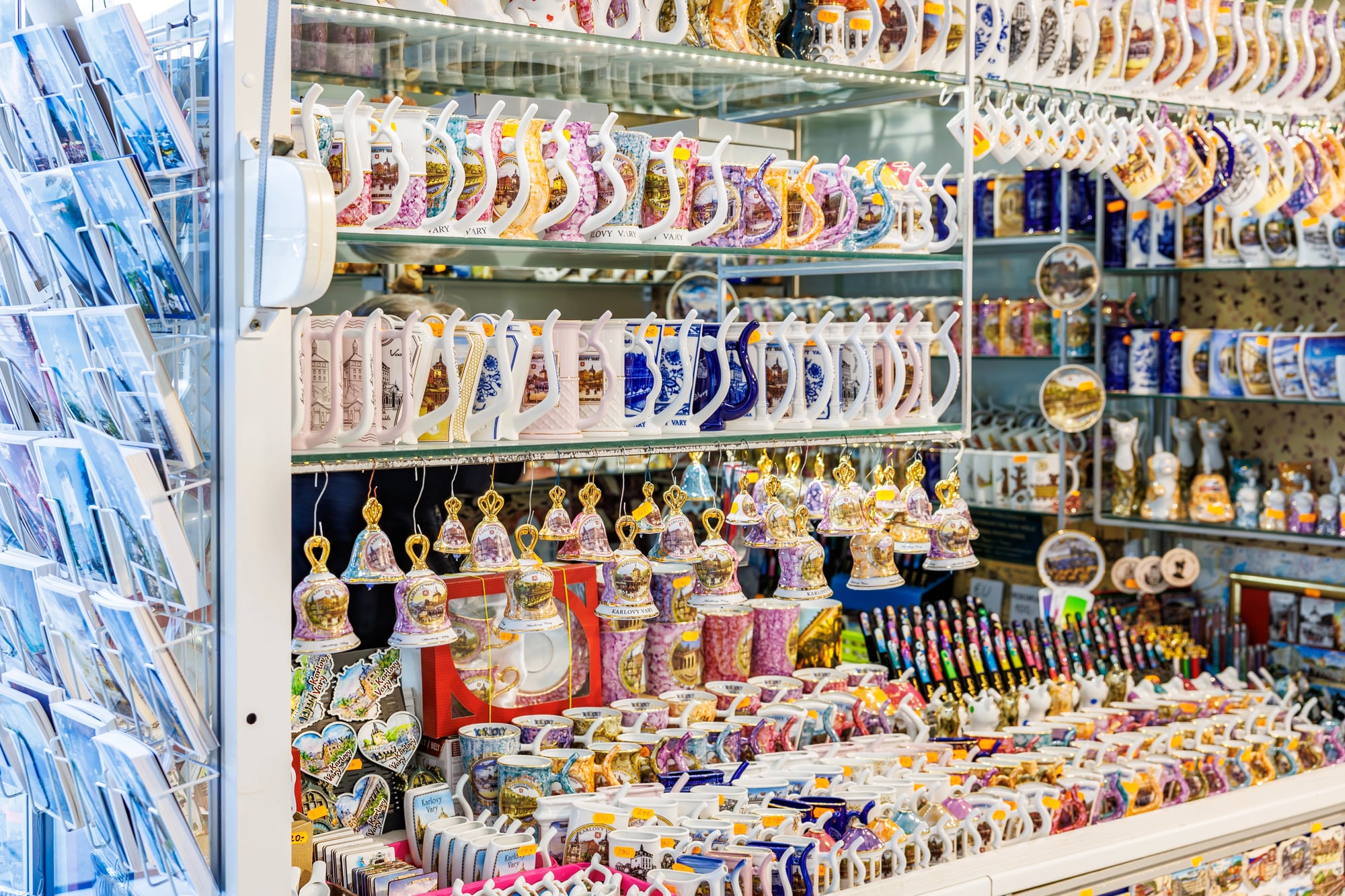
Keychains are democracy in souvenir form. Cheap enough for anyone, small enough for any bag, useful enough to justify.
Every major city has walls of them.
The magnet revolution happened quietly. Someone figured out that refrigerators were underutilized real estate for displaying travel memories.
Brilliant, really.
Local Food Products
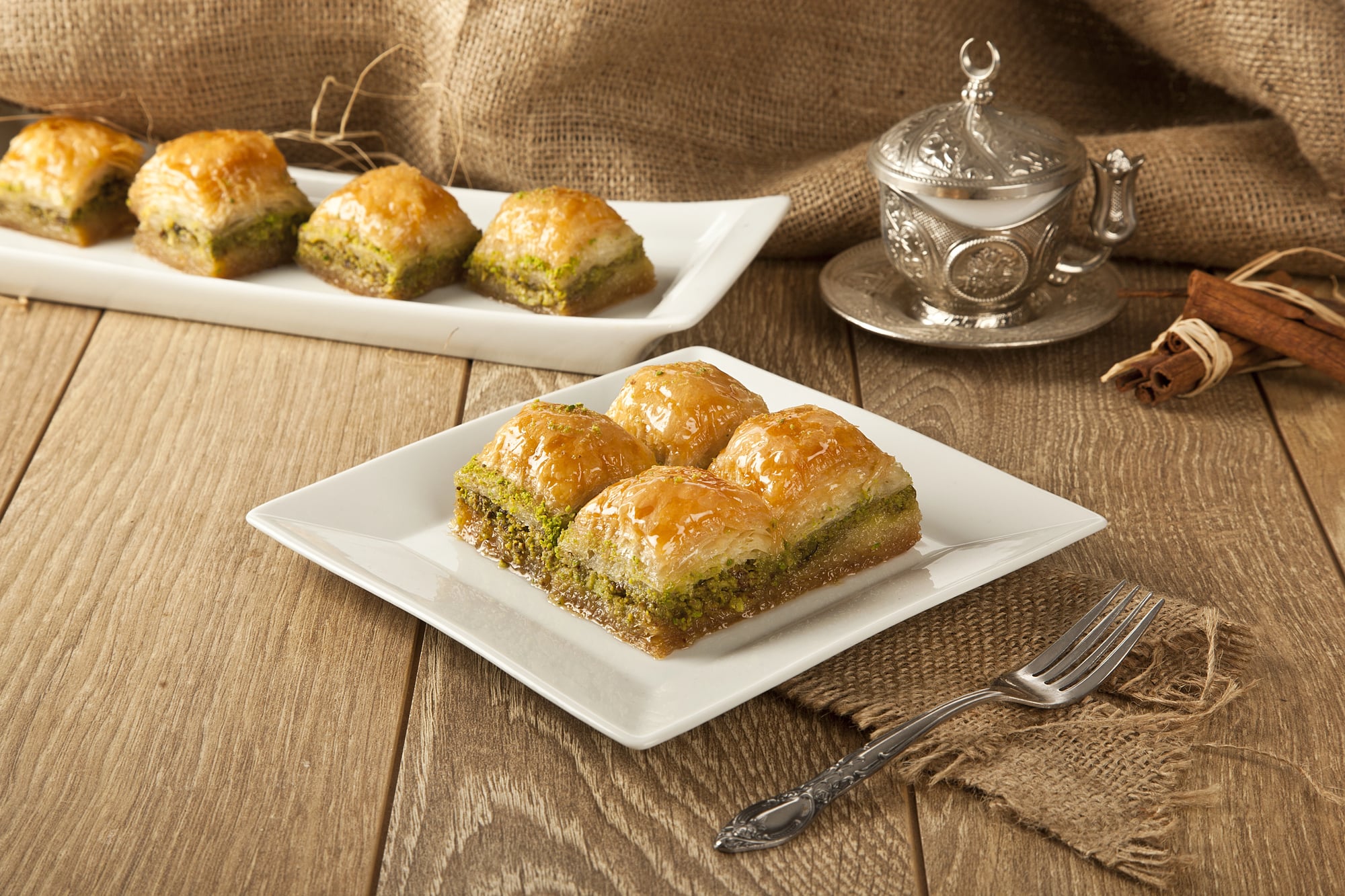
Cities with distinctive food cultures package their flavors for export, and tourists gladly comply by filling suitcase corners with things that would be cheaper to buy at home (if they existed at home, which they usually don’t). Paris ships macarons in special boxes. San Francisco sells sourdough starter kits. New Orleans bottles hot sauce with jazz musicians on the labels.
These edible souvenirs carry particular weight because taste memory runs deeper than visual memory — that jarring moment six months later when you open a jar of Turkish honey and suddenly you’re back in the Grand Bazaar, complete with the sound of haggling vendors and the smell of roasting chestnuts.
But food souvenirs also come with expiration dates, which means they force you to relive the trip within a reasonable timeframe rather than letting it gather dust indefinitely. Smart design, whether intentional or not.
Art and Crafts From Local Artisans
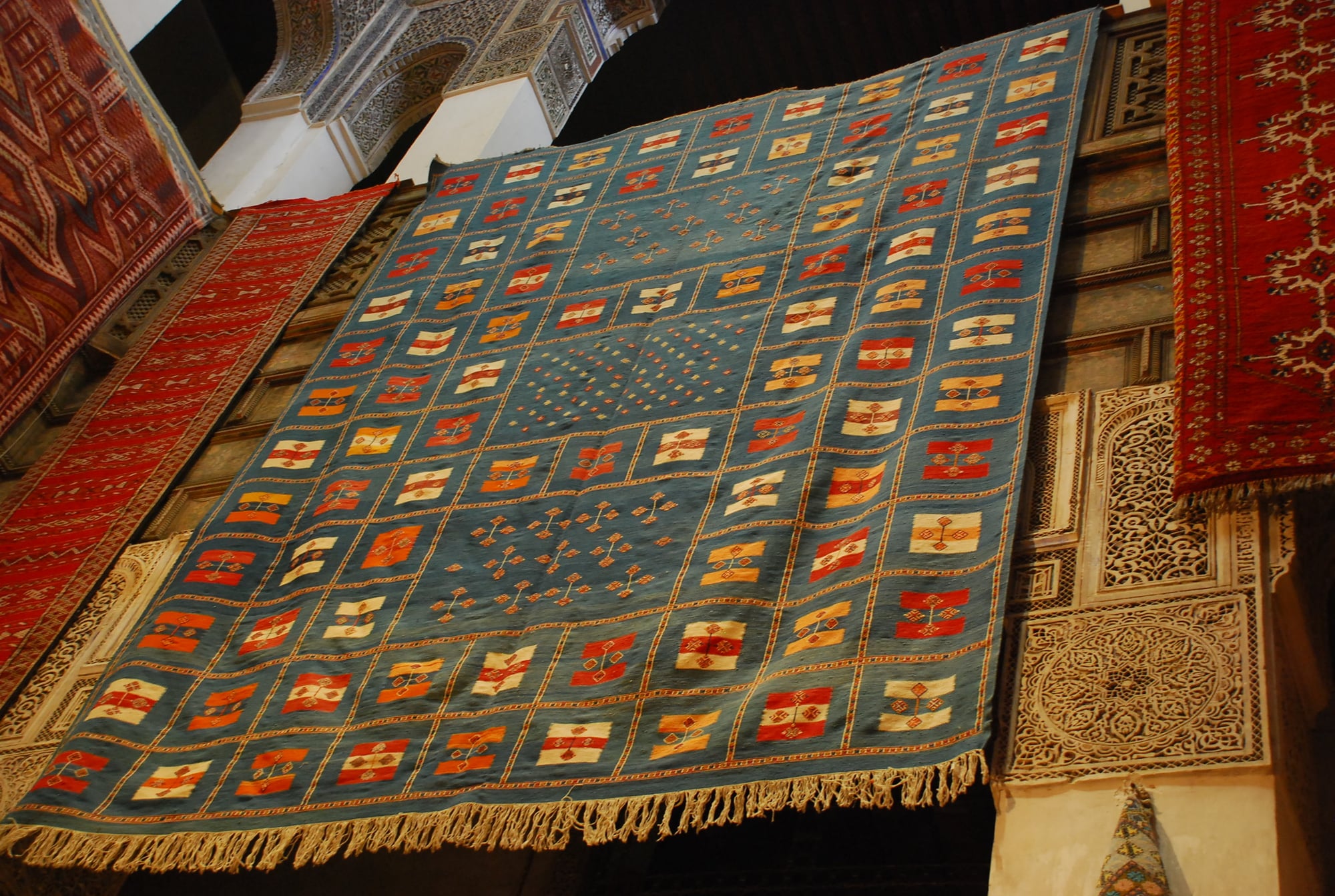
Every major tourist destination develops its own ecosystem of local crafts — items that feel authentically connected to place rather than mass-produced for visitors. Venice has its glass. Morocco has its rugs. Peru has its textiles.
These pieces cost more than keychains, take up more luggage space, and require more careful transport, but they also last longer and age better.
The best artisan souvenirs improve with time rather than fading, which separates them from most travel purchases. A handwoven scarf from Guatemala gets softer with wear.
A ceramic bowl from a potter in Kyoto becomes part of daily routine rather than sitting on a shelf. And unlike postcards or snow globes, these items integrate into regular life without announcing their tourist origins to every houseguest.
Snow Globes
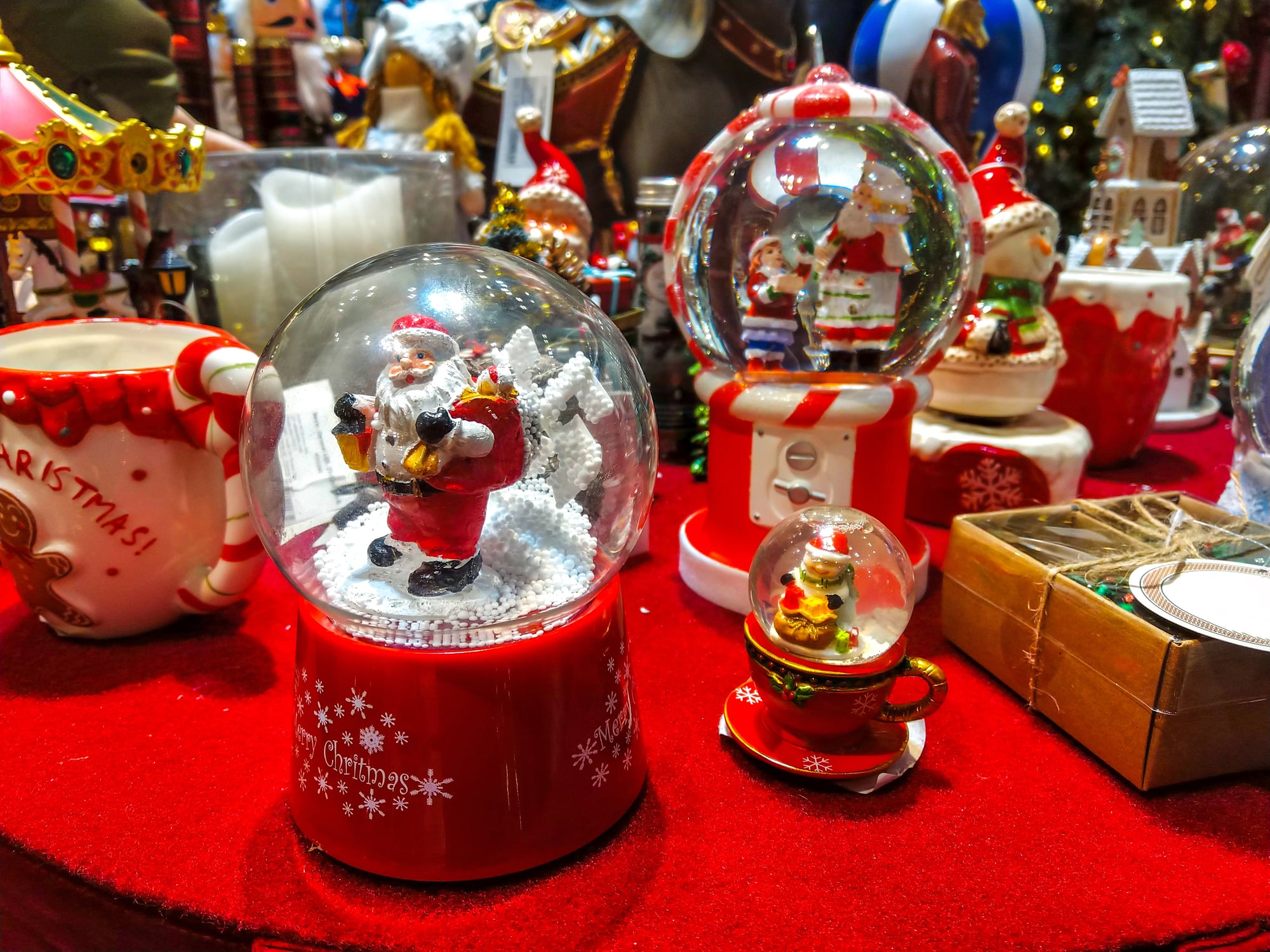
Snow globes are wonderfully absurd when you stop to think about them. A miniature world trapped under glass, filled with fake precipitation that falls when you shake it.
They make no practical sense, serve no functional purpose, and somehow feel essential to the souvenir experience.
The physics are hypnotic — gravity acting on tiny white particles in slow motion, creating weather systems you control. Cities that never see snow end up immortalized in perpetual blizzards.
It’s completely artificial and oddly soothing.
Museum and Gallery Reproductions

Museums figured out long ago that people want to take pieces of culture home with them, so gift shops became extensions of the collections — Van Gogh tote bags, Metropolitan Museum jewelry, Louvre umbrellas. These reproductions let you carry a fragment of high culture into daily life, which either elevates the mundane or commercializes the sublime, depending on your perspective.
The quality varies wildly (some museum shops curate as carefully as their exhibitions, others seem to slap famous paintings onto anything with a flat surface), but the impulse remains consistent. That Hokusai wave print ends up on your wall not because you need more decoration, but because you want to remember standing in front of the original, feeling small in the presence of something that has outlasted centuries.
The reproduction becomes a bookmark for that feeling.
Local Textiles and Clothing
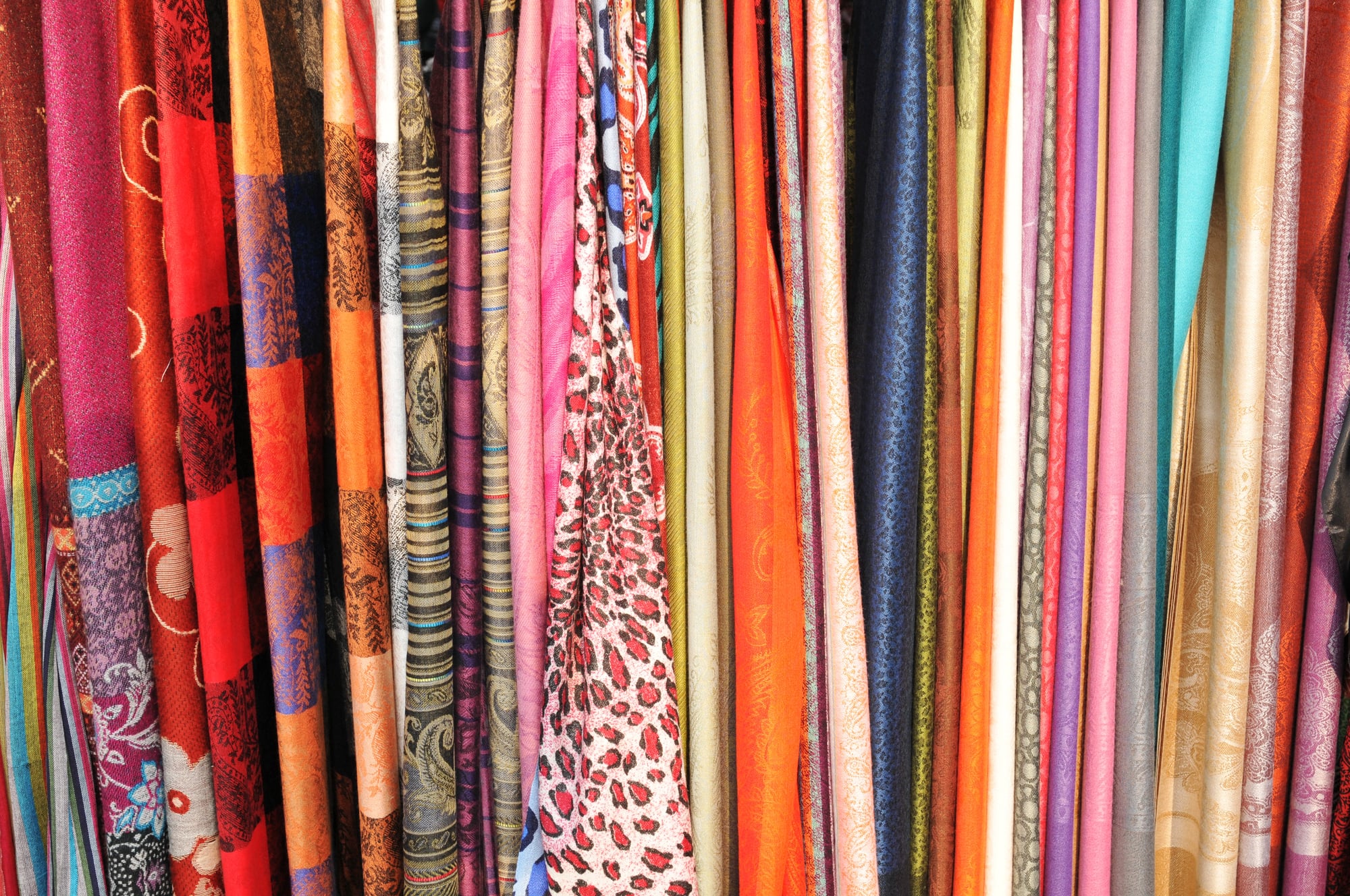
Traditional clothing items appear in tourist markets worldwide, adapted for visitors who want to wear something distinctly connected to place. Ponchos in Peru, sarongs in Thailand, kilts in Scotland, dashikis in Ghana.
These garments carry cultural weight that goes beyond simple fashion — they’re symbols made wearable.
The ethics get complicated here because traditional dress often carries spiritual or ceremonial significance that gets flattened when sold to tourists. But the desire to connect with local culture through clothing remains powerful, and when done respectfully, these textiles can serve as bridges between cultures rather than appropriation.
The key lies in understanding context — knowing when you’re buying from artisans who welcome cultural exchange versus vendors who are simply capitalizing on symbolic imagery.
Books and Maps

Independent bookstores in major cities stock local authors, city histories, and guidebooks that you can’t easily find elsewhere. These make for thoughtful souvenirs because they extend the travel experience — you keep discovering the city through reading long after you’ve returned home.
Old maps, in particular, possess a strange magnetism. There’s something about seeing familiar streets drawn by different hands, at different scales, in different eras.
Maps turn geography into art, and vintage ones carry the additional weight of showing how cities have changed. That 1960s subway map of London or hand-drawn illustration of San Francisco neighborhoods becomes a window into the city’s evolution.
Jewelry With Local Stones or Designs
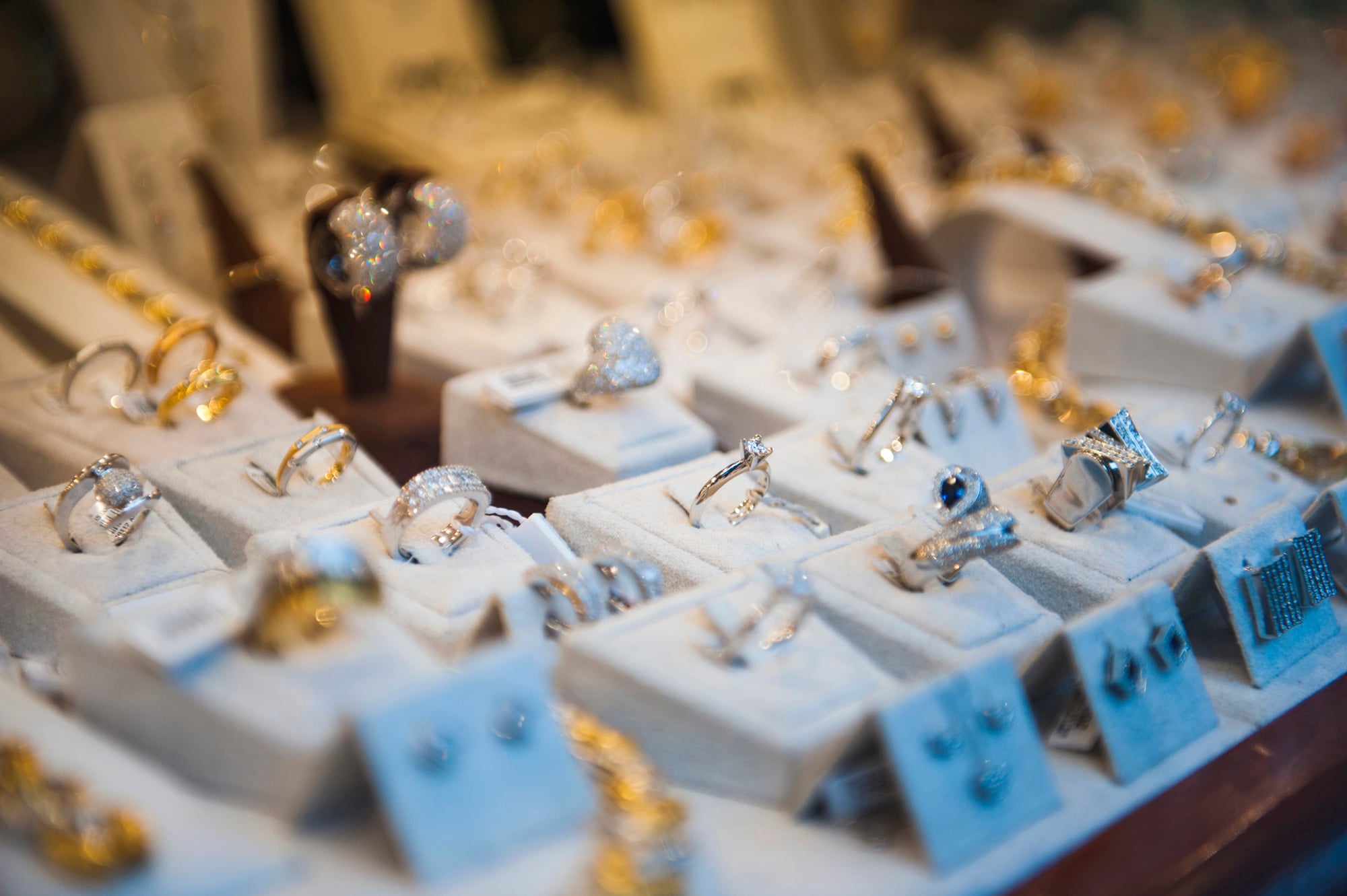
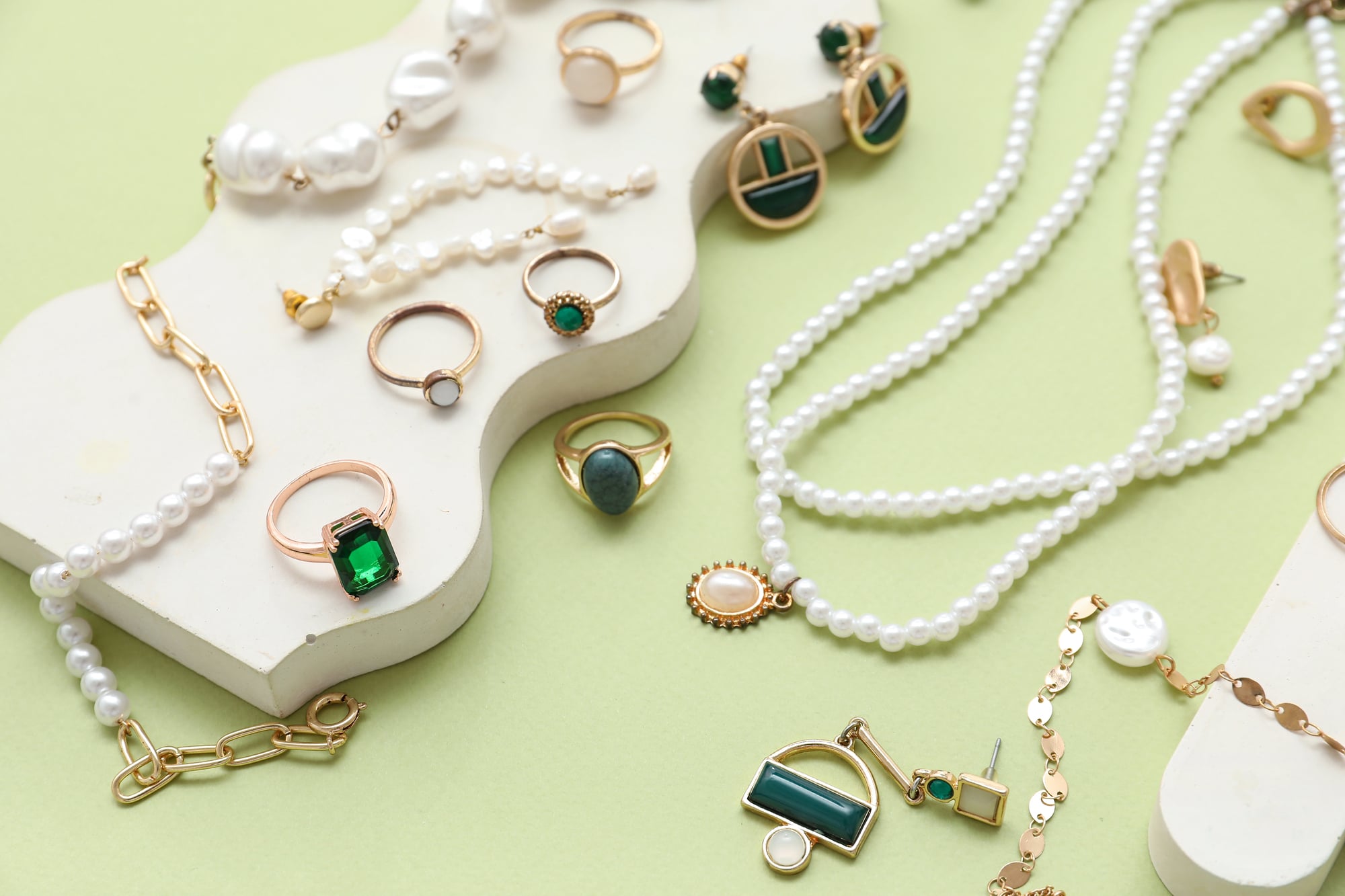
Cities near distinctive geological features often incorporate local materials into jewelry — turquoise in Santa Fe, pearls in Tahiti, amber in Baltic cities. These pieces literally carry fragments of place in wearable form, which satisfies something deeper than mere decoration.
The best examples reflect regional aesthetic traditions rather than simply using local materials. Scandinavian silver work has a different sensibility than Mediterranean coral jewelry, and those differences speak to cultural values expressed through craft.
Wearing a piece of jewelry from travels becomes a daily reminder not just of place, but of the people who shaped raw materials into beauty according to their own traditions.
Character Merchandise and Pop Culture Items
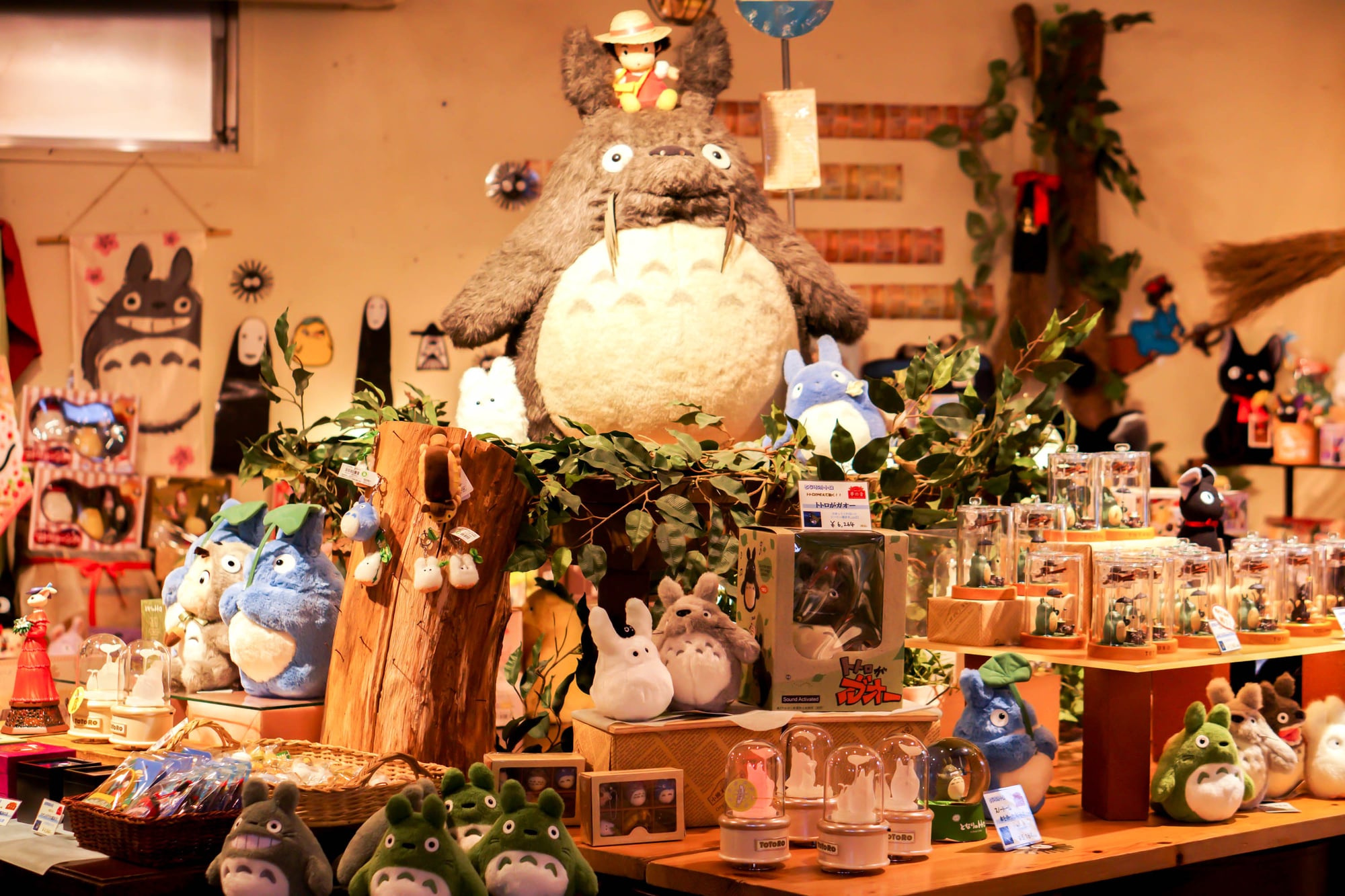
Tokyo elevated character merchandising to an art form, but every major city now capitalizes on its pop culture associations. London sells Beatles and Sherlock Holmes memorabilia. New York merchandises everything from Broadway shows to superhero franchises. Los Angeles exports Hollywood glamour in every conceivable form.
These items work because they connect personal interests to place-based memories. That Studio Ghibli totebag from Tokyo isn’t just anime merchandise — it’s a token of the specific joy you felt discovering Japanese animation culture in its birthplace.
The connection between character and location creates emotional resonance that generic pop culture items can’t match.
Handmade Soaps and Cosmetics
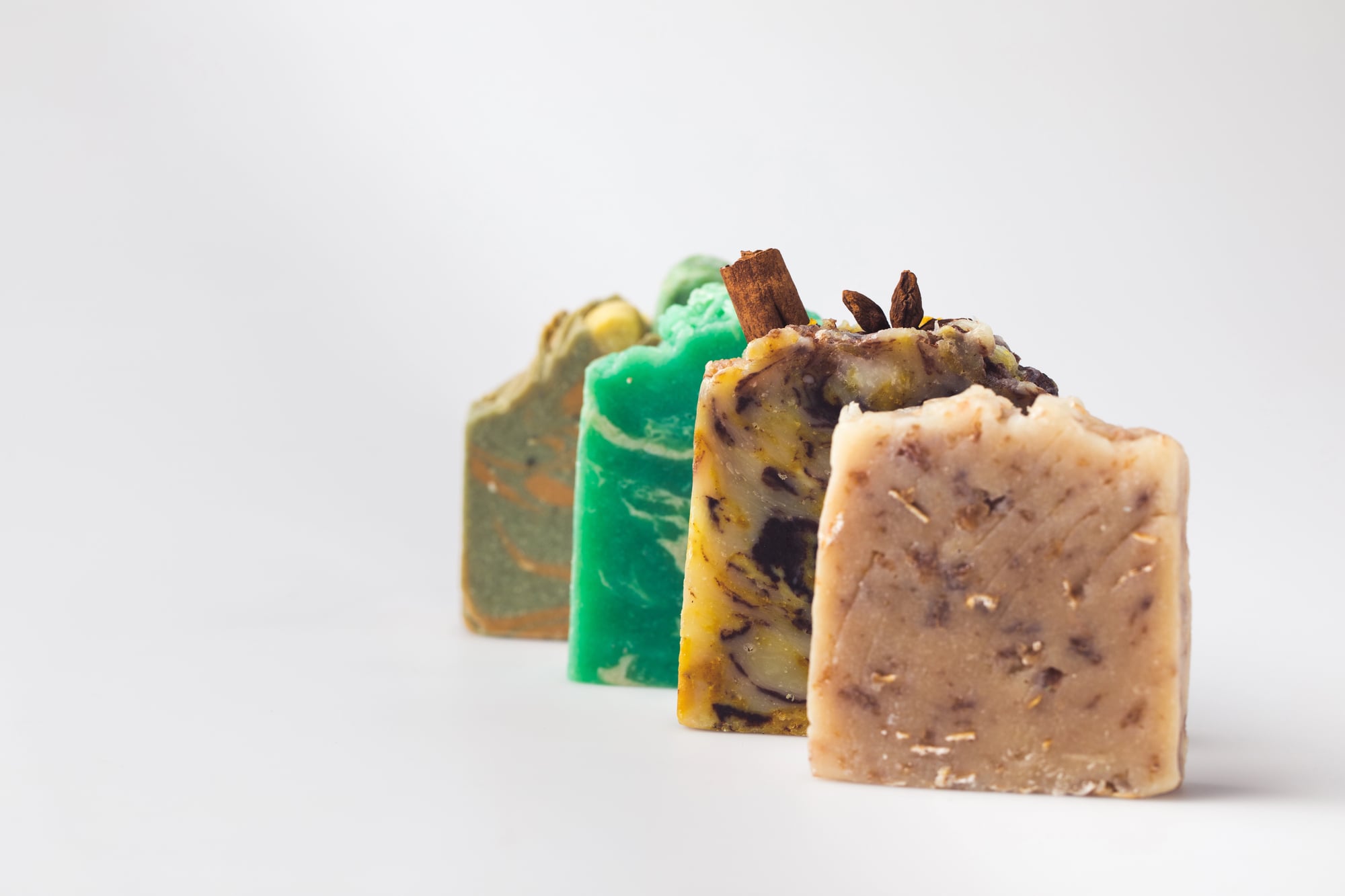
Local beauty products tap into the romantic notion that different places possess unique ingredients — Dead Sea salts, French lavender, Moroccan argan oil. Whether these products actually work better than what you can buy at home matters less than the ritual of using something that carries place-based associations.
There’s genuine pleasure in using soap that smells like herbs from a market in Provence or moisturizer made with ingredients you first encountered while traveling. These products disappear with use, which means they provide regular small reminders of travel experiences rather than sitting forgotten on shelves.
And unlike most souvenirs, they improve your daily routine while they last.
Everything in Its Place
Souvenirs succeed when they capture something essential about place while fitting into the reality of life back home. The best ones don’t just commemorate travel — they extend it, providing small daily reminders of experiences that shaped you.
Whether that comes through wearing a scarf from Morocco, brewing tea in a mug from Ireland, or simply shaking a snow globe from Prague, these objects serve as bridges between the extraordinary moments of travel and the ordinary rhythms of home.
More from Go2Tutors!

- The Romanov Crown Jewels and Their Tragic Fate
- 13 Historical Mysteries That Science Still Can’t Solve
- Famous Hoaxes That Fooled the World for Years
- 15 Child Stars with Tragic Adult Lives
- 16 Famous Jewelry Pieces in History
Like Go2Tutors’s content? Follow us on MSN.