Stars Who Served Before Fame
Hollywood glamour and military service might seem like opposites, but countless celebrities traded civilian life for uniforms long before they ever stepped onto a red carpet. These stars learned discipline, leadership, and resilience in ways that shaped both their character and their careers.
The transition from barracks to blockbusters reveals something fascinating about the people we watch on screen — many of them understand sacrifice, teamwork, and dedication in ways that go far deeper than memorizing lines.
Elvis Presley
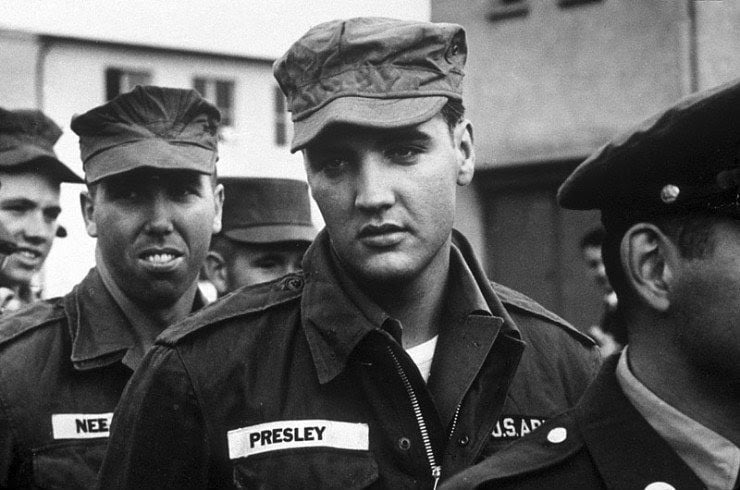
The King traded his crown for combat boots in 1958. Two years of mandatory service in Germany, where he served as a regular soldier despite offers for cushier entertainment roles.
His fans worried the Army would kill his career. Instead, it made him a symbol of duty and humility that lasted decades.
Clint Eastwood
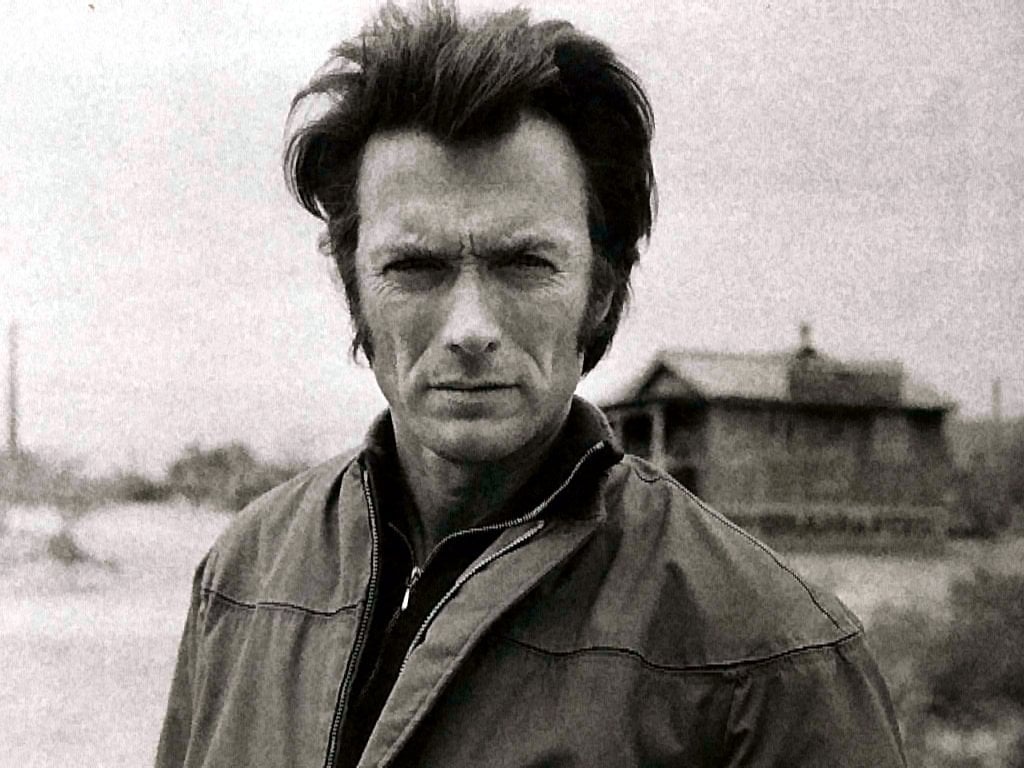
Before he was the Man with No Name, Eastwood was a swimming instructor at Fort Ord during the Korean War. The job sounds peaceful until you consider he survived a plane crash in the Pacific, swimming miles to shore through freezing water and rough seas — an experience that would make any Western showdown feel manageable.
And here’s the thing about near-death experiences: they either break you completely or teach you that most problems aren’t actually problems. Eastwood clearly landed in the second category, bringing a kind of unshakeable calm to every role that followed, as if he’d already faced the worst thing that could happen and lived to tell about it (though he rarely did tell about it, which somehow made it even more compelling).
Jimmy Stewart
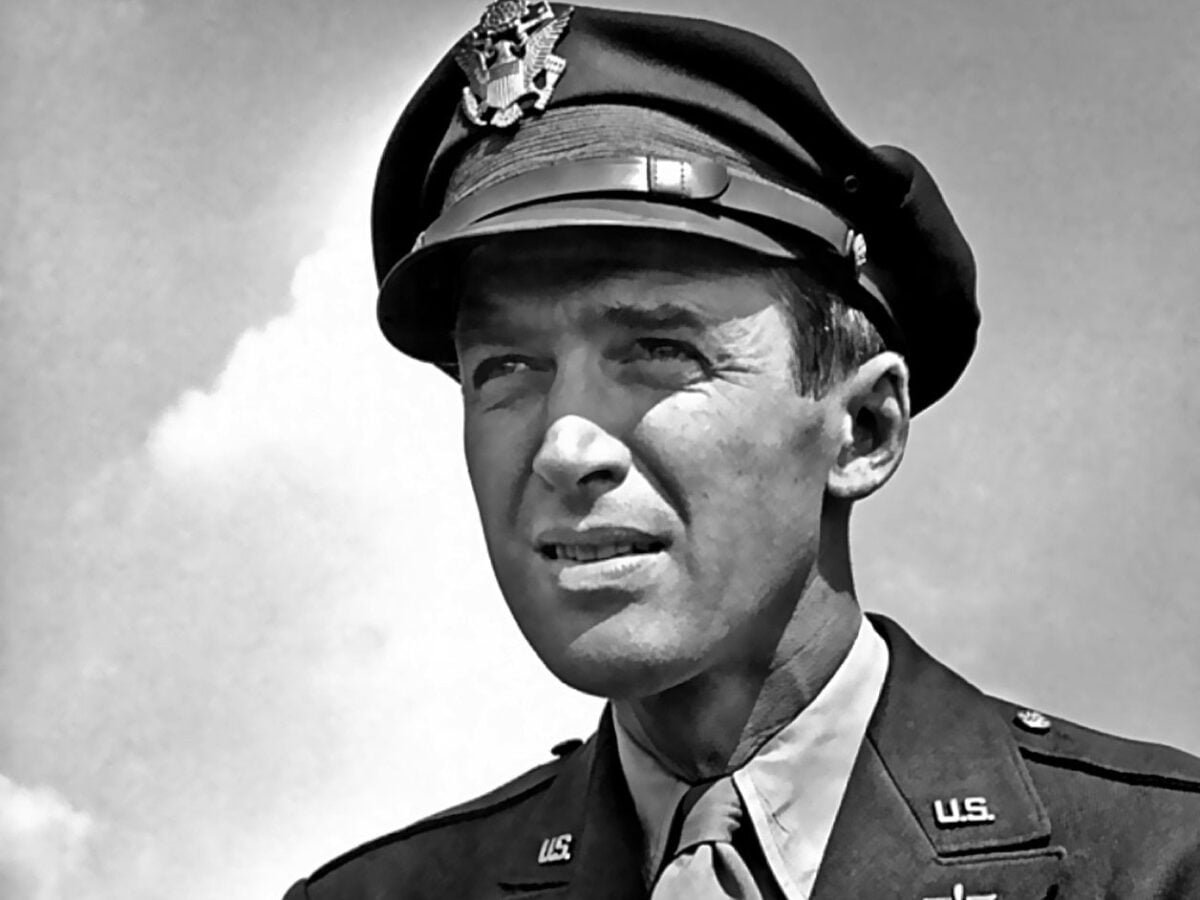
Flying bombing missions over Nazi Germany requires a different kind of courage than standing in front of a camera. Stewart piloted B-17 Fortresses through some of the most dangerous airspace of World War II, rising from private to colonel.
The war changed him in ways that audiences could sense but never quite name. His post-war performances carried a weight that hadn’t been there before — a man who’d seen things that couldn’t be unseen, playing characters who understood that life was both more fragile and more precious than most people realized.
Morgan Freeman
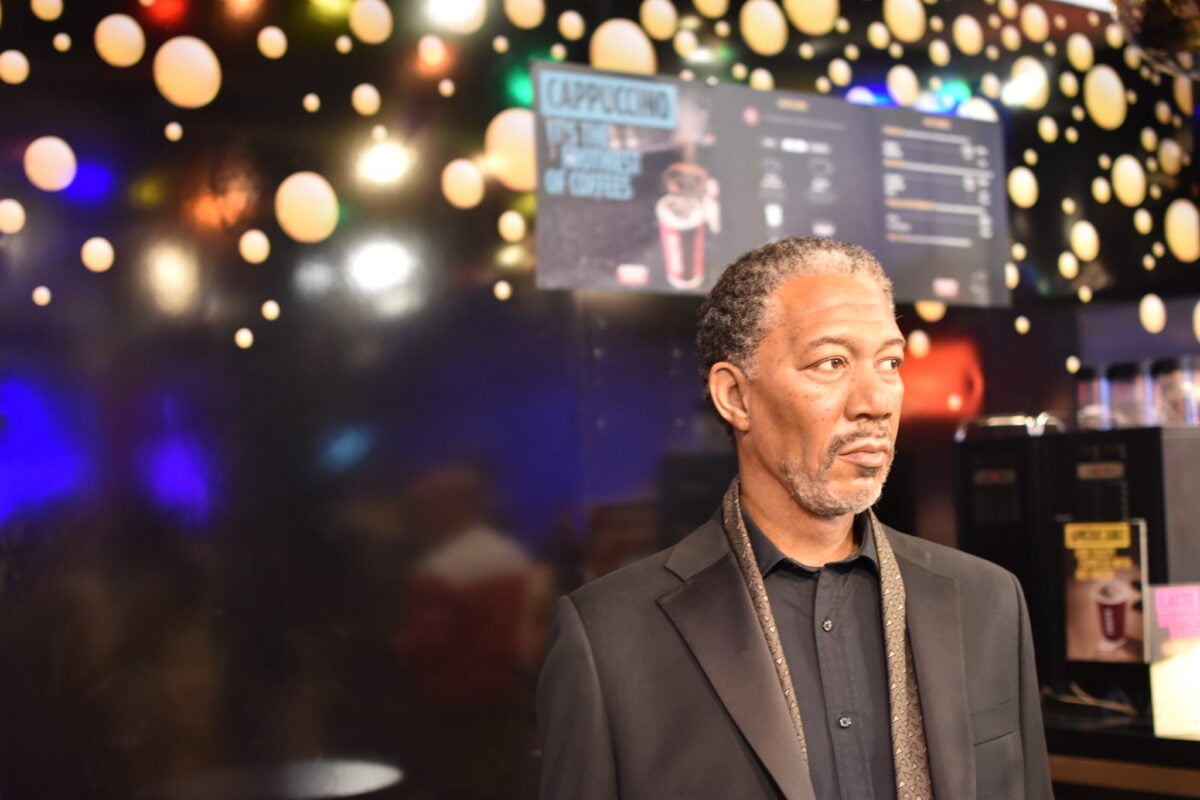
Freeman spent four years in the Air Force, working as a radar technician and dreaming of becoming a pilot. The military said no to flight school — their loss, Hollywood’s gain.
Freeman has always carried himself with the bearing of someone who knows how to take orders and give them. There’s a reason directors keep casting him as the voice of authority and wisdom.
The man spent his early twenties tracking aircraft through hostile skies.
Alan Alda

Alda served as a gunnery officer in Korea, though he arrived after the fighting had mostly ended. The irony wasn’t lost on him — playing Hawkeye Pierce years later, an Army surgeon desperate to end the same war Alda had been deployed to fight.
The role gave him a chance to explore the contradictions he’d lived through (wanting to serve your country while questioning the wisdom of war, finding humor in situations that were anything but funny, maintaining sanity when nothing around you made sense). So much of what made Hawkeye compelling came from Alda’s own wrestling with those impossible balances — duty and dissent, loyalty and skepticism, laughter and grief existing in the same space because that’s how people actually survive impossible circumstances.
Drew Carey

Stand-up comedy and Marine Corps training don’t seem like natural companions, but Carey spent six years in the reserves. The discipline stuck with him through years of struggling clubs and late-night shows.
Military service teaches you that bombing on stage is survivable — just another kind of hostile territory where you either adapt or wash out. Carey learned to read rooms the way Marines read terrain: quickly, accurately, and with the understanding that your next move depends on getting it right.
Gene Hackman
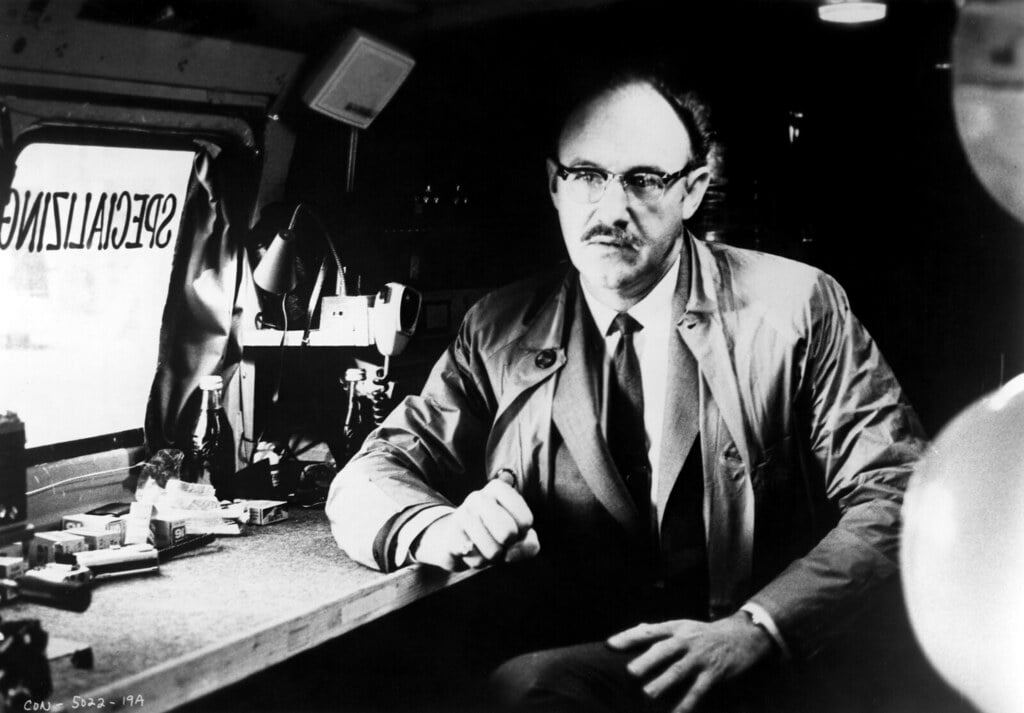
Hackman lied about his age to join the Marines at 16, desperate to escape a difficult childhood. The Corps gave him structure, purpose, and eventually the GI Bill that paid for acting school.
Without that military foundation, there’s no French Connection, no Unforgiven, no five decades of characters who seemed to understand exactly how much pressure a person could take before breaking. The toughness in Hackman’s performances wasn’t acting — it was memory.
Mel Brooks
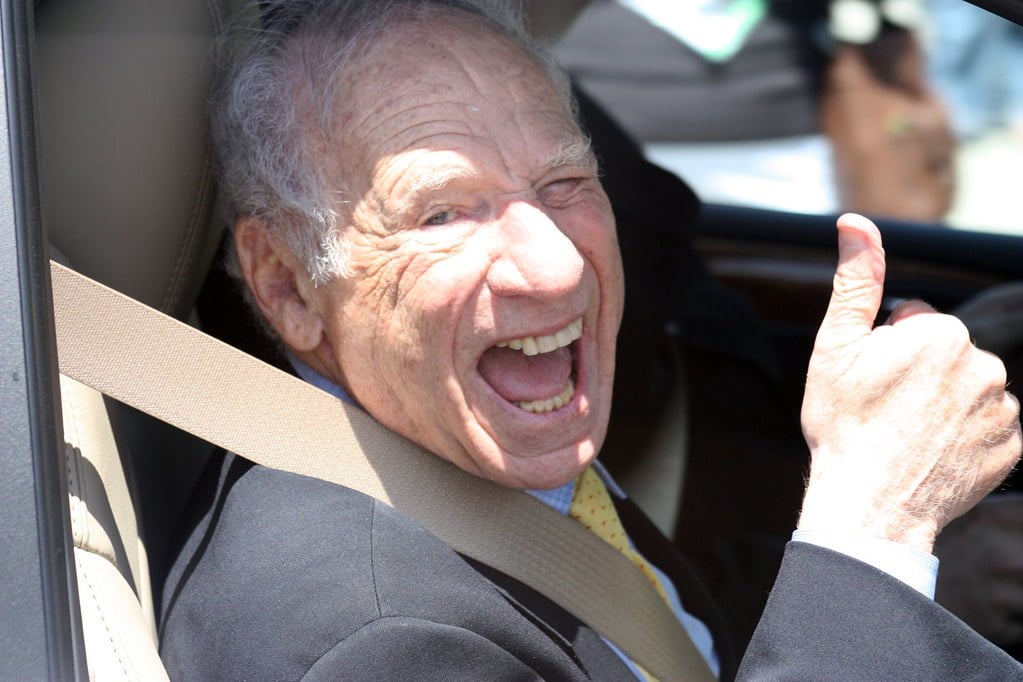
Brooks was a combat engineer in World War II, defusing mines and clearing paths for advancing troops. One of the most dangerous jobs in the military, handled by someone who would later make a career out of finding humor in everything.
Comedy and combat engineering share an unexpected skill: the ability to find solutions when conventional approaches fail (you either laugh at the absurdity or let it crush you, you either figure out how to clear the obstacle or everyone behind you pays the price). Brooks learned both lessons in France and Germany, then spent the rest of his career proving that laughter really could defuse the most explosive situations.
Bea Arthur
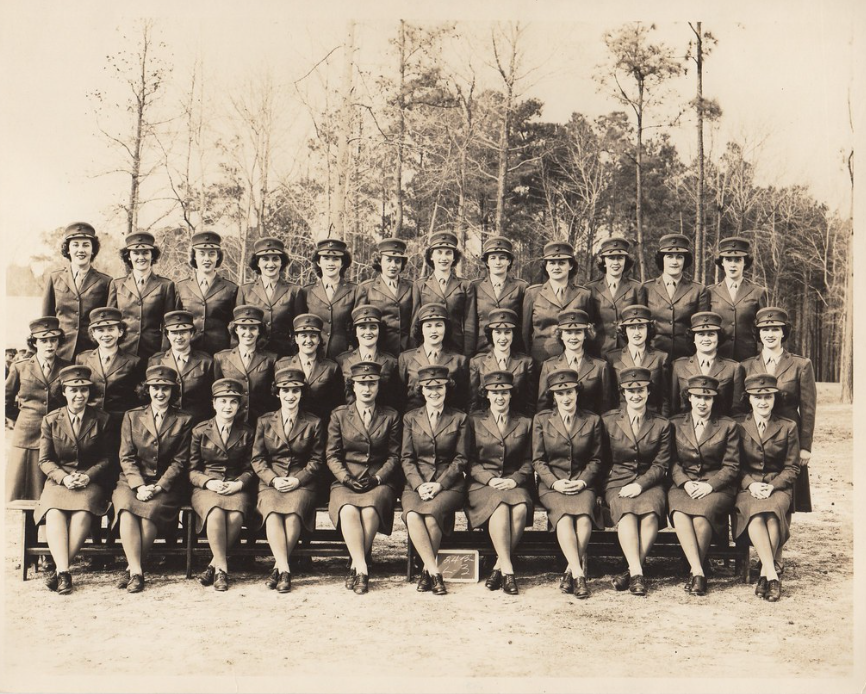
Long before she was Dorothy Zbornak, Arthur was a Marine truck driver in World War II. She enlisted in 1942, when women in the military faced skepticism and outright hostility from peers and superiors alike.
The experience taught her to hold her ground without apology — a quality that would define every character she ever played. Arthur never seemed intimidated by anyone or anything, whether she was facing down Archie Bunker or delivering a cutting line on Golden Girls.
Johnny Carson
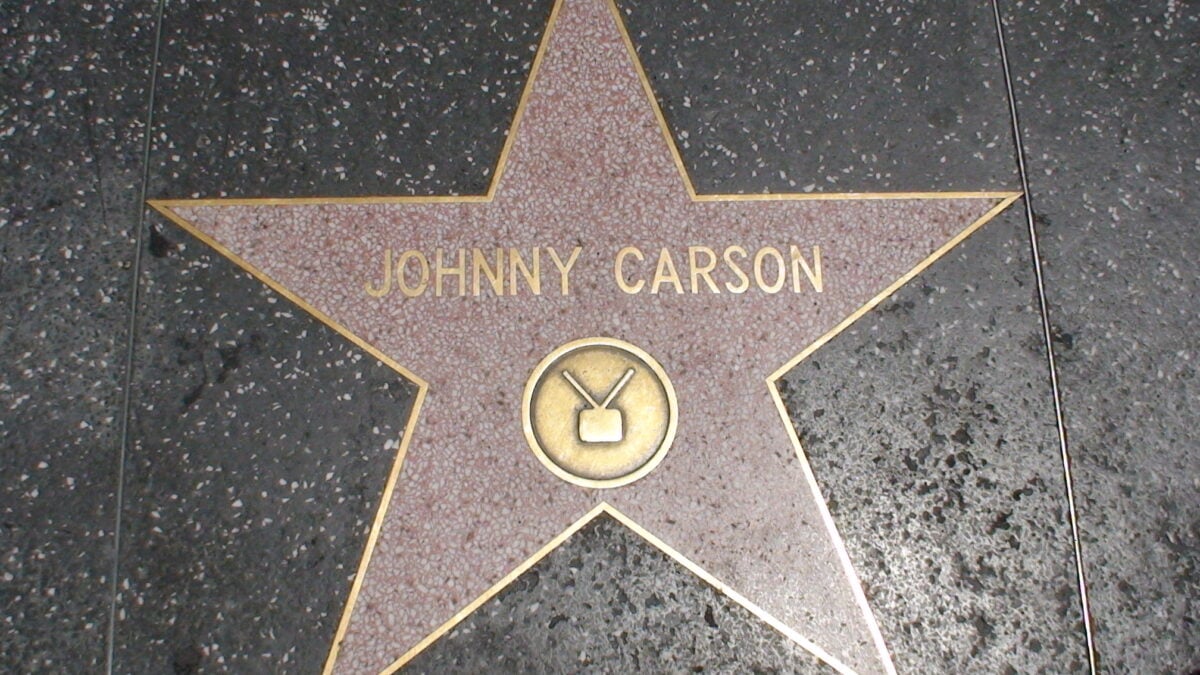
Carson served on a Navy destroyer during World War II, though he saw more comedy shows than combat. His job was entertaining the crew, an early hint of where his real talents lay.
But military service teaches you to read your audience in ways that translate perfectly to television: you learn when to push and when to pull back, how to keep people’s attention when they’d rather be anywhere else, and most importantly, how to make a room full of strangers feel like they’re all in on the same joke.
Ice-T

Before rap made him famous, Ice-T spent four years in the Army, serving as a paratrooper in the 25th Infantry Division. The irony was perfect — a future gangsta rap pioneer learning discipline and teamwork in one of the military’s most elite units.
The Army gave him structure during a chaotic period of his life, but more importantly, it gave him credibility that couldn’t be manufactured or faked. When Ice-T rapped about survival and brotherhood, audiences knew he wasn’t just playing a character — he’d lived it in ways that went deeper than street experience alone.
Montel Williams
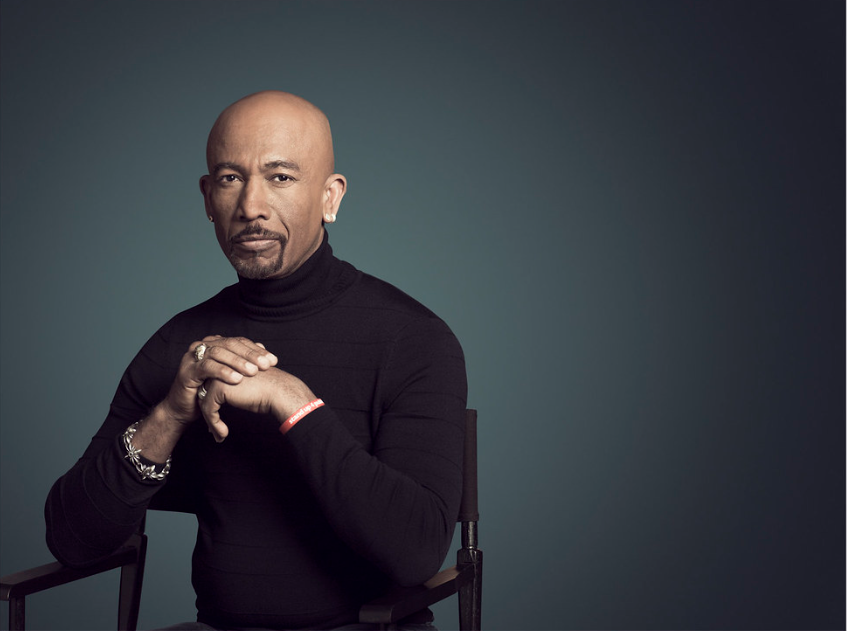
Williams graduated from the Naval Academy and served 22 years as a Marine and Navy intelligence officer. The transition from classified briefings to daytime television might seem jarring, but both jobs require the same core skill: getting people to trust you with information they don’t share with everyone else.
Military intelligence trains you to listen for what people aren’t saying as much as what they are — a talent that served Williams perfectly when he moved into broadcasting, where the most compelling moments often happen between the scripted questions and rehearsed answers.
Tony Bennett
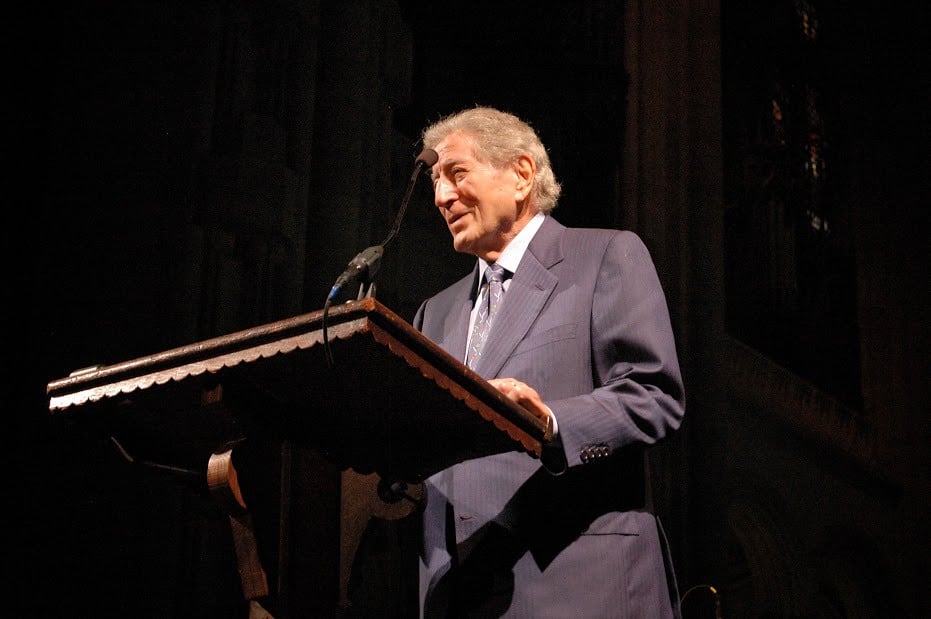
Bennett was a front-line infantryman in World War II, fighting through some of the bloodiest battles in Europe. The experience left him with a lifelong commitment to peace and civil rights that informed everything he did afterward.
There’s something about surviving real violence that makes staged conflict feel hollow and pointless. Bennett came back from the war with no patience for artificial drama or manufactured controversy — he wanted to create beauty instead of destroying it, to bring people together instead of tearing them apart.
Every song became an act of defiance against the ugliness he’d witnessed.
When the uniform comes off
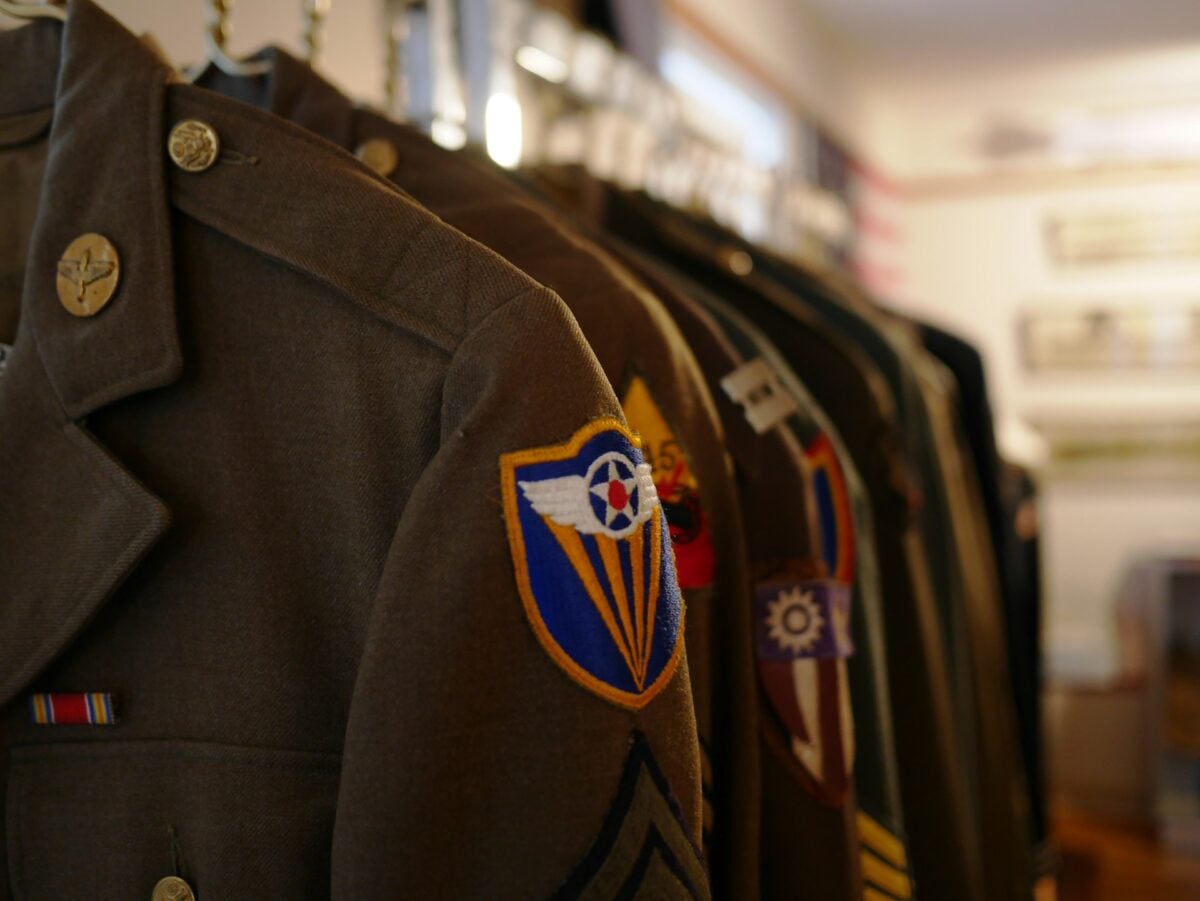
The thread connecting all these stories isn’t patriotism or politics — it’s transformation. Military service strips away pretense in ways that few other experiences can match.
You learn who you are when everything comfortable gets taken away, when your success depends entirely on the people around you, when failure has consequences that extend far beyond personal embarrassment. That kind of testing creates performers who bring something indefinable but unmistakable to their work.
They understand teamwork, handle pressure without cracking, and never mistake the spotlight for the mission itself. The uniform may come off, but the lessons never do.
More from Go2Tutors!

- The Romanov Crown Jewels and Their Tragic Fate
- 13 Historical Mysteries That Science Still Can’t Solve
- Famous Hoaxes That Fooled the World for Years
- 15 Child Stars with Tragic Adult Lives
- 16 Famous Jewelry Pieces in History
Like Go2Tutors’s content? Follow us on MSN.