Iconic Comic Book Characters with Unique Abilities
Comic books have given us heroes and villains who break every rule of what should be possible. They don’t just fly or possess super strength — though plenty do that too.
The truly memorable characters are the ones whose powers feel like they came from someone’s fever dream, then somehow made perfect sense within their own twisted logic. These are the characters who stick with you not because they’re the strongest, but because their abilities are so wonderfully strange that they redefine what a superpower can be.
Deadpool
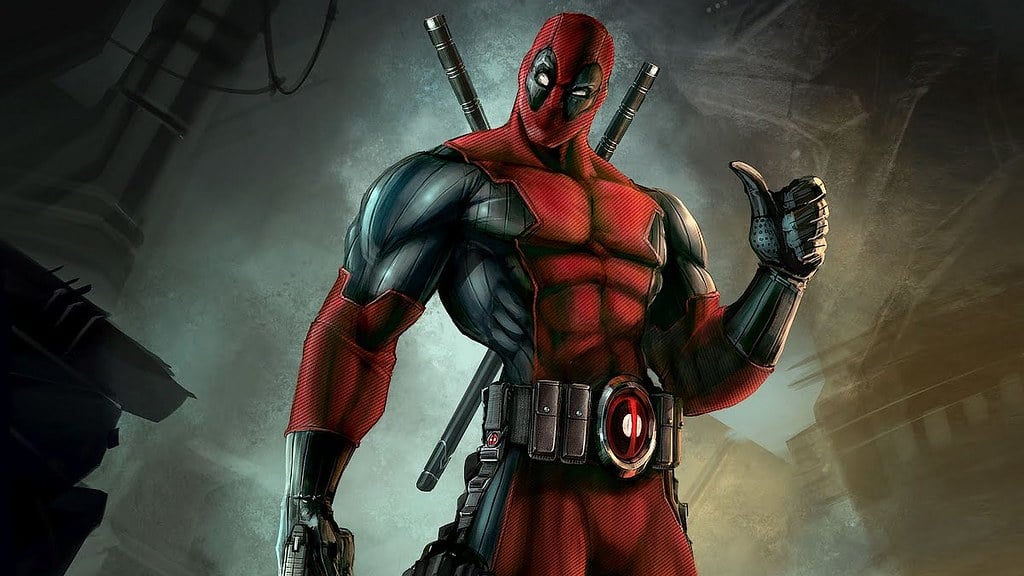
Deadpool doesn’t just heal from wounds. He comes back from being chopped into pieces, blown up, and turned into literal paste.
The regeneration is so aggressive it regrows entire limbs in minutes. But here’s the thing that makes it truly unsettling: his healing factor keeps his cancer in a constant state of growth and repair, creating the scarred, mottled skin that never quite looks right.
Most healing factors in comics are portrayed as blessings. Deadpool feels like a curse that happens to keep him alive.
The pain never really stops — it just becomes background noise to everything else he does.
Scarlet Witch
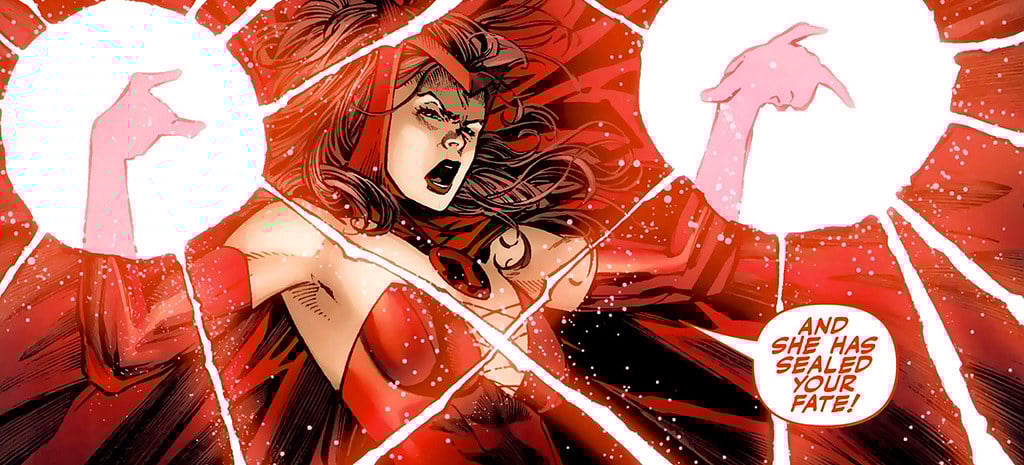
Reality warping sounds simple until you watch Wanda Maximoff casually unmake entire sections of existence with three words: “No more mutants.” Her chaos magic doesn’t follow neat superhero rules (and when you think about it, the fact that her power source is literally called “chaos magic” should have been everyone’s first clue that things would go sideways eventually).
She can alter probability, rewrite history, and reshape the fundamental structure of reality — but the emotional cost of wielding that kind of power has a way of catching up to her, often in spectacular fashion. And the thing about reality warping is that once you start changing the rules of existence itself, there’s really no ceiling to how far things can spiral, which makes her both one of the most powerful and most dangerous characters in any universe she inhabits.
So when writers need someone who can literally end storylines by willing them out of existence, they call Wanda. But they also have to deal with the fact that giving any character that level of power means every other conflict becomes a question of why she doesn’t just solve it with a thought.
Doctor Strange

Magic in the Marvel Universe gets weird when Stephen Strange starts pulling dimensions apart like they’re filing cabinets. His abilities operate on the principle that reality has layers, and he’s learned how to peel them back, step between them, and occasionally set them on fire.
The Eye of Agamotto lets him manipulate time itself — not just travel through it, but loop it, reverse it, and peer into possible futures that may never happen. What makes Strange fascinating is that his power comes from knowledge rather than natural ability.
Every spell is something he had to learn, every incantation carries risk, and there’s always a price to pay. The Sorcerer Supreme doesn’t just cast spells — he negotiates with cosmic forces that could erase him if he makes the wrong bargain.
The man traded his steady hands as a surgeon for the ability to reshape reality. That’s either the best career change in history or the most expensive one.
Kitty Pryde
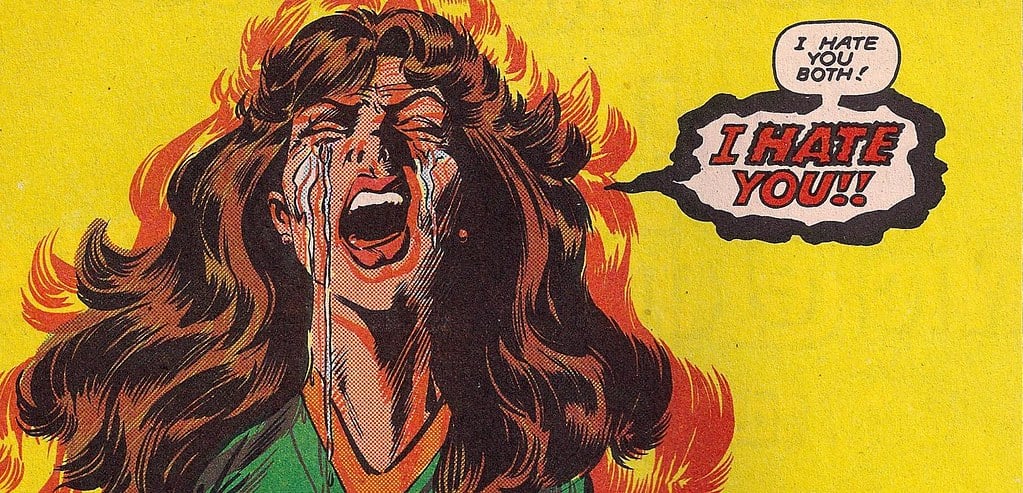
Phasing through solid matter is Kitty Pryde’s signature move. She can walk through walls, drop through floors, and let attacks pass harmlessly through her body.
But the real versatility comes from what she can do with that power beyond the obvious applications. She can phase other people and objects, taking them along for the ride through what should be impenetrable barriers.
When she phases through electronic equipment, it shorts out completely — a handy side effect that makes her unexpectedly effective against technology-dependent enemies. And there’s the matter of selective phasing, where she can keep parts of her body solid while others remain intangible.
The physics of it make no sense whatsoever, which is exactly why it works so well in comics. Sometimes the best superpowers are the ones that would be completely impossible in real life.
Mystique
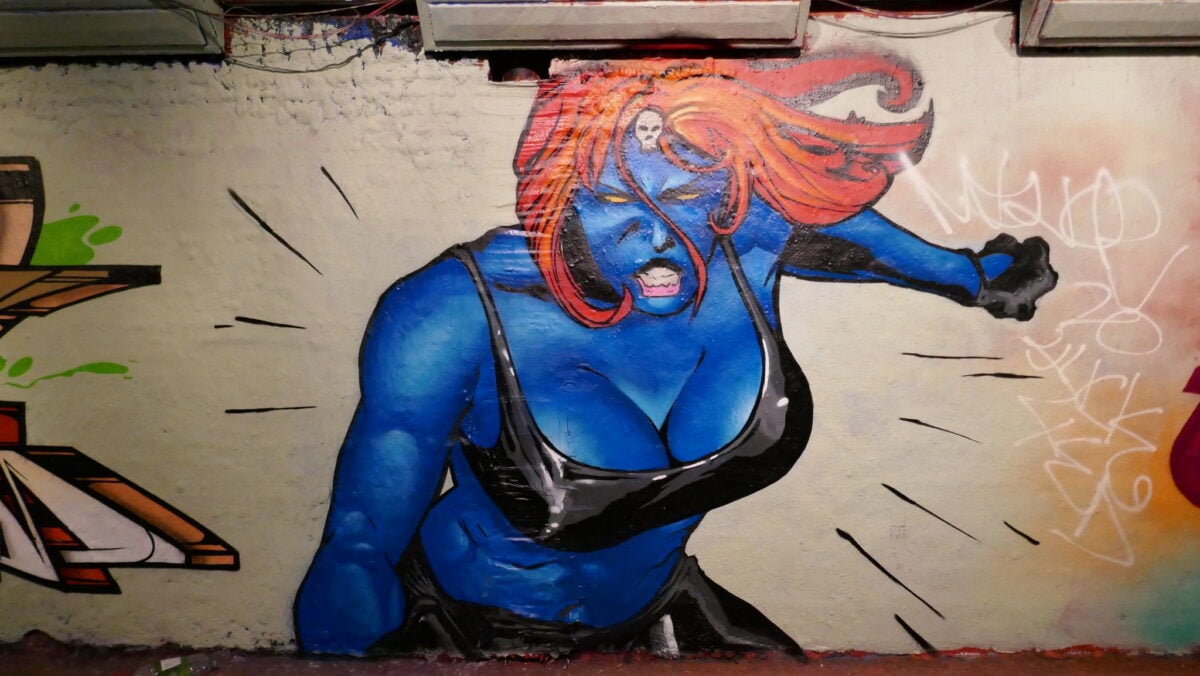
Shape-shifting becomes an art form when Raven Darkhölme does it, because she doesn’t just change how she looks — she transforms into perfect biological copies of other people, complete with their voices, mannerisms, and even scent (which creates all sorts of problems for heroes who rely on enhanced senses to identify threats). The level of detail she achieves suggests her power works on a cellular level, reconstructing her entire physical form to match her chosen appearance, and the speed with which she can shift between forms makes her nearly impossible to pin down in any meaningful way.
But perhaps the most unsettling aspect of Mystique’s ability is how it raises questions about identity itself — when you can become anyone, when your natural form is blue-skinned and barely human-looking, what does it mean to have a “true” self, and how much of who she is gets lost in the constant process of becoming someone else? And yet, for all the philosophical weight her power carries, Mystique uses it primarily for infiltration, espionage, and the occasional bit of dramatic revelation where she peels away a disguise at the worst possible moment for everyone involved.
Which is probably the most practical application of an identity crisis you’ll ever see.
Nightcrawler
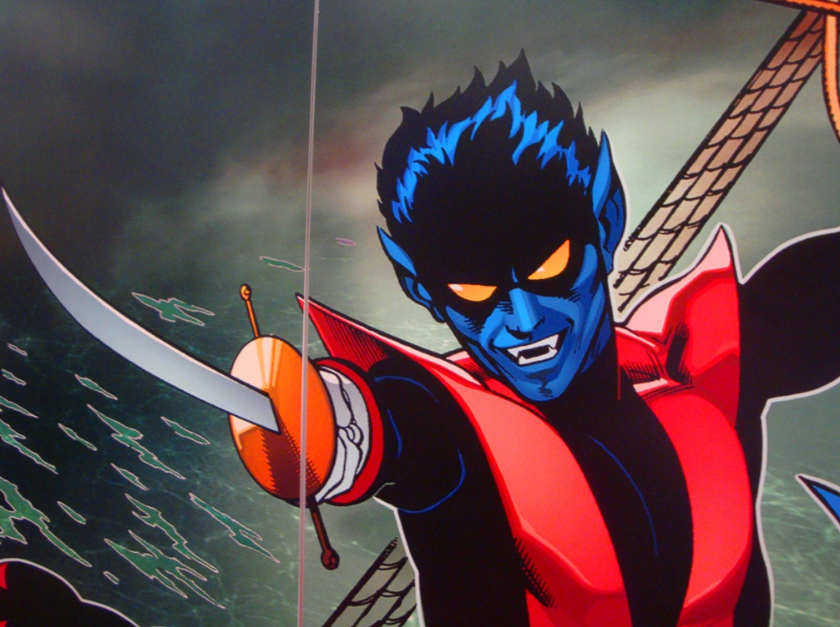
Teleportation comes with a cloud of sulfurous smoke and the sound of displaced air snapping back into place. Kurt Wagner doesn’t just disappear and reappear — he travels through another dimension, spending a split second in a place that’s described as cold, dark, and thoroughly unpleasant.
The brimstone smell isn’t just atmospheric; it’s what that other dimension smells like. He can teleport with pinpoint accuracy across distances of several miles, bringing passengers along if needed.
But there’s something almost musical about how he uses the power in combat, appearing and disappearing in a rhythm that turns fights into a kind of deadly choreography. The blue fur and pointed tail make him look demonic, but his personality is anything but.
There’s poetry in a character who looks like a devil but acts like a saint, who travels through what might be a glimpse of hell to help people.
The Flash
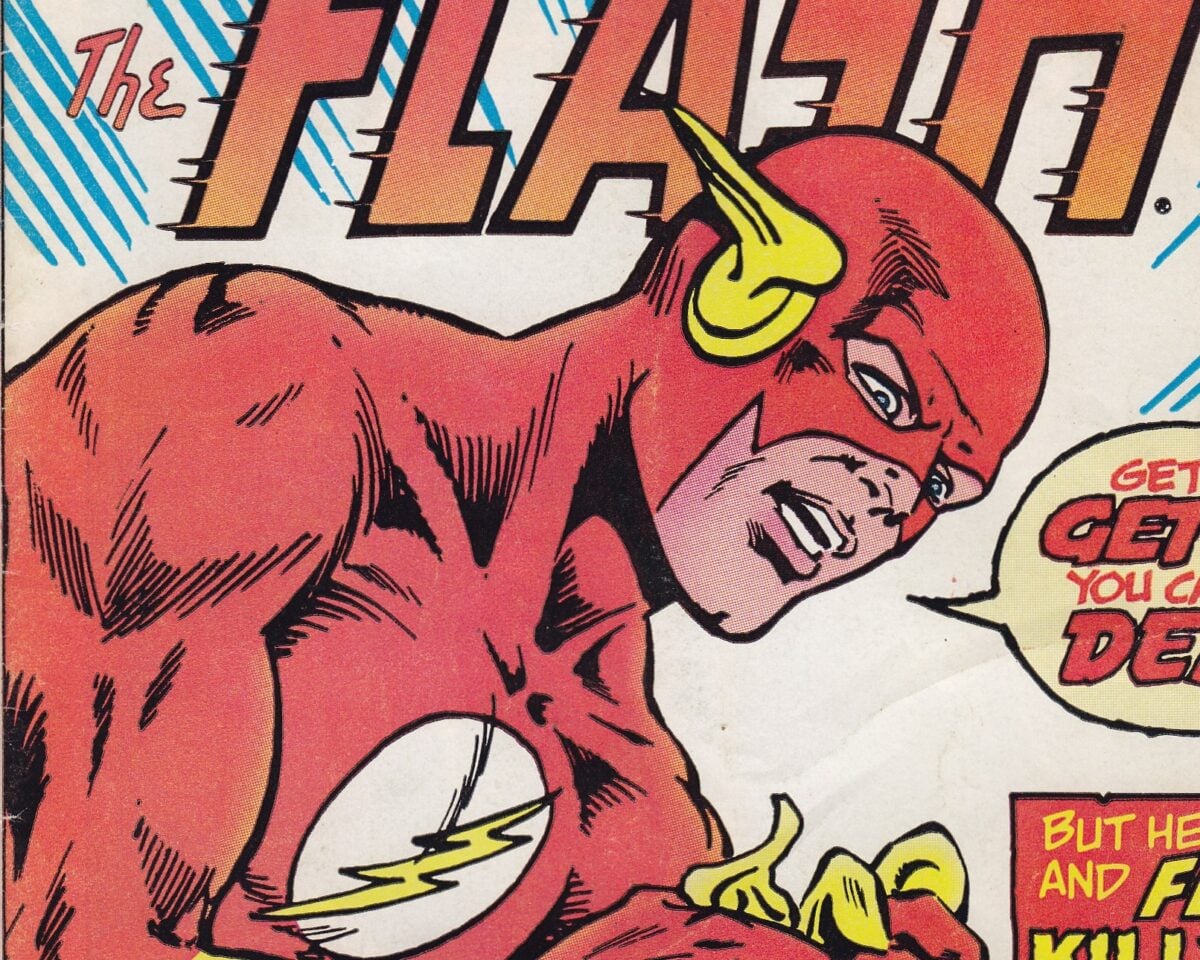
Speed becomes something beyond velocity when Barry Allen runs fast enough to vibrate between dimensions, travel through time, and phase through solid matter. He doesn’t just move quickly — he accesses the Speed Force, which is essentially a cosmic energy source that breaks every law of physics and then breaks a few more for good measure.
The Flash can run so fast he outraces death itself, literally leaving the concept behind in his dust. But speed at that level creates its own problems. When you can think and react faster than light, normal conversations become exercises in patience.
Every crisis could theoretically be solved in microseconds, which means the real challenge isn’t stopping the villain — it’s figuring out why he doesn’t just solve every problem instantly. The Flash makes superspeed look easy, but the implications of moving that fast would drive most people completely insane.
Professor X
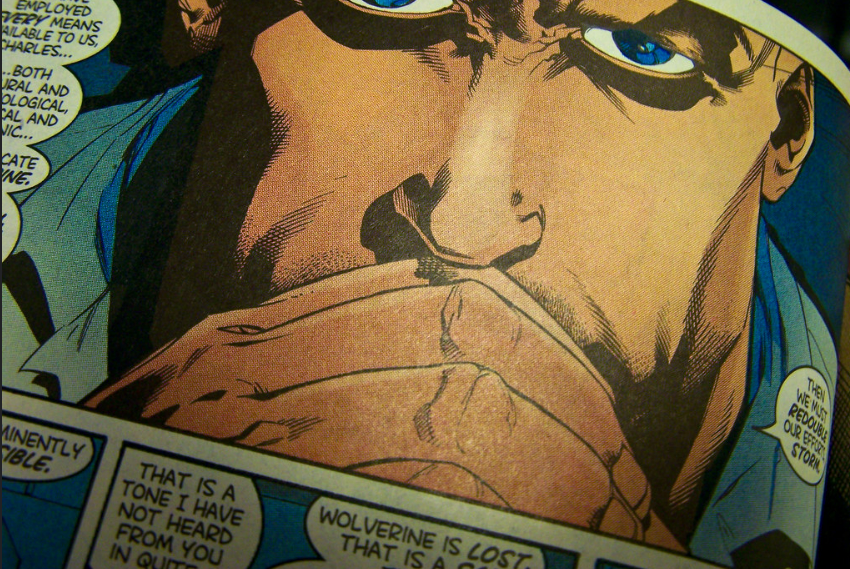
Charles Xavier reads minds the way most people read books, except the books are constantly changing, written in languages he has to learn on the spot, and sometimes they fight back (and when you consider that every human mind contains not just thoughts but emotions, memories, fears, dreams, and the occasional psychotic break, it becomes clear that telepathy is less like reading and more like trying to have a conversation in a room where everyone is screaming different things at the same time). His range extends globally when he uses Cerebro, allowing him to locate and communicate with any mutant on Earth, which sounds useful until you realize it also means he’s constantly aware of humanity’s collective mental noise — every petty grievance, every moment of pain, every dark thought that people never intend to share with anyone.
But Xavier’s true skill isn’t just reading minds; it’s the surgical precision with which he can edit them, planting suggestions, erasing memories, or building mental barriers that can contain even the most dangerous psychic threats. The ethical implications of that level of mental manipulation are staggering, and Xavier’s struggled with them for decades.
How do you respect free will when you can literally rewrite someone’s personality? So far, his answer seems to be “very carefully, and with frequent moral crises.”
Wolverine
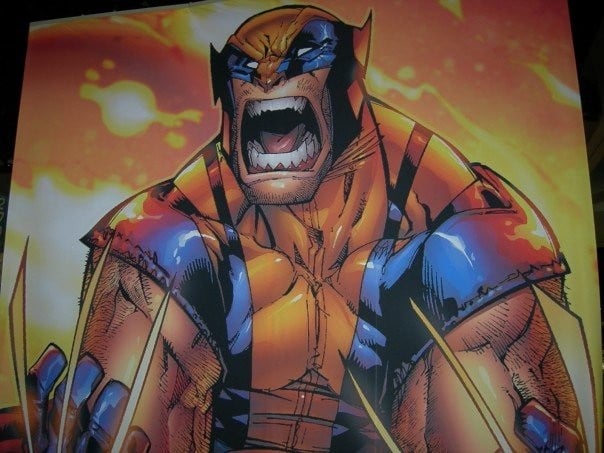
Logan’s claws aren’t just weapons — they’re part of his skeleton, coated in adamantium that makes them virtually indestructible. The healing factor means he can survive having those claws punched through his own hands every time he extends them, which raises some uncomfortable questions about what that feels like.
But the real uniqueness comes from the combination: he can take damage that would kill anyone else, then heal from it fast enough to keep fighting. The adamantium skeleton makes him nearly impossible to break, but it also makes him heavy enough to sink like a stone in water.
His senses are sharp enough to track people by scent across miles, and his memories are a patchwork of decades worth of violence and loss that would break most minds. Wolverine isn’t just tough — he’s a walking contradiction of biological impossibilities held together by comic book logic and a bad attitude.
Storm
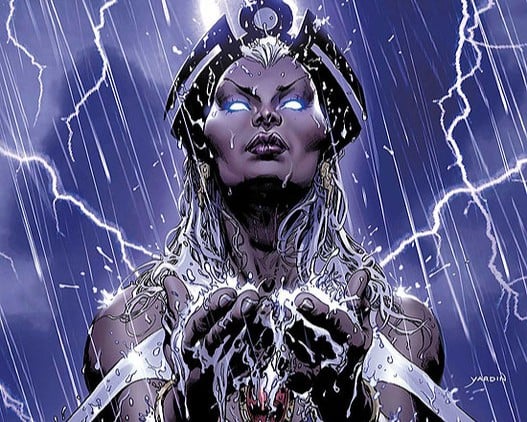
Weather control means Ororo Munroe can summon lightning, create tornadoes, and shift atmospheric pressure across entire regions, but the scope of her power extends far beyond just making it rain (because weather systems are interconnected across the planet, which means that changing the weather in one location inevitably affects conditions everywhere else, creating a cascade of atmospheric changes that could theoretically reshape global climate patterns if she ever decided to really cut loose). Her connection to the elements appears to be almost mystical in nature — she doesn’t just manipulate weather, she communes with it, sensing changes in barometric pressure and electromagnetic fields the way other people notice changes in temperature.
And when Storm gets emotional, the weather responds whether she wants it to or not, creating feedback loops where her internal state becomes externalized as literal storms that mirror her mood. But perhaps the most impressive aspect of her ability is the restraint she shows in using it, because someone who can create hurricanes on command could theoretically end droughts, stop natural disasters, or reshape entire ecosystems — which makes every day she chooses not to play god a conscious decision to let the world continue functioning on its own terms.
Magneto
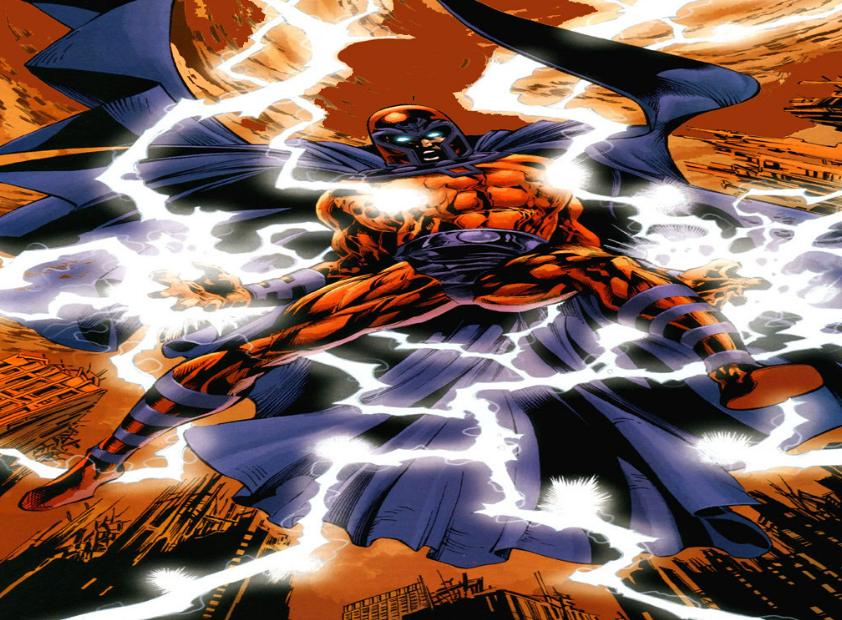
Erik Lehnsherr controls magnetism on a scale that defies basic physics. He can manipulate metal objects with surgical precision or devastating force, create electromagnetic pulses that shut down electronics across entire cities, and generate magnetic fields strong enough to deflect bullets or lift massive structures into the air.
But his power extends beyond just moving metal around — he can sense magnetic fields, manipulate the iron in blood, and even affect the Earth’s magnetic poles if he pushes hard enough. The helmet isn’t just for show; it blocks telepathic intrusion, which makes him one of the few people Professor X can’t simply shut down with a thought.
Magneto learned early that power without protection is just vulnerability waiting to be exploited. In a world full of guns, cars, and skyscrapers, controlling magnetism makes him one of the most practical powerhouses around.
Modern civilization runs on metal, and he can turn all of it into weapons.
Doctor Manhattan
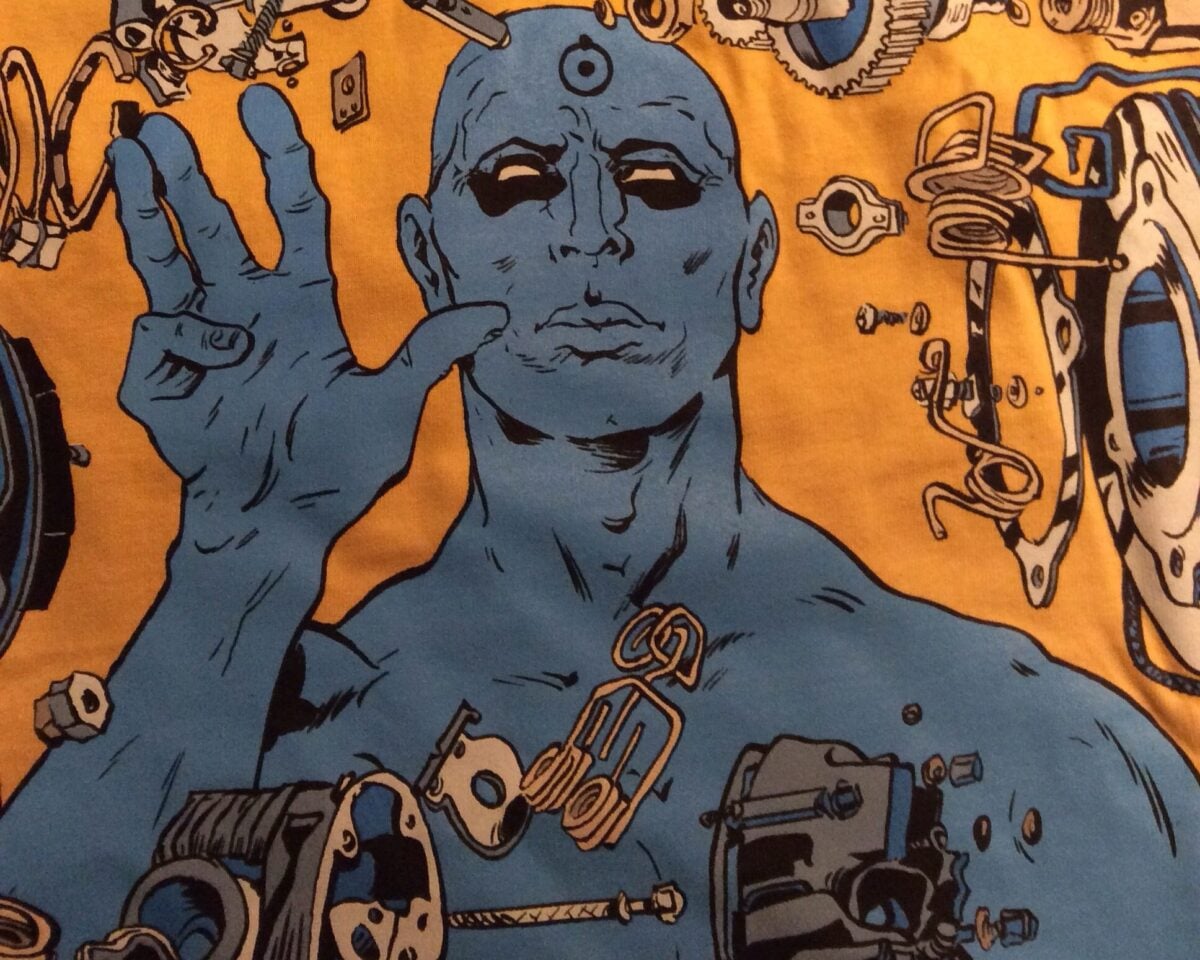
Jon Osterman exists in all moments of his timeline simultaneously, perceives reality at the quantum level, and can manipulate matter by rearranging atomic structures with a thought. He doesn’t experience time the way normal people do — past, present, and future are all equally real to him, which makes every conversation a strange exercise in discussing events that have already happened from his perspective but haven’t occurred yet from everyone else’s.
His power is essentially limitless within the physical universe, but his growing detachment from humanity makes him less reliable as time goes on. When you can see every possible outcome, individual human lives start to seem less significant.
When you can create life from nothing, death becomes just another state change. Doctor Manhattan represents what happens when someone gains godlike power but retains human limitations.
The result is beautiful, terrifying, and ultimately tragic.
Beyond the Ordinary
These characters endure because their abilities feel genuinely unique rather than just stronger versions of familiar powers. They represent the creative potential that opens up when writers stop asking “what if someone could fly?” and start asking “what if reality worked completely differently for this one person?”
The best superpowers don’t just make characters stronger — they make them fundamentally different from everyone else, creating new ways to tell stories that couldn’t exist otherwise.
More from Go2Tutors!

- The Romanov Crown Jewels and Their Tragic Fate
- 13 Historical Mysteries That Science Still Can’t Solve
- Famous Hoaxes That Fooled the World for Years
- 15 Child Stars with Tragic Adult Lives
- 16 Famous Jewelry Pieces in History
Like Go2Tutors’s content? Follow us on MSN.



