Legendary Concerts That Ended in Disaster
Live music brings people together in ways few other experiences can match.
Thousands gather under one roof or sky, united by their love for an artist or band, ready to create memories that last a lifetime.
The energy, the connection, the pure joy of being there in person—it’s what makes concerts magical.
But sometimes, things go horribly wrong.
What should have been an unforgettable night for all the right reasons becomes a tragedy no one saw coming.
Here is a list of legendary concerts that ended in disaster.
The Who in Cincinnati
December 3, 1979, should have been just another stop on The Who’s tour, but it turned into one of rock music’s darkest moments.
Fans lined up outside Cincinnati’s Riverfront Coliseum for hours, eager to secure spots close to the stage with their general admission tickets.
When the crowd heard what they thought was the band starting—it was actually just a soundcheck—panic set in and people rushed the doors.
Eleven concertgoers were trampled to death before the show even began, and The Who didn’t learn about the tragedy until after they’d finished performing.
The incident led to widespread changes in concert ticketing policies across the country.
The Station Nightclub Fire
Great White’s pyrotechnics seemed like a good idea until they ignited the soundproofing foam inside The Station nightclub in West Warwick, Rhode Island, on February 20, 2003.
The small venue, designed for 250 people, was packed with over 400 fans when the fire started just seconds into the band’s opening song.
Flames spread with terrifying speed, consuming the entire building in under a minute.
One hundred people died, many trapped near the exits, making it one of the deadliest nightclub fires in American history.
Altamont Free Concert
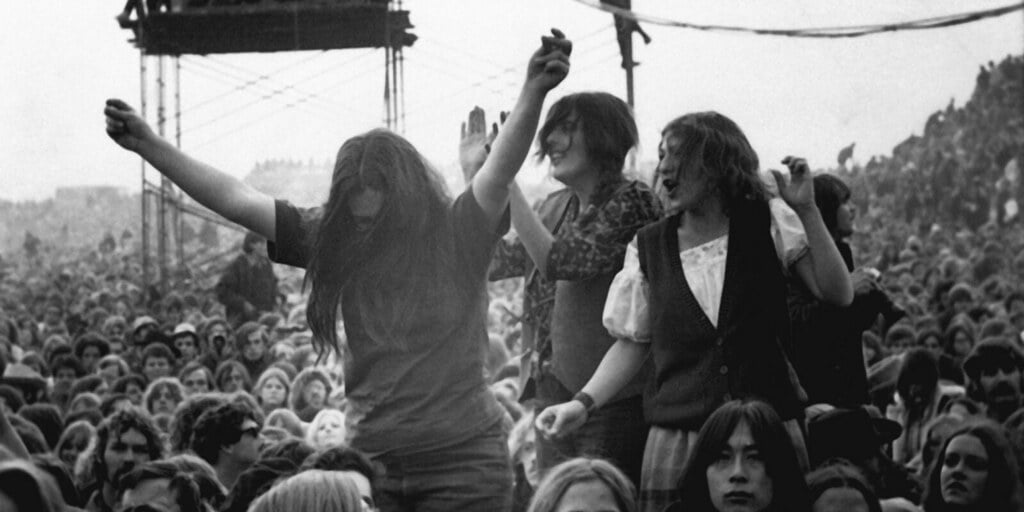
The Rolling Stones wanted their own Woodstock on the West Coast, but December 6, 1969, became the day the peace and love era died.
Held at Altamont Speedway in California, the free concert featured terrible planning and an even worse decision: hiring the Hells Angels motorcycle club as security.
Violence erupted throughout the day, with the Angels beating concertgoers with pool cues.
The chaos culminated when an audience member named Meredith Hunter was stabbed to death by a Hells Angel during the Stones’ performance, captured on film for the documentary ‘Gimme Shelter.’
Roskilde Festival
Pearl Jam was headlining the main stage at Denmark’s Roskilde Festival on June 30, 2000, when the muddy ground from earlier rain turned deadly.
As fans surged forward, nine people in the crowd were crushed to death, unable to escape the press of bodies.
The band tried to stop the show and calm the audience, but it was too late.
Eddie Vedder later sought advice from Pete Townshend of The Who, who understood the trauma after the Cincinnati tragedy twenty years earlier.
Astroworld Festival
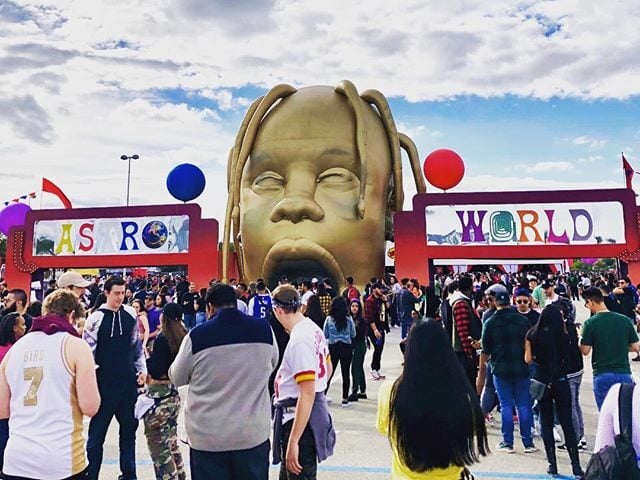
Travis Scott’s Astroworld Festival in Houston on November 5, 2021, showed how crowd dynamics can spiral out of control in seconds.
Around 50,000 fans packed into NRG Park, and when Scott took the stage, the surge toward the front became crushing.
People couldn’t breathe, packed so tightly together they literally couldn’t move.
Ten concertgoers died from compression asphyxia, with hundreds more injured in what officials classified as a mass casualty incident.
The tragedy raised serious questions about crowd management at modern music festivals.
Beverly Hills Supper Club
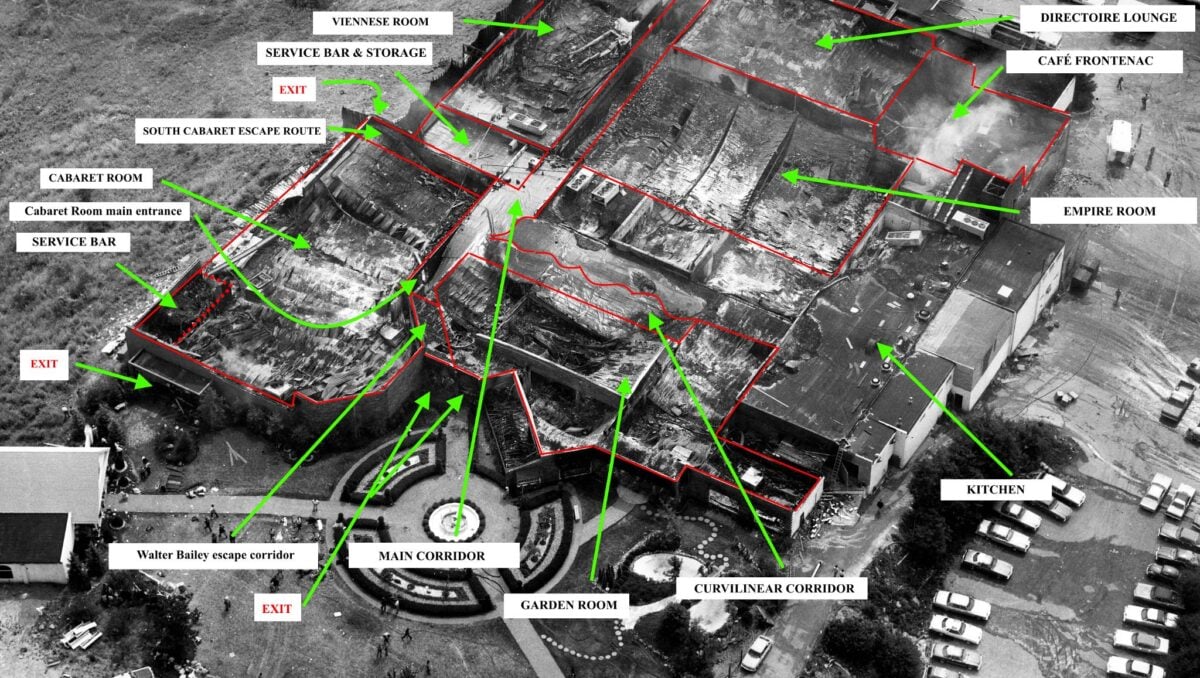
Memorial Day weekend 1977 brought unspeakable horror to Southgate, Kentucky, when the Beverly Hills Supper Club caught fire during a performance by John Davidson.
The venue was packed way beyond capacity—roughly 3,000 people crammed into a space approved for 1,500—with the Cabaret Room alone holding up to 1,300 instead of its 600-person limit.
When faulty aluminum wiring sparked a fire, the lack of sprinklers, proper exits, and fire alarms turned the blaze catastrophic.
A total of 165 people died, making it the third-deadliest nightclub fire in U.S. history and leading to major changes in building fire codes nationwide.
Love Parade in Duisburg
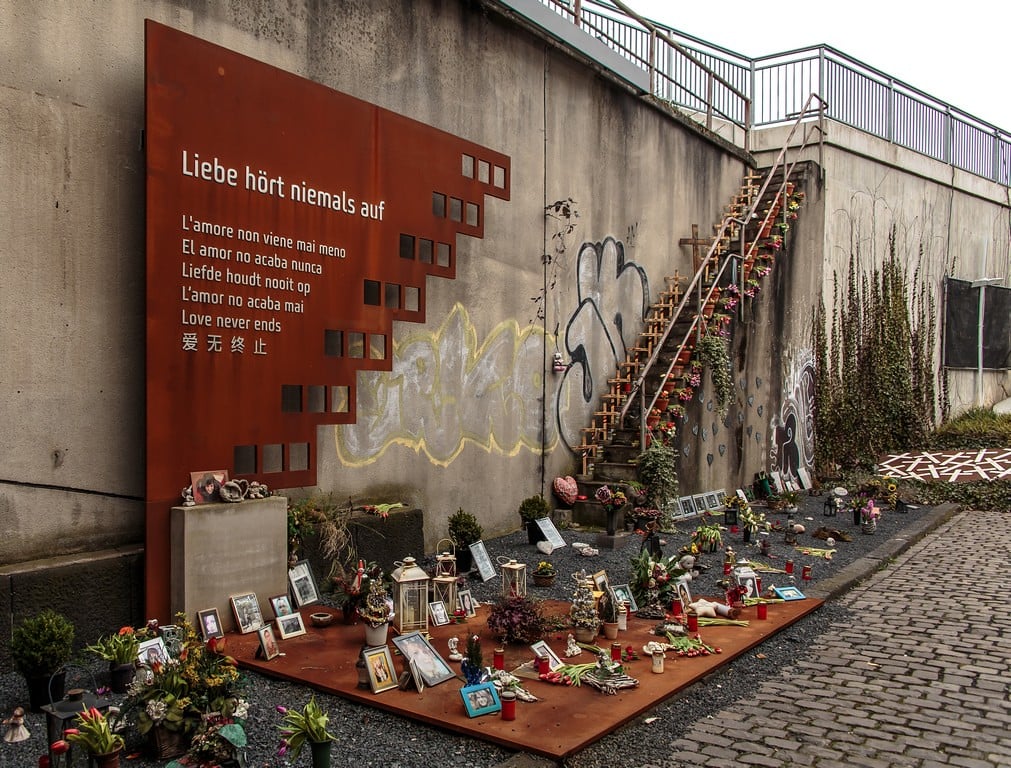
Germany’s Love Parade was an annual celebration of electronic dance music, but the 2010 event in Duisburg became a nightmare of poor planning.
Organizers funneled hundreds of thousands of festival-goers through a single tunnel—just 85 yards long—as the only access point to the grounds.
When the crowd became too dense, panic set in and people were crushed against walls and each other.
Twenty-one people died in the tunnel stampede, ending the Love Parade forever.
No one was ever held criminally accountable for the disaster.
Woodstock ’99
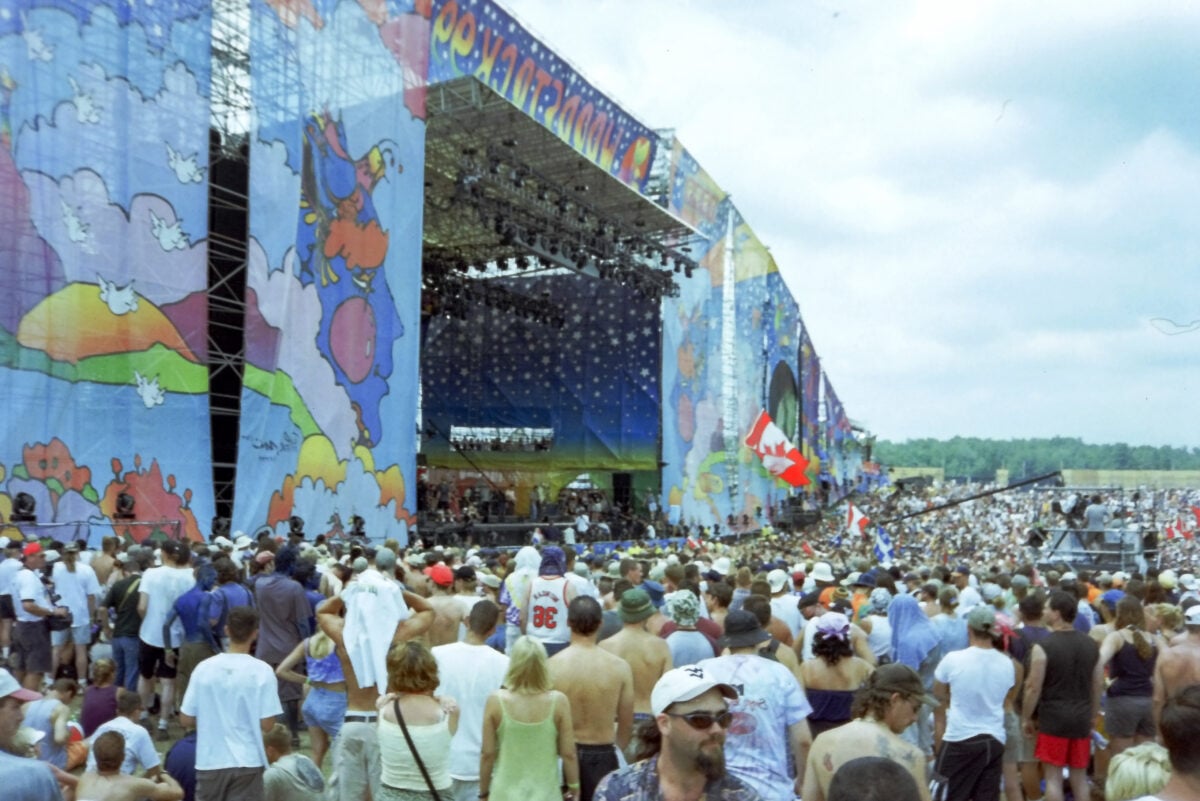
The 30th anniversary revival of Woodstock was supposed to celebrate peace and music but instead became a cautionary tale about greed and poor planning.
Held on a former Air Force base in Rome, New York, the three-day festival in sweltering July heat featured overpriced water at five bucks a bottle and disgusting conditions.
The combination of extreme temperatures, price gouging, and aggressive crowd behavior led to riots, fires, and widespread reports of assaults.
Concertgoers literally burned the place down during the Red Hot Chili Peppers’ closing set.
Indiana State Fair
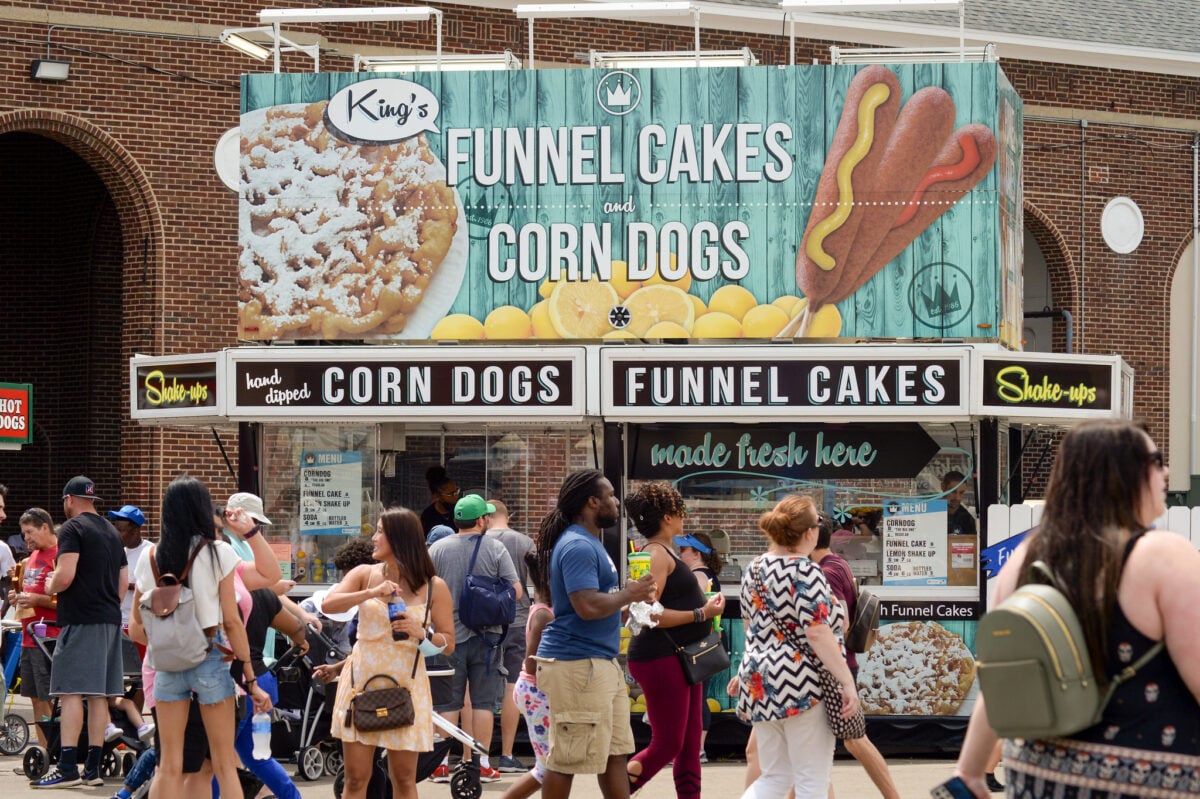
Strong winds can turn festival stages into deadly projectiles, as proven on August 13, 2011, at the Indiana State Fair.
Country duo Sugarland was scheduled to perform when 70 mile-per-hour winds suddenly slammed into the outdoor venue.
The massive stage structure, complete with scaffolding and equipment, collapsed onto the crowd waiting below.
Seven people died and dozens more were injured in the collapse, all within seconds as the metal framework came crashing down.
Pukkelpop Festival
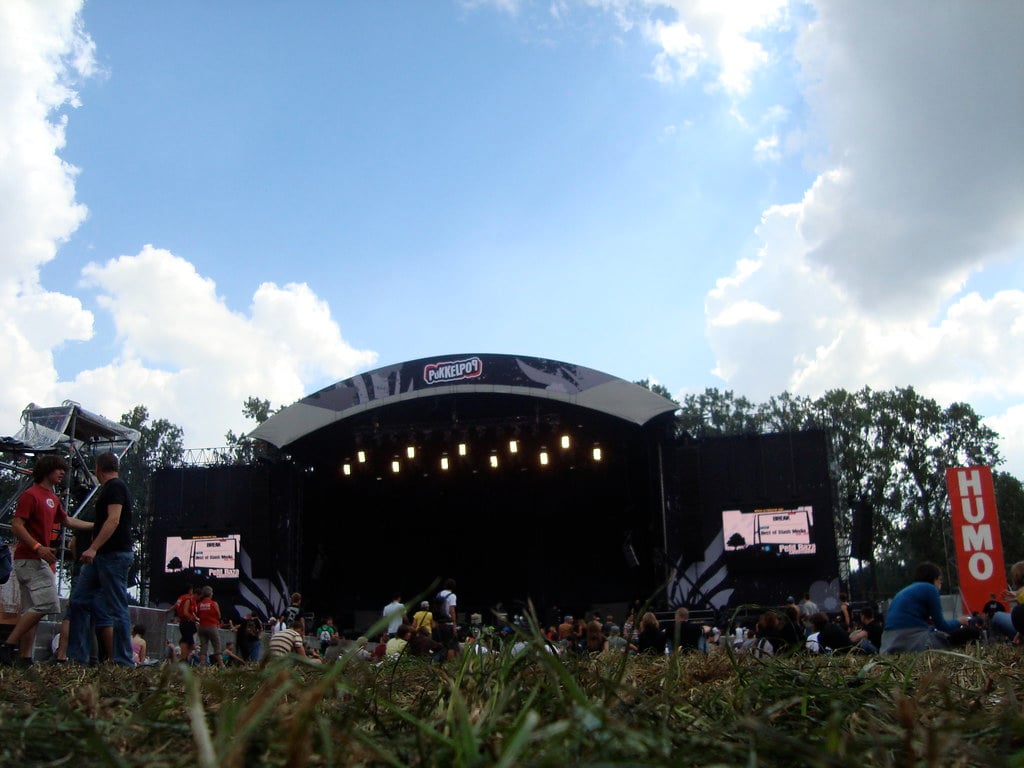
Belgium’s Pukkelpop Festival met a similar fate just five days after Indiana when severe storms hit on August 18, 2011.
Wind gusts reaching 106 miles per hour toppled stages, uprooted trees, and sent debris flying through the festival grounds.
The Chateau stage collapsed during an American rock band’s set, and trees crashed into other structures.
Five people died and over 140 were injured in the disaster, prompting the organizers to cancel the rest of the three-day event.
Ghost Ship Warehouse
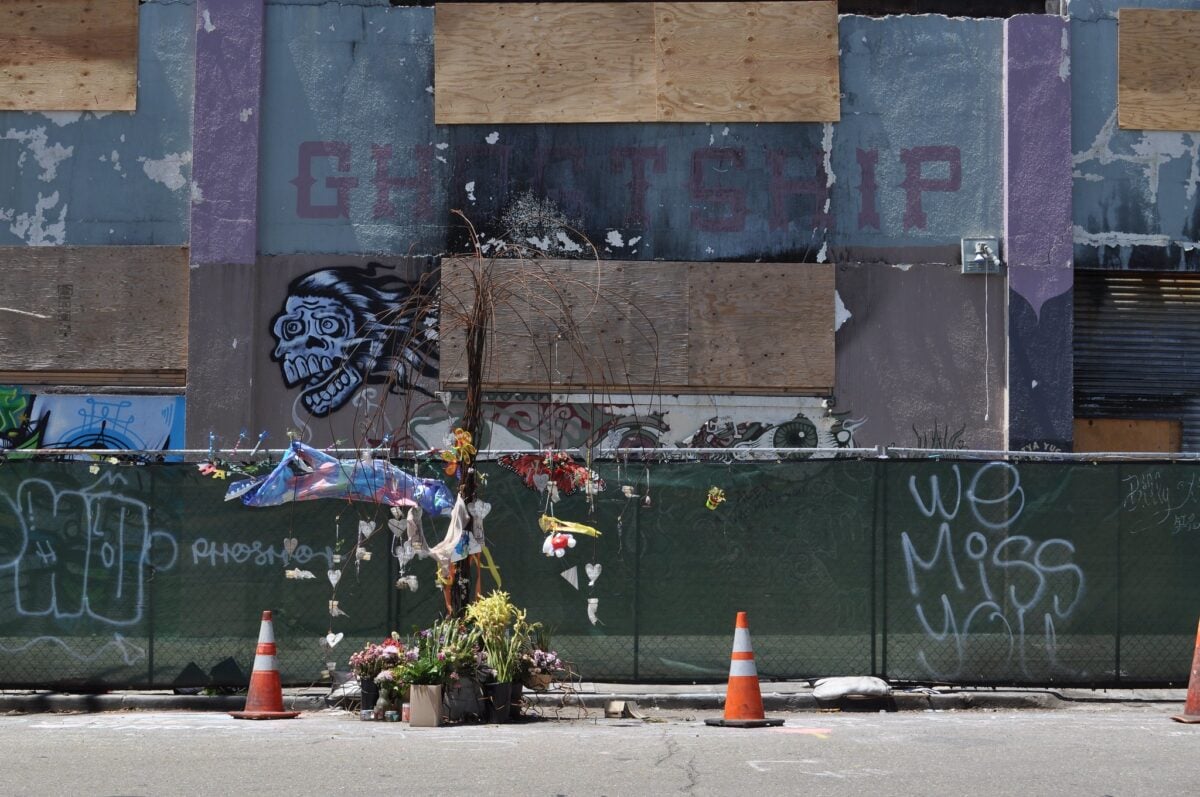
The Ghost Ship was an Oakland warehouse illegally converted into an artist collective and event space, a deathtrap waiting for a spark.
On December 2, 2016, around 100 people attended an electronic music show on the second floor when fire broke out.
The building had no sprinkler system, confusing layout, and makeshift construction with just one rickety staircase leading down.
Thirty-six people died, trapped by smoke and flames, unable to find their way out in the darkness.
Most victims were young artists and musicians, casualties of the Bay Area’s housing crisis that pushed creative communities into unsafe spaces.
Mawazine Festival
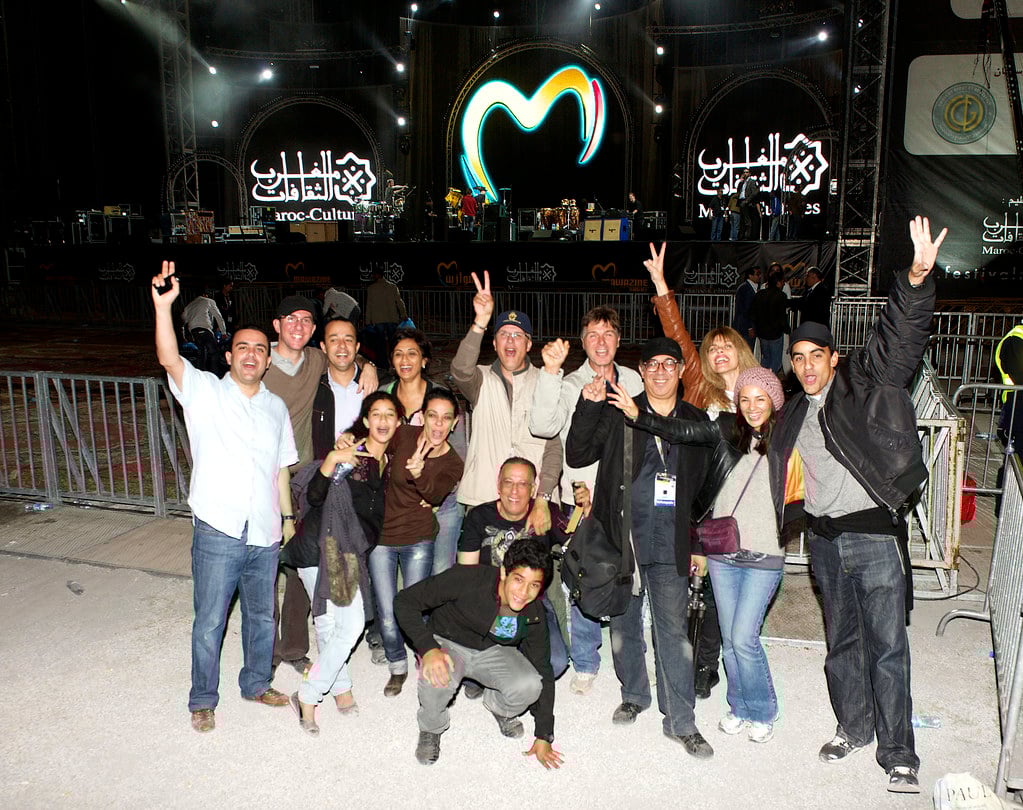
Morocco’s Mawazine Festival wrapped up its 2009 run with a free concert by pop star Abdelaziz Stati at a soccer stadium in Rabat.
When the show ended just after midnight on May 24, all 70,000 attendees rushed for the exits simultaneously.
The mass of people created a deadly stampede, with concertgoers crushed and suffocated as the crowd surged forward.
Eleven people died and forty more were injured, all from being trampled in the desperate push to leave.
Damageplan in Columbus
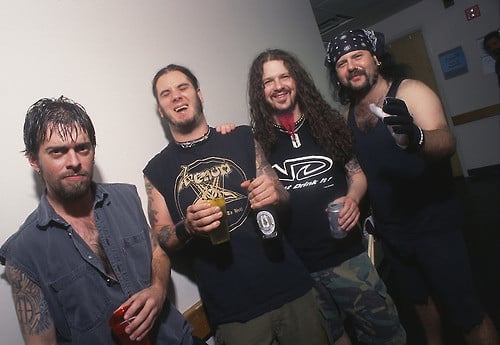
December 8, 2004, turned into every musician’s nightmare when former Pantera guitarist Dimebag Darrell took the stage with his band Damageplan at the Alrosa Villa club in Columbus, Ohio.
A disturbed ex-Marine named Nathan Gale climbed onstage during the show and shot Dimebag multiple times in the head, killing him instantly.
The gunman continued firing into the crowd, murdering three others including the head of security who fought him hand-to-hand.
A police officer finally stopped the massacre by shooting Gale, but the damage was done—one of metal’s most beloved guitarists was gone.
Santika Nightclub
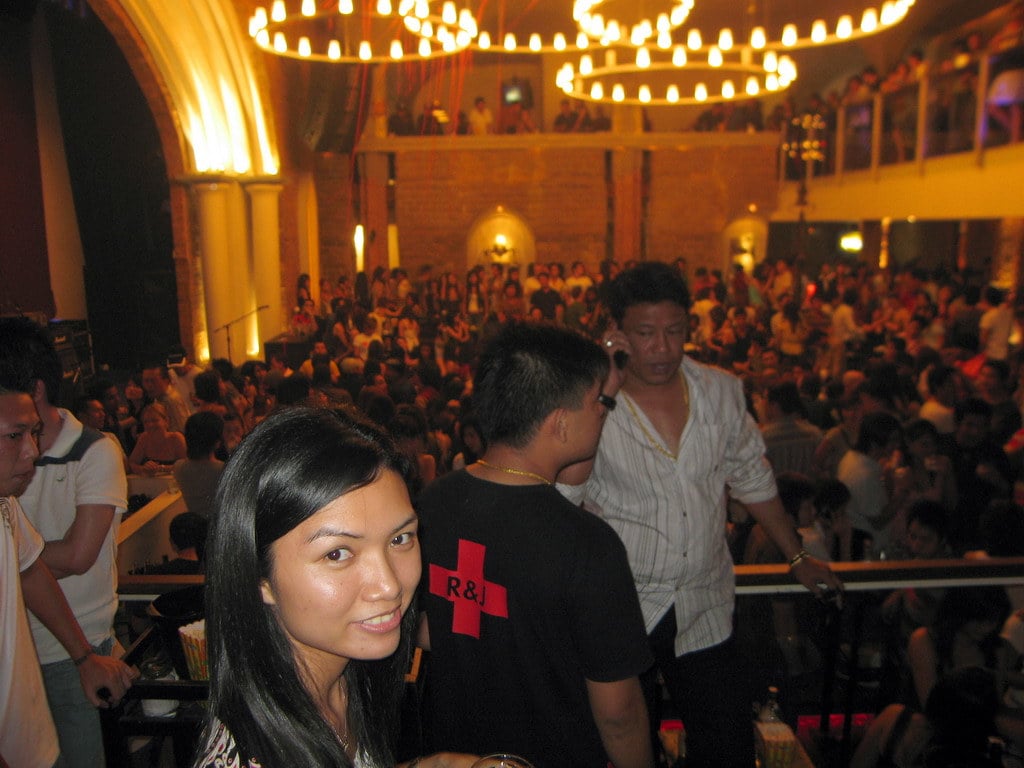
Bangkok’s Santika nightclub was packed with revelers counting down to 2009 when disaster struck.
Around 1,000 people celebrated inside the venue when fire broke out, caused by either pyrotechnics, sparklers, or electrical problems—the exact source was never definitively determined.
The club was operating illegally without proper permits, had only one fire extinguisher, and featured exits that had been welded shut to prevent customers from skipping out on their bills.
Sixty-six people died in the resulting inferno, with many trapped inside unable to escape through the blocked exits.
Curtis Mayfield’s Accident
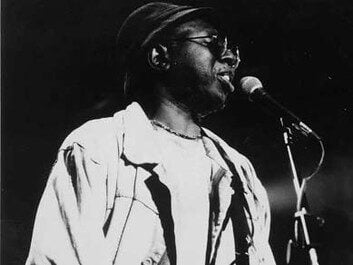
Not all concert disasters involve crowds or fires. Sometimes tragedy strikes from above, as soul legend Curtis Mayfield learned on August 13, 1990, during an outdoor performance in Brooklyn.
Strong winds blew through the venue, causing a lighting rig to topple over and crash down on Mayfield while he performed.
The heavy equipment landed directly on him, breaking his neck and leaving him paralyzed from the neck down for the remaining nine years of his life.
The influential musician behind hits like ‘People Get Ready’ never fully recovered from that terrible moment.
When the Music Never Stops

These disasters span different decades, countries, and causes, but they share a common thread of preventable tragedy.
Better crowd management, stricter fire codes, proper weather monitoring, and adequate security measures might have saved hundreds of lives.
The music industry learned hard lessons from each catastrophe, implementing changes that make modern concerts safer than ever before.
Yet every time thousands gather to see their favorite artists, there’s an unspoken trust that everyone—from promoters to security to the performers themselves—will prioritize safety above profits or ego, because the show must go on, but only if everyone makes it home.
More from Go2Tutors!

- The Romanov Crown Jewels and Their Tragic Fate
- 13 Historical Mysteries That Science Still Can’t Solve
- Famous Hoaxes That Fooled the World for Years
- 15 Child Stars with Tragic Adult Lives
- 16 Famous Jewelry Pieces in History
Like Go2Tutors’s content? Follow us on MSN.



