Photos Of 15 Extraordinary Planes Grounded Before Making History
Some planes never flew, even though folks spent ages building them. Dreams of speed or new ways to cross oceans drove the effort.
Yet things went sideways – money vanished, ideas stalled, tech lagged behind. Not every machine made it off paper.
Flying machines stuck on the ground reveal wild tales of big dreams, missed chances, one wrong move away from glory. A few standout planes never left the tarmac, held back by fate or poor choices.
Boeing 2707 Supersonic Transport
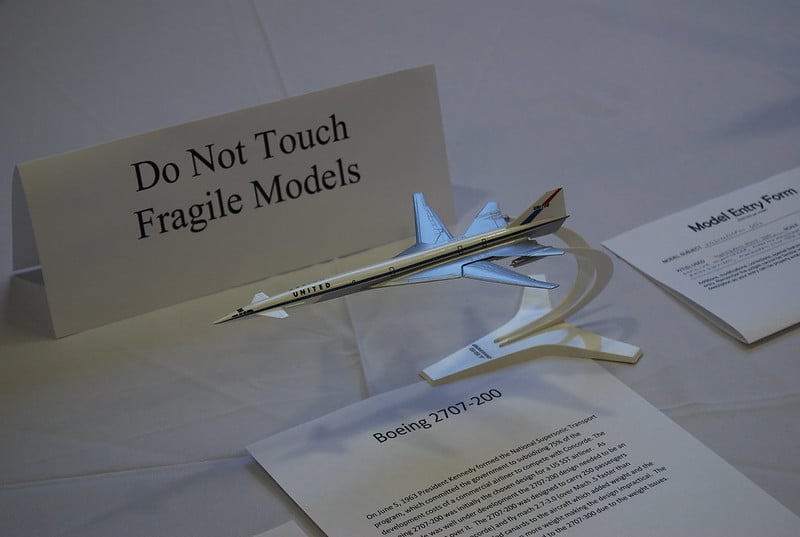
Instead of chasing trends, America aimed to outpace Europe on supersonic flights – Boeing stepped up with a giant prototype. Starting fast, the 2707 was meant to fly close to 300 people quicker than Concorde, slicing the trip from New York to London down to slightly past two hours.
Because worries grew over noise and spending spiraled upward, lawmakers cut financial support by 1971. Although crews assembled two full-scale models, flight tests never happened.
Around one billion dollars vanished from public funds during its run, while Boeing kept only plans and silent questions afterward.
Lockheed XFV-1
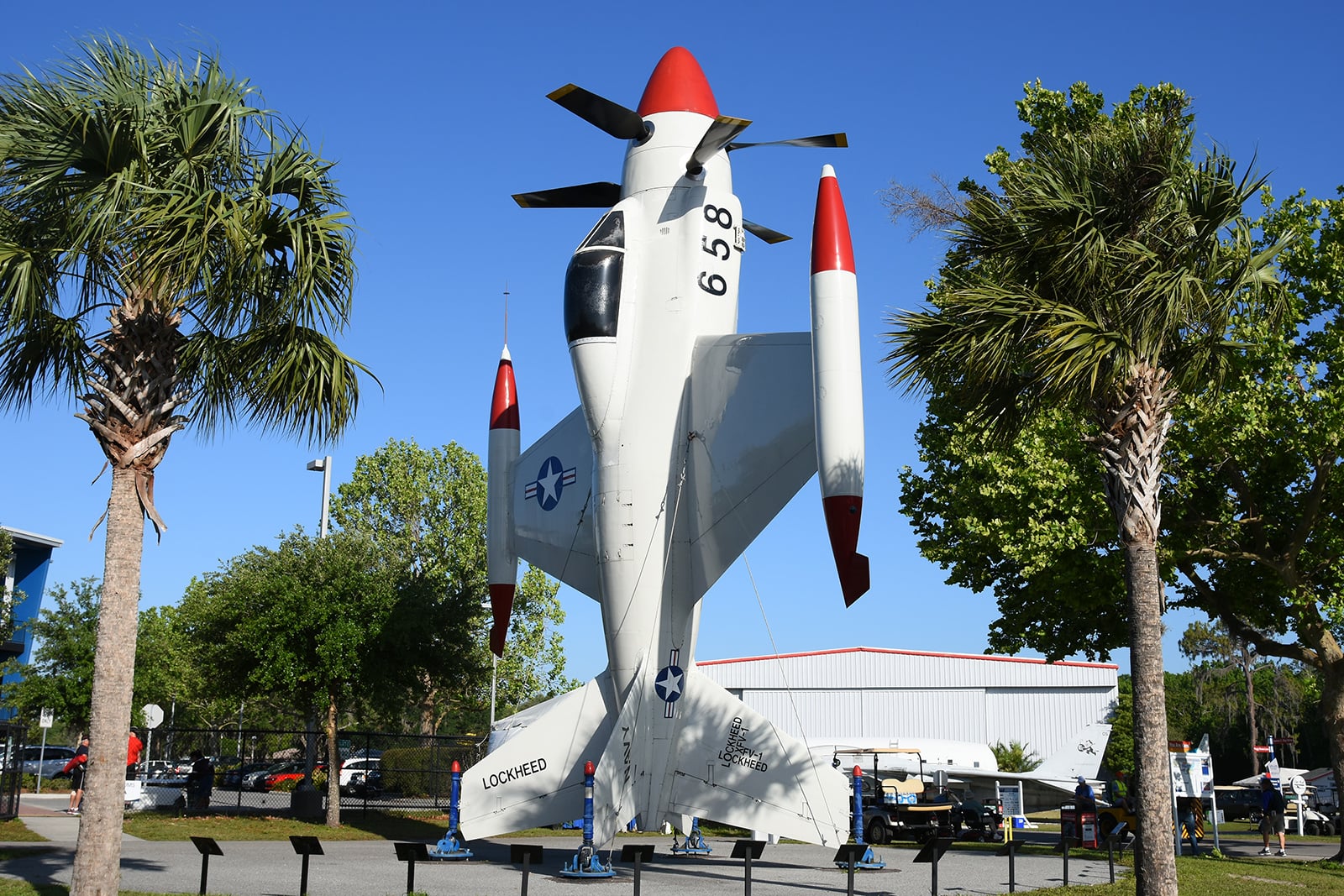
Parked upright like a missile, one odd machine caught wind in the fifties. This venture, shaped by Lockheed for naval needs, aimed at fighters rising straight into the sky from tight spaces.
Instead of rolling down runways, they dreamed of climbing upward right from the start. Pilots slipped behind controls yet chose regular takeoffs – too risky to leap vertically.
A few brief outings grounded the project fast. Now silent, the prototype sits locked inside glass halls rather than storming ocean decks.
Convair Sea Dart

A notion emerged at Convair that a fast jet could operate from sea surfaces. This craft, named the Sea Dart, ran on skis rather than wheels, slicing over water like a speedboat.
It aimed for more than 700 mph, flying low above ocean swells. In 1954, one such machine tore itself open during flight, halting everything – pilot gone, project finished.
A small number came together in workshops; however, none entered active duty even though naval officers once showed curiosity.
McDonnell XF-85 Goblin
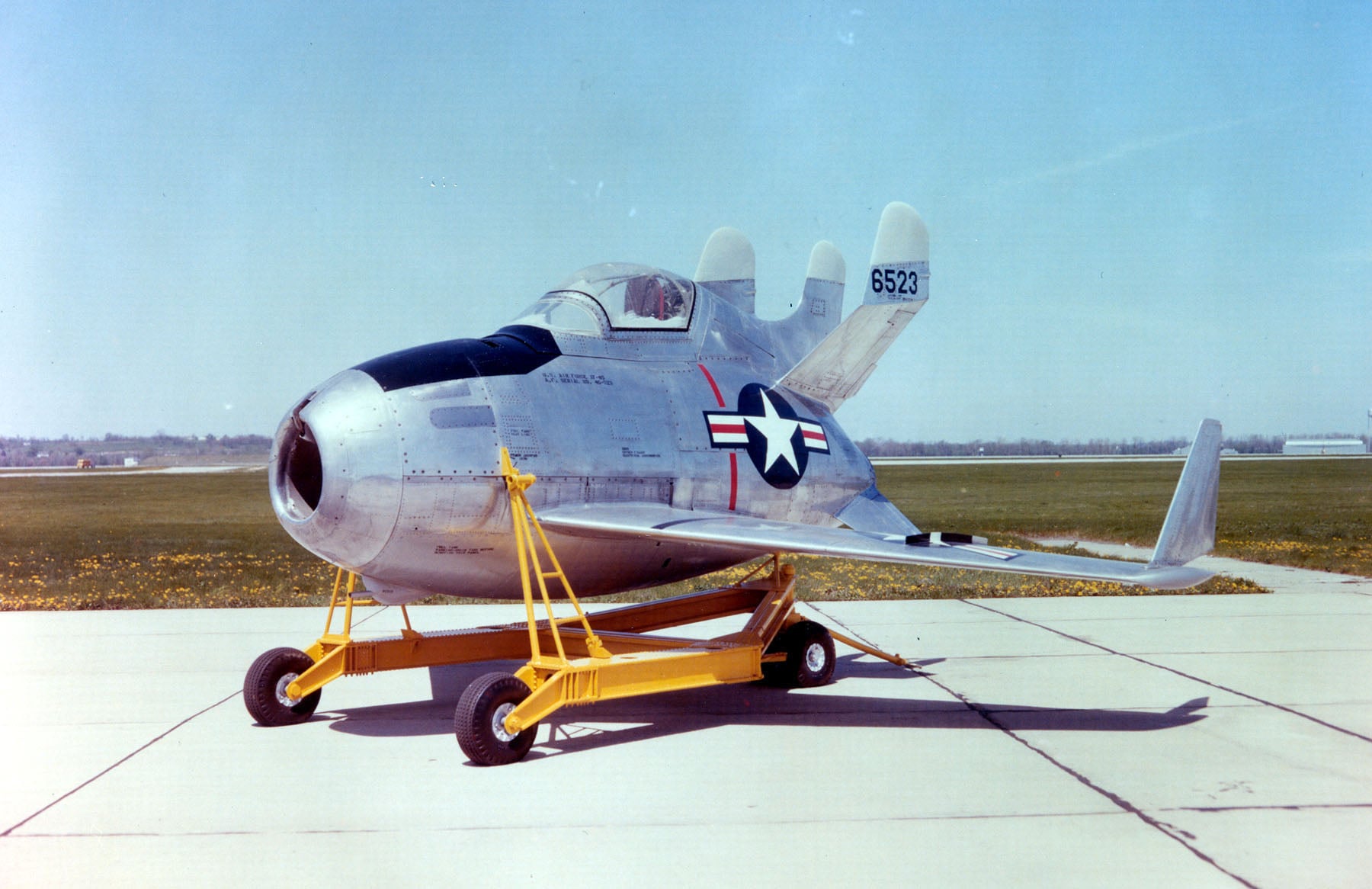
This little fighter was meant to drop from a B-36 bomber’s belly, riding along as a built-in shield. Only fifteen feet long, the Goblin resembled a child’s model more than a warplane.
Getting back to the mothership proved too tough for pilots – docking midair felt shaky at best. After short trials revealed flaws under pressure, officials pulled the plug; the plan fell apart when tested beyond theory.
Northrop YB-49 Flying Wing
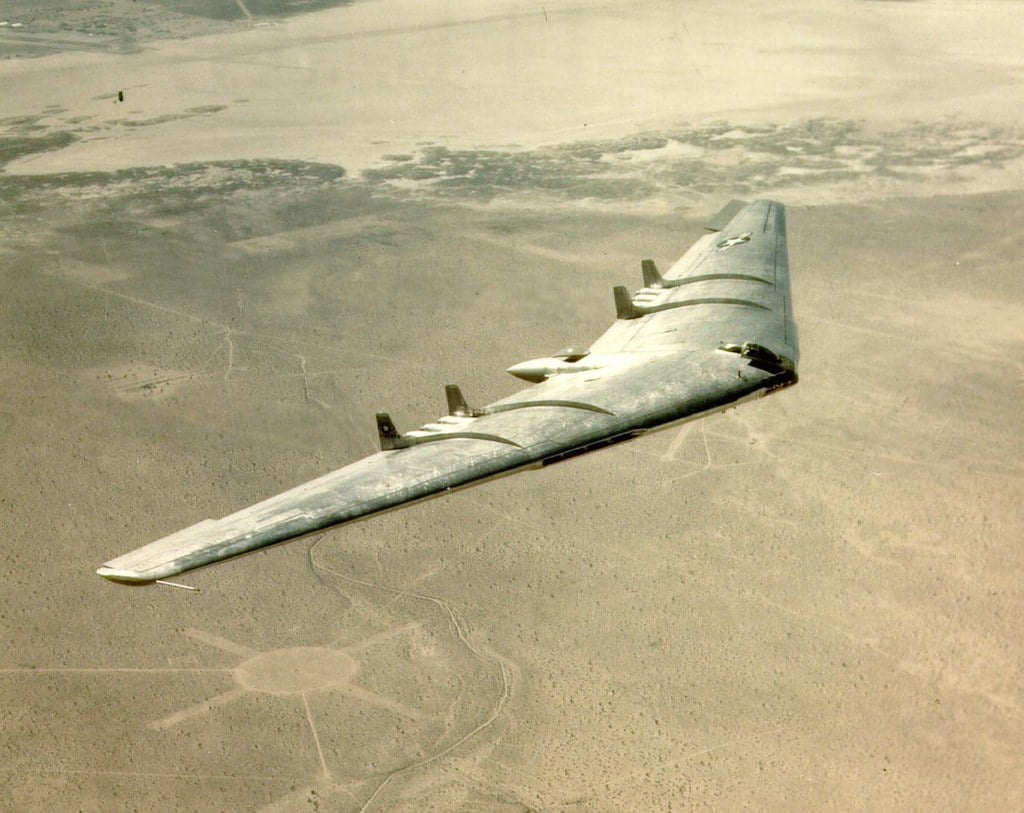
Before silent warplanes ruled the skies, Northrop shaped a sleek aircraft – just a vast wing, no fuselage at all. Gliding smoothly through air trials, the YB-49 appeared graceful, yet struggled to hold steady during flight.
Its erratic behavior ruined precision targeting, turning promising runs into misses. By 1949, tangled decisions and engineering flaws ended its run; insiders whisper military leaders favored older-style planes anyway.
Years passed, then Northrop revived those smooth lines in the B-2 stealth bomber, showing the odd shape could finally work right.
Caproni Ca.60 Noviplano

An Italian designer decided that if one set of wings is good, then nine sets must be better. The Ca.60 looked like someone stacked three triplanes on top of each other and added a boat hull underneath.
This monster was supposed to carry 100 passengers across the Atlantic back in 1921. On its second test flight, the whole thing broke apart and crashed into Lake Maggiore, and the pilot barely survived.
Nobody ever tried building another one.
Tupolev Tu-144
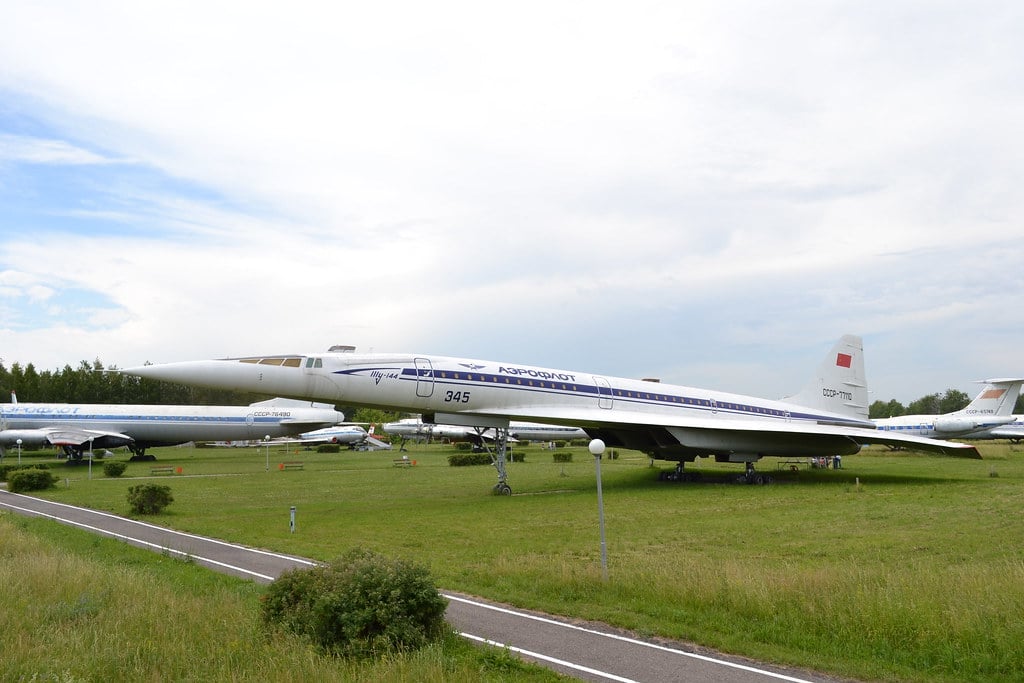
Russia rushed to beat the Concorde into service, and the Tu-144 became the world’s first supersonic passenger jet. But calling it a success would be generous.
The plane was loud, uncomfortable, and had a nasty habit of breaking down or crashing. After one crashed at the Paris Air Show in 1973 and another went down in 1978, the Soviets quietly retired it.
The Tu-144 flew paying passengers for only seven months total, making it one of aviation’s shortest commercial runs.
Hughes H-4 Hercules
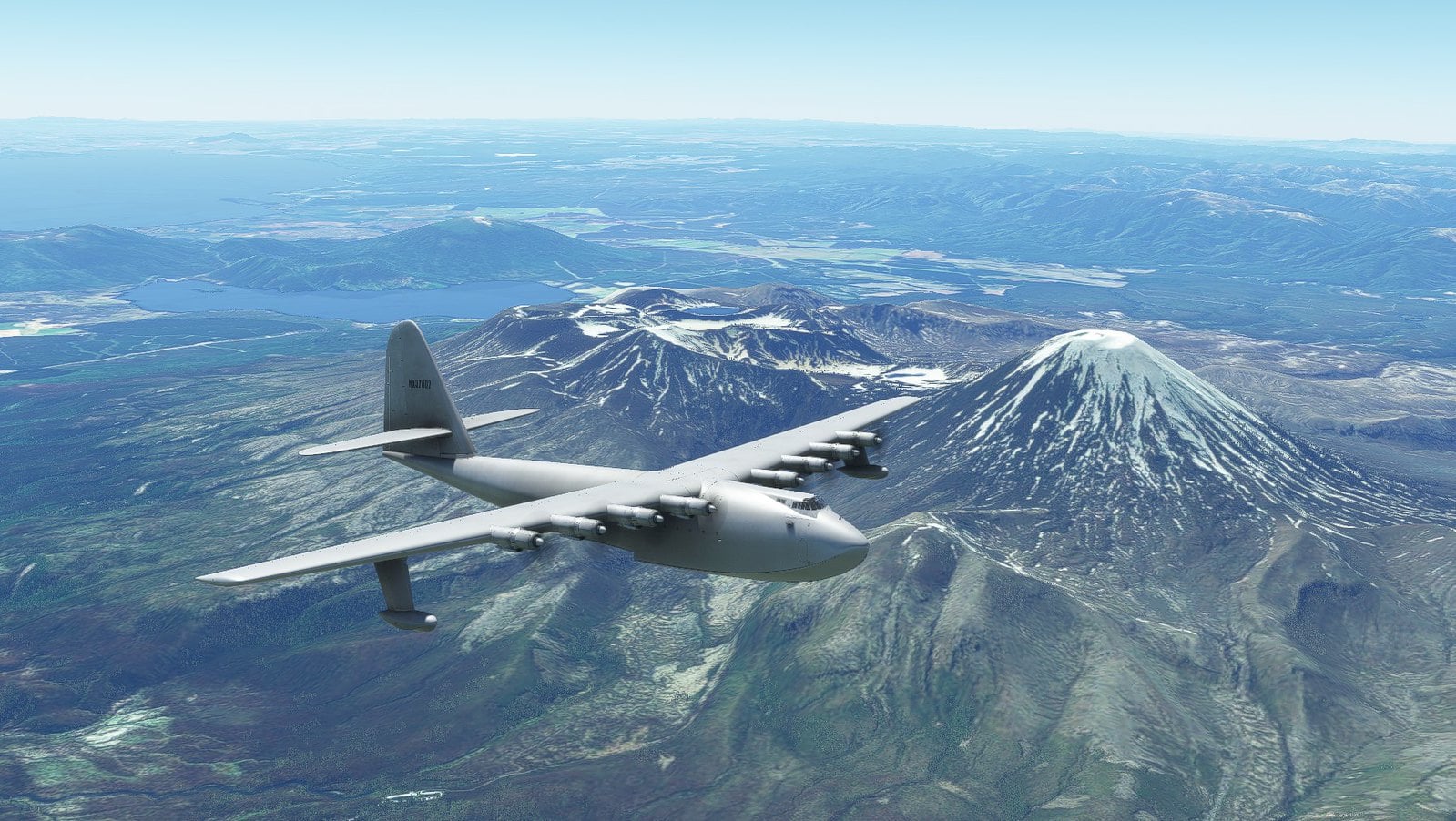
Everyone knows this one as the Spruce Goose, even though it was actually made of birch. Howard Hughes built the biggest airplane ever at the time, with a wingspan longer than a football field.
The giant flying boat was supposed to carry troops during World War II, but it wasn’t ready until 1947. Hughes flew it exactly once for about a mile, barely lifting off the water, and then it sat in a hangar for decades.
The whole project became a symbol of Hughes’ eccentricity and wasted government money.
Beechcraft Starship
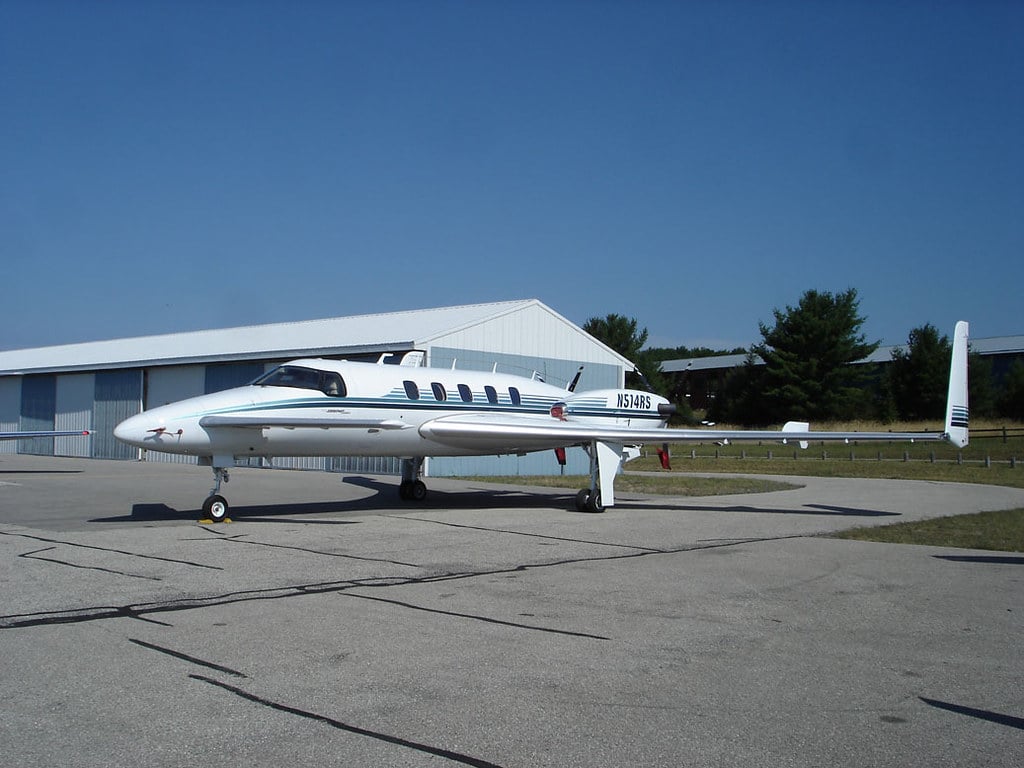
Beechcraft bet big on this sleek, forward-thinking business plane in the 1980s. The Starship featured a canard design with the small wings up front and composite construction that was cutting-edge for its time.
Sadly, it cost too much to build, flew slower than competing aircraft, and maintenance proved incredibly expensive. Beechcraft eventually bought back and destroyed most of the Starships to avoid supporting them, making the few survivors valuable collector items today.
Bristol Brabazon
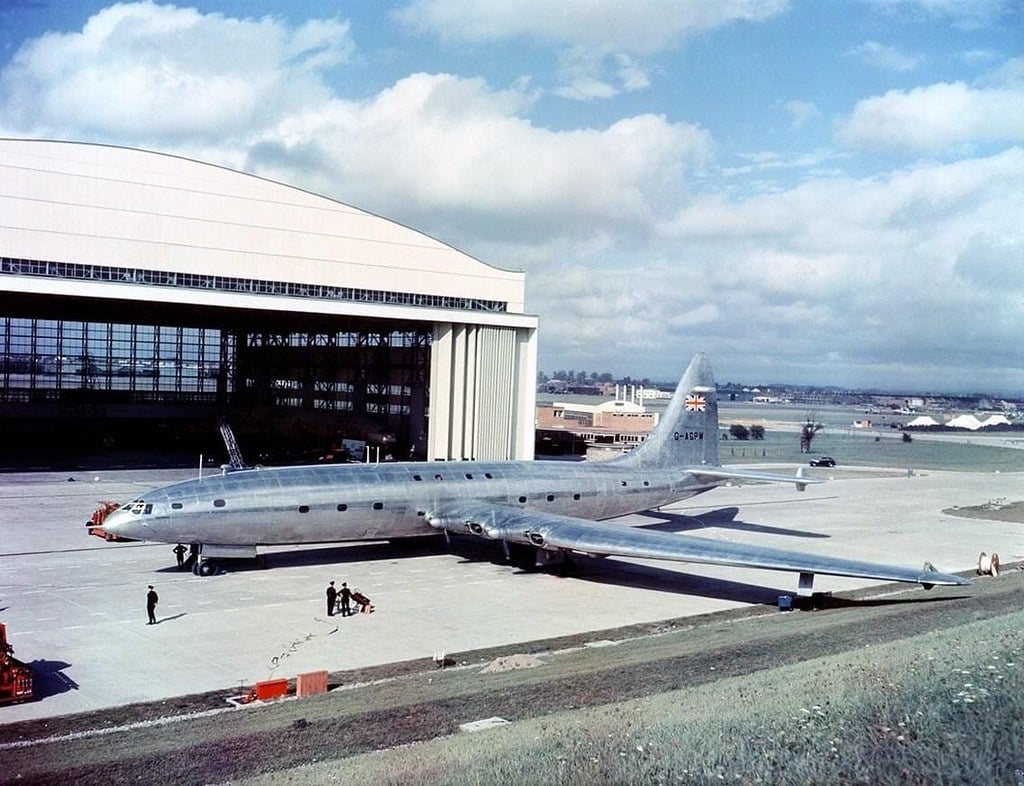
Britain wanted to build the world’s most luxurious airliner after World War II, complete with dining rooms and sleeping berths. The Brabazon turned out enormous, with eight engines and enough space inside for 100 passengers to live in comfort.
Airlines took one look at the operating costs and said no thanks. Only one prototype ever flew, and it got scrapped in 1953 after the government finally admitted nobody would ever buy such an expensive plane to operate.
Avro Canada CF-105 Arrow
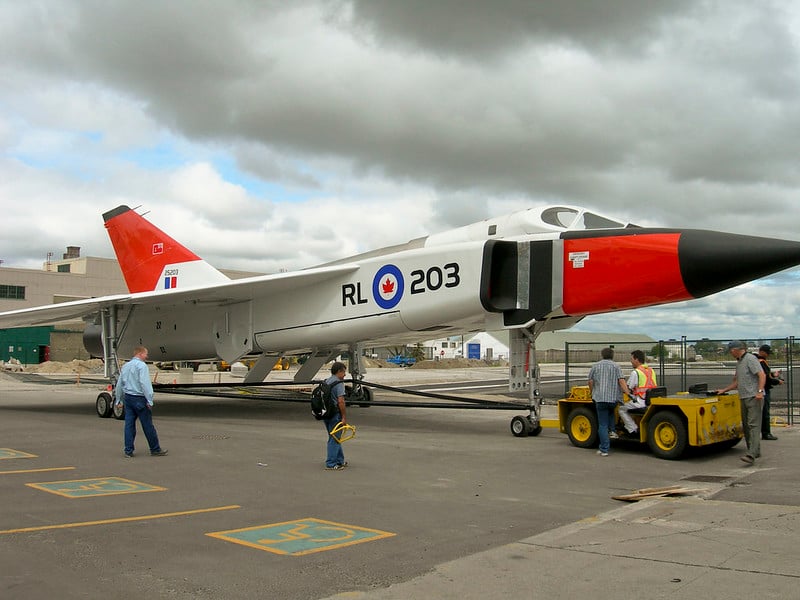
Canada built one of the most advanced fighter jets of the 1950s, and then destroyed it all in one of aviation’s biggest mysteries. The Arrow could fly faster and higher than almost anything else at the time, and Canadian engineers were rightfully proud of it.
Prime Minister John Diefenbaker canceled the entire program in 1959, citing costs and changing defense needs. Workers cut up the completed planes with blowtorches, and conspiracy theories about American pressure still swirl around the decision decades later.
Vought V-173 Flying Pancake
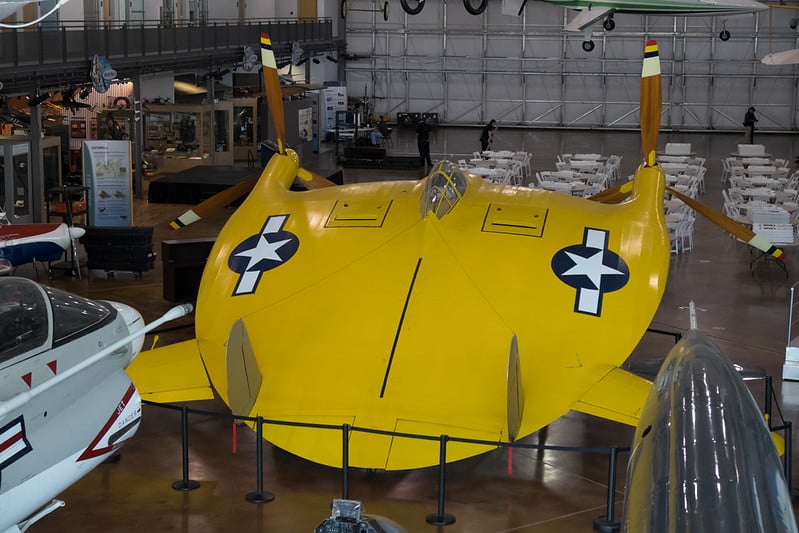
The Navy asked Vought to build a fighter that could fly slow enough to land on carriers but fast enough to fight. Vought responded with this bizarre circular design that looked like a flying manhole cover with propellers.
Test pilots called it the Flying Pancake, and it actually flew pretty well during trials. The war ended before it could go into production, and jet engines made the whole propeller-driven concept outdated anyway.
Charles Lindbergh himself flew it and reportedly enjoyed the experience.
Convair XC-99
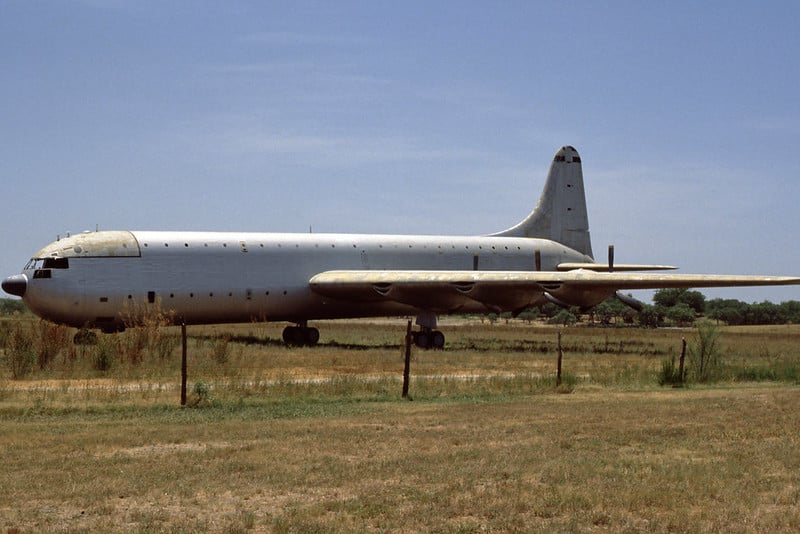
Convair took a B-36 bomber and turned it into a double-decker cargo plane big enough to carry 400 troops or 100,000 pounds of equipment. Only one XC-99 ever got built, and it served the Air Force faithfully for years moving cargo around.
The military never ordered more because they decided specialized cargo planes weren’t worth the investment. That single plane flew until 1957 and now sits at the Air Force museum in Ohio, still impressive in its size and ambition.
McDonnell Douglas MD-12
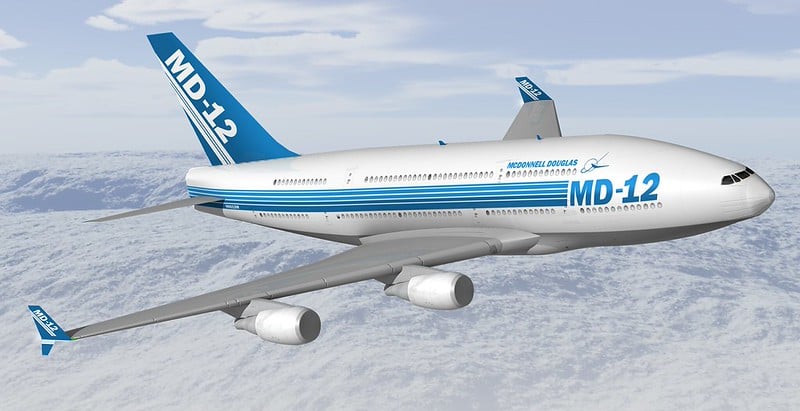
Boeing wasn’t the only company trying to build a giant double-decker airliner in the 1990s. McDonnell Douglas designed the MD-12 to carry over 500 passengers and compete directly with Boeing’s plans.
Airlines showed some interest, but McDonnell Douglas couldn’t find enough buyers to justify the enormous development costs. When Boeing merged with McDonnell Douglas in 1997, the MD-12 project died immediately, and Boeing went on to create the 787 Dreamliner instead.
Lockheed CL-1201
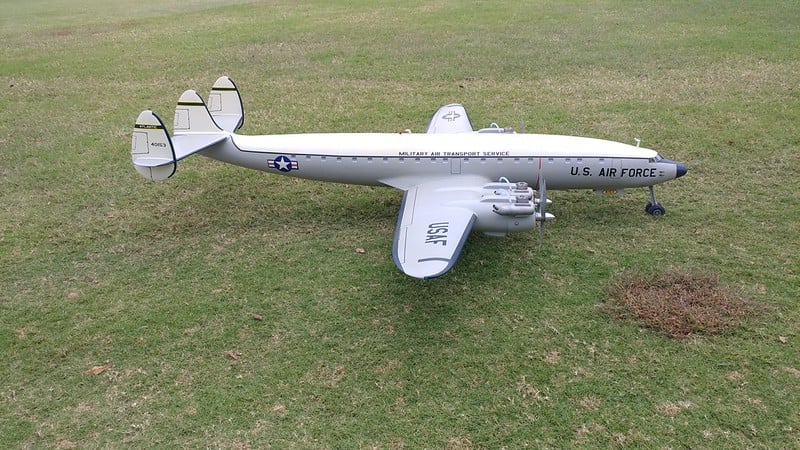
Lockheed engineers apparently asked themselves how big a plane could theoretically get, and the CL-1201 was their answer. This concept from the 1960s would have weighed 11 million pounds, carried 400 passengers plus cargo, and stayed airborne for weeks at a time using nuclear power.
The wingspan would have stretched over 1,100 feet, making it more like a flying aircraft carrier than a regular plane. Nobody ever built even a model because the whole idea was more science fiction than engineering reality, but the drawings still look incredible.
Where Dreams Meet The Drawing Board
These aircraft remind everyone that innovation means taking risks, and not every risk pays off. Some failed because of bad timing, others because of costs, and a few because the technology simply wasn’t ready.
But the engineers who designed them pushed boundaries and taught valuable lessons that helped later aircraft succeed. Aviation keeps moving forward because people dare to imagine planes that seem impossible, even when those planes never leave the ground.
More from Go2Tutors!

- The Romanov Crown Jewels and Their Tragic Fate
- 13 Historical Mysteries That Science Still Can’t Solve
- Famous Hoaxes That Fooled the World for Years
- 15 Child Stars with Tragic Adult Lives
- 16 Famous Jewelry Pieces in History
Like Go2Tutors’s content? Follow us on MSN.