BMW Innovations That Surprised the Industry
Car companies love to claim they invented something first, even when they didn’t. But BMW has actually surprised the automotive world multiple times with genuine innovations that other manufacturers had to scramble to copy.
Some of these innovations became industry standards. Others remained BMW-specific quirks that fans either love or hate.
Either way, these developments changed how people think about cars.
Turbocharging Before It Was Cool
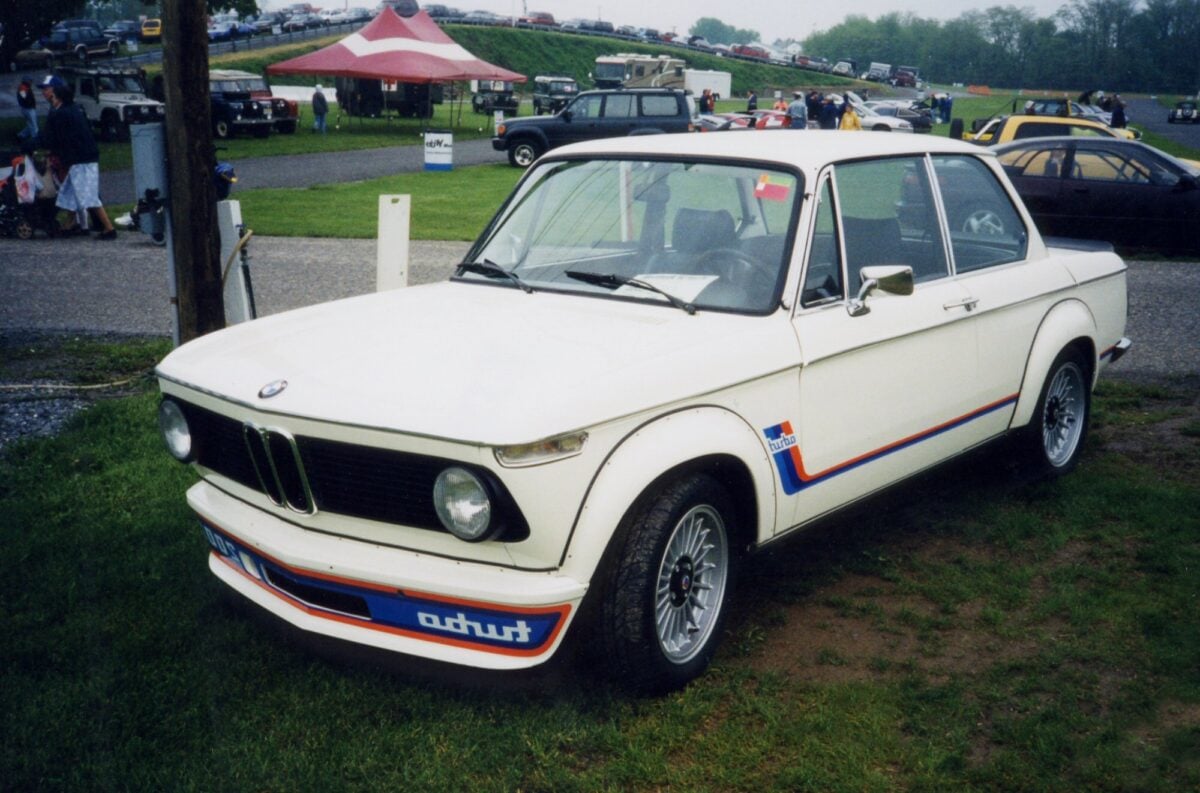
BMW started experimenting with turbochargers in the 1970s when most manufacturers thought forced induction belonged only in race cars. The 1973 BMW 2002 Turbo shocked people by putting a turbocharged engine in a regular production car that you could drive daily.
Other companies had tried turbocharging before, but BMW made it work reliably in a car you could actually buy and maintain. The 2002 Turbo produced 170 horsepower from a two-liter engine when most similar cars struggled to make 100.
That power came with turbo lag you could measure with a calendar, but the raw performance caught everyone’s attention. The concept proved that turbocharging wasn’t just for supercars or race machines.
Within a decade, turbocharged engines started appearing across the industry. BMW took the risk first and showed it could work.
The Kidney Grille Identity

In 1933, BMW introduced a split grille design on the 303 model. Two vertical openings separated by a center bar became the kidney grille, and BMW has used variations of this design ever since.
Nearly a century later, you can identify a BMW from blocks away just by looking at the front end. The grille started as a functional cooling solution, but it became BMW’s visual signature.
Other manufacturers change their design language every decade. BMW stuck with the same basic concept and made it evolve gradually.
The grilles have grown larger, changed proportions, and adapted to different models, but the kidney shape remains. Critics complain that modern BMW grilles have grown too large.
The newer models have massive grilles that dominate the front end. Whether you like it or not, you can’t ignore it.
That’s exactly the point.
iDrive Changed Interior Design
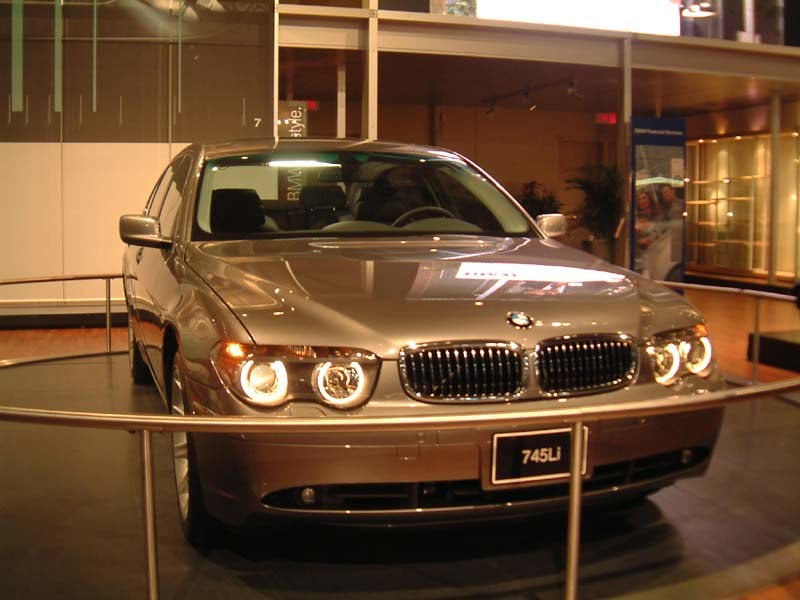
When BMW introduced iDrive in 2001, most people hated it. The system replaced individual buttons and knobs with a single rotary controller and a screen.
Reviewers called it confusing, complicated, and a solution to a problem nobody had. BMW ignored the criticism and kept developing the system.
Within a few years, every luxury manufacturer copied the concept. Mercedes created their own version.
Audi followed. Now you can’t find a premium car without some kind of central controller managing multiple systems.
The early versions were genuinely frustrating to use. Too many menus, too many steps to do simple tasks.
But BMW fixed the interface problems over time, and the basic concept proved right. Touchscreens eventually joined the party, but that rotary controller remains in modern BMWs because drivers got used to it.
Carbon Fiber for the Masses
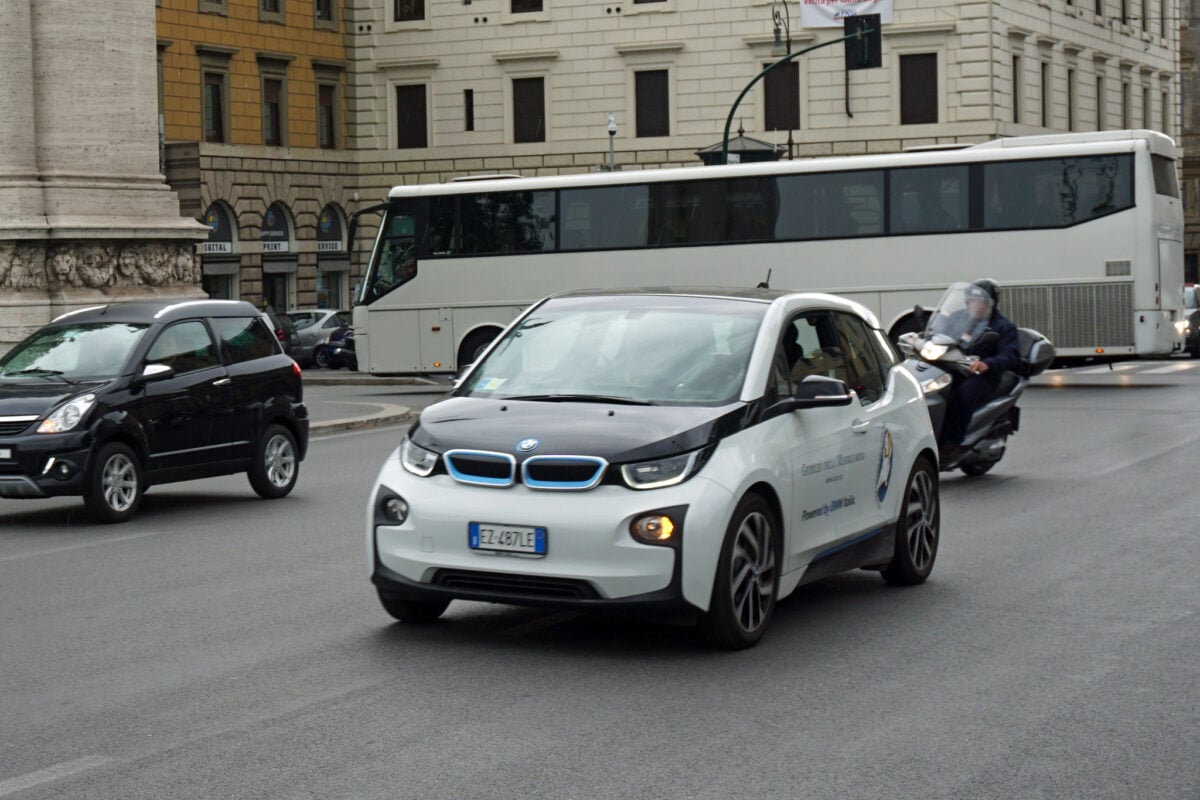
The BMW i3 debuted in 2013 with a passenger cell made entirely from carbon fiber. This material usually appeared only in supercars costing six figures.
BMW put it in a small electric car priced for regular people. Creating carbon fiber at scale requires completely different manufacturing processes than traditional steel or aluminum construction.
BMW invested billions in developing techniques that could produce carbon fiber chassis efficiently enough to make economic sense. The i3 never sold in massive numbers, but it proved that carbon fiber could work in mass-market vehicles.
The weight savings made the electric range more practical. Other manufacturers watched closely and started developing their own carbon fiber programs.
Active Steering That Thinks
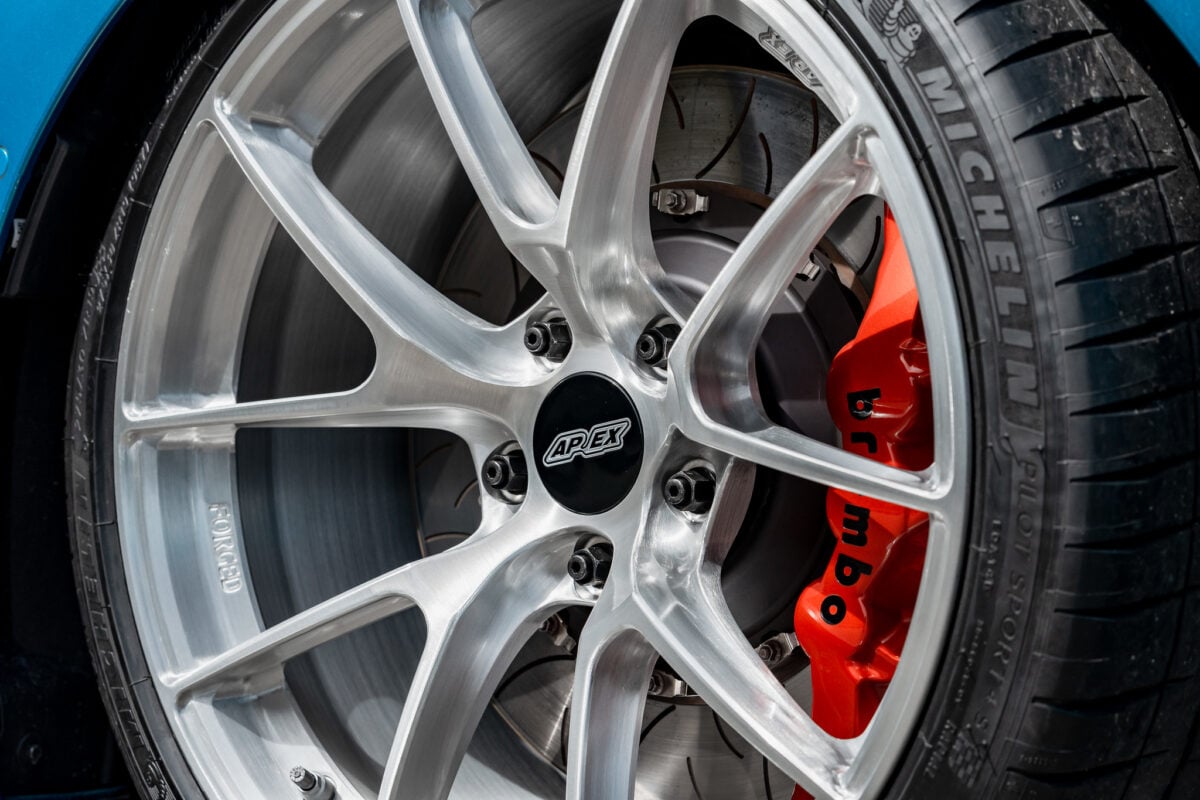
BMW’s Active Steering system, introduced in 2003, changed the steering ratio based on speed. At parking speeds, the wheels turned more per steering wheel rotation, making tight maneuvers easier.
At highway speeds, the system reduced sensitivity for more stable handling. Purists hated it immediately.
They claimed it disconnected the driver from the road and made the car feel artificial. BMW marketed it as improving both low-speed maneuverability and high-speed stability.
Both sides had valid points. The system worked exactly as designed, but it created a weird feeling when you noticed it happening.
The steering wheel would turn the expected amount, but the car would respond differently than you anticipated. Some drivers adapted and loved it.
Others disabled it permanently. Despite mixed reception, the technology influenced how other manufacturers approached steering systems.
Variable ratio steering became common, though most companies implemented it differently from BMW’s original version.
Run-Flat Tires as Standard Equipment

BMW started equipping most models with run-flat tires as standard equipment in the early 2000s. You could keep driving for 50 miles after a puncture, eliminating the need for spare tires.
The company saved weight, increased cargo space, and removed the panic of getting a flat in a dangerous location. Run-flat tires have significant downsides.
They cost more than regular tires. They create a harsher ride because the reinforced sidewalls don’t flex as much.
They wear out faster. Many BMW owners immediately switch to conventional tires and accept the risk of getting stranded.
BMW is committed to this technology harder than any other manufacturer. Most of their lineup comes with run-flats as standard, and the cars are designed around not carrying a spare.
This decision split the customer base into people who appreciate the convenience and people who hate the ride quality trade-off.
Laser Headlights Seemed Like Science Fiction
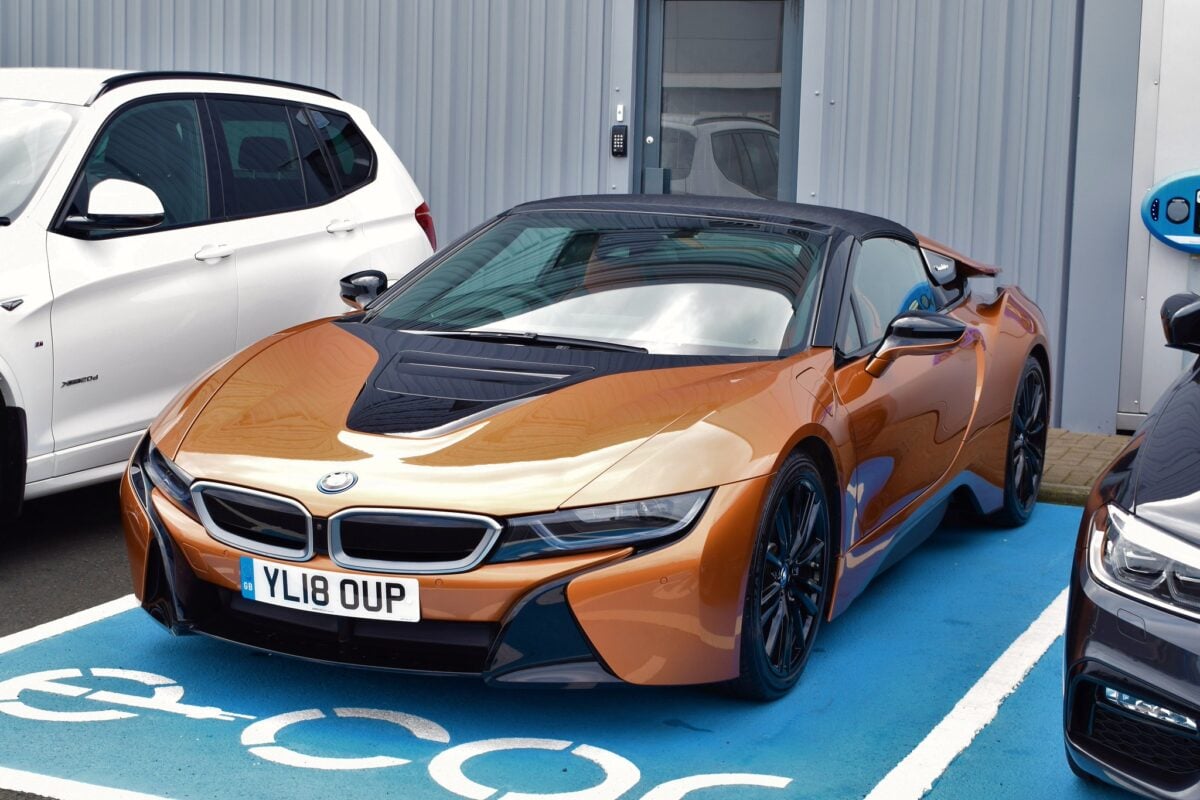
In 2014, the BMW i8 became the first production car with laser headlights. These lights projected a beam nearly twice as far as LED headlights while using less energy.
The technology sounded like something from a concept car that would never reach production. Laser headlights use laser diodes to generate light that gets converted to white light through a phosphor.
The system is compact, efficient, and powerful. It also costs a fortune.
BMW made it work in a limited-production hybrid sports car where the premium price could absorb the technology cost. Other manufacturers showed interest but haven’t widely adopted laser headlights.
The cost remains too high for most applications. LED technology keeps improving and costs much less.
BMW proved the concept could work in a real car, even if it hasn’t become mainstream.
The M Division Philosophy
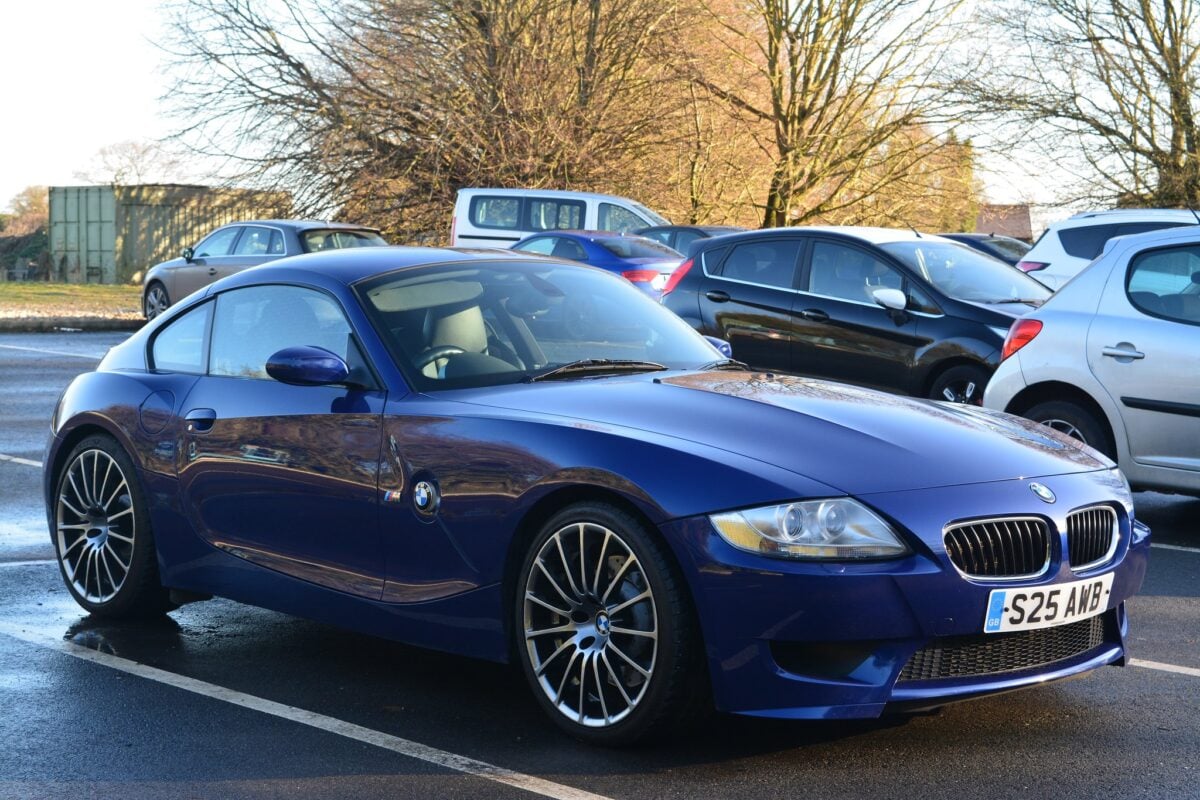
BMW’s M division started as a motorsport department but evolved into a performance car brand that competitors still chase. The first M car, the M1 supercar from 1978, established that BMW could build serious performance machines.
The E30 M3, introduced in 1986, changed everything. This compact sedan with a high-revving four-cylinder engine became a homologation special for racing but also worked perfectly as a street car.
You could drive it daily and race it on weekends without modifications. BMW built an entire business around the M philosophy.
M cars aren’t just regular BMWs with more power. They get different engines, suspension, brakes, interiors, and styling.
The M division operates almost like a separate company within BMW, and that independence shows in their products.
Straight-Six Engine Refinement
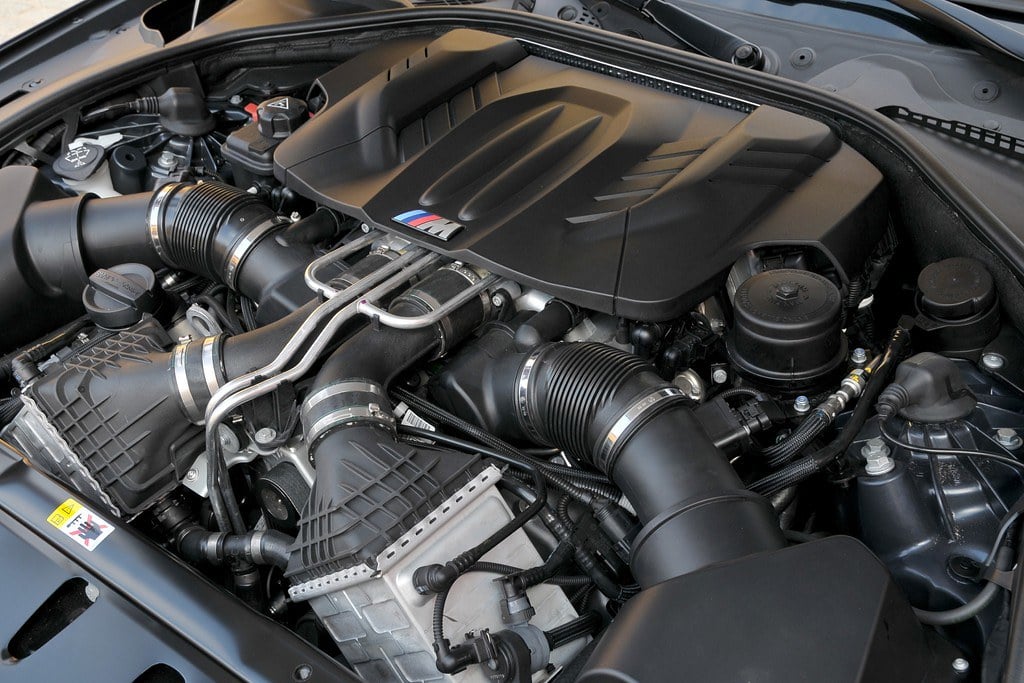
BMW has built inline six-cylinder engines for decades, refining the design constantly while other manufacturers moved to V6 configurations. The straight-six layout offers perfect balance, smooth power delivery, and a distinctive sound.
Most manufacturers abandoned inline sixes because they’re long and don’t fit well in modern front-wheel-drive platforms. BMW stuck with rear-wheel drive and kept developing their straight-six engines.
The investment paid off with engines that rev smoothly, last hundreds of thousands of miles, and sound better than competing V6 designs. The current B58 engine appears in everything from the 340i to the Supra.
It makes big power, responds well to modifications, and maintains BMW’s reputation for smooth six-cylinder engines. Competitors finally acknowledged BMW might have been right all along.
Gesture Controls in Production Cars
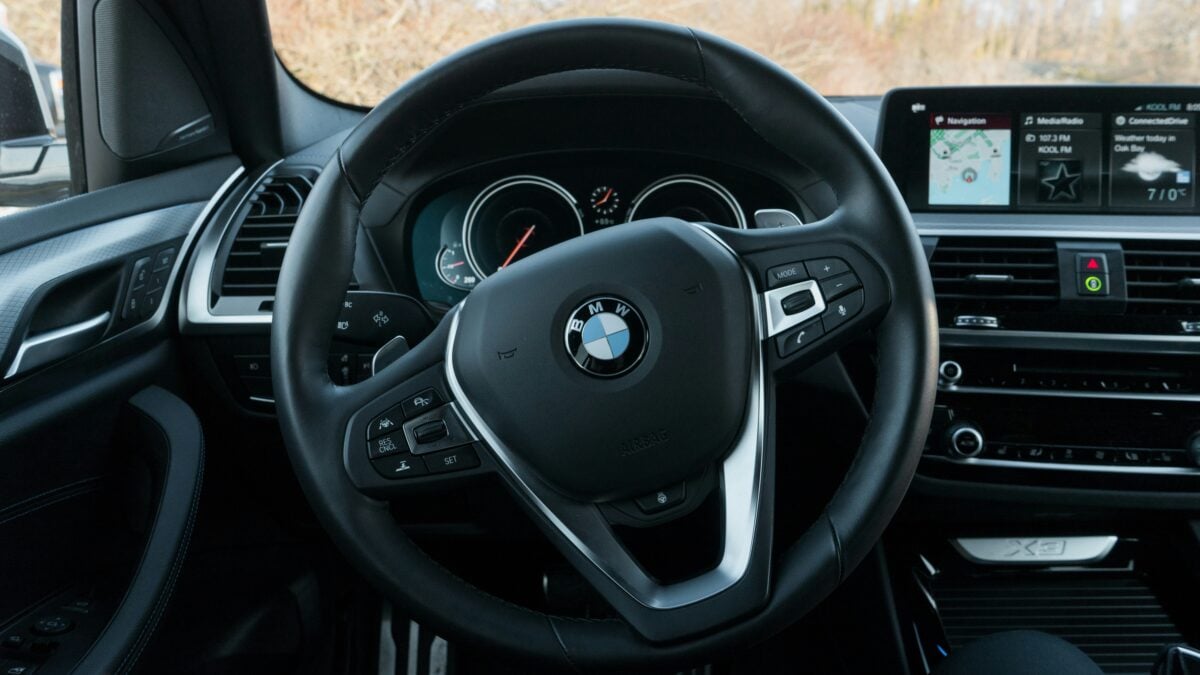
BMW introduced gesture control in 2015, letting drivers control certain functions by waving their hands in front of a sensor. Spin your finger in a circle to adjust volume.
Swipe to answer or reject phone calls. The system recognized specific hand movements and translated them into commands.
Most reviews called it a gimmick. Why wave your hand when you could just push a button?
The gestures felt awkward, didn’t always work reliably, and solved no real problem. BMW included it anyway as an optional feature.
Despite a lukewarm reception, gesture control represented BMW’s willingness to experiment with unconventional interfaces. Some people use it regularly.
Most ignore it. But BMW tried something different and got attention for pushing boundaries, even if the feature didn’t become essential.
VANOS Variable Valve Timing
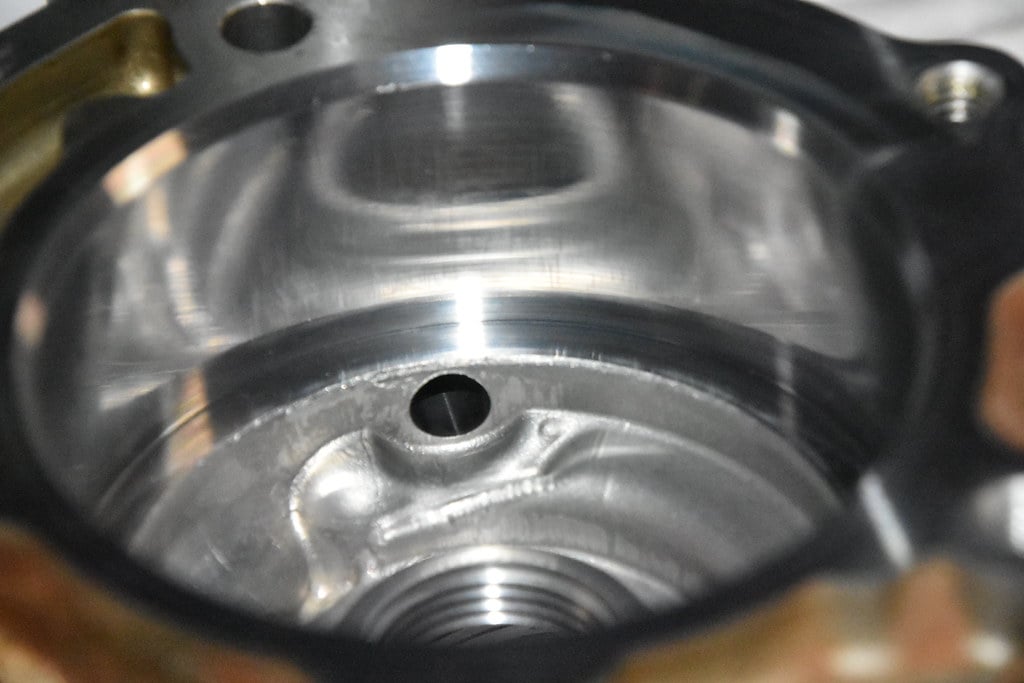
BMW’s VANOS system, introduced in 1992, continuously adjusted valve timing to optimize performance across the rev range. The technology improved power output, reduced emissions, and increased fuel efficiency.
Variable valve timing wasn’t new when BMW introduced VANOS. Honda’s VTEC had already gained fame for dramatically changing engine character at high RPM. BMW’s approach was different. Instead of switching between two cam profiles, VANOS continuously adjusted timing smoothly across the entire rev range.
The early VANOS systems had reliability problems. The mechanisms wore out, leaked, and caused performance issues.
BMW refined the design over multiple generations. Modern versions work reliably and contribute significantly to engine performance.
The rocky start gave VANOS a questionable reputation that took years to overcome.
Active Suspension Systems
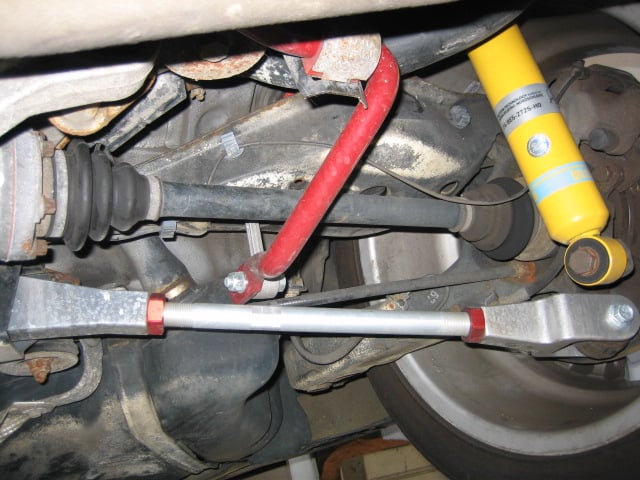
BMW’s adaptive suspension systems read the road ahead using cameras, then adjust dampers before the wheels hit bumps. The system prepares the suspension for what’s coming rather than reacting after the wheels encounter an obstacle.
This predictive approach requires sophisticated software that processes camera data in real-time and makes split-second adjustments. BMW combined multiple technologies into a suspension system that handles rough roads better while maintaining sporty handling.
The difference feels subtle. You notice the car rides more smoothly over rough pavement, but the improvement isn’t dramatic enough to justify the extra cost for many buyers.
BMW positioned it as a premium feature for people who want the absolute best ride quality without compromising performance.
Technology Transfer from Racing

Not many carmakers let race experience shape their everyday vehicles like BMW does. Race-born tech often shows up in regular models before long.
From engines to how the car handles, track lessons make it to public roads fast. Even airflow tweaks tested at speed find their way into customer cars sooner rather than later.
Out on the track, the M3 GTR pushed limits that later showed up in everyday models. From F1 machines roaring under extreme loads came insights that shaped how BMW built their road-car turbos.
When parts cracked during races, engineers used those weak spots as clues – each flaw guiding tougher designs for city roads. This tight link between track work and street vehicles made BMWs feel rooted in real race history, unlike others.
Not just looks borrowed from racing – these machines carried tech born in battles. What you got was hardware tested where only results matter.
The Electric i Series Risk
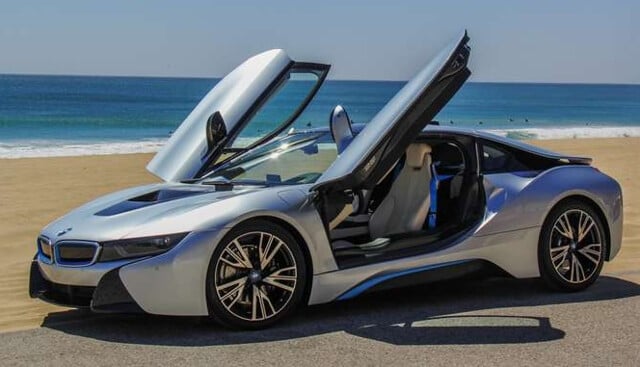
One year after a decade turned, BMW introduced something new called the i series – first came a small vehicle named i3, then a sleeker machine, the i8, built like nothing else in their lineup. These models stood out sharply next to older designs, shaped using ideas never tried at that scale before.
While others waited, BMW moved fast, placing big trust in battery-powered driving well ahead of rivals in the high-end auto world. Strange looks set the i3 apart right away.
Expensive materials lined its interior, making costs climb fast. Yet it aimed at buyers who were nearly impossible to find.
Built entirely fresh, not adapted from older cars, the design broke norms quietly. A whole new base underneath demanded serious funding without drawing attention.
Only time would show whether such bold choices paid off slowly. It wasn’t just big sales that made the i3 and i8 matter – instead, they showed BMW meant business with electric tech.
From those models came knowledge: how batteries behave, how carbon fiber works at scale, how EVs should feel behind the wheel – all shaping what followed. While rivals hesitated, then scrambled toward electrification, BMW was already ahead, shaped by actual time on the road.
The Next Turn
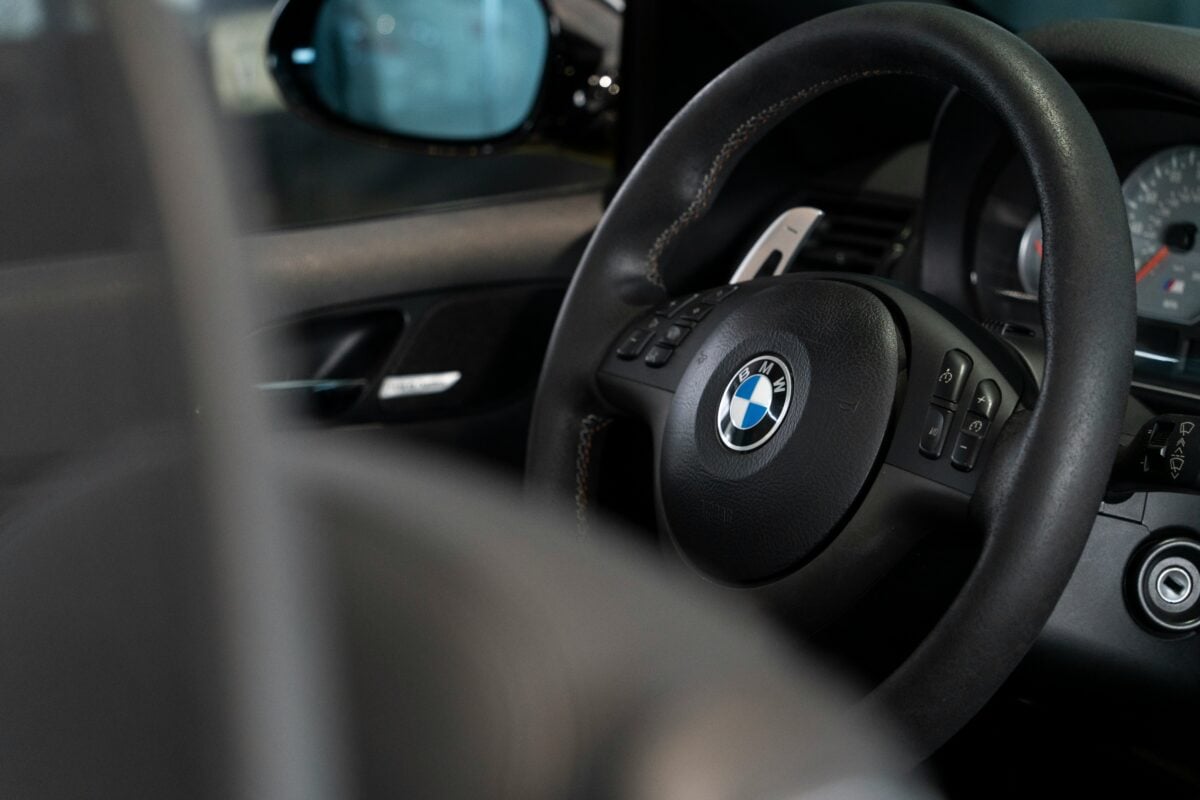
Odd tests lead BMW to add quirks few expect – until copycats follow years after. Winning every time?
Not even close. Some tweaks spread through the industry.
Others stay tucked inside BMWs, appreciated mostly by hands on the wheel. Jumping into wild ideas?
That’s their thing, while others just repeat old plays. Mistakes pop up now and then – BMW once stepped back. Still, more often than not, a daring step feels odd at first, only to turn common much later when everyone else finally sees it.
Change drives BMW, though not every twist wins fans. Some shapes surprise onlookers, but distance shows rhythm – always moving ahead.
A feature may prompt doubt, still, following others has never been their way. New routes feel like second nature.
Now and then, a single try changes all the rest. What happens next spreads wide, reaching well past its starting point.
More from Go2Tutors!

- The Romanov Crown Jewels and Their Tragic Fate
- 13 Historical Mysteries That Science Still Can’t Solve
- Famous Hoaxes That Fooled the World for Years
- 15 Child Stars with Tragic Adult Lives
- 16 Famous Jewelry Pieces in History
Like Go2Tutors’s content? Follow us on MSN.