Book Lovers Day: 18 Fascinating Facts About Reading That Will Change How You See Books
Books have been humanity’s faithful companions for over 5,000 years, but most readers barely scratch the surface of what makes these literary treasures so remarkable. From ancient clay tablets to today’s e-readers, books continue to shape minds, heal hearts, and break records in ways that might surprise even the most devoted bookworm.
Whether you’re someone who devours novels like candy or someone who thinks reading is just another chore, these facts will completely shift your perspective on what happens when ink meets paper. Here is a list of 18 fascinating facts about reading that reveal the hidden superpowers lurking between book covers.
Reading Just Six Minutes Reduces Stress by 68%

Your daily reading habit isn’t just entertainment—it’s medicine. Research shows that reading for just six minutes can slash stress levels by 68%, making it more effective than listening to music, having a cup of tea, or even taking a walk. Think of reading as a mental reset button that works faster than most relaxation techniques. Scientists have also discovered that reading at least 30 minutes daily can actually increase your lifespan, turning your favorite novel into the ultimate wellness routine.
Your Brain Gets a Workout Every Time You Read Fiction
Fiction readers are significantly more empathetic toward others compared to people who stick to non-fiction. When you follow a character through their emotional journey, your brain practices understanding different perspectives and feelings. Reading fictional books has been shown to improve decision-making abilities by 50% to 100%, essentially turning every novel into a training ground for real-life choices.
The World’s Smallest Book Needs a Microscope to Read
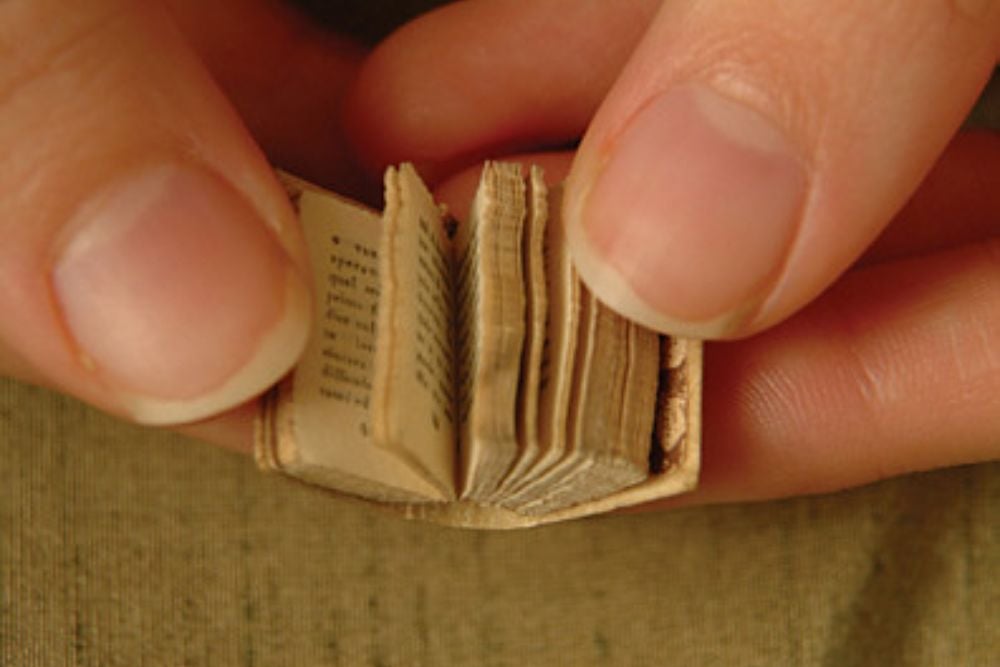
The tiniest book ever created, ‘Teeny Ted from Turnip Town,’ measures an impossibly small 0.07mm by 0.10mm. The text is etched onto 30 micro tablets that can only be read using a scanning electron microscope. Meanwhile, on the opposite end of the spectrum, the world’s largest book weighs 3,306 pounds and measures over 16 feet by 26 feet. Talk about extreme reading experiences.
Bill Gates Owns a $60 Million Book

Microsoft founder Bill Gates purchased Leonardo da Vinci’s Codex Leicester for over $30 million in 1994, which equals roughly $60 million in today’s money. This handwritten scientific journal contains da Vinci’s observations about everything from water flow to astronomy. Meanwhile, you can buy a copy of the same content today for just $35—proving that sometimes the original really is worth the premium.
Most Americans Read Only 12 Books Per Year

The average American reads just 12 books annually, but this number is misleading because the median is actually four books. This means half the country reads fewer than four books each year while book enthusiasts skew the average upward. Surprisingly, Americans who read more than four books yearly are performing better than 70% of the country, making consistent reading a genuine superpower.
Children Who Read 20 Minutes Daily Learn Two Million Words

Kids who read for at least 20 minutes each day encounter approximately two million words annually, while those reading only five minutes daily absorb just 282,000 words. That’s a massive vocabulary gap that compounds over time. Children who maintain this 20-minute daily habit perform better on tests than 90% of their classmates, showing that consistent reading time trumps cramming.
Half of American Adults Can’t Read Eighth-Grade Books

A shocking 50% of American adults cannot read books written at an eighth-grade level, highlighting a literacy crisis hiding in plain sight. Additionally, 43 million adults in America have low reading abilities, which affects everything from job prospects to healthcare decisions. These statistics reveal why reading education remains crucial throughout life, not just during school years.
Regular Readers Are 2.5 Times Less Likely to Develop Dementia

People who read regularly are two and a half times less likely to be diagnosed with Alzheimer’s or dementia. Your brain treats reading like a gym workout, strengthening neural connections and building cognitive reserves. Think of every book as a deposit in your brain’s retirement account, keeping your mind sharp well into your golden years.
The Bible Has Sold Over 5 Billion Copies

The Bible holds the Guinness World Record as the best-selling book of all time, with over 5 billion copies sold and distributed. For novels specifically, Don Quixote takes the crown with 500 million copies sold since its publication in 1605. These numbers dwarf modern bestsellers, proving that some stories have truly timeless appeal.
Women Read 14 Books Per Year While Men Read Much Less

Women read an average of 14 books annually, significantly higher than the American average. The gender gap is substantial—49.2% of women report reading literature regularly compared to just 29.5% of men. This reading divide influences everything from book marketing to literary awards, with women driving most fiction sales and book club participation.
Gen Z Buys More Print Books Than Millennials

Despite stereotypes about being glued to screens, Gen Z purchases an average of 2.1 print books per month compared to 1.8 for Millennials. Young readers are embracing physical books in an increasingly digital world, suggesting that the tactile experience of reading remains irreplaceable. Social media platforms like BookTok have actually boosted print book sales rather than replacing them.
Americans Spend Only 7 Minutes Daily Reading

Americans aged 15 and older spent just 7 minutes per day reading in 2017, down from 9 minutes in 2014. Women read nearly 20 minutes daily while men average only 13 minutes. Adults over 75 read the most at 51 minutes per day, while those aged 20-34 read the least at just 6.6 minutes, revealing how life stages affect reading habits.
E-books Still Only Account for 20% of Book Sales

Despite years of predictions about digital dominance, e-books represent only 18-20% of U.S. book sales, with print books maintaining 80% market share. The global e-book market reached $17.16 billion in 2024 and is projected to hit $22.76 billion by 2030, showing steady growth without replacing physical books. Many readers now use hybrid habits, switching between formats depending on the situation.
The Oldest Surviving Printed Book Is Over 1,000 Years Old
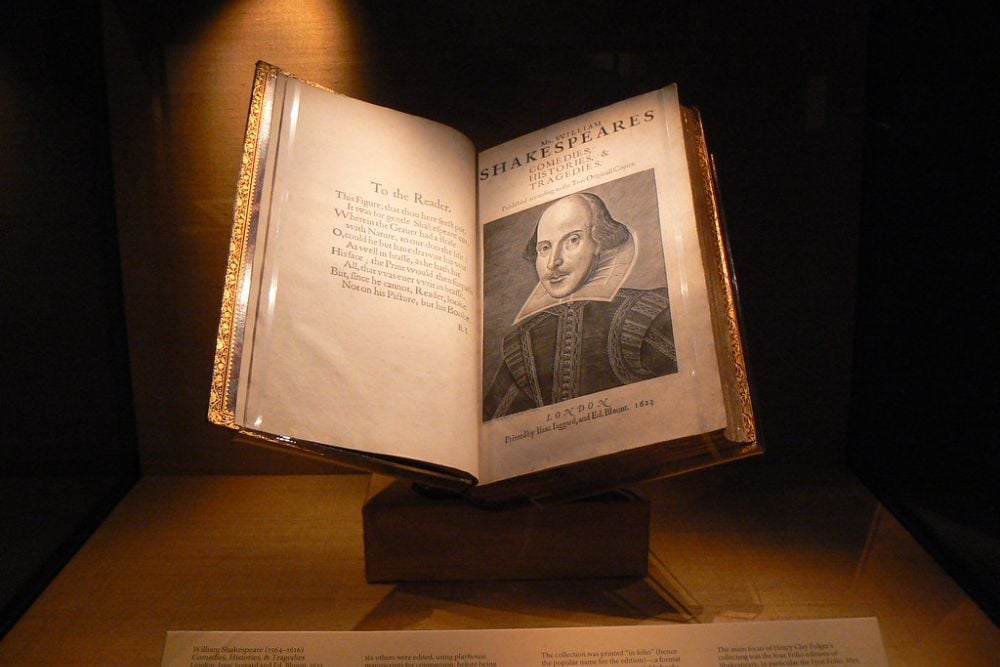
The Diamond Sūtra, a Chinese Buddhist text, is approximately 1,145 years old and holds the record as the oldest surviving printed book in the world. This woodblock-printed masterpiece dates back to 868 CE during China’s Tang Dynasty. Long before Gutenberg revolutionized European printing, Chinese artisans had already perfected the art of mass-producing books, fundamentally changing how knowledge spread across civilizations.
Six Extra Minutes of Reading Daily Transforms Struggling Students

Research on K-12 students revealed that just six additional minutes of daily reading can turn a struggling reader into one who meets or exceeds grade-level benchmarks. Students who read 15 minutes or more per day—about 46% of all students—made accelerated reading gains. This small time investment can literally change a child’s academic trajectory and life outcomes.
Most Published Books Sell Fewer Than 100 Copies

A staggering 90% of books published in the United States never sell more than 100 copies. This reality check puts bestseller lists in perspective—most authors consider selling even a few hundred copies a victory. The rise of print-on-demand technology has increased annual book titles from 2.3 million in 2013 to approximately 4 million by 2021, making the market more competitive than ever.
Reading Aloud Was the Norm Until the 1500s

Until around the 1500s, most books were read out loud and weren’t even punctuated properly. Silent reading was so unusual that Augustine specifically noted seeing Ambrose read silently in his 4th-century writings. Books were expensive and most people couldn’t read, so sharing stories aloud was the primary way knowledge spread. The shift to silent reading fundamentally changed how we process information and transformed reading from a communal activity into a personal one.
A Library Book Was Returned 47 Years Overdue

The largest fine for an overdue library book reached $345.15, paid by a woman who borrowed poetry from Kewanee Public Library in Illinois in April 1955 and returned it 47 years later. While most libraries now cap fines or offer amnesty programs, this record reminds us that some books take truly epic journeys before finding their way home. It also proves that good books are worth waiting for, even if it takes nearly half a century.
The Reading Revolution Continues

These facts reveal that reading isn’t just about consuming stories—it’s about rewiring your brain, extending your life, and connecting with thousands of years of human wisdom. From ancient clay tablets to smartphone screens, the fundamental magic of reading remains unchanged: transforming symbols into thoughts, emotions, and entire worlds. Every time you open a book, you’re participating in humanity’s greatest innovation, one that continues to evolve and surprise us in remarkable ways.
More from Go2Tutors!

- The Romanov Crown Jewels and Their Tragic Fate
- 13 Historical Mysteries That Science Still Can’t Solve
- Famous Hoaxes That Fooled the World for Years
- 15 Child Stars with Tragic Adult Lives
- 16 Famous Jewelry Pieces in History
Like Go2Tutors’s content? Follow us on MSN.