15 of the Most Intriguing Stars in the Universe
Stars tell stories across impossible distances. While our Sun quietly burns through its middle-aged years, the universe hosts stellar performers that defy explanation, bend physics, and challenge everything astronomers thought they knew.
Some spin faster than any object should. Others explode and refuse to die. A few seem to vanish entirely, leaving behind mysteries that keep scientists awake at night.
These aren’t just distant points of light — they’re laboratories where the extreme rules of physics play out on scales that dwarf human comprehension.
Betelgeuse
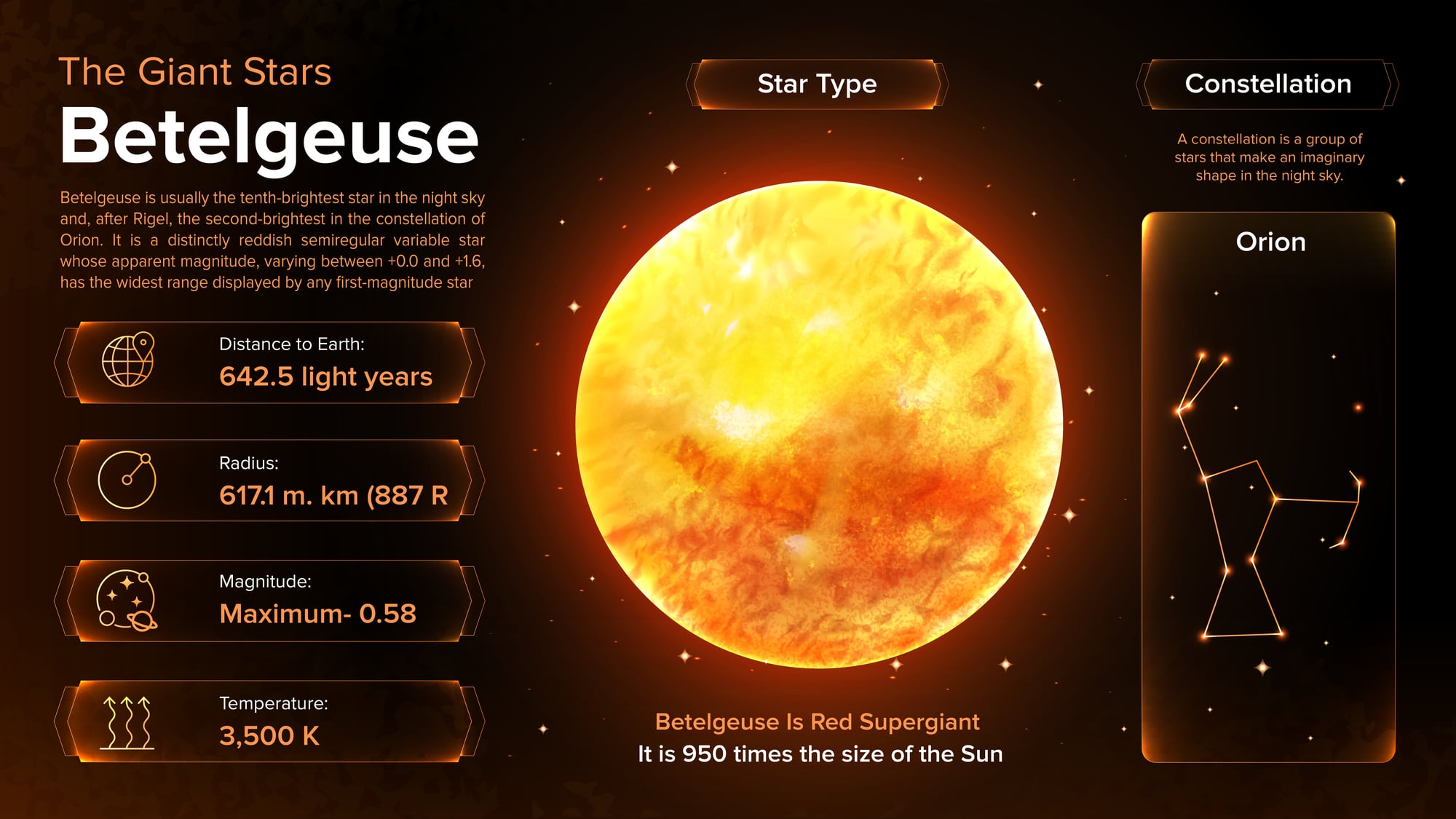
Betelgeuse sits there in Orion’s shoulder, visibly red to the naked eye, doing something no star should do: it’s having an identity crisis. This red supergiant dims and brightens unpredictably, and when it dropped to historic lows in 2019, astronomers wondered if they were about to witness the first naked-eye supernova in centuries.
The star is massive enough that if you placed it where our Sun sits, its surface would extend past Mars. It burns through fuel so rapidly that its entire lifespan compresses into just 10 million years — a cosmic blink.
PSR J1748-2446ad
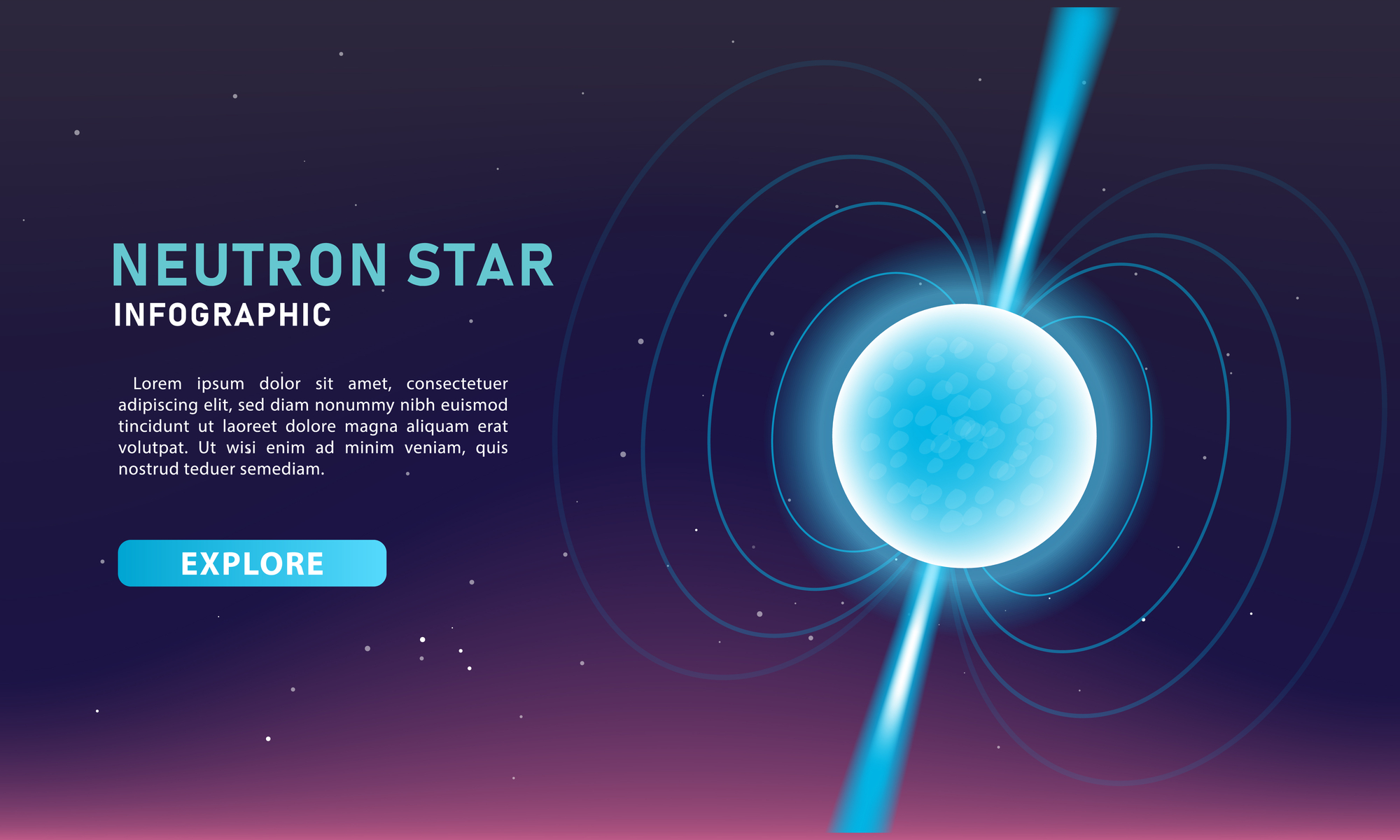
Consider what happens when physics gets stubborn about limits, then decides to ignore them entirely. PSR J1748-2446ad spins 716 times per second — so fast that its equator travels at roughly 25% the speed of light, and the centrifugal forces should theoretically rip it apart, except they don’t.
Something the size of Manhattan can contain more mass than our Sun and still hold together while spinning fast enough to blur the line between solid object and physics experiment. Its lighthouse beam sweeps across space nearly three-quarters of a thousand times every second.
Eta Carinae
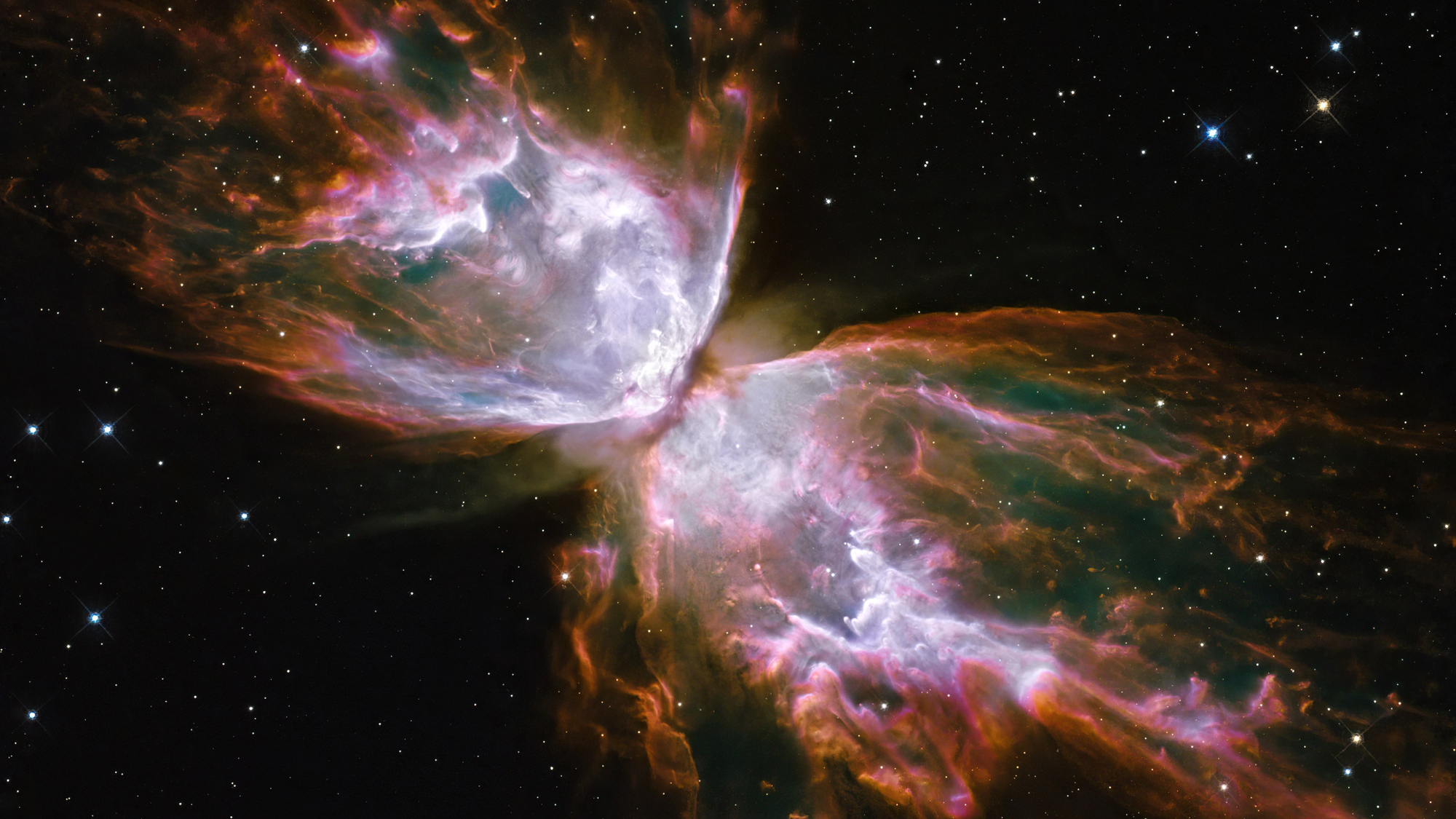
Eta Carinae throws tantrums that make solar flares look like birthday candles. During the Great Eruption of the 1840s, this luminous blue variable became the second-brightest star in the night sky despite sitting 7,500 light-years away.
The star system actually contains two massive stars locked in a deadly orbital dance. Every 5.5 years, their closest approach triggers spectacular fireworks as stellar winds collide at millions of miles per hour.
Tabby’s Star
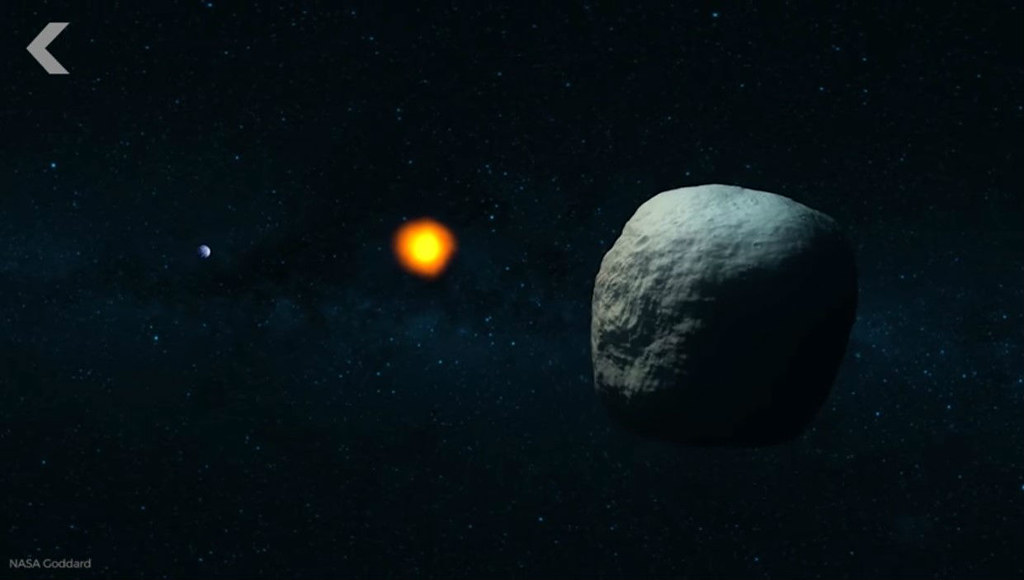
Tabby’s Star breaks the first rule of stellar behavior: predictability. KIC 8462852 dims by up to 22% at irregular intervals — a level of variability that shouldn’t exist.
The mystery deepened when historical data revealed the star has been dimming overall by about 16% over the past century. Various explanations have been proposed — from swarms of comets to alien megastructures — but none fully account for the observations.
Magnetars
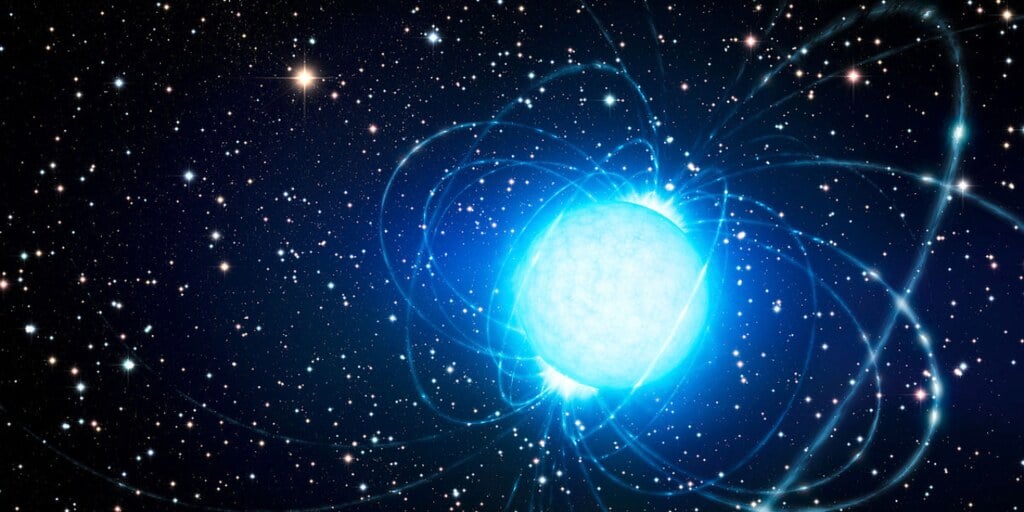
There’s something almost insulting about how magnetars work: they take everything dangerous about neutron stars and amplify it beyond reason. These stellar remnants generate magnetic fields a trillion times stronger than Earth’s — powerful enough that getting within 600 miles would pull the iron from your blood.
The magnetic field lines get twisted and stressed like rubber bands until they snap, releasing more energy in a tenth of a second than our Sun produces in 100,000 years. And then the magnetar just sits there, spinning quietly, waiting for the next catastrophic reorganization.
VY Canis Majoris
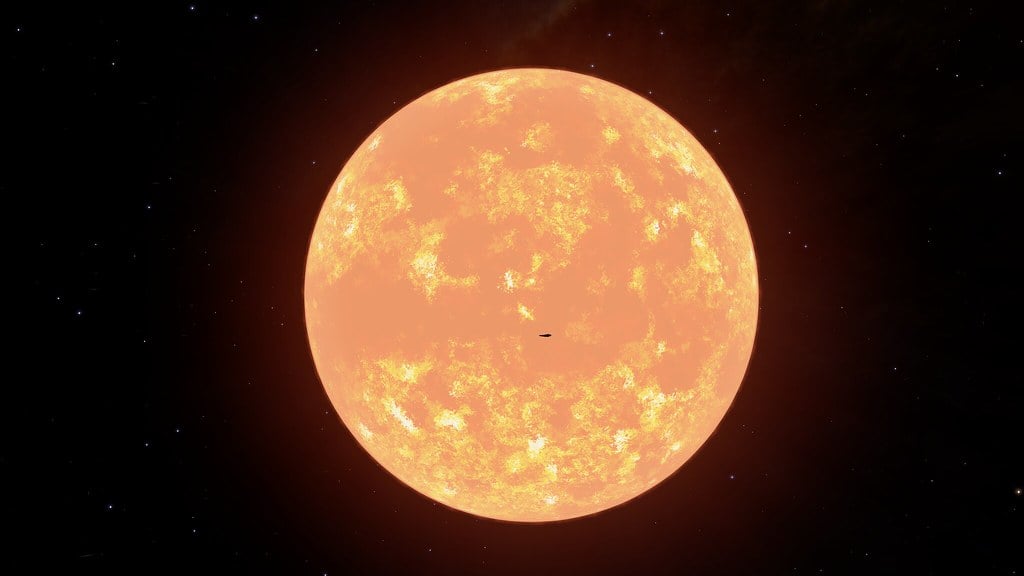
VY Canis Majoris makes a mockery of human scale. This red hypergiant could contain roughly 3 billion of our Sun by volume, and light takes about six hours to travel around its circumference.
But size comes with consequences. The star sheds material at a prodigious rate, surrounded by clouds of dust and gas ejected during violent outbursts.
Wolf-Rayet Stars
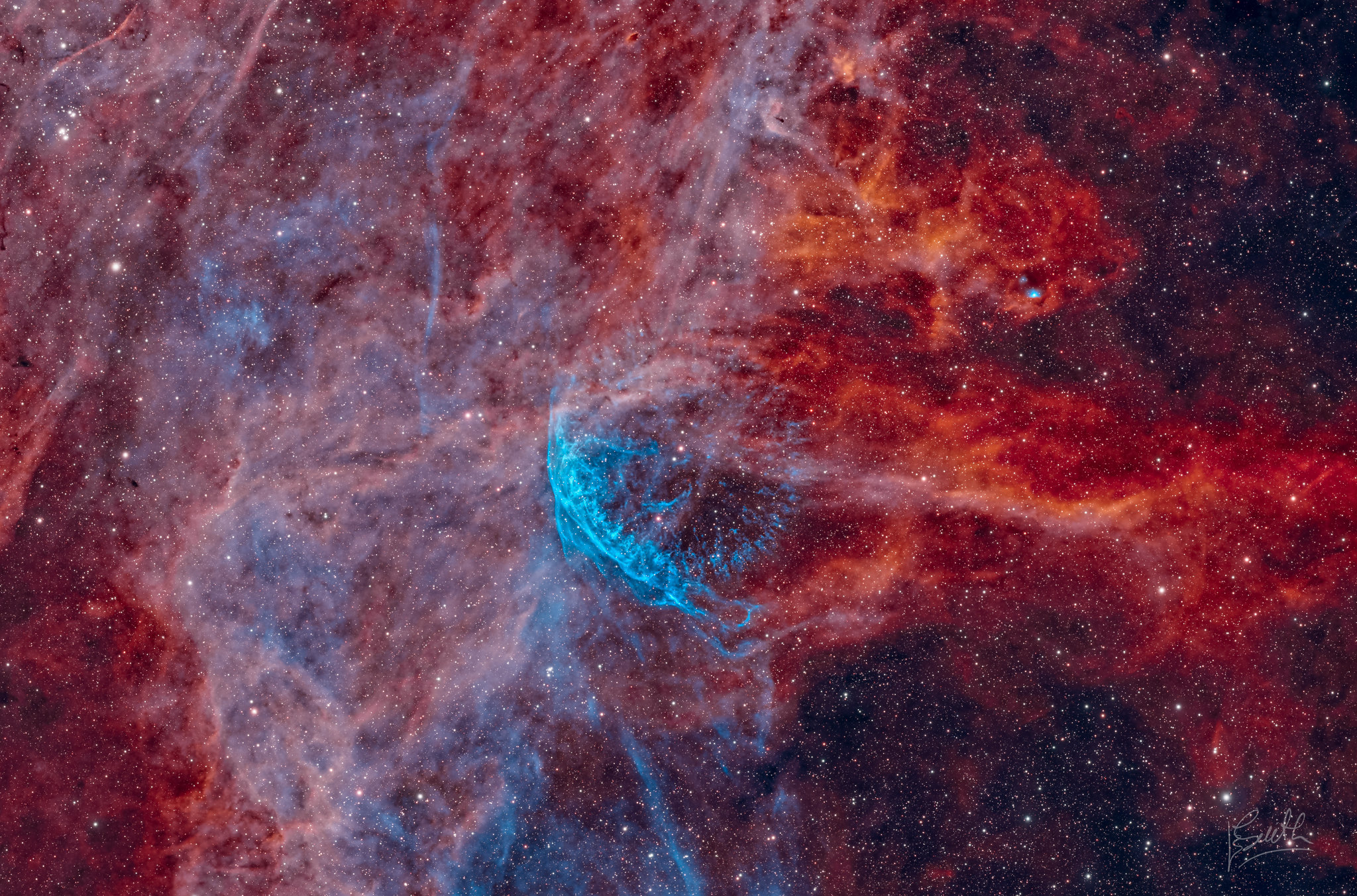
Wolf-Rayet stars are stellar extremists that have stripped away their outer layers to expose their nuclear cores. Surface temperatures reach 50,000 to 200,000 Kelvin, and the stars blast material into space at speeds exceeding 2,000 kilometers per second.
These stars represent a brief but spectacular phase in the evolution of the most massive stars. Intense stellar winds carry away several Earth masses of material every year.
Proxima Centauri
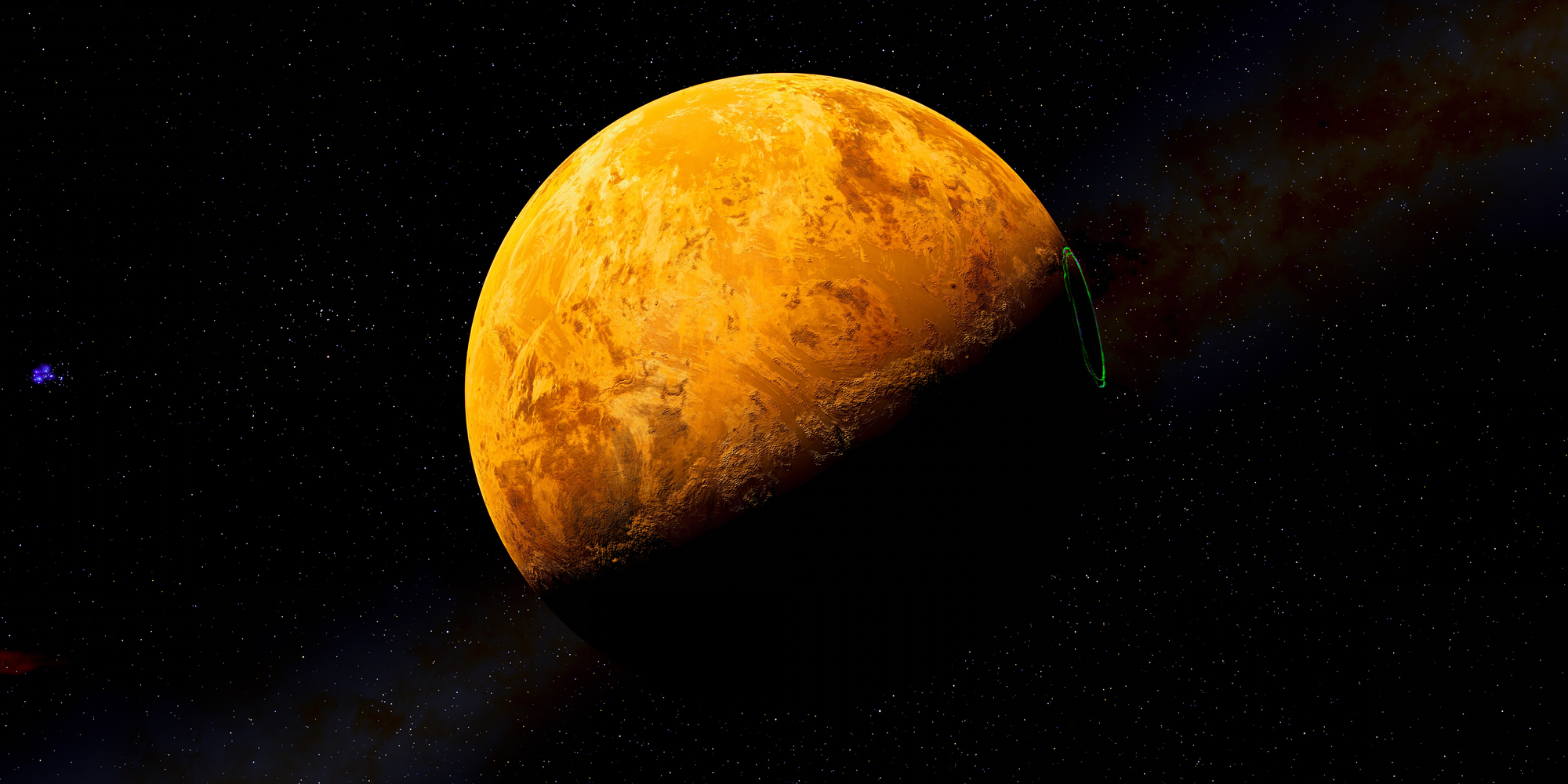
The closest star to our solar system barely qualifies as a star at all — which is both its most endearing quality and its most frustrating limitation. Proxima Centauri weighs in at just 12% of our Sun’s mass, burns so dimly that it wasn’t discovered until 1915, and throws stellar tantrums that would sterilize any nearby planets.
Red dwarfs like Proxima will outlive every other type of star, burning steadily for trillions of years while more massive stars exhaust themselves in cosmic eyeblinks. The smallest, most underwhelming stars in the universe will have the last laugh.
R136a1
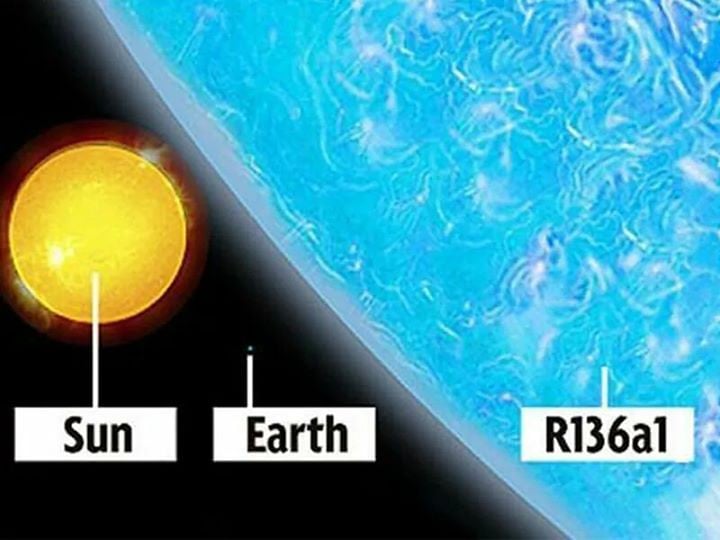
R136a1 exists at the theoretical upper limit of what a star can be and still remain a star. Located in the Large Magellanic Cloud, this blue hypergiant contains roughly 250 times the mass of our Sun and burns 5 million times brighter.
The star sits in the dense R136 cluster, where massive stars form in close proximity and compete for available material. Stellar winds carry away material equivalent to an Earth mass every few thousand years.
Mira Variables
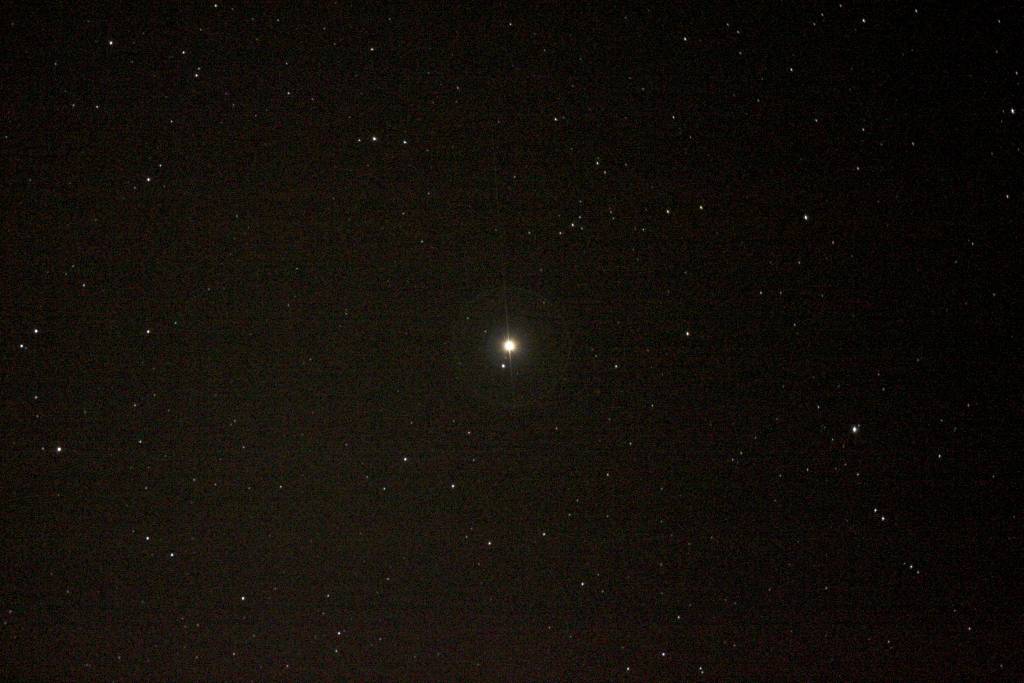
Mira variables breathe like living things, swelling and contracting in cycles that span months or years. Mira itself, the prototype of this class, leaves a tail of material stretching 13 light-years behind it as it travels through space.
The tail glows in ultraviolet light as shocked gas interacts with the interstellar medium. The pulsations create a structure longer than the distance from our Sun to the nearest star.
Thorne-Żytkow Objects
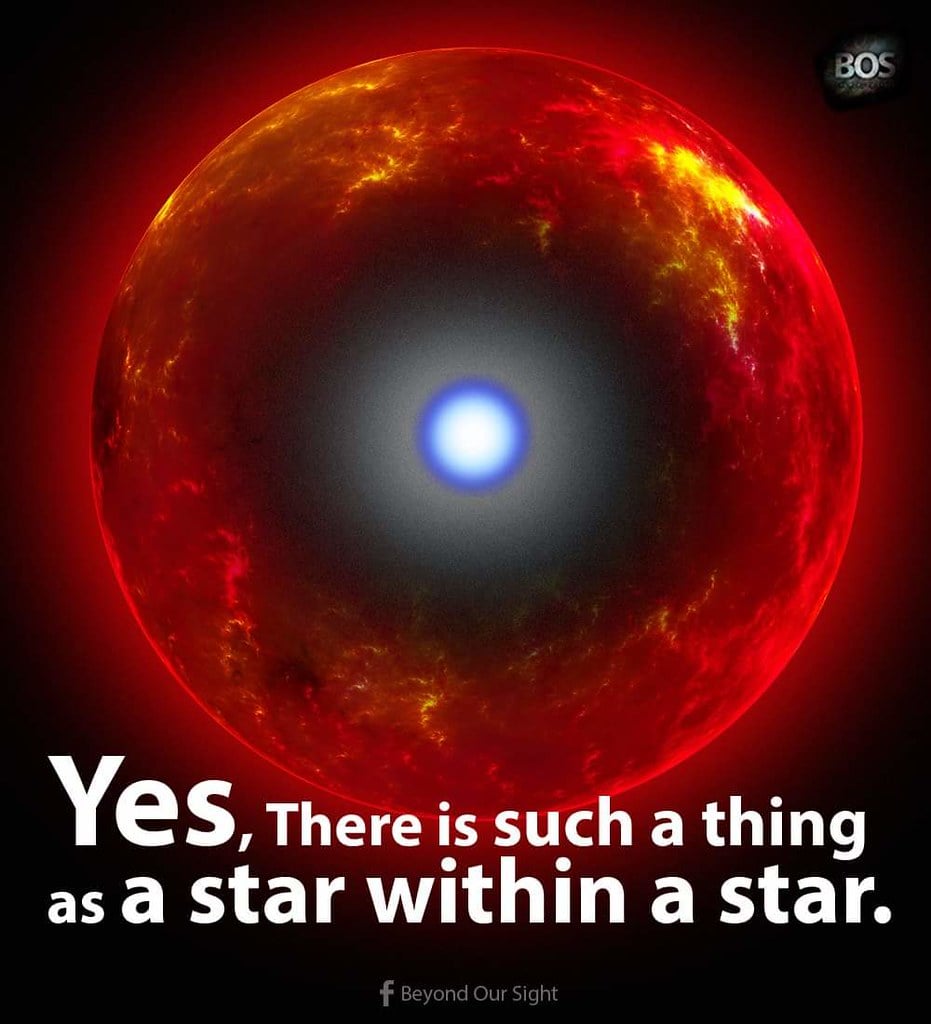
Thorne-Żytkow objects shouldn’t exist, but they probably do. These hypothetical stars form when a neutron star gets swallowed by a red supergiant, creating a hybrid object with the neutron star serving as an exotic core.
The neutron star core generates energy through processes impossible in normal stellar fusion. Only a handful of candidates have been identified, including HV 2112 in the Small Magellanic Cloud.
Population III Stars
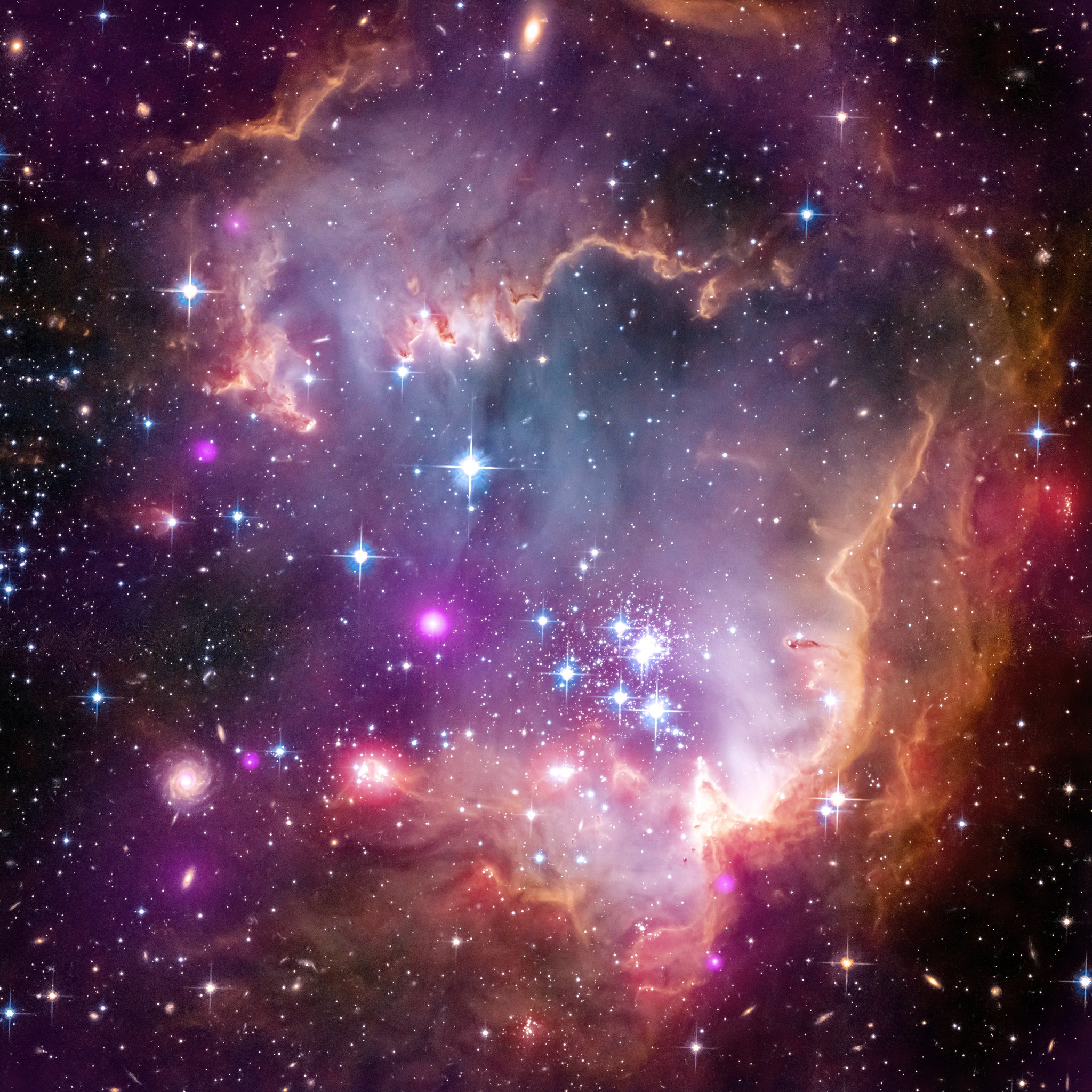
Population III stars are stellar ghosts that haunt cosmology. These hypothetical first-generation stars formed from pure hydrogen and helium in the early universe, before any heavier elements existed.
But their existence explains everything about the universe’s chemical evolution. Population III stars would have been massive, short-lived, and explosive, seeding space with the first carbon, oxygen, and iron.
SS 433
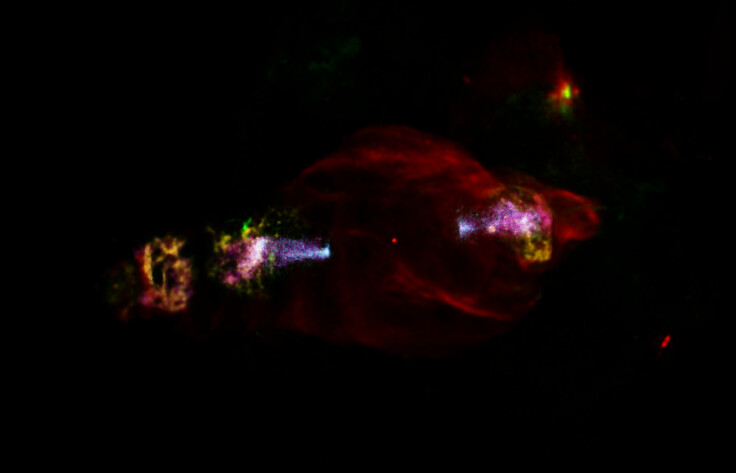
SS 433 behaves like a stellar particle accelerator that someone forgot to turn off. The system contains a compact object — likely a black hole or neutron star — that’s feeding on a companion star and launching jets of material at 26% the speed of light.
The jets precess in a predictable pattern, creating a corkscrew structure in space. The whole system sits inside the remnant of a supernova, functioning as both a precision instrument and a barely controlled disaster.
Brown Dwarfs
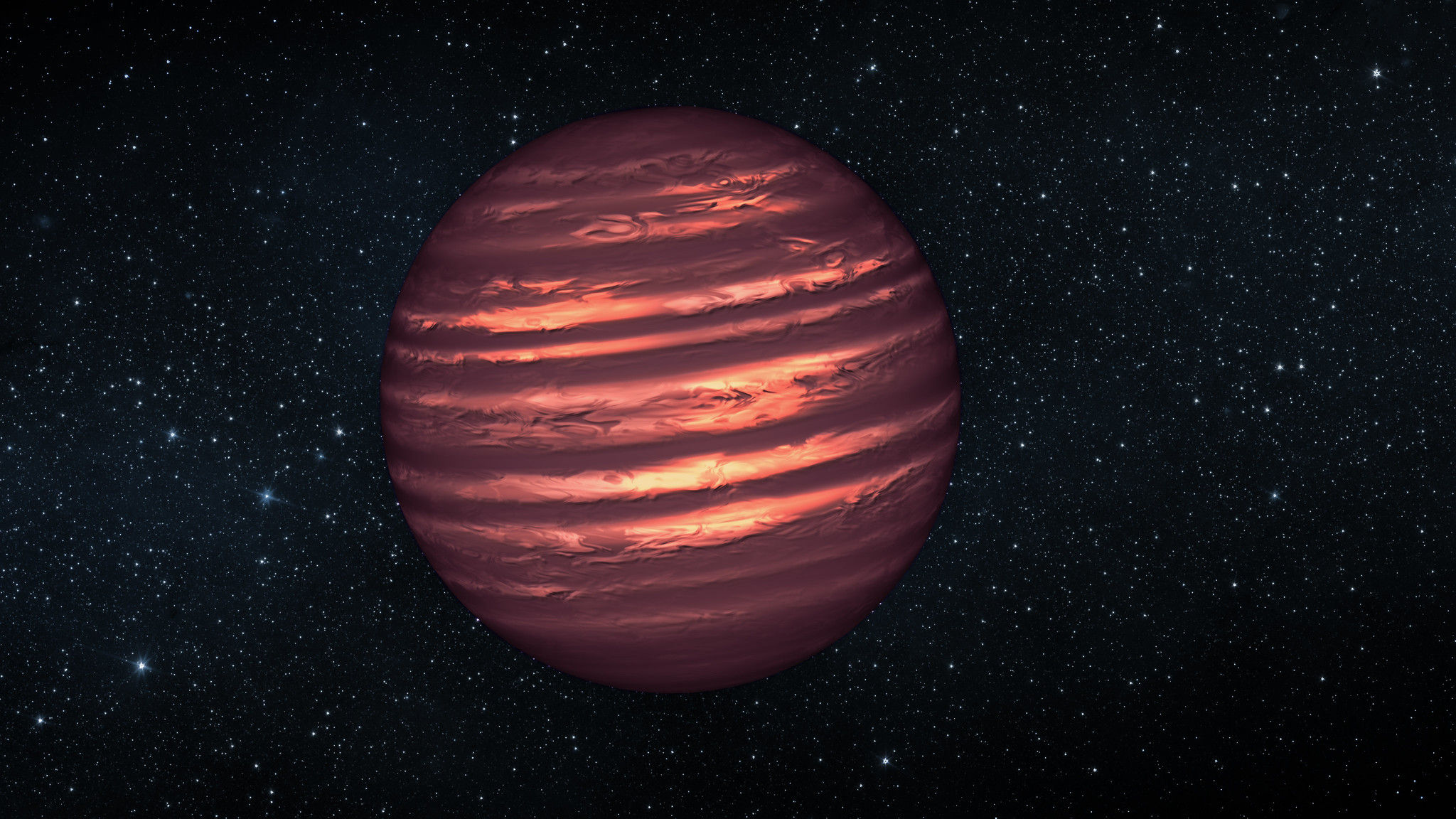
Brown dwarfs occupy the uncomfortable middle ground between stars and planets. These “failed stars” burn briefly on deuterium fusion before settling into a long, slow fade that will last longer than the current age of the universe.
Some brown dwarfs host planetary companions, raising questions about where the line between star system and planet-moon system actually lies. The coldest brown dwarfs reach temperatures similar to Earth’s atmosphere.
Blue Stragglers
Blue stragglers are stellar cheaters that refuse to age gracefully. Found in ancient star clusters where all the massive blue stars should have died long ago, these objects appear young and energetic despite their old surroundings.
The leading explanation involves stellar vampirism or mergers, allowing them to burn hotter and bluer than their cluster peers. Blue stragglers prove that even in star clusters billions of years old, stellar drama continues to unfold.
The Cosmic Lighthouse Keepers
These stars scatter across space and time like breadcrumbs left by a universe experimenting with its own physical laws. Each one pushes against different boundaries — mass, spin, brightness, magnetic field strength — testing what’s possible under extreme conditions.
The most intriguing aspect isn’t their individual strangeness, but what they collectively reveal about the universe’s hidden creativity. For every rule of stellar behavior we think we understand, somewhere in the cosmos, a star has found an exception.
More from Go2Tutors!

- The Romanov Crown Jewels and Their Tragic Fate
- 13 Historical Mysteries That Science Still Can’t Solve
- Famous Hoaxes That Fooled the World for Years
- 15 Child Stars with Tragic Adult Lives
- 16 Famous Jewelry Pieces in History
Like Go2Tutors’s content? Follow us on MSN.



