Books Better Than the Movie
You walk out of the theater feeling disappointed. The movie just finished, and it was fine, but something was missing.
That character you loved got reduced to three scenes. The subplot that made you cry got cut entirely.
The ending felt rushed. This happens more often than it should, and the reason is simple—books have room to breathe in ways movies never will.
The Great Gatsby

F. Scott Fitzgerald’s prose is the real star of this story, and no film has captured it. The 2013 version tried with lavish parties and modern music, but it missed the point.
The book’s power lies in Nick Carraway’s observations, his careful dissection of wealth and longing and the American dream. Film can show you the green light across the water, but it can’t give you Fitzgerald’s sentences, which do more than describe—they ache.
The 1974 version fared no better, despite strong performances. Movies struggle with books built on language rather than plot.
Gatsby works as literature because of how Fitzgerald writes, not just what happens. You lose that magic when you adapt it to the screen.
Dune

Frank Herbert built an entire universe in his 1965 novel, complete with political intrigue, ecological themes, and philosophical depth that spans generations. David Lynch’s 1984 attempt became a confusing mess.
Denis Villeneuve’s recent adaptation came closer, but even with its impressive visuals and longer runtime, the film only scratches the surface. The book gives you Paul’s internal thoughts, the Bene Gesserit training, and the complex relationships between the Great Houses.
You understand the spice, the sandworms, and the Fremen culture in ways no movie can convey in two or three hours. Herbert’s world-building rewards slow reading and careful attention to detail.
That came to life, the moving topiary that’s far creepier on the page than any blood-flooding elevator. King wrote about family and addiction.
Kubrick made art about isolation and insanity. Both work, but they’re different things entirely.
Gone Girl
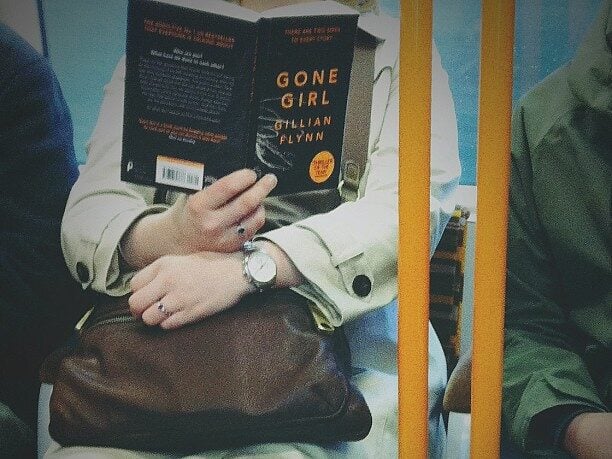
Gillian Flynn wrote the screenplay for the film adaptation of her own novel, so you’d think the movie would capture everything. It comes close, but the book still wins.
The internal monologues of both Amy and Nick give you access to their twisted thoughts in ways that voiceover can’t match. Reading Amy’s diary entries, then discovering the truth about them, hits harder when you’ve spent hours inside her fabricated voice.
The book also includes more details about Nick’s relationship with his sister, Amy’s parents, and the media circus that develops. The movie streamlines these elements efficiently, but efficiency means loss.
The Road

Cormac McCarthy doesn’t use quotation marks or much punctuation at all. His prose in The Road feels biblical, stripped down to essentials, matching the barren landscape his characters traverse.
The 2009 film captured the bleakness and the relationship between father and son, but it couldn’t capture McCarthy’s voice. The book’s power comes from its rhythm, its sparse beauty in describing horror.
You feel the cold, the hunger, the desperation through McCarthy’s deliberate word choices. Film shows you these things visually, which works, but reading the book is like hearing a hymn while watching the movie is like seeing a photograph of someone singing.
Life of Pi
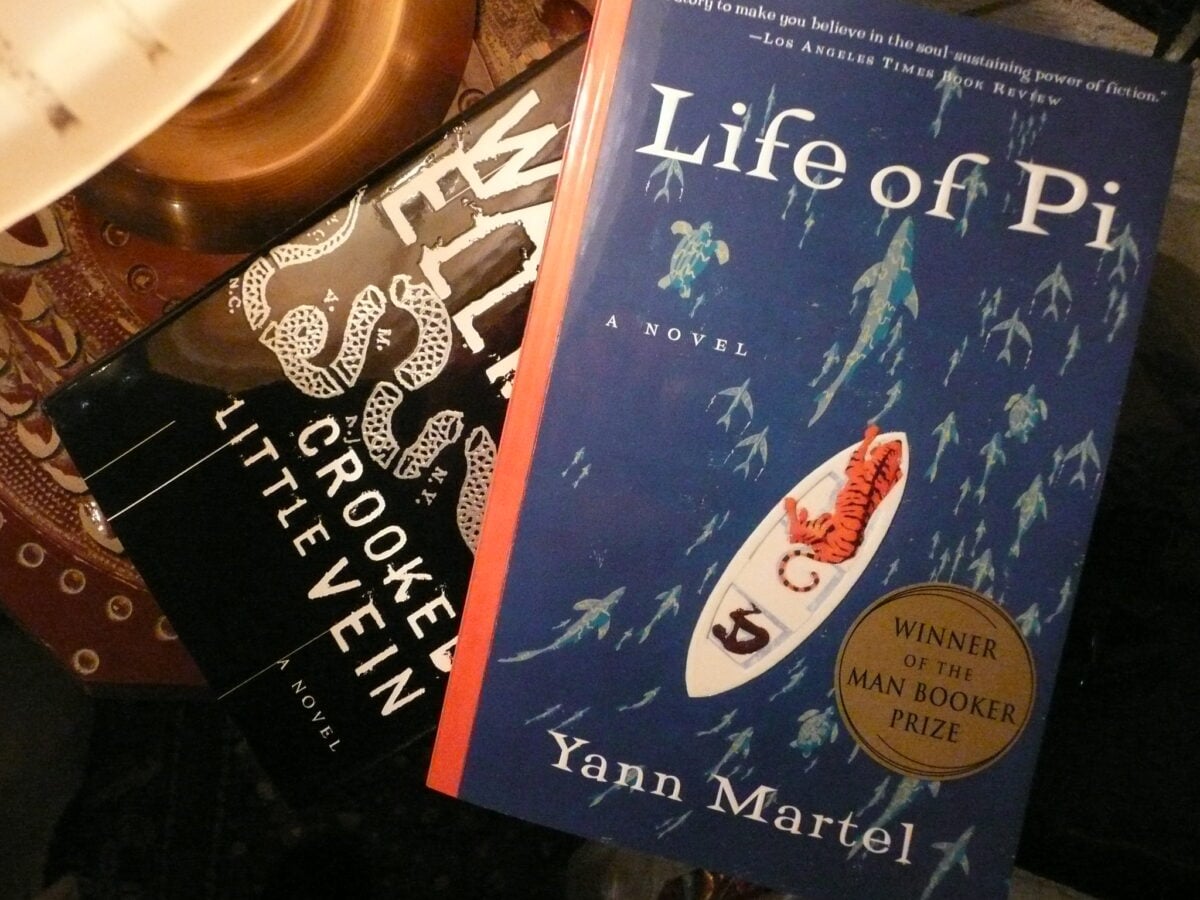
Yann Martel’s novel asks you to decide which story you believe—the one with the tiger or the one without. The film, directed by Ang Lee, is visually stunning and tells the story well.
But the book gives you more time with Pi’s voice, his philosophical musings, his detailed knowledge of zoos, animals and religion. The framing device works better on the page too. You’re reading an account of someone’s account, which adds layers of uncertainty.
The movie has to choose how to show things, which removes some ambiguity. Martel wrote a book about storytelling and faith.
Lee made a beautiful film about survival.
Jurassic Park

Michael Crichton’s novel is smarter and scarier than Steven Spielberg’s film. The movie became a summer blockbuster about dinosaurs eating people.
The book is a techno-thriller about the dangers of genetic engineering and corporate greed. Ian Malcolm gets more space to explain chaos theory.
The science feels more grounded and detailed. Characters who survive in the film die in the book, and vice versa.
Crichton included diagrams and mathematical concepts. He wanted you to understand why the park would fail, not just watch it fail spectacularly.
The film is more fun. The book is more thoughtful.
The Princess Bride
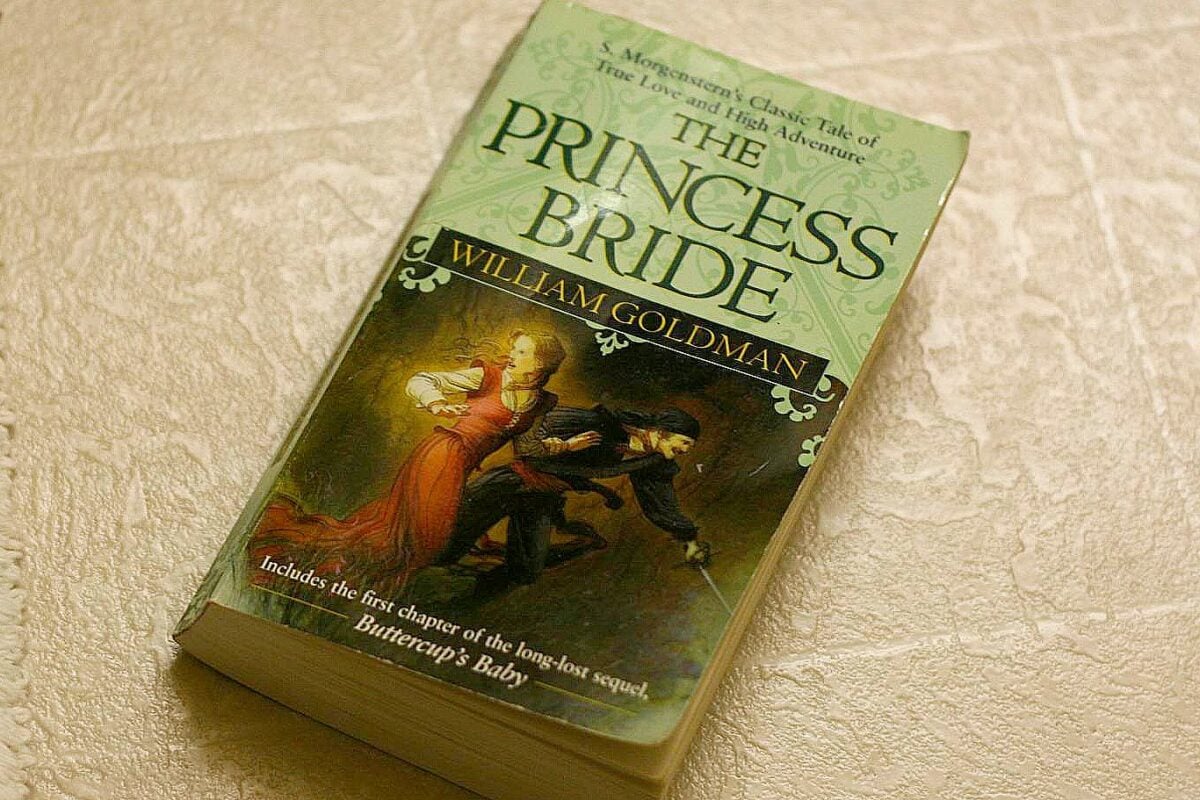
This might surprise you since the movie is beloved, quotable, and nearly perfect. But William Goldman’s book offers something different—a framing story about Goldman himself “editing” a fictional classic by S. Morgenstern.
The movie drops this entirely. Goldman interrupts the fairy tale with commentary, stories about his family, and fake footnotes.
This metafictional layer adds humor and depth. The book also includes scenes cut from the movie, including more of Inigo’s backstory and additional time in the Zoo of Death.
The film is a masterpiece. The book is a masterpiece that does more.
The Hunger Games

Suzanne Collins’ trilogy works well on film, but the books benefit from Katniss’s first-person narration. You’re inside her head, understanding her strategies, her confusion about her feelings for Peeta and Gale, her trauma.
The films show her actions but can’t fully convey her internal state. The book version of the Games themselves feels more brutal because you experience Katniss’s hunger, thirst, and injuries through her perspective.
The political elements in the later books also come through more clearly when you have access to Katniss’s thoughts about rebellion, propaganda, and manipulation.
One Flew Over the Cuckoo’s Nest
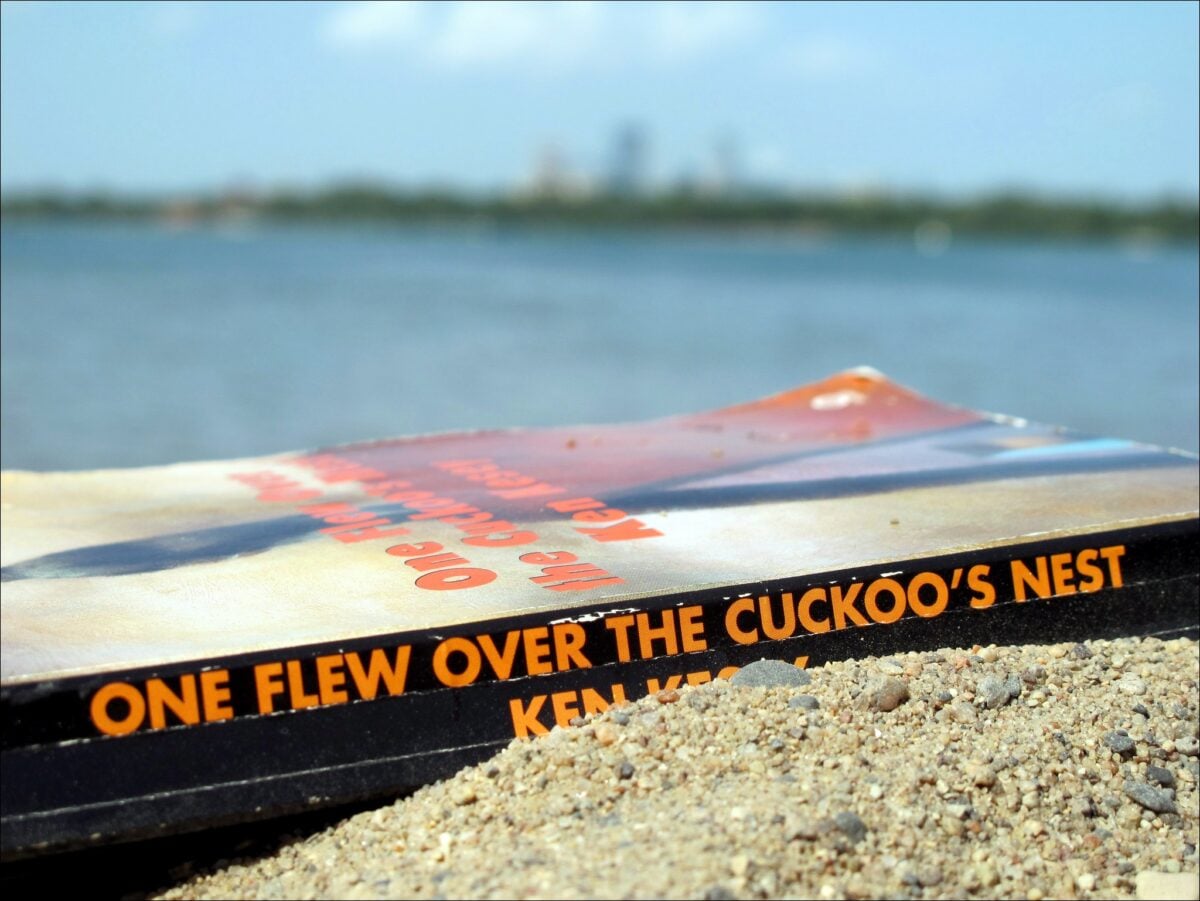
The 1975 film won five Academy Awards and deserved them. It’s a powerful movie.
But Ken Kesey’s novel is narrated by Chief Bromden, whose perspective shapes everything. The Chief sees the ward through a lens of paranoia and altered perception.
He talks about “the Combine” and fog machines that aren’t literally there. The film shifts the focus entirely to McMurphy, played by Jack Nicholson.
This works for cinema but changes the story fundamentally. Kesey wrote about perception, sanity, and who gets to define those terms.
The book’s ending, seen through the Chief’s eyes, carries a different weight than the film’s version.
The Lord of the Rings

Peter Jackson’s trilogy is a monumental achievement in filmmaking. The movies are spectacular.
But Tolkien’s books contain entire songs, poems, histories, and genealogies that Jackson wisely cut for pacing. If you only watch the films, you miss Tom Bombadil, The Scouring of the Shire, and countless details about Middle-earth’s languages and cultures.
The books let you inhabit the world more fully. Tolkien was a linguist and mythology professor who built his fantasy realm with scholarly care.
The appendices alone contain more lore than most fantasy novels. The films necessarily focus on action and main plot points.
The books give you everything—the action, the poetry, the world-building, and the sense that you’re reading something ancient and true.
Fight Club
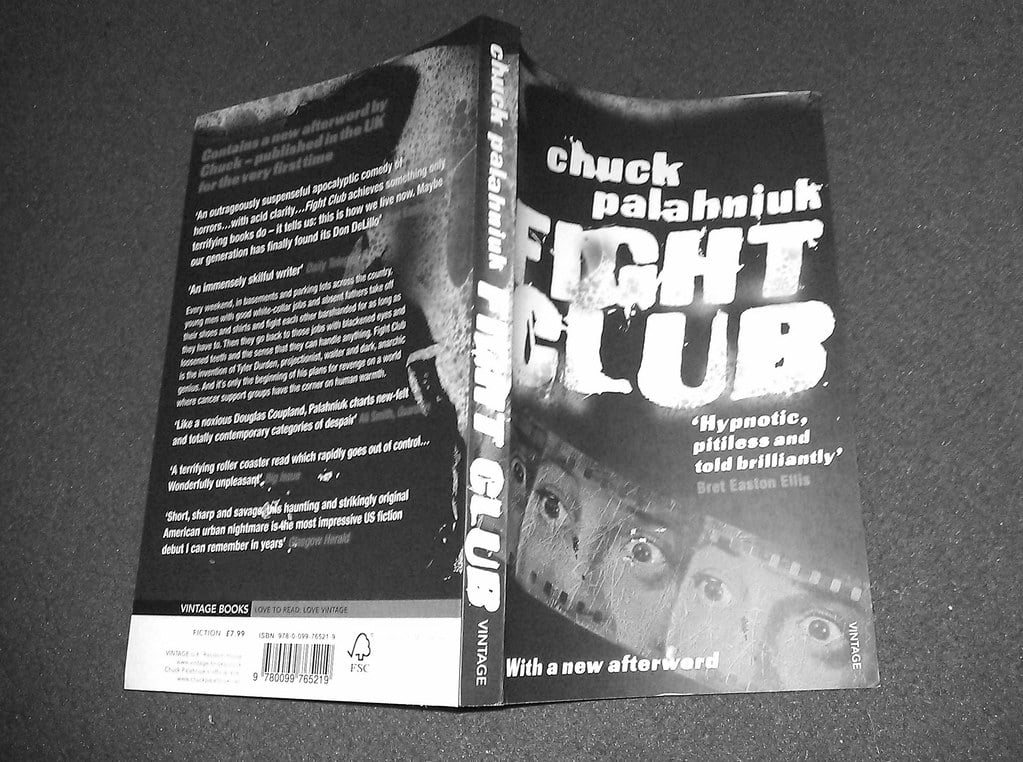
Chuck Palahniuk’s novel and David Fincher’s film both work brilliantly, but they work differently. The book’s first-person narration creates unreliability that the film struggles to match.
The narrator’s voice is desperate, insomniac, darkly funny in ways that the voiceover can’t fully capture. The book also includes more details about the support groups, the narrator’s job investigating car accidents, and the philosophy behind Project Mayhem.
Fincher’s film is stylish and iconic, with an ending that differs slightly from the book. Both versions critique consumerism and masculinity, but Palahniuk’s prose has a manic energy that’s distinctly literary.
When Pages Win

Movies hit hard in quick flashes – like a stunning frame here, an amazing acting bit there, or one moment you just never forget. Yet books? They stack up piece by piece.
You spend ages crawling through minds, getting lost in places painted line after line, ideas growing thicker as page after page rolls by. No way to fit all that into 120 minutes – even if the filmmaker’s brilliant or sticks close to the original.
Certain tales simply demand room, and nothing gives it quite like a book
More from Go2Tutors!

- The Romanov Crown Jewels and Their Tragic Fate
- 13 Historical Mysteries That Science Still Can’t Solve
- Famous Hoaxes That Fooled the World for Years
- 15 Child Stars with Tragic Adult Lives
- 16 Famous Jewelry Pieces in History
Like Go2Tutors’s content? Follow us on MSN.