18 Facts About the Woodstock Festival That Most People Don’t Know
The 1969 Woodstock Music and Art Fair is arguably the most well-known music event in American history. This historic event has been mythologized by several books, documentaries, and legends passed down through the ages.
The festival’s true story is one of surprising twists, odd coincidences, and fascinating facts that occasionally overshadow its cultural significance, despite the fact that many people considered it as a watershed moment in the counterculture movement of the 1960s. The tumultuous reality behind the fiction is shown by these 18 little-known facts about the Woodstock Festival.
Last-Minute Location
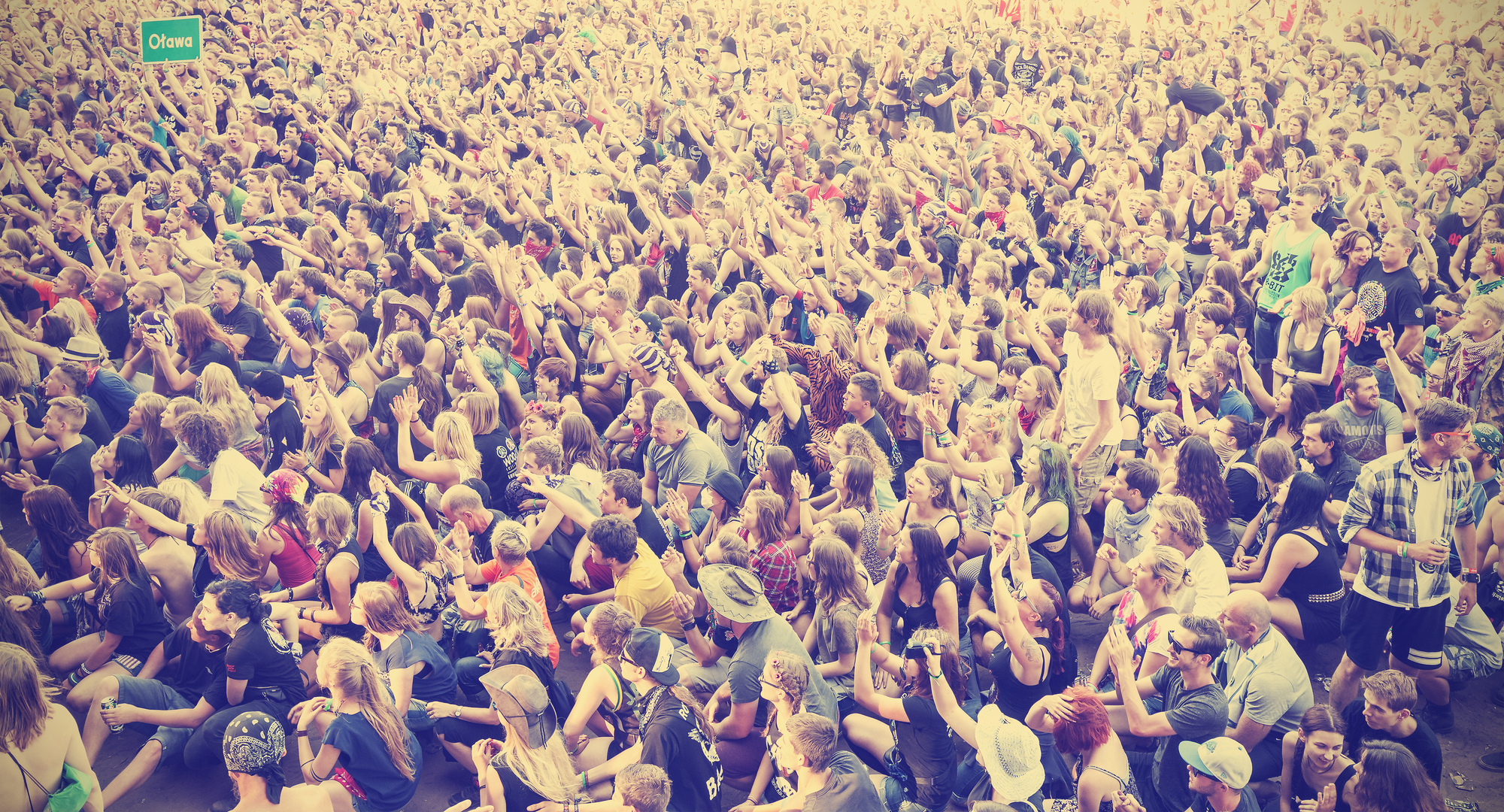
In reality, Woodstock did not take place in Woodstock, New York. Only a few weeks prior to the festival, the intended Wallkill venue had to cancel, thus organizers had to find a replacement site.
Eventually, Max Yasgur, a dairy farmer in Bethel, New York, about forty-three miles southwest of Woodstock, volunteered his 600-acre farm. Due to this last-minute alteration, organizers had almost little time to adequately prepare the grounds.
Ticket Sales Failure

The festival was intended to be a paid event with tickets priced at $18 for all three days (equivalent to about $140 today). Organizers expected around 50,000 attendees but were completely overwhelmed when nearly half a million people showed up.
The fencing and ticket booths were never completed, forcing promoters to declare it a free concert and surrender to the massive crowds already arriving.
Inexperienced Organizers

The four primary Woodstock organizers—Michael Lang, Artie Kornfeld, Joel Rosenman, and John Roberts—were astonishingly young and inexperienced. Lang was just 24 years old, while Roberts and Rosenman were wealthy young entrepreneurs in their twenties with no prior festival experience.
Their original goal was actually to build a recording studio, with the festival conceived primarily as a promotional event.
Performer Payment Disparities

At Woodstock, artist compensation varied greatly and revealed some unexpected priorities. Jefferson Airplane received $7,500, while Jimi Hendrix received the highest pay of $18,000, or almost $140,000 in today’s currency.
Even though the band Sweetwater was supposed to open but got caught in traffic, they were still paid the full $1,250. Many lesser-known performers, meanwhile, just charged a few hundred dollars to appear.
Abundant Food Supplies

Although there were many reports of food shortages, the festival actually had a sizable supply of food; they were simply unable to distribute it efficiently. Thousands of meals were served throughout the weekend by the Hog Farm, a well-known commune that was asked to assist with security and set up free food kitchens.
Additionally, locals helped out by preparing sandwiches and delivering food to festival attendees who were caught in traffic.
Medical Volunteers

At Woodstock, volunteers mostly offered medical assistance with little funding. Around the course of three days, over 3,000 medical cases were treated by doctors, nurses, and medical students from all around the region.
Surprisingly, they used supplies supplied by nearby hospitals to manage anything from small injuries to childbirths in improvised facilities with very little equipment.
Surprising Corporate Support

Despite its anti-establishment image, Woodstock received critical help from multiple corporations. The Bell Telephone Company installed special phone lines, while General Foods and other companies donated food.
Perhaps most surprisingly, the U.S. Army helped by airlifting in performers and medical supplies when roads became impassable, showing an unexpected cooperation between counterculture and establishment institutions.
The Show Almost Ended
The festival nearly shut down multiple times due to weather and infrastructure problems. Severe thunderstorms created dangerous electrical conditions on stage, and organizers seriously considered ending the festival early.
Financial backers almost pulled funding on the first day when they realized the event would lose money. The persistence of the crew and performers kept the music going despite these significant challenges.
Behind-the-Scenes Heroes

For three days in a row, the stage crew worked practically constantly and seldom slept. Utilizing technology that would impact outdoor concerts for decades, sound engineer Bill Hanley designed a groundbreaking sound system especially for the occasion.
Without their commitment, the festival that is so cherished today may have been a technical failure instead of a significant cultural event.
Local Response

Contrary to common belief, many local residents were supportive of the festival. Locals brought water, food, and supplies to attendees and opened their homes to strangers.
Farm families offered their wells, telephones, and barns to young visitors. While some locals certainly complained, many became impromptu volunteers, showing remarkable hospitality to the unexpected invasion of their rural community.
Notable Performances Lost
Not all legendary Woodstock performances were preserved. Technical difficulties meant that several significant acts, including The Band and Credence Clearwater Revival, had much of their performances go unrecorded or were poorly captured.
The Grateful Dead considered their performance so bad due to electrical problems and rain that they refused to be included in the official film and album.
Festival Profits Timeline

Despite its legendary status, Woodstock was initially a financial disaster for its backers. The event lost over $1.3 million (roughly $10 million today).
The organizers remained in debt for years until the successful 1970 documentary film and soundtrack album finally turned a profit. It took nearly a decade for the original investors to fully recoup their losses from what’s now considered a cultural touchstone.
Missed Opportunities
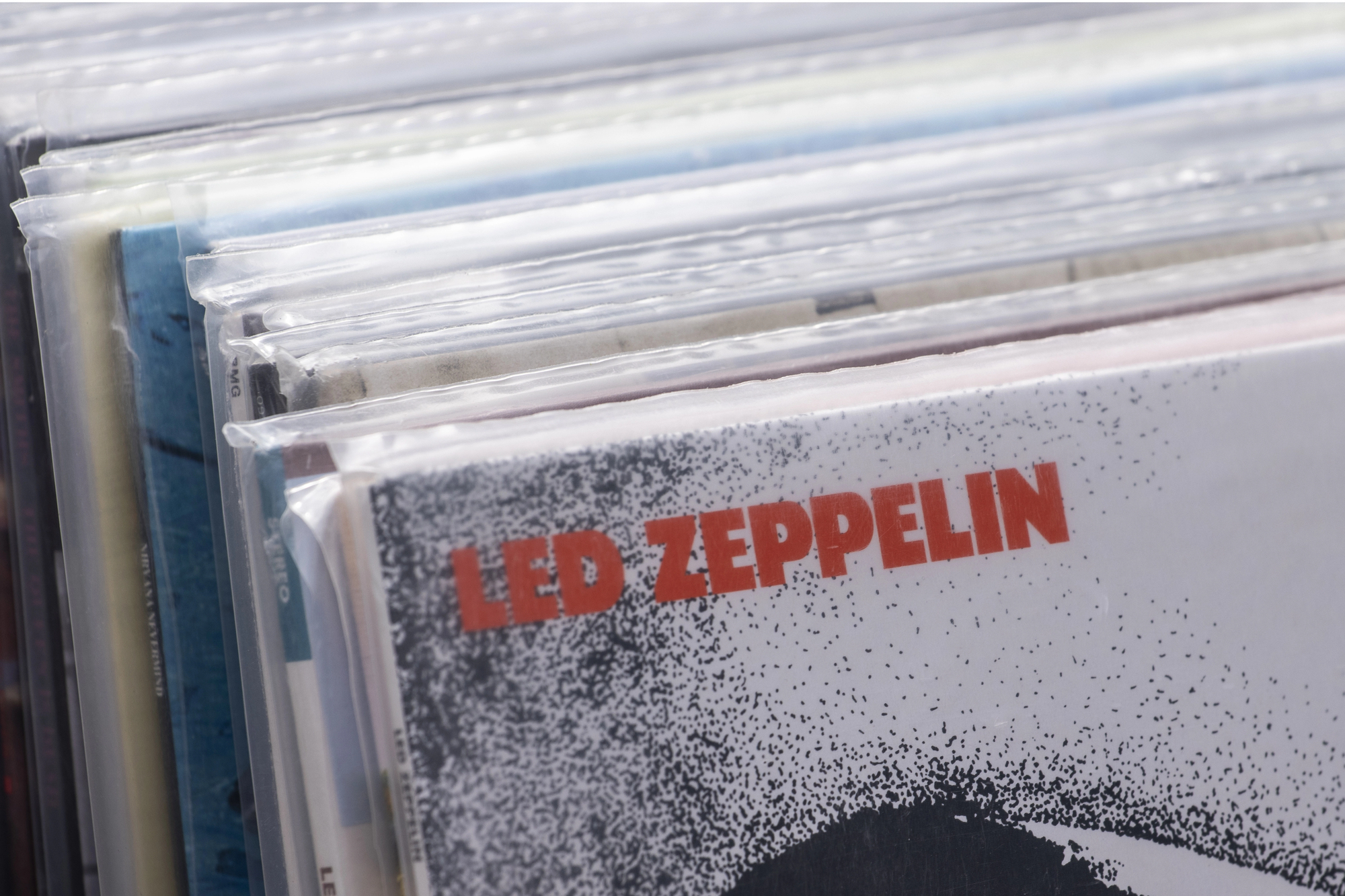
Many famous artists declined invitations to perform at Woodstock. Led Zeppelin chose to honor previous commitments, while The Doors worried about outdoor performance conditions.
Bob Dylan, who actually lived near the town of Woodstock, declined because he was recovering from a motorcycle accident and was annoyed by hippies frequently visiting his home. Their absence created opportunities for lesser-known acts to make history.
Festival Planning Timeline

In less than six months, the entire festival was planned and put into action. The entire Woodstock project came together in a very short amount of time.
Many of the issues were caused by the hasty handling of permits, artist booking, venue preparation, and logistics. These days, similar-sized gatherings usually take years to organize.
Understaffed Security

Security for half a million people was provided by less than 100 officers and volunteers. The festival hired an unconventional security team—the Hog Farm commune led by Wavy Gravy, who famously announced they would use only ‘cream pies and seltzer bottles’ for crowd control.
This peaceful approach contributed significantly to the remarkably low crime rate, with just two documented arrests despite the massive attendance.
Environmental Impact

The festival grounds were transformed into a mud-soaked mess, but cleanup efforts were surprisingly effective. An environmental crew stayed behind for two weeks to restore the site.
Max Yasgur received around $50,000 for the use of his land plus additional compensation for damage to his fields and equipment. He never hosted another festival despite lucrative offers, citing the significant disruption to his farming operations.
Generational Connections

Many children of original Woodstock performers later became musicians themselves and performed at anniversary shows. John Sebastian’s son, Ben, Jeff Beck’s daughter, Rosie, and others created a direct link between musical generations.
This continuity created a rare historical parallel where offspring literally followed in their parents’ footsteps on the same cultural stage decades later.
Unknown Opening Act
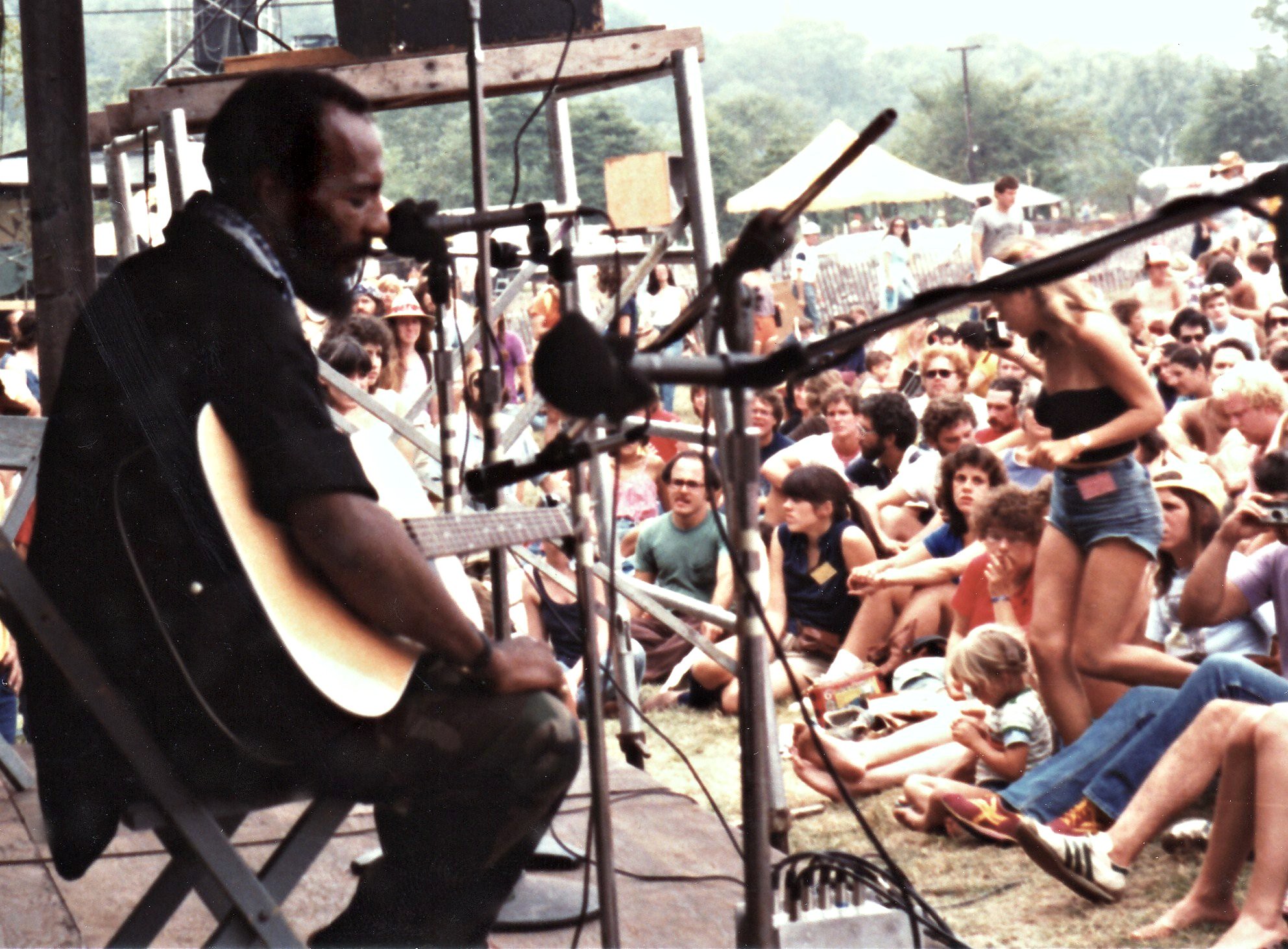
The first performer at this legendary festival was Richie Havens, but he wasn’t supposed to open. Many scheduled early acts were stuck in traffic, and Havens was literally the only performer on site when it was time to start.
He played for nearly three hours, far beyond his planned set, and improvised his famous ‘Freedom’ on the spot when he ran out of prepared material, creating one of the festival’s most memorable moments.
Cultural Resonance Beyond Music

The three days at Yasgur’s farm reverberate through American culture beyond just its musical legacy. From fashion and visual arts to literature and political movements, Woodstock provided a template for how countercultural expression could enter mainstream awareness.
The festival’s influence extended to everything from environmental consciousness to communal experience, shaping societal norms far beyond the boundaries of popular music. What happened on that farmland wasn’t just a concert but a fleeting glimpse of an alternative social vision.
Woodstock’s enduring appeal isn’t simply nostalgia for great music but recognition of a moment when half a million people peacefully created their own temporary society under challenging conditions. The festival’s imperfections and triumphs continue to offer insights into community, art, and possibility that feel increasingly relevant as years pass.
More from Go2Tutors!

- The Romanov Crown Jewels and Their Tragic Fate
- 13 Historical Mysteries That Science Still Can’t Solve
- Famous Hoaxes That Fooled the World for Years
- 15 Child Stars with Tragic Adult Lives
- 16 Famous Jewelry Pieces in History
Like Go2Tutors’s content? Follow us on MSN.