Photos Of Inventions Made to Keep You Buying
What if profits grow by design? Firms pour endless cash into nudging customers toward bigger baskets.
Think shiny wrappers that catch eyes, or tools built to fail just after warranties expire – quiet moves, yet everywhere. Sneaky? Maybe.
But these choices shape what ends up at checkout lines. Less money stays put.
More clutter piles up at home. From time to time, clever tools show up just to help shops sell more.
These gadgets pop into view when businesses want extra movement at checkout lanes. Some look odd at first glance yet fit perfectly where money changes hands fast.
A few came from late night sketches now turned real. Their reason stays clear without needing loud claims.
Planned Obsolescence In Light Bulbs

One evening in 1924, big makers of light bulbs quietly joined forces under a name few knew: the Phoebus cartel. Not because it was better, but simply to control how long bulbs worked – around 1,000 hours became the rule.
Earlier models? Some burned bright for 2,500 hours, without breaking a sweat. Sales dropped when things lasted too long, so these firms chose otherwise.
Built-in limits crept into design – not by accident, but on purpose.
Disposable Razor Cartridges

That year 1901 marked a shift – King Gillette redefined shaving with a new kind of safety razor using disposable blades. Not the tool, though, that stood out most; instead, it was how he sold it.
He moved handles cheaply, almost like handing them out, yet earned steady profits on the blade refills customers returned for again and again. Over time, others copied this pattern: sell the main item low, profit from what fits inside.
A quiet blueprint emerged, one many industries quietly followed.
Printer Ink Cartridges With Chips
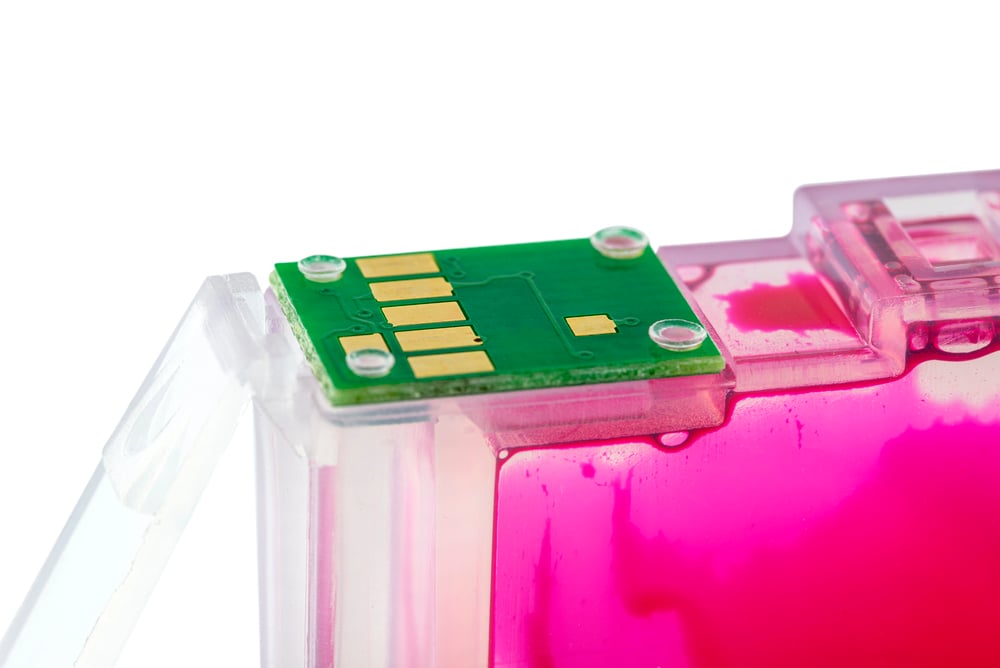
Tiny computer parts live inside today’s printer ink containers, quietly monitoring how much juice is left. Even if some ink still sloshes around inside, those bits might convince the machine to quit cooperating.
Companies say it’s about keeping prints looking sharp. Yet conveniently, folks end up purchasing fresh units rather than topping off used ones.
What squirts out usually carries a price tag heavier than rare, aged bubbly by the bottle.
Single-Serve Coffee Pods
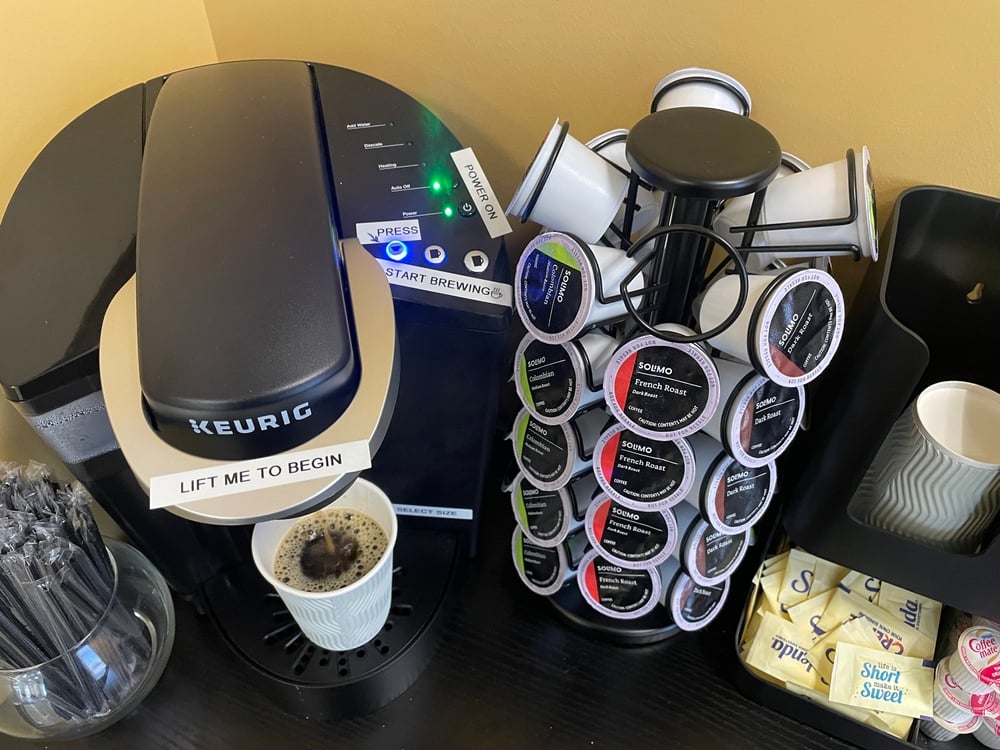
Back in 1998, Keurig rolled out the K-Cup, sparking a fresh habit for home coffee drinkers. One by one, people began using sealed plastic pods – each thrown away right after pouring a single cup.
Sure, it’s quick; yet every sip carries extra cost, since pod-based brew runs nearly fivefold pricier than regular ways of making coffee. Oddly enough, even the person who helped design the system eventually admitted discomfort over how much trash it left behind.
Smartphone Batteries You Cannot Replace

Sealed shut since day one, Apple built the iPhone’s battery right into its body back in 2007. Following close behind, most other brands adopted the same closed design soon after.
When the power cell dies today, folks must either pay someone to fix it or simply get another phone. Years ago, devices with user-accessible batteries allowed quick swaps – just a few bucks for a new one – and long life spans stayed possible.
Incompatible Charging Cables

Out of nowhere, tech brands push unique charging methods designed just for their gadgets. Back in 2012, Apple swapped its bulky 30-pin plug for the slimmer Lightning cord – overnight turning countless tools obsolete.
Because of that shift, fresh cords, power bricks, and add-ons became necessary purchases. With each switch, clutter builds up: forgotten wires pile into drawers while wallets keep shrinking.
Milk Cartons Designed To Pour Poorly

Pouring from a regular milk carton often leads to spills, especially when trying to get that final cup out. Not everyone realizes it’s intentional – those who design packages understand the flaw well.
Because the spout works poorly, some liquid remains inside every time, forcing households to replace containers sooner. There are smarter options available; however, companies avoid them since production expenses rise just enough to matter.
Cereal Boxes With Oversized Packaging
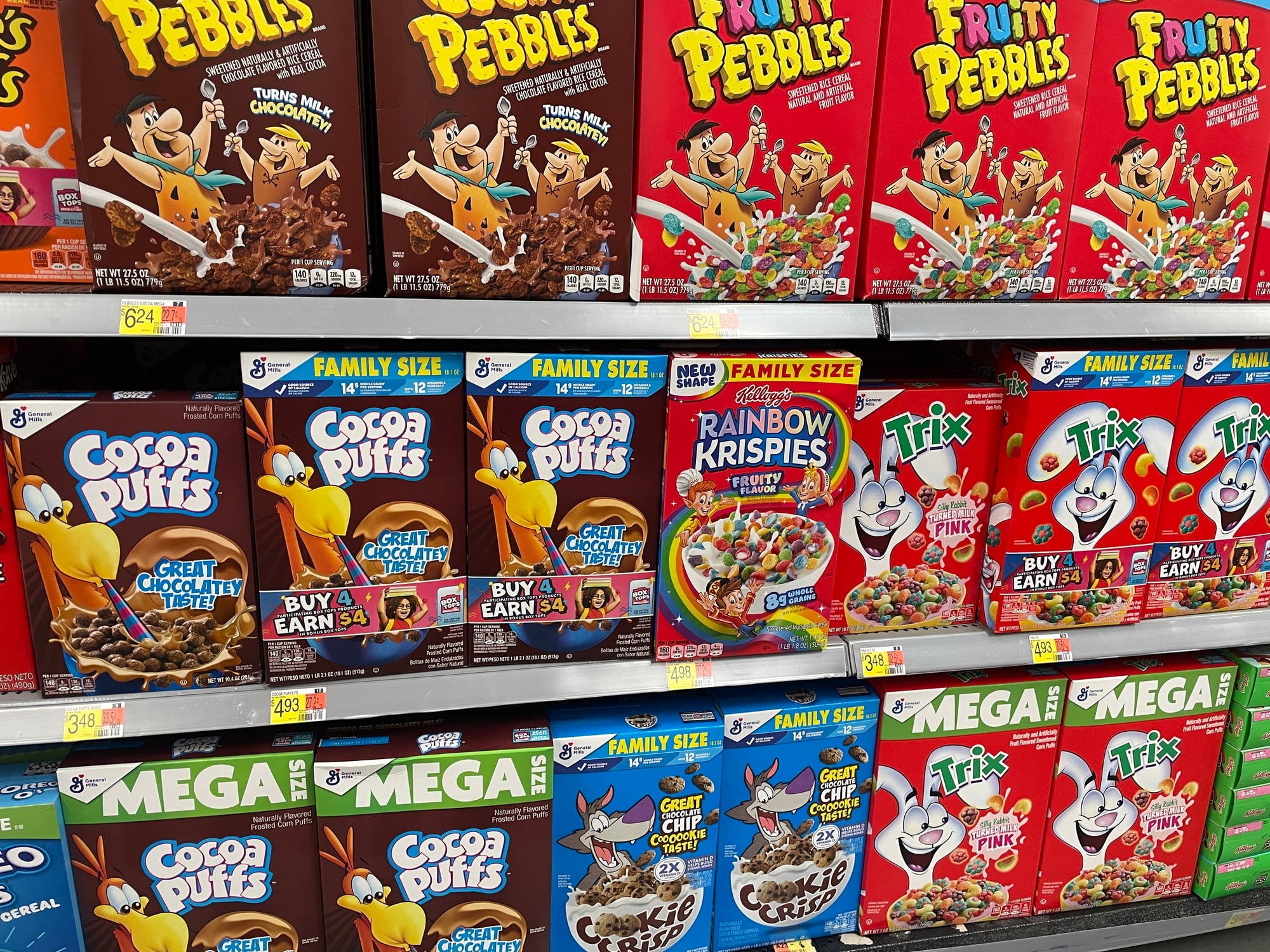
Walk down any cereal aisle and the boxes tower over other products, but shake one and it feels half empty. Cereal companies fill these huge boxes only partway, claiming the extra space prevents crushing during shipping.
The oversized packaging also makes their product stand out on shelves and creates the impression of better value. People often grab the bigger box thinking they’re getting more, even when comparing price per ounce tells a different story.
Video Game Consoles With Exclusive Titles
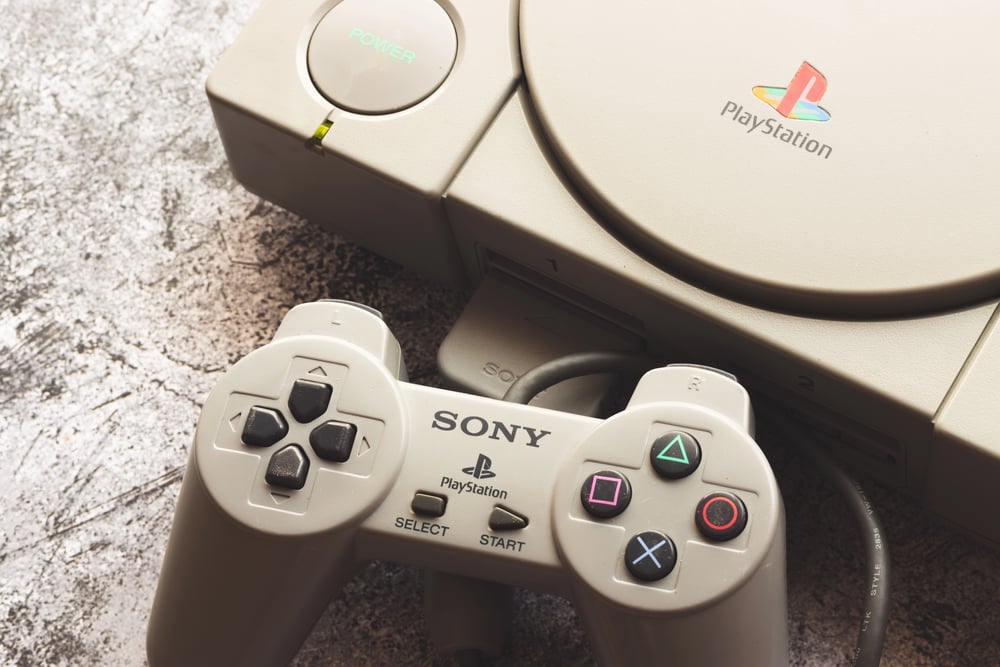
Gaming companies pay huge sums to keep certain games exclusive to their platform. Sony, Microsoft, and Nintendo have all used this strategy to force gamers into buying their specific console.
Someone who wants to play all the popular games might need to own two or even three different systems. The exclusivity deals don’t benefit players at all but definitely boost hardware sales.
Laundry Detergent Measurement Caps
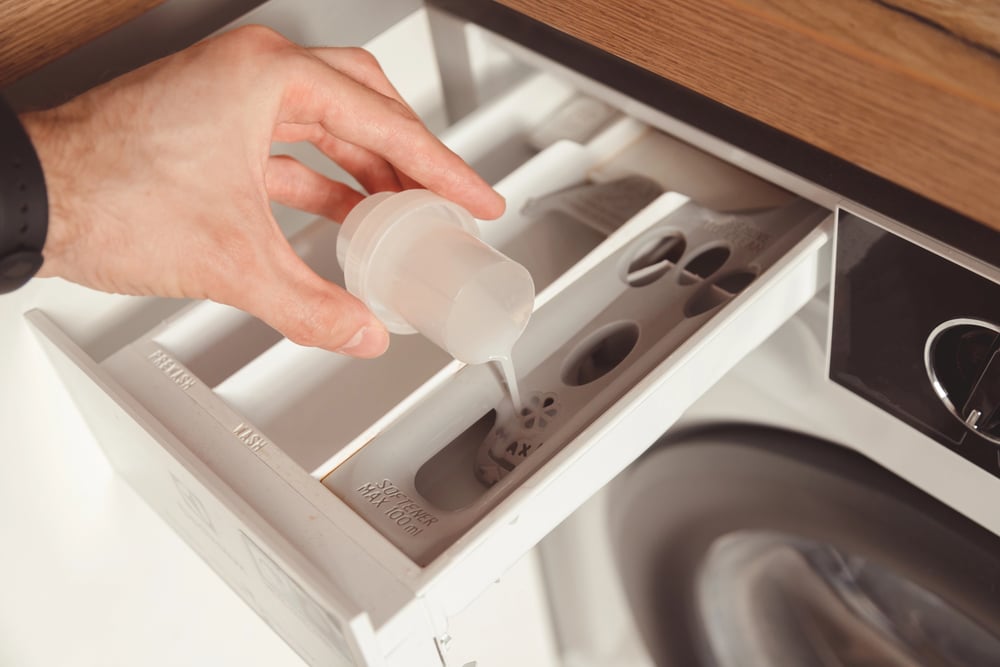
Those caps on detergent bottles have lines indicating how much to use, but they’re often hard to read and positioned higher than necessary. Studies show most people use about twice as much detergent as they actually need for clean clothes.
The confusing measurements and oversized caps make bottles run out faster. Detergent companies have resisted clearer markings for decades, and it’s not hard to guess why.
Shopping Carts That Got Bigger Over Time

The first shopping carts from the 1930s were about half the size of today’s massive versions. Stores gradually increased cart size after discovering that people buy more when they have more space to fill.
A bigger cart makes a few items look lonely, pushing shoppers to grab extra things they hadn’t planned to purchase. The psychology works so well that some stores now offer even larger carts for specific seasons.
Toothpaste Tube Openings
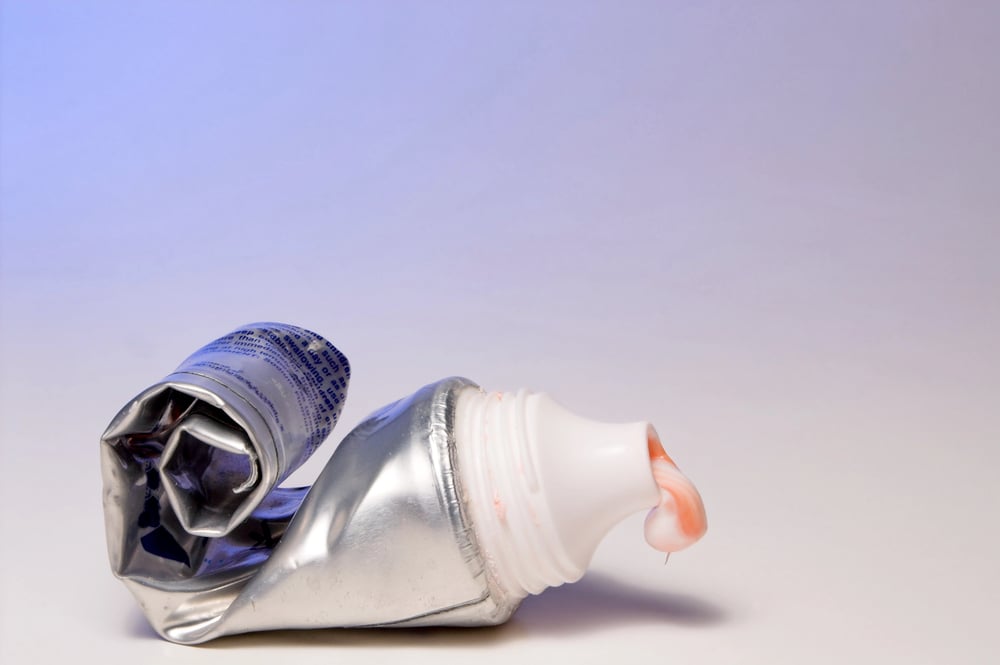
Toothpaste tubes have gotten wider openings over the years, dispensing more paste with each squeeze. Dentists recommend using a pea-sized amount, but the tube design encourages those long strips seen in commercials.
People end up using three or four times more than needed and replacing tubes much faster. Colgate and other brands know exactly what they’re doing with those supersized openings.
Shampoo And Conditioner Sold Separately
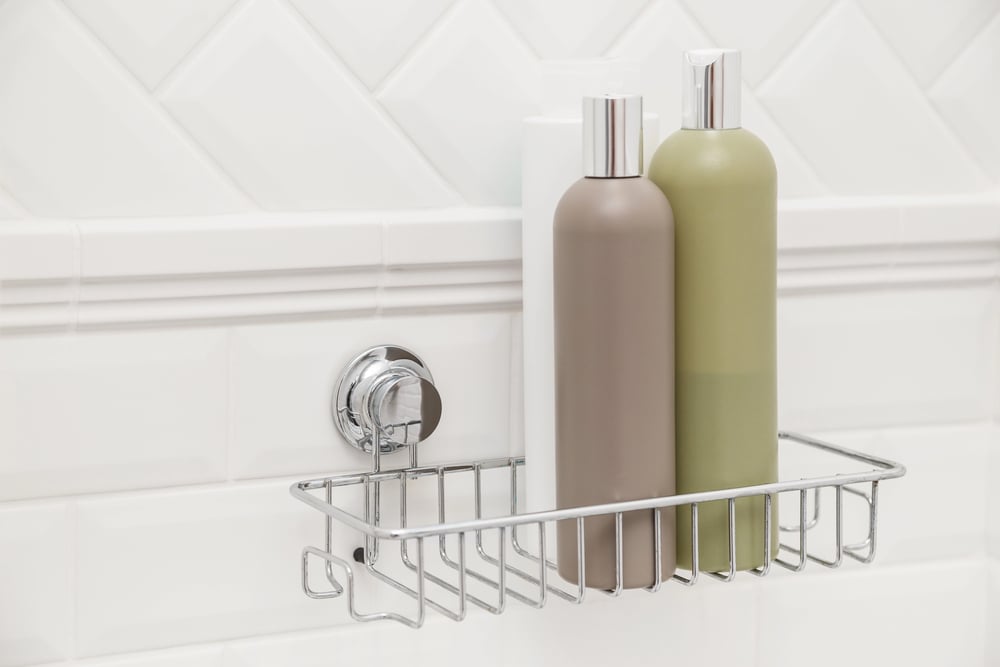
Combination shampoo and conditioner products work fine for most people, but brands push separate bottles hard. They convince shoppers that using two different products gives better results, even though the difference is barely noticeable for average hair.
Buying two bottles instead of one obviously doubles the sales. The beauty industry has turned this separation strategy into an art form across countless product categories.
Soda Bottles In Odd Sizes

Beverage companies phased out simple sizes like 16 ounces and introduced confusing options like 16.9 or 20 ounces. These weird measurements make price comparison much harder for shoppers trying to find the best deal.
The irregular sizes also disguise price increases, since people can’t easily remember what they paid before. Stores stock multiple size options right next to each other, turning every purchase into a complicated math problem.
Snack Bags Filled With Air

Chip bags puff up like pillows because companies fill them mostly with nitrogen gas. The industry calls this ‘slack fill’ and claims it protects the chips during shipping, which has some truth to it.
However, the ratio of air to chips has increased noticeably over the years. People grab what looks like a big bag only to find a disappointingly small amount of actual food inside.
Subscription Services With Annual Commitments

Many companies now push annual subscriptions over monthly options by offering a modest discount. The upfront payment gives businesses cash immediately while locking customers in for a full year.
People often forget about subscriptions they’re not using and end up paying for services they’ve abandoned. The auto-renewal feature catches many folks off guard, charging credit cards before anyone remembers to cancel.
From Clever Tricks To Everyday Life

These inventions show how deeply sales psychology has woven itself into daily routines. What started as simple business strategies became the normal way people shop and use products.
Companies will keep inventing new ways to boost sales because that’s how capitalism works. The good news is that knowing these tricks exist makes it easier to spot them and make smarter choices about what really deserves a spot in the shopping cart.
More from Go2Tutors!

- The Romanov Crown Jewels and Their Tragic Fate
- 13 Historical Mysteries That Science Still Can’t Solve
- Famous Hoaxes That Fooled the World for Years
- 15 Child Stars with Tragic Adult Lives
- 16 Famous Jewelry Pieces in History
Like Go2Tutors’s content? Follow us on MSN.



