Buildings Built To Survive Apocalypse
Fear shaped cities as much as visions ever have. As explosions cracked open streets or clouds glowed wrong, those in charge pulled out plans carved into steel drawers – meant to survive centuries.
Buried under dirt or sealed within heavy rock, refuges appeared – not for beauty, but faith that protection hid underground. The idea of living on depended on barriers strong enough to block whatever followed.
What stands out isn’t just their construction, but the whispers of history they carry forward. Each one holds a quiet anxiety from its era, paired with belief that wisdom could endure collapse.
Structures designed to remain while chaos spreads – these reflect dread shaped alongside trust. Today, they speak not so much of materials used, but of thinking stretching beyond wreckage.
Government Continuity Bunkers
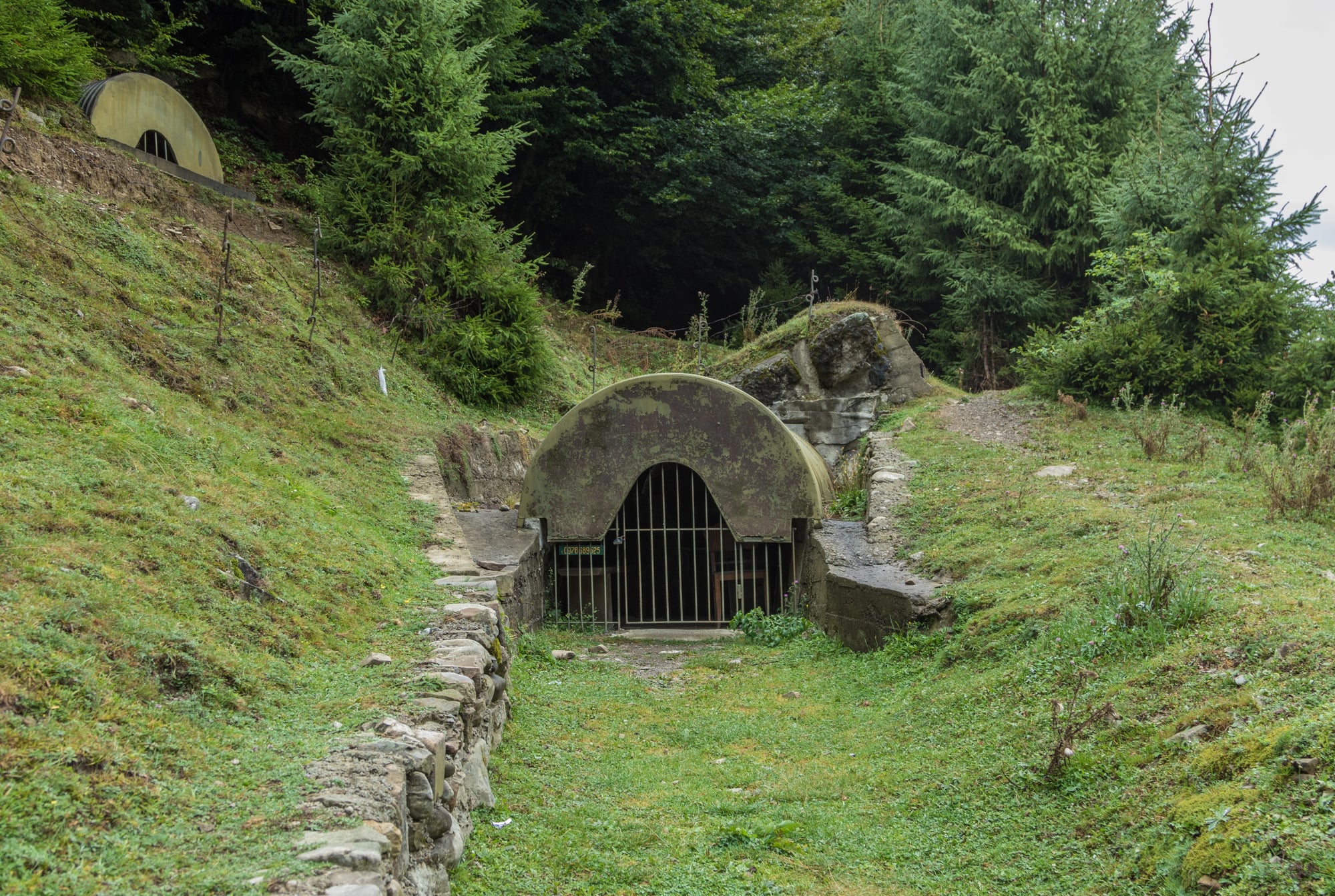
Survival, when measured in decades of tension, dug deep beneath cities. Hidden tunnels housed leaders far below ground, just in case everything above failed.
When surface life risked collapse, these shelters waited – silent, ready. Food stores lined cold walls, next to filtered air machines and backup power units.
Doctors could work there, if needed, cut off from normal hospitals. Radios linked command centers even when outside signals died.
Months might pass without sunlight inside those rooms. Buried under peaks or made to look like regular buildings, these sites relied on backup after backup, far from reach.
Power came from more than one place, air moved through filters, walls stood thick and strong – typical setup. Though most sat idle, built but never activated, they show how hard leaders worked to stay in control, no matter what happened.
Nuclear-Resistant Command Centers

Some facilities were designed specifically to withstand intense shock and radiation. Built with thick concrete shells and shock-absorbing foundations, these command centers were engineered to remain operational even when surrounding infrastructure failed.
Placement was deliberate, often far from population centers and buried deep below ground. Inside, functionality took priority over comfort.
Rooms were arranged to minimize damage propagation, and systems were compartmentalized to prevent total failure. These buildings were exercises in controlled isolation, designed to function as islands of order in a chaotic world.
Underground Cities
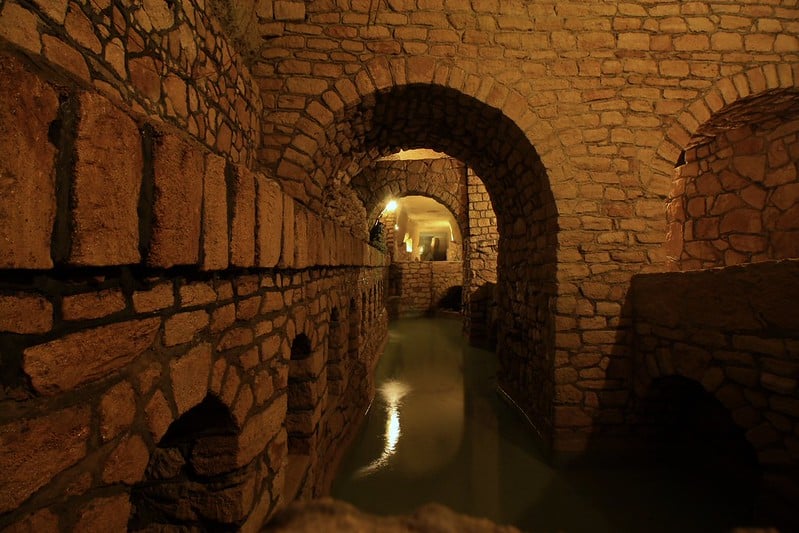
In several parts of the world, planners envisioned entire underground environments capable of sustaining populations during prolonged surface disruption. These complexes included housing, medical areas, food storage, and communal spaces, all shielded from external threats.
The logic was simple but bold. If the surface became unsafe, life would continue below.
These spaces were designed not just for survival, but for routine. Lighting systems simulated day and night cycles, and layouts encouraged movement and social structure.
Even in preparation for disaster, planners understood the importance of psychological stability. Cold storage seed vaults
Cold Storage Seed Vaults
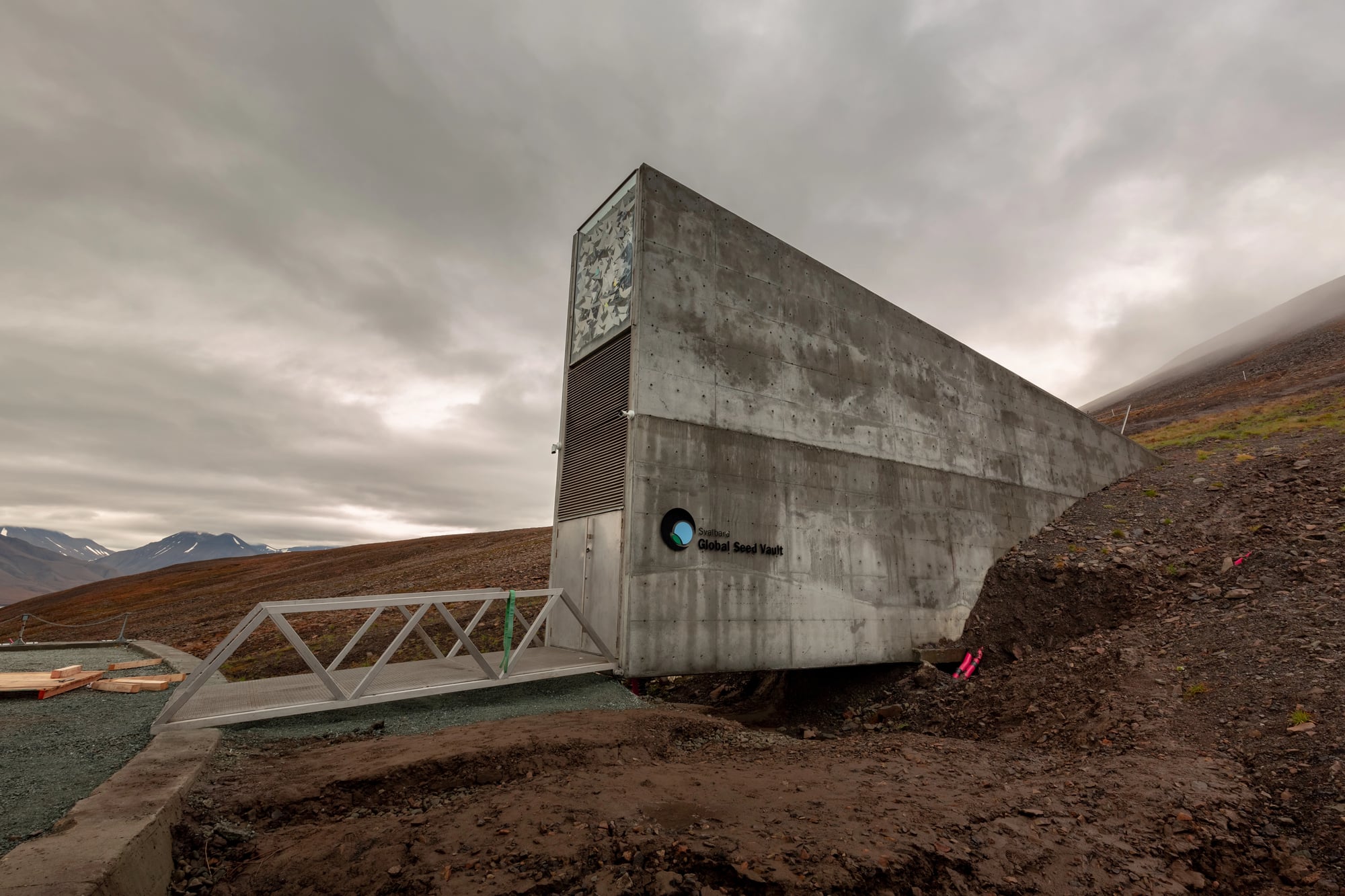
Some of the most quietly resilient structures focus not on people, but on preservation. Seed vaults built in remote, geologically stable locations were designed to safeguard agricultural diversity against global disruption.
These facilities rely on natural cold environments combined with engineered insulation to maintain stable conditions without constant power. The design prioritizes longevity over accessibility.
Thick walls, limited entry points, and redundancy in climate control ensure that the contents remain viable for decades. These buildings reflect a long-term view of survival, one that extends beyond immediate crises to future recovery.
Hardened Data Centers

As societies became increasingly digital, information itself became something worth protecting. Hardened data centers were built to withstand physical damage, power disruption, and isolation.
Often located underground or within fortified structures, they store critical records and communication systems. These facilities rely on layered security and redundant infrastructure.
Multiple power grids, backup generators, and advanced cooling systems ensure continued operation. In a world where data defines coordination and memory, these buildings serve as modern equivalents of ancient archives, designed to outlast instability.
Private Survival Shelters

In recent decades, private individuals have commissioned high-end survival shelters built to withstand extreme scenarios. Unlike government bunkers, these spaces often balance durability with comfort.
Living quarters, recreational areas, and aesthetic design are integrated alongside filtration systems and reinforced construction. These shelters reflect a shift in preparedness culture.
Survival is no longer solely a state responsibility. The architecture suggests that continuity of daily life, not just endurance, is central to modern fears.
Even in isolation, familiarity and comfort are treated as essential. Research facilities in extreme environments
Research Facilities In Extreme Environments

Some buildings built to endure catastrophe were designed for harsh conditions rather than sudden disaster. Research stations in polar regions or remote deserts are constructed to survive isolation, extreme temperatures, and supply delays.
Their resilience comes from necessity rather than fear. These facilities rely on modular construction, efficient insulation, and self-sufficient systems.
While not designed for apocalypse specifically, their ability to function with limited external support makes them models of endurance. They demonstrate how architecture adapts when failure is not an option.
Military Storage Facilities
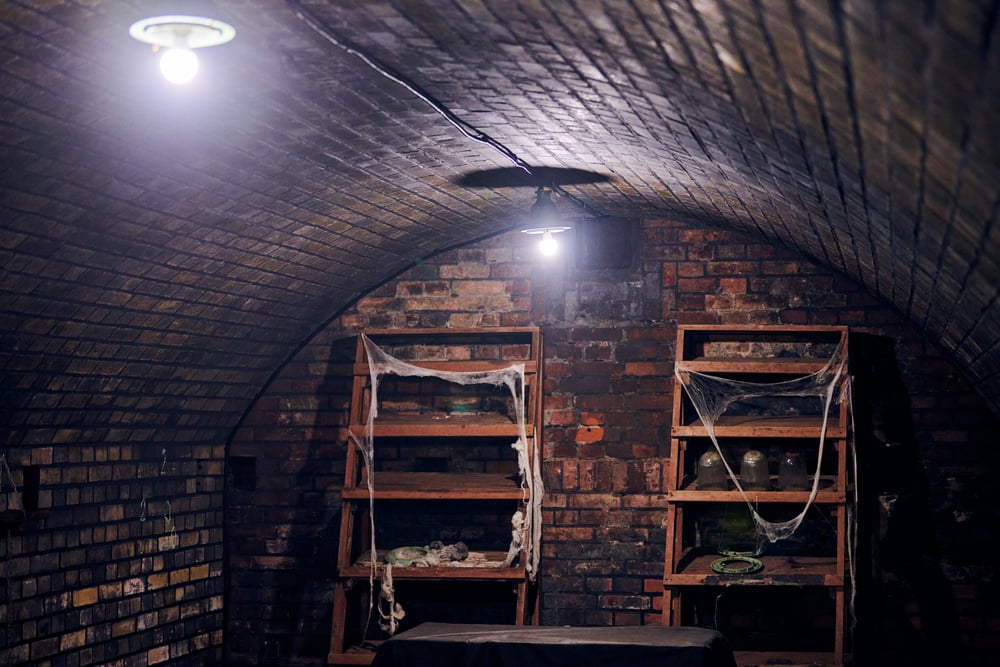
Strategic storage sites were built to protect essential equipment and supplies from destruction. These facilities were often reinforced and buried, designed to survive attack and preserve resources for later use.
Their locations were carefully chosen to reduce vulnerability. Inside, environmental controls prevented degradation over time.
The focus was preservation, not occupancy. These buildings highlight how survival planning extended beyond people to the tools needed for recovery and defense.
Coastal And Flood-Resistant Structures

Some apocalypse-ready buildings address environmental collapse rather than conflict. Structures built to withstand flooding, storms, and rising waters incorporate elevated foundations, sealed lower levels, and flexible materials.
These designs anticipate gradual but devastating change. Rather than hiding underground, these buildings embrace exposure and resilience.
They are designed to endure repeated stress, absorbing impact without catastrophic failure. This approach reflects a shift toward adaptation rather than retreat.
Religious And Cultural Sanctuaries
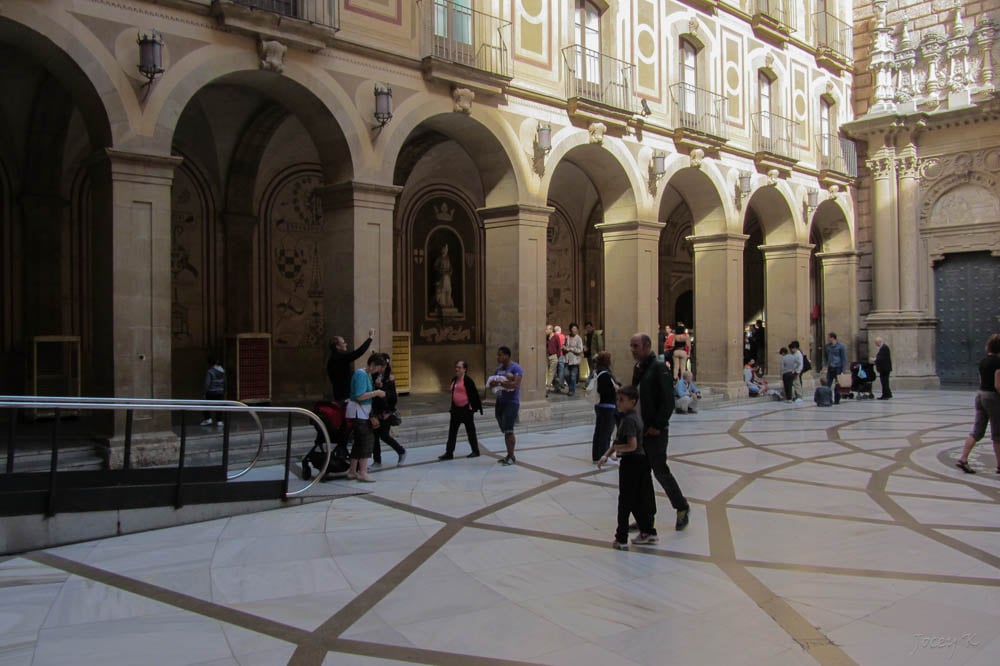
Throughout history, certain buildings were constructed with permanence in mind, intended to survive societal collapse. Thick stone walls, minimal openings, and elevated positions gave these structures resilience against both natural and human threats.
While not built with modern apocalypse scenarios in mind, their endurance is undeniable. Many still stand centuries later, having outlasted wars, plagues, and political upheaval.
Their survival underscores how durability was once a central architectural value. Space-ready habitats
Space-Ready Habitats
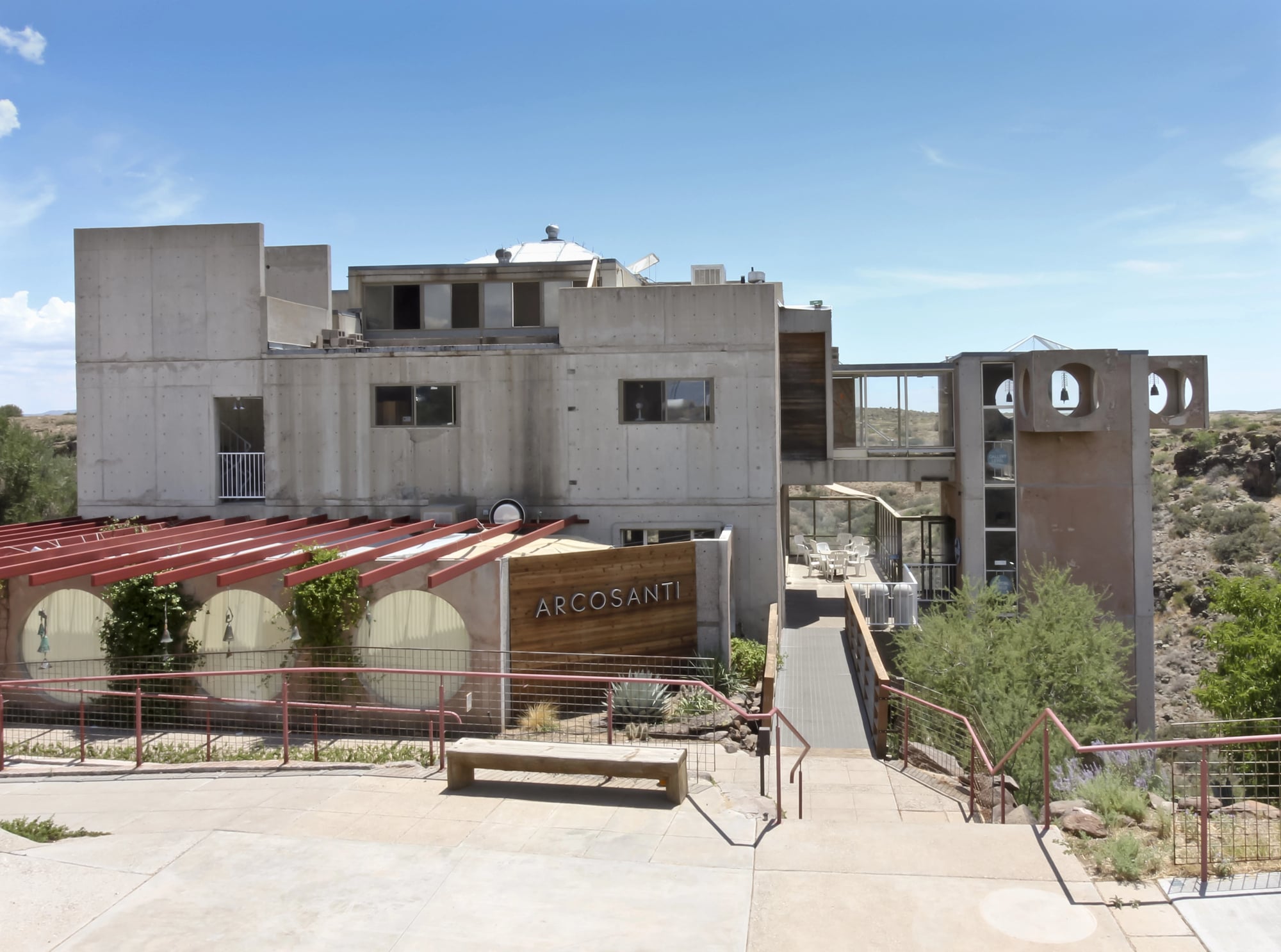
Experimental habitats designed for space exploration also inform apocalypse-resistant design. These structures emphasize closed-loop systems, efficient resource use, and isolation tolerance.
Though built for other worlds, they mirror conditions expected after global disruption. Life support systems recycle air and water, while compact layouts maximize functionality.
These habitats demonstrate how extreme constraints drive innovation. Architecture becomes a life-support mechanism rather than mere shelter.
What These Buildings Have In Common

Despite their differences, apocalypse-ready buildings share core principles. Redundancy ensures that failure in one system does not lead to collapse.
Isolation protects against external threats, while self-sufficiency reduces dependence on unstable networks. Equally important is psychological design.
Even in survival scenarios, planners recognized the need for routine, light, and human comfort. Survival was never just about staying alive.
It was about preserving order and identity. How fear shaped design
How Fear Shaped Design
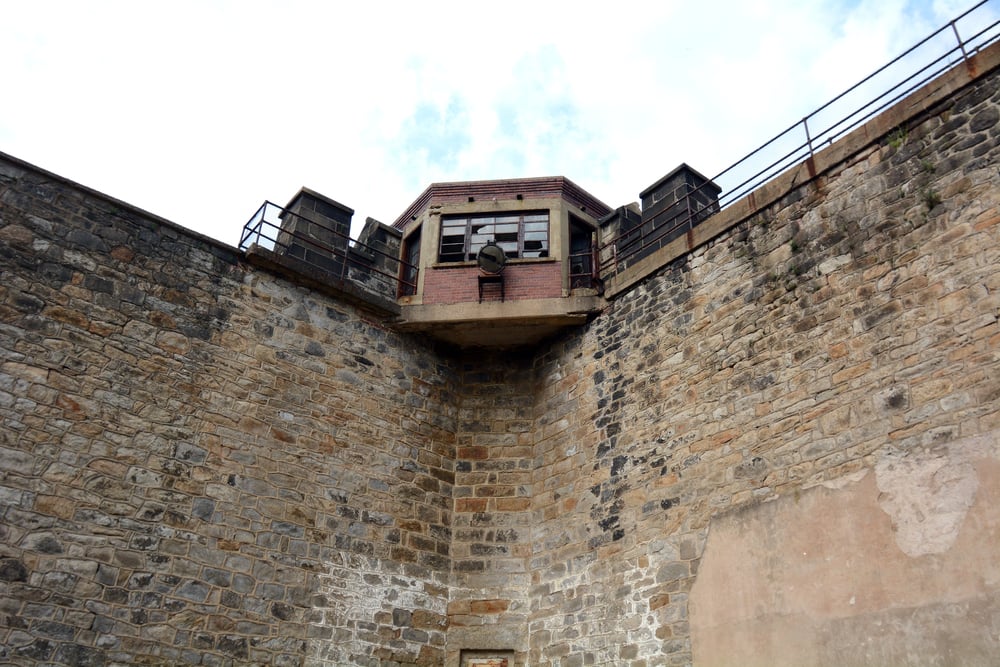
Each of these structures reflects a specific historical fear. Cold War bunkers emerged from geopolitical tension.
Environmental designs arose from climate awareness. Private shelters reflect personal uncertainty in an interconnected world.
Architecture became a response to imagination as much as reality. By designing for the worst, builders revealed what they valued most: leadership, knowledge, food, comfort, or continuity.
These choices tell stories about priorities under pressure. Why it still matters
Why It Still Matters
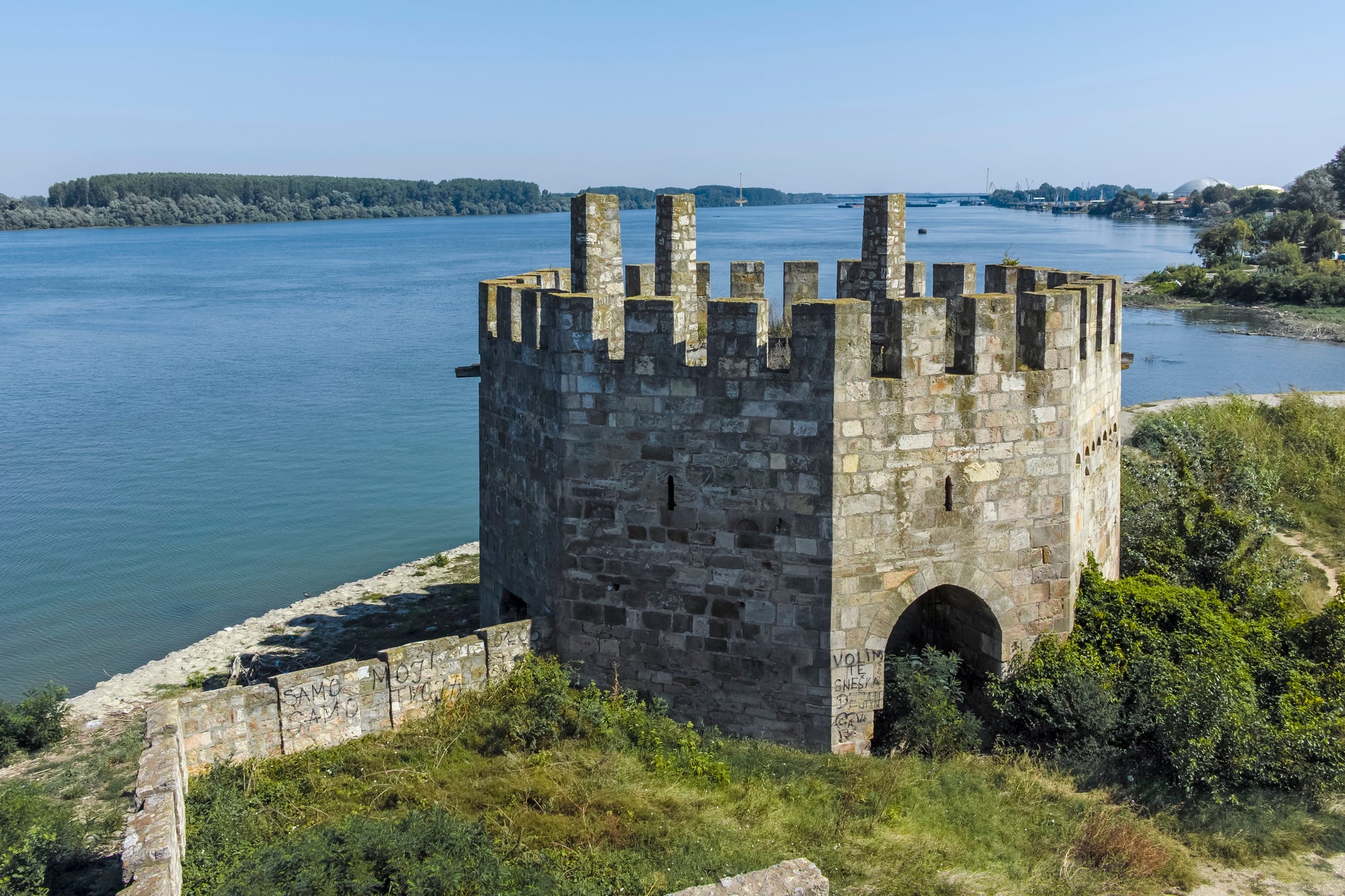
These days, buildings made for worst-case situations feel almost ordinary. Because materials improved and backup power became smarter, survival-focused designs now show up in everyday houses.
What once seemed over the top is slowly looking practical. Still standing is not only stone and metal but a quiet strength – fear given shape, true, though also trust in lasting through.
These structures do not yell; instead they whisper across years, showing how stillness holds ground when disorder strikes. When threat fades from thought, the frames remain, keeping room for choices people made to survive terror.
Without sound, they say more than alarms could.
More from Go2Tutors!

- The Romanov Crown Jewels and Their Tragic Fate
- 13 Historical Mysteries That Science Still Can’t Solve
- Famous Hoaxes That Fooled the World for Years
- 15 Child Stars with Tragic Adult Lives
- 16 Famous Jewelry Pieces in History
Like Go2Tutors’s content? Follow us on MSN.