Celebrities Who Revolutionized Existing Industries
Some celebrities are happy to simply cash endorsement checks and go about their lives. Others believe they can do it better by looking at entire industries.
These are not merely well-known individuals putting their names on goods; rather, they are trailblazers who chose to change the game after spotting obsolete business models, unexplored markets, or unrealized potential. These celebrities did more than just enter industries—from talk shows to headphones to shapewear—they radically altered the way those industries function.
Their achievements demonstrate that notoriety is only the beginning. Here is a list of 14 famous people who revolutionized already-existing industries.
Oprah Winfrey and Talk Shows
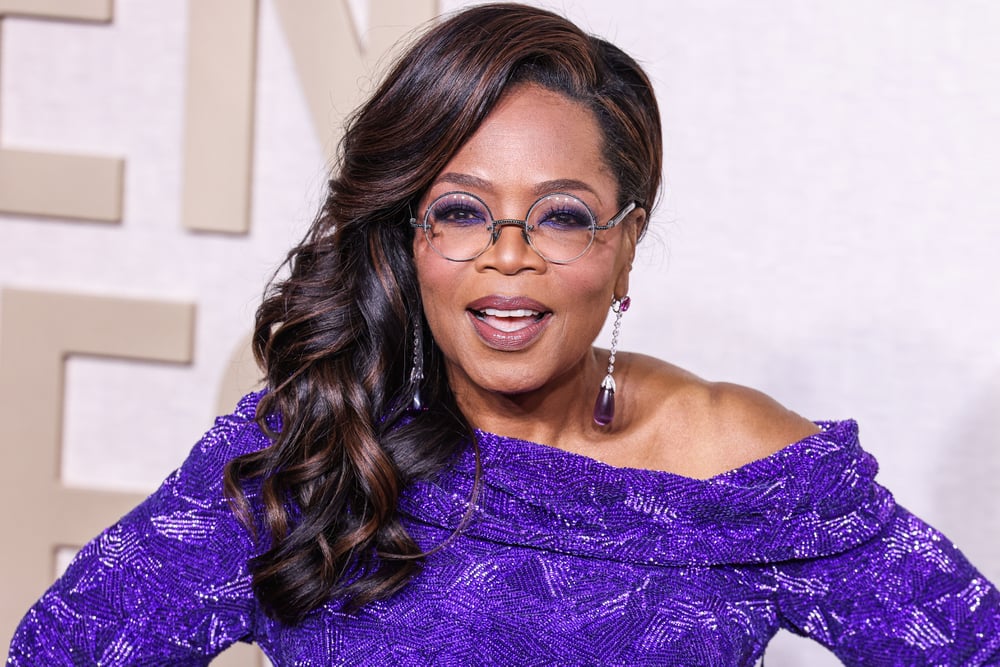
Phil Donahue pioneered the tabloid talk show format, but Oprah Winfrey revolutionized it into something entirely different. When her Chicago morning show went national in 1986, she brought warmth, intimacy, and personal confession that transformed daytime television, shifting away from pure sensationalism toward self-improvement and meaningful conversations.
She founded Harpo Productions in 1986, becoming the first woman to own and produce her own talk show, and became America’s first Black female billionaire by 2003, all through her privately owned Harpo empire.
Martha Stewart and Lifestyle Brands
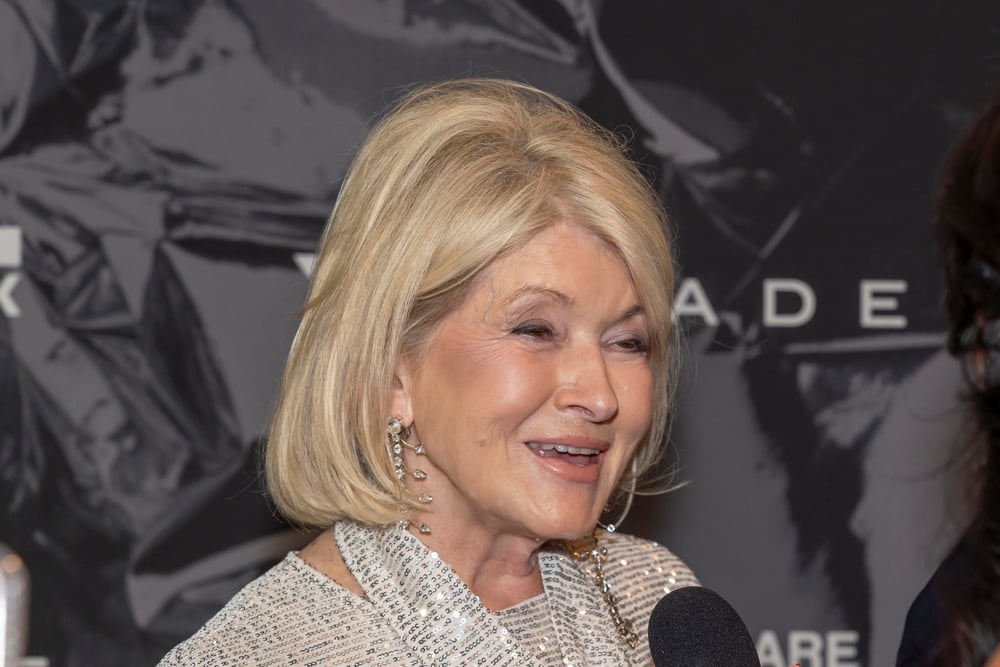
Martha Stewart didn’t invent cooking or home decorating, but she invented the modern lifestyle empire. Starting with a catering business in 1976, she built an aesthetic philosophy that made luxurious homemaking accessible to middle-class Americans through magazines, television shows, and product lines.
She consolidated everything into Martha Stewart Living Omnimedia in 1997 and became a billionaire when her company went public in 1999, pioneering the modern lifestyle empire built on personal branding decades before social media existed.
Like Go2Tutors’s content? Follow us on MSN.
Dr. Dre and Premium Headphones
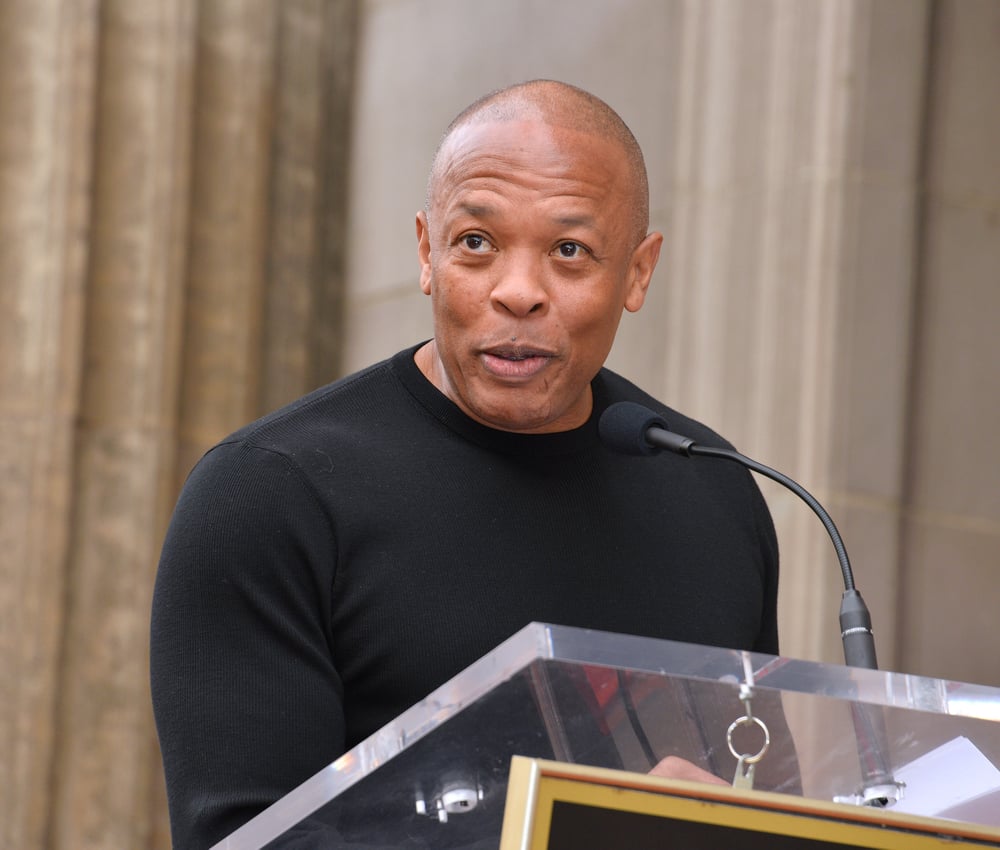
Before Beats by Dre launched in 2008, spending $300 on headphones was something only audiophiles considered. Dr. Dre and Jimmy Iovine marketed headphones like music albums, treating them as fashion accessories and status symbols rather than mere electronics, emphasizing bass and drama to make music feel more exciting.
The company captured over 60% of the U.S. premium headphone market by 2012 and sold to Apple for $3 billion in 2014, proving that electronics could be lifestyle products.
George Foreman and Celebrity Product Endorsement
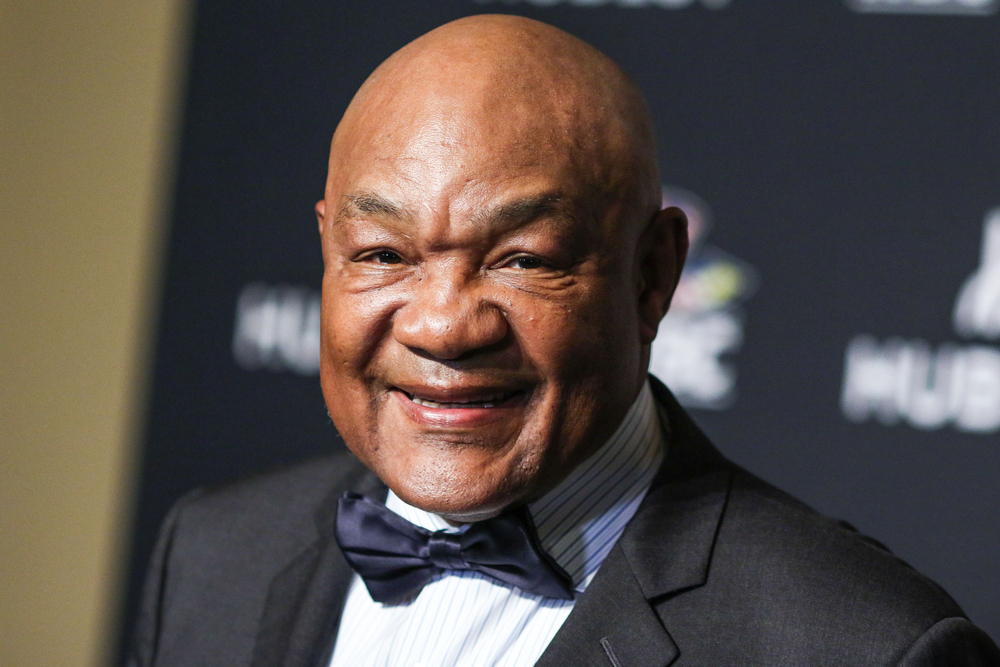
George Foreman didn’t invent the grill that bears his name, but he revolutionized celebrity endorsement by becoming synonymous with the product through his affable personality and genuine enthusiasm. His tagline “It’s so good I put my name on it!” became part of popular culture, and the grill sold over 80 million units worldwide as of 2023.
Foreman earned an estimated over $150 million from the endorsement, including a $138 million buyout in 1999, establishing the blueprint for modern influencer marketing.
Rihanna and Inclusive Beauty
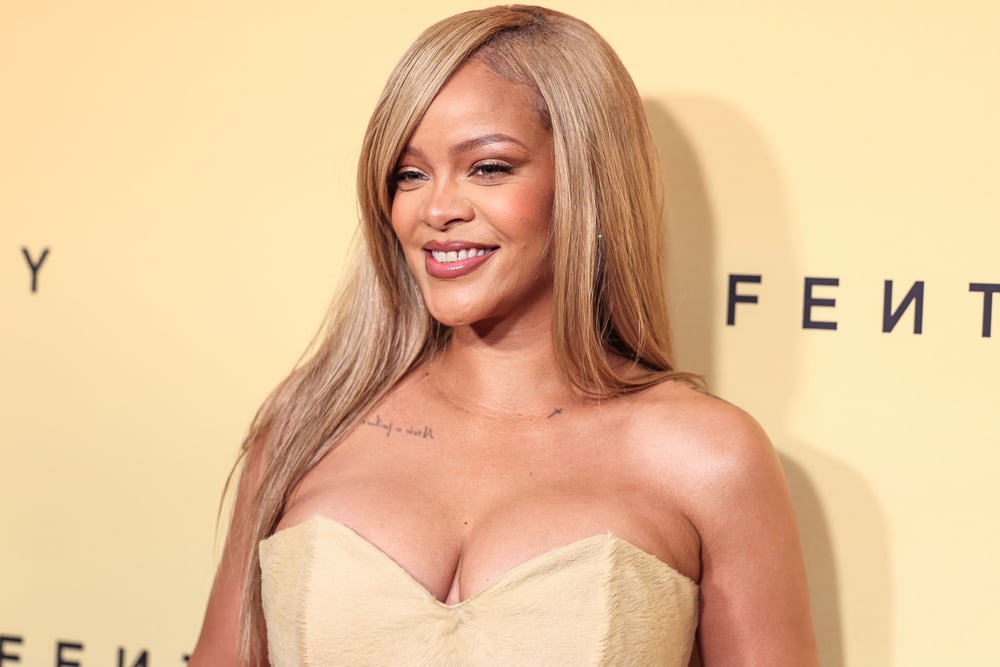
Rihanna launched Fenty Beauty in 2017 with 40 foundation shades designed for all skin tones, addressing a market cosmetics companies had ignored for decades. The brand, a joint venture with LVMH, made $100 million in its first 40 days and forced other companies to expand their shade ranges in what became known as the “Fenty Effect.”
Her business ventures made her a billionaire by 2021, proving that representation isn’t just morally right—it’s incredibly profitable when done authentically.
Like Go2Tutors’s content? Follow us on MSN.
Jessica Alba and Eco-Friendly Consumer Products
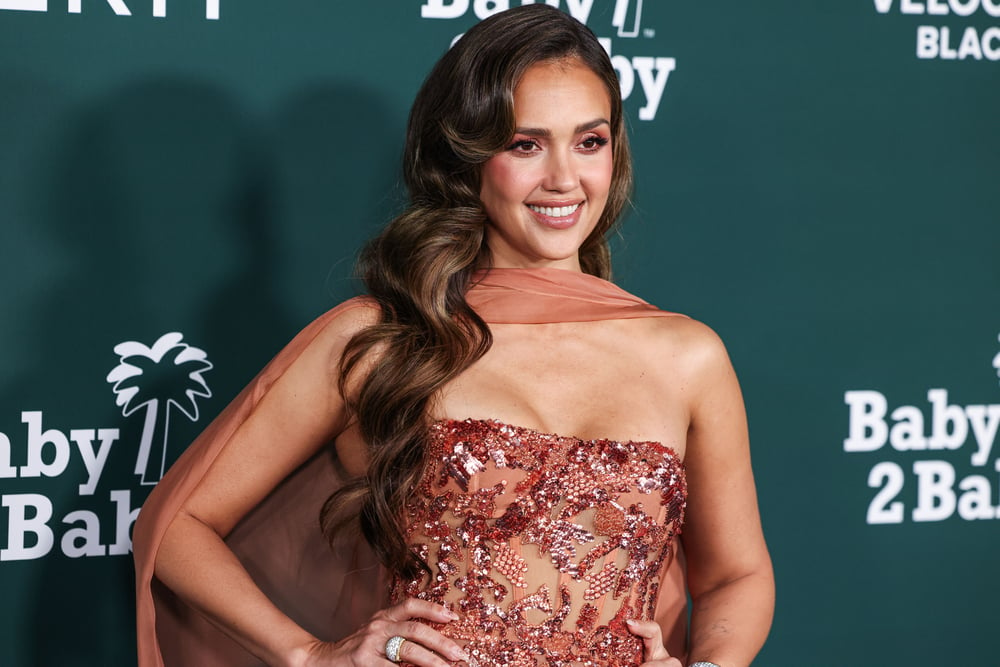
Jessica Alba founded The Honest Company in 2011 after researching safe, non-toxic alternatives to conventional baby products. She revolutionized how eco-friendly products were marketed by partnering with major retailers like Target and Costco, bringing natural products out of specialty stores and into mainstream shopping.
The company reached a valuation of $1.7 billion after going public in 2021, setting a new standard for transparency and research in celebrity wellness brands.
Jay-Z and Artist Ownership
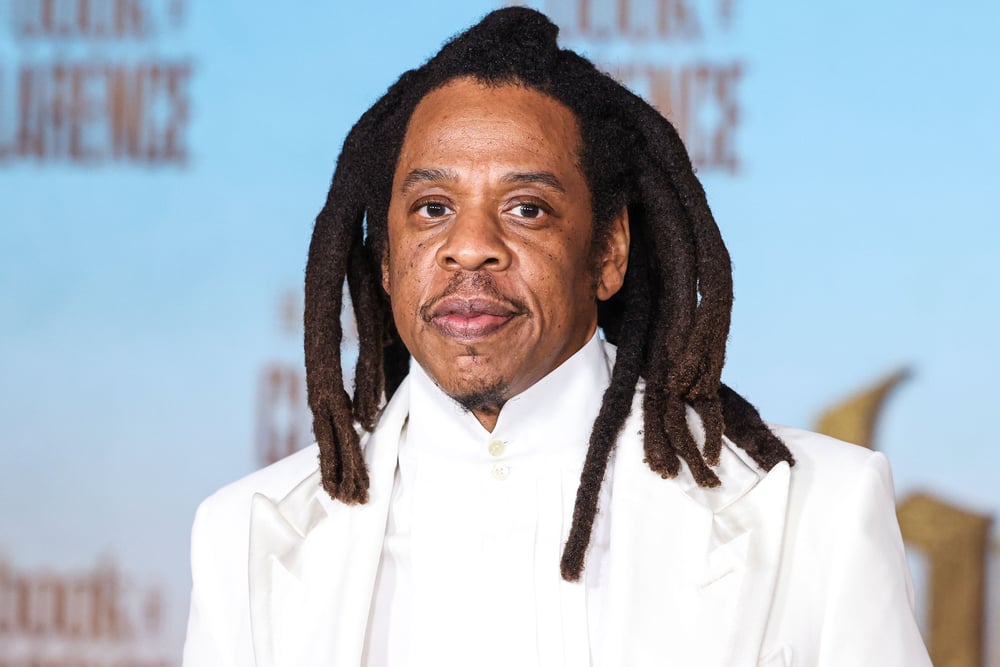
Jay-Z revolutionized how artists approach business ownership by founding Roc-A-Fella Records in 1995 when major labels wouldn’t sign him, giving himself control over his music. He went on to found Roc Nation in 2008 and purchased streaming platform Tidal in 2015, creating an artist-owned alternative that paid higher royalties before selling a majority stake to Jack Dorsey’s Block, Inc. in 2021.
His approach proved that artists could be CEOs and build legitimate business empires, fundamentally changing the relationship between musicians and the music industry.
Gwyneth Paltrow and Wellness Commerce
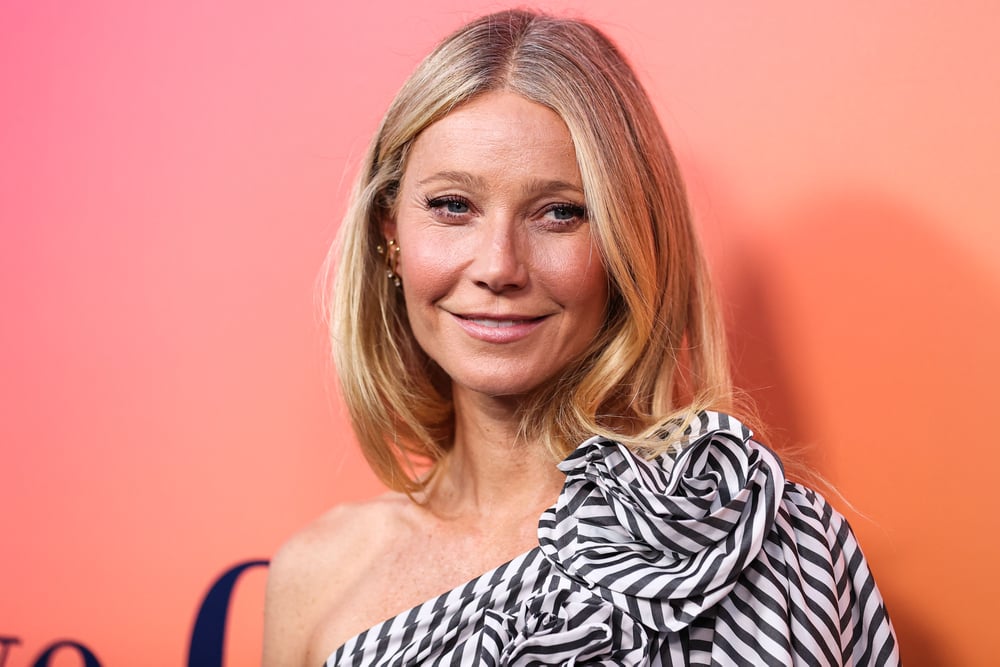
Gwyneth Paltrow launched Goop as a newsletter in 2008, but it evolved into a wellness empire that revolutionized how celebrities monetize lifestyle advice. The company combined high-end products, unconventional health trends, and aspirational content, creating an entirely new market segment despite attracting both devoted followers and fierce critics.
By 2018, Goop was valued by media estimates at around $250 million, proving that controversial authenticity could build a devoted customer base willing to spend premium prices.
Like Go2Tutors’s content? Follow us on MSN.
Kim Kardashian and Influencer Economics

Kim Kardashian transformed reality television fame into a business model that redefined celebrity entrepreneurship across multiple industries simultaneously. She launched successful ventures including a mobile game that made $160 million in its first year, KKW Beauty (which sold a 20% stake to Coty for $200 million in 2020), and shapewear brand SKIMS, which was valued at $4 billion by 2023.
Kardashian pioneered the direct-to-consumer celebrity brand model using social media, fundamentally changing how brands think about celebrity partnerships and influencer marketing.
Paul Newman and Charity Businesses
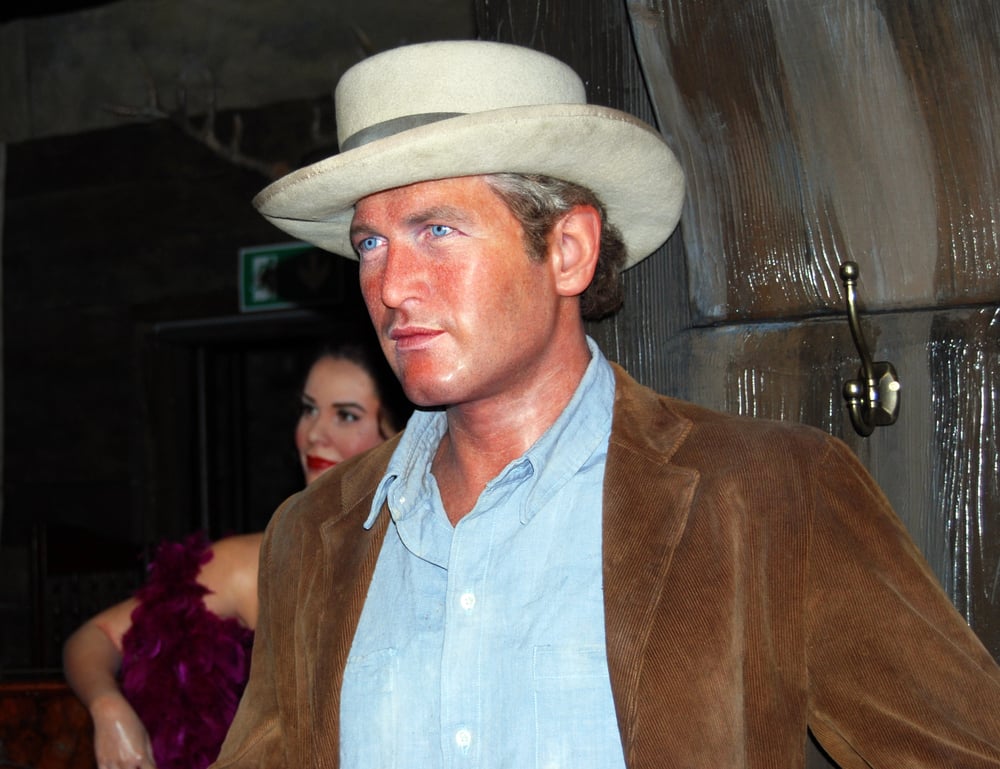
Paul Newman revolutionized celebrity philanthropy by creating Newman’s Own in 1982, a for-profit business that donates all profits to charity through the Newman’s Own Foundation. The concept was simple but revolutionary—make quality products, price them competitively, and give every penny of profit away, which has resulted in over $600 million donated to charities as of 2023.
Newman proved that charitable giving and successful business weren’t mutually exclusive, creating a sustainable model that continues thriving decades after his death in 2008.
Magic Johnson and Urban Investment
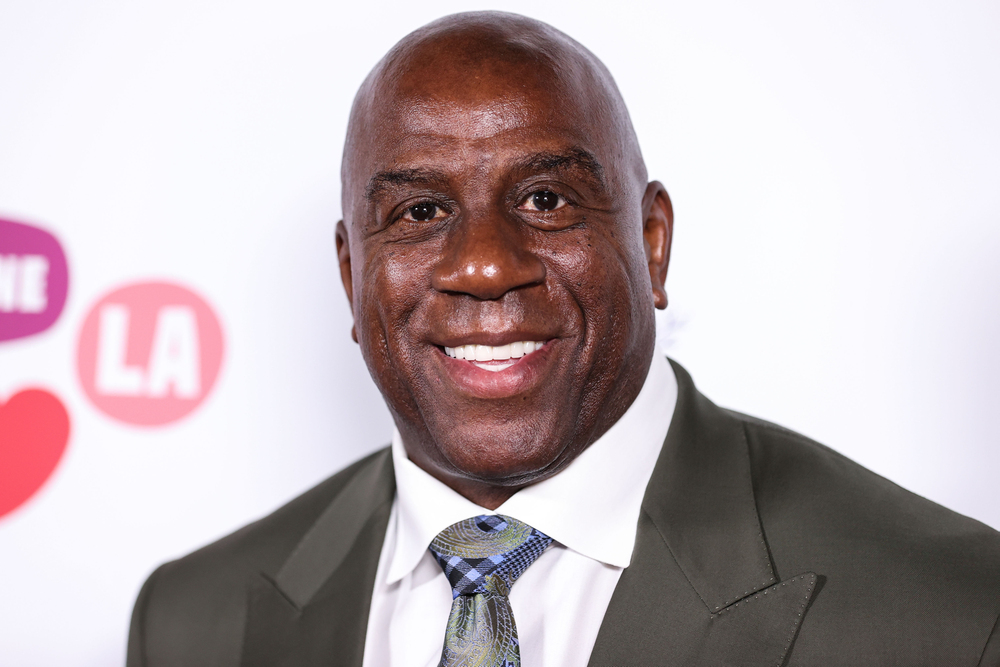
Magic Johnson revolutionized how athletes approach business by focusing on underserved urban communities through Magic Johnson Enterprises, founded in 1987. His Starbucks partnership beginning in 1998, along with deals bringing Sony theaters and other major chains to inner-city neighborhoods that companies had ignored, proved these markets were profitable when given quality options.
Johnson became a billionaire through urban investments and franchises, with a net worth around $1.2 billion as of 2023, demonstrating that serving overlooked communities was both socially responsible and financially lucrative.
Like Go2Tutors’s content? Follow us on MSN.
Ashton Kutcher and Celebrity Tech Investing
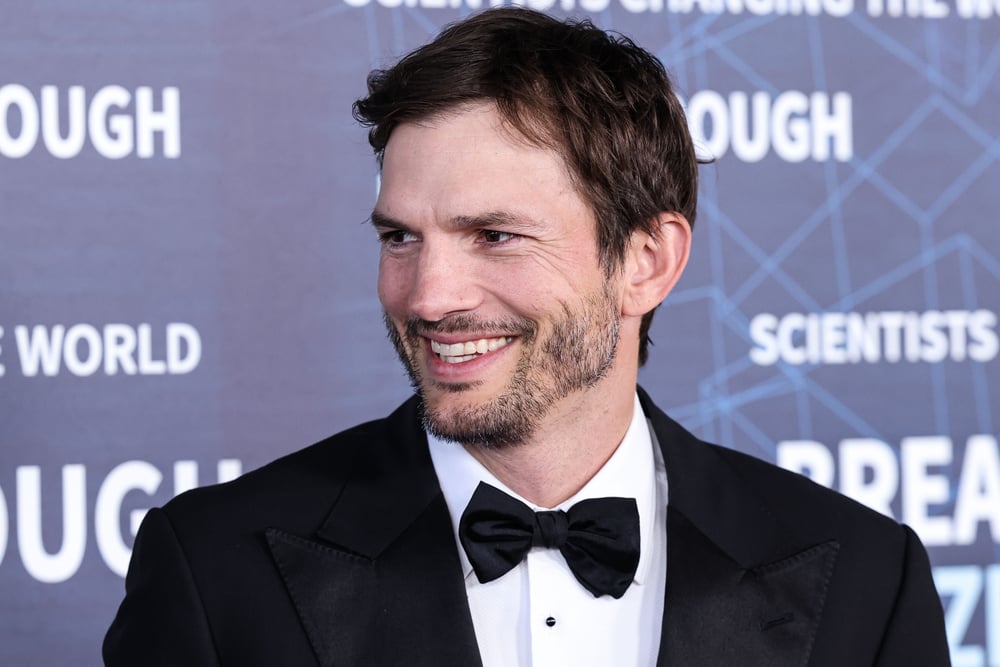
Ashton Kutcher transformed from sitcom actor to one of Silicon Valley’s most respected investors by co-founding A-Grade Investments in 2010. Unlike celebrity investors who just write checks, Kutcher developed deep knowledge of the tech industry and personally evaluated investments, with his portfolio including early stakes in Uber, Airbnb, Spotify, and Skype, turning $30 million into $250 million by 2016.
His success proved that celebrities could be legitimate venture capitalists rather than just promotional faces, fundamentally changing how Silicon Valley views celebrity involvement.
Sara Blakely and Direct-to-Consumer Shapewear
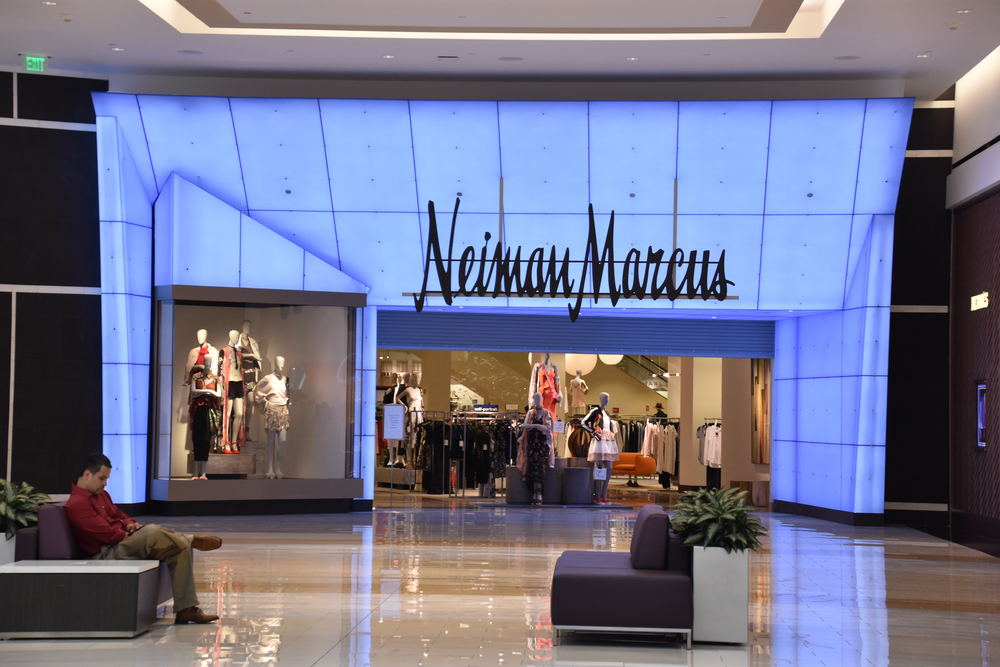
After cutting the feet off her pantyhose in 1998, Sara Blakely came up with the concept for Spanx. With just $5,000 saved up, she started the business in 2000 and personally sold her product at Neiman Marcus stores.
By creating genuinely comfortable and affordable products, she transformed the shapewear market. She did this by relying on word-of-mouth and astute retail partnerships to grow the business without the help of outside investors or advertising.
Blakely became a billionaire by 2012 thanks to Spanx, which established a model for contemporary direct-to-consumer companies.
Will Smith and Celebrity Production Companies

In 1997, Will Smith and Jada Pinkett Smith established Overbrook Entertainment, a company that developed, produced, and managed projects from conception to screen, thereby transforming the way actors approach production. The Smiths were given more creative and financial control than just starring roles thanks to Overbrook’s production of hits like “Ali,” “The Pursuit of Happyness,” “I Am Legend,” and the Karate Kid remake.
Their strategy demonstrated that actors could establish successful businesses apart from their own star power, inspiring later actor-producers like Reese Witherspoon and Ryan Reynolds to launch their own production companies.
Like Go2Tutors’s content? Follow us on MSN.
From Fame to Fortune to Industry Change

These celebrities demonstrate that name recognition alone is insufficient for enduring impact. They founded businesses that compelled entire industries to change after identifying dysfunctional systems, underserved markets, and antiquated business models.
Dr. Dre turned headphones into fashion statements, Martha Stewart made homemaking aspirational, and Oprah demonstrated the power of talk shows to inspire and educate. While Jessica Alba introduced eco-friendly products to the mainstream retail market, Rihanna pushed the beauty industry to embrace inclusivity.
Genuine enthusiasm for their fields, a willingness to take chances, and an awareness that fame is a tool rather than the ultimate goal are characteristics that unify their success stories.
More from Go2Tutors!

- 16 Historical Figures Who Were Nothing Like You Think
- 12 Things Sold in the 80s That Are Now Illegal
- 15 VHS Tapes That Could Be Worth Thousands
- 17 Historical “What Ifs” That Would Have Changed Everything
- 18 TV Shows That Vanished Without a Finale
Like Go2Tutors’s content? Follow us on MSN.