Celebs Who Voiced Famous Cartoons
Animation brings characters to life through voices, and sometimes those voices belong to people already famous for something completely different. Musicians, athletes, and actors from live-action films have all stepped into recording booths to become animated legends.
Some of these performances became so iconic that people forgot about the real person behind the character. Others surprised fans who never realized their favorite celebrity gave life to a cartoon they loved as kids.
The blending of Hollywood talent with animation created some unforgettable moments. Here are the celebrities who became cartoon characters people still remember today.
Robin Williams as Genie
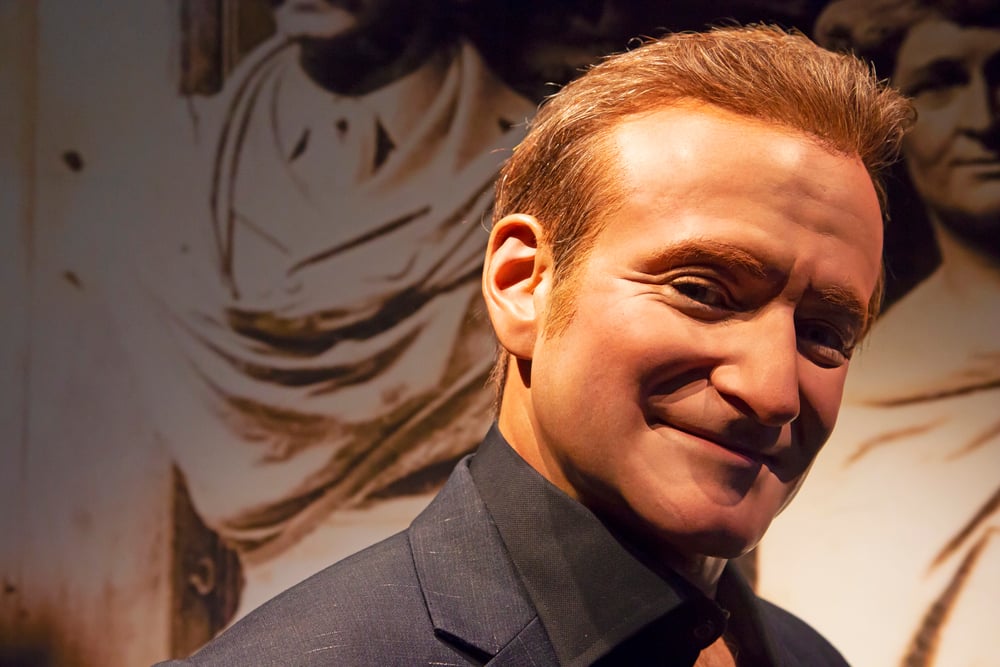
Robin Williams brought an energy to Aladdin’s Genie that changed animated films forever. Disney gave him the freedom to improvise, and he recorded hours of material that animators then had to figure out how to draw.
The Genie shifted between celebrity impressions, rapid-fire jokes, and genuine emotional moments, all powered by Williams’ incredible range. His performance in 1992 proved that A-list actors could elevate animation beyond what anyone expected, and studios have chased that magic ever since.
Mark Hamill as Joker
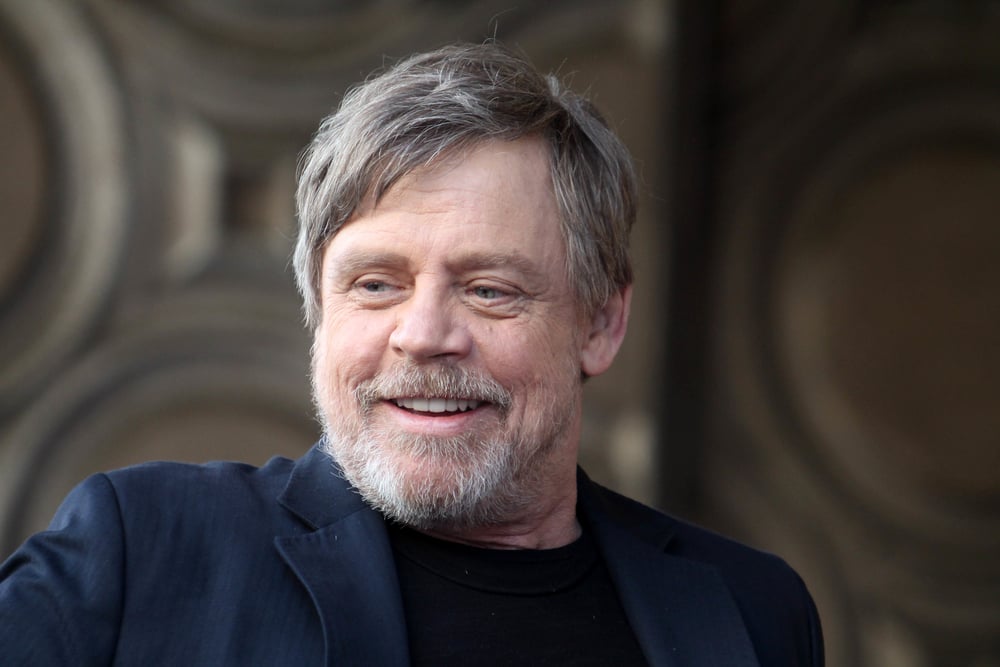
Luke Skywalker became Batman’s greatest enemy, and most fans had no idea. Mark Hamill started voicing the Joker in Batman: The Animated Series in 1992 and created a version of the character that many consider definitive.
His laugh alone became instantly recognizable, shifting from playful giggles to maniacal cackles depending on the scene. Hamill continued playing the Joker in various animated projects for over 30 years, proving that voice acting could be just as powerful as on-screen performances.
Mike Myers as Shrek

The green ogre almost sounded completely different. Mike Myers originally recorded Shrek with a Canadian accent but convinced DreamWorks to let him redo everything with a Scottish accent instead.
That decision cost the studio around $4 million and delayed production, but it defined the character completely. Myers brought the same comedic timing that made Austin Powers famous, but wrapped it in layers that gave Shrek surprising depth for an animated comedy.
Ellen DeGeneres as Dory
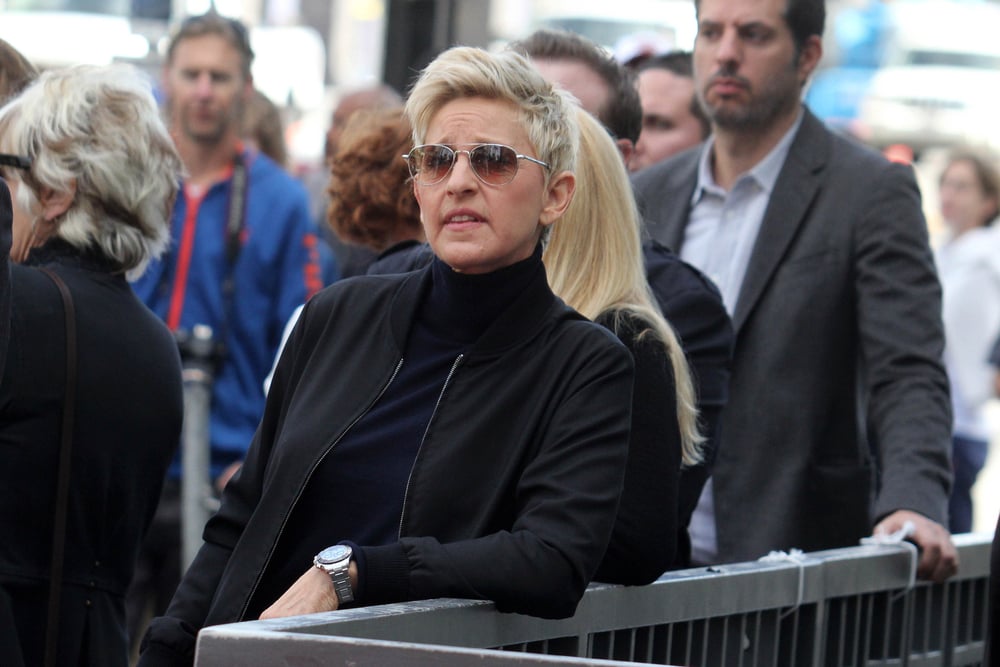
Finding Nemo introduced Dory as a supporting character, but Ellen DeGeneres made her so beloved that Disney created an entire sequel focused on her. DeGeneres brought her natural comedic style to the forgetful blue tang fish, making Dory’s memory problems funny without mocking disability.
The warmth she added to the character turned what could have been a one-note joke into someone audiences genuinely cared about. Her performance worked so well that Finding Dory arrived 13 years later specifically because people wanted more of her character.
James Earl Jones as Mufasa
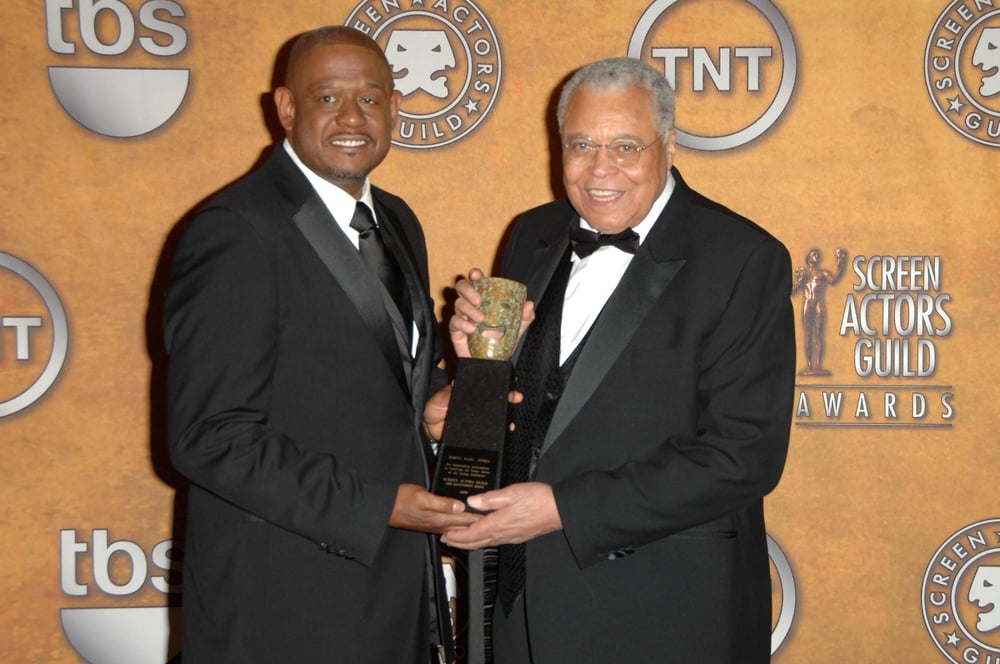
That voice carries weight that goes beyond words. James Earl Jones brought the same commanding presence he gave Darth Vader to The Lion King’s wise king, but added warmth and love that Vader never showed.
Mufasa’s conversations with young Simba feel genuine because Jones delivered them with real emotion rather than just reading lines. His work in the 1994 film remained so powerful that Disney brought him back to recreate the role in the 2019 remake, even though he was in his late 80s.
Tom Hanks as Woody

Toy Story made history as the first fully computer-animated feature film, and Tom Hanks anchored it with a voice performance that felt completely natural. Woody needed to be likable but flawed, confident but insecure, and Hanks nailed every shade of the cowboy doll’s personality.
He returned for every sequel over 24 years, growing with the character as the stories matured. His commitment to the role helped Pixar prove that animated films could resonate with adults just as much as children.
Whoopi Goldberg as Shenzi
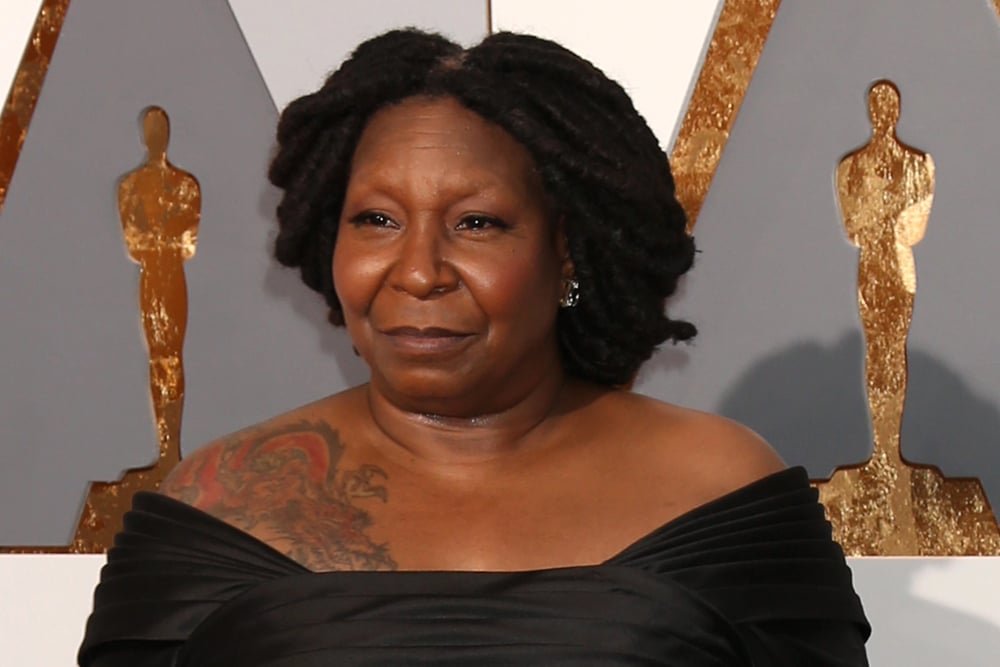
The Lion King brought Whoopi Goldberg into the Pride Lands as the leader of the hyena trio. Shenzi served as the brains of the group, and Goldberg gave her a street-smart attitude that made the character memorable despite limited screen time.
Her delivery of lines gave the hyenas more personality than typical Disney villain henchmen usually received. The role showed that even supporting characters in animated films could shine with the right voice behind them.
Phil Harris as Baloo

Before becoming the laid-back bear in The Jungle Book, Phil Harris was a popular bandleader and radio personality. Disney cast him in 1967 specifically because his natural speaking voice had the easygoing charm they wanted for Baloo.
Harris essentially played himself, bringing a jazzy cool to the character that made ‘The Bare Necessities’ feel effortless. He became so associated with Disney that the studio brought him back to voice Little John in Robin Hood and Thomas O’Malley in The Aristocats.
Eddie Murphy as Donkey
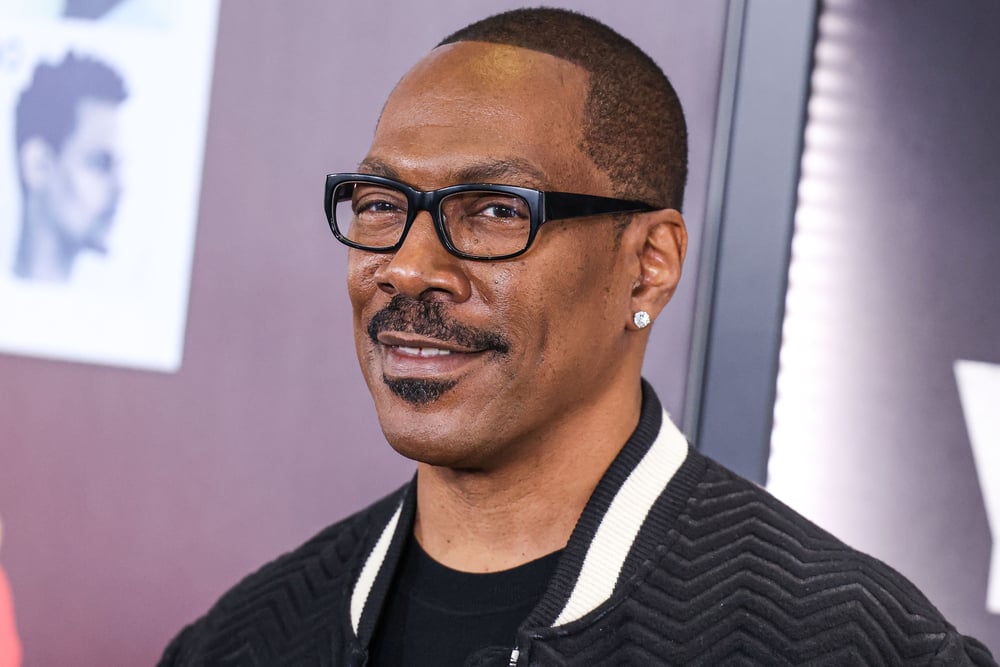
Shrek needed a sidekick, and Eddie Murphy turned Donkey into the scene-stealer of the entire franchise. Murphy improvised many of his lines, bouncing off Mike Myers with the same rapid-fire energy he brought to his stand-up comedy.
Donkey’s endless chatter and unshakable optimism could have been annoying, but Murphy made the character endearing instead. His chemistry with Myers worked so well that Donkey appeared in all four Shrek films plus several short features.
Ming-Na Wen as Mulan
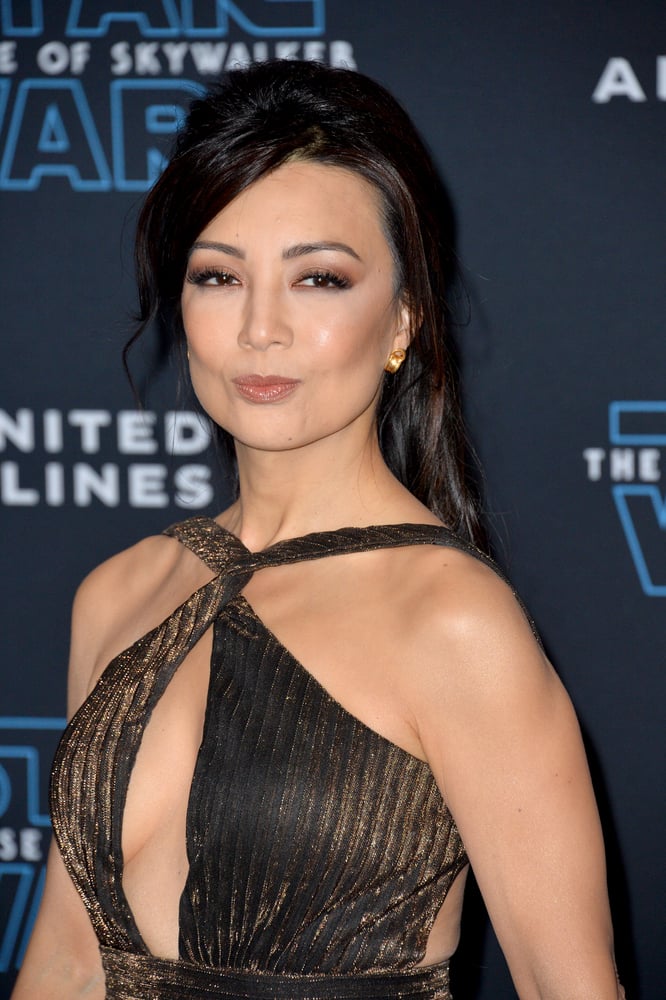
Disney’s 1998 film about a young woman disguising herself as a soldier needed a voice that could handle both vulnerability and strength. Ming-Na Wen delivered exactly that, giving Mulan a determination that never felt forced.
The character went through real growth throughout the film, and Wen’s performance made every stage of that journey believable. She brought respect to a role that meant a lot to Asian-American audiences who rarely saw themselves represented in animated films at that time.
Chris Rock as Marty
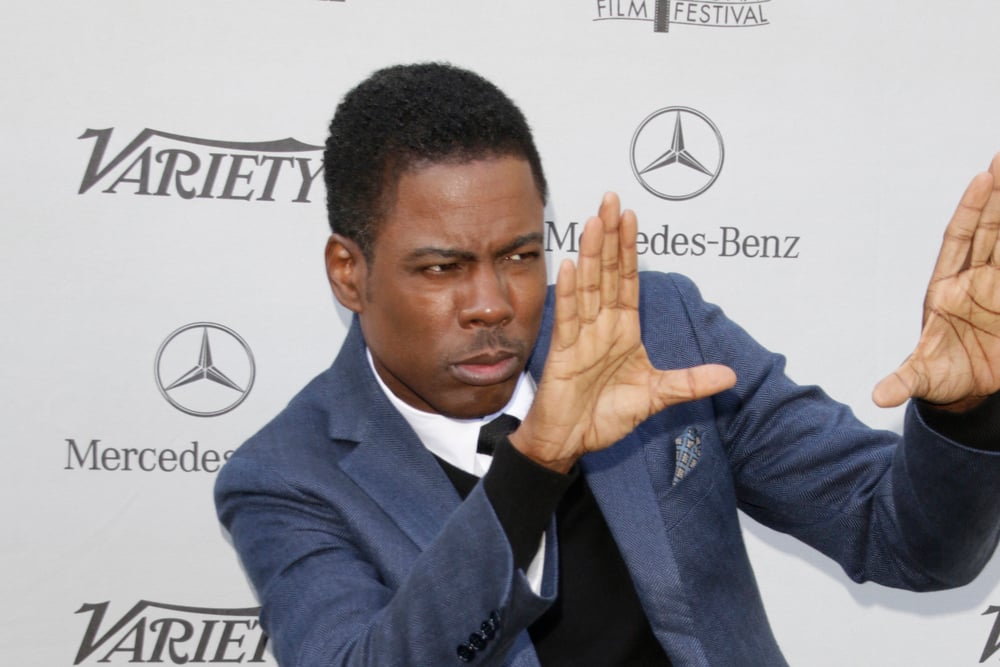
Madagascar’s hyperactive zebra got his energy from Chris Rock’s natural comedic style. Marty dreamed of leaving the zoo for the wild, and Rock played the character’s naive enthusiasm perfectly.
His delivery made even simple lines funny through timing and inflection rather than relying on the script alone. Rock’s performance helped turn Madagascar into a franchise that spawned three films and multiple spin-offs.
Jack Black as Po

Kung Fu Panda needed a protagonist who could be funny and heroic without making either quality cancel out the other. Jack Black brought his usual high-energy style to Po, the panda who loved kung fu but seemed completely wrong for it.
Black made Po’s journey from noodle shop worker to Dragon Warrior feel earned because he played insecurity and determination equally well. His performance across three films showed that animated characters could have real arcs when actors committed to growing with them.
Cameron Diaz as Fiona
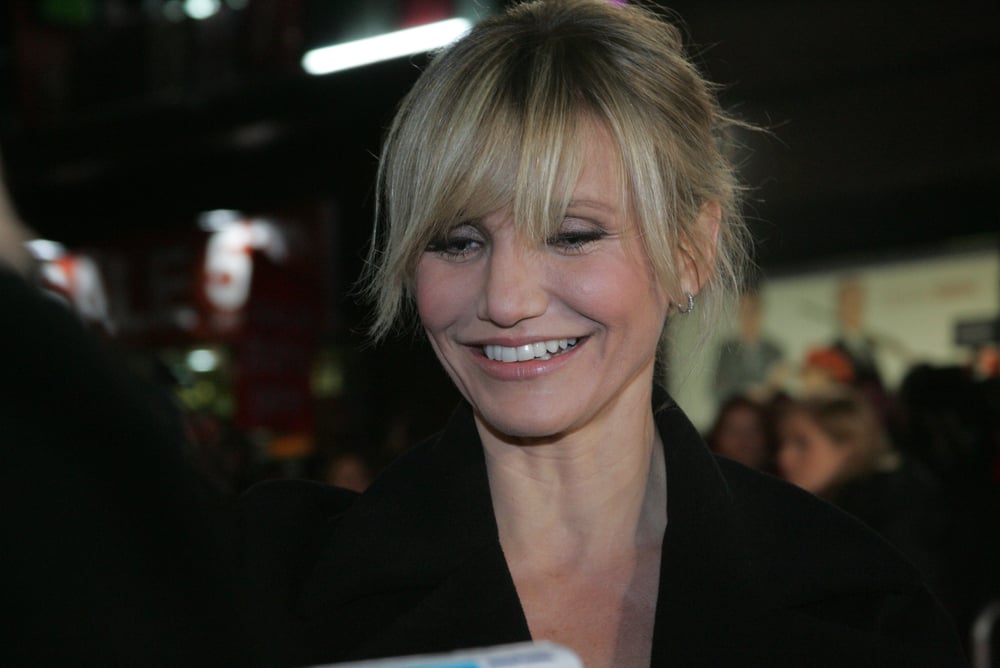
Princess Fiona subverted fairy tale expectations, and Cameron Diaz leaned into that perfectly. She gave Fiona strength and humor instead of making her a typical damsel waiting for rescue.
Diaz returned for all four Shrek films, developing chemistry with Mike Myers that made their unconventional love story work. Her willingness to be funny and even gross when the role required it helped make Fiona a different kind of animated princess.
Will Smith as Oscar
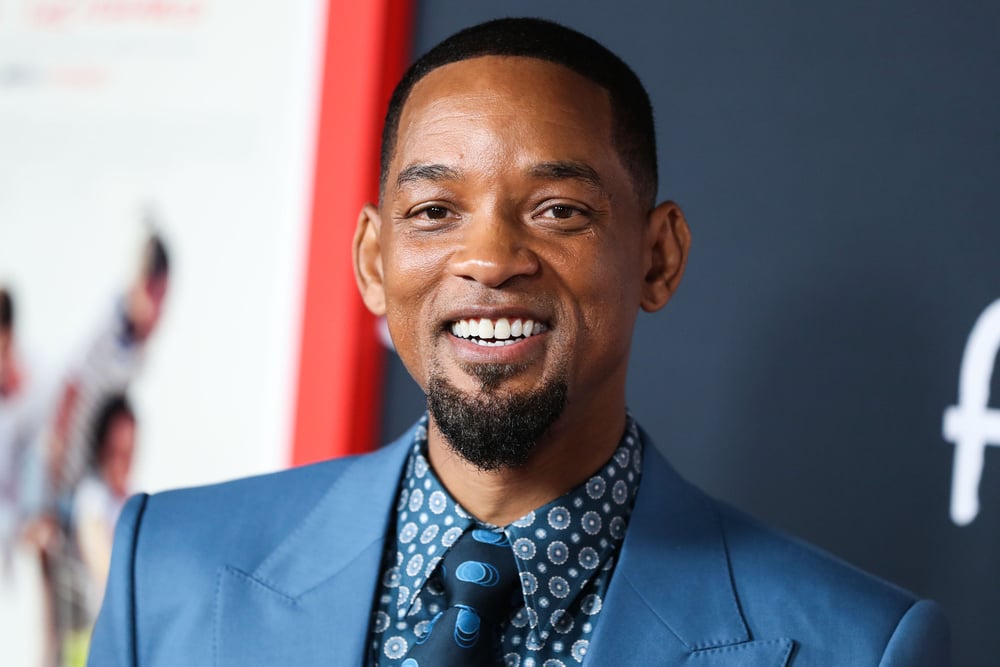
Shark Tale cast Will Smith as a small fish with big dreams in 2004. Oscar was basically Will Smith in animated form, complete with his swagger and fast-talking charm.
The character lived in an underwater world that mirrored hip-hop culture, and Smith brought authenticity to that setting. While Shark Tale didn’t reach the heights of other DreamWorks films, Smith’s performance showed his star power translated to animation.
Scarlett Johansson as Kaa

The Jungle Book remake in 2016 made an interesting choice by gender-swapping the python Kaa and casting Scarlett Johansson. Her voice brought a different kind of menace to the snake, using smooth persuasion rather than the slithery original version.
Johansson appeared in just one sequence, but her distinctive voice made Kaa memorable in a film filled with celebrity voice actors. The role proved that reimagining classic characters could work when talented performers brought new interpretations.
Seth Rogen Plays Pumbaa

Into the 2019 redo of The Lion King stepped Seth Rogen, lending his voice to Pumbaa – the flatulent warthog – opposite Billy Eichner’s Timon. Not once did he lose sight of the pig’s gentle soul; instead, humor seeped in through his laid-back rhythm.
Together, their back-and-forths sparked a fresh but familiar energy, one that didn’t ignore the past yet felt at home today. With visuals leaning hard into lifelike textures, Rogen’s loose, almost off-the-cuff speech patterns slipped right into place.
Awkwafina as Sisu
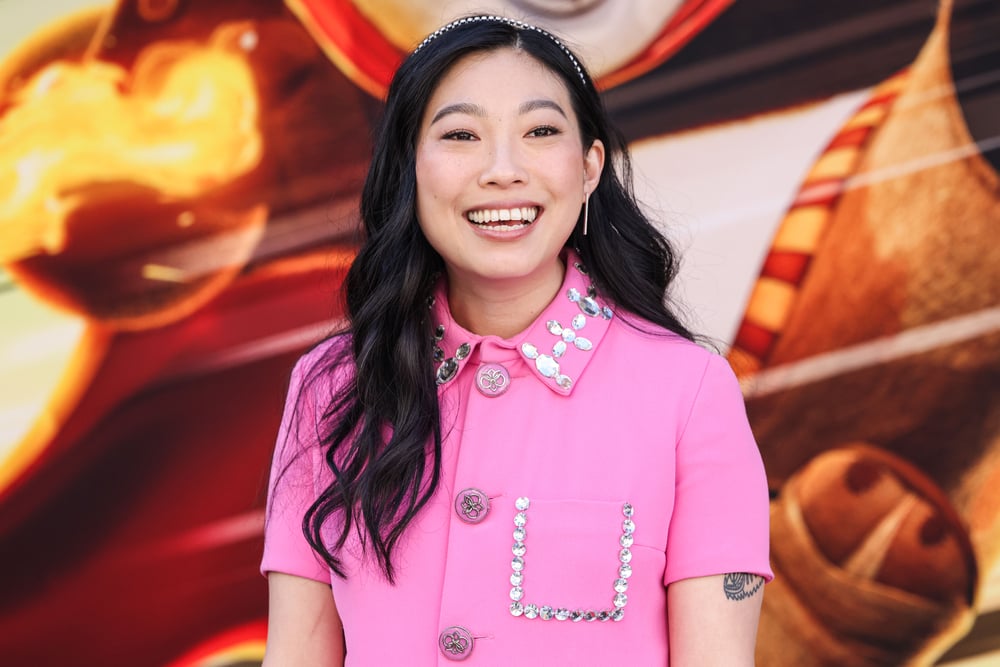
Out of nowhere came Sisu, the final dragon, stepping into view through Raya and the Last Dragon in 2021. Not comedy, but something looser – Awkwafina shaped her lines like clay, giving strength a clumsy grin.
Centuries passed with no one around, yet her words bounced, as if noise could fill empty time. Instead of hiding behind jokes, she leaned into them, letting loneliness peek through between punchlines.
This wasn’t magic pretending to feel real – it was laughter that arrived without knocking.
When voices become characters

What stands out is how animation opens up fresh possibilities for performers. Whether towering like giants or tiny as ants, playing people or creatures, grounded or wildly imaginative – options multiply fast.
Top voice artists know this medium allows bolder choices than regular film, yet keeps emotions genuine. Feelings come through clearly even without visible faces, all thanks to skilled acting that breathes soul into drawings.
It turns paper-thin images into beings we care about deeply. Over time, speaking for cartoons earned serious recognition, shaped heavily by well-known names lending their craft.
More from Go2Tutors!

- The Romanov Crown Jewels and Their Tragic Fate
- 13 Historical Mysteries That Science Still Can’t Solve
- Famous Hoaxes That Fooled the World for Years
- 15 Child Stars with Tragic Adult Lives
- 16 Famous Jewelry Pieces in History
Like Go2Tutors’s content? Follow us on MSN.



