Certain Ancient Languages Died Out Despite Having Millions of Speakers
There’s a common assumption that a language spoken by millions of people is safe — that sheer numbers act as a kind of armor against disappearance. History disagrees, and disagrees loudly.
Some of the most widely spoken languages of the ancient world are now silent, their last native speakers gone centuries or even millennia before anyone thought to worry about preserving them. What killed these languages wasn’t a lack of people.
It was something more complicated, more political, and in some cases, more brutal than simple population decline. The stories of how they vanished are worth understanding — because the forces that erased them haven’t gone anywhere.
Sumerian
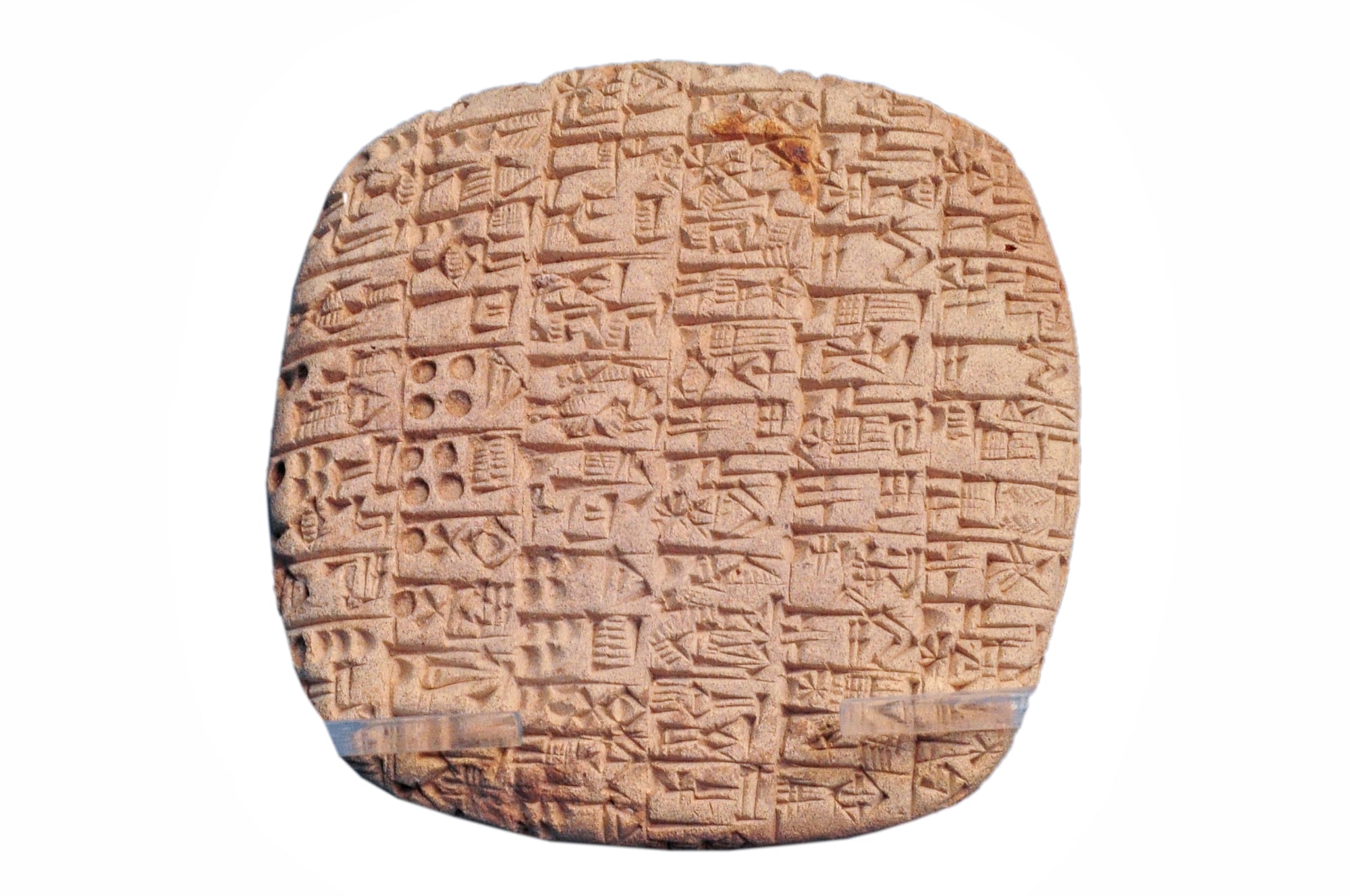
Sumerian is one of the oldest written languages ever recorded, and it died anyway. At its peak, it was spoken across a vast urban civilization in Mesopotamia — cities like Ur and Nippur, populations in the hundreds of thousands, bureaucracies that kept meticulous records on clay tablets.
When Akkadian displaced it as the everyday spoken tongue around 2000 BCE, Sumerian didn’t vanish overnight: it lingered for another two thousand years as a liturgical and scholarly language, the way Latin survived in European churches long after Rome fell. But no one was raising children in it anymore, and that’s the quiet ending of a language — not a catastrophe, just a slow withdrawal from daily life.
Akkadian

Akkadian, the very language that displaced Sumerian, eventually met its own erasure. It was the dominant spoken tongue of the Assyrian and Babylonian empires — arguably the lingua franca of the ancient Near East, used in diplomacy, trade, and literature across a region stretching from Egypt to Persia.
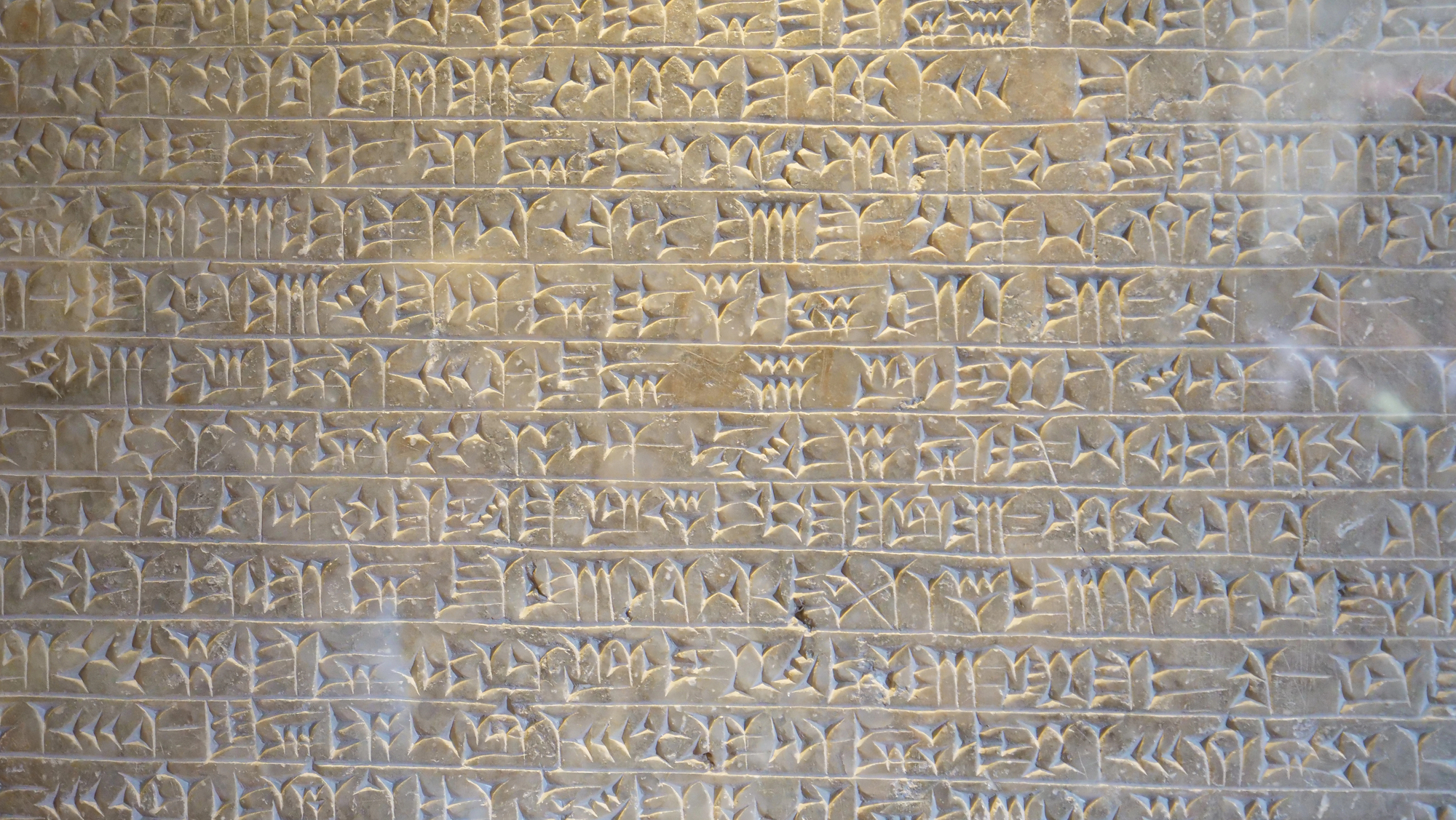
And yet, by the 6th century BCE, it was functionally extinct as a spoken language, having been steadily crowded out by Aramaic, having been steadily crowded out by Aramaic, which spread faster and proved more useful to more people across more borders. There’s something almost poetic in the fact that the language that killed Sumerian was itself killed by the same slow logic — a bigger network, a more convenient tongue, the relentless math of usefulness.
Aramaic
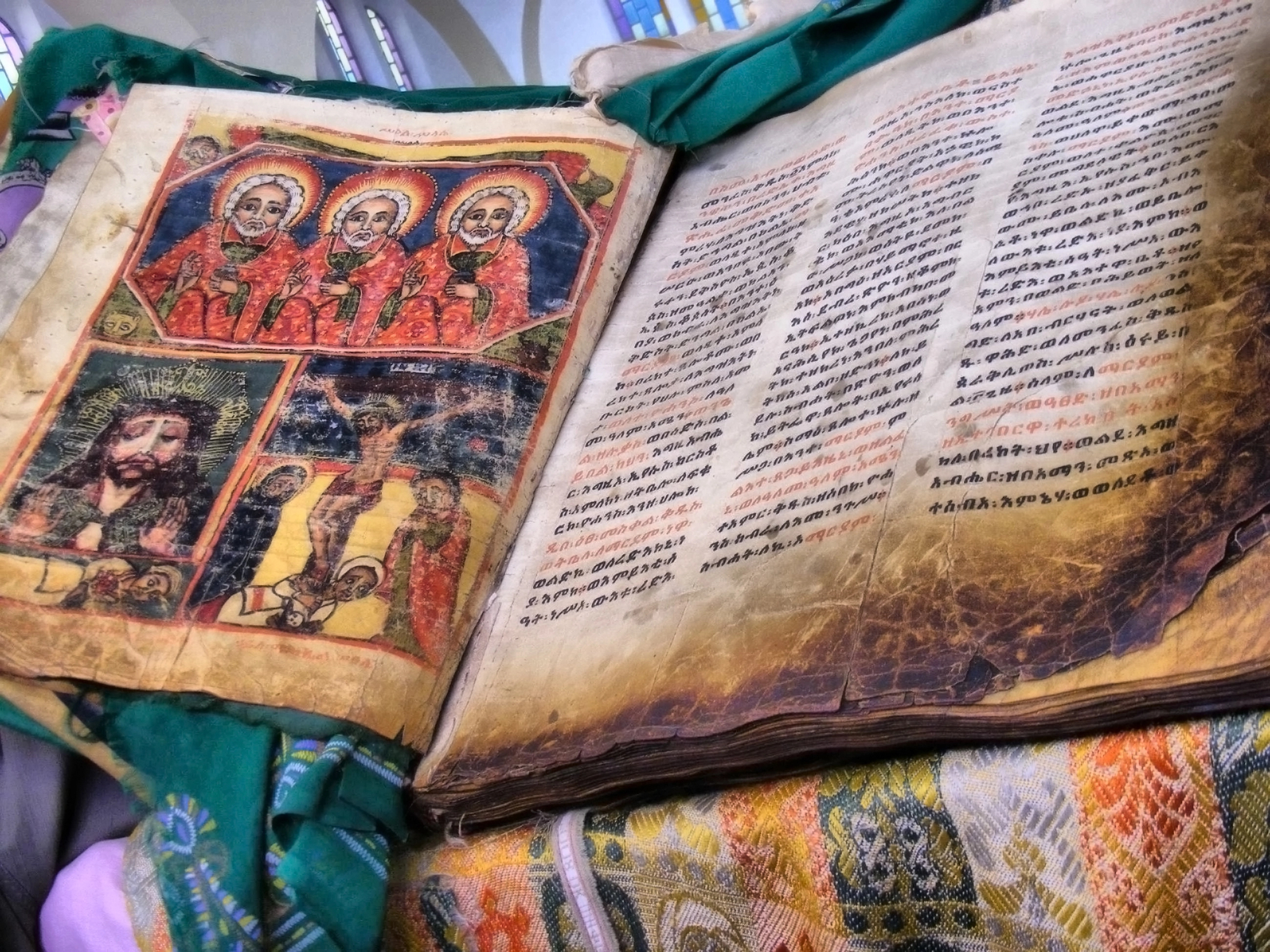
Aramaic deserves its own reckoning here, because it pulled off something remarkable before its own long decline: it became the everyday language of Jesus of Nazareth, of Jewish scripture, of Persian imperial administration, and of trade routes stretching from the Mediterranean to Central Asia. At its height, Aramaic had tens of millions of speakers and had done to Akkadian exactly what Akkadian once did to Sumerian.
But the Arab conquests of the 7th century CE brought Arabic — and Arabic, with its religious authority and political weight, compressed Aramaic into smaller and smaller pockets of use, eventually leaving only isolated communities in Syria, Iraq, and diaspora populations clinging to dialects that are still, even now, fighting to survive.
Coptic
Coptic is the direct descendant of ancient Egyptian, and that lineage alone makes its disappearance feel like a particular kind of loss. By the time of the Arab conquest of Egypt in 641 CE, Coptic had somewhere between five and seven million speakers — the language of an entire country, a civilization with a continuous spoken tradition going back thousands of years.
Arabic didn’t replace it through violence alone: administrative pressure, intermarriage, and the plain social advantage of speaking the language of the ruling class did most of the work, slowly enough that nobody declared the emergency until it was already over. Today it survives only in the liturgy of the Coptic Orthodox Church, spoken in prayers by people who don’t understand the words the way you understand the words in your native tongue.
Gothic

Gothic is a strange case — a language that had everything going for it and still collapsed in a matter of centuries. The Visigoths and Ostrogoths were not fringe players; they were major forces in the collapse of the Western Roman Empire, ruling significant territories across what is now Spain, Italy, and the Balkans.
Gothic had a complete Bible translation, a writing system, and a literate class that actively maintained it. But the Gothic kingdoms were minorities ruling Latin-speaking majorities, and over time — through intermarriage, conversion to Roman Catholicism (which operated entirely in Latin), and the eventual military destruction of the Gothic political project — the language simply ran out of people willing to pass it on.
The last recorded use of Gothic as a living language comes from Crimea in the 16th century, a lonely footnote at the end of a very long silence.
Gaulish
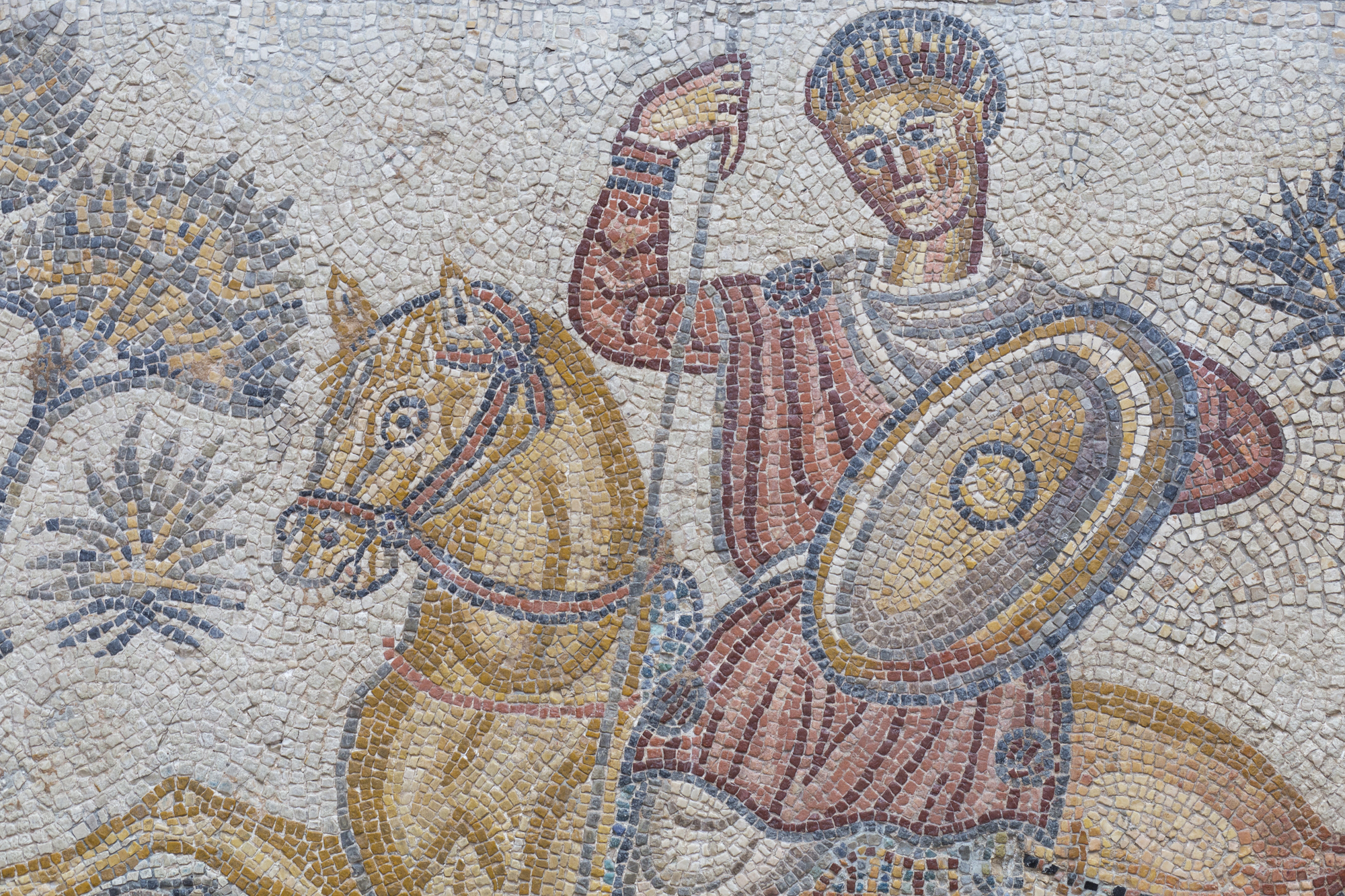
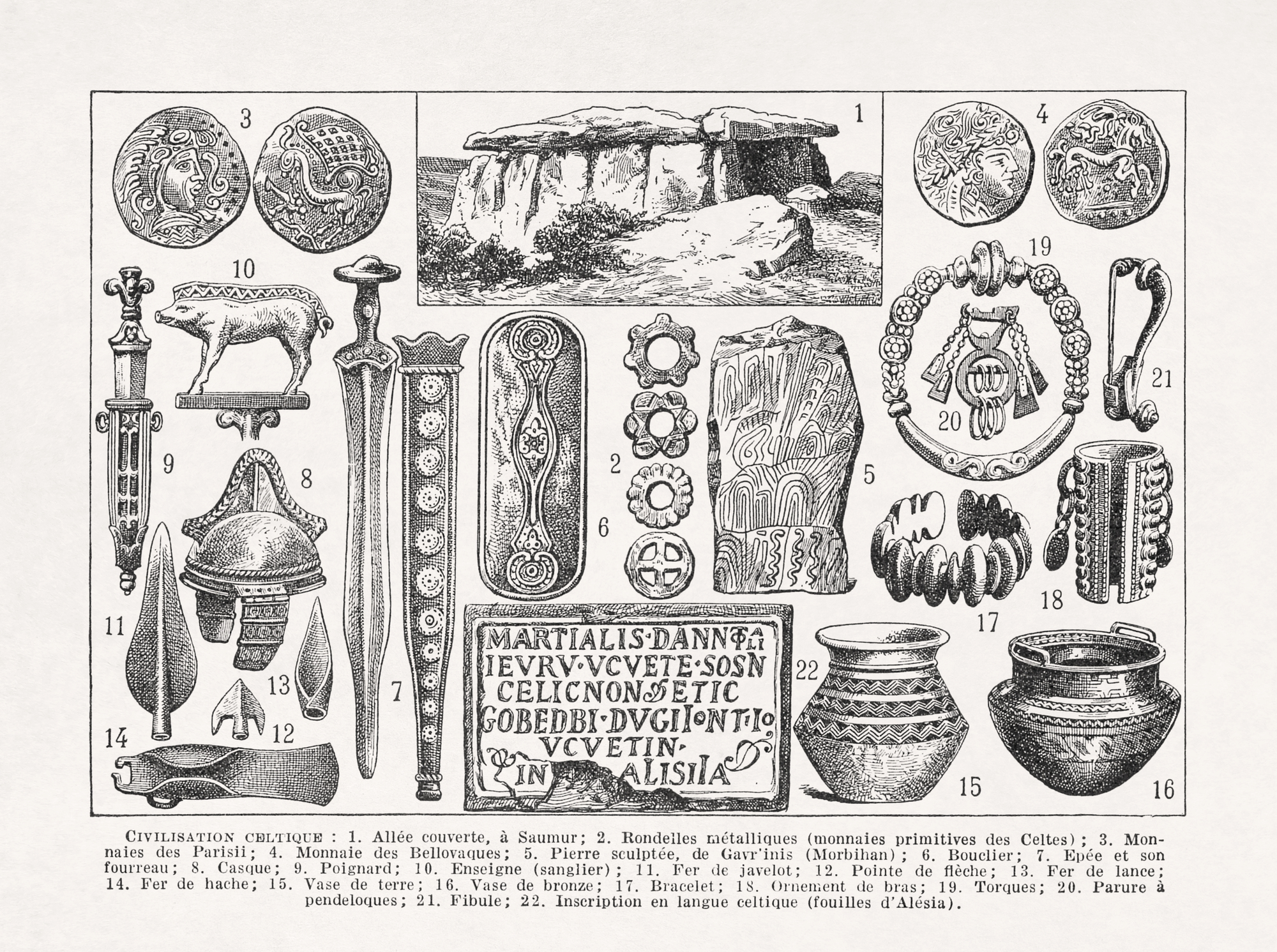
Gaulish was spoken across a territory covering most of modern France, Belgium, and parts of Switzerland and northern Italy — a Celtic language with millions of speakers, a warrior aristocracy, and a druidic tradition that maintained oral literature of considerable sophistication. Roman conquest under Julius Caesar, completed by 50 BCE, didn’t immediately silence it.
What finished Gaulish off was something subtler: the social prestige of Latin, the legal advantages of Roman citizenship, and four centuries of administration conducted entirely in a language that wasn’t Gaulish. By the 5th century CE, there’s no reliable evidence of anyone speaking it.
The Romans didn’t need to ban Gaulish — they just made Latin the language of everything that mattered.
Etruscan
Etruscan remains one of the most stubborn mysteries in the history of language. It was spoken by a sophisticated civilization that predated Rome, influenced Roman religion and architecture, and had a writing system that the Romans actually borrowed to create their own alphabet.
Etruria — roughly modern Tuscany — was densely populated, culturally dominant in central Italy for centuries, and traded with Greeks, Carthaginians, and Celts. But Etruscan wasn’t related to any other known language family, which meant it offered no foothold for assimilation; you couldn’t half-learn it from Latin.
Roman absorption of Etruscan cities, combined with the relentless social pull of Latin as the language of law and commerce, erased Etruscan from everyday life by around the 1st century CE — a language that researchers are still only partially able to read.
Oscan
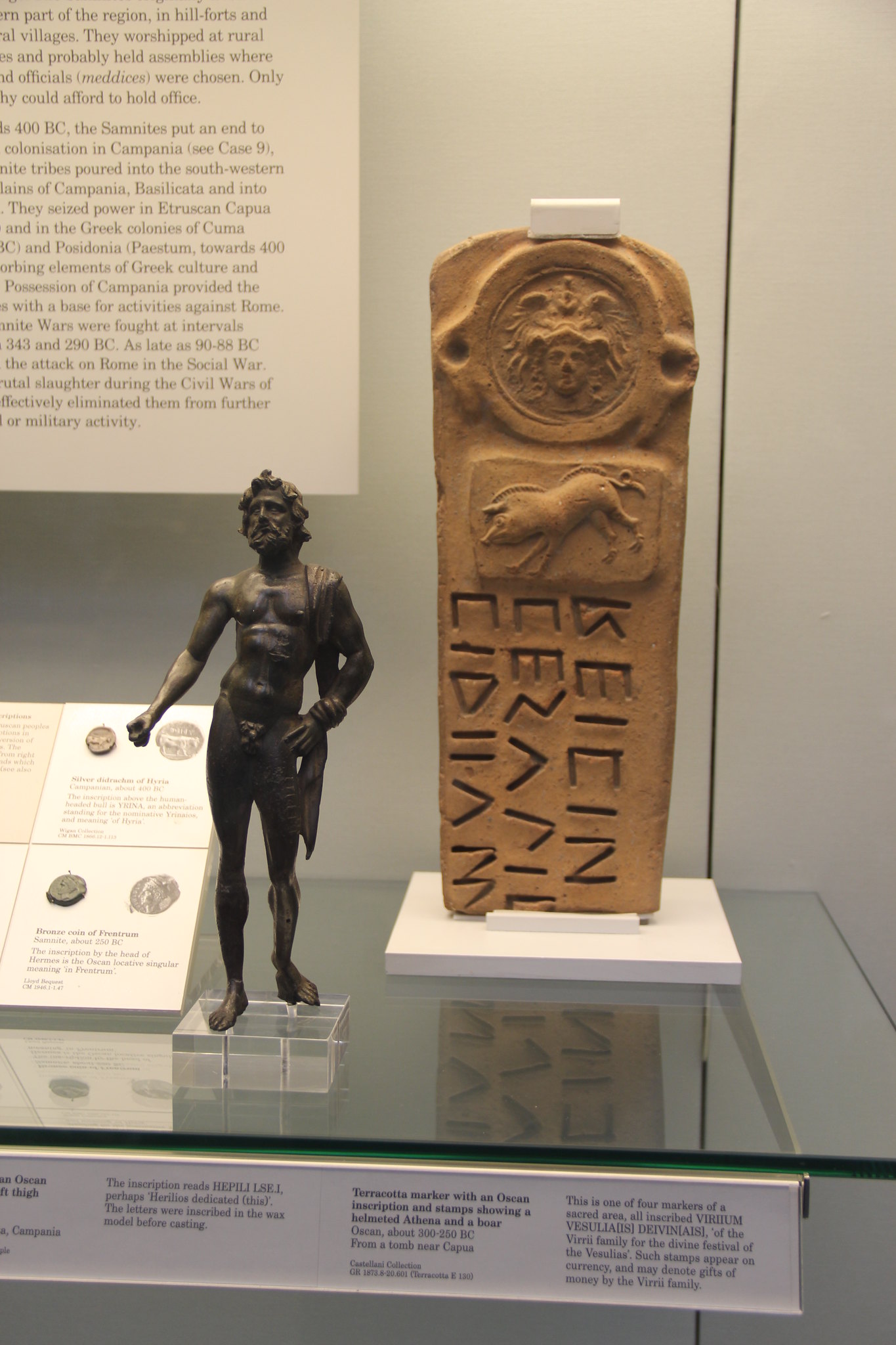
Most people outside classical studies have never heard of Oscan, which is exactly the problem. At the time of the Roman Republic, Oscan was spoken by the Samnites, Lucanians, and other Italic peoples — millions of people across southern and central Italy who were not Romans and did not speak Latin.
The Social War of 91–87 BCE, in which these peoples fought Rome for the right to Roman citizenship, is one of the bloodiest conflicts in Italian history, and Oscan speakers were central to it. They won citizenship — and in winning, sealed the language’s fate, because Roman citizenship brought Roman law, Roman courts, and Roman administration, all conducted in Latin.
Oscan inscriptions dry up within a century of the war’s end.
Phrygian
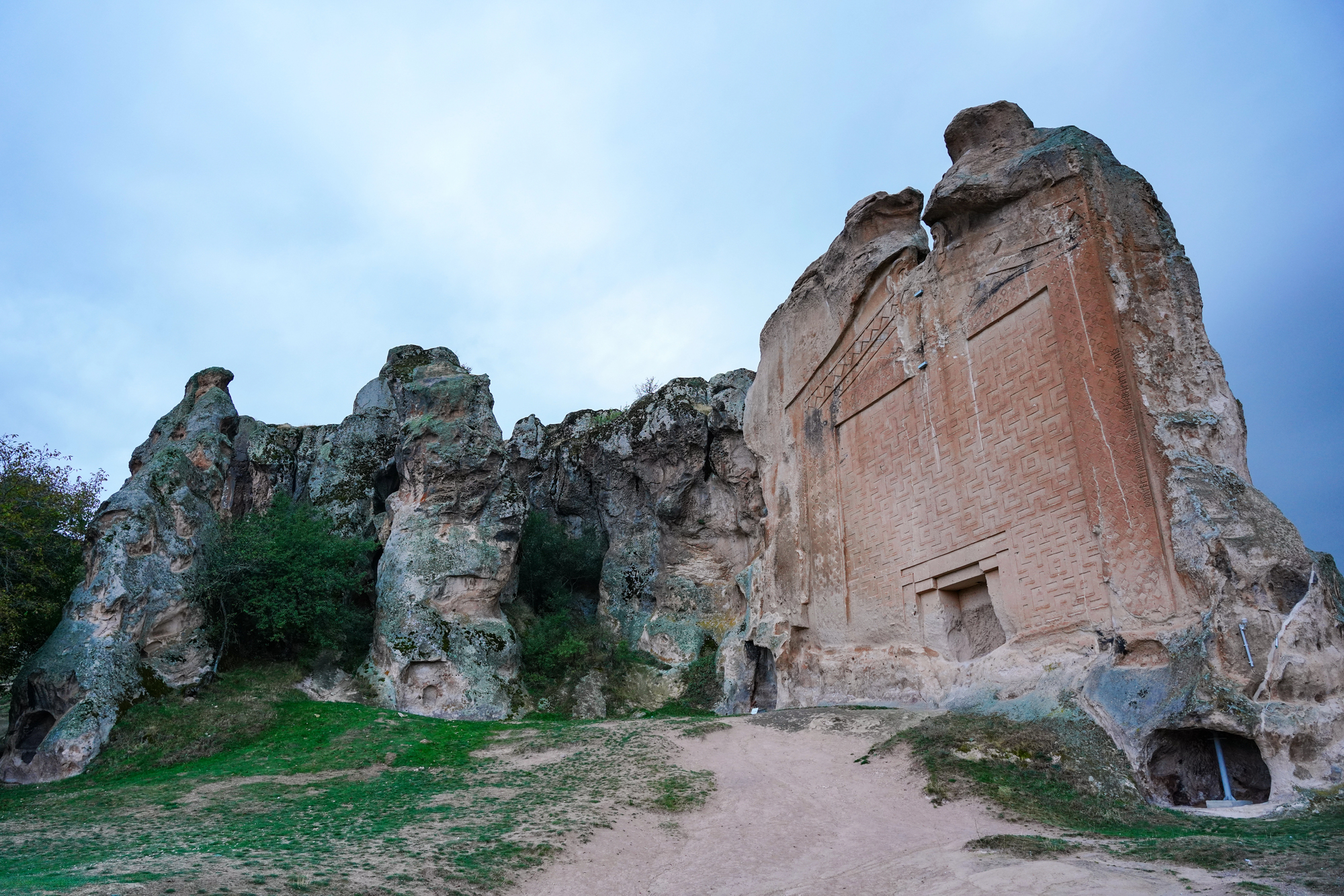
Phrygian was the language of the kingdom that gave the world the legend of King Midas — the man whose touch turned everything gold, which, it turns out, is a punishment more than a gift. The Phrygians controlled much of central Anatolia and had cultural and political influence stretching from the Greek world to Mesopotamia.
Ancient Greek sources even recorded a debate about whether Phrygian or Egyptian was the world’s oldest language (a debate that resolves nothing, but tells you something about how seriously it was taken). Greek colonization, followed by Persian rule, followed by Hellenistic Greek cultural dominance, pushed Phrygian steadily toward the margins — and by the 5th century CE, there are no surviving signs of it as a spoken tongue.
Sogdian
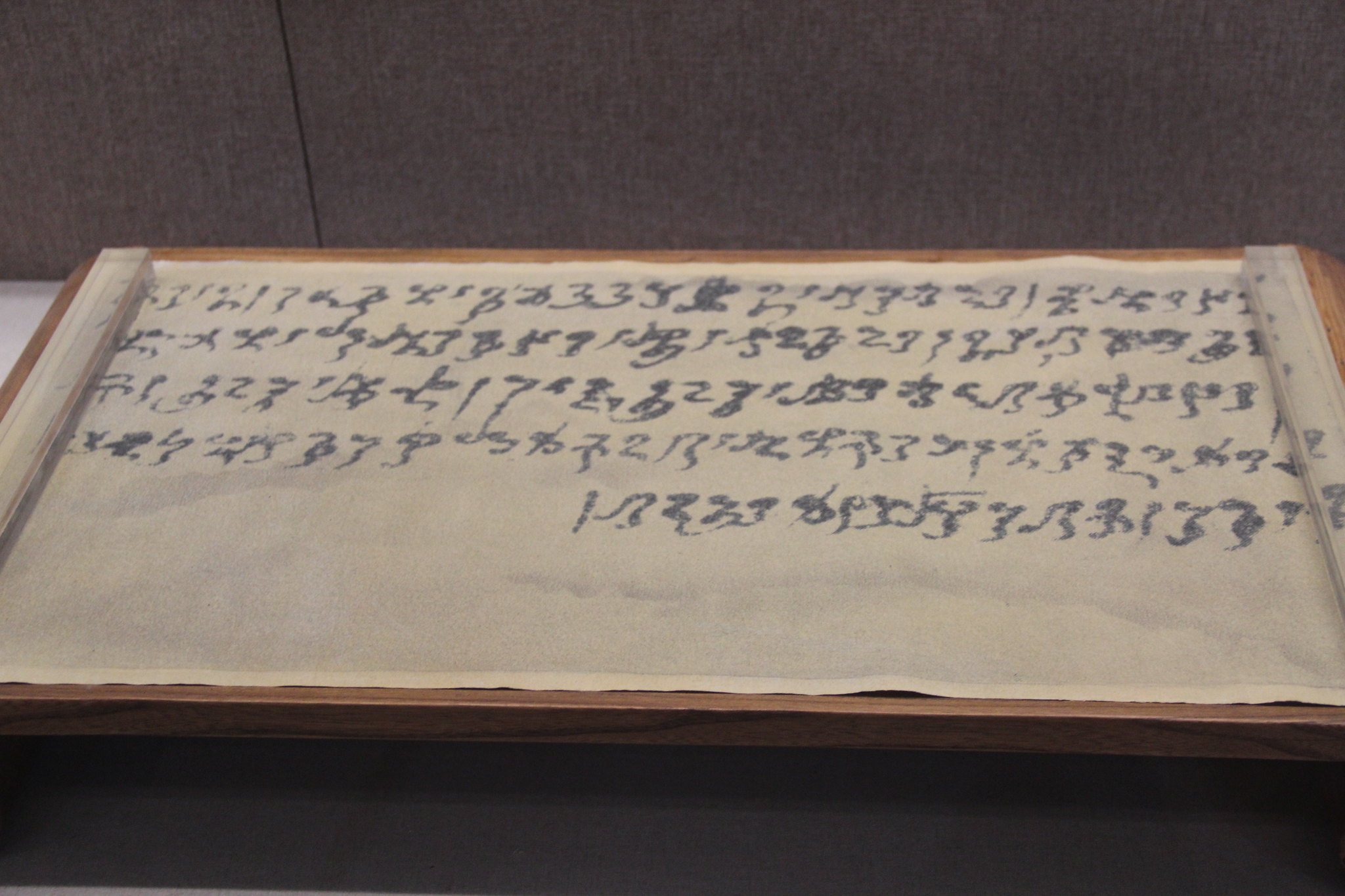
Sogdian was the closest thing the ancient Silk Road had to an international trade language — spoken by merchants and diplomats across a corridor stretching from modern Uzbekistan to the edges of Tang Dynasty China, roughly 3,500 miles in span. At its peak, Sogdian speakers were among the most commercially connected people in the ancient world, with colonies and trading posts scattered from Byzantium to Mongolia.
And yet the Arab conquest of Central Asia in the 7th and 8th centuries CE, followed by the slow cultural triumph of Persian and Arabic as the prestige languages of the region, reduced Sogdian to a footnote. Its last surviving descendant, Yaghnobi, is still spoken by a few thousand people in Tajikistan — and still not safe.
Tochari

The Tocharian languages — actually two distinct but related languages, called Tocharian A and Tocharian B — were discovered in manuscripts found in the Tarim Basin of western China, a discovery that shocked 19th-century linguists because nobody expected an Indo-European language that far east. The Tocharians appear to have had a literate, Buddhist culture with trade connections along the Silk Road, and their texts include both religious and commercial material suggesting a community of real scale.
Turkic migrations into the Tarim Basin between the 8th and 10th centuries CE appear to have ended them — the manuscripts simply stop, the communities vanish from the record, and the languages leave no modern descendants. It’s a disappearance with almost no witnesses.
Hattic
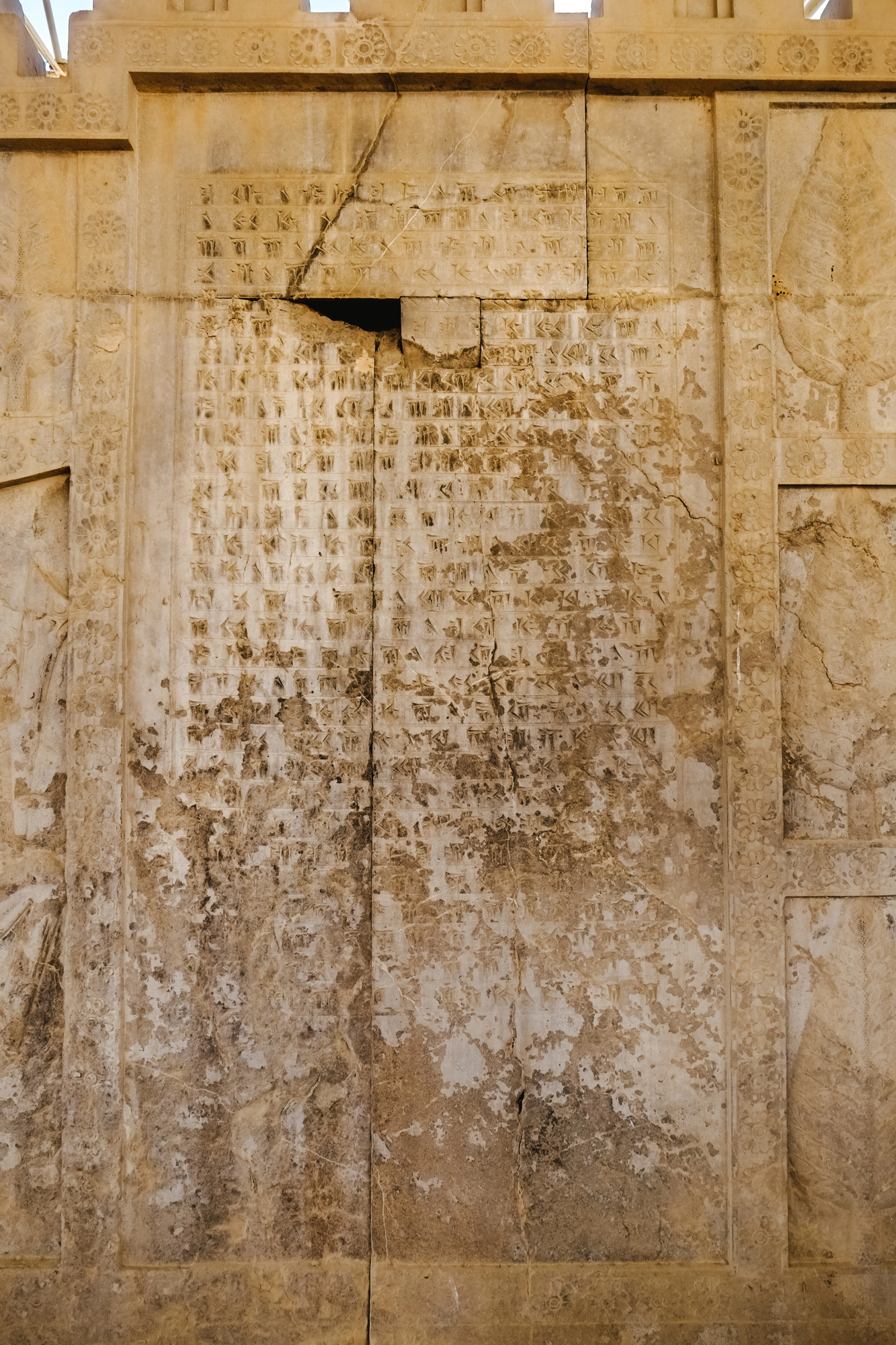
Hattic is a language that has no known relatives — not in the Indo-European family, not in the Semitic family, not in any grouping that linguists have been able to construct. It was spoken in Anatolia before the Hittites arrived, absorbed into Hittite civilization, and preserved in texts primarily because the Hittites used it in religious ceremonies they didn’t fully understand but refused to abandon.
So Hattic survived longer than it might have precisely because of its ritual strangeness — a language kept alive in temples after it had died on the street. By 1200 BCE, during the general Bronze Age collapse that erased several civilizations simultaneously, it disappears from the record entirely.
Elamite
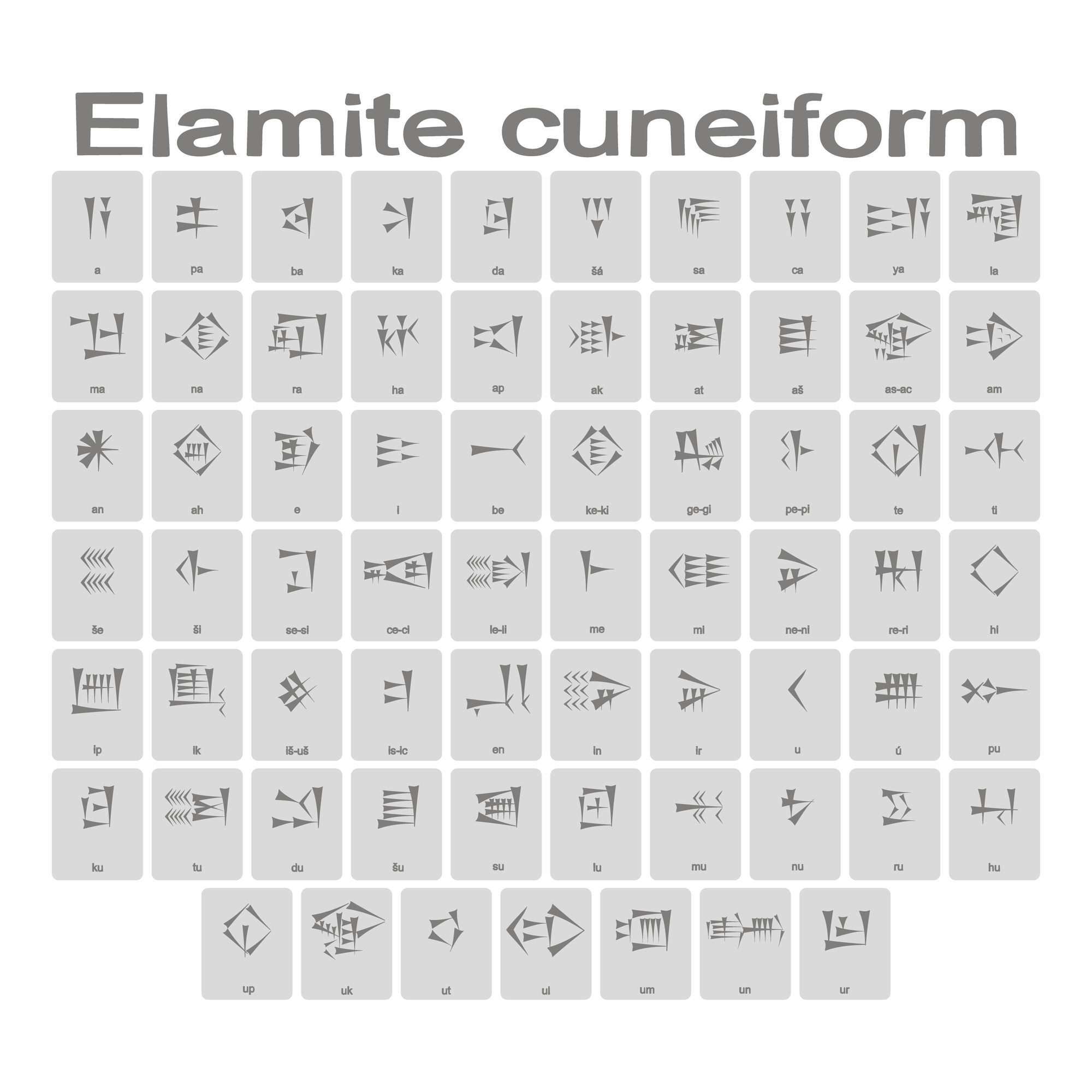
Elamite was the language of a civilization that rivaled Mesopotamia for millennia — the Elamite empire fought wars against Sumer, Akkad, and Babylonia, produced striking art and monumental architecture, and administered a complex state bureaucracy that generated thousands of surviving texts. Spoken across what is now southwestern Iran, Elamite had no clear relatives in any other language family, which made it an island in the ancient world.
Persian conquest under Cyrus the Great in the 6th century BCE didn’t silence it immediately — Elamite actually appears in the trilingual Behistun Inscription alongside Old Persian and Akkadian. But Persian became the language of power, and Elamite faded from administrative use within a few generations, leaving behind a writing tradition that took scholars over a century to partially decode.
The Weight of What’s Gone

Languages don’t die because people stop loving them. They die because the world around them reorganizes — empires shift, trade routes move, religions expand, and suddenly the language of the kitchen table no longer has any purchase in the courthouse or the marketplace.
The millions of speakers who once carried Sumerian and Sogdian and Coptic through their daily lives weren’t careless with what they had. They were doing what humans have always done: adapting to the pressures that survival places on ordinary choices.
What’s left behind in the clay tablets and crumbling manuscripts isn’t just a record of words — it’s a record of entire ways of organizing thought, naming grief, describing seasons, and arguing about the price of grain. That these systems of meaning can vanish, even when millions of people held them, is not a historical curiosity.
It’s a warning that’s still waiting to be taken seriously.
More from Go2Tutors!

- The Romanov Crown Jewels and Their Tragic Fate
- 13 Historical Mysteries That Science Still Can’t Solve
- Famous Hoaxes That Fooled the World for Years
- 15 Child Stars with Tragic Adult Lives
- 16 Famous Jewelry Pieces in History
Like Go2Tutors’s content? Follow us on MSN.